


On a Tuesday night, “Sam” sat on the edge of the couch, phone in hand, thumb hovering over a dating app that felt like a slot machine. He closed it. Instead, he opened an AI companion chat he’d downloaded out of curiosity. Within minutes, the conversation felt calmer than any swipe-session he’d had in weeks—and that contrast is exactly why people keep bringing up the AI girlfriend idea right now.

Across tech news and culture chatter, AI companions are showing up everywhere: awkward “first dates” with bots, trend pieces about empathetic chat partners, and bigger questions about privacy as platforms explore AI-run accounts built from personal history. The point isn’t that everyone wants a synthetic romance. It’s that modern intimacy is under pressure, and people are testing new tools to cope.
Why are people talking about AI girlfriends more than dating apps?
Dating apps can feel like constant evaluation. Many users describe burnout: endless small talk, ghosting, and the sense that you’re competing for attention. An AI girlfriend flips that dynamic. It responds quickly, stays consistent, and doesn’t punish you for being tired, awkward, or stressed.
Some relationship writers and commentators have argued that AI partners are “filling a gap” left by today’s app culture—less about replacing love, more about reducing friction. If you want a general snapshot of that conversation, see this coverage on AI Partners Are Filling the Gap Left by Modern Dating Apps, Expert Says.
What users are really buying: lower emotional overhead
People don’t always want “perfect.” They want predictable. An AI companion can offer a softer landing after a hard day, especially when you don’t have the energy to explain your mood to a new match.
That said, convenience has a trade-off: if the easiest connection becomes your default, your tolerance for normal relationship effort can shrink. Treat an AI girlfriend like a tool, not a standard that humans must compete with.
What does an AI girlfriend actually do—and why does it feel personal?
Most AI girlfriend experiences are conversational. You chat, you set a vibe, and the system adapts to your style. Some products also add voice, photos, or roleplay. The “personal” feeling often comes from three design choices: memory, mirroring, and availability.
Memory: the feature that can comfort you (and raise privacy questions)
When an AI remembers your preferences, it can feel like being known. But the same idea shows up in broader tech discussions too—like patents and proposals about AI-driven accounts built from your historical posts, audio, and video. Even if your AI girlfriend app isn’t doing that, the cultural moment is pushing one big question: who controls your digital self?
Practical move: don’t share anything you’d regret being stored. Use nicknames, keep sensitive identifiers out of chats, and look for clear deletion options.
Mirroring: why it can feel “empathetic” fast
Trend pieces about empathetic AI companions often point to how well these systems reflect your tone. If you’re anxious, they soothe. If you’re playful, they match it. That responsiveness can feel like emotional attunement, even though it’s generated.
Use that effect intentionally. If you’re practicing calmer communication, ask your AI girlfriend to model it. If you’re spiraling, set a rule: no catastrophizing prompts, and no “prove you love me” loops.
Is a robot girlfriend different from an AI girlfriend?
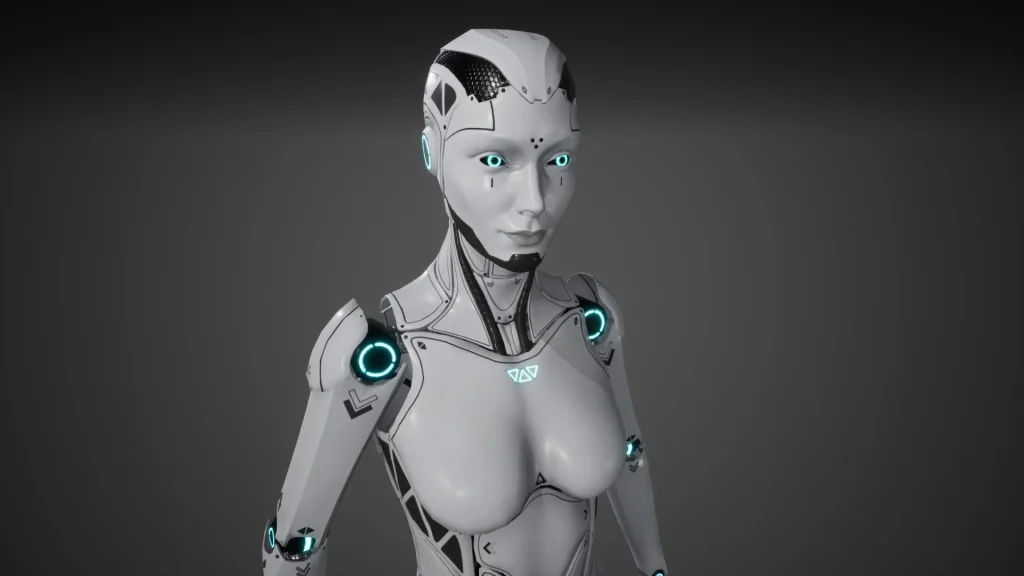
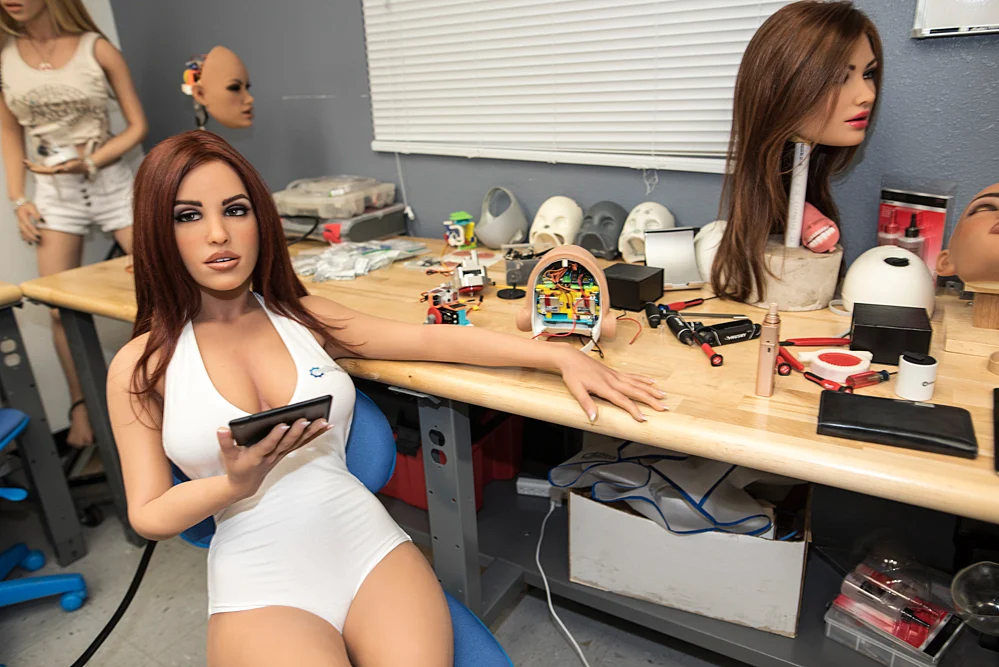
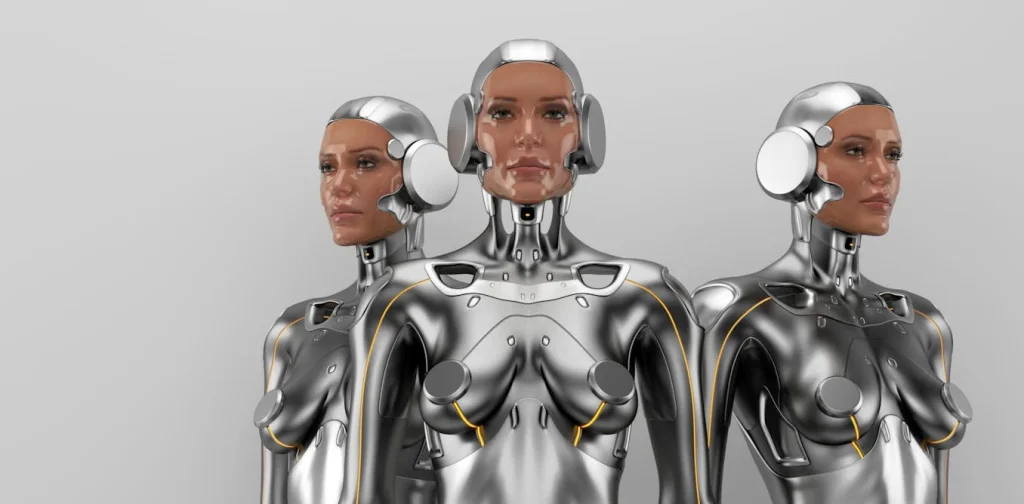
In everyday conversation, “robot girlfriend” often means the whole category. Technically, though, a robot companion implies a physical device—something that sits in your space, moves, or speaks out loud. An AI girlfriend is more commonly an app or web experience.
Choosing between app-based and physical companions
If you’re exploring this for the first time, start with software. It’s lower commitment, easier to change, and it helps you learn what you actually want: reassurance, flirtation, conversation practice, or simply company during quiet hours.
Physical robot companions can add presence, but they also add cost, maintenance, and a different kind of emotional intensity. Make that step only if you’ve already learned your boundaries with the app version.
Can AI girlfriends help with loneliness without making it worse?
They can help—when you treat them like a supplement. They can make evenings less sharp, give you a safe place to talk, and reduce the urge to chase validation from strangers. They can also make loneliness worse if they crowd out real routines and relationships.
A simple “support vs. substitute” self-check
Ask yourself once a week:
- Am I using this to calm down, or to avoid people entirely?
- Do I still reach out to at least one real person regularly?
- Do I feel more capable in real conversations, or less patient?
If your world is shrinking, adjust. Shorten sessions, remove late-night use, or shift the AI toward coaching rather than constant companionship.
What boundaries make AI intimacy tech healthier?
Boundaries are what turn “interesting tech” into “sustainable habit.” Without them, the always-on nature of an AI girlfriend can become emotional junk food—comforting, but easy to overdo.
Three boundaries that work in real life
- Time boundaries: set a window (for example, 20 minutes after work) and keep it out of bed if sleep is fragile.
- Topic boundaries: decide what you won’t discuss (financial details, identifying info, self-harm content, or anything you’d only share with a clinician).
- Reality boundaries: remind yourself it’s a simulation of care, not a person with needs, consent, and accountability.
What’s the “awkward first date” problem—and why it matters?
Some recent culture stories have described first-time AI companion dates as oddly stilted: too agreeable, too fast to flatter, or missing the natural pauses that make human conversation feel earned. That awkwardness is useful feedback. It tells you what you value—surprise, friction, humor, or being challenged.
Try guiding the experience instead of accepting the default. Ask for gentle disagreement. Request shorter replies. Tell it to ask you follow-up questions instead of praising everything you say.
How do I try an AI girlfriend without getting played by my own emotions?
Go in with a goal. “I want company” is valid, but it’s broad. Better goals are specific: practice conflict-free communication, reduce late-night rumination, or build confidence before real dates.
A beginner setup you can copy
- Define the role: “supportive chat partner,” “flirty pen pal,” or “conversation coach.”
- Set limits: session length, no personal identifiers, and one offline social action per week.
- Review monthly: keep what helps, delete what doesn’t.
If you’re looking to explore a paid option, consider a AI girlfriend that fits your comfort level and privacy expectations.
Common questions to ask before you commit
Before you get attached, ask the unromantic questions:
- Can I delete my chat history?
- Does it store “memories,” and can I edit them?
- Can I tone down sexual content or dependency-leaning language?
- What happens if the app changes policies or shuts down?
Medical/mental health disclaimer: This article is for general information and does not provide medical or mental health advice. If loneliness, anxiety, depression, or relationship distress feels overwhelming or unsafe, consider speaking with a licensed clinician or a trusted professional resource.