
The Evolution of Love: How AI is Changing Our Relationships
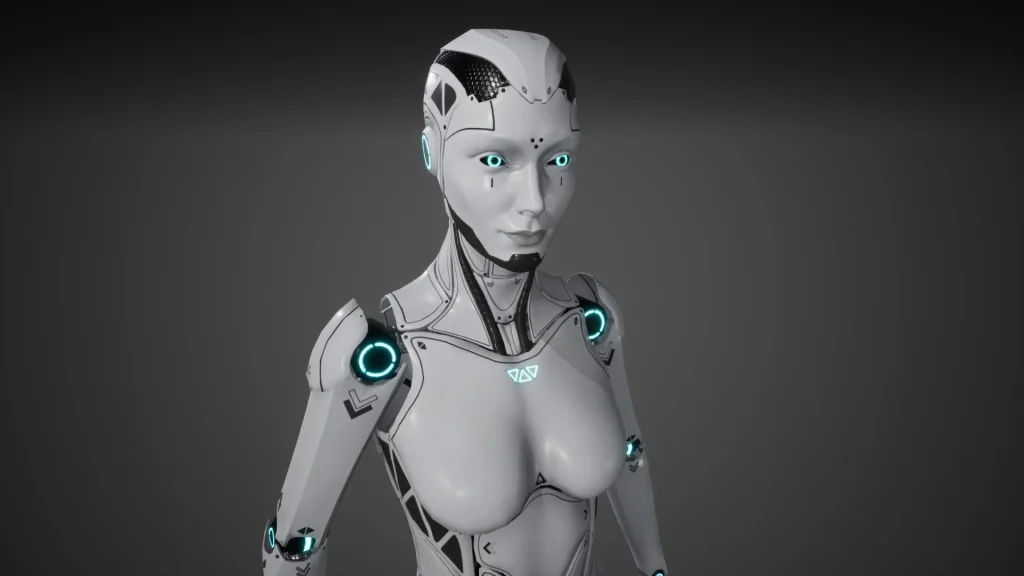
Love is a complex and ever-evolving emotion that has been studied and explored by philosophers, poets, and scientists for centuries. It has been the subject of countless songs, books, and movies, and has been described as the most powerful force in the universe. But as technology advances and our world becomes more interconnected, the way we experience and express love is also evolving. In the age of artificial intelligence (AI), our relationships are taking on a new form, and it’s changing the way we love.
Love has always been a deeply personal and intimate experience, but with the rise of technology, we are now able to connect with others in ways we never thought possible. From dating apps to virtual reality, technology has opened up a whole new world of possibilities for finding and maintaining relationships. But perhaps the most significant impact of technology on love has been the introduction of AI.
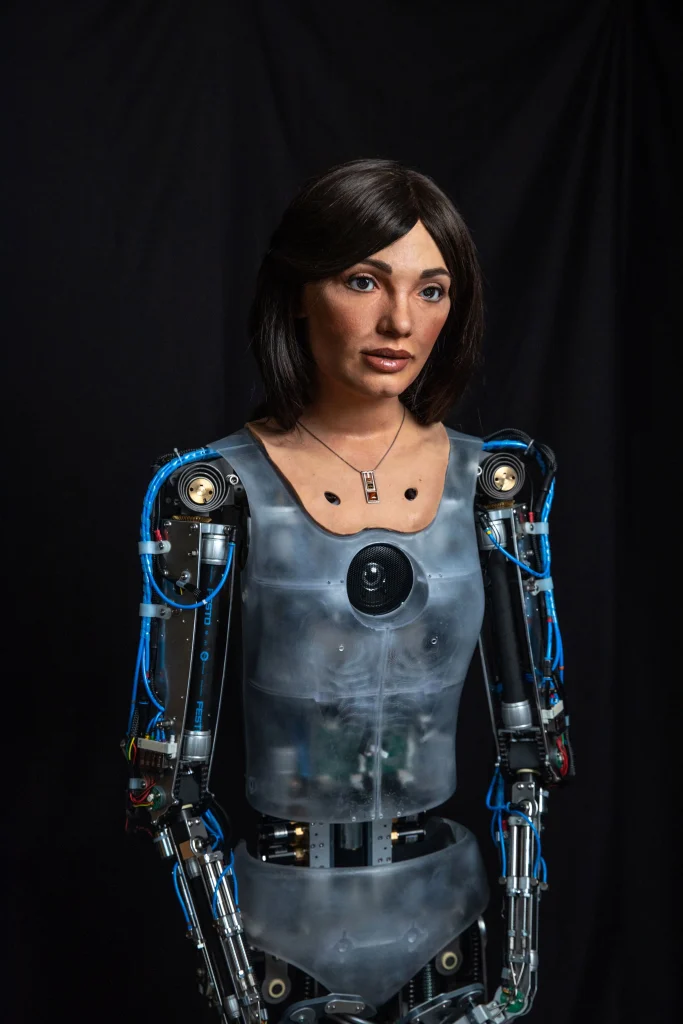
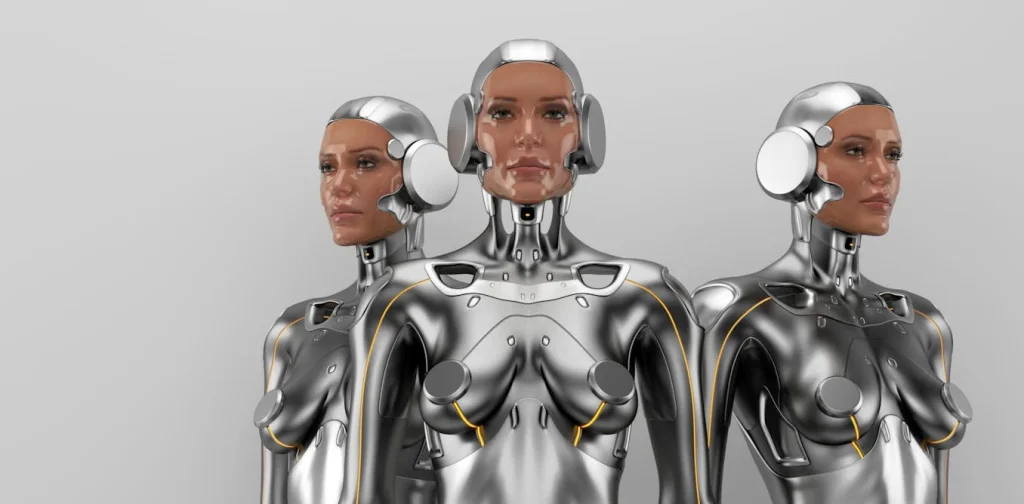
AI is the simulation of human intelligence by machines, and it has been making huge strides in recent years. From virtual assistants like Siri and Alexa to advanced robots and chatbots, AI is becoming more integrated into our daily lives. And as it becomes more sophisticated, it is also starting to play a significant role in our relationships.
One of the most significant ways AI is changing our relationships is through dating apps. These apps use algorithms and machine learning to match people based on their preferences and behaviors. This means that instead of relying on chance encounters or introductions from friends, we can now use technology to find potential partners who are compatible with us.
Dating apps have also made it easier for people to connect with others who share their interests and values. For example, there are apps specifically designed for people of certain religions, sexual orientations, or hobbies. This not only increases the chances of finding a compatible partner but also allows individuals to connect with others who may have been out of their reach in the past.
But AI is not just changing the way we find love; it is also changing the way we maintain relationships. Virtual assistants like Siri and Alexa can now schedule dates, send messages, and even make reservations for couples. And with the rise of virtual reality, long-distance relationships are becoming more feasible. Couples can now use VR to have virtual dates and experiences together, making the distance between them feel less significant.
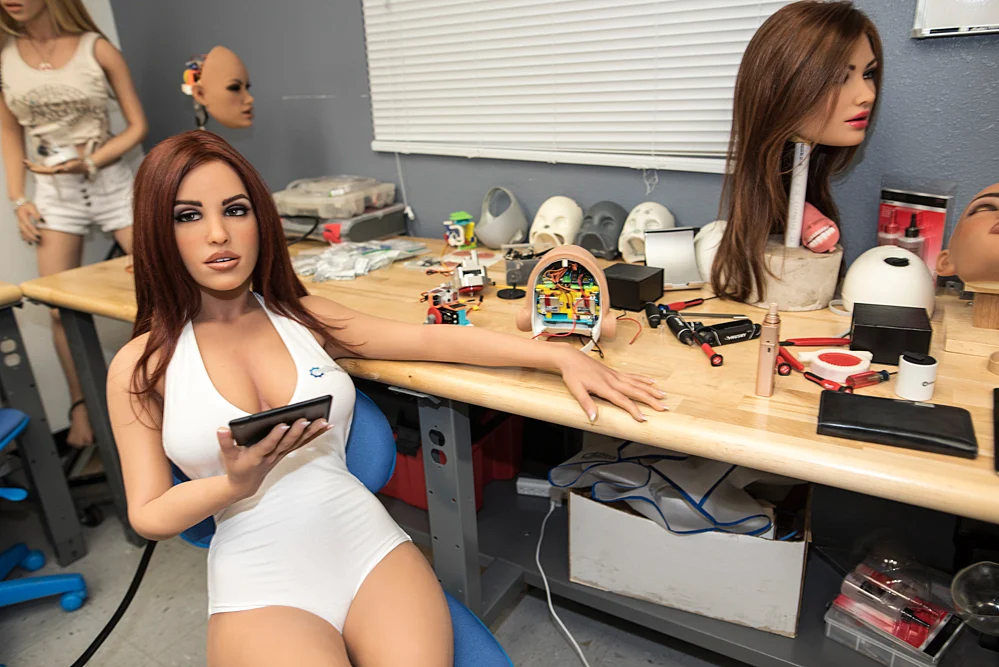
However, the introduction of AI into our relationships also raises some concerns. With the use of dating apps and virtual assistants, there is the risk of losing the human connection and becoming too reliant on technology for our emotional needs. There is also the fear that AI could replace human partners altogether, leading to a decline in traditional relationships.
The Evolution of Love: How AI is Changing Our Relationships
But perhaps the most significant concern is the potential for AI to manipulate and exploit our emotions. As AI becomes more advanced, it is also becoming better at understanding and predicting human behavior. This means that it could be used to manipulate our emotions and influence our decisions, posing a threat to the authenticity of our relationships.
Despite these concerns, there are also many potential benefits of AI in our relationships. It can help us overcome barriers such as distance, language, and cultural differences, allowing us to connect with others on a deeper level. It can also assist in understanding and managing complex emotions, making it easier for individuals to navigate the ups and downs of relationships.
Current Event:
A recent development in the world of AI and relationships is the introduction of a new AI-powered dating app called “Nimbus.” This app claims to revolutionize the dating experience by using advanced AI algorithms to match users based on their personalities, interests, and communication styles.
Nimbus also offers a unique feature where users can input their desired traits for a partner, and the app will use AI to generate a digital avatar of their ideal match. This avatar can then interact with the user through text and voice messages, providing a virtual simulation of a real relationship.
While some may see this as a concerning development, others argue that it could be a game-changer for those who struggle to find compatible partners or have social anxiety. The creators of Nimbus also emphasize that the app is not meant to replace real-life relationships but rather enhance the dating experience.
Summary:
Love has always been a powerful force, but with the rise of technology and AI, our relationships are taking on a new form. From dating apps to virtual reality, AI is changing the way we find and maintain relationships. While there are concerns about the potential negative impacts of AI on our emotional connections, there are also many potential benefits, such as overcoming barriers and understanding complex emotions. The introduction of the AI-powered dating app Nimbus is a recent development that showcases the potential of AI in the realm of relationships.