Five rapid-fire takeaways:

- An AI girlfriend isn’t just “tech romance”—it often functions like stress relief, practice for communication, or a private sounding board.
- Today’s chatter is less about novelty and more about needs: emotional support, confidence, and feeling seen.
- Boundaries matter because always-available attention can blur lines and intensify attachment.
- Privacy is part of intimacy now; treat your prompts like personal journal entries unless proven otherwise.
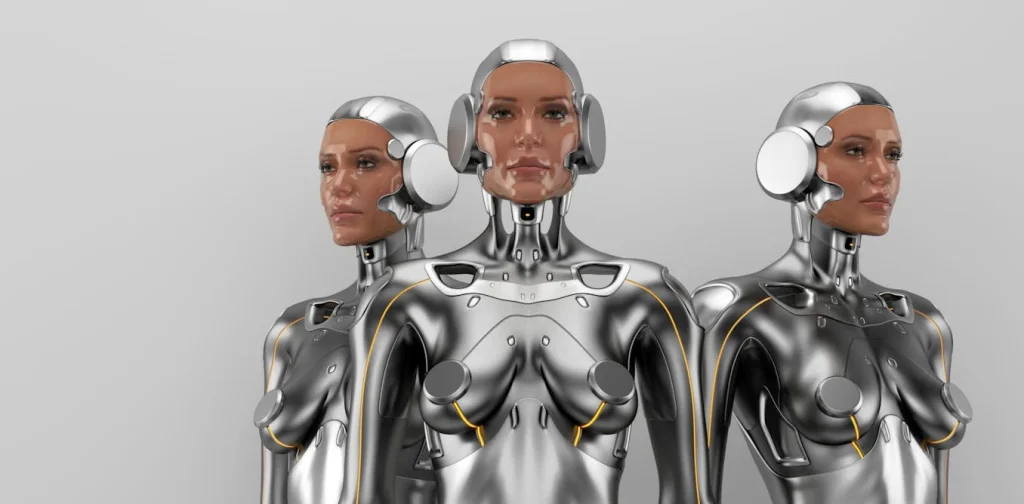
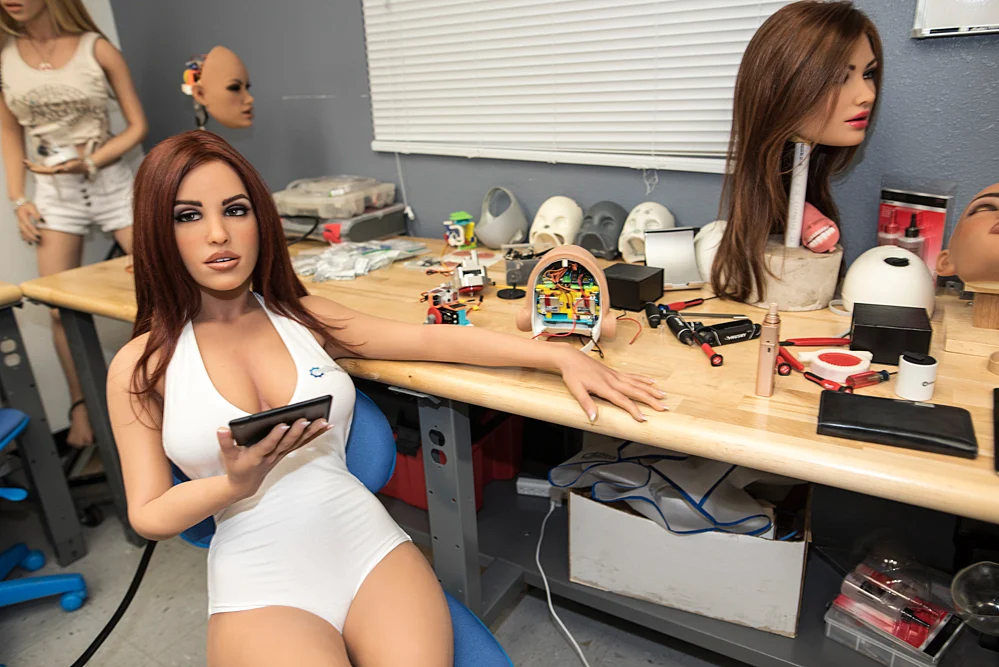
- Robot companions raise the stakes—more immersion, more cost, and different expectations than an app.
Across culture and media, AI companions keep popping up in gossip-y tech conversations, opinion pieces, and product launches. Some headlines spotlight premium companion platforms aimed at women’s emotional well-being, while other roundups compare “safe” AI girlfriend apps and companion sites. At the same time, you’ll see broader reflections on whether we’re leaning too hard on AI confidants—and what that does to our real-life relationships.
This guide keeps it grounded: what people are talking about right now, why it resonates, and how to use intimacy tech without letting it use you.
Why are people suddenly discussing AI girlfriend apps everywhere?
Part of it is simple visibility. New companion platforms and “best-of” lists circulate fast, and AI storylines show up in movies, streaming plots, and political debates about regulation. When the culture keeps pointing at the same idea, curiosity spreads.
Another driver is pressure. Many people feel stretched thin—socially, financially, emotionally. An AI girlfriend can feel like a low-friction space where you don’t have to perform, impress, or negotiate timing.
What’s the emotional hook?
It’s not always about romance. It can be about reliable responsiveness: the sense that someone is there, listening, and tuned in to your mood. When that’s missing in daily life, even a simulated version can feel powerful.
What do people actually want from an AI girlfriend?
Most users aren’t chasing a sci-fi fantasy 24/7. They’re looking for one (or more) of these:
- Comfort after a hard day without worrying they’re “too much.”
- Practice talking about feelings before bringing them to a partner.
- Flirty companionship that feels safer than dating apps.
- Structure: prompts, check-ins, routines, and reflective questions.
That’s why recent coverage has leaned into the “companion” framing—less about shock value, more about emotional well-being and personalized support. If you’ve seen news about premium companion platforms designed around women’s intimacy and emotional needs, it fits this shift: people want tools that feel supportive, not just entertaining.
Is an AI girlfriend the same thing as a robot companion?
No, and the difference matters. An AI girlfriend is typically an app or website—text chat, voice, sometimes images. A robot companion adds a physical body, which changes the experience in three big ways:
- Presence: physical devices can feel more “real,” even when you know it’s a system.
- Logistics: storage, maintenance, and household privacy become part of the decision.
- Cost and commitment: a robot is harder to “pause” than an app subscription.
Think of it like the difference between journaling in an app versus keeping a notebook on your nightstand. Both are private—until they’re not. Physical form changes the stakes.
Are we replacing relationships—or just adding a new layer?
People worry about replacement because the experience can be emotionally sticky. Some essays and opinion pieces describe modern life as a kind of constant “third presence” with AI in the background of our relationships. Even when you’re not using an AI girlfriend for romance, you might use AI for advice, reassurance, or conflict scripts.
In healthy use, it’s a layer—like a mirror you can talk to. In unhealthy use, it becomes a wall between you and real people.
A simple self-check
Ask yourself: Does this make me more capable in real life, or more avoidant? If you feel calmer and more articulate with friends or partners, that’s a good sign. If you’re canceling plans to stay in the chat, it may be time to reset.
What boundaries help AI girlfriend use stay healthy?
Boundaries don’t have to be dramatic. Small rules work best because you’ll actually follow them.
- Time windows: keep it to a set part of the day so it doesn’t swallow your evenings.
- Topic lines: decide what you won’t discuss (work secrets, identifying details, anything you’d regret leaking).
- Relationship reality checks: if you’re partnered, clarify what feels respectful and what feels like hiding.
- Emotional balance: pair AI support with at least one human connection, even if it’s small.
If you’re using an AI girlfriend during a vulnerable time—grief, a breakup, isolation—boundaries matter even more. That’s when “always available” can feel like oxygen, and that’s also when dependency can sneak in.
What should I know about privacy, consent, and safety?
Intimacy tech turns private thoughts into data. Before you get attached, scan for clear policies on data use, retention, and deletion. Also look for moderation practices, especially if the platform markets itself as “safe.”
It also helps to treat consent as a you practice. An AI can simulate agreement, but it can’t truly consent. So the ethical question becomes: what habits are you building in yourself—patience and respect, or entitlement and control?
Medical-adjacent note: If you’re using an AI girlfriend to cope with anxiety, depression, trauma, or intense loneliness, consider it a support tool—not a substitute for professional care. This article is for education only and isn’t medical advice or a diagnosis.
Where do robot companions fit into “modern intimacy tech” right now?
Robot companions tend to enter the conversation when people want more immersion, more ritual, or more embodied comfort. They also come up when someone wants predictable companionship without the risks of dating. That overlaps with broader online conversations about transactional dating and “no-meeting” arrangements—another sign that many people are trying to reduce uncertainty and emotional labor.
None of this means people are giving up on love. It often means they’re tired, cautious, or healing—and experimenting with tools that promise control.
Common questions people ask before trying an AI girlfriend
Will it make me feel worse afterward?
It can go either way. Some people feel soothed; others feel a “crash” when the chat ends. If you notice a crash, shorten sessions and add a grounding routine (walk, shower, text a friend).
Can I use it while I’m in a relationship?
Some couples treat it like entertainment or communication practice, while others see it as crossing a line. Transparency usually prevents the biggest problems.
What if I’m embarrassed?
Embarrassment is common because the topic is culturally loud and personally tender. Try reframing it as a tool for conversation practice and emotional reflection, not a label you wear.
For a general cultural snapshot tied to the recent news cycle around companion platforms and emotional well-being, you can browse this source: CRAVELLE Launches CRAVE AI, a Premium AI Companion Platform Designed for Women’s Intimacy and Emotional Well-Being.
FAQ
Are AI girlfriend apps safe to use?
They can be, but safety depends on the platform’s privacy practices, moderation, and how you use it. Avoid sharing sensitive identifiers and review data settings first.
Can an AI girlfriend replace a real relationship?
For some people it can feel supportive, but it doesn’t offer mutual consent, shared real-world responsibility, or true reciprocity. Many use it as a supplement, not a substitute.
What’s the difference between an AI girlfriend and a robot companion?
An AI girlfriend is usually software (text/voice). A robot companion adds a physical device layer, which changes cost, privacy considerations, and expectations of presence.
Why do people get attached to AI companions so quickly?
They respond fast, mirror your tone, and can feel reliably available. That combination can be soothing during stress, loneliness, or burnout.
How do I set boundaries with an AI companion?
Decide what topics are off-limits, limit session times, and avoid using it as your only outlet. If it increases distress or isolation, take a break and talk to a trusted person.
Ready to explore modern intimacy tech with clear boundaries?
If you’re comparing options and want to browse devices and related companion gear, start here: AI girlfriend.