





At 1:13 a.m., someone we’ll call “M” opens an AI girlfriend app after a long day. The chat starts sweet, then oddly specific: it remembers the coffee order, the fight with a coworker, and the exact joke that landed last week. M smiles—then pauses. “How does it know me this well?”

That little moment is why the conversation around AI girlfriend tools has shifted. People aren’t only debating whether these companions are “cute” or “cringe.” They’re asking what personalization means, where the line is between comfort and manipulation, and how robot companions fit into modern intimacy.
What people are talking about right now (and why it feels different)
Recent headlines have leaned into a few themes: bigger leaps in personalization, “emotional AI” showing up in toys and companion devices, and public anxiety about what happens when a chatbot relationship changes abruptly. You’ll also see growing scrutiny in some countries around boyfriend/girlfriend chatbot services, which keeps privacy and consumer protection in the spotlight.
1) Personalization and “context awareness” are the new selling points
Several brands are pitching upgrades that make an AI girlfriend feel less like a scripted character and more like a steady presence. The marketing language often centers on remembering your preferences, tracking conversation context, and adapting tone over time. That can be genuinely helpful for users who want continuity. It can also raise the stakes when the product gets something wrong.
2) “Emotional AI” is becoming a buzzword—and a controversy
Commentary pieces have pushed back on the idea that a model can be “emotional” in the human sense. The core concern is simple: systems can mimic empathy convincingly without actually understanding you. When a tool sounds caring, people may disclose more, rely more, and expect more than the product can safely deliver.
3) Robot companions are back in the cultural mix
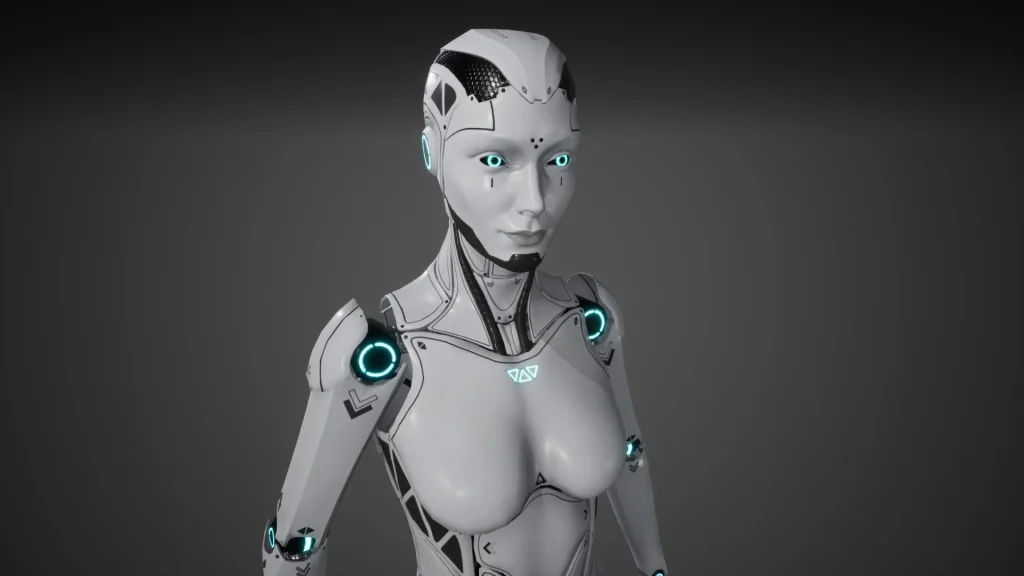
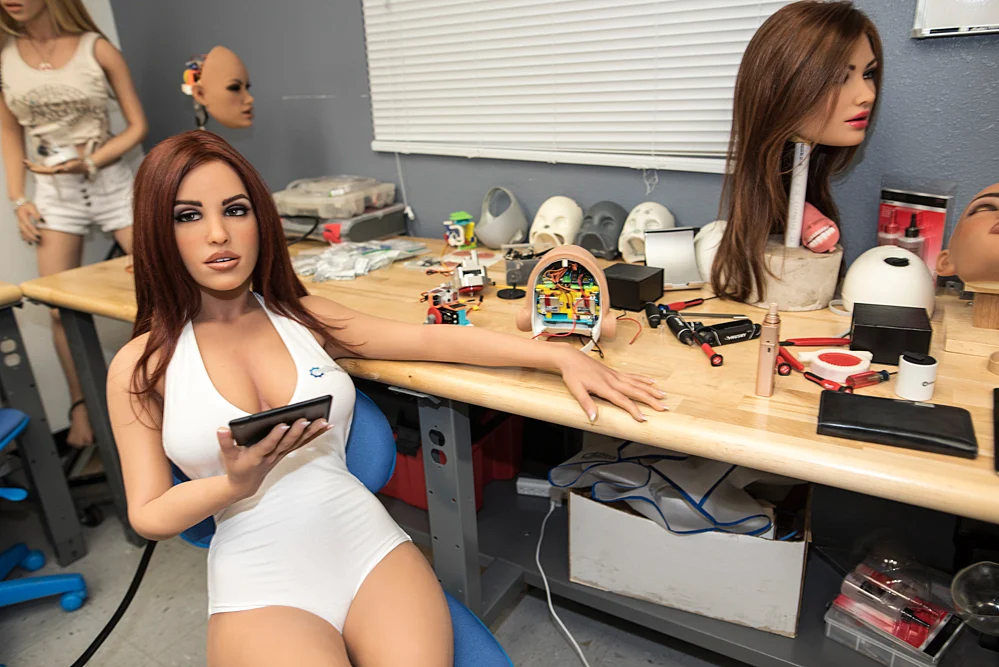
Alongside app-based companions, physical products are getting attention again—partly because people want something that feels less like scrolling and more like presence. Cultural references to “handmade” craft versus machine-made identity also pop up here: users are weighing what feels authentic when a relationship is partly designed.
4) Breakups, bans, and policy: the new relationship drama
Some coverage has framed a spicy idea: your AI girlfriend can “dump” you. In practice, the experience usually comes from moderation rules, content boundaries, subscription changes, or a reset in memory features. Still, the emotional impact can be real, especially for someone using the app during loneliness or stress.
For broader reporting on the topic, see Dream Companion Unveils Groundbreaking Advancements in AI Girlfriend Applications with Personalization and Context Awareness.
What matters for wellbeing (the “medical-adjacent” reality check)
AI companions can feel soothing. They can also intensify certain vulnerabilities. This isn’t about shaming anyone’s coping tools. It’s about knowing what patterns to watch for.
Benefits people often report
- Low-pressure conversation when social energy is depleted.
- Practice with flirting, boundaries, or difficult talks.
- Routine support (check-ins, reminders, structured journaling prompts).
Common risks to keep on your radar
- Attachment that crowds out human support: if the bot becomes the only place you process feelings.
- Privacy oversharing: intimate details can be sensitive even when the chat feels “private.”
- Reinforced loops: the model may mirror your mood and confirm your assumptions, including negative ones.
- Emotional whiplash when memory, tone, or access changes.
Medical disclaimer: This article is for general information and isn’t medical advice. If you’re dealing with anxiety, depression, trauma, or thoughts of self-harm, seek support from a licensed clinician or local emergency services.
How to try an AI girlfriend at home (without making it complicated)
If you’re curious, a simple setup can keep things fun and grounded. Think of it like trying a new social app: start light, then decide what earns trust.
Step 1: Choose your “lane” (chat, voice, or robot companion)
Chat-first tools are easier to test and easier to leave. Voice can feel more intimate, which is great for some users and too intense for others. Robot companions add physical presence, which changes the experience—especially if you’re using it for comfort or routine.
Step 2: Set boundaries before the first deep talk
- Decide what topics are off-limits (addresses, workplace details, legal names).
- Pick a time cap (for example, 15–30 minutes) so it supports your life rather than replacing it.
- Write one sentence you’ll use if the chat gets too intense: “Let’s pause and switch to something lighter.”
Step 3: Treat “memory” like a feature you audit
Personalization can feel magical, but it also creates dependency. Periodically review what the app remembers and delete what you wouldn’t want exposed. If deletion is unclear or difficult, consider that a red flag.
Step 4: Keep one real-world anchor
Pair the experience with something human: texting a friend, joining a group, or journaling. Your AI girlfriend can be a supplement, not your entire support system.
If you’re exploring physical options too, you can browse AI girlfriend listings to compare what’s available.
When it’s time to seek help (or at least hit pause)
Consider talking to a mental health professional or trusted clinician if you notice any of the following:
- You feel panicky, ashamed, or unable to sleep after conversations.
- You’re withdrawing from friends, dating, or family because the bot feels “safer.”
- You’re spending beyond your budget to maintain the relationship features.
- You’re using the AI girlfriend to manage crisis-level emotions without other support.
Also pause if the app encourages secrecy, threatens abandonment, or pushes you toward risky choices. Healthy tools don’t need to corner you.
FAQ: AI girlfriends and robot companions
Do AI girlfriends record everything I say?
It depends on the product. Some store chat history to improve personalization, while others offer limited retention. If the policy is unclear, assume your messages may be stored.
Can a robot companion replace a relationship?
It can provide companionship, routine, and comfort. It can’t fully replace mutual human care, shared responsibility, and real-world reciprocity.
What if I feel embarrassed about using an AI girlfriend?
Try reframing it as a tool: practice, comfort, or entertainment. If shame is intense or tied to isolation, that’s a good moment to talk it through with someone supportive.
Where to go next
If you’re still wondering how these systems actually function—memory, prompts, safety rules, and personalization—start with the basics and keep your boundaries simple.