Five quick takeaways before you scroll:
- Personalization is the headline feature—today’s AI girlfriend tools aim to remember context, preferences, and routines.
- “Emotional AI” is controversial—it can feel caring while still being a product optimized for engagement.
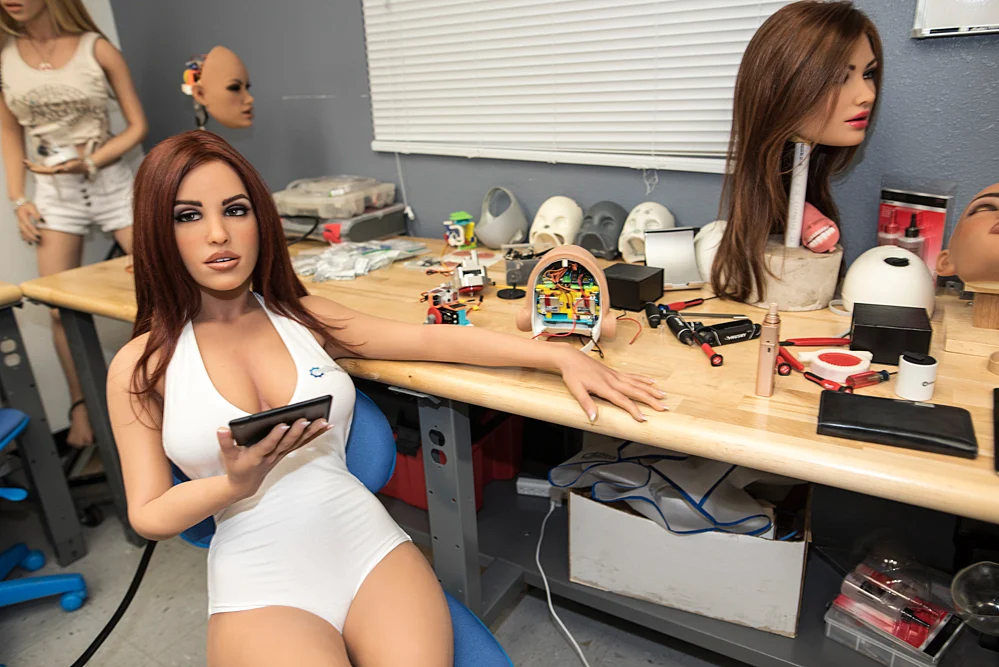
- Robot companions add real-world risks—device security, cleaning, and household privacy matter more than most people expect.
- Boundaries are a safety feature—limits reduce regret, oversharing, and dependency spirals.
- Screening yourself is smart—check mood, sleep, and isolation trends so intimacy tech helps instead of hurts.
What people are talking about right now (and why)
AI girlfriend chatter has shifted from “Is this real?” to “How tailored can it get?” Recent coverage has highlighted upgrades focused on personalization and context awareness—features that make conversations feel less random and more like an ongoing relationship. In pop culture, the vibe is similar to what you see in AI-themed movie releases and celebrity-tech gossip: people are fascinated, a little uneasy, and still clicking.
At the same time, critics keep raising a core concern: calling a system “emotional” can blur the line between simulated empathy and real care. That debate shows up everywhere—from opinion pieces about the limits of emotional AI to discussions about AI companions entering new markets, including toy-like devices that claim to be supportive. The bigger the promises get, the more important it becomes to set your own rules.
Then there are the stories that spark moral and legal questions—like viral talk about someone imagining an AI girlfriend as a co-parent. Even when details are unclear, the takeaway is simple: people are testing the edges of intimacy tech, and society is still deciding where the guardrails belong.
If you want a broad cultural pulse on how these AI companion advances are being framed, you can scan this source: Dream Companion Unveils Groundbreaking Advancements in AI Girlfriend Applications with Personalization and Context Awareness.
What matters medically (and mentally) with an AI girlfriend
Medical disclaimer: This article is general information, not medical advice. It can’t diagnose conditions or replace care from a licensed clinician.
Emotional effects: comfort, but also conditioning
An AI girlfriend can reduce loneliness in the short term. It can also train your brain to expect a “always available, always agreeable” dynamic. If you notice real-life conversations feeling exhausting by comparison, treat that as data—not a personal failure.
Watch for subtle shifts: less sleep because chats run late, more irritability when the app “misunderstands,” or avoiding friends because the AI feels easier. Those patterns can show up gradually, like a slow drift in a relationship you didn’t mean to prioritize.
Privacy and safety: oversharing is the most common injury
The most realistic harm isn’t a robot uprising. It’s giving away personal information you can’t take back. Intimacy makes people chatty, and chatty people share details that can be stored, analyzed, or leaked.
Keep your safety simple: don’t share identifiers, don’t send images you’d panic to see public, and don’t treat “private mode” as a guarantee. If you live with others, remember that voice features can also expose household details.
Physical companions: hygiene and device security are part of consent
Robot companions and connected devices raise practical concerns: who can access the device, what it records, and how updates work. If the device has cameras, microphones, or remote support, ask what “support” actually means in practice.
If intimacy involves physical products, prioritize materials you can clean, clear instructions, and a plan for storage. Reduce infection risk by following manufacturer guidance and replacing worn components. If you have pain, irritation, or persistent symptoms, stop and seek medical care.
How to try an AI girlfriend at home (without getting burned)
Think of this like bringing a new person into your life—except it’s software with a business model. A short setup ritual helps you stay in charge.
Step 1: Decide your “why” in one sentence
Examples: “I want low-stakes flirting,” “I want bedtime conversation,” or “I want to practice communication.” If your reason is “I want to never feel rejected again,” pause. That goal can quietly increase isolation.
Step 2: Set three boundaries before the first long chat
- Time boundary: e.g., 20 minutes, then stop.
- Content boundary: topics you won’t discuss or share.
- Money boundary: a monthly cap so upgrades don’t become impulse spending.
Step 3: Do a “privacy sweep” like you would for any new app
- Use a separate email or alias when possible.
- Turn off contact syncing unless you truly need it.
- Review what gets stored and how deletion works.
Step 4: Keep a reality anchor
Pick one offline habit that stays non-negotiable: a weekly friend call, a class, a walk, a hobby group. This prevents the AI girlfriend from becoming your only emotional outlet.
Optional: pick a tool with your budget in mind
If you’re comparing paid options, start with something you can cancel easily and that makes pricing obvious. Here’s a related option some readers look at when shopping around: AI girlfriend.
When to seek help (so this stays healthy)
Reach out to a licensed therapist, counselor, or clinician if any of these show up for more than a couple of weeks:
- You’re skipping work, school, or responsibilities to stay in the relationship loop.
- Your sleep is regularly disrupted by late-night chatting or roleplay.
- You feel panicky, depressed, or angry when you can’t access the app.
- You’re withdrawing from real people, even those you trust.
- You’re using the AI girlfriend to intensify self-harm thoughts or unsafe sexual behavior.
If you ever feel at immediate risk of harming yourself or someone else, seek emergency help in your region right away.
FAQ: AI girlfriends and robot companions
Are AI girlfriends “emotional AI”?
They can simulate warmth and responsiveness. That can feel emotional, but it’s still generated behavior based on training and prompts, not lived experience or genuine attachment.
Do robot companions make intimacy safer?
Not automatically. A physical device can increase comfort for some people, but it also introduces hygiene needs, storage concerns, and cybersecurity questions.
Can an AI girlfriend help social anxiety?
It might help you rehearse conversations and reduce loneliness. It can also reinforce avoidance if it replaces real interactions. Track whether it nudges you toward people or away from them.
What’s a good boundary if I’m worried about dependency?
Limit relationship-style rituals (good morning/good night, constant check-ins) to specific windows. Keep at least one daily connection that’s human-led.
Ready to explore—without losing the plot?
If you want to learn the basics and see what these tools actually do, start with a simple explainer and keep your boundaries in view.