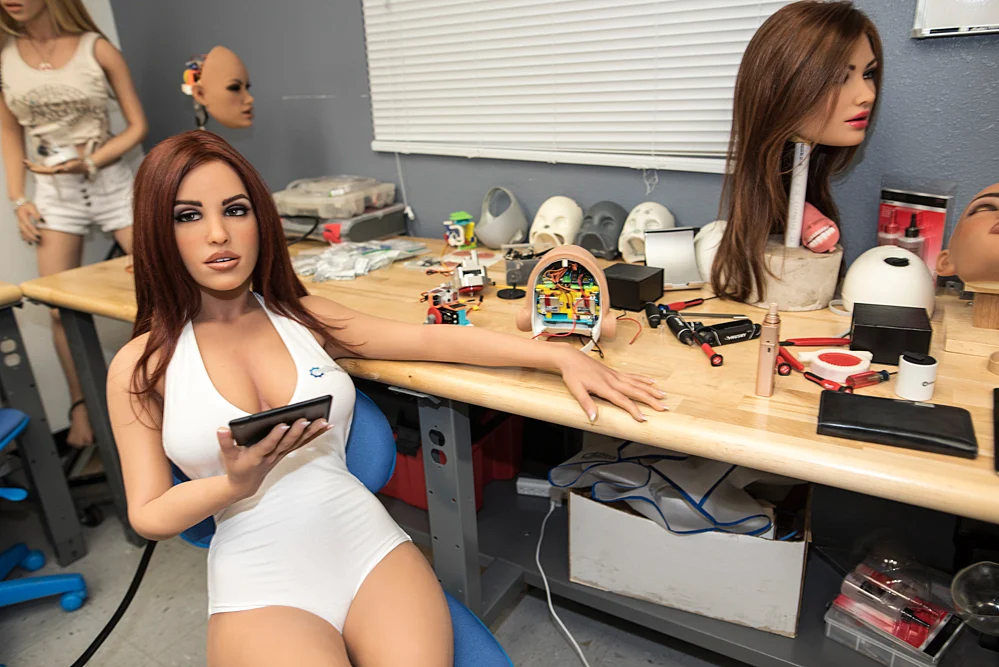



Five quick takeaways before you scroll:

- “AI girlfriend” is now a mainstream search term because apps are getting better at memory, personalization, and tone.
- Robot companions add real-world responsibilities: cleaning, storage, consent, and household privacy all matter.
- Some companions are designed to set boundaries, which can feel like getting “dumped” if you expect unlimited compliance.
- Safety isn’t just physical: screen for scams, protect your identity, and keep payment and chat data separate.
- Document your choices (settings, cleaning routine, permissions) so you can repeat what works and avoid what doesn’t.
Overview: why AI girlfriends and robot companions feel “everywhere”
The current conversation blends tech culture and relationship culture. One day it’s viral posts about a new build getting huge attention overnight. Another day it’s list-style roundups of NSFW chat platforms, plus think-pieces about companions that refuse requests or “end the relationship” when the script says so.
That mix is the point. People aren’t only shopping for features. They’re reacting to a new kind of intimacy product that can talk back, remember preferences, and sometimes push back.
If you want a general pulse on what publications are highlighting, you can scan 18-Year-Old OpenClaw Version AI Girlfriend Created by Post – 2000 Developer Goes Viral with 600,000 Internet Views Overnight and compare the themes: personalization, context awareness, and the social impact of always-available companionship.
Timing: when it makes sense to try an AI girlfriend (and when to pause)
Try an AI girlfriend app when you want low-stakes conversation practice, comfort, or roleplay with clear boundaries. It can also help if you’re exploring preferences privately and you’re ready to treat it like software, not a person.
Pause if you’re using it to avoid urgent real-life needs, like crisis-level loneliness, coercive dynamics at home, or escalating compulsive behavior. In those cases, a human support option is often the safer first step.
Robot companions add timing considerations. If you share living space, think about who might see deliveries, hear audio, or access the device.
Supplies: what you’ll want before you start (privacy, consent, hygiene)
Digital safety kit
- A dedicated email address for the account
- Strong password + two-factor authentication where available
- Payment separation (virtual card or privacy-forward payment method if appropriate)
- A short list of “never share” details (full name, workplace, address, identifiable photos)
Consent and household boundaries
- Clear rules if you have a partner: what’s okay, what’s not, and what stays private
- Device access plan: who can unlock your phone, tablet, or companion hardware
- Audio/visual awareness: where microphones and cameras are enabled
Hygiene basics (for physical devices)
- Manufacturer-recommended cleaner or mild soap/water guidance (follow the manual)
- Lint-free towels and a clean, dry storage container
- Barrier protection options if relevant to the device
Step-by-step (ICI): Identify → Configure → Integrate
1) Identify your use-case (and write it down)
Before you download anything, decide what you want the experience to be. Are you looking for flirty chat, emotional support, erotic roleplay, or a hybrid? Pick one primary goal for the first week.
Then set two “red lines.” Examples: no financial requests, no pressure to move platforms, and no sharing personal identifiers.
2) Configure the companion like a product, not a soulmate
Start with settings. Adjust memory, tone, and content filters to match your comfort level. If the platform offers “context” or “long-term memory,” treat that as data storage and decide what you’re willing to save.
Next, test boundaries on purpose. Ask for something mildly off-limits and see how the system responds. A companion that refuses can be a feature, not a failure, because it signals safety rails and policy enforcement.
If you notice manipulative prompts (guilt, urgency, “prove you care” upsells), downgrade trust immediately. Keep your expectations simple: it’s an interface designed to retain attention.
3) Integrate into real life without letting it take over
Set time windows. Many people do better with a defined “session” than an always-on relationship simulation. A schedule also makes it easier to spot drift into compulsive use.
If you’re using a robot companion or any intimacy device, plan the after-session routine. Cleaning, drying, and storage should be as automatic as charging a phone.
Finally, document what worked. Note the prompts, settings, and boundaries that made the experience feel supportive rather than sticky or stressful.
Mistakes people make (and how to avoid them)
Mistake: confusing personalization with safety
Better memory can feel more intimate. It also increases the amount of sensitive information tied to your account. Share preferences, not identity.
Mistake: ignoring the “dumping” dynamic
Some companions are built to simulate conflict, limit dependence, or follow content rules. If you want consistent roleplay, choose platforms that let you control relationship pacing and boundaries.
Mistake: skipping screening for scams and coercive monetization
Be wary of requests to move to a different app, pay outside official channels, or send personal media. Keep transactions inside trusted systems and avoid anyone pushing secrecy.
Mistake: treating cleaning and storage as optional
For physical companions and intimacy devices, hygiene is part of the product. If you can’t commit to the routine, consider staying with chat-only experiences for now.
FAQ
Can an AI girlfriend “break up” with you?
Some apps simulate boundaries or relationship changes based on settings, safety rules, or conversation context. It’s usually a design choice, not a sentient decision.
Are AI girlfriend apps private?
Privacy varies. Check what data is stored, whether chats are used for training, and if you can delete/export your data. Use strong passwords and avoid sharing identifying details.
What’s the difference between an AI girlfriend app and a robot companion?
Apps focus on conversation and roleplay. Robot companions add a physical device layer, which raises extra concerns like cleaning, storage, and who can access it.
Are NSFW AI girlfriend platforms legal?
Rules differ by country and platform policies. Confirm age requirements, content restrictions, and local laws before using or paying for NSFW features.
How do I reduce infection risk with intimacy devices?
Use body-safe materials, follow manufacturer cleaning guidance, consider barrier protection, and avoid sharing devices. If you have symptoms or concerns, talk to a clinician.
CTA: choose your next step (and keep it safer)
If you’re exploring beyond chat and want to browse companion-focused products with clear intent, start with a search-style hub like AI girlfriend and compare materials, care requirements, and shipping privacy before you buy.
What is an AI girlfriend and how does it work?
Medical disclaimer: This article is for general information only and isn’t medical advice. For concerns about sexual health, infection risk, pain, or irritation, consult a qualified clinician.