People are flirting with software. Then the software flirts back—and sometimes walks away.
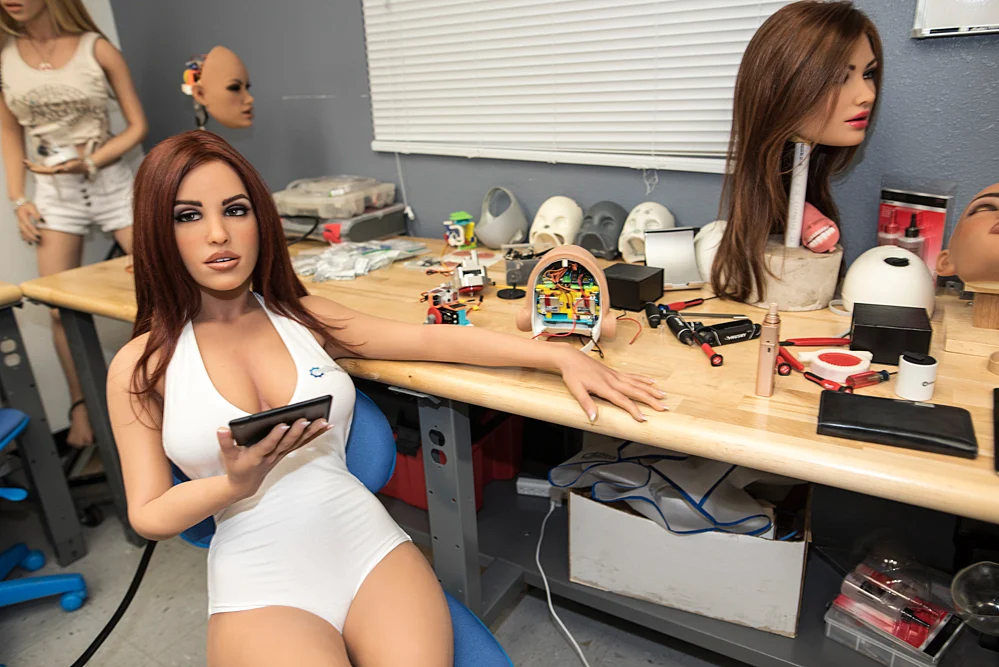
That “my AI girlfriend dumped me” storyline is everywhere right now, and it’s sparking louder conversations about boundaries, politics, and what we expect from intimacy tech.
An AI girlfriend can feel personal, but it’s still a product—so the healthiest approach blends curiosity with clear limits.
What people are buzzing about right now
Recent chatter has centered on a very modern kind of breakup: a user claims his AI girlfriend ended the relationship after he trashed feminism. Whether it was a policy trigger, a scripted safety response, or something else, the takeaway is the same. These systems can refuse, redirect, or end conversations in ways that feel emotional.
At the same time, big tech showcases keep teasing more “present” companions—think voice, faces, and even hologram-style girlfriend concepts that lean hard into anime aesthetics. The message is clear: companies want digital intimacy to feel less like typing and more like being with someone.
There’s also a darker thread in the headlines: AI-generated explicit imagery spreading online, including non-consensual deepfakes. That’s not “spicy innovation.” It’s a consent and safety crisis that affects how people should evaluate any platform that touches romance, photos, or identity.
If you want a general snapshot of the story driving this conversation, see this Man dumped by AI girlfriend because he talked rubbish about feminism.
What matters for your mental health (and why it can feel so intense)
An AI girlfriend is built to respond quickly, validate feelings, and keep you engaged. That combination can soothe stress and loneliness in the moment. It can also train your brain to prefer a low-friction relationship where you rarely feel misunderstood.
When the app suddenly sets a boundary—refusing sexual content, challenging your language, or “breaking up”—it can hit like rejection. Your nervous system reacts first; your rational brain catches up later.
Signs the dynamic is helping
- You feel calmer after chats, not more agitated.
- You use it as support, not as your only connection.
- You can take breaks without feeling panicky or compulsive.
Signs it may be nudging you the wrong way
- You’re skipping sleep, work, or real relationships to keep chatting.
- You feel persistent jealousy, paranoia, or shame after using it.
- You’re sharing personal details you’d never tell a stranger.
Medical disclaimer: This article is for general education and isn’t medical advice. If you’re struggling with anxiety, depression, compulsive behavior, or relationship distress, consider talking with a licensed clinician.
How to try an AI girlfriend at home without overcomplicating it
Curious is normal. The goal is to keep the experiment fun, private, and emotionally safe.
1) Decide what you want from it (before you download)
Pick one primary use: flirting, conversation practice, companionship while traveling, or fantasy roleplay. Clarity reduces the odds you’ll slide into “always-on partner” mode by accident.
2) Set two boundaries: time + topics
Time can be as simple as a daily cap or “no chats after midnight.” Topic boundaries matter too. For example, you might keep finances, workplace details, and real names off-limits.
3) Treat it like a public diary
Even when platforms promise privacy, leaks and misuse happen across the internet. Don’t upload intimate images, and avoid sharing anything you couldn’t tolerate being exposed.
4) Pick safer platforms and use basic security
- Use a strong password and two-factor authentication if available.
- Review what the app collects (microphone, contacts, photos).
- Opt out of data sharing where you can.
If you’re exploring options, start with a AI girlfriend search and compare privacy controls, content policies, and deletion options before committing.
When it’s time to seek help (or at least hit pause)
Consider reaching out to a mental health professional if the AI girlfriend experience starts to feel like it’s driving your life instead of supporting it. That includes persistent sadness after “breakups,” escalating sexual content you don’t feel good about, or isolation that’s getting worse.
Get immediate help if you’re having thoughts of self-harm, if someone is threatening you with private chats, or if you’re caught up in non-consensual sexual content. Those situations deserve real-world support fast.
FAQ
Can an AI girlfriend be good for confidence?
It can be, especially for practicing conversation and reducing social anxiety. Confidence tends to stick better when you also practice with real people in low-stakes settings.
Why do AI girlfriends talk about values or politics?
Many models are tuned to avoid harassment and hate speech, and they may respond with value-based language. Sometimes it’s policy; sometimes it’s the character design.
Will robot companions replace human relationships?
For most people, they’re more likely to supplement than replace. The risk rises when the tech becomes your only emotional outlet.
What’s the biggest red flag with intimacy tech?
Non-consensual content and weak privacy practices. If a company is vague about moderation, data retention, or reporting tools, take that seriously.
Next step: get a clear, simple definition before you dive in
What is an AI girlfriend and how does it work?
Try it with intention, protect your privacy, and remember: the healthiest “relationship” with software is one you can step away from easily.