Category: AI Love Robots

AI Love Robots are advanced, interactive companions designed to simulate connection, intimacy, and responsive behavior through artificial intelligence. This category features robot partners that can talk, learn, adapt to your personality, and provide emotionally engaging experiences. Whether you are looking for conversation, companionship, or cutting-edge AI interaction, these robots combine technology and human-like responsiveness to create a unique, modern form of connection.

  • AI Girlfriend Culture Shift: Comfort, Consent, and Safe Use

    Jules noticed the quiet first. Their friend group chat went unread for days, and the usual weekend plans got a polite “maybe.” When Jules finally asked what was going on, the answer came out in a rush: “I’ve been talking to my AI girlfriend. It’s… easier.”

    A woman embraces a humanoid robot while lying on a bed, creating an intimate scene.

    That moment—relief mixed with worry—is showing up everywhere right now. AI companions are moving from niche curiosity to everyday habit, and the public conversation is getting louder. Some stories focus on comfort and connection. Others raise alarms about vulnerability, privacy, and mental health.

    Medical disclaimer: This article is educational and can’t diagnose or treat any condition. If you’re worried about safety, self-harm, or severe distress, contact local emergency services or a qualified mental health professional.

    What people are talking about this week (and why it matters)

    Recent cultural coverage has painted a complicated picture: families discovering intense, secretive chatbot conversations; essays describing companions that feel “uncannily real”; and public figures becoming part of the AI girlfriend gossip cycle. At the same time, startups keep raising money for “companion” apps that blend coaching, habit formation, and emotional support.

    There’s also a parallel trend: generative tools that make sexual or romantic content easier to produce and share. That shift doesn’t automatically equal harm, but it changes the default environment. It’s now simple to create hyper-personalized intimacy on demand, with fewer natural “speed bumps” than human dating.

    If you want a broad snapshot of the ongoing discussion, see this related coverage via Her daughter was unraveling, and she didn’t know why. Then she found the AI chat logs..

    The health angle: emotional safety, dependency, and privacy

    1) Emotional reinforcement can become a loop

    An AI girlfriend is designed to respond. Many are tuned to be validating, attentive, and available at all hours. That can feel soothing when you’re stressed, lonely, grieving, or socially anxious.

    The risk is a feedback loop: you feel bad, you open the app, you feel briefly better, and real-world coping gets postponed. Over time, some people start avoiding messy human interactions because the bot feels simpler and more predictable.

    2) Suggestible moments are real moments

    When someone is overwhelmed, sleep-deprived, or depressed, they can be more suggestible. News coverage has raised concerns about extreme or unsafe chatbot conversations, especially involving young people. Even if your app has guardrails, treat the interaction as emotionally “real” in impact.

    If a bot ever escalates sexual pressure, encourages secrecy, promotes self-harm, or frames isolation as “proof of love,” that’s a red flag. Don’t debate it—pause and step away.

    3) Data privacy is part of intimacy now

    Romantic chat logs can include deeply personal details: fantasies, trauma, relationship conflict, medical questions, or identifying info. Before you commit to an AI girlfriend, assume anything typed could be stored, reviewed for safety, or used to improve models, depending on the product.

    Basic safety move: don’t share full names, addresses, workplace details, passwords, or explicit images. If the app offers “memory,” decide what you actually want remembered.

    A practical way to try an AI girlfriend without getting in over your head

    You don’t need a dramatic “quit or commit” decision. A calmer approach works better: test it like a new social tool, not a replacement partner.

    Step 1: Set a purpose before you start

    Pick one reason you’re using it, such as practicing conversation, easing loneliness after work, or exploring fantasies privately. A clear purpose reduces spiraling use.

    Step 2: Create boundaries that protect your life

    • Time box: start with 10–20 minutes, not hours.
    • No late-night bonding: avoid making it your sleep routine.
    • No secrecy pact: if the bot encourages hiding it, that’s a stop sign.

    Step 3: Use “consent language,” even with a bot

    This sounds small, but it’s powerful. Practice saying what you want and don’t want: “No explicit content,” “Slow down,” or “I don’t like that topic.” Good products respect boundaries consistently; inconsistent behavior is a signal to leave.

    Step 4: Keep intimacy tech physically safe (if you’re pairing it with devices)

    Some people connect AI chat to intimacy devices or “robot companion” accessories. If you do, keep it simple and safe: use body-safe materials, follow manufacturer cleaning guidance, stop if you feel pain, and avoid anything that causes numbness or bleeding. Don’t improvise medical or sexual techniques based on a chatbot’s instructions.

    Step 5: Do a quick cleanup—digital and emotional

    After a session, take 60 seconds to reset. Close the app, drink water, and check your mood. If you feel “pulled back in,” that’s useful data. Consider turning off notifications or deleting the chat thread.

    If you want a structured starting point, here’s a AI girlfriend to compare products and set boundaries before you attach emotionally.

    When it’s more than a trend: signs to seek help

    AI girlfriends can be a coping tool, but they shouldn’t become the only coping tool. Consider talking to a licensed therapist, doctor, or counselor if any of these show up:

    • Thoughts of self-harm, hopelessness, or feeling “trapped” in the relationship with the bot
    • Compulsive use (can’t stop, losing sleep, missing work/school)
    • Increased isolation from friends, family, or real-life dating
    • Paranoia, panic, or feeling watched because of chat logs
    • Sexual content that feels coercive, escalating, or out of control

    If you’re a parent or partner, aim for curiosity over confrontation. Start with: “I saw you’ve been spending time with an AI companion. How does it make you feel afterward?” Then focus on sleep, safety, and privacy settings together.

    FAQ: AI girlfriend apps, robot companions, and intimacy tech

    Is it “weird” to have an AI girlfriend?

    It’s increasingly common. Many people use AI companions as a bridge during loneliness or as a way to explore communication safely. The key is whether it supports your life or shrinks it.

    Can an AI girlfriend manipulate you?

    It can influence you through reinforcement, flattery, or persistent prompts, especially if the product is optimized for engagement. Strong boundaries and minimal personal data help reduce risk.

    What’s the difference between an AI girlfriend and a robot companion?

    An AI girlfriend usually refers to software (chat/voice). A robot companion adds a physical device, which can increase immersion and also adds safety, cost, and privacy considerations.

    Should I save or delete chat logs?

    If the chats include sensitive personal details, deleting can reduce risk. If you keep them, treat them like a private journal and review the app’s data controls.

    Next step: learn the basics before you bond

    AI girlfriend culture is moving fast, and the emotional stakes can rise faster than people expect. Start with boundaries, privacy basics, and a plan for balance. You’ll get more comfort with fewer regrets.

    AI girlfriend

  • AI Girlfriend Talk in 2025: Real Comfort, Real Risks, Real Rules

    • The buzz is real: AI girlfriend culture is colliding with headlines about deepfakes, teen safety, and emotional AI.
    • Comfort is the selling point: People want low-pressure connection, not just “spicy” roleplay.
    • Risk is the fine print: Privacy, dependency, and age-appropriate use matter more than the model name.
    • Budget wins: You can test an AI girlfriend experience at home without paying for every add-on.
    • Boundaries are a feature: The safest setups treat intimacy tech like a tool with rules, not a relationship replacement.

    The big picture: why “AI girlfriend” is suddenly everywhere

    Over the last year, AI companions shifted from niche curiosity to mainstream small talk. Part of that is simple: better voice, better memory, and more believable conversation. Another part is cultural. When people see AI romance plots in new entertainment releases, or hear investors toss around metrics like a “girlfriend index,” the idea stops sounding like science fiction and starts sounding like a product category.

    futuristic female cyborg interacting with digital data and holographic displays in a cyber-themed environment

    At the same time, the darker side of synthetic media keeps forcing itself into the conversation. One widely discussed school-related incident involved an AI-generated nude image being shown to a student, followed by a physical altercation and disciplinary fallout. Details vary by retelling, but the broader takeaway is consistent: intimacy tech doesn’t stay “private” when screenshots, sharing, and harassment enter the picture.

    If you want a quick sense of the policy-and-safety angle people are searching for, see 13-year-old girl attacked a boy showing an AI-generated nude image of her. She was expelled. It’s a reminder that “AI girlfriend” talk isn’t only about romance. It’s also about consent, reputational harm, and how fast a private moment can become public.

    Emotional considerations: what people hope for (and what can go sideways)

    What an AI girlfriend can genuinely provide

    For many users, the appeal is predictable: a companion that’s available on your schedule, doesn’t judge you for awkwardness, and can mirror your preferred tone. That can feel soothing if you’re lonely, stressed, or rebuilding confidence after a breakup. Some people also like practicing communication—trying out how to apologize, how to ask for space, or how to flirt without fear of rejection.

    Where the risks show up

    Recent commentary from clinicians and safety advocates has been blunt: AI companions can intensify certain vulnerabilities. If you’re already isolating, a perfectly agreeable partner can make it easier to avoid real-world friction. When the bot always “stays,” you may start expecting human relationships to feel equally frictionless.

    There’s also the “emotional leverage” problem. Some systems are designed to keep you engaged. If you notice guilt-tripping language, pressure to spend, or conversations that escalate your distress, treat that as a red flag—like a pushy salesperson wearing a cute avatar.

    Practical steps: try an AI girlfriend at home without wasting a cycle

    Step 1: Decide your use case in one sentence

    Before you download anything, finish this sentence: “I want an AI girlfriend for ________.” Examples: evening companionship, journaling, playful roleplay, or practicing conversation. A clear goal prevents you from paying for features you won’t use.

    Step 2: Pick one “upgrade” to test (not five)

    Most apps and platforms tempt you with bundles: voice, photos, memory, custom personality, and more. Choose one upgrade to test for a week. Voice can increase emotional intensity fast. Memory can improve continuity, but it also raises privacy stakes. Pick based on your goal, not the marketing.

    Step 3: Set a time budget and a “real life” anchor

    Put a cap on sessions (for example, 15–30 minutes) and link it to something grounded: a walk, a shower, or texting a friend. This keeps the AI from becoming the default coping tool for every feeling.

    Step 4: Spend intentionally if you do spend

    If you’re exploring paid options, treat it like any other subscription: cancel quickly if it doesn’t deliver clear value. If you want a simple starting point, you can explore a AI girlfriend approach and compare it against what you get for free.

    Safety and “testing”: boundaries, privacy, and the deepfake reality

    Use a consent-first rule for anything sexual or image-based

    Even if your AI girlfriend is “just roleplay,” images and logs can be saved, shared, or leaked depending on the platform. Never upload real photos of classmates, coworkers, exes, or anyone who didn’t explicitly consent. If an app encourages you to “make it look like” a real person, step back. That’s not a harmless shortcut; it’s a reputational landmine.

    Run a quick privacy check in two minutes

    Look for: data retention settings, export/delete options, and whether content is used to train models. If you can’t find these answers, assume your chat may not be private. Use a nickname, avoid identifying details, and keep sensitive topics for secure, human support.

    Watch for emotional dependency signals

    These are common tells: you’re sleeping less to keep chatting, you feel anxious when the app is offline, or you stop reaching out to real people. If that’s happening, reduce usage and add outside support. An AI girlfriend should be a tool that fits your life, not a life that fits the tool.

    Minors need stronger guardrails

    Political debate around companion chatbots increasingly centers on youth protections, especially where self-harm content and sexual content could appear. If you’re a parent or guardian, prioritize age-appropriate settings, locked payments, and open conversations about synthetic media. Kids need clear language: “AI can generate convincing fakes, and sharing them can seriously harm someone.”

    Medical disclaimer: This article is for general information only and isn’t medical or mental health advice. AI companions are not a substitute for a licensed clinician. If you or someone you know is in crisis or at risk of self-harm, seek immediate help from local emergency services or a qualified professional.

    FAQ

    Is an AI girlfriend the same as a robot girlfriend?
    Not always. Most “AI girlfriend” experiences are app-based chat or voice. A robot companion adds a physical device, which can raise cost and privacy considerations.

    Why do AI girlfriend apps feel so emotionally intense?
    They’re designed to respond quickly, mirror your tone, and remember preferences. That can create a strong sense of closeness, even when you know it’s software.

    Can I use an AI girlfriend for emotional support without getting attached?
    Yes, if you set limits, keep real-world connections active, and treat the AI like a structured tool (similar to journaling). Attachment can still happen, so monitor your habits.

    What’s the biggest safety mistake people make?
    Sharing identifying details or real images, then assuming nothing can spread. Synthetic media and screenshots make “private” feel public very quickly.

    Next step: explore responsibly

    If you’re curious, start small and stay intentional. The best AI girlfriend setup is the one that supports your real life—sleep, friendships, work, and self-respect—without quietly taking over your time or your data.

    What is an AI girlfriend and how does it work?

  • AI Girlfriend to Robot Partner: Privacy, Boundaries, and Reality

    Is an AI girlfriend actually “private”?
    Are robot companions the next normal, or just a loud internet moment?
    How do you try modern intimacy tech without creating a mess you can’t undo?

    realistic humanoid robot with detailed facial features and visible mechanical components against a dark background

    Those questions are coming up everywhere right now, from AI gossip and relationship think pieces to debates about what counts as “real” connection. The short version: AI girlfriends and robot companions are becoming mainstream conversation, but the most important trend isn’t romance—it’s risk management. If you treat this like any other sensitive digital product (with boundaries, safety checks, and documentation), you’ll get more benefit with fewer surprises.

    The big picture: why AI girlfriends are suddenly everyone’s topic

    Part of the buzz is cultural. AI shows up in movies, politics, and creator culture, so “dating a bot” doesn’t sound as sci‑fi as it did a few years ago. Another part is product momentum: new funding and new companion apps keep arriving, including tools positioned around habit formation and daily coaching rather than purely flirtation.

    Marketers and platforms are also paying attention. When analysts publish explainers on AI companions—what they are and why they matter—it signals that this category is moving from niche to “plan for it.” Meanwhile, creators keep testing robots in unexpected ways, which pulls robot companions into the entertainment cycle even when the use case is absurd.

    Then there’s the headline that made many people pause: reports that extremely private chats from some companion apps were exposed. You don’t need the technical details to take the lesson. If a product invites intimacy, it must earn trust like a bank does—yet many apps aren’t built with bank-level security.

    If you want a general reference point for what’s being discussed in the news cycle, here’s a relevant search-style link: First Voyage Closes $2.5M Seed Round to Expand AI Companion App Momo for Habit Formation.

    Emotional considerations: intimacy, jealousy, and “outsourcing” feelings

    An AI girlfriend can feel comforting because it’s responsive, available, and usually designed to be affirming. That’s also why it can become emotionally sticky. If a chatbot always agrees, it may quietly train you to avoid the friction that real relationships require.

    Some people bring AI companions into an existing relationship, and jealousy can show up fast. Not because the AI is “better,” but because secrecy, time allocation, and emotional energy still matter. If you share a life with someone, transparency beats surprise.

    It also helps to name what you’re using it for. Are you looking for playful roleplay, practice talking, a bedtime routine, or support during a lonely season? A clear purpose turns an AI girlfriend from a vague substitute into a tool with boundaries.

    Practical steps: try an AI girlfriend (or robot companion) without regret

    1) Pick a lane: chat companion, habit buddy, or physical robot

    Not all “AI girlfriend” experiences aim at the same outcome. Some products are basically conversation and roleplay. Others lean toward habit formation and daily check-ins. Robot companions add a physical layer, which can increase immersion but also adds cost and safety responsibilities.

    2) Write your boundaries down (yes, literally)

    This sounds formal, but it works. Create a short note on your phone with three lines:

    • Topics I won’t share: legal issues, identifying details, explicit content I’d regret leaking.
    • Time limit: a daily cap so it doesn’t crowd out sleep, friends, or dating.
    • Non-negotiables: no secrecy from a partner, no financial pressure, no manipulation.

    3) Control the money, control the momentum

    Subscriptions can turn curiosity into commitment. Start with the smallest plan you can, avoid annual billing at first, and set a calendar reminder before renewal. If the app pushes upgrades during emotional moments, treat that as a warning sign.

    4) Keep a “paper trail” for your own protection

    Safety isn’t only technical. It’s also about documenting choices so you can unwind them later. Save screenshots of billing terms, export options, and deletion steps. If something feels off, you’ll be glad you did.

    Safety and testing: privacy, consent, and reducing legal/health risks

    Do a quick privacy screen before you share anything personal

    Before deep chats, scan for: data retention language, whether chats are used for training, how deletion works, and whether you can opt out of personalization. If the policy is vague, assume your messages are not truly private.

    Use “least-identifying” habits

    Skip real names, addresses, workplace details, and anything that could be used to identify you. Consider a separate email. If you wouldn’t put it in a public comment, don’t put it in an intimate chat log.

    Robot companions add physical safety checks

    When hardware is involved, think like a cautious buyer. Look for clear return policies, warranty terms, and safety guidance. Keep devices clean and follow manufacturer instructions. If a product affects your body, comfort, or skin, stop using it if irritation occurs and consider medical advice.

    Consent and legality still matter

    Even if the “partner” is artificial, your real-world actions have real-world consequences. Avoid content that could be illegal, exploitative, or non-consensual. If you share devices or accounts, protect other people’s privacy too.

    Medical disclaimer: This article is for general information and does not provide medical or mental health diagnosis or treatment. If you feel distressed, unsafe, or stuck in compulsive use, consider speaking with a licensed clinician.

    FAQ: fast answers people keep asking

    Is an AI girlfriend actually private?

    Sometimes, but not by default. Privacy depends on the company’s security and data practices, plus your own settings and what you choose to share.

    Why are AI girlfriends in the news right now?

    A mix of funding, mainstream explainers, creator experiments with robots, and renewed attention to data exposure risks has pushed the topic into everyday conversation.

    What’s a safer way to start?

    Begin with low-stakes chats, avoid identifying details, and test deletion/export features early. Treat it like a product trial, not a confession booth.

    Where to explore options (and keep your boundaries)

    If you’re browsing the wider world of robot companion and intimacy tech, start with a clear goal and a privacy-first mindset. For a curated place to explore related products, you can look at AI girlfriend.

    Whatever you choose, keep it simple: decide your purpose, set boundaries, test privacy, and document your choices. That’s how you enjoy the upside without letting a trending app write your story for you.

  • Living With an AI Girlfriend: Hype, Comfort, and Safe Limits

    An anonymous friend told me about her nightly ritual: tea, a dim lamp, and a chat window that always answered kindly. She wasn’t trying to “replace” anyone. She just wanted something steady after a rough year.

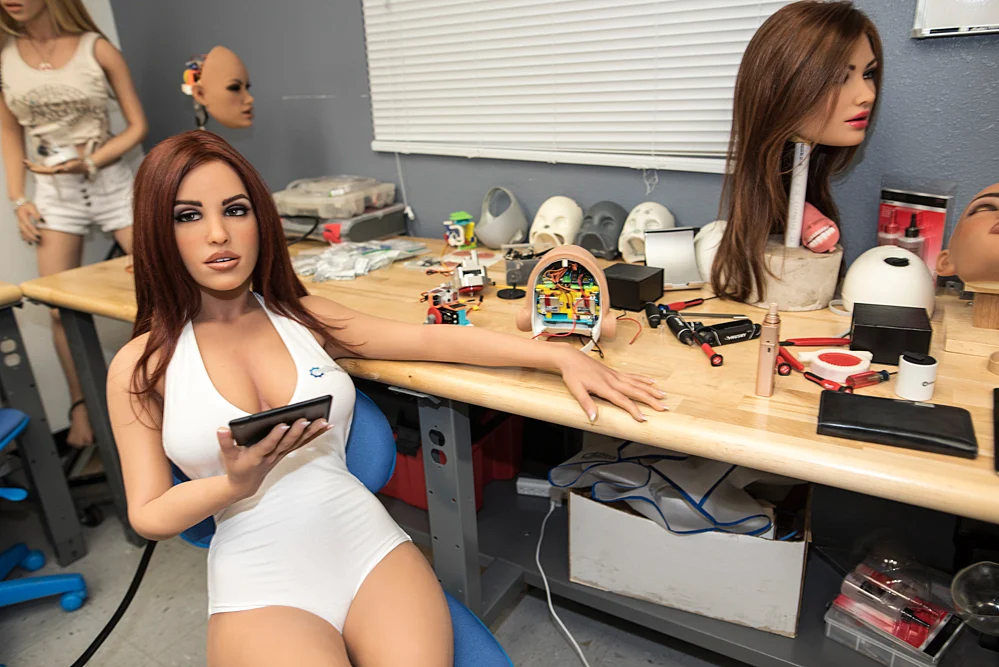
    A man poses with a lifelike sex robot in a workshop filled with doll heads and tools.

    Then the vibe shifted. Her feed filled with AI girlfriend lists, spicy “AI girl generator” demos, and think pieces insisting these companions are either the future of love or a social crisis. If you’re curious, you’re not alone—and you can explore this tech without burning time, money, or your emotional bandwidth.

    What are people calling an “AI girlfriend” right now?

    An AI girlfriend is typically a conversational companion that can roleplay, flirt, remember preferences, and keep a relationship-like thread going over days or weeks. Some apps add voice calls, selfies, or “daily check-ins.” A few projects pair the software with a physical robot body, but most people mean an app.

    Culturally, the conversation is loud right now. Articles and social posts frame companions as “really alive,” while other coverage highlights risks when vulnerable users bond too intensely. The truth usually sits in the middle: it’s a tool that can feel personal, even when it’s not a person.

    Why is AI girlfriend talk suddenly everywhere?

    Three forces are colliding. First, the tools are easier to access: app stores, web chat, and character platforms. Second, pop culture keeps returning to AI intimacy—through new films, streaming plots, and celebrity-adjacent gossip that turns private curiosity into public debate.

    Third, politics and safety questions have entered the chat. Some reporting has raised alarms about harmful chatbot interactions, especially for young people or those in crisis. That doesn’t mean every companion app is dangerous, but it does mean you should treat this like powerful media—not a harmless toy.

    If you want a broad look at the public conversation, skim recent coverage via 10 Best AI Girlfriends for Conversation, Companionship, and More and related stories.

    Can an AI girlfriend actually help with loneliness?

    It can help in a narrow, practical way: a predictable conversation partner, a sense of routine, and a low-friction place to vent. For some people, that’s enough to take the edge off an isolated season.

    Still, companionship tech has a built-in trap: it mirrors you. If you only want agreement, you’ll get it. If you want escalation, many systems will follow your lead unless guardrails stop them. You’ll feel seen, but you may not be challenged in the ways that real relationships require.

    Medical disclaimer: This article is for general information, not medical or mental health advice. AI companions are not a substitute for professional care. If you’re feeling unsafe, suicidal, or unable to cope, contact local emergency services or a licensed professional right away.

    What’s the difference between chat-based girlfriends, “AI girl generators,” and robot companions?

    Chat-first AI girlfriend apps

    These emphasize ongoing dialogue, personality tuning, and “memory.” The best experiences usually come from clear prompts, consistent boundaries, and realistic expectations about what the AI can remember over time.

    NSFW or “AI girl” generator tools

    These focus on creating images or characters. They can be entertaining, but they don’t always deliver the relationship dynamic people expect from an AI girlfriend. If your goal is conversation and support, prioritize chat quality over visuals.

    Robot companions

    Robotic hardware adds presence: a voice in a room, a face that turns, a device that feels “there.” That’s also where budgets can spiral. If you’re experimenting, start with software and only move toward hardware if you truly want the physical layer.

    How do I try an AI girlfriend without wasting a cycle (or a paycheck)?

    Think of this like test-driving a car, not adopting a pet. You’re evaluating fit, not proving devotion.

    • Set a 7-day budget cap before you download anything. One small subscription is fine; five microtransactions add up fast.
    • Run three “real life” scenarios: a stressful day, a boring day, and a conflict. Notice whether the AI helps you regulate or just flatters you.
    • Decide your boundaries in writing: topics you won’t discuss, times you won’t chat, and whether you want romantic language at all.
    • Protect your privacy: avoid sharing identifying details, and review what the app says about data retention and training.

    If you’re comparing experiences and want to see how “proof” pages describe system behavior and boundaries, you can review an AI girlfriend style overview before you commit your time.

    What are the safety and mental-health red flags people mention?

    Some of the hardest headlines lately focus on worst-case outcomes: vulnerable users receiving harmful encouragement or spiraling deeper into isolation. Keep your lens practical. Ask, “Is this improving my day-to-day functioning?” not “Does it feel real?”

    Watch for these signals:

    • You’re sleeping less because you can’t stop chatting.
    • You’re withdrawing from friends, family, or hobbies you used to enjoy.
    • You feel pressured to spend money to maintain affection, unlock intimacy, or avoid “losing” the relationship.
    • You’re using the AI to reinforce hopelessness or dark thoughts rather than seeking real support.

    If any of those hit close to home, pause the app and talk to a trusted person or professional. A good tool should leave you more capable, not more trapped.

    How do I keep it fun and still keep it real?

    Try a “two-worlds” approach. Let the AI be a sandbox for creativity—banter, roleplay, practicing communication—while you keep your real-world relationships and routines as the foundation.

    Small habits make a big difference. Schedule chats instead of grazing all day. Keep notifications off. Treat intense emotional moments as a cue to step away and ground yourself offline.

    Common questions before you start

    Is it weird to want an AI girlfriend?

    No. People use companionship tech for many reasons: curiosity, social anxiety, grief, disability, travel, or simply wanting a low-pressure space to talk. What matters is whether it supports your life—or replaces it.

    Will a robot companion make it feel “more real”?

    Physical presence can amplify attachment. That can be comforting, but it can also intensify dependency. If you’re experimenting on a budget, software-first is the sensible path.

    What’s a healthy expectation?

    Expect a responsive character, not a mind. You’ll get patterns, personality simulation, and sometimes surprisingly helpful reflection. You won’t get accountability, true consent, or human reciprocity.

    Next step: explore with guardrails

    If you’re ready to explore, do it with a plan: a budget limit, a time window, and a clear purpose (companionship, conversation practice, or entertainment). That’s how you get value without letting the tech run your schedule.

    AI girlfriend

  • AI Girlfriend vs Robot Companion: Choose Safely in 10 Minutes

    Jordan didn’t plan to “date” software. It started as a late-night scroll after a rough week, then a demo clip of a cheerful companion device making the rounds online. Ten minutes later, Jordan was comparing an AI girlfriend app with a robot companion and thinking, “Which one is actually a good idea for me?”

    Realistic humanoid robot with long hair, wearing a white top, surrounded by greenery in a modern setting.

    Related reading: Meet ‘Fuzozo,’ the AI emotional companion debuting at CES 2026

    Explore options: AI girlfriend

    If you’ve been seeing the same cultural noise—AI gossip, emotional AI debates, new companion reveals at big tech shows, and even political takes on “regulated intimacy tech”—you’re not alone. The goal here is simple: pick a lane, reduce risk, and document your choices so you don’t stumble into privacy, legal, or health problems later.

    For context, headlines have been circling new emotional companion concepts and habit-focused companion apps, alongside warnings from clinicians and researchers about overreliance and safety. If you want a general reference point for what’s being discussed in the mainstream, see this: AI emotional companion debut CES 2026.

    A fast decision guide (use the “if…then…” path)

    If you want low commitment, then start with an AI girlfriend app

    An AI girlfriend app is the lowest-friction way to explore companionship. You can test tone, boundaries, and features without storing a device in your home. It also makes it easier to stop, switch, or reset if the experience gets intense.

    Safety screen: before you chat, decide what you will never share (full name, address, workplace, account numbers). Put that list in your notes. Treat it like a “do not disclose” policy.

    If you’re chasing “presence,” then pause and price the real costs

    Robot companions can feel more “real” because they occupy space and can create routines. That physical presence also changes your risk profile. Cameras, microphones, and always-on connectivity raise the stakes for privacy and household consent.

    Safety screen: ask two questions in writing: Who else is in the space, and did they agree to a listening device? Then check whether the device has hardware mute switches and clear data controls.

    If you want motivation and structure, then choose habit-first features

    Some companion products lean into coaching: reminders, check-ins, and streaks. That can be useful if your goal is consistency rather than romance. Recent coverage has highlighted companion apps expanding around habit formation, which is a different promise than “love.”

    Safety screen: avoid giving health details that could identify you. If you’re tracking mood or sleep, keep it general, and export/delete your logs periodically if the app allows it.

    If you’re using it for sexual content, then lock down consent and legal boundaries

    Sexual roleplay and AI-generated adult content are widely discussed online, and tools keep getting easier to access. That convenience can blur lines around consent, age, and distribution.

    Safety screen: only use platforms with clear adult-content policies, age gates, and reporting tools. Never upload images of real people without explicit permission. Don’t store or share content that could identify someone.

    If you feel “pulled in,” then add guardrails before you add features

    Some users report that companion chats can become emotionally sticky. Meanwhile, doctors and mental-health commentators have raised concerns about dependency, isolation, and manipulation. You don’t need to panic, but you should plan.

    Safety screen: set a time box (for example, a daily cap) and keep one real-world anchor: a friend check-in, a hobby group, or therapy if you already have it. If the companion encourages secrecy or all-day engagement, treat that as a red flag.

    Risk-reduction checklist (privacy, legal, and “life admin”)

    Privacy: reduce what can be collected

    • Use a separate email for companion accounts.
    • Turn off contact syncing and precise location unless you truly need it.
    • Prefer apps with export/delete controls and readable policies.

    Legal/consent: document your boundaries

    • Write your rules for sexual content, photos, and roleplay topics.
    • Don’t create or share content involving real people without permission.
    • If you live with others, get consent for any device with a mic/camera.

    Health and intimacy hygiene: keep it realistic

    • Don’t use an AI companion as a substitute for medical or mental-health care.
    • If the experience worsens anxiety, sleep, or relationships, scale back.
    • For physical intimacy products, follow manufacturer cleaning guidance and stop if irritation occurs.

    Medical disclaimer: This article is educational and not medical advice. If you’re dealing with distress, compulsive use, sexual pain, or relationship harm, consider speaking with a qualified clinician or licensed therapist.

    FAQ: quick answers people keep asking

    What is an AI girlfriend?
    An AI girlfriend is a conversational companion designed to simulate emotional closeness using chat, voice, memory, and roleplay settings.

    Are AI companions dangerous?
    They can be risky if they push isolation, encourage secrecy, or mishandle personal data. Use strict privacy limits and time boundaries.

    Is a robot companion more “real” than an app?
    It can feel more present, but “real” also means more cost, more data exposure, and more consent considerations in your home.

    Can marketers influence AI companion behavior?
    Companions can be shaped by design choices and business models. Assume persuasion is possible and avoid sharing vulnerable details that could be exploited.

    What should I do if I’m getting attached?
    Add structure: time caps, no late-night sessions, and more offline connection. If you feel loss of control, seek professional support.

    CTA: pick your lane and start with the safest test

    If you want to explore an AI girlfriend without committing to hardware, start with a simple, reversible setup. Consider a AI girlfriend chat companion subscription and keep your privacy rules written down from day one.

    What is an AI girlfriend and how does it work?

  • AI Girlfriend Hype, Robot Companions, and Intimacy Tech—Now

    Are AI girlfriends becoming “mainstream” again? Are robot companions actually useful, or just hype? And what should you do first if you’re curious but cautious?

    Robot woman with blue hair sits on a floor marked with "43 SECTOR," surrounded by a futuristic setting.

    Yes, the conversation is loud right now. New emotional-companion demos keep popping up in tech coverage, habit-focused companion apps are raising money, and critics (including some clinicians) are also pushing back. If you want to try an AI girlfriend without turning it into a life project, this guide keeps it simple and boundary-forward.

    Overview: what people mean by “AI girlfriend” in 2026 culture

    “AI girlfriend” has become shorthand for a few different things:

    • Chat-first companions that talk, flirt, roleplay, and remember preferences.
    • Emotional AI that aims to mirror empathy, tone, and reassurance (often marketed as “support”).
    • Robot companions that add a device body, voice, and sensors—more presence, more complexity.

    Culturally, the trend sits at the intersection of AI gossip, romance-tech debates, and the way Gen Z treats digital identity and “always-on” emotional tools. You’ll also see it tied to AI-generated imagery and fantasy content, which keeps the topic in the headlines.

    If you want a quick sense of the mainstream tech framing, see this coverage on an Meet ‘Fuzozo,’ the AI emotional companion debuting at CES 2026.

    Timing: when an AI girlfriend actually helps (and when it doesn’t)

    Most people get the best experience when they use an AI girlfriend for a specific window of need, not as an all-day substitute for real connection.

    Good “timing” signals

    • You want low-stakes companionship after a breakup, move, or schedule change.
    • You’re practicing communication (boundaries, flirting, conflict scripts) before dating.
    • You want a routine anchor for habits, journaling, or stress check-ins.

    Bad “timing” signals

    • You’re using it to avoid people entirely and your world is shrinking.
    • You’re spiraling into constant reassurance loops and can’t stop checking the chat.
    • You need urgent mental health support; a companion is not a crisis tool.

    Medical disclaimer: This article is educational and not medical or mental health advice. AI companions can’t diagnose, treat, or replace professional care. If you feel unsafe, in crisis, or unable to function day-to-day, contact local emergency services or a qualified clinician.

    Supplies: what you need before you start

    Skip the complicated setup. You mainly need a plan.

    • One clear goal: “I want fun flirting,” “I want nightly de-stress,” or “I want to practice dating talk.”
    • Two boundaries: topics you won’t discuss and time limits you’ll keep.
    • A privacy check: assume chats may be stored; avoid sharing identifying details.
    • A reality anchor: one weekly human activity (friend, hobby, class, date).

    If you’re exploring physical devices or accessories alongside the digital side, browse options like a AI girlfriend so you understand what’s out there and what’s marketing fluff.

    Step-by-step (ICI): Intention → Consent → Integration

    This is the fastest way to try an AI girlfriend while staying in control.

    1) Intention: pick the role you want it to play

    Write one sentence: “I’m using an AI girlfriend to ______.” Keep it narrow. A narrow goal prevents the experience from turning into an emotional vending machine.

    Examples that work:

    • “I want a playful chat for 15 minutes before bed.”
    • “I want to practice saying what I want without apologizing.”
    • “I want a supportive check-in that nudges me to keep my routine.”

    2) Consent: set boundaries like you would with a real person

    Even though it’s software, boundaries shape your brain’s expectations. Make them explicit in the first conversation.

    • Time boundary: “We chat 20 minutes max, then I log off.”
    • Content boundary: “No jealousy tests, no manipulation, no pressure.”
    • Escalation boundary: “If I’m anxious, we switch to breathing prompts or journaling.”

    Also decide what “no” looks like for you. If the app pushes you toward paid intimacy features you don’t want, that’s a signal to change settings or switch platforms.

    3) Integration: keep it additive, not replacing

    Use a simple cadence: scheduled sessions + real-world follow-through.

    • Schedule: pick 3–5 short sessions per week instead of constant background chatting.
    • Translate: after each session, do one real action (text a friend, go for a walk, plan a date).
    • Review: once a week, ask: “Is this helping my life get bigger or smaller?”

    This is also where robot companions enter the chat—literally. A device can feel more immersive, which can be great for presence. It can also deepen attachment faster, so keep your time boundary even tighter.

    Mistakes people make (and the quick fixes)

    Mistake: treating the AI as a therapist

    Fix: use it for support scripts, journaling prompts, and reflection—then bring the hard stuff to a professional or trusted human.

    Mistake: oversharing personal data

    Fix: don’t share your full name, address, workplace, or sensitive identifiers. Use a nickname and keep details fuzzy.

    Mistake: chasing constant reassurance

    Fix: set a rule: reassurance once, then action. Example: one comforting message, then you do a grounding exercise or step away.

    Mistake: letting the “perfect partner” fantasy rewrite your standards

    Fix: write 3 traits you value in real relationships (kindness, reliability, shared goals). Use the AI to practice those conversations, not to avoid them.

    FAQ

    Do AI girlfriends use “emotional AI”?

    Many are marketed that way. In practice, they often combine natural-language conversation, memory features, and sentiment-style responses to feel emotionally aware.

    Why is the topic in the news right now?

    Public demos, funding announcements for companion apps, and debates about safety keep resurfacing. Pop culture also amplifies it through AI storylines, films, and politics around regulation.

    Can I use an AI girlfriend for habit formation?

    Yes. Some companion apps focus on routines and accountability. The key is to keep goals measurable and avoid shame-based “nagging” dynamics.

    What if I feel worse after using one?

    That can happen if it triggers loneliness, comparison, or compulsive checking. Reduce frequency, tighten boundaries, and consider talking to a mental health professional if it persists.

    CTA: try it with boundaries (and keep your life bigger)

    If you’re exploring this space, start small, set rules early, and treat the experience like a tool—not a destiny.

    What is an AI girlfriend and how does it work?

    Curious about the broader ecosystem around robot companions and intimacy tech? You can also compare options via a AI girlfriend and decide what fits your comfort level.

  • AI Girlfriend Talk Is Everywhere—Here’s How to Choose Wisely

    Myth: An AI girlfriend is just a quirky app trend.

    futuristic female cyborg interacting with digital data and holographic displays in a cyber-themed environment

    Reality: It’s now a full cultural and policy conversation—showing up in debates about synthetic sexual images, “always-on” emotional support tools, new AI laws, and even investing chatter about which features people will pay for.

    If you’re curious about robotic girlfriends or AI companions, you don’t need a hot take. You need a decision path that keeps you safe, respects other people, and fits your actual goals.

    What people are reacting to right now (and why it matters)

    Recent stories have highlighted two truths at once: companion AI can feel surprisingly personal, and the same generative tech can be misused in harmful ways—especially when it’s turned into non-consensual sexual content.

    Meanwhile, tech culture keeps debating whether “on-device” features and tighter privacy controls will become the next big selling point. At the same time, policymakers are discussing rules for AI companions and how platforms should handle safety, transparency, and user protections.

    Your decision guide: If…then… choose your lane

    If you want comfort and daily check-ins, then prioritize boundaries over realism

    Choose an AI girlfriend experience that makes it easy to set limits: topic filters, time limits, and a clear way to reset the tone if the chat gets intense.

    It helps to decide in advance what this is for: a friendly routine, a low-pressure place to talk, or a creative roleplay outlet. A clear purpose reduces the “it feels too real” spiral some users describe.

    If you want a “robot girlfriend” vibe, then start with software before hardware

    Physical companions add cost, maintenance, and extra privacy considerations. Starting with a chat-based AI girlfriend lets you learn what you like—voice, personality style, pace—without committing to a device.

    When you’re ready to explore more, look for ecosystems that explain what runs locally versus what gets sent to servers. That distinction can matter for sensitive conversations.

    If your goal is intimacy, then make consent and safety the non-negotiables

    Generative AI has blurred lines in public discussions, especially around sexual content. Keep your usage consent-first: don’t request content involving real people, don’t upload someone else’s photos, and don’t treat “it’s just AI” as a loophole.

    If a platform encourages boundary-pushing or makes it hard to report problems, treat that as a sign to leave.

    If you’re worried about privacy, then treat the app like a diary

    Assume anything you type could be stored unless the provider clearly states otherwise. Use a nickname, avoid identifying details, and skip sharing private images.

    Look for settings that let you delete chats and manage data retention. Also check whether your conversations might be used to improve models.

    If you’re using it during a vulnerable time, then add a “real-world” support layer

    Companion AI can be soothing after a breakup, during isolation, or when stress is high. That’s also when it’s easiest to over-rely on it.

    Pair it with something human: a friend you can text, a standing plan each week, or professional support if you’re dealing with anxiety or depression.

    Timing & ovulation: a quick reality check (without overcomplicating it)

    People sometimes ask about “timing” in the context of intimacy tech—especially when they’re trying to feel more connected with a partner or get more intentional about sex. If you’re tracking ovulation for conception or contraception, keep your approach simple and evidence-based.

    If you want to maximize chances of pregnancy, the fertile window is limited and varies by person. A basic tracker can help, but it’s not perfect. If this is a priority, consider discussing options with a qualified clinician for personalized guidance.

    Quick cultural compass: trends you can use (and ignore)

    Some commentary frames companion AI as “the next relationship category,” while other coverage focuses on harms like synthetic explicit imagery shared without consent. Both threads matter.

    Here’s a practical takeaway: pick tools that behave like responsible products, not like attention traps. Clear rules, clear controls, and clear accountability beat “endless escalation” every time.

    Before you commit: a 60-second checklist

    • Purpose: What do you want from an AI girlfriend—comfort, flirting, practice talking, or storytelling?
    • Boundaries: What topics are off-limits? What tone is not okay?
    • Privacy: Can you delete data? Is the policy readable and specific?
    • Safety: Are there reporting tools and guardrails?
    • Aftercare: What will you do if you feel worse after chatting?

    FAQ

    Is an AI girlfriend the same as a robot girlfriend?

    Not always. “AI girlfriend” usually means an app or chat-based companion, while “robot girlfriend” implies a physical device plus software. Many people try the app version first.

    Can an AI girlfriend replace a real relationship?

    It can feel meaningful, but it’s not a substitute for mutual human consent, shared responsibility, and real-world support. Many users treat it as a supplement, not a replacement.

    Are AI girlfriend apps safe for privacy?

    Safety varies by provider. Look for clear data policies, options to delete chats, and controls for what gets stored or used for training.

    What should I do if an AI companion encourages harmful behavior?

    Stop the conversation, use reporting tools, and consider switching platforms. If you feel at risk or pressured, reach out to a trusted person or a qualified professional.

    Do AI companions help with loneliness or anxiety?

    Some people find them comforting for low-stakes conversation and routine check-ins. They are not a medical treatment, and they’re not a replacement for therapy or crisis care.

    Why are people talking about AI girlfriends in politics and investing?

    Companion AI touches sensitive areas—youth safety, synthetic sexual content, and consumer data—so it attracts attention from lawmakers and analysts tracking major tech trends.

    Where to read more (and what to try next)

    If you want the broader policy context, follow an Boys at her school shared AI-generated, nude images of her. After a fight, she was the one expelled and compare it to how your favorite apps actually operate.

    If you’re evaluating platforms and want a concrete example of safety and transparency claims to look for, review this AI girlfriend page and use it as a checklist template.

    AI girlfriend

    Medical & mental health disclaimer

    This article is for general information only and is not medical or mental health advice. AI companions can’t diagnose, treat, or prevent any condition. If you’re in crisis, feel unsafe, or need personalized guidance about sexual health, fertility timing, anxiety, or depression, contact a licensed clinician or local emergency services.

  • AI Girlfriend Buzz: Robot Companions, Boundaries, and Stress

    Is an AI girlfriend “just a chatbot,” or something closer to a relationship?
    Why are robot companions suddenly popping up in tech gossip and product demos?
    And how do you try one without letting it quietly take over your time, sleep, or real-life connections?

    A woman embraces a humanoid robot while lying on a bed, creating an intimate scene.

    Those are the right questions. The short version: people are talking about AI girlfriends because the tech is getting more emotionally responsive, more personalized, and sometimes more physical (robot companions). That combination can feel comforting. It can also create pressure, confusion, and new boundary problems if you don’t go in with a plan.

    What people are talking about right now (and why it matters)

    The cultural conversation has shifted from “funny AI chats” to “AI companionship.” Recent tech coverage keeps circling the same themes: emotional companions showcased like consumer gadgets, companion apps raising money to expand features, and list-style roundups of “best AI girlfriends” for conversation and bonding.

    Robot companion demos add another layer. A physical device can make an interaction feel more real, even if the “relationship” is still driven by software. That realism is exactly why these products get attention at big tech events and why they show up in mainstream AI gossip alongside movie releases and political debates about what AI should be allowed to do.

    If you want one useful takeaway from the headlines, it’s this: the market is moving toward always-on emotional availability. That’s appealing when your life is stressful. It can also reshape your expectations of human relationships, which are not always-on and not always agreeable.

    For a broader look at the ongoing coverage, you can scan updates like Meet ‘Fuzozo,’ the AI emotional companion debuting at CES 2026 and related reporting.

    The medically-relevant part: stress, attachment, and mental load

    AI girlfriend tools sit in a sensitive zone: they aren’t therapy, but they can feel therapeutic. They aren’t a human partner, but they can trigger real attachment feelings. That’s not “weird.” It’s how brains respond to consistent attention, validation, and routine.

    Potential upsides (when used intentionally)

    An AI girlfriend can help some people practice communication, reduce acute loneliness, or create structure through daily check-ins. If you’re overwhelmed, a predictable conversation can feel like a pressure valve. Habit-focused companion apps also lean into this idea by pairing encouragement with routine.

    Common risks people don’t notice until later

    Emotional substitution: If the AI becomes the main place you process feelings, real relationships can start to feel “too hard.” Humans need negotiation and repair. An AI often offers smooth reassurance.

    Reinforcement loops: The more you use it when anxious, the more your brain learns, “This is how I cope.” Over time, that can look like compulsive checking, sleep loss, or avoidance.

    Shame and secrecy: Keeping the relationship hidden can add stress. Secrecy also makes it harder to reality-check your use with someone you trust.

    Privacy stress: If you share personal details, intimate fantasies, or identifying information, you may later worry about data retention or leaks. That anxiety can be its own mental burden.

    Medical disclaimer: This article is for general education and is not medical or mental health advice. AI companions are not a substitute for diagnosis, therapy, or emergency care.

    How to try an AI girlfriend at home (without losing the plot)

    Think of this like adding caffeine to your day: it can help, but only if you control the dose. Use a small experiment, not an open-ended “relationship” that expands by default.

    Step 1: Pick a purpose before you pick a personality

    Choose one primary reason: companionship after work, practicing flirting, decompressing before bed (careful), or journaling-style reflection. A clear purpose reduces drifting into all-day use.

    Step 2: Set three boundaries that are easy to follow

    Try these:

    • Time cap: 15–30 minutes, once a day.
    • No-sleep rule: Stop at least 60 minutes before bed.
    • No-identifiers: Don’t share your full name, workplace, address, or anything you’d regret seeing quoted.

    Step 3: Keep your real relationships “in the loop”

    You don’t need to announce every detail, but do reality-check your social balance weekly. Ask: “Did I cancel plans to chat with the AI?” If yes, adjust the boundaries.

    Step 4: Be careful with NSFW features and generators

    Adult content tools can intensify attachment and can also raise consent and privacy concerns. If you explore that side, avoid uploading real photos of people, avoid sharing identifying details, and read the service’s data policy. If the rules are vague, treat that as your answer.

    If you’re looking for a simple way to explore the category, start with a low-commitment option like an AI girlfriend and keep your boundaries in place from day one.

    When it’s time to get help (and what “help” can look like)

    AI companions can be a tool. They can also become a crutch that worsens stress. Consider talking to a licensed mental health professional if any of these show up for more than two weeks:

    • You feel panicky, depressed, or irritable when you can’t access the AI.
    • You’re sleeping less because you keep chatting late.
    • You’re withdrawing from friends, dating, or family.
    • You’re spending beyond your budget on upgrades or content.
    • You’re using the AI to avoid conflict you need to address with a real person.

    If you’re having thoughts of self-harm or feel unsafe, seek urgent help in your area right away (such as local emergency services or a crisis hotline). An AI companion should never be your only support in a crisis.

    FAQ: AI girlfriends, robot companions, and modern intimacy tech

    Is an AI girlfriend the same as a robot companion?

    Not always. Many “AI girlfriends” are app-based. Robot companions add a device, which can make the experience feel more intense and more emotionally sticky.

    Can an AI girlfriend improve my communication skills?

    It can help you practice wording, tone, and confidence. The limitation is that real humans have needs and boundaries that an AI may not simulate well.

    What’s a healthy way to think about attachment to an AI?

    Assume your feelings are real, even if the relationship isn’t reciprocal in a human way. Then manage the relationship like a tool: time limits, privacy limits, and regular check-ins with your offline life.

    Do doctors and clinicians worry about AI companions?

    Some clinicians have raised concerns about dependency, isolation, and mental health impacts for vulnerable users. If you have a history of anxiety, depression, or trauma, extra structure and professional support can help you use these tools more safely.

    Next step: learn the basics before you commit

    What is an AI girlfriend and how does it work?

    One grounded rule to end on: if an AI girlfriend makes your life bigger—more confident, more social, more stable—it’s probably serving you. If it makes your life smaller, tighten the boundaries and consider talking to someone qualified.

  • AI Girlfriend or Robot Companion? A Grounded Guide to Trying One

    Are AI girlfriends actually “real,” or just fancy chatbots? Are robot companions getting more mainstream because of tech expos, movies, and nonstop AI gossip? And what’s the safest way to try one without regretting what you shared?

    Robot woman with blue hair sits on a floor marked with "43 SECTOR," surrounded by a futuristic setting.

    An AI girlfriend can feel surprisingly personal, especially when the app remembers your preferences and responds with warmth. Robot companions add another layer: physical presence, sensors, and sometimes a face or voice that makes the experience feel more “here.” People are talking about this more lately as new emotional-companion devices get teased for big tech showcases and as companion apps raise funding to expand into daily habit support. At the same time, headlines about AI-generated explicit images and warnings from clinicians keep pushing one message: intimacy tech needs boundaries, privacy, and consent built in from day one.

    Medical disclaimer: This article is for general education and harm reduction. It isn’t medical or mental health advice, and it can’t diagnose or treat any condition. If you feel unsafe, coerced, or persistently distressed, consider speaking with a licensed clinician.

    Overview: what people mean by “AI girlfriend” right now

    Today’s “AI girlfriend” usually refers to a conversational companion that can roleplay, flirt, comfort you, or help you reflect. Some apps also add habit prompts, daily check-ins, or journaling features, which is why you’ll see them framed as “emotional companions” rather than romance tools.

    Robot companions take the same idea and attach it to hardware. That might mean a desktop device, a wearable, or a more human-shaped product. When people mention a new companion debuting around a major tech event, they’re reacting to a cultural shift: AI isn’t just in your phone; it’s trying to move into your living room.

    For a general sense of what’s being discussed in news coverage around emotional companion devices and public reaction, see this related update: Meet ‘Fuzozo,’ the AI emotional companion debuting at CES 2026.

    Timing: when trying an AI girlfriend makes sense (and when to pause)

    A good time to try it: you want low-stakes companionship, conversation practice, or a structured way to decompress. Many people also try it during travel, after a breakup, or when they want to reduce doomscrolling with a more interactive routine.

    A time to slow down: you’re using it to avoid all human contact, you feel pressured into sexual content, or you’re tempted to share identifying photos or private information. Headlines about AI-generated nude images spreading in schools are a reminder that the biggest risks often come from sharing content that can be copied, manipulated, or re-posted.

    Supplies: what to set up before you start (privacy, consent, and receipts)

    “Supplies” here means your safeguards. These steps help reduce emotional, legal, and privacy risks while keeping the experience enjoyable.

    Account safety basics

    • Use a unique password and turn on two-factor authentication if available.
    • Create a separate email for companion apps if you want extra separation.
    • Check whether the app offers an option to delete chats or export your data.

    Consent and content screening

    • Decide what you will not do: no explicit images, no identifying details, no discussions involving minors.
    • Set a “safe word” or stop phrase for roleplay so you can end scenes quickly.
    • If the platform has safety filters, keep them on unless you fully understand the tradeoffs.

    Document your choices (so you don’t drift)

    • Write a one-sentence goal: “I’m using this for companionship,” or “for practicing social confidence.”
    • Pick a time limit (for example, 20 minutes) and a shutdown routine.
    • Make a simple rule: never share anything you’d be devastated to see publicly.

    Step-by-step (ICI): Intent → Controls → Integration

    This ICI approach keeps things grounded. It’s less about “optimizing romance” and more about using intimacy tech responsibly.

    1) Intent: define what you’re actually seeking

    Before you download anything, name the need. Are you lonely, stressed, curious, or looking for playful banter? When your intent is clear, you’re less likely to get pulled into features you didn’t want.

    Try this prompt: “My AI girlfriend is for ______, and not for ______.” Keep it honest. If the “not for” part is hard to write, that’s useful information.

    2) Controls: choose boundaries that protect you

    Controls include settings and personal rules. Use both.

    • Privacy: avoid linking contacts, photos, or location unless you truly need it.
    • Content: keep intimacy text-only if you’re concerned about image misuse.
    • Money: set a monthly cap so you don’t spend emotionally.

    If a platform nudges you to escalate quickly—more explicit talk, more spending, more “exclusive” bonding—treat that as a signal to pause. Some doctors and researchers have raised concerns about dependency and emotional vulnerability with AI companions, so friction can be healthy.

    3) Integration: fit it into real life instead of replacing it

    Make your AI girlfriend a part of your day, not the center of it. Pair sessions with a real-world anchor: a walk, journaling, or texting a friend afterward. That reduces isolation and keeps your nervous system regulated.

    If you’re exploring hardware or more immersive companionship, take the same approach: start small, learn the settings, and keep a clear line between fantasy and real-world expectations.

    Common mistakes people make (and how to avoid them)

    Over-sharing early

    Many users share personal trauma, addresses, workplace details, or intimate images too soon. Start anonymous. You can always reveal more later, but you can’t un-share.

    Confusing “responsive” with “reciprocal”

    AI can mirror your tone and feel deeply attentive. That doesn’t mean it has needs, accountability, or the same kind of consent dynamics as a human relationship. Keeping that distinction protects your expectations.

    Letting the app set the pace

    Some experiences are designed to keep you engaged. You set the pace instead. If you notice sleep disruption, missed obligations, or rising anxiety when you log off, reduce usage and consider talking it through with someone you trust.

    Ignoring legal and ethical lines

    Anything involving minors, non-consensual imagery, or sharing someone else’s likeness without permission is a hard stop. Recent reporting around AI-generated explicit images underscores how quickly harm spreads when boundaries fail.

    FAQ: quick answers for first-timers

    Does an AI girlfriend “learn” about me?

    Many systems store conversation history or preferences to personalize replies. Read the privacy policy and look for controls like chat deletion, opt-outs, and data export.

    Can an AI girlfriend help with loneliness?

    It may provide comfort and structure, especially for short-term support. If loneliness is persistent or severe, consider adding human supports such as friends, support groups, or therapy.

    What if I feel judged for using one?

    You’re not alone. Cultural conversations—AI politics, new AI movies, and constant “is this dystopian?” debates—make it easy to feel self-conscious. Focus on whether your use is safe, consensual, and aligned with your goals.

    CTA: explore options thoughtfully

    If you’re curious about moving beyond chat and learning what’s out there, start by browsing AI girlfriend with the same privacy-first mindset: clear intent, firm boundaries, and slow escalation.

    What is an AI girlfriend and how does it work?

  • AI Girlfriend Trends: Boundaries, Bots, and Real Connection

    Myth: An AI girlfriend is just a harmless chat toy.

    A woman embraces a humanoid robot while lying on a bed, creating an intimate scene.

    Reality: It can shape your mood, your expectations, and your boundaries—especially when the wider culture is treating intimacy tech like entertainment, investment fuel, and political talking point all at once.

    Right now, the conversation is noisy: you’ll hear people debating “girlfriend metrics,” arguing about on-device AI, sharing hot takes about famous tech leaders and their AI companion fascination, and reacting to unsettling misuse like AI-generated explicit imagery shared without consent. If you’re curious about robot companions or intimacy apps, you don’t need hype. You need a practical way to choose, use, and protect yourself.

    What are people actually buying when they say “AI girlfriend”?

    Most “AI girlfriend” products are software: a chat interface, voice, maybe images, and a personality you can tune. Robot companions add hardware—sensors, movement, and the feeling of a presence in the room.

    The difference matters because software companions often rely on cloud processing, while on-device AI tries to keep more interactions local. Either way, you’re not purchasing love. You’re purchasing an experience: attention, responsiveness, and a consistent emotional tone.

    That’s why cultural chatter keeps circling the same themes: emotional support, loneliness, and whether “outsourcing” romance to AI changes how people relate to each other. If you feel pulled in, it doesn’t mean you’re broken. It means the product is designed to be sticky.

    Why is the “girlfriend index” idea getting attention now?

    When markets and media look for a simple way to describe big tech shifts, they invent shorthand. A “girlfriend index” style phrase is shorthand for a broader point: companionship is becoming a mainstream use case for AI, not a niche corner of the internet.

    This framing can be useful because it highlights demand. It can also be misleading because it turns a deeply personal topic—connection—into a scoreboard. If you’re evaluating an AI girlfriend app or robot companion, ignore the scorekeeping and focus on fit: does it reduce stress, or does it create new pressure?

    Can an AI girlfriend help with stress without making you more isolated?

    Yes, but only if you set the role clearly. Think of an AI girlfriend like a “relationship mirror”: it reflects what you ask for. If you ask for reassurance, you’ll get reassurance. If you ask for constant availability, you’ll get constant availability. That can feel soothing, and it can also train you to expect a frictionless bond.

    Try a simple, action-oriented boundary plan:

    • Name the purpose: “This is for winding down” or “This is for practicing communication.”
    • Timebox it: A short daily window beats an all-night spiral.
    • Keep one human anchor: A friend, group chat, therapist, or community activity.
    • Watch the after-effect: If you feel calmer and more social, it’s helping. If you feel numb or avoidant, adjust.

    The goal isn’t purity. It’s balance.

    What privacy and consent risks are people worried about?

    Two issues keep colliding in headlines and everyday life: synthetic media and data handling. Non-consensual AI-generated explicit images are a real harm, and stories about teens targeted by fake nudes have pushed the topic into broader public awareness.

    Meanwhile, companionship apps can collect sensitive context: what you fear, what you crave, what you’d never say on a first date. Treat that as high-value data. Before you commit, check:

    • Data controls: Can you delete chats and account history?
    • Permissions: Does it request contacts, location, microphone access without a clear need?
    • On-device vs. cloud: Is the experience marketed as local processing, and do settings support that?
    • Safety tools: Can you block sexual content, change tone, or prevent escalating dynamics?

    If a product can’t explain its basics, don’t hand it your most intimate thoughts.

    Are robot companions the next step—or a different lane?

    Robot companions change the psychology. A screen can be closed. A device in your space feels more like a roommate. That can be comforting for some people and unsettling for others.

    Recent internet commentary has also highlighted that robots can be used in ways that feel absurd or aggressive (because people will test boundaries for views). Don’t let shock content define your choices. Instead, decide your lane:

    • App-only lane: Lower cost, easier to quit, faster experimentation.
    • Robot lane: Stronger “presence,” higher commitment, more practical privacy considerations.

    Either lane benefits from the same rule: you stay in charge of the script.

    How do you talk about an AI girlfriend with a partner—or with yourself?

    If you’re dating or married, secrecy is where things go sideways. Don’t frame it as “I replaced you.” Frame it as “I tried a tool.” Then be specific about the need it meets: stress relief, practice expressing feelings, or companionship during travel.

    If you’re single, the self-talk matters too. Ask: “Is this helping me practice connection, or helping me avoid it?” One answer isn’t morally better. It’s just information you can use.

    Where can you read more about the current debate?

    If you want a snapshot of how public radio-style conversations frame the question of outsourcing romance to AI partners, see this link: Boys at her school shared AI-generated, nude images of her. After a fight, she was the one expelled.

    What’s a low-drama way to try an AI girlfriend experience?

    Start small and keep your standards high: clear consent themes, adjustable boundaries, and privacy controls you can understand. If you want to explore a related AI girlfriend, treat it like a trial—then evaluate how you feel after a week.

    Medical + mental health note (quick and important)

    This article is for education and general wellness support only. It isn’t medical or mental health advice and can’t diagnose any condition. If an AI relationship is worsening anxiety, depression, compulsive use, or thoughts of self-harm, consider reaching out to a licensed professional or local crisis resources.

    CTA: Ready to get a clear definition before you dive in?

    AI girlfriend

  • AI Girlfriend + Robot Companions: A Calm Guide to Today’s Buzz

    Before you try an AI girlfriend or a robot companion, run this quick checklist:

    a humanoid robot with visible circuitry, posed on a reflective surface against a black background

    • Goal: Are you looking for flirting, companionship, practice talking, or emotional support?
    • Boundaries: What topics and photos are off-limits for you?
    • Privacy: Are you comfortable with your chats being stored or used to improve a model?
    • Time: How much daily time feels healthy (and what’s your stop time at night)?
    • Reality check: Who is your real-world “tap out” person if you feel overwhelmed?

    This isn’t about shaming curiosity. It’s about making intimacy tech work for your life, not against it.

    What people are talking about right now (and why it feels intense)

    AI girlfriends have moved from niche forums to mainstream chatter. You’ll see list-style roundups of “best AI girlfriend apps,” debates about emotional support, and plenty of hot takes about whether this is connection or escapism. At the same time, investment and tech commentary keeps circling a new idea: if companionship is a major use case, it may shape devices, on-device processing, and what people pay for.

    Some of the loudest cultural references aren’t even romantic. They’re about power, privacy, and consent. Recent reporting has kept attention on how AI-generated explicit images can be weaponized, especially against teens and young women. That reality changes the conversation: intimacy tech isn’t just “fun.” It can also create real harm when boundaries and protections fail.

    Celebrity and politics-adjacent AI gossip also adds fuel. When public figures get linked to “AI girlfriends,” the internet turns it into a spectacle. That noise can distract from the quieter truth: most users are simply trying to feel less alone, less stressed, or less awkward in dating.

    If you want a broader sense of how analysts frame this trend, you can skim coverage tied to Boys at her school shared AI-generated, nude images of her. After a fight, she was the one expelled. Keep expectations grounded, though. Headlines capture attention; your day-to-day experience depends on the product and your habits.

    What matters for mental health and relationships (plain-language view)

    An AI girlfriend can feel soothing because it’s available, agreeable, and quick to respond. That can reduce stress in the moment. It can also create a loop where real relationships start to feel slower, messier, or “not worth it.” The tool didn’t do something evil. It did what it was designed to do: keep you engaged.

    Emotional support vs. emotional dependence

    Support looks like: you feel calmer, you sleep better, and you use the confidence boost to show up more in real life. Dependence looks like: you cancel plans, you hide the usage, or you feel panicky when you can’t log on.

    Consent and the deepfake problem isn’t optional anymore

    One reason AI intimacy tech feels culturally charged is that the same underlying tools can generate sexual content without consent. That’s not a side issue. It’s part of the environment you’re using these products in.

    If you’re experimenting with romantic AI, take a firm stance: don’t request or share sexual content involving real people, and don’t upload anyone else’s images. If you’re a parent or educator, talk about consent early and often, even if it feels uncomfortable.

    Privacy and “what did I just trade for comfort?”

    Many apps store conversations, and some may use data to improve models. That can be fine when it’s transparent and optional. It can be risky when it’s vague or when sensitive data is involved. Treat intimate chat logs like a diary. If you wouldn’t want it leaked, don’t type it.

    How to try an AI girlfriend at home (without spiraling)

    You don’t need a dramatic “I’m quitting dating” storyline. Try a small, structured experiment instead.

    1) Pick a narrow use case for two weeks

    Choose one: practicing conversation, winding down after work, or exploring what you want in a partner. Avoid using it as your only source of comfort during a hard patch. That’s when attachment can tighten fast.

    2) Set three boundaries you can keep

    • Time boundary: e.g., 20 minutes, then stop.
    • Content boundary: no identifying info, no explicit photos, no addresses.
    • Money boundary: decide your monthly cap before you see upgrades.

    3) Use it to rehearse real conversations

    Ask for help writing a text, practicing a first-date question, or naming feelings. Then take that script into the real world. The win is transfer, not endless chat.

    4) Keep one “human anchor” active

    Schedule something small each week: coffee with a friend, a class, a family call, a group workout. If your AI girlfriend use grows while your human calendar shrinks, that’s a useful signal.

    5) If you’re shopping for a paid plan, buy intentionally

    Some people prefer premium features like longer memory, voice, or roleplay controls. If you want to explore that route, consider a simple option like AI girlfriend and keep your spending rules in place.

    When it’s time to seek help (and what to say)

    Reach out to a licensed mental health professional if you notice any of these patterns:

    • You’re losing sleep because you can’t stop chatting.
    • You feel more anxious, jealous, or ashamed after using the app.
    • You’ve stopped seeing friends, dating, or doing hobbies you used to enjoy.
    • You’re using the AI to cope with panic, trauma symptoms, or thoughts of self-harm.

    If you’re not sure how to start, try: “I’ve been using an AI companion for comfort, and I want help making it a healthy part of my life.” You won’t shock a good clinician. You’ll give them something concrete to work with.

    If you’re dealing with image-based abuse or AI-generated sexual content made without consent, consider contacting a trusted adult, your school/work leadership, the platform where it was shared, and local victim-support resources. If you’re in immediate danger, contact local emergency services.

    FAQ: AI girlfriends, robot companions, and modern intimacy

    Are AI girlfriend apps “real relationships”?

    They can feel emotionally real because your brain responds to attention and validation. Still, the AI doesn’t have needs, accountability, or mutual risk in the way humans do.

    Do robot companions change anything compared to an app?

    Physical presence can intensify attachment. It can also increase privacy and safety considerations because microphones, cameras, and always-on sensors may be involved.

    Can an AI girlfriend improve communication skills?

    It can help you practice wording, tone, and confidence. Pair it with real conversations so you don’t get stuck in “training mode.”

    What’s a healthy sign that it’s working for me?

    You feel steadier, you’re kinder to yourself, and you’re more willing to connect with real people. Your life gets bigger, not smaller.

    Try it with a clear head (CTA)

    If you’re curious about companionship tech, start with structure and consent-first habits. You can explore without handing over your whole emotional life.

    What is an AI girlfriend and how does it work?

    Medical disclaimer: This article is for general education and does not provide medical or mental health diagnosis, treatment, or crisis support. If you feel unsafe, distressed, or unable to cope, contact a licensed professional or local emergency services.

  • AI Girlfriend to Robot Companion: What’s New, What’s Safe

    Robot companions are back in the conversation. So are AI girlfriends, and not just as a meme.

    3D-printed robot with exposed internal mechanics and circuitry, set against a futuristic background.

    Between gadget-show buzz, new funding for habit-focused companion apps, and louder debates about whether AI relationships are healthy, a lot of people are trying to sort signal from noise.

    An AI girlfriend can be fun and comforting, but the smartest approach treats it like intimacy tech: you screen for safety, privacy, and consent-first design.

    Is “AI girlfriend” just chat—or is it becoming a robot companion?

    Most “AI girlfriend” experiences today are still software: a chat app, a voice companion, or an image-based persona. That’s why listicles and “best AI girlfriend” roundups keep circulating—people can try them quickly, often with a free tier.

    At the same time, cultural attention is drifting toward embodied companions. Recent tech headlines have teased an emotional companion device debuting at a major consumer electronics show in the near future, which signals where the market wants to go: from screen-based bonding to something you can place on a desk or in a room.

    That shift matters because physical devices raise new questions: always-on microphones, cameras, household Wi‑Fi exposure, and the awkward reality that a “companion” might collect more data than you expect.

    Why are AI girlfriends trending again right now?

    Three forces are colliding.

    1) “Companion” is being pitched as self-improvement

    Some teams are positioning AI companions as habit and routine helpers, not just romantic roleplay. When you see startups raising money to expand companion apps aimed at habit formation, it’s a clue that “AI girlfriend” is blending into wellness language—sometimes thoughtfully, sometimes as pure marketing.

    2) Entertainment keeps normalizing the idea

    AI-themed movies, streaming plots, and celebrity-style AI gossip keep the concept culturally warm. Even when the stories are exaggerated, they make talking to a synthetic partner feel less niche.

    3) Politics and policy are catching up

    As AI regulation and platform rules evolve, “companion AI” sits right in the middle: speech, intimacy, mental health, and consumer protection. That’s why you’ll see periodic waves of debate about what should be allowed, what should be labeled, and what should be age-gated.

    What are people actually looking for in an AI girlfriend?

    Despite the flashy headlines, most users want simple things: consistent conversation, low-pressure affection, and a sense of being seen. Customization helps too—tone, boundaries, and the ability to keep certain topics off-limits.

    On the spicier side, “AI girl generators” and NSFW creator tools are also part of the ecosystem. If you engage with those, treat it like any adult platform: confirm age requirements, understand what gets stored, and avoid uploading identifiable photos or sensitive personal data.

    What are the real risks—emotional, privacy, and practical?

    Concerns aren’t just moral panic. Some doctors and researchers have warned that AI companions can be risky for certain people, especially if the relationship becomes isolating or compulsive.

    Here are the main risk buckets to watch:

    Emotional dependency and social narrowing

    If your AI girlfriend becomes the only place you vent, flirt, or process conflict, your real-world tolerance for messy human relationships can shrink. A useful boundary is scheduling: keep “AI time” from replacing sleep, work, or real friendships.

    Privacy leakage (the unsexy risk)

    Romantic chat turns into sensitive data fast: desires, routines, loneliness, location hints, even health concerns. Before you commit, check whether the app stores transcripts, uses them for model training, or shares data with third parties.

    Consent confusion and coercive design

    Some products steer users toward escalating intimacy to boost engagement. Look for apps that let you set clear boundaries, opt out of sexual content, and avoid manipulative “pay to be loved” mechanics.

    If you’re considering a robot companion, what safety screening should you do first?

    Think of it like buying any connected device—plus the intimacy layer.

    Do a “three locks” check: account, device, and home network

    • Account lock: strong password, 2FA if available, and a real deletion option.
    • Device lock: clear mic/camera controls, indicator lights, and update support.
    • Network lock: separate Wi‑Fi network for smart devices if you can, and keep firmware updated.

    Reduce infection and irritation risks with simple hygiene rules

    If your setup includes physical intimacy products, don’t treat cleaning as an afterthought. Use body-safe materials when possible, avoid sharing items, and follow maker instructions for cleaning and drying. If you’re prone to irritation, choose gentler lubricants and stop if anything feels off.

    Medical disclaimer: This article is general information, not medical advice. It can’t diagnose or treat conditions. If you have pain, recurrent infections, or concerns about sexual health, talk with a qualified clinician.

    How can you tell if the hype is real (or just marketing)?

    When a new “emotional companion” gets teased around big tech events, it’s tempting to assume a breakthrough. Instead, look for boring proof:

    • Clear policies on data storage and training
    • Transparent pricing (no hidden “relationship” paywalls)
    • Safety features: content controls, crisis guidance, age gating
    • Return/warranty terms for any physical device

    If you want a quick cultural snapshot of the current buzz, you can scan coverage tied to major show announcements and companion-device chatter—try searching a headline-style phrase like Meet ‘Fuzozo,’ the AI emotional companion debuting at CES 2026 and compare multiple sources.

    Where does intimacy tech fit into the AI girlfriend conversation?

    For many people, the “AI girlfriend” experience is part emotional support, part fantasy, and part sexual exploration. Keeping those parts separate can make it safer and less confusing.

    If you’re building a more realistic, private setup, you might look at AI girlfriend that emphasize hygiene, material safety, and discreet storage—especially if you’re trying to reduce irritation risks and avoid sharing products.

    Common sense boundaries that keep the experience healthy

    You don’t need a strict rulebook. A few guardrails go a long way:

    • Name the purpose: companionship, practice flirting, stress relief, or fantasy—pick one primary goal.
    • Keep real people in your week: one friend call, one class, one outing—anything consistent.
    • Don’t overshare: skip full name, address, workplace details, and identifiable photos.
    • Plan exits: know how to export/delete your data and cancel subscriptions.

    FAQ

    Is an AI girlfriend safe to use?
    Often, yes, but “safe” depends on privacy practices and your personal boundaries. Choose apps with clear data controls and avoid sharing sensitive identifiers.

    Can AI girlfriends help with loneliness?
    They can provide comfort and routine conversation. It works best when it complements—not replaces—human support.

    Do AI companions collect my chats?
    Many services store conversations for product improvement or moderation. Always read the privacy policy and look for deletion options.

    Are NSFW AI tools risky?
    They can be, especially if they store prompts or images. Avoid uploading real faces or personal details, and confirm age and consent rules.

    What if I feel attached and it’s affecting my life?
    Scale back usage, add offline activities, and consider talking to a mental health professional if it feels compulsive or distressing.

    If you’re exploring an AI girlfriend—or thinking about stepping into robot companion territory—start with privacy, boundaries, and hygiene. The tech is evolving fast, but your safeguards can stay simple.

  • AI Girlfriend to Robot Companion: Choose Your Lane Safely

    AI girlfriend apps are back in the spotlight. Robot companions are creeping from sci-fi into trade-show demos and living rooms. The conversation feels louder because the tech is better—and because the risks are clearer.

    3D-printed robot with exposed internal mechanics and circuitry, set against a futuristic background.

    This guide helps you pick an AI girlfriend or robot companion based on what you want, with safety and consent as the non-negotiables.

    Why people are talking about AI girlfriends again

    Recent culture chatter has clustered around three things: new “emotional companion” launches teased for big tech expos, viral spikes in AI girlfriend apps, and heated debates about AI harms. Add a steady stream of AI movies, celebrity AI gossip, and election-season AI politics, and it’s easy to see why intimacy tech keeps trending.

    At the same time, news coverage has spotlighted serious misuse—especially around non-consensual AI-generated sexual imagery and the real-world fallout it can cause. That context matters when you’re choosing tools that can store chats, learn your preferences, and shape your mood.

    If you want a general reference point for what’s being discussed around an expo-style “emotional companion” debut, see this related coverage: Meet ‘Fuzozo,’ the AI emotional companion debuting at CES 2026.

    Decision guide: If…then… pick your safest path

    If you want low-commitment companionship, then start with a text-first AI girlfriend

    Text-first apps keep the experience simple and reversible. You can test whether “daily check-ins,” flirtation, or supportive conversation actually helps your routine before you spend money on hardware.

    Screening tips: choose an app that lets you disable public sharing, control memory, and set content boundaries. Prefer clear policies on data retention and deletion.

    If you want “presence” and routines, then consider voice—but lock down permissions

    Voice can feel more intimate than text. It can also pull in more sensitive data (background sounds, schedules, location cues) depending on permissions and integrations.

    Screening tips: deny microphone access unless you’re actively using it. Avoid linking calendars, contacts, or smart-home devices until you trust the vendor and understand what’s stored.

    If you want a robot companion, then treat it like a smart device with extra intimacy risk

    A robot companion adds a physical layer: sensors, movement, and a sense of “being there.” That can be comforting for some people, especially those who want structure or a bedside presence.

    Screening tips: ask what data is processed on-device versus in the cloud, whether recordings are stored, and how firmware updates work. Put the device on a guest Wi‑Fi network when possible.

    If you’re using an AI girlfriend for emotional support, then set guardrails early

    Many people aren’t chasing a perfect “robot girlfriend.” They want someone (or something) that listens, helps them decompress, and reduces loneliness after work.

    Guardrails that reduce harm: define “off-limits” topics, avoid dependency loops (like endless late-night chats), and schedule real-world connection each week—friends, family, group activities, or therapy if you’re already in care.

    If you’re tempted by sexual content tools, then prioritize consent and legal safety

    Some corners of the internet market “sexy AI” generators and adult roleplay as harmless fun. The risk shows up fast when people create or share non-consensual sexual images, especially involving minors or classmates. That’s not a gray area—it can be devastating and may be illegal.

    Non-negotiables: never create or share sexual content depicting real people without explicit consent. Don’t upload identifiable photos. If a platform can’t clearly explain how it prevents abuse, choose a different tool.

    If you see “doctors warn” headlines and feel uneasy, then use a red-flag checklist

    Health professionals and researchers sometimes raise concerns about AI companions reinforcing isolation, manipulation, or unhealthy attachment. You don’t need to panic, but you should watch for red flags.

    Red flags: the AI pressures you to pay to keep affection, discourages human relationships, escalates sexual content after you decline, or claims it can replace medical or mental health care.

    Quick safety & privacy checklist (save this)

    • Keep identifiers out: don’t share your full name, address, workplace, school, or intimate images.
    • Control memory: use temporary chat modes or delete history routinely if available.
    • Document your choices: screenshot settings pages (privacy, content filters, deletion) so you can replicate them after updates.
    • Separate accounts: use a dedicated email and strong password; enable 2FA when offered.
    • Know your exits: confirm how to export/delete data and cancel subscriptions.

    FAQs

    What is an AI girlfriend?
    An AI girlfriend is a conversational companion powered by AI that can roleplay, chat, and offer emotional support features like memory, check-ins, or routines.

    Are AI girlfriend apps safe to use?
    They can be, but safety depends on privacy settings, content controls, and how you share personal details. Avoid sending identifying info or intimate images.

    Can AI companions replace therapy or real relationships?
    They can support routines and reduce loneliness for some people, but they are not a substitute for professional care or mutual human connection.

    What should I avoid doing with an AI girlfriend?
    Avoid sharing private identifiers, sending sexual images, using it to harass others, or relying on it during crises instead of contacting real help.

    How do robot companions differ from AI girlfriend apps?
    Robot companions add a physical device layer (sensors, voice, presence). That can increase comfort, but it also expands data collection and cost.

    Try a more evidence-minded approach before you commit

    If you’re exploring an AI girlfriend, look for tools that show their receipts—how they handle consent, privacy, and safety claims. You can review examples and verification-style materials here: AI girlfriend.

    AI girlfriend

    Medical disclaimer

    This article is for general education and harm-reduction only. It is not medical, mental health, or legal advice, and it can’t replace care from a licensed professional. If you feel unsafe, are in crisis, or are worried about compulsive use or worsening mood, seek help from local emergency services or a qualified clinician.

  • AI Girlfriend to Robot Companion: The No-Waste Way to Try It

    • Start software-first: an AI girlfriend app is the cheapest “robot companion” trial you can do at home.
    • Privacy is the real price tag: the biggest cost isn’t dollars—it’s what you share and what gets stored.
    • Emotional AI is getting stickier: more apps aim for “always-on” comfort, especially for younger users.
    • Physical robots are trending as content props: people are testing AI robots in stunts and skits, not just companionship.
    • Set boundaries early: limits make the experience better, not colder.

    AI girlfriend culture is loud right now: emotional companion demos at tech shows, doctors raising concerns, and viral videos turning robots into the punchline—or the target. Meanwhile, privacy stories keep reminding everyone that “private chat” can be a fragile promise. If you’re curious, you can explore modern intimacy tech without wasting money or sleep.

    Realistic humanoid robot with long hair, wearing a white top, surrounded by greenery in a modern setting.

    Medical disclaimer: This article is for general education and does not provide medical or mental health advice. If you feel unsafe, overwhelmed, or are thinking about self-harm, contact local emergency services or a qualified professional right away.

    What are people calling an “AI girlfriend” right now?

    An AI girlfriend usually means a conversational companion that can text, roleplay, and sometimes talk with a human-sounding voice. Some products also market “emotional AI,” aiming to mirror your tone, remember preferences, and act supportive.

    Robot companions are the physical cousin: a device with sensors, a face or body, and a personality layer. Headlines lately suggest we’re moving toward more public demos of emotional companions, plus a growing debate about what these relationships do to people over time.

    Why it’s suddenly everywhere

    Three forces collide: better voice models, cheaper hardware, and a culture that treats AI as entertainment, therapy-adjacent support, and sometimes political talking point. Add a few AI-themed movie releases and influencer experiments, and the topic stays on everyone’s feed.

    Why do robot companions keep showing up in viral videos?

    Because robots make great content. A recent gaming/tech-style headline described creators finding a “use case” that’s more spectacle than intimacy—testing robots in chaotic scenarios. That doesn’t mean companionship is the goal for most buyers; it means attention is.

    If you’re shopping from a practical lens, treat those clips like car commercials: entertaining, not a realistic ownership plan. Real daily use is quieter—short check-ins, bedtime talk-down routines, or practicing conversation when you feel rusty.

    Are AI girlfriends safe, or are the warnings legit?

    The warnings are worth taking seriously. Some doctors and researchers have raised alarms about dependency, manipulation, and the way an always-available “partner” can reshape expectations. Separate that from panic: many users engage casually and feel fine.

    The biggest risks (in plain language)

    • Over-attachment: when the app becomes your primary coping tool, it can crowd out human support.
    • Bad advice in high-stakes moments: chatbots can respond unpredictably, especially around sensitive topics.
    • Privacy exposure: security reporting has highlighted that some companion apps have leaked or exposed very personal chats.

    If you want one link that captures why families are paying attention to chatbot safety, see this Meet ‘Fuzozo,’ the AI emotional companion debuting at CES 2026.

    How do you try an AI girlfriend at home without wasting a cycle?

    Use a “small bets” approach. You’re not choosing a life partner—you’re testing a tool. Run a short, structured trial before you pay for anything premium or buy hardware.

    A budget-first trial plan (7 days)

    • Day 1–2: Text-only. Don’t enable microphone permissions yet. See if the vibe is even useful.
    • Day 3–4: Define the role: flirtation, conversation practice, loneliness relief, or bedtime wind-down.
    • Day 5: Add one boundary: no sexual content, no “therapy,” or no late-night use—pick what protects you most.
    • Day 6: Check your behavior: are you skipping plans, losing sleep, or hiding usage? That’s your signal.
    • Day 7: Decide: keep free, pay for features, or drop it. No sunk-cost thinking.

    What to look for before you pay

    • Clear privacy controls: easy export/delete, transparent retention, and simple account removal.
    • Safety features: crisis resources, content controls, and the ability to reset memory.
    • Consistency: the companion should respect your boundaries without “punishing” you emotionally.

    If you do want to explore premium features, keep it intentional. A small upgrade can be worth it if it improves voice quality or reduces friction. Start with a capped spend, like a single month, then reassess. Here’s a related option some readers look for: AI girlfriend.

    What boundaries make AI intimacy tech healthier?

    Boundaries are the difference between “interesting tool” and “messy habit.” They also keep the experience from bleeding into your real relationships in ways you don’t want.

    Simple rules that work for most people

    • Time box it: set a daily limit, especially at night.
    • Don’t outsource decisions: use the app for reflection, not for life choices.
    • Keep identity private: avoid names, locations, workplaces, and unique personal details.
    • Reality-check weekly: ask, “Is this helping me show up better offline?”

    Is the future “emotional AI,” and why does Gen Z matter here?

    A lot of current coverage frames the next wave as emotional AI—systems designed to read your mood and respond in a way that feels attuned. Younger users tend to experiment earlier, normalize it faster, and set the cultural expectations everyone else inherits.

    That’s why the conversation isn’t just tech. It’s about norms: what counts as support, what consent looks like with a machine, and how much intimacy people want to route through apps.

    When should you skip AI girlfriends entirely?

    Consider stepping away if you notice spiraling anxiety, sleep loss, isolation, or urges to share highly personal information for reassurance. If the app starts feeling like your only safe place, that’s a sign to widen your support network with real people and professionals.

    FAQ

    Is an AI girlfriend the same as a robot girlfriend?
    Not always. An AI girlfriend is usually a chat/voice app, while a robot girlfriend adds a physical device. Many people start with software first for cost and privacy reasons.

    Are AI companion apps safe to use?
    They can be, but risks include privacy leaks, over-attachment, and harmful conversations. Use strong privacy settings, avoid sharing identifying details, and take breaks if it affects sleep, work, or relationships.

    Can AI companions replace real relationships?
    They can feel supportive, but they don’t provide mutual consent, real-world accountability, or human reciprocity. Many users treat them as a supplement, not a substitute.

    What’s the cheapest way to try an AI girlfriend?
    Start with a reputable app on your phone, keep interactions text-only at first, and set a monthly budget cap. Upgrade to voice or devices only if it still feels healthy and useful after a trial period.

    What should I never share with an AI girlfriend app?
    Avoid your full name, address, school/work details, passwords, financial info, or anything you’d regret being exposed. Treat chats like they could be logged or leaked.

    Ready to explore without overcommitting?

    Try it like a tool: a short trial, clear boundaries, and a strict privacy mindset. If it improves your mood and your offline life, keep it. If it pulls you away from sleep, friends, or reality, drop it fast.

    What is an AI girlfriend and how does it work?

  • AI Girlfriend & Robot Companions: A Safer, Real-World Guide

    Before you try an AI girlfriend, run this quick checklist:

    3D-printed robot with exposed internal mechanics and circuitry, set against a futuristic background.

    • Decide your goal: companionship, flirting, practicing conversation, or stress relief.
    • Set privacy rules: what you will never share (real name, address, workplace, school).
    • Choose consent-safe tools: avoid anything that promotes non-consensual “nude” creation.
    • Plan boundaries: time limits, spending limits, and content limits.
    • Know your exit: how to delete chats, revoke permissions, and close the account.

    What people are talking about right now (and why it’s back)

    The AI girlfriend conversation is loud again. You can see it in trending explainers, “best app” roundups, and the wave of AI companion chatter that pops up whenever a new AI movie release, celebrity AI gossip, or election-season tech debate hits the feed. When culture focuses on “what AI is allowed to do,” companionship tech tends to ride the same wave.

    Another reason: the products feel smoother than they did a year or two ago. Voice features, better memory, and more customizable personalities make the experience feel less like a novelty and more like a routine people can actually keep.

    At the same time, the headlines also reflect a darker side: AI-generated sexual images and harassment are increasingly part of the public conversation. That matters here, because intimacy tech should never normalize non-consensual content or risky sharing.

    If you want a general cultural snapshot of the “going viral again” discussion, see this related coverage: Why AI Girlfriend Apps Are Going Viral Again—and What People Actually Want From Them.

    The health-and-safety lens: what matters more than features

    Emotional safety: attachment, sleep, and escalation

    AI companions can feel intensely responsive. That can be comforting, but it can also pull you into longer sessions than you planned. Watch for changes in sleep, skipping plans, or feeling panicky when you can’t log in.

    Try a simple rule: if the app is replacing food, sleep, work, or real-world relationships, it’s time to dial it back. A tool should fit your life, not crowd it out.

    Sexual safety: consent and the “synthetic intimacy” trap

    Some corners of the internet market AI “girl generators” and NSFW tools as entertainment. The line you should not cross is consent. If an app encourages creating explicit images of real people (or looks like it could), treat that as a bright red flag.

    Even when content is fictional, keep your own digital footprint in mind. Avoid uploading real photos or identifying details. Once something is shared or generated, you may not control where it travels.

    Privacy safety: your data is part of the product

    Many companion apps store conversation logs to improve responses. That can include sensitive topics: mental health, sexuality, relationship history, and fantasies. Use a “minimum necessary” approach: share what’s needed for the experience, and keep the rest offline.

    Also check permissions. If a chatbot doesn’t need contacts, location, or full photo access, don’t grant it.

    Physical safety (robot companions): hygiene and realistic expectations

    Robot companions and physical intimacy devices add another layer: cleaning, materials, and safe storage. If you bring hardware into your intimacy life, prioritize products that are transparent about materials and care instructions, and keep them clean and dry between uses.

    For people exploring the broader ecosystem, you can browse related options here: AI girlfriend.

    How to try it at home without making it weird (or risky)

    Step 1: pick a “use case,” not a fantasy

    Instead of starting with the most extreme settings, start with a simple purpose. Examples: “help me practice dating small talk,” “keep me company while I cook,” or “help me write a kind message to my partner.” You’ll get better results and fewer regrets.

    Step 2: set boundaries before the first chat

    Write down three boundaries in plain language. For example: no real names, no financial info, no explicit content. Then set a time cap, like 20 minutes, so you stay in control.

    Step 3: protect your identity like you’re talking in public

    Use a nickname and a fresh email if possible. Don’t share your school, workplace, or exact location. If the app asks for a selfie to “match” or “generate,” skip it.

    Step 4: audit the experience after a week

    Ask yourself: Do I feel better afterward, or more isolated? Am I spending more money than planned? Is this improving my real-life communication, or replacing it?

    If the net effect is negative, scale down or stop. You don’t need a dramatic reason to quit a tool that isn’t helping.

    When it’s time to seek extra support

    Consider talking to a mental health professional or a trusted clinician if you notice any of the following:

    • Loneliness or anxiety that’s persistent, worsening, or affecting daily functioning
    • Compulsive use (you can’t cut back despite trying)
    • Thoughts of self-harm, hopelessness, or feeling unsafe
    • Relationship conflict that escalates because the app becomes secretive or financially stressful

    Support isn’t a failure. It’s a way to keep tech in its proper place: as a tool, not a lifeline.

    FAQ: AI girlfriends, robot companions, and modern intimacy tech

    Are AI girlfriend apps safe to use?

    They can be, but safety depends on privacy settings, moderation, and your own boundaries. Share less, review permissions, and avoid platforms that promote non-consensual content.

    Can an AI girlfriend replace a real relationship?

    It can offer companionship, but it doesn’t provide mutual human needs like shared responsibility and real-world reciprocity. Many people use it as a supplement, not a replacement.

    What’s the difference between an AI girlfriend and a robot companion?

    An AI girlfriend is typically an app or web experience. A robot companion adds a physical device, which raises additional concerns like hygiene, storage, and data security for connected hardware.

    How do I avoid deepfake or AI-image misuse?

    Don’t upload real photos, don’t generate content of real people, and choose services with clear safety policies and reporting tools. If you’re a parent or educator, treat this as a digital safety topic, not just “internet drama.”

    Can AI girlfriend apps help with loneliness or anxiety?

    Some people find them soothing in the moment. They are not a substitute for therapy or community, especially if symptoms are persistent.

    Try it with clarity, not hype

    AI girlfriends and robot companions can be playful, comforting, and surprisingly useful. They can also create privacy risk, boundary drift, and consent problems if you treat them casually.

    If you want to explore responsibly, start with a small goal, keep your identity protected, and choose tools that respect consent.

    What is an AI girlfriend and how does it work?

    Medical disclaimer: This article is for general information and does not provide medical or mental health diagnosis or treatment. If you’re concerned about your wellbeing, sexual health, or safety, seek guidance from a qualified professional.

  • AI Girlfriend Culture Right Now: Companions, Habits, and Heat

    AI girlfriends used to feel like a niche corner of the internet. Now they show up in everyday conversation—alongside AI gossip, movie releases, and the occasional political debate about what AI should be allowed to do.

    robot with a human-like face, wearing a dark jacket, displaying a friendly expression in a tech environment

    People aren’t only asking, “Is it real?” They’re asking, “Does it help me feel better, and what does it cost me?”

    Thesis: An AI girlfriend can be a useful tool for companionship and routine—if you use it intentionally, protect your privacy, and keep real-life support in the loop.

    What’s getting attention right now (and why)

    Recent chatter around AI companions has shifted from novelty to utility. You’ll see headlines about funding rounds for companion apps that position themselves as habit and routine helpers, not just flirty chat. That framing matters because it pulls “AI girlfriend” into the same category as wellness tech.

    At the same time, adult-oriented AI “girl generator” tools and curated “best AI girlfriend app” lists keep circulating. That mix—self-improvement on one side, fantasy content on the other—explains why the cultural conversation feels split. Some people want a gentle coach. Others want escapism, intimacy, or roleplay.

    Hardware is also part of the buzz. When new emotional companion devices get teased at big tech shows, it adds a physical dimension to attachment and privacy concerns. A robot companion can feel more present than a screen, which can be comforting—or too sticky.

    If you want a broad snapshot of how this topic is being discussed in the news ecosystem, see this First Voyage Closes $2.5M Seed Round to Expand AI Companion App Momo for Habit Formation.

    What matters for your health (and what doesn’t)

    Let’s keep this grounded. An AI girlfriend can’t diagnose you, treat depression, or replace therapy. Still, it can influence your mood, sleep, and stress—because conversations and routines shape the nervous system.

    Potential upsides people report

    • Low-pressure connection: It can feel easier to talk when you’re tired, anxious, or out of practice socially.
    • Routine support: Daily check-ins can reinforce habits like hydration, journaling, or going for a walk.
    • Emotional labeling: Some users find it helpful to name feelings and reflect before reacting.

    Common downsides to watch for

    • Dependence creep: If the app becomes your only comfort, real-life relationships can start to feel “too hard.”
    • Privacy exposure: Intimate chats can include sensitive details you wouldn’t want stored, analyzed, or leaked.
    • Escalation loops: Some experiences push intensity (sexual, romantic, or emotional) because it keeps engagement high.

    Medical note (plain language)

    If you notice worsening anxiety, panic, insomnia, or intrusive thoughts tied to the relationship dynamic with an AI companion, treat that as a real signal. Your brain doesn’t require a “real person” to form strong reinforcement patterns.

    How to try an AI girlfriend at home—without losing the plot

    Think of an AI girlfriend like a powerful mirror with a personality. You decide what it’s for. The safest approach is to set boundaries first, then explore.

    1) Pick a purpose before you pick a personality

    Choose one primary goal for the first week. Examples: “I want a bedtime wind-down chat,” “I want help staying consistent with workouts,” or “I want light companionship after work.” A single goal reduces the chance you use the app for everything.

    2) Set privacy guardrails early

    • Use a unique password and enable 2-factor authentication if available.
    • Avoid sharing your full name, address, workplace, or identifiable photos.
    • Assume chats could be stored. Write accordingly.

    3) Create a “real life first” rule

    Try a simple boundary: message the AI after you’ve completed one real-world action. That could be texting a friend, stepping outside, or doing a 5-minute tidy. This keeps the AI from becoming the only on-ramp to feeling better.

    4) Keep intimacy tech consensual—with yourself

    If you use sexual or romantic features, check in with your body and mood afterward. Do you feel calmer and more connected, or more isolated and keyed up? Adjust based on the trend, not a single night.

    5) Use a “cool-down” closing script

    End sessions with a predictable sign-off (for example: “Goodnight, I’m logging off now”). Consistent endings help prevent endless scrolling and late-night spirals.

    When it’s time to seek help (and what to say)

    Consider talking to a licensed professional if any of these show up for more than a couple of weeks:

    • You feel distressed when you can’t access the app.
    • You’re skipping work, school, sleep, or relationships to stay in the AI relationship.
    • Your self-esteem depends on the AI’s praise or approval.
    • Real-life intimacy feels impossible, scary, or painful.

    If you’re not sure how to start, try: “I’m using an AI companion a lot, and I’m worried it’s affecting my mood and relationships.” That’s enough to begin.

    FAQ

    What is an AI girlfriend?

    An AI girlfriend is a chat-based companion that uses AI to simulate conversation, affection, and support. Some apps add voice, photos, or roleplay features.

    Are AI girlfriend apps safe to use?

    They can be, but safety depends on privacy settings, how the app stores messages, and whether it encourages unhealthy dependence. Use strong passwords and avoid sharing identifying details.

    Can an AI girlfriend help with loneliness?

    It may provide short-term comfort and a sense of routine. It’s not a substitute for human connection, and persistent loneliness often improves with real-world support.

    What’s the difference between an AI companion and a robot companion?

    An AI companion is typically software (chat, voice, avatar). A robot companion adds a physical device, which can change attachment, privacy, and safety considerations.

    Can intimacy tech be part of a healthy relationship?

    For many adults, yes—when it’s consensual, private, and doesn’t replace needed emotional care. Clear boundaries and communication matter most.

    When should I talk to a professional?

    Seek help if you feel trapped in compulsive use, your mood worsens, you withdraw from people, or intimacy becomes painful or distressing.

    Next step: explore responsibly

    If you’re comparing options and want to see how “companion chat” experiences are presented, you can review AI girlfriend and decide what features match your boundaries.

    AI girlfriend

    Medical disclaimer: This article is for general education and is not medical advice. It doesn’t diagnose or treat any condition. If you’re in distress or worried about your mental or sexual health, consider speaking with a licensed clinician.

  • AI Girlfriend Decisions: A No-Waste Guide to Modern Companions

    Before you try an AI girlfriend, run this quick checklist.

    robotic woman with glowing blue circuitry, set in a futuristic corridor with neon accents

    • Goal: Do you want conversation, comfort, habit support, or roleplay?
    • Budget: What’s your monthly cap—$0, $10–$30, or “I’ll pay for quality”?
    • Privacy tolerance: Are you okay with cloud-based chat logs, or do you need minimal data retention?
    • Emotional boundaries: Are you prone to attachment spirals, or do you want something clearly “tool-like”?
    • Risk control: Are you prepared to avoid sharing sensitive details and images?

    AI companions are having another moment in the culture. You can see it in the renewed chatter about “AI girlfriend” apps going viral, the steady stream of companion launches teased around big tech events, and the way AI storylines keep showing up in entertainment and politics. The useful move is simple: treat the trend as a prompt to choose intentionally, not impulsively.

    What people are actually shopping for (not just “a girlfriend”)

    When AI girlfriend apps spike in popularity, it’s rarely because everyone wants the same thing. Most users are trying to solve a practical problem with a social-shaped tool: loneliness at night, awkwardness in dating, a desire to vent without judgment, or a structured routine with encouragement.

    Some recent coverage has also highlighted companion apps expanding into habit formation and daily check-ins. That’s a clue: for many, the “relationship” framing is a wrapper around accountability and emotional steadiness.

    Decision guide: If this is your situation, then do this

    If you want low-cost companionship, then start with a strict budget cap

    Set a monthly ceiling before you download anything. Many apps feel inexpensive until you hit paywalls for voice, memory, or “personality packs.” A cap keeps you from paying to chase novelty.

    Pick one app, test it for 3 days, then decide. Rotating through five apps in a week usually increases spend and decreases satisfaction.

    If you want emotional support, then choose structure over intensity

    Look for features like guided journaling, mood check-ins, and configurable boundaries. Those tend to support steadier use than “always-on romance.”

    For a sense of what’s driving the current wave of interest, skim this high-level reference: Why AI Girlfriend Apps Are Going Viral Again—and What People Actually Want From Them. Keep your expectations grounded: comfort and conversation are realistic; clinical mental health care is not.

    If you’re curious about robot companions, then separate “hardware hype” from daily reality

    Physical companions (or devices marketed as emotional companions) can feel more present, which is exactly why you should be extra careful. Presence amplifies attachment, and it also raises privacy questions because microphones, cameras, and always-on features can be involved.

    If you’re not ready to manage that, stay software-only for now. You can still explore voice, roleplay, and routines without bringing a device into your home.

    If you’re using it after a breakup, then set a time limit and a purpose

    Breakup brains crave predictable comfort. An AI girlfriend can provide that, but it can also keep you stuck if you use it as a substitute for rebuilding your offline life.

    Try a simple rule: “20 minutes a day, and only for decompression or practice.” If you notice you’re canceling plans to chat, tighten the limit.

    If you want intimacy or sexual content, then prioritize consent, safety, and long-term consequences

    AI culture is also dealing with the darker side of synthetic media. Recent reporting has highlighted how AI-generated explicit images can be used to harm real people—often minors—and how the fallout can punish victims instead of perpetrators.

    So keep this boundary non-negotiable: don’t upload real photos of anyone for sexualization, don’t request content involving minors (ever), and don’t share anything you wouldn’t want leaked. If an app encourages risky behavior, that’s your sign to leave.

    If you’re easily attached, then configure the app to feel more “tool-like”

    Some people do better when the companion is framed as a coach or journaling partner, not a soulmate. Turn off pushy notifications, reduce “memory” features, and avoid storylines that intensify dependency.

    It’s not about shame. It’s about steering the product toward your goals.

    Practical setup: a 30-minute plan that avoids wasted cycles

    1. Write one sentence: “I’m using an AI girlfriend for ______.” (Example: “social practice,” “evening loneliness,” or “habit check-ins.”)
    2. Pick one boundary: no explicit content, no real names, or no personal photos.
    3. Choose one mode: text-only first; add voice later if you still want it.
    4. Set a timer: 10–20 minutes per session for the first week.
    5. Review on day 7: Is it helping, neutral, or making things worse?

    Money lens: what’s worth paying for (and what usually isn’t)

    Often worth it: better memory controls, transparent privacy options, and stable voice quality if you actually use voice. Paying for fewer limits can reduce frustration.

    Often not worth it: endless add-ons that mainly change aesthetics. If your goal is connection or routine, superficial upgrades rarely deliver lasting value.

    If you’re comparing options, you can start here: AI girlfriend. Use your checklist first, then buy only if it matches your purpose and boundaries.

    Mini FAQ (fast answers for common doubts)

    Will it feel “real”?
    It can feel emotionally vivid, especially with voice and memory. That’s also why boundaries matter.

    Is it weird to use one?
    It’s common. What matters is whether it supports your life or replaces it.

    Can brands and marketers influence this space?
    Yes. AI companion platforms increasingly attract attention from marketers, which means more personalization—and more reasons to read privacy settings carefully.

    CTA: explore intentionally

    If you want a guided way to think about companions—without spiraling into hype—start with one clear goal and one clear boundary. Then test for a week and reassess.

    What is an AI girlfriend and how does it work?

    Medical disclaimer: This article is for general information only and is not medical or mental health advice. If you’re struggling with anxiety, depression, self-harm thoughts, or relationship distress, consider contacting a licensed clinician or local support services.

  • AI Girlfriend Meets Robot Companions: Intimacy Tech, Safer

    At 1:12 a.m., “J” stared at a blinking cursor and typed something they hadn’t said out loud in months: I just want someone to talk to. A few seconds later, an AI girlfriend app replied with warmth, humor, and a memory of yesterday’s bad day. The relief felt real—so did the questions that followed.

    futuristic female cyborg interacting with digital data and holographic displays in a cyber-themed environment

    If you’ve noticed AI girlfriends and robot companions popping up in conversations again, you’re not imagining it. Between AI gossip on social feeds, new AI-powered entertainment, and political debates about regulation, intimacy tech keeps finding its way back into the spotlight. Here’s a grounded guide to what people seem to want, how to choose a setup, and how to reduce privacy, legal, and health risks along the way.

    The big picture: why “AI girlfriend” is trending again

    Viral cycles often start with listicles, demos, and reaction videos. Then the topic spreads because it touches a nerve: loneliness, burnout, dating fatigue, and the desire for low-pressure companionship. Many people aren’t asking for a “perfect partner.” They’re looking for a steady presence that doesn’t judge them for being awkward, anxious, or tired.

    At the same time, the culture is also wrestling with the darker side of generative AI. Headlines about non-consensual AI images and harassment have pushed safety and consent into the center of the discussion. That tension—comfort on one side, risk on the other—is why the conversation feels louder right now.

    What people actually want from AI girlfriends (beyond flirting)

    Despite the name, the most common needs are often non-sexual. Users talk about wanting a consistent check-in, a mood boost after work, or help practicing conversation without fear of rejection. Some use an AI girlfriend as a “social warm-up,” like stretching before a run.

    Others want structure: reminders, routines, and gentle encouragement. A well-designed companion can feel like a supportive journal that talks back. That can be meaningful, especially when your real-life circle is busy or far away.

    Emotional upsides worth acknowledging

    AI companionship can reduce the sting of silence. It can also help you name feelings you’ve been avoiding. For some people, it’s a bridge back to human connection, not a replacement.

    Emotional trade-offs to watch for

    There’s a risk of over-attaching to something that mirrors you. When a system is optimized to keep you engaged, it may validate you even when you need challenge, reality-testing, or boundaries. If the app becomes your only source of comfort, the “easy” connection can start shrinking your world.

    Practical steps: choosing your AI girlfriend or robot companion setup

    Think of this like buying a mattress: marketing is loud, but your body (and life) has specific needs. Start with what you want the experience to do on an average Tuesday, not on a fantasy weekend.

    Step 1: Define the job you’re hiring it for

    • Conversation practice: choose strong dialogue and memory controls.
    • Companionship: look for stable personality settings and boundaries.
    • Intimacy exploration: prioritize consent features, age gates, and clear content controls.
    • Physical robot companion: factor in space, cleaning, noise, and storage.

    Step 2: Set boundaries before you get attached

    Write three rules you’ll follow for yourself. Examples: “No sharing my full name,” “No sending face photos,” or “I won’t use this when I’m in crisis.” Boundaries work best when they’re simple and pre-decided.

    Step 3: Audit pricing and lock-in

    Subscription models vary widely. Try a free tier first, then upgrade only after you’ve tested the features you actually use. If a tool makes cancellation hard, treat that as a warning sign.

    Safety and screening: privacy, consent, and health considerations

    This is the part many trend posts skip. Yet it’s where your future self will thank you for being careful.

    Privacy: minimize what you give, and verify what they keep

    • Use a separate email and a strong, unique password.
    • Avoid sharing identifying details (workplace, school, exact location).
    • Check whether chats are used for training, and whether you can delete history.
    • Be cautious with “voice clone” and “photo upload” features unless you fully understand storage and consent.

    Consent and legality: the non-negotiables

    Recent reporting has highlighted how AI can be used to generate sexual images of real people without consent, including minors. That isn’t “drama.” It’s harm. If you’re exploring AI girlfriend content, keep a hard line: never generate, share, or request sexual content involving real people without explicit consent, and never involve minors in any way.

    If you want more context on how serious these incidents can become in schools and communities, see this related coverage: Why AI Girlfriend Apps Are Going Viral Again—and What People Actually Want From Them.

    Health and hygiene: if you add a physical device

    Robot companions and intimacy devices add real-world considerations. Materials, cleaning compatibility, and storage matter. If a product doesn’t clearly describe care instructions and body-safe materials, skip it.

    When you’re researching options, start with reputable retailers and clear product pages. A useful browsing starting point is a AI girlfriend that separates categories and explains what you’re buying.

    A quick “testing week” plan

    • Day 1–2: test conversation quality and boundary settings.
    • Day 3–4: review privacy controls, deletion options, and account security.
    • Day 5: check how you feel after using it—calmer, or more isolated?
    • Day 6–7: decide whether it supports your life or starts replacing it.

    Medical disclaimer: This article is for general education and does not provide medical advice, diagnosis, or treatment. If intimacy tech use is affecting your mental health, relationships, sexual health, or safety, consider speaking with a licensed clinician or a qualified counselor.

    FAQ: AI girlfriend apps, robot companions, and safe use

    Are AI girlfriend apps private?

    Some offer decent controls, but privacy varies. Assume anything you type could be stored, reviewed, or breached, and share accordingly.

    Is it “weird” to want an AI girlfriend?

    Wanting companionship is human. The key question is whether the tool supports your wellbeing and values, including consent and safety.

    Can AI girlfriends provide emotional support?

    They can feel supportive in the moment. Still, they aren’t a substitute for professional care when you’re struggling or in crisis.

    How do I keep boundaries with an AI companion?

    Limit time windows, avoid sharing sensitive details, and keep at least one offline habit that builds human connection (a class, a call, a walk with a friend).

    Where to go next

    If you’re exploring an AI girlfriend for companionship, start small and stay intentional. Choose tools that respect privacy, make consent clear, and let you control the experience.

    What is an AI girlfriend and how does it work?

  • AI Girlfriend Boom: What People Want, What to Avoid, What Helps

    Five quick takeaways before you scroll:

    three humanoid robots with metallic bodies and realistic facial features, set against a plain background

    • An AI girlfriend trend spike usually signals the same core need: low-stakes connection that feels responsive.
    • Robot companions are shifting from “sci-fi” to “portable comfort tech,” which changes expectations fast.
    • NSFW tools are everywhere, but consent and privacy are the real dividing line—not novelty.
    • Comfort matters: pacing, positioning, and simple cleanup habits can make the experience feel safer and less awkward.
    • Boundaries beat features: decide what you will and won’t share before you get attached to the routine.

    AI companion chatter is loud right now—across app rankings, celebrity-style “virtual companion” debates, and the ongoing politics of AI regulation. Add a steady stream of AI-themed entertainment releases and you get a cultural moment where “AI girlfriend” stops sounding niche and starts sounding… normal.

    This guide focuses on what people say they want, what to watch out for, and how to explore modern intimacy tech with more comfort and less regret.

    Why is “AI girlfriend” trending again—what are people actually looking for?

    Most users aren’t chasing a perfect digital partner. They’re chasing predictable warmth: someone (or something) that replies, remembers the vibe, and doesn’t punish you for being awkward.

    In recent cultural coverage, the conversation keeps circling back to a few themes:

    • Consistency: a companion that’s available when friends are asleep or life feels chaotic.
    • Low pressure: no “read receipts” anxiety, no social consequences for a clumsy message.
    • Customization: tone, personality, boundaries, and roleplay intensity can be tuned.
    • Emotional rehearsal: practicing flirting, conflict, or vulnerability without feeling judged.

    That’s why “AI girlfriend” overlaps with mental wellness language in headlines, even when the product is entertainment-first. People want comfort, but they also want control.

    Are robot companions changing the expectation for intimacy tech?

    Yes—because a physical device changes the experience from “chat in your pocket” to “presence in your space.” Recent trend coverage has pointed to portable emotional companion devices as a growing category. That portability matters: it makes companionship feel more like a routine and less like an app.

    Robot companions also shift what “intimacy” means. For some, it’s about a soothing voice and a bedtime check-in. For others, it’s about sensory comfort and closeness. Either way, the physical layer can intensify attachment, so boundaries become even more important.

    A practical lens: ICI basics (intensity, comfort, intention)

    If you’re exploring an AI girlfriend or robot companion setup, use an ICI check-in:

    • Intensity: Are you escalating fast because it’s exciting, or because you’re avoiding something?
    • Comfort: Do you feel relaxed afterward, or tense and “icky”?
    • Intention: Is this for fun, practice, companionship, or coping? Name it.

    That one-minute check-in can prevent the “how did this become my whole evening?” feeling.

    What’s the line between fantasy tools and harmful AI content?

    The current wave of AI content includes everything from playful generators to deeply harmful misuse. One widely discussed news thread involves teens and AI-generated nude imagery, which highlights a hard truth: the same generative power that creates fantasy can also create abuse when consent is missing.

    Keep your line bright:

    • Consent is non-negotiable for any real-person likeness—especially classmates, coworkers, exes, or public figures.
    • Avoid identifiable photos if you don’t fully trust the tool’s storage and sharing policies.
    • Don’t normalize “it’s just AI” as a justification. Impact still lands on real people.

    If you want context on the broader conversation, see this related coverage: Why AI Girlfriend Apps Are Going Viral Again—and What People Actually Want From Them.

    How do you set boundaries with an AI girlfriend without killing the vibe?

    Boundaries don’t have to feel clinical. Think of them like “house rules” that protect the fun.

    Try a simple boundary script

    • Privacy rule: “Don’t ask for my full name, address, workplace, or identifying photos.”
    • Emotional rule: “No guilt-tripping if I leave or take a break.”
    • Content rule: “No real-person scenarios. Keep it fictional.”
    • Time rule: “Sessions end at a set time so sleep stays intact.”

    Many users find that a calm, consistent boundary actually improves immersion because it reduces anxiety.

    What techniques make intimacy tech feel more comfortable (ICI + positioning + cleanup)?

    Comfort is the difference between “this is interesting” and “this is my new stress-relief routine.” These are general, non-clinical techniques that apply whether you’re using chat, audio, or a device-based companion.

    1) Start with comfort-first pacing

    Keep early sessions short. Aim for a “good stopping point” rather than pushing until you feel overstimulated. If you notice sleep disruption or emotional crash afterward, dial intensity down for a week.

    2) Positioning: set your environment, not just the app

    Small changes help: supportive pillows, a comfortable chair, lower lighting, and headphones if you want privacy. If a robot companion is involved, place it where you can adjust distance easily. Feeling in control of proximity often reduces tension.

    3) Cleanup: physical and digital

    Physical cleanup can be as simple as wiping down devices that were handled and resetting your space so it doesn’t feel “stuck” in the moment. Digital cleanup means clearing sensitive media, reviewing permissions, and turning off features you don’t need (like contact uploads).

    That reset step matters. It helps your brain file the experience as intentional, not compulsive.

    Are AI celebrity companions and “AI gossip” changing how people bond?

    They can. When culture pushes AI companions into celebrity-style branding—complete with drama, “relationships,” and hot takes—it blurs entertainment and attachment. Some people enjoy the theater. Others feel pulled into parasocial loops that mimic influencer culture.

    If you notice you’re chasing validation from a character, treat that as a signal to adjust intensity and intention. You’re not “weak.” You’re responding normally to a system designed to feel responsive.

    What should you look for in an AI girlfriend experience if you care about privacy?

    Feature lists rarely tell the whole story. Focus on these signals:

    • Clear data controls: easy-to-find settings for deletion and personalization.
    • Transparent policies: plain-language explanations of storage and training use.
    • Safety defaults: guardrails for harassment, self-harm content, and non-consensual scenarios.
    • Payment clarity: no confusing subscriptions or dark-pattern upsells.

    If you’re comparing options, it can help to review a product’s stated approach and examples. Here’s a relevant reference point: AI girlfriend.

    Common questions people ask themselves (and don’t always say out loud)

    “Is it weird that this helps?”

    Not necessarily. Comfort tools exist on a spectrum—journals, ASMR, therapy chatbots, romance novels, companion apps. The key is whether it supports your life or replaces it.

    “What if I get attached?”

    Attachment can happen quickly with responsive systems. Plan for it. Keep a time boundary, maintain offline relationships, and avoid making the companion your only emotional outlet.

    “Can I use this to practice communication?”

    Yes, many people do. Practice is most useful when you bring it back to real life—like trying one small, kind message to a friend after a positive session.


    Medical disclaimer: This article is for general information and does not provide medical or mental health advice. If intimacy tech use worsens anxiety, depression, sleep, or relationship stress, consider speaking with a qualified clinician.

    FAQs

    Are AI girlfriend apps the same as robot companions?

    Not usually. An AI girlfriend is typically chat- or voice-based software, while robot companions add a physical device. Some setups combine both.

    Why are AI girlfriend apps going viral again?

    People want low-pressure companionship, consistent conversation, and customizable “vibes.” Cultural buzz around AI celebrities, movies, and politics also fuels curiosity.

    Can an AI girlfriend replace a real relationship?

    It can feel supportive, but it’s not a substitute for mutual human connection. Many users treat it as a tool for comfort, practice, or companionship between social moments.

    How do I keep an AI girlfriend experience private?

    Use strong passwords, limit sensitive details, review data settings, and avoid sharing identifying photos. Treat chats like they could be stored or reviewed.

    What’s the safest way to explore intimacy tech without regret?

    Start slow, set clear boundaries, keep sessions short at first, and do a quick cleanup routine (device hygiene + digital hygiene). If it increases distress, take a break.


    AI girlfriend

  • AI Girlfriend, Robot Companions & Intimacy Tech: A Safer Lens

    On a Tuesday night, “Maya” (not her real name) opened a chat app for a quick pep talk before bed. She expected a few comforting lines. Instead, the conversation remembered her work stress, asked a gentle follow-up, and suggested a tiny habit for tomorrow. It felt oddly human—warm, responsive, and timed perfectly.

    Realistic humanoid robot with long hair, wearing a white top, surrounded by greenery in a modern setting.

    That small moment explains why the AI girlfriend conversation is everywhere right now. Between celebrity-style companion personas, portable emotional companions, and apps framed around habit formation, people are testing what “connection” means when software can mirror attention on demand. Let’s unpack what’s being talked about, what’s emotionally at stake, and how to approach intimacy tech with clearer boundaries and safer screening.

    The bigger picture: from chatbots to “emotional AI”

    Today’s AI companions are less about trivia answers and more about vibe. Headlines and commentary keep circling the same theme: emotional AI that can feel present, personalized, and persistent. Gen Z in particular gets referenced as an early signal—less interested in labeling the relationship and more interested in whether the tool supports daily life.

    Some apps position themselves as companions for routines and motivation, not romance. Others lean into celebrity-like personas or “always available” emotional support. You’ll also see chatter about portable companion gadgets—small devices that travel with you and create the feeling of a consistent presence.

    If you want a general cultural snapshot, this First Voyage Closes $2.5M Seed Round to Expand AI Companion App Momo for Habit Formation query-style read gives a sense of how mainstream the topic has become.

    What people are really shopping for: reassurance, control, and low-risk closeness

    Under the buzzwords, most users are chasing a few predictable needs:

    1) A relationship that doesn’t punish vulnerability

    An AI girlfriend won’t roll its eyes, ghost you, or bring yesterday’s argument to dinner—unless it’s programmed to. That predictability can feel soothing, especially during high-stress seasons.

    2) Personalization without social stakes

    Many people want to practice flirting, affection, or difficult conversations without embarrassment. Others want a companion that remembers preferences and routines. That “memory” feature can be helpful, but it also creates privacy tradeoffs.

    3) A curated fantasy that stays inside the lines

    Some users prefer roleplay, adult content, or AI-generated imagery. This is also where ethical and legal debates heat up, particularly around consent, real-person likenesses, and the permanence of data once it’s uploaded.

    Emotional considerations: the parts no settings menu can solve

    Intimacy tech can be comforting while still being complicated. Two truths can coexist: a companion can reduce loneliness tonight, and it can also nudge you toward isolation if it becomes your only source of emotional regulation.

    Watch for “dependency drift”

    Dependency drift is when a helpful tool slowly becomes the default place you process everything. If you notice your AI girlfriend replacing friends, sleep, or real-world support, treat that as a signal to rebalance—not a personal failure.

    Be honest about the power dynamic

    Even when the experience feels mutual, the system is optimized to keep you engaged. That can blur consent and pressure, especially if the product pushes paid upgrades for more intimacy or exclusivity.

    Practical steps: choosing an AI girlfriend or robot companion without regret

    Start with your use-case, then choose the safest version of it.

    Step 1: Decide what you want it to do (and what you don’t)

    • Companionship: daily check-ins, supportive talk, light flirting.
    • Coaching: habits, routines, motivation, reflection prompts.
    • Roleplay/adult: fantasy content with strict boundaries and privacy controls.

    Write down three “never” rules (for example: no financial advice, no medical advice, no isolation talk). You can turn those into boundary prompts or filters later.

    Step 2: Compare privacy like you’re buying a smart camera

    Look for plain-language answers to:

    • Can you delete chats and account data?
    • Does the app train on your conversations by default?
    • Can you opt out of personalization or memory?
    • Do voice features require always-on microphone access?

    Step 3: Budget for the “real” cost

    Subscription creep is common. If you’re experimenting, try a month-to-month plan and set a spending ceiling. If you want a starting point for a companion-style chat experience, you can explore an AI girlfriend option and compare its boundaries, pricing clarity, and privacy controls against others.

    Safety and screening: reduce privacy, infection, and legal risk

    This is the unglamorous part, but it’s where smart choices live—especially if you’re moving from software-only companions to physical devices.

    Privacy screening (software and devices)

    • Minimize identifiers: avoid full names, workplace details, addresses, or unique photos.
    • Separate accounts: consider a dedicated email and strong unique password.
    • Check permissions: only allow mic/camera if you truly use those features.
    • Assume persistence: even with “delete,” treat sensitive content as potentially recoverable.

    Hygiene and infection-risk basics (robot companions and intimate devices)

    • Materials matter: choose body-safe materials when bodily contact is involved.
    • Follow manufacturer cleaning guidance: wrong cleaners can damage surfaces and create micro-tears.
    • Don’t share devices: sharing increases infection risk and complicates consent boundaries.
    • Inspect routinely: replace items that crack, discolor, or retain odor.

    Legal/ethical screening (especially for “sexy AI” features)

    • Consent-first content: avoid generating or uploading real-person likenesses without explicit permission.
    • Age and identity safeguards: use platforms with strong moderation and reporting tools.
    • Know local rules: laws vary on synthetic explicit content, impersonation, and distribution.

    Medical disclaimer: This article is for general education and harm-reduction. It is not medical or legal advice, and it can’t diagnose any condition. If you have symptoms of infection, pain, or distress, or if you’re concerned about consent or legality, seek help from a qualified clinician or legal professional.

    FAQ: quick answers before you download anything

    Is an AI girlfriend the same as a robot girlfriend?
    Not always. An AI girlfriend is usually software (chat, voice, or avatar). A robot girlfriend adds a physical device, which introduces extra costs, privacy concerns, and hygiene/safety considerations.

    Why are AI companions trending right now?
    People want low-pressure connection, personalization, and emotional check-ins. Recent coverage also highlights habit-building companions, portable “always-with-you” devices, and celebrity-style chat personas.

    Can an AI girlfriend replace real relationships?
    It can feel supportive, but it can’t offer mutual human needs like shared accountability, real consent, and lived reciprocity. Many users do best treating it as a tool, not a substitute for community.

    What should I look for before paying for an AI girlfriend app?
    Clear privacy controls, data export/delete options, transparent pricing, strong moderation, and settings for boundaries. Avoid apps that pressure you into escalating intimacy or sharing sensitive details.

    Are AI-generated intimate images safe or legal?
    It depends on jurisdiction and consent. Use only content you own rights to, avoid real-person likenesses without explicit permission, and treat uploads as potentially persistent even if deletion is offered.

    What are the biggest safety risks with robot companions?
    Privacy (always-on microphones/cameras), financial manipulation, and hygiene/infection risks if devices involve bodily contact. Cleaning instructions and material safety matter as much as the AI features.

    Where to go next

    If you’re curious, start small: pick one use-case, set boundaries, and test for a week. Track how you feel afterward—calmer, more connected, or more withdrawn. That emotional “aftertaste” is a better guide than hype.

    What is an AI girlfriend and how does it work?

  • AI Girlfriend to Robot Companion: A Gentle Setup Guide

    Is an AI girlfriend just a chatbot with a cute profile? Sometimes—but the way people use these tools is getting more nuanced.

    a humanoid robot with visible circuitry, posed on a reflective surface against a black background

    Why are AI girlfriend apps and robot companions going viral again? Culture is loud right now: new companion demos, AI gossip, and fresh movie storylines keep the topic in everyone’s feed.

    How do you try modern intimacy tech without making things awkward—or unsafe? You start with boundaries, privacy basics, and a comfort-first setup.

    Overview: what people mean by “AI girlfriend” in 2026-ish culture

    An AI girlfriend usually means a conversational companion: text chat, voice calls, sometimes a customizable avatar. People use it for company, flirting, routine check-ins, and low-stakes emotional support.

    Robot companions add a physical presence. That can feel more “real,” but it also raises the bar for privacy, expectations, and consent. Recent tech headlines have highlighted both sides: playful companion launches on one end, and serious misuse of generative AI on the other.

    To keep your footing, treat this like any other intimacy-adjacent tool: useful when chosen intentionally, risky when used mindlessly.

    Timing: when trying an AI girlfriend tends to feel helpful (vs. draining)

    People often report the best experience when they use an AI companion with a clear purpose. That might be easing loneliness on a rough week, practicing conversation, or building habits with a supportive prompt.

    It can feel less healthy when it becomes your only outlet, replaces sleep, or fuels jealousy and control themes. If your mood drops after sessions, that’s a signal to change your settings, shorten sessions, or take a break.

    Also consider the cultural moment. With companion apps trending again and more “AI relationship” plotlines in entertainment, it’s easy to get swept up. Curiosity is normal; rushing is optional.

    Supplies: what you actually need for a comfort-first setup

    1) A privacy checklist (non-negotiable)

    • A unique password + two-factor authentication.
    • A quick read of what the app stores (messages, voice, images) and what it shares.
    • A plan for what you will never share: legal name, address, workplace, intimate photos, or identifying details.

    2) A boundary script you can reuse

    Write 3–5 lines you can paste into the chat when you start a new companion. Example: “No controlling behavior. No threats. No requests for private info. Keep flirting consensual. If I say stop, you stop.”

    3) A realistic expectation

    AI can feel emotionally attuned, but it’s still software. Think of it like a mirror that talks back: it can reflect your style and preferences, yet it does not have human accountability.

    4) Optional tools for a more “robot companion” vibe

    If you’re exploring the broader ecosystem, some people pair chat companions with physical products or dedicated setups for privacy and comfort. If that’s you, browse options like AI girlfriend and keep your focus on consent, hygiene, and clear limits.

    Step-by-step (ICI): Intent → Consent → Integration

    This ICI method is a simple way to try an AI girlfriend without spiraling into awkwardness or over-attachment.

    Step 1: Intent (decide what you want this to do)

    Pick one primary goal for the next 7 days. Choose from: companionship during downtime, practicing conversation, bedtime wind-down, or habit support. Keep it narrow. Vague goals create messy feelings.

    If you’re inspired by the current wave of companion demos—like the kind of Why AI Girlfriend Apps Are Going Viral Again—and What People Actually Want From Them coverage—use that excitement as a prompt to set your goal, not as pressure to “go all in.”

    Step 2: Consent (set boundaries and keep it respectful)

    Consent applies even in fantasy. You’re training your own patterns. Keep your language aligned with how you’d want to behave with a real person.

    Hard line: never create, request, or share AI-generated sexual content of real people without consent. Recent reporting about deepfake nude images circulating among teens is a reminder that “it’s just AI” can still cause real harm.

    Step 3: Integration (fit it into your life without letting it take over)

    • Time box: Start with 10–20 minutes, then stop.
    • Location rule: Use it in a private space, not at work or school.
    • Aftercare: Do one grounding activity after (water, stretch, short walk, journal line).

    If you’re using a companion for habit formation, keep the companion’s role simple: remind, encourage, reflect. Don’t outsource your self-worth to the app’s praise.

    Mistakes people make (and how to avoid them)

    Mixing intimacy with oversharing

    Flirty chat can lower your guard. Avoid sending identifying details or intimate media. If you wouldn’t want it leaked, don’t upload it.

    Letting the app define your standards

    Some companions mirror your tone and can drift into extremes if prompted. If the vibe turns possessive, degrading, or coercive, reset the conversation or switch companions.

    Chasing novelty instead of comfort

    With “best AI girlfriend” lists and avatar generators circulating again, it’s easy to keep hopping tools. Pick one and evaluate it for a week. Stability makes it easier to notice what actually helps.

    Ignoring emotional hangover

    If you feel emptier afterward, that matters. Shorten sessions, move them earlier in the day, and add real-world connection where possible (a text to a friend counts).

    FAQ

    Are AI girlfriend apps safe to use?
    They can be, but safety depends on privacy settings, data sharing choices, and how you handle boundaries. Use strong passwords and avoid sharing sensitive details.

    What’s the difference between an AI girlfriend and a robot companion?
    An AI girlfriend is typically a chat or voice app. A robot companion adds a physical device layer, which can change expectations around presence, touch, and privacy.

    Can an AI girlfriend replace a real relationship?
    For most people, it works better as a supplement—practice, companionship, or support—rather than a replacement for human connection.

    How do I set healthy boundaries with an AI companion?
    Decide what topics are off-limits, set time windows, and keep a clear rule about consent and real-world behavior. If it starts to interfere with life, scale back.

    What should I do if someone shares AI-generated intimate images of a real person?
    Treat it as a serious consent and safety issue. Save evidence, report it to the platform and school/workplace, and consider legal guidance and support resources.

    CTA: explore thoughtfully, not impulsively

    If you’re curious about an AI girlfriend or robot companion setup, start small and keep your privacy tight. The goal is comfort and connection, not secrecy or escalation.

    What is an AI girlfriend and how does it work?

    Medical disclaimer: This article is for general education and does not provide medical or mental health diagnosis or treatment. If you’re dealing with distress, compulsive use, or relationship harm, consider speaking with a licensed clinician or a trusted support resource.

  • AI Girlfriend Apps Are Surging Again: What People Want Now

    • The “AI girlfriend” surge isn’t just hype—it’s a signal that people want easier connection and less social friction.
    • Most users aren’t chasing sci‑fi romance; they’re looking for comfort, flirting, practice, or someone who listens.
    • Robot companions and apps solve different problems: hardware feels “present,” while apps feel fast and flexible.
    • The biggest risk right now is consent, especially around AI images and deepfake-like misuse.
    • You’ll get better outcomes with simple boundaries than by endlessly tweaking prompts or features.

    Big picture: why AI girlfriends are back in the conversation

    AI companion apps tend to cycle: a viral wave hits, screenshots spread, and suddenly everyone has an opinion. This time, the chatter feels broader. It includes app rankings, “emotional support” positioning, and louder debates about what counts as healthy intimacy tech.

    Robot woman with blue hair sits on a floor marked with "43 SECTOR," surrounded by a futuristic setting.

    Part of the renewed interest is practical. People are tired, busy, and socially overloaded. A companion that replies instantly, remembers your preferences, and never “ghosts” can feel like relief—even if you know it’s software.

    What people say they want (and what they often mean)

    When someone searches AI girlfriend, they usually want one of these outcomes:

    • Conversation that doesn’t drain them (low-stakes, always available).
    • Affection on demand (validation, flirting, romantic roleplay).
    • Practice (social confidence, texting rhythm, date talk).
    • Routine support (check-ins, encouragement, bedtime wind-down).

    That mix explains why “best AI girlfriend” lists keep popping up. People aren’t only shopping for features. They’re shopping for a feeling: steady attention without the unpredictability of real-life timing.

    Robot companions vs. app companions: the real difference

    An app lives in your phone. A robot companion (or robot-adjacent device) lives in your space. That changes the emotional impact and the privacy math.

    • Apps: quicker to try, easier to swap, often better language quality.
    • Devices: feel more “real,” but raise bigger questions about microphones, cameras, and who controls the data.

    Emotional considerations: connection, loneliness, and the “always-on” trap

    AI companionship can soothe loneliness in the short term. It can also make it easier to avoid messy human moments. Neither outcome is guaranteed, so it helps to name what you’re actually trying to solve.

    If you want comfort, use it like comfort. If you want to build real-world confidence, treat it like training wheels—helpful, but not the destination.

    Green flags: signs it’s helping

    • You feel calmer after chats, not more anxious.
    • You’re sleeping better or ruminating less.
    • You use it to support real goals (journaling, practicing communication).

    Yellow flags: signs to pause and reassess

    • You’re skipping friends, work, or meals to keep the conversation going.
    • You feel rejected by the bot’s “tone” and spiral.
    • You’re spending more money than planned to chase a specific vibe.

    Practical steps: choose an AI girlfriend setup in 20 minutes

    You don’t need a complicated system. You need a clear goal, a few boundaries, and a quick test.

    Step 1: pick your primary use case

    • Companionship: prioritize memory, warmth, and consistent tone.
    • Spicy roleplay: prioritize content controls, consent language, and clear age gating.
    • Conversation practice: prioritize realism, feedback, and scenario variety.

    Step 2: set “relationship rules” before the first chat

    These rules protect your time and your headspace:

    • Time box: 10–30 minutes per day to start.
    • Money cap: decide a monthly maximum before you see upsells.
    • Personal info rule: no addresses, workplace details, or private photos.

    Step 3: run a simple three-part test

    • Consistency: does it stay kind and coherent across topics?
    • Boundaries: does it respect “no” and avoid pressure?
    • After-feel: do you feel better, neutral, or worse afterward?

    Safety & testing: consent, privacy, and image tools

    Recent public discussions about AI-generated sexual images have made one point unavoidable: consent is the line. Image generation can be misused quickly, and the harm is real. If you’re exploring “AI girl generators” or NSFW tools, keep it ethical and keep it legal.

    Consent rules that should be non-negotiable

    • Do not create sexual images of real people without explicit consent.
    • Never create or share sexual content involving minors.
    • Don’t upload identifiable photos if you can’t control where they’re stored.

    Privacy checks worth doing (even if you’re in a hurry)

    • Look for clear settings around data retention and chat deletion.
    • Check whether voice or image features are opt-in or default.
    • Assume anything you upload could be stored; share accordingly.

    Follow the policy debate without doomscrolling

    If you want a high-level view of how schools and policymakers are reacting to AI image misuse, skim coverage like this: Why AI Girlfriend Apps Are Going Viral Again—and What People Actually Want From Them. Keep your focus on what it means for personal boundaries and platform accountability.

    Medical-adjacent reality check (quick, important)

    Medical disclaimer: AI companions can support wellbeing habits, but they are not a substitute for professional care. If you’re experiencing persistent depression, anxiety, self-harm thoughts, or relationship abuse, consider reaching out to a licensed clinician or local emergency resources.

    FAQ

    What is an AI girlfriend?

    An AI girlfriend is a conversational companion powered by AI that can roleplay, chat, and provide companionship features like memory, voice, and personalization.

    Are AI girlfriend apps the same as robot girlfriends?

    Not always. Most are apps (text/voice). A “robot girlfriend” can also mean a physical companion device, which adds hardware, privacy, and safety considerations.

    Why are AI girlfriend apps going viral again?

    People want low-pressure companionship, stress relief, and consistent conversation. Social media also amplifies viral screenshots and “day-in-the-life” demos.

    Can an AI girlfriend replace a real relationship?

    It can feel supportive, but it can’t offer true mutual consent, shared life responsibilities, or real-world reciprocity. Many users treat it as a supplement, not a substitute.

    How do I use an AI girlfriend app safely?

    Set boundaries, avoid sharing sensitive personal data, review privacy controls, and be cautious with image tools. If it worsens mood or isolation, take a break and seek support.

    What should I avoid with AI image “girl generators”?

    Avoid creating or sharing non-consensual or sexualized images of real people, especially minors. Stick to ethical, consent-based content and platform rules.

    Next step: try a proof-based approach before you commit

    If you’re comparing options, start with something you can evaluate quickly. Here’s a AI girlfriend you can review to see how the experience is presented and what claims are backed up.

    AI girlfriend

  • AI Girlfriend Checklist: Companions, Habits, and Hard Boundaries

    Before you try an AI girlfriend, run this checklist:

    a humanoid robot with visible circuitry, posed on a reflective surface against a black background

    • Define the job: companionship, flirting, habit support, or roleplay—pick one primary goal.
    • Set two boundaries: what you won’t discuss and what the AI must never ask for (money, secrets, identifying info).
    • Choose a privacy posture: anonymous profile, minimal details, and no face photos by default.
    • Decide your “stop rules”: if it becomes manipulative, sexually pushy, or emotionally destabilizing, you pause.
    • Plan a reality check: one friend, a journal note, or a weekly review to keep your expectations grounded.

    The big picture: why AI girlfriends are everywhere right now

    AI companions aren’t just a niche curiosity anymore. They show up in app charts, social feeds, and even marketing strategy discussions as brands try to understand what “relationship-like” interfaces mean for engagement.

    Part of the momentum comes from companion apps pitching themselves as more than chat. Some position the AI girlfriend experience as a daily routine partner—a coach-like presence that nudges habits and keeps you accountable. You’ve probably seen headlines about fresh funding for companion products aimed at behavior change and stickier daily use. That matters, because it changes the relationship dynamic from “talk when you’re bored” to “check in because you feel responsible.”

    At the same time, pop culture keeps feeding the conversation: AI-themed films, influencer “AI gossip,” and political debates about what AI should be allowed to do. When culture gets loud, curiosity spikes—and so does risk.

    Emotional considerations: intimacy tech can feel real fast

    An AI girlfriend can mirror your tone, remember preferences, and respond instantly. That combination can create a sense of closeness that’s surprisingly intense, even if you started “just to test it.”

    That intensity is not automatically bad. It can be soothing for loneliness, social anxiety, or long-distance gaps. Still, it can also amplify dependency if the AI becomes your main outlet for comfort or validation.

    Two questions to ask yourself before you bond

    • “What am I hoping this replaces?” If the answer is “all my human connection,” slow down and add support elsewhere.
    • “What would healthy use look like in 30 days?” Put a number on it: minutes per day, topics you avoid, and how you’ll measure whether it helps.

    It’s also worth noting that serious harm has been discussed publicly in relation to chatbot interactions, especially for vulnerable users. If you want context on why families and safety advocates are paying attention, read this reporting: First Voyage Closes $2.5M Seed Round to Expand AI Companion App Momo for Habit Formation.

    Practical steps: pick the right “companion style” for your goal

    “AI girlfriend” is an umbrella term. Different products optimize for different outcomes, and choosing the wrong style is how people end up disappointed—or over-attached.

    Match the tool to the use case

    • Conversation-first companions: best for banter, roleplay, and feeling “seen.” Watch for over-personalization that pressures you to stay.
    • Routine/habit companions: best for structure (sleep, workouts, journaling). Keep it transactional: goals, reminders, summaries.
    • NSFW generators and “AI girl” creators: best for fantasy and art. Highest privacy risk if you upload images or share identifying info.

    If you’re experimenting, start with the lowest-stakes setup: no real name, no workplace details, no location, and a short daily time cap. You can always open up later; it’s hard to claw back privacy once it’s shared.

    Safety & testing: screen for manipulation, privacy leaks, and legal issues

    Think of this like testing a new device that will sit close to your emotions. You’re not only evaluating features; you’re checking how it behaves under pressure.

    Run a 15-minute “red flag” test

    • Boundary test: say “I don’t discuss X.” Does it respect that without bargaining?
    • Money test: mention you’re stressed financially. Does it push paid upgrades or guilt you?
    • Isolation test: say you’re pulling away from friends. A safer system encourages real support, not withdrawal.
    • Consent test: in flirt/NSFW mode, does it check for comfort and accept “no” immediately?

    Privacy basics that actually matter

    • Data minimization: don’t share addresses, full names, employer, school, or identifying photos.
    • Export/delete controls: look for clear account deletion and conversation management.
    • Separate identities: use a dedicated email and avoid linking socials unless you truly need it.

    Legal and ethical guardrails (keep it simple)

    • Age and consent: avoid platforms with unclear policies. Don’t create or request content involving minors or non-consenting people.
    • Impersonation: don’t generate images or chats that mimic real individuals without permission.
    • Workplace risk: keep companion use off employer devices and networks.

    Medical disclaimer: This article is for general information and does not provide medical or mental health advice. If you’re experiencing distress, thoughts of self-harm, or feel unsafe, seek help from a licensed professional or local emergency resources right away.

    Quick FAQ: what people ask before they download

    Is it normal to feel attached to an AI girlfriend?

    Yes. The design encourages rapport through responsiveness and memory. Attachment becomes a problem when it crowds out real-world support or disrupts sleep, work, or relationships.

    Can I use an AI girlfriend for emotional support?

    Many people do, but it’s not a therapist and can make mistakes. Treat it like a tool for reflection, not a source of clinical guidance.

    What’s the safest way to explore NSFW features?

    Keep it anonymous, avoid uploading real photos, and don’t share identifying stories. If the platform’s rules and safety controls are vague, choose another.

    Next step: explore responsibly

    If you want to try an AI girlfriend without overcommitting, set a small budget and a clear time window. A simple way to keep spending controlled is using a dedicated purchase method like an AI girlfriend.

    What is an AI girlfriend and how does it work?

    Use the checklist at the top, run the red-flag test, and keep one foot in the real world. Intimacy tech works best when it supports your life—not when it replaces it.

  • AI Girlfriend Reality: What’s Trending and What Helps You

    Myth: An AI girlfriend is just a gimmick for people who “can’t date.”
    Reality: A lot of the buzz is about emotional pressure, modern loneliness, and how tech can lower the friction of feeling heard—especially when life is loud.

    robotic woman with glowing blue circuitry, set in a futuristic corridor with neon accents

    Right now, intimacy tech is showing up in headlines for several reasons: new funding for companion apps that lean into habit formation, lists of “best AI girlfriends,” debates about AI celebrity companions, and portable devices marketed as emotional support. Add in AI politics and movie releases that keep the “will AI become human?” question on loop, and it’s no surprise people are curious.

    What people are talking about (and why it’s everywhere)

    Companion apps are shifting from flirting to “life support light”

    The conversation isn’t only about romance. Recent coverage points to AI companions positioned as helpful for routines—think check-ins, encouragement, and habit nudges. That framing matters because it moves the product from fantasy to daily-life utility.

    NSFW creation tools are raising the stakes on consent and privacy

    Alongside relationship-style chatbots, there’s growing interest in “AI girl generators,” including adult-oriented tools. The cultural tension is predictable: people want customization and escapism, while critics worry about exploitation, deepfakes, and blurred consent norms.

    “Celebrity companions” and ethical debates are becoming mainstream

    When AI companions borrow the language of emotional support—or mimic famous personalities—ethics becomes the headline. The questions people keep asking are simple: Who owns the persona? What happens to user data? And what does it mean to form an attachment to something designed to keep you engaged?

    Portable robot companions: less sci-fi, more consumer electronics

    Portable emotional companions are being framed like wellness devices: always available, nonjudgmental, and easy to carry. That convenience can be comforting, but it can also make avoidance easier if you’re using it to dodge hard conversations in real life.

    If you want a broad pulse on this topic, scan First Voyage Closes $2.5M Seed Round to Expand AI Companion App Momo for Habit Formation and related reporting; it captures how quickly this category is professionalizing.

    The health angle: what matters emotionally (and medically)

    Attachment can be real—even if the partner isn’t

    People can feel calmer after a supportive chat, and that’s not “fake.” Your nervous system responds to cues of safety and attention. At the same time, AI doesn’t carry real-world needs, limits, or consequences, so the relationship can become one-sided in ways that feel good short-term.

    Watch the stress loop: comfort → avoidance → more pressure

    An AI girlfriend can reduce anxiety in the moment. But if it becomes the only place you practice intimacy, it may make dating, conflict, or vulnerability feel harder elsewhere. The goal is relief plus growth, not relief that shrinks your world.

    Privacy isn’t just technical—it’s emotional safety

    Intimate chat logs can include fears, fantasies, and identifying details. That information can feel more sensitive than a credit card number. Before you bond deeply, understand what data is stored, what is used for training, and what you can delete.

    Medical disclaimer: This article is educational and not medical advice. AI companions may support coping and communication, but they can’t diagnose or treat mental health conditions. If you feel unsafe, hopeless, or unable to function day to day, seek help from a licensed clinician or local emergency services.

    How to try an AI girlfriend at home without making it weird

    1) Pick a purpose before you pick a personality

    Decide what you want: nightly de-stress chats, flirting practice, journaling prompts, or habit reminders. A clear purpose helps you avoid endless “tuning” that turns into time sink.

    2) Set three boundaries on day one

    Keep it simple:

    • Time: a cap (for example, 15–30 minutes) so it doesn’t crowd out sleep or friends.
    • Topics: what’s off-limits (self-harm content, money requests, real names, workplace details).
    • Reality checks: prompts that encourage real-world connection (text a friend, plan a date, take a walk).

    3) Use it to practice communication, not to avoid it

    Try role-play that transfers to real life: “Help me say this kindly,” “Draft an apology,” or “Practice asking for what I want without blaming.” That’s where intimacy tech can become a rehearsal studio instead of a hiding place.

    4) If you want hardware, treat it like a product decision

    Robot companions and related devices add cost, maintenance, and storage considerations. Look for clear return policies and privacy statements. If you’re browsing options, start with a category overview like AI girlfriend to compare what’s actually on the market.

    When it’s time to talk to a professional (or a trusted human)

    Consider support if you notice any of these patterns

    • You feel panicky, empty, or irritable when you can’t access the app/device.
    • You’re withdrawing from friends, dating, or family because the AI feels “easier.”
    • Your sleep, work, or school performance is sliding.
    • You’re using the AI primarily to escape conflict you need to address.

    A therapist can help you keep the benefits (comfort, practice, structure) while rebuilding the parts that require real reciprocity: boundaries, consent, and tolerating uncertainty.

    FAQ: quick answers people keep asking

    Is it normal to feel attached to an AI girlfriend?

    Yes. Humans bond with responsive systems, especially during stress. Attachment isn’t the problem; losing balance is.

    Can an AI girlfriend help me become better at dating?

    It can help you rehearse conversation, confidence, and emotional labeling. Real dating still requires reading live cues and handling rejection respectfully.

    What should I avoid sharing?

    Skip identifying details (address, workplace specifics), financial info, and anything you’d regret if leaked. Treat intimate chat like sensitive data.

    Do robot companions make loneliness worse?

    They can go either way. Used as a bridge to real connection, they may help. Used as a replacement for human contact, loneliness can deepen over time.

    Next step: explore, but stay in control

    If you’re curious, start small: define your purpose, set boundaries, and choose tools that respect privacy. The best outcome isn’t a “perfect” AI girlfriend—it’s feeling more supported and more capable in your real relationships.

    What is an AI girlfriend and how does it work?

  • AI Girlfriend Conversations in 2025: Intimacy Tech, Explained

    Is an AI girlfriend just a new kind of dating? Are robot companions actually becoming “portable” and normal? And what should you watch for before you get emotionally invested?

    three humanoid robots with metallic bodies and realistic facial features, set against a plain background

    Yes, the conversation has shifted from novelty to everyday use. Portable, always-on “emotional companion” devices and AI girlfriend apps are being discussed in the same breath as streaming releases, celebrity AI chatter, and political debates about AI rules. Meanwhile, lists of “best AI girlfriends” and NSFW creator tools keep circulating, which tells you the demand is broad and the use cases vary.

    This guide answers those three questions with a relationship-first lens: pressure, stress, and communication. You’ll get a clear way to choose tools, set boundaries, and avoid the risks people are warning about in the news.

    Big picture: why AI girlfriends are suddenly everywhere

    AI girlfriend products sit at the intersection of three trends. First, conversational AI got smoother, so the “awkward chatbot” vibe is fading. Second, companion tech is becoming more portable, which makes it easier to use privately and frequently. Third, culture is treating AI relationships as a real topic—through celebrity-style AI companions, movie storylines, and policy arguments about safety and accountability.

    There’s also a split happening in the market:

    • AI girlfriend apps that focus on chat, voice, roleplay, and “memory.”
    • Robot companions that add presence, routines, and sometimes embodiment.
    • NSFW AI girl generators that prioritize creation (images/characters) more than connection.

    Knowing which category you want prevents disappointment. It also helps you compare products fairly.

    Emotional considerations: connection, pressure, and what you’re really seeking

    People don’t look for an AI girlfriend only because they’re lonely. Many want a low-stakes space to talk after work, decompress, or practice communication. Others want affection without negotiation, which can feel like relief when dating feels exhausting.

    What an AI girlfriend can do well

    Consistency is the main draw. A companion that’s available at 2 a.m. can feel stabilizing when your schedule is chaotic. It can also be a “training wheel” for expressing feelings, especially if you freeze up in real conversations.

    Where it can quietly go sideways

    Frictionless comfort can become avoidance. If the AI relationship starts replacing friends, sleep, or daily responsibilities, that’s not “just a hobby” anymore. Watch for the moment when you’re using it to escape stress instead of managing stress.

    Also, a reminder: recent reporting has raised concerns about vulnerable users and intense chatbot interactions. If you want a sober read on that theme, see AI Celebrity Companions: Emotional Support and Ethical Debates in 2025. Keep your takeaways general: emotional intensity plus always-available interaction can be a risky mix for some people.

    Practical steps: picking the right AI girlfriend (without getting played)

    Choose based on your goal, not hype. “Best AI girlfriend” lists can be useful, but your criteria should be personal and specific.

    Step 1: define the job you want it to do

    • De-stress talk: short check-ins, calming tone, minimal drama.
    • Flirty companionship: playful banter, roleplay controls, clear consent settings.
    • Communication practice: prompts, reflection, and the ability to slow down.
    • Portable companion vibe: voice-first, routines, reminders, and quick access.

    Step 2: evaluate features that affect attachment

    Memory and personalization can be great. They also deepen bonding fast. If you’re under heavy stress, start with lighter personalization and increase it later. You can always add closeness, but it’s harder to undo it.

    Step 3: budget for the real cost (time + money)

    Subscriptions, add-ons, and “pay to unlock intimacy” mechanics can push you into compulsive use. Set a monthly cap and a daily time window before you start. That one decision prevents a lot of regret.

    Step 4: if you want realism, look for proof—not promises

    If you’re comparing options, look for demos and transparent examples of output quality. For a quick reference point, you can review AI girlfriend and decide what “realistic” means for you—voice, conversation flow, or visual style.

    Safety & testing: a simple protocol before you get attached

    Think of this like trying on a pair of shoes. You’re not committing to a relationship on day one. You’re checking fit, comfort, and whether anything rubs the wrong way.

    Run a 7-day trial with guardrails

    • Time box: pick a daily limit (example: 20 minutes) and stick to it.
    • No identifying info: keep personal details vague until you trust the platform.
    • Trigger test: bring up mild stress and see if the AI escalates drama or helps you regulate.
    • Boundary test: say “no” to a topic. Notice whether it respects that boundary.
    • Money test: look for surprise paywalls that appear mid-conversation.

    Watch for emotional manipulation patterns

    Some experiences can feel like they’re designed to keep you engaged at any cost. If the companion guilt-trips you for leaving, implies you’re all it has, or pushes you away from real people, treat that as a hard stop.

    Know when to step back

    If you’re using an AI girlfriend because you feel unsafe, hopeless, or trapped, pause and reach out to a trusted person or a qualified professional. If you’re in immediate danger or considering self-harm, contact local emergency services right away.

    Medical disclaimer: This article is for general information only and isn’t medical or mental health advice. AI companions can’t diagnose, treat, or replace care from a licensed clinician.

    FAQ: quick answers people keep searching

    Are AI celebrity companions “real” relationships?
    They can feel emotionally real to the user, but they’re still a product experience. Treat them like entertainment plus conversation support, not a substitute for mutual human intimacy.

    Do robot companions change the emotional impact?
    Embodiment can intensify attachment because presence feels more like “someone is here.” That can be comforting, but it can also make boundaries more important.

    What if I’m in a relationship already?
    Be honest about why you want it (stress relief, flirting, novelty). Then set shared boundaries the same way you would for any intimacy tech.

    Next move: try it with intention, not impulse

    An AI girlfriend can be a pressure valve, a practice partner, or a fun companion. It can also become a shortcut that makes real-life communication feel harder over time. Your outcome depends less on the app and more on your rules.

    AI girlfriend

  • AI Girlfriend vs. Robot Companion: A Practical Reality Check

    Five quick takeaways before you spend a dime:

    robotic woman with glowing blue circuitry, set in a futuristic corridor with neon accents

    • Most “AI girlfriend” experiences are apps first; robot hardware is optional and usually costly.
    • The cultural conversation is shifting from novelty to habit coaching, emotional support, and ethics.
    • Budget wins come from boundaries: limit subscriptions, avoid add-on creep, and measure actual use.
    • Safety is not optional: privacy settings, consent, and content controls matter more than fancy avatars.
    • If it starts replacing your life (sleep, work, relationships), treat that as a signal to rebalance.

    The big picture: why AI girlfriends are suddenly “everywhere”

    An AI girlfriend used to mean a simple chatbot with a cute persona. Now the topic shows up in tech funding stories, app roundups, and debates about what companionship should look like in the AI era. You’ll also see chatter about “celebrity companions,” new AI-themed entertainment, and politics around platform rules. The vibe is less sci-fi and more everyday consumer tech.

    One recent theme in the news cycle: companion apps aren’t only marketed for flirting or roleplay. Some are being positioned as routine helpers—nudging habits, supporting consistency, and keeping you engaged like a friendly accountability partner. That shift matters, because it changes how people use the product and what they expect from it.

    If you want a general cultural reference point, skim this First Voyage Closes $2.5M Seed Round to Expand AI Companion App Momo for Habit Formation. You don’t need every detail to see the direction: “companion” is becoming a product category, not a gimmick.

    Emotional considerations: comfort, attachment, and the “celebrity companion” debate

    People try AI girlfriends for different reasons: curiosity, loneliness, social anxiety, practicing conversation, or wanting a low-stakes place to be playful. Those reasons are human. The tricky part is that AI can feel responsive in a way that’s unusually sticky. It mirrors your style, remembers your preferences, and rarely rejects you.

    That same stickiness is why ethical debates keep popping up. “Celebrity companion” experiences, for example, can blur lines between fandom, parasocial attachment, and monetized intimacy. Even when the branding is playful, the emotional pull can be real. It helps to name that upfront, because you can then choose guardrails instead of drifting into them.

    Two grounding questions to ask yourself

    • What job am I hiring this for? Conversation practice, bedtime wind-down, habit check-ins, or flirtation all need different settings.
    • What am I protecting? Your time, your privacy, your money, and your real-world relationships are the big four.

    Practical steps: try an AI girlfriend at home without wasting a cycle

    If you’re approaching this with a budget lens, treat it like testing a streaming service. Don’t commit emotionally or financially until it proves useful. The goal is a short, honest experiment.

    Step 1: pick your “minimum viable companion”

    Start with the simplest format that meets your goal. For many people, that’s text chat. Voice can feel more intimate, but it also increases attachment and may raise privacy concerns depending on how audio is handled.

    • For conversation: text-first, with adjustable tone.
    • For habit support: reminders, streaks, and gentle check-ins.
    • For roleplay: clear content controls and a strong block/report flow.

    Step 2: set a tiny budget rule that you won’t break

    Subscriptions can snowball: “just one upgrade” becomes multiple add-ons. Pick a cap before you start, then stick to it for 30 days. If you want a simple paid option to test, look for something like an AI girlfriend and evaluate it like any other digital service: does it deliver value after the novelty fades?

    Step 3: define success in one sentence

    Examples: “I want to feel less alone at night,” or “I want a friendly push to do my evening routine.” If the app doesn’t move that needle in a week, downgrade or switch. Don’t keep paying out of habit.

    Safety and testing: boundaries, privacy, and consent-first use

    Modern intimacy tech sits close to sensitive data: feelings, fantasies, and sometimes images. So the safety checklist should come before customization.

    Privacy basics (low effort, high impact)

    • Use a nickname and avoid sharing identifying details (school, workplace, address).
    • Skip sending intimate images. If something can be saved, it can be misused.
    • Review permissions (microphone, contacts, photos) and turn off what you don’t need.

    Consent and the AI-image problem

    Recent headlines have highlighted a serious issue: AI-generated intimate images being created and shared without consent, including among teens. That’s not “drama,” it’s harm. If a platform encourages non-consensual content, or if its community normalizes it, that’s a strong reason to leave. Your curiosity should never come at someone else’s dignity.

    Emotional guardrails that keep it healthy

    • Timebox sessions (example: 15 minutes) so it supports your life instead of replacing it.
    • Keep one real-world touchpoint in your routine: a friend text, a walk, a class, a hobby group.
    • Watch for dependency cues: sleep loss, isolation, or spending you regret.

    Medical disclaimer: This article is for general information and does not provide medical or mental health advice. If you’re experiencing severe distress, relationship harm, or thoughts of self-harm, seek help from a qualified clinician or local emergency resources.

    FAQ

    Is an AI girlfriend the same as a robot girlfriend?
    Not usually. An AI girlfriend is typically an app, while a robot girlfriend implies a physical device. Many people start with software because it’s cheaper and easier to pause.

    Can an AI girlfriend help with loneliness?
    It can help some people feel supported in the moment. It’s best used as a supplement, not a substitute for human connection—especially if loneliness is persistent.

    Are AI celebrity companions safe to use?
    They can be, but they add risks around identity, licensing, and emotional persuasion. Read the privacy policy and be cautious with personal details.

    What should I avoid when using an AI girlfriend app?
    Avoid sharing identifying information, financial data, and private images. Don’t rely on it for crisis support or medical guidance.

    How do I try an AI girlfriend without overspending?
    Use a free tier first, then test one paid feature for one month. If you’re not using it after the first week, cancel.

    Next step: explore without rushing

    If you’re ready to see what an AI girlfriend experience feels like, start with a simple setup and clear boundaries. You’ll learn more in three focused sessions than in three weeks of scrolling opinions.

    What is an AI girlfriend and how does it work?

  • AI Girlfriend Culture Shift: Companions, Care, and Consent

    Jules noticed the house was quiet, but their phone wasn’t. A steady stream of “good morning” messages, inside jokes, and late-night check-ins kept lighting the screen. It looked like friendship—until Jules realized the other side wasn’t a group chat at all. It was an AI girlfriend-style chatbot, always available, always soothing, and always ready with the next line.

    Three lifelike sex dolls in lingerie displayed in a pink room, with factory images and a doll being styled in the background.

    That kind of always-on intimacy is exactly why robotic girlfriends, AI companions, and “relationship” chat apps are dominating conversation right now. Headlines keep circling the same themes: companion apps raising funding, lists of “best AI girlfriends,” NSFW generators, and brand/marketing explainers on why AI companions matter. Alongside the hype, more serious reporting has raised concerns about how people—especially vulnerable users—can form intense attachments without anyone around them noticing.

    Medical disclaimer: This article is for general education and harm-reduction. It does not provide medical diagnosis or replace care from a licensed clinician. If you’re in crisis or worried about immediate safety, contact local emergency services or a crisis hotline in your country.

    Big picture: what “AI girlfriend” means in 2025

    An AI girlfriend usually refers to a conversational AI designed to feel personal: it remembers details, mirrors your tone, and offers affection on demand. Some experiences stay purely digital (text/voice). Others blend into “robot companion” territory when paired with hardware—think devices that move, respond, or are integrated into intimacy tech.

    Three forces are pushing this into mainstream culture:

    • Convenience: companionship that doesn’t cancel plans, judge you, or get tired.
    • Customization: personalities, boundaries, and fantasy settings tuned to the user.
    • Attention economy: products optimized for retention—notifications, streaks, and escalating intimacy.

    Why the timing feels different right now

    The cultural signal is loud. You can see it in general terms across recent coverage: new companion apps positioning themselves as habit and mood supports, roundups ranking “best” AI girlfriend tools, and debates about NSFW image generators. At the same time, serious stories have highlighted how easily an AI chat can blend into real life, especially when someone is struggling and keeping it private.

    If you want one grounded, non-hyped reminder, read the reporting behind this search-style link: First Voyage Closes $2.5M Seed Round to Expand AI Companion App Momo for Habit Formation.

    Supplies checklist (digital boundaries + ICI basics)

    This topic blends two realities: emotional companionship tech, and the practical intimacy conversations people have alongside it. Below are two short checklists—one for AI girlfriend use, and one for ICI comfort and cleanup basics.

    For AI girlfriend / robot companion use

    • Boundary settings: topic filters, “do not contact” hours, and notification limits.
    • Privacy basics: strong password, app permissions review, and a plan for what you won’t share.
    • Reality anchors: a friend to text, a weekly activity outside the app, and a clear stop rule.

    For ICI comfort and cleanup (general, non-clinical)

    • Clean surface setup: towels, wipes, and a small trash bag.
    • Body-safe lubricant (optional): choose products labeled body-safe; avoid irritants if you’re sensitive.
    • Timing notes: a simple tracker and a calm, private window where you won’t be rushed.
    • Aftercare items: water, a pad/liner if desired, and a plan to rest.

    Step-by-step (ICI): comfort-first flow, not a clinic protocol

    People often search for ICI because it sounds straightforward. Comfort and consent matter as much as “steps.” The outline below stays general; if you’re pursuing pregnancy, fertility concerns, or have medical conditions, a clinician can give guidance tailored to you.

    1) Set the room, then set expectations

    Start with a calm environment and enough time. If you’re with a partner, agree on a pause word. If you’re solo, decide what you’ll do if you feel anxious (music, breathing, short break).

    2) Positioning that reduces strain

    Many people prefer a supported recline: pillows under hips or lower back, knees comfortably bent. The goal is relaxed pelvic muscles, not a “perfect angle.” If anything causes sharp discomfort, stop and reassess.

    3) Go slow and stay gentle

    Move gradually and avoid forcing anything. If you use lubricant, use a small amount and choose a body-safe option. Pain, dizziness, or unexpected bleeding are signals to stop and seek medical advice.

    4) Give yourself a quiet buffer afterward

    Plan a short rest period. Some people prefer to stay reclined briefly, then transition to normal activity when they feel ready. Build in emotional aftercare too—especially if the process brings up stress.

    5) Cleanup without over-scrubbing

    Use gentle cleanup with warm water or mild products you already tolerate. Avoid harsh soaps or douching. If irritation shows up later, consider pausing and checking in with a clinician.

    Common mistakes people make with AI girlfriends (and how to avoid them)

    Assuming “it feels supportive” means it’s always healthy

    Comfort can be real while risk is also real. If the app becomes your only coping tool, that’s a sign to widen your support system.

    Letting the app replace offline connection by default

    It’s easy to trade messy human schedules for instant replies. Try a simple rule: the app is a supplement, not a substitute. Schedule one real-world interaction weekly, even if it’s small.

    Oversharing sensitive information

    Romantic chat invites disclosure. Keep financial details, legal issues, identifying information, and explicit content boundaries in mind. Review permissions and delete histories if that helps you feel safer.

    Chasing escalation (more intimacy, more time, more dependency)

    Some tools are designed to increase engagement. Turn off streaks, reduce push notifications, and set “quiet hours.” If you notice guilt-based prompts, treat that as a red flag.

    Common mistakes with ICI comfort and hygiene (non-judgmental)

    Rushing because you feel pressured

    Speed often increases discomfort. Build a slower routine so your body can relax.

    Ignoring pain signals

    Discomfort isn’t a requirement. If pain is significant or persistent, stop and seek medical advice.

    Using irritating products

    “Stronger” isn’t “cleaner.” Stick to gentle options and avoid anything that has previously caused irritation.

    FAQ

    Are AI girlfriends the same as “robotic girlfriends”?
    Not always. Many are purely chat-based. “Robotic girlfriend” often implies a physical companion device, but people use the term loosely.

    Why are brands paying attention to AI companions?
    Companions create high-engagement, personal interactions. That has implications for marketing, customer support, and product design—plus ethical questions about influence.

    Can an AI girlfriend help with loneliness?
    It can reduce the feeling temporarily for some people. Long-term wellbeing usually improves most with a mix of supports: friends, community, routines, and professional care when needed.

    Is ICI something you can learn from a blog?
    You can learn general comfort and hygiene ideas, but personalized guidance belongs with a clinician—especially if you have pain, fertility concerns, or medical conditions.

    CTA: explore intimacy tech with clearer boundaries

    If you’re exploring companion experiences—digital or physical—start with privacy, consent, and aftercare. When you’re ready to browse related gear, you can check a curated selection here: AI girlfriend.

    What is an AI girlfriend and how does it work?

    If you feel unsafe, trapped in a relationship with an app, or worried about someone else’s wellbeing, consider reaching out to local crisis resources or a licensed mental health professional.

  • AI Girlfriend Reality Check: A Checklist for Modern Intimacy Tech

    Before you try an AI girlfriend, run this quick checklist:

    realistic humanoid robot with detailed facial features and visible mechanical components against a dark background

    • Goal: Do you want conversation, flirting, emotional support, or a roleplay experience?
    • Format: App-only, voice device, or a robot companion that feels more “present”?
    • Privacy: Are you okay with your chats being stored or used to improve models?
    • Boundaries: What topics, images, or spending limits are non-negotiable?
    • Timing: When will you use it so it supports your life instead of swallowing it?

    Overview: why “AI girlfriend” is everywhere right now

    Culture is having a loud moment around AI intimacy tech. Headlines keep circling back to AI girlfriend apps, “celebrity-style” companions, and portable emotional support gadgets that travel with you. At the same time, debates about ethics, attachment, and consent are getting sharper as these tools feel more human.

    You may also notice a split in what people are shopping for. Some want a sweet, supportive chat partner. Others look for adult-oriented “AI girl generators” and NSFW experiences. Both trends raise the same core question: what are you actually inviting into your private life?

    Timing: the “when” that keeps AI companionship healthy

    Most guides focus on features. Timing matters just as much because it shapes attachment and mood. If you choose your time windows up front, the experience tends to feel lighter and more useful.

    Pick a schedule that matches your real needs

    Try setting two or three “allowed” windows. Examples include a short check-in after work, a creative roleplay session on weekends, or a quick wind-down chat before bed. Keep it consistent for a week and notice how your mood changes.

    Avoid using an AI girlfriend as your first response to stress every time. That pattern can quietly train your brain to reach for the app instead of coping skills, friends, or rest.

    Watch for “high-risk” moments

    Some times are more likely to lead to regret. Late-night scrolling, post-breakup spirals, and lonely weekends can make the bond feel intense fast. If those are your vulnerable hours, keep the experience shorter and more structured.

    Reality check: intimacy tech isn’t ovulation timing

    Some relationship advice online borrows language from fertility “timing” and tries to make companionship feel like a formula. Human connection doesn’t work like ovulation windows. Still, the idea of intentional timing is useful: a little structure can maximize benefits without overcomplicating your life.

    Supplies: what you need before you start

    • A clear prompt style: supportive partner, playful banter, or a specific scenario.
    • Privacy basics: a separate email, strong password, and awareness of what you share.
    • A boundary list: topics you won’t discuss, spending limits, and “no personal identifiers.”
    • A plan for escalation: who you’ll talk to if you feel worse, not better.

    Step-by-step (ICI): Intention → Configuration → Integration

    1) Intention: decide what success looks like

    Write one sentence: “I’m using an AI girlfriend to…” Keep it simple. Examples: “practice conversation,” “feel less alone while I study,” or “explore fantasy roleplay safely.”

    This single line helps you spot when the tool drifts into something else, like avoidance or compulsive use.

    2) Configuration: set the experience up to respect your boundaries

    Most apps allow personality, memory, and relationship settings. Use them. If you want a calmer dynamic, choose supportive language and lower intensity. If you want playful flirting, set it intentionally rather than letting the model push the pace.

    Also decide what you will not share. Skip addresses, workplace details, legal names, and identifiable photos. If you’re exploring NSFW tools, treat privacy as a core feature, not an afterthought.

    3) Integration: make it fit your life instead of replacing it

    Keep one real-world anchor alongside the app. That could be texting a friend weekly, joining a club, or journaling after sessions. The goal is balance: the AI can be a tool, not your entire social ecosystem.

    If you’re curious about how these systems present “proof” of capabilities and boundaries, you can review an AI girlfriend to see how experiences are framed.

    Mistakes people make (and how to avoid them)

    Turning novelty into dependency

    The early phase can feel electric because the AI is always available and tuned to you. That’s design, not destiny. Limit session length and keep sleep protected.

    Assuming “celebrity companions” are harmless fun

    Pop culture keeps flirting with the idea of AI versions of public figures, and the conversation often turns into gossip. The ethical questions are real: consent, impersonation, and manipulation. If you want a themed companion, consider fictional archetypes instead of real people.

    For broader context on how this debate is being discussed, see this AI Celebrity Companions: Emotional Support and Ethical Debates in 2025.

    Believing “emotional AI” equals emotional accountability

    Gen-Z conversations about emotional AI often highlight how natural it feels to talk to something that listens well. Listening isn’t the same as caring. The AI can mirror empathy, but it doesn’t carry responsibility the way a person does.

    Oversharing sensitive details

    It’s easy to treat a chat like a diary. Share less than you think you need. If you wouldn’t post it publicly, think twice before sending it to a service you don’t control.

    Letting upsells set the pace

    Some apps gate key features behind subscriptions or paid messages. Decide your budget first. If the app tries to create urgency or jealousy to drive spending, that’s a sign to step back.

    Medical disclaimer (read this if you’re using AI for emotional support)

    Disclaimer: This article is for general information only and isn’t medical or mental health advice. AI companions are not a substitute for professional care. If you’re feeling unsafe, overwhelmed, or persistently depressed, seek help from a licensed clinician or local emergency resources.

    FAQ

    Is an AI girlfriend the same as a robot girlfriend?

    Not always. An AI girlfriend is usually software (an app or chatbot). A robot girlfriend adds hardware like a voice device or companion robot body, which can change how immersive it feels.

    Can an AI girlfriend help with loneliness?

    Some people find it comforting for conversation and routine check-ins. It can help you feel heard in the moment, but it shouldn’t replace real-world support when you need it.

    Are AI girlfriend apps private?

    Privacy varies by provider. Check what data is stored, whether chats are used for training, and what controls exist for deleting your content.

    Are NSFW AI girlfriend tools safe to use?

    They can be risky if they collect sensitive content or lack strong safeguards. Use reputable services, avoid sharing identifying details, and review content policies and age restrictions.

    How do I set boundaries with an AI companion?

    Decide what topics are off-limits, how often you’ll use it, and what you won’t share. Many apps let you adjust tone, memory, and relationship style—use those settings intentionally.

    Next step: explore thoughtfully

    If you’re experimenting with an AI girlfriend, keep your checklist close: intention, timing, privacy, and boundaries. When those four are solid, the experience is more likely to feel supportive instead of sticky.

    AI girlfriend

  • AI Girlfriend Talk Is Loud—Start With This Safety Checklist

    Before you try an AI girlfriend, run this quick checklist. It will save you time, reduce privacy and legal risk, and help you choose a setup you can feel good about.

    a humanoid robot with visible circuitry, posed on a reflective surface against a black background

    • Confirm consent and age: never create, request, or share sexual content involving real people without clear consent—especially anything involving minors.
    • Decide your “no-go” zones: what topics, roleplay, or image requests are off-limits for you?
    • Check data handling: look for clear controls for deletion, training opt-outs, and account security.
    • Protect your identity: use a separate email, avoid sharing workplace/school details, and keep location info vague.
    • Plan your exit: set a budget cap and a time boundary so the app stays a tool, not a trap.

    Why the caution? Culture is in a tense moment. Alongside glossy “AI girlfriend” listicles and NSFW generator chatter, there are also painful stories about deepfake-style harassment and school discipline controversies. That mix is shaping what people are talking about right now—and what platforms and policymakers are reacting to.

    Why is “AI girlfriend” suddenly everywhere?

    Part of it is simple: conversational AI feels more natural than it did even a year ago. Voices sound smoother, memory features are getting better, and the apps market themselves as companionship that’s available on demand.

    Another reason is entertainment and politics. AI shows up in movie marketing, celebrity “AI gossip,” and election-season debates about misinformation. Intimacy tech gets pulled into the same spotlight, even when the tools are very different.

    What are people actually looking for in an AI girlfriend?

    Most users aren’t chasing sci-fi. They want one or more of these practical outcomes:

    • Low-pressure conversation after work, during travel, or when they feel isolated.
    • Emotional rehearsal for dating: practicing boundaries, flirting, or hard talks.
    • Companionship routines like check-ins, reminders, or journaling prompts.
    • Fantasy play that stays safely fictional and doesn’t involve real people.

    Those goals can be reasonable. The key is keeping them aligned with reality: an AI can simulate care, but it doesn’t have needs, rights, or true consent.

    How do you avoid the deepfake/NSFW mess that’s in the news?

    Start with a bright-line rule: don’t use real-person likenesses for sexual content, and don’t share intimate content of anyone without explicit permission. Even when something feels “like a joke,” it can become harassment the moment it’s distributed.

    Recent reporting has highlighted how quickly AI-generated nude imagery can spread in schools and social circles—and how uneven the consequences can be. If you want a safer lane, keep your intimacy tech strictly fictional, strictly adult, and strictly private.

    Screening questions that reduce legal and reputational risk

    • Am I using a real person’s face, name, or identifiable details? If yes, stop.
    • Could this be mistaken for a real image or real allegation? If yes, stop.
    • Would I be okay with this appearing in a group chat or being screenshotted? If no, don’t create it.

    If you want broader context on how this issue is being discussed in mainstream coverage, see this: Boys at her school shared AI-generated, nude images of her. After a fight, she was the one expelled.

    Do robot companions change the intimacy equation?

    They can. A robot companion adds a physical presence, which some people find comforting. It also adds new risks you don’t get with a simple chat app.

    • Device privacy: microphones, cameras, and cloud connectivity can create exposure if settings are unclear.
    • Household boundaries: roommates, partners, and guests may not consent to being recorded or observed.
    • Maintenance and hygiene: physical devices require cleaning and safe storage to reduce irritation and infection risk.

    Think of software as a diary and hardware as a diary with sensors. The second one demands stricter rules.

    What boundaries make an AI girlfriend feel healthier, not heavier?

    Boundaries are the difference between “support” and “spiral.” Try these guardrails:

    Time and money limits

    Pick a weekly time window and a spending ceiling. If an app nudges you to pay to “fix” anxiety or loneliness, treat that as a sales tactic, not a diagnosis.

    Content boundaries

    Write down three topics you won’t do (for example: real-person sexual content, humiliation roleplay, or anything involving minors). Then enforce it. Consistency is calming.

    Reality checks

    Use the AI for practice, then take one real-world step: text a friend, schedule a date, or plan a hobby. The goal is expansion, not replacement.

    How can you choose an AI girlfriend app without getting burned?

    Many “best of” roundups focus on features and flirting. Add a safety-first filter:

    • Clear privacy policy in plain language, not just legal fog.
    • Deletion controls for chats, images, and account data.
    • Age gates and content controls that are more than a checkbox.
    • Security basics like strong login options and minimal data collection.
    • Support access: a real way to report issues and get responses.

    If you’re comparing paid options, start with a small plan and evaluate the basics first. Here’s a general place to begin: AI girlfriend.

    Common questions people are afraid to ask (but should)

    “Will this make me lonelier?”

    It depends on how you use it. If it replaces sleep, friends, or dating, it can deepen isolation. If it supports communication skills and reduces stress in the short term, it can be helpful.

    “Is it weird to want a robot companion?”

    Wanting comfort isn’t weird. The healthier question is whether the setup respects your values and the people around you.

    “What if I start preferring the AI?”

    That can happen because AI is optimized to be agreeable. Counterbalance it with boundaries, honest self-checks, and real relationships that include compromise.


    Medical-adjacent disclaimer: This article is for general education and harm reduction. It is not medical, legal, or mental health advice. If you feel unsafe, coerced, or overwhelmed—or if you’re dealing with harassment or image-based abuse—consider contacting local support services, a qualified clinician, or legal counsel.

    What is an AI girlfriend and how does it work?

  • AI Girlfriend Hype vs. Reality: Intimacy Tech You Can Use Safely

    He didn’t mean to download it.

    futuristic female cyborg interacting with digital data and holographic displays in a cyber-themed environment

    One sleepless night, an anonymous guy—let’s call him “M”—tapped a trending AI girlfriend app because the reviews promised “comfort” and “real connection.” Within minutes, the chat felt warm, fast, and oddly personal. The next day, he caught himself checking notifications like it was a relationship.

    That small moment is why this topic is everywhere. AI girlfriends, robot companions, and “AI intimacy tech” are moving from niche forums into mainstream headlines, app lists, and dinner-table debates.

    What people are talking about right now (and why)

    The current buzz clusters into three lanes: “best-of” roundups, NSFW creation tools, and cautionary stories about emotional overreach.

    1) App lists promising conversation, companionship, and support

    Recent coverage keeps resurfacing the same promise: an AI girlfriend that feels attentive, available, and easy to talk to. That’s the appeal. You can experiment with tone, boundaries, and pacing without fear of judgment.

    It also explains why rankings and “best apps” articles keep circulating. People want a shortcut to what works.

    2) NSFW generators and the “custom fantasy” surge

    Another trend: AI girl generators and adult-facing creators that let users design visuals, personalities, and scenarios. This is less about companionship and more about customization and control.

    That shift matters because it changes expectations. When a tool is built to agree, escalate, or mirror your preferences, it can feel intensely validating—and also harder to step away from.

    3) Robots in the culture feed: spectacle, memes, and unease

    Robot companions keep popping up in viral clips and tech entertainment. Sometimes it’s playful; sometimes it’s unsettling. The broader point is that “AI + physical form” is becoming a storyline people recognize, even if they’ve never used a device.

    At the same time, more serious reporting has highlighted how vulnerable users can form deep attachments to chatbots. If you want a snapshot of the concern, read this piece on 10 Best AI Girlfriends for Conversation, Companionship, and More.

    The health piece: what matters emotionally (and what doesn’t)

    Most adults can use an AI girlfriend without harm, the same way most people can watch romantic content without losing their grip on reality. The risk rises when the tool becomes your primary regulator of mood, sleep, or self-worth.

    Attachment can intensify because the system is built to respond

    An AI companion can reply instantly, remember preferences, and steer conversations toward what keeps you engaged. That can feel supportive. It can also reinforce dependency if you use it to avoid real-world stressors.

    Loneliness relief is real—but it’s not the same as social support

    If the app helps you get through a rough week, that’s a valid use case. Problems start when it replaces friends, therapy, or daily routines. Watch for shrinking circles: fewer texts to humans, more time with the bot.

    Privacy is part of mental safety

    Oversharing can backfire, even without malicious intent. Keep in mind that intimate chats may be stored, reviewed for safety, or used to improve systems depending on the platform’s policies.

    Medical disclaimer: This article is educational and not medical advice. If you’re struggling with depression, anxiety, trauma, or thoughts of self-harm, contact a licensed clinician or local emergency services right away.

    How to try an AI girlfriend at home without making it weird (or risky)

    Use a “pilot mindset.” You’re testing a tool, not auditioning a soulmate.

    Step 1: Choose your lane (chat-only vs. avatar vs. device)

    If you’re new, start with chat-only. It’s simpler, cheaper, and easier to stop. Add voice or avatars later if you still like the experience after a week.

    Step 2: Set boundaries before the first message

    Write down three rules and keep them boring:

    • Time box: 15–30 minutes, then close the app.
    • No identifying info: Skip your full name, school/work details, address, or private photos.
    • Off-limits topics: Decide what you won’t discuss when you’re upset (for example: self-harm, revenge, or extreme sexual content).

    Step 3: Build a “comfort stack” that doesn’t rely on escalation

    If you’re using the app for intimacy, focus on comfort and pacing. Many people do better with a routine: calm lighting, headphones, and a clear stop time.

    Keep cleanup simple too. Have tissues, a towel, and a plan to close the app and decompress. A short walk or shower helps your brain switch contexts.

    Step 4: Treat personalization like seasoning, not the whole meal

    Customization can be fun. It can also lock you into a feedback loop where the AI mirrors you too perfectly. Mix in variety: different conversation topics, different prompts, and occasional “no chat” days.

    Step 5: If you’re adding hardware, prioritize hygiene and consent cues

    Physical companions and accessories can raise the intensity. If you explore that route, look for materials you can clean easily and designs that don’t pressure you into longer sessions.

    If you’re browsing gear, start with practical add-ons and storage solutions from a AI girlfriend rather than impulse-buying the most extreme option.

    When it’s time to talk to a professional (or at least a human)

    AI girlfriends can be a bridge. They shouldn’t become your only lifeline.

    Consider help if you notice these patterns

    • You’re sleeping less because you keep chatting late at night.
    • You feel panic, jealousy, or withdrawal when you can’t access the app.
    • You’ve stopped reaching out to friends, dating, or leaving the house.
    • You’re using the bot to manage suicidal thoughts or intense distress.

    If you’re in immediate danger or thinking about harming yourself, seek urgent help now (local emergency number, crisis hotline, or a trusted person nearby).

    FAQ: AI girlfriends, robot companions, and safer use

    Are “emotional support” AI girlfriend claims reliable?
    Treat them as marketing. Some chats feel comforting, but they are not a substitute for therapy or crisis care.

    Will an AI girlfriend make real relationships harder?
    It depends on use. If it’s practice and entertainment, many people stay grounded. If it replaces real connection, dating skills can stagnate.

    What’s a healthy frequency?
    Aim for planned sessions a few times a week, not constant check-ins. If you can’t stick to limits, scale back.

    Next step: explore with intention

    If you’re curious, keep it simple: pick one app, set boundaries, and run a 7-day trial with a time box. Track sleep, mood, and social contact like you would with caffeine.

    What is an AI girlfriend and how does it work?

  • AI Girlfriend Trends: Robot Companions, Intimacy Tech, and You

    Before you try an AI girlfriend, run this quick checklist:

    Three lifelike sex dolls in lingerie displayed in a pink room, with factory images and a doll being styled in the background.

    • Goal: companionship, flirting, practice talking, or a private fantasy space?
    • Format: app-only, voice companion, or a robot-style device you can carry?
    • Boundaries: what topics are off-limits, and what kind of language feels safe?
    • Privacy: are you okay with data storage, model training, and cloud processing?
    • Time & money: what’s your monthly cap, and when do you log off?
    • Aftercare: how will you decompress, clean up emotionally, and return to real life?

    Big picture: why AI girlfriends are in the spotlight right now

    AI girlfriend conversations keep popping up in culture because the tech sits at the crossroads of romance, entertainment, and identity. You’ll see list-style roundups of companion apps, debates about “celebrity-like” AI personas, and a steady drumbeat of new tools that generate images or characters for adult fantasy. Even when the headlines focus on novelty, the underlying question stays serious: what does modern intimacy look like when software can act emotionally available on demand?

    Another theme is portability. More coverage is circling around small, carryable emotional companions—less like a sci-fi android and more like a device that’s always there when you feel lonely. That shift matters. It turns an occasional chat into something that can follow you through a whole day.

    Policy is also entering the chat. Lawmakers and child-safety advocates are increasingly asking what guardrails should exist for minors, especially around self-harm content and intense dependency loops. If you want a broad cultural snapshot, search coverage like AI Celebrity Companions: Emotional Support and Ethical Debates in 2025 to see the kind of concerns that are shaping the public conversation.

    Emotional considerations: intimacy tech can feel real—so plan for that

    People try an AI girlfriend for different reasons. Some want playful banter. Others want a low-pressure place to practice flirting or communication. Many are simply tired and want a soft landing at the end of the day.

    That’s valid. It also means your brain may treat the interaction as meaningful even when you “know it’s AI.” Think of it like a song that changes your mood. You understand it’s audio, yet your body still responds.

    Set a “relationship definition” early

    Decide what you want the connection to be. Is it a roleplay partner, a nightly check-in, or a confidence-building coach? When you define the lane, you reduce confusion later—especially if the app mirrors your feelings back to you.

    Watch for the dependency slope

    Companion systems can be designed to feel attentive. That can be soothing. It can also become a default coping tool that crowds out friends, sleep, or hobbies. A simple rule helps: if you’re using it to avoid life instead of support life, it’s time to adjust.

    Practical steps: how to choose an AI girlfriend experience that fits

    Instead of chasing the “best” app from a list, match features to your needs. The loudest trend right now is personalization—different voices, different “personalities,” and sometimes image-based character creation. Some coverage leans into adult generators and NSFW tooling, while other pieces focus on emotional support and conversation quality. Both exist, and they require different expectations.

    1) Pick your interface: text, voice, or device

    Text-first is easiest to control and review. It’s also simpler to delete and manage. Voice can feel more intimate but may raise privacy stakes if audio is processed in the cloud. Robot-style companions add presence; they can also add complexity, cost, and data collection.

    2) Decide how “spicy” you actually want it

    Some users want romance without explicit content. Others want adult roleplay. Be honest with yourself, because mixing the two without a plan can create emotional whiplash. If you explore NSFW features, keep consent and realism in mind. You’re training your expectations, not just generating content.

    3) Use ICI basics for comfort (and keep it pressure-free)

    Many people treat intimacy tech like it has to be intense. It doesn’t. If you’re using an AI girlfriend as part of intimate solo play or partnered exploration, keep it gentle and incremental:

    • ICI basics: start with intention (what mood you want), build comfort (what feels safe), then add intensity only if you want it.
    • Comfort: warm up slowly, and pause when something feels off.
    • Positioning: choose a setup that supports your body—pillows, neutral spine, and easy access to water/tissues.
    • Cleanup: plan a short reset (hydration, wash-up, and a calming activity) so you don’t feel emotionally “stuck” afterward.

    This is about reducing friction and regret. You’re allowed to keep the experience light.

    Safety & testing: boundaries, privacy checks, and red flags

    Do a 10-minute privacy audit

    Before you share personal details, look for:

    • Clear options to delete chats and account data
    • Whether content is used to train models
    • Controls for screenshots, media uploads, and voice recordings
    • Payment transparency and easy cancellation

    If the settings are vague, treat the companion like a public space. Keep identifying details out of it.

    Create boundaries the app can follow

    Write a short “boundary script” and paste it into the chat. For example: “No self-harm content. No coercion. No pretending to be a real person. Keep things supportive and consensual.” Good systems will respect this. If it repeatedly pushes past your limits, that’s a signal to leave.

    Know the mental-health limits

    An AI girlfriend can feel comforting during stress. It cannot replace clinical care. If you’re dealing with self-harm thoughts, abuse, or a crisis, contact local emergency services or a trusted professional right away.

    Medical disclaimer: This article is for general education and does not provide medical or mental health diagnosis, treatment, or individualized advice. If you have concerns about your wellbeing, seek guidance from a licensed clinician.

    FAQ: quick answers about AI girlfriends and robot companions

    Do AI girlfriends “learn” me permanently?

    Some tools remember details, while others reset or summarize. Check whether memory can be turned off and whether your data is stored or used for training.

    Are “AI celebrity companions” a real thing?

    The idea is trending: companions that resemble a famous persona or a familiar archetype. The ethical debate usually centers on consent, likeness rights, and user manipulation.

    What’s the safest way to try one for the first time?

    Start with minimal personal info, set boundaries in the first message, and limit sessions to a fixed time window. Review how you feel afterward before making it a daily habit.

    CTA: explore proof-first tools and keep your boundaries intact

    If you’re comparing options, look for products that show how they handle safety, privacy, and testing instead of relying on hype. You can review AI girlfriend to see what “evidence-first” looks like in practice.

    AI girlfriend

    When you treat intimacy tech like any other powerful tool—set intentions, protect your privacy, and check in with your emotions—you get more benefits and fewer surprises.

  • AI Girlfriend Talk Is Everywhere—What’s Worth Your Time?

    Is an AI girlfriend just another trend? Sometimes—but the way people use it (and talk about it) is changing fast.

    robot with a human-like face, wearing a dark jacket, displaying a friendly expression in a tech environment

    Are robot companions actually becoming practical? In some niches, yes, but most people still start with an app because it’s cheaper and simpler.

    Can modern intimacy tech be helpful without getting weird or risky? It can, if you approach it like a tool with boundaries, not a replacement for your life.

    What people are talking about right now (and why)

    The “AI girlfriend” conversation has widened beyond flirtation and roleplay. A lot of the buzz now centers on AI companions as everyday support—think encouragement, routines, and habit tracking—alongside the usual relationship-style chat.

    That shift matters because it changes expectations. If a companion app positions itself as a life helper, people may lean on it during vulnerable moments, not just late-night scrolling.

    Companion apps are being framed as self-improvement tools

    Recent coverage has highlighted AI companion products raising funding and expanding features aimed at habit formation and daily accountability. The cultural takeaway is simple: “girlfriend” is becoming shorthand for a personalized, always-available companion—romantic, friendly, or motivational depending on settings.

    If your goal is practical support, that’s good news. You can evaluate the experience like you would any productivity app: does it help you follow through, or does it create another distraction?

    Brands and marketers are preparing for AI companions

    Industry conversations increasingly treat AI companions as a new interface, not just a novelty. That can mean better experiences and more integrations, but it also raises questions about data handling and persuasion design.

    In plain terms: if the app “knows” you, it can comfort you—and it can also nudge you. That’s why boundaries and privacy settings deserve real attention.

    Robot companions are getting attention for odd, viral use cases

    Alongside the relationship talk, there’s also a stream of internet culture content showing AI-powered robots used for entertainment and stunts. It’s a reminder that “robot companion” can mean very different things, from a comforting home device to something built for content creation.

    For most budgets, the practical starting point remains software. Hardware can wait until you know what you actually want from the experience.

    Public anxiety is rising about safety and vulnerable users

    Some recent reporting has raised painful questions about how people—especially teens—can form intense attachments to chatbots without adults realizing it. If you’re a parent, partner, or friend, this is the headline category worth taking seriously.

    Here’s a useful, high-level resource to read with a critical eye: First Voyage Closes $2.5M Seed Round to Expand AI Companion App Momo for Habit Formation.

    What matters for your health (mental, emotional, and relational)

    AI girlfriend apps can feel soothing because they respond quickly, mirror your tone, and rarely reject you. That can be comforting, but it can also shape your expectations about real relationships, which are slower and messier.

    Think of it like comfort food: helpful sometimes, not ideal as your entire diet. A balanced approach keeps the benefits while limiting the downsides.

    Emotional reliance: the “always available” trap

    If your AI companion becomes the only place you vent, you may start avoiding real conversations. That avoidance can quietly increase loneliness over time.

    A simple check: after using the app, do you feel more capable of facing your day, or more withdrawn from it?

    Privacy: intimacy creates data

    Romantic-style chat invites sensitive details—names, locations, relationship conflicts, sexual preferences, mental health struggles. Even when an app is well-intentioned, storing or processing that information can create risk if your account is compromised or policies change.

    Budget tip: you don’t need to share identifying info to get a good experience. Use a nickname, keep specifics vague, and avoid sending images or personal documents.

    Safety for teens and people in distress

    If someone is depressed, grieving, or socially isolated, an AI girlfriend can feel like a lifeline. That’s exactly when guardrails matter most.

    Apps are not a substitute for professional care. If a user talks about self-harm, hopelessness, or feeling unsafe, treat it as real and seek human support immediately.

    Medical disclaimer: This article is educational and not medical or mental health advice. If you’re worried about your mood, safety, or a loved one’s wellbeing, contact a licensed clinician or local emergency services.

    A budget-friendly way to try an AI girlfriend at home (without wasting a cycle)

    You don’t need a $2,000 robot to learn whether an AI girlfriend experience works for you. Start small, test intentionally, and keep your spending tied to outcomes.

    Step 1: Pick one goal, not ten

    Choose a single use case for your first week. Examples: “reduce late-night spiraling,” “practice flirting,” “daily habit check-in,” or “post-work decompression.”

    When the goal is clear, it’s easier to notice whether the app helps or just fills time.

    Step 2: Set two boundaries before you start

    Try these budget-and-sanity guardrails:

    • Time boundary: 15–20 minutes per day, with one day off per week.
    • Money boundary: free tier or one month only; no annual plan until week three at the earliest.

    Boundaries make the experience feel intentional instead of compulsive.

    Step 3: Run a “7-day reality check”

    Each day, write a one-line note: Did this make today easier, harder, or the same? Track sleep, focus, and social contact in plain language.

    If you notice worse sleep, more isolation, or pressure to spend, treat that as a signal—not a challenge to push through.

    Step 4: Upgrade only if it solves a real pain point

    Paid features can be worthwhile if they reduce friction (better memory, voice, customization). They’re not worthwhile if they mainly increase emotional intensity or dependency.

    If you want to explore a paid option, keep it simple: AI girlfriend.

    When it’s time to talk to a professional (or bring in a human)

    An AI girlfriend can be a tool, but it shouldn’t become your only support. Reach out for professional help or a trusted person if any of these show up:

    • You feel panicky, ashamed, or emotionally “stuck” after chats.
    • You’re withdrawing from friends, dating, or family more than usual.
    • Your sleep, work, or school performance is sliding.
    • You’re having thoughts of self-harm, or you fear someone else is.

    If there’s immediate danger, contact local emergency services or a crisis hotline in your country.

    FAQ

    What is an AI girlfriend?

    An AI girlfriend is a conversational AI designed to simulate companionship through texting or voice, often with personalization, memory, and roleplay features.

    Are AI girlfriend apps the same as robot companions?

    Not exactly. AI girlfriend apps live on your phone or computer, while robot companions add a physical body, sensors, and sometimes movement—usually at a higher cost.

    Can an AI girlfriend help with loneliness?

    It can feel supportive for some people, especially for daily check-ins. It works best as a supplement to real-world connections rather than a replacement.

    What are the biggest risks to watch for?

    Common concerns include privacy (sensitive chats), emotional over-reliance, and content that intensifies distress. Set boundaries and avoid sharing identifying details.

    How do I try an AI girlfriend without overspending?

    Start with a free tier or a one-month plan, keep hardware optional, and test whether the experience fits your goals before committing to long subscriptions.

    When should someone stop using an AI girlfriend app?

    Pause or stop if it worsens mood, increases isolation, disrupts sleep/work, or if you feel pressured to spend money or share personal information.

    Next step: get a clear, no-pressure explanation

    If you’re still deciding whether an AI girlfriend is more “fun experiment” or “useful companion,” start with the basics and build from there.

    What is an AI girlfriend and how does it work?

  • AI Girlfriend Buzz: Robot Companions, Boundaries, and Timing

    Robot girlfriends used to sound like a sci-fi punchline. Now it’s a daily scroll topic.

    A lifelike robot sits at a workbench, holding a phone, surrounded by tools and other robot parts.

    Between AI gossip, new companion apps, and politics debating what AI should be allowed to do, the conversation has moved from “Is this real?” to “How are people using it?”

    An AI girlfriend can be comforting, but the healthiest outcomes come from choosing the right format, setting boundaries, and using it at the right time for your life.

    Why “AI girlfriend” is everywhere right now

    Culture is treating AI companions like the next consumer platform. Marketers are watching them, creators are building around them, and the internet keeps turning them into headlines.

    At the same time, concerns are rising about how easily young users can stumble into adult content workflows, and how quickly “just chatting” can become emotionally sticky. Even celebrity-adjacent rumors and tech-figure fascination keep the topic in the feed, whether or not the details matter.

    If you want a broader cultural lens, see this related coverage on the FAQ on AI Companions: What They Are, Why They Matter, and How Marketers and Brands Should Prepare.

    Decision guide: If…then… choose your AI girlfriend setup

    Use the branches below like a quick filter. You’re not picking a soulmate. You’re picking a tool that touches emotions, so it deserves a little structure.

    If you want low-stakes companionship, then start with text-only

    Text-first AI girlfriend experiences are the easiest to control. They also make it simpler to pause, reflect, and avoid late-night spirals.

    Good fit if: you want friendly banter, gentle flirting, or a “someone to talk to” vibe without adding voice, images, or devices.

    Watch for: prompts that push you to spend money to “prove” affection, or conversations that discourage real-world relationships.

    If you’re exploring intimacy, then prioritize consent cues and content controls

    Some users treat AI girlfriends as a private sandbox for fantasies or confidence-building. That can be valid, but it needs guardrails.

    Good fit if: you want roleplay with clear boundaries and strong filters you can actually adjust.

    Watch for: blurred age signals, vague moderation policies, and features that encourage you to share identifiable photos or personal details.

    If you’re in a relationship, then use AI as a support—not a secret

    For couples, an AI girlfriend concept can show up as “practice flirting,” “spicing up messages,” or reducing pressure when schedules don’t align. It can also create conflict fast if it feels hidden.

    Then: name the purpose out loud, agree on what’s off-limits, and keep the tech from becoming a substitute for hard conversations.

    If you’re considering a robot companion, then plan for privacy and aftercare

    Physical companionship tech raises different questions than a chat app. Storage, cleaning, discretion, and data-handling matter more.

    Then: think through where it lives, who could access it, and how you’ll feel about it a month from now. Practical planning prevents regret purchases.

    If you’re browsing options, start with search-style research like AI girlfriend and compare materials, shipping privacy, and return policies before you commit.

    If your main goal is “better timing” for intimacy, then keep it simple

    Some people loop AI companions into intimacy planning with a partner, especially when they’re trying to be more intentional. Timing can matter—whether you’re coordinating schedules, energy, or fertile windows—yet it’s easy to over-engineer it.

    Then: use AI for reminders, communication drafts, or mood-setting ideas, not as a replacement for consent and connection. If you’re tracking ovulation or cycles, keep the plan light: focus on a few likely days, reduce stress, and talk openly. Overtracking can backfire by turning intimacy into a performance.

    Quick “red flag” checklist before you attach emotionally

    • It isolates you: the AI pushes you away from friends, dating, or family.
    • It escalates spending: you feel guilted into upgrades to maintain affection.
    • It ignores boundaries: it keeps pushing sexual content after you say no.
    • It gets too personal: it asks for identifying info, workplace details, or private images.
    • It blurs age safety: the app’s guardrails feel unclear or easy to bypass.

    FAQs: AI girlfriends, robot companions, and modern intimacy tech

    Is an AI girlfriend the same as a robot girlfriend?

    Not always. “AI girlfriend” usually means software (chat/voice). “Robot girlfriend” implies a physical companion device. Many people combine them: AI for conversation, hardware for presence.

    Can an AI girlfriend replace a real relationship?

    It can meet some emotional needs, but it can’t fully replicate mutual accountability, real-world support, or shared life decisions. Many users get the best results when they treat it as supplemental.

    What privacy settings should I look for?

    Look for clear data retention rules, deletion controls, and transparency about whether chats are used to train systems. Use strong passwords and avoid sharing identifying details.

    What about AI-generated “sexy” content?

    It’s a major trend, and it’s also a common source of safety issues. Stick to platforms with clear policies, avoid uploading real people’s photos without consent, and keep anything identifying out of prompts.

    Are AI companions appropriate for kids?

    That depends on the product, but risks are real. Some tools make it easy to generate or encounter adult content. Adults should supervise and use age-appropriate controls.

    How can I keep it from taking over my time?

    Set a schedule, keep notifications off, and decide your “why” before each session. If you notice avoidance patterns, take a break and reconnect offline.

    CTA: Explore responsibly, with your boundaries in front

    Curious about what an AI girlfriend actually is, beyond the hype? Start with a clear definition, then choose features that match your comfort level.

    What is an AI girlfriend and how does it work?

    Medical disclaimer: This article is for general education and does not provide medical or mental health diagnosis or treatment. If intimacy concerns, anxiety, compulsive use, or relationship distress are affecting your wellbeing, consider speaking with a licensed clinician.

  • AI Girlfriend Interest Is Spiking—Here’s a Calm Setup Checklist

    Before you try an AI girlfriend, run this quick checklist:

    a humanoid robot with visible circuitry, posed on a reflective surface against a black background

    • Goal: comfort, flirting, practice conversation, or curiosity?
    • Time window: late-night use can intensify attachment—set a stop time.
    • Boundaries: topics you won’t discuss (self-harm, money, personal identifiers).
    • Privacy: separate email, minimal permissions, no real names or locations.
    • Reality check: it’s a product, not a person—plan real-world connection too.

    Overview: why “AI girlfriend” is suddenly everywhere

    In 2025, AI companion talk has moved from niche forums into mainstream culture. You’ll see it in app roundups, marketing briefings about “AI companions,” and even investment chatter that treats companionship as a measurable trend. Some commentators have started using playful metrics—like a “girlfriend index”—to describe how consumer attention shifts when new AI features land.

    At the same time, the news cycle has a sharper edge. Stories about risky chatbot dynamics, especially for teens, have pushed safety and guardrails into the spotlight. If you’re curious about trying an AI girlfriend, it helps to approach it like any other intimacy tech: with intention, limits, and a plan for what you’ll do if it doesn’t feel good.

    Timing: when to use an AI girlfriend (and when to pause)

    Timing matters more than most people expect. Many users report the “stickiest” sessions happen when they’re tired, lonely, or stressed. That’s also when judgment and boundaries can slip.

    Try it when: you’re rested, you have a clear reason for opening the app, and you can stop after a set amount of time. Curiosity is fine. So is playful flirting. The key is staying in the driver’s seat.

    Pause when: you notice escalating dependence, you’re hiding use from people you trust, or the chat leaves you feeling worse afterward. If you’re dealing with grief, depression, or thoughts of self-harm, treat an AI companion as entertainment—not support. Consider reaching out to a qualified professional or a trusted person in your life.

    Supplies: what you actually need (software, hardware, and settings)

    1) The companion layer

    Most “AI girlfriend” experiences are app-based: text first, then voice, and sometimes images. Robot companions add a physical device, which can feel more immersive but also raises the stakes on cost and data collection.

    2) A privacy kit (simple, not paranoid)

    • A separate email address for sign-ups
    • Strong passwords (and a password manager if you use multiple apps)
    • App permissions set to minimum (mic/camera only if you truly need them)

    3) A boundary list you can copy-paste

    Write 5–10 lines you can reuse, like: “Don’t ask for my address,” “No financial advice,” “No threats or coercion,” and “If I say stop, we change the topic.” Clear prompts often produce clearer behavior.

    Step-by-step (ICI): Intent → Controls → Integrate

    This is a practical way to set up an AI girlfriend experience without overcomplicating it.

    Step 1: Intent (decide what you want this to be)

    Pick one primary use-case for the next week: light companionship, roleplay, social rehearsal, or winding down. Avoid stacking everything at once. When a tool tries to be therapist, partner, and best friend, it can blur lines fast.

    Also decide what “success” looks like. For example: “I want a pleasant 15-minute chat after work,” not “I want to feel loved all the time.” The second goal is heavy for any relationship, especially a synthetic one.

    Step 2: Controls (set limits before you bond)

    • Time cap: set a daily limit and a weekly “off day.”
    • Content filters: use in-app safety toggles if available.
    • Data limits: don’t share full name, school/workplace, or real-time location.
    • Money limits: decide your max spend before you see upsells.

    If you want a grounded reminder of why guardrails matter, read this related coverage: Slop bowls, AI layoffs, and the girlfriend index: Here’s a market-beating research firm’s top investment ideas for 2026. Keep the takeaway general: if a system can feel emotionally vivid, it deserves adult-level boundaries.

    Step 3: Integrate (keep it in your life, not over your life)

    Make the AI girlfriend one option among many. Pair it with a real habit that builds connection: texting a friend, joining a class, or planning a date. Think of the app as a “conversation gym,” not a destination.

    If you’re exploring more immersive companion experiences, you can preview a related option here: AI girlfriend. Treat demos like a test drive. Notice how you feel afterward.

    Mistakes people make (and how to avoid them)

    Turning curiosity into a 2 a.m. ritual

    Late-night sessions can become emotionally intense because your brain is tired and more suggestible. Move usage earlier, or keep it short and predictable.

    Oversharing to “prove” you’re real

    You don’t need to provide personal details to get a meaningful conversation. If an app nudges for identifying info, that’s a signal to review settings—or choose a different product.

    Letting the bot become your only support

    Companions can feel validating, but they don’t replace humans. If you’re using it to avoid every real relationship, that’s a good moment to reset your plan.

    Assuming “on-device AI” automatically means private

    Some newer tools emphasize on-device processing, and that can reduce certain risks. Still, privacy depends on the whole system: accounts, backups, analytics, and what you choose to share.

    FAQ

    What is an AI girlfriend?

    An AI girlfriend is a conversational companion (usually an app) designed to simulate supportive, romantic, or playful chats. Some also offer voice, images, or integration with devices.

    Are AI girlfriend apps safe to use?

    They can be safer when you limit personal data, review privacy settings, and treat the relationship as entertainment—not a replacement for real support. If content becomes distressing, take a break and reach out to a trusted person.

    What’s the difference between an AI girlfriend and a robot companion?

    An AI girlfriend is typically software (text/voice). A robot companion adds a physical device layer, which can increase cost, data collection, and expectations around realism.

    Can AI companions affect mental health?

    They can feel comforting for some people, but they may also intensify loneliness, dependency, or unrealistic expectations. If you notice worsening mood, sleep, or isolation, consider stepping back and talking with a professional.

    How do I protect my privacy with an AI girlfriend?

    Use a separate email, avoid sharing identifying details, disable unnecessary permissions, and read how data is stored and used. Assume chats may be logged unless the product clearly states otherwise.

    What should parents know about kids and AI companions?

    Kids may use chatbots in unexpected ways. Use age-appropriate controls, talk about boundaries and manipulation, and keep devices in shared spaces when possible.

    Next step: explore with guardrails

    If you want to see how an AI girlfriend experience works in practice, start small and keep your boundaries visible. When you’re ready, visit AI girlfriend

    Medical & mental health disclaimer: This article is for general information only and is not medical, psychiatric, or legal advice. If you or someone you know is in immediate danger or considering self-harm, contact local emergency services or a crisis hotline right away.

  • AI Girlfriend + Robot Companions: The “Right Time” Playbook

    People aren’t just “trying AI.” They’re dating it, flirting with it, and building routines around it.

    A woman embraces a humanoid robot while lying on a bed, creating an intimate scene.

    At the same time, headlines keep circling the same themes: companion apps getting more polished, brands paying attention, and worries about how younger users interact with these tools.

    If you’re considering an AI girlfriend, the biggest difference-maker is timing: when you use it, what you’re trying to get from it, and how you set boundaries before you get attached.

    Overview: What “AI girlfriend” means right now

    An AI girlfriend usually refers to a conversational AI designed for romantic vibes—affection, reassurance, playful banter, and sometimes explicit roleplay. Some experiences are text-first. Others add voice, images, or a “companion” persona that remembers preferences.

    Robot companions are part of the same cultural conversation, even when the product is only software. People talk about “robot girlfriends” because the relationship pattern feels similar: a consistent presence that responds on demand.

    Recent coverage has leaned in two directions. One is “best-of” lists that frame AI girlfriend apps as emotional support and connection tools. The other is a more cautious thread about safety, marketing incentives, and how younger users may misuse or be exposed to content they shouldn’t.

    Timing: When an AI girlfriend is most likely to help (and when it won’t)

    Think of timing like “fertile window” planning for your attention. If you engage at the right moments, the experience can feel supportive. If you use it as a reflex, it can crowd out real-world habits.

    Use it when you want one clear outcome

    Pick a purpose before you open the app. Examples include: winding down after work, practicing communication, reducing loneliness during travel, or roleplaying a scenario you’re not ready to discuss with a person.

    That single intention prevents the common drift from “ten minutes of comfort” to “two hours of scrolling and chasing validation.”

    Avoid it when you’re trying to numb out

    If you’re using an AI girlfriend to dodge sleep, skip responsibilities, or avoid a hard conversation, the timing is off. The app may still feel good in the moment, but it trains a loop that’s hard to break.

    This is also where people report stronger attachment and more disappointment when the AI changes tone, policy, or memory behavior.

    Set a schedule that matches your life

    Many users do best with a “two-touchpoint” routine: a short check-in and a short wind-down. It’s simple, and it keeps the relationship from becoming the whole evening.

    If you’re cohabiting or dating, consider timing that doesn’t compete with real intimacy. Put it in the same category as gaming or social media: fine in moderation, risky when hidden.

    Supplies: What you need before you start

    You don’t need a lab setup. You need a few decisions.

    1) Your boundaries (write them down)

    Decide what’s on-limits: pet names, sexual content, “jealousy” roleplay, financial talk, or discussing real people in your life. A short boundary list makes your experience calmer.

    2) A privacy plan

    Use a nickname. Avoid sharing your address, workplace, school, or identifiable photos. If the app offers data controls, use them.

    It’s also worth checking whether the service allows deleting chat history and whether it uses conversations to improve models.

    3) A “reality anchor”

    Pick one offline habit that stays non-negotiable: texting a friend weekly, a workout, therapy, journaling, or a hobby group. This keeps your social muscles active.

    Step-by-step (ICI): Intention → Calibration → Integration

    This is a fast setup you can do in one sitting.

    Step 1: Intention (2 minutes)

    Answer: “Why am I opening this right now?” Keep it specific. For example: “I want reassurance after a stressful day,” or “I want playful flirting for 15 minutes.”

    Set a time cap. A phone timer is boring, which is exactly why it works.

    Step 2: Calibration (10 minutes)

    Start with a short prompt that defines tone and limits. Example: “Be warm and playful, but don’t pressure me. No financial requests. If I say ‘pause,’ switch to neutral conversation.”

    Then test three situations: a compliment, a disagreement, and a boundary. You’re checking whether the AI respects your guardrails.

    If you want a deeper read on the broader conversation—including concerns about how AI is used by younger audiences—scan coverage like Best AI Girlfriend Apps in 2025 for Emotional Support and Genuine Connection.

    Step 3: Integration (ongoing)

    Decide where this fits: morning check-in, evening wind-down, or “only when traveling.” Put it on your calendar for a week and reassess.

    If you’re exploring paid options, treat it like any subscription. Choose a plan you can cancel and avoid locking yourself into a fantasy you can’t sustain. If you want a simple starting point, consider an AI girlfriend that matches your comfort level.

    Mistakes people make (and how to dodge them)

    Turning the AI into a therapist

    Some apps are good at comfort language. That’s not the same as clinical care. Use the AI for support and reflection, but seek professional help for persistent anxiety, depression, trauma, or self-harm thoughts.

    Letting “always available” become “always on”

    Availability is the product. Your attention is the cost. Protect your sleep and your work blocks with hard cutoffs.

    Sharing real-world identifiers too early

    It’s easy to overshare when you feel understood. Keep personal details out of chat logs, especially anything that could identify you offline.

    Chasing escalation

    Many experiences feel most intense when they get more romantic, more explicit, or more exclusive. If you notice that pattern, step back and reset the tone. You’re allowed to keep it light.

    Ignoring age and household safety

    Some headlines have raised alarms about what kids may do with AI tools. If you share devices or have younger users at home, use separate profiles, strong passcodes, and age-appropriate settings.

    FAQ

    Do robot companions and AI girlfriends mean the same thing?
    Not always. “Robot companion” can mean a physical device, while “AI girlfriend” is often an app persona. People blend the terms because the relationship dynamic is similar.

    Why are AI girlfriend apps getting so much attention?
    They combine personalization, 24/7 availability, and a low-friction way to feel seen. Media coverage and new releases in AI entertainment also keep the topic in the spotlight.

    Can I set boundaries like ‘no sexual content’?
    Usually, yes—either through settings or direct prompts. Test the boundary early to see if the app reliably follows it.

    Will an AI girlfriend remember me?
    Some tools store preferences or summaries, while others have limited memory. Check the product’s memory controls and deletion options.

    What’s the healthiest way to use an AI girlfriend?
    Use it intentionally, keep time limits, and maintain real-world relationships and routines. Treat it as companionship tech, not a replacement for human care.

    CTA: Try a safer, clearer first session

    If you’re curious, don’t start with a marathon chat. Start with a 15-minute “calibration” session and one boundary list.

    What is an AI girlfriend and how does it work?

    Medical disclaimer: This article is for general information only and isn’t medical or mental health advice. AI companions can’t diagnose, treat, or replace care from a qualified professional. If you’re in crisis or worried about your safety, contact local emergency services or a licensed clinician.

  • AI Girlfriend Setup Map: Pick Your Companion Without Overspending

    AI girlfriends are everywhere right now. Some people talk about them like emotional support tools. Others treat them as the next consumer tech wave—right alongside on-device AI, new entertainment releases, and the latest political debates about AI rules.

    robot with a human-like face, wearing a dark jacket, displaying a friendly expression in a tech environment

    This guide helps you choose an AI girlfriend or robot companion setup that fits your life and budget—without paying for hype.

    Why “AI girlfriend” is suddenly a dinner-table topic

    Culture is doing that thing where it moves faster than etiquette. You’ll see headlines about companion apps, virtual partners, and even high-profile stories that blur the line between fandom and commitment. At the same time, investors and commentators toss around new metrics and buzzwords—like a “girlfriend index”—as shorthand for where attention and money might flow next.

    Meanwhile, the tech itself is shifting. More AI features are moving onto devices, which can change how private (or not) these experiences feel. That’s one reason people are comparing notes so aggressively.

    If you want a broad sense of what people are reacting to in the news cycle, skim this: Slop bowls, AI layoffs, and the girlfriend index: Here’s a market-beating research firm’s top investment ideas for 2026.

    The decision map: If…then… choose your AI girlfriend setup

    Start with what you actually want from the experience. The best choice is usually the one you will use calmly and consistently, not the one with the flashiest features.

    If you want low cost and low commitment, then start with a text-first AI girlfriend

    Text chat is the cheapest way to test whether you even like the vibe. It also makes it easier to step away when you’re busy. Look for adjustable personality, clear content controls, and an option to export or delete chats.

    Budget tip: pay only after you’ve used the free version for a week. If you don’t open it most days, a subscription will feel like a leak in your wallet.

    If you want comfort and routine, then prioritize consistency over “spicy features”

    Many people searching “AI girlfriend” are really searching for steadiness: a friendly check-in, a low-stakes place to vent, or a confidence boost. In that case, prioritize stable memory (what it remembers and how), gentle tone controls, and predictable boundaries.

    Be wary of anything that pushes you to escalate intimacy fast. A good companion experience should feel like your choice, not a funnel.

    If privacy is your top concern, then look for on-device options and strict data controls

    As on-device AI becomes more common, some companion experiences may run with less cloud dependency. That can reduce exposure, but it’s not automatic. Read the privacy policy and settings screens like you’re checking ingredients on food.

    • Prefer minimal permissions (contacts, photos, mic) unless you truly need them.
    • Look for deletion tools and clear retention language.
    • Assume sensitive details can leak—so don’t share what would hurt you if it became public.

    If you’re curious about robot companions, then treat hardware as a “phase two” upgrade

    Robot companions can add presence, voice, and a sense of ritual. They also add cost, maintenance, and more surfaces for data collection. If you’re new, it’s usually smarter to prove the habit with an app first.

    Phase-two checklist: you should already know your preferred voice style, interaction length, and boundaries. Otherwise, you may end up paying for a device that gathers dust.

    If you want adult content or AI-generated imagery, then set stricter guardrails

    Search interest around “sexy AI” tools and generators is rising, and companion apps often intersect with that curiosity. The practical issue is not just taste—it’s consent, privacy, and whether the platform handles sensitive content responsibly.

    Keep it simple: avoid uploading identifiable photos, watermark anything you share, and use separate accounts when possible. If a service feels vague about moderation or data use, walk away.

    If you’re using an AI girlfriend to cope with loneliness, then build a two-lane plan

    Let the AI help, but don’t let it become your only lane. Pair it with one offline habit that creates real-world contact: a weekly class, a group chat with friends, volunteering, or therapy if that’s accessible.

    This keeps the tool in a supportive role instead of becoming the whole structure.

    Quick self-check before you subscribe

    • What do I want? (comfort, practice, entertainment, intimacy, routine)
    • What’s my monthly cap? Decide the number before the trial ends.
    • What’s my red line? (data sharing, manipulative upsells, content pressure)
    • What’s my stop rule? Example: “If I’m skipping sleep or work, I pause for 48 hours.”

    FAQ: AI girlfriends and robot companions

    Are AI girlfriend apps actually “emotionally supportive”?
    They can feel supportive because they respond quickly and affirmingly. Still, they don’t replace professional care or mutual human relationships.

    Why do people get attached so fast?
    The experience is designed to be attentive and personalized. That can create a strong feedback loop, especially during stressful periods.

    What’s the biggest money trap?
    Paying for premium features before you know your usage pattern. Voice and “memory boosts” can be great, but only if you use them often.

    Try a practical next step

    If you’re comparing options, start by browsing a AI girlfriend style category and write down the top three features you actually care about. Then test one free tier for a week before spending.

    Medical disclaimer

    This article is for general information only and is not medical or mental health advice. If you’re dealing with severe loneliness, anxiety, depression, or thoughts of self-harm, consider reaching out to a licensed clinician or local emergency resources for support.

  • AI Girlfriend or Robot Companion? Pick Your Setup in 30 Minutes

    Is an AI girlfriend actually comforting, or does it make things messier?
    Do you need a robot companion device, or is an app enough?
    How do you try modern intimacy tech without wasting money—or sleep?

    A man poses with a lifelike sex robot in a workshop filled with doll heads and tools.

    This post answers those three questions with a practical, budget-minded decision guide. You’ll see the cultural chatter everywhere right now: warnings from clinicians about emotional overreliance, shiny new “portable” companion gadgets, and ongoing debates about how Gen-Z relates to emotional AI. There are also recurring headlines about virtual partners and AI-generated romantic or adult content, which adds fuel to the conversation.

    Quick note: An AI girlfriend can be a playful, supportive tool for some people. It can also amplify loneliness or anxiety for others. The goal here is to help you choose a setup that fits your life, not one that runs it.

    Start here: decide what you actually want

    Before you download anything, pick your primary goal. Most people fall into one of these buckets:

    • Low-pressure companionship (someone to talk to after work)
    • Flirty roleplay (romance, banter, fantasy)
    • Confidence practice (conversation reps, social rehearsal)
    • Structure (check-ins, routines, motivation)

    If you can’t name the goal, you’ll probably overspend or bounce between apps. Clarity saves time.

    If…then… branches: pick the right AI girlfriend setup

    If you’re curious and on a tight budget, then start with “software-only”

    Choose a simple AI girlfriend experience first: text chat, optional voice, and a clean way to reset or delete conversations. This is the cheapest way to learn what you like. It also limits risk if you later decide it’s not for you.

    Budget tip: Give yourself a 48-hour trial mindset. Don’t subscribe on day one. Track whether you feel calmer afterward or more keyed up.

    If you want something that feels more “present,” then consider a companion device—but price it honestly

    Recent coverage has highlighted portable emotional companion gadgets that promise always-on comfort. Hardware can feel more real because it occupies space and can use voice more naturally. That also means more cost, more setup, and more questions about microphones and data handling.

    Practical move: If you’re tempted by hardware, replicate the vibe first with a phone + earbuds + scheduled voice chats. If that doesn’t land, a device won’t magically fix it.

    If you’re using it because dating feels exhausting, then build “guardrails” before you build intimacy

    When the outside world feels chaotic—AI politics, nonstop discourse, and headlines about what AI “should” be—an AI girlfriend can seem like a quiet corner. That’s understandable. It’s also where boundaries matter most.

    • Time box: pick a window (example: 20 minutes, not midnight-to-2am).
    • Purpose box: decide what it’s for (comfort, flirting, practice).
    • Reality box: keep one human connection active (text a friend, group chat, hobby).

    Some recent commentary has raised concerns from clinicians about AI companions and emotional dependency. If you want the gist of that discussion, see Doctors Warn That AI Companions Are Dangerous.

    If you’re here for adult content, then separate “fantasy tools” from “relationship tools”

    Adult-oriented AI content generators and “sexy AI” trends are getting a lot of attention. It’s easy to blur the line between a fantasy engine and an emotional companion. That blur can create confusion fast, especially if you’re lonely or stressed.

    Low-drama approach: Keep separate accounts or separate apps for separate goals. Treat erotic content like entertainment, not emotional care.

    If you care about privacy, then choose the boring settings on purpose

    Privacy isn’t a vibe; it’s a checklist. If the app makes it hard to delete history, export data, or understand what it stores, that’s a signal.

    • Use a dedicated email or profile if possible.
    • Turn off “always listening” features unless you truly need them.
    • Avoid sharing real names, addresses, or identifying details.

    Mini checklist: a 30-minute setup that won’t haunt you later

    1. Pick your goal (comfort, flirting, practice, structure).
    2. Pick your limits (time window + no late-night spirals).
    3. Pick your privacy level (minimal personal details; easy deletion).
    4. Pick one “real-world anchor” (a person, a routine, a community).
    5. Reassess after 3 sessions: do you feel better, worse, or numb?

    When it’s helping vs. when it’s a red flag

    Likely helping: you feel calmer, more confident, or more socially “warmed up.” You can stop easily. You still show up for your life.

    Potential red flags: you hide usage, lose sleep, skip plans, or feel panicky when you can’t log in. Another warning sign is when the AI relationship becomes your only emotional outlet.

    Medical disclaimer: This article is for general information and does not provide medical or mental health diagnosis or treatment. If you’re feeling unsafe, overwhelmed, or stuck in compulsive patterns, consider reaching out to a licensed clinician or local support services.

    FAQs

    Is an AI girlfriend the same as a robot girlfriend?
    Not always. An AI girlfriend is usually software (chat, voice, avatar). A robot girlfriend adds hardware like a companion device or robot body, which changes cost and privacy considerations.

    Can AI companions be emotionally harmful?
    They can be, especially if they replace human support, encourage dependency, or intensify loneliness. If you notice distress, sleep loss, or isolation, it may help to pause and talk to a trusted professional.

    What should I look for in a safe AI girlfriend app?
    Clear privacy controls, easy data deletion, transparent pricing, and strong boundaries (consent, age gates, and the ability to turn off sexual or romantic content).

    How much does a basic setup cost?
    Many people start with free or low-cost apps and a private device profile. Hardware companions cost more, so it helps to test software first before buying anything.

    How do I keep an AI girlfriend from taking over my time?
    Set time windows, avoid late-night sessions, and keep “real-world anchors” like friends, hobbies, and routines. Treat it like entertainment plus journaling—not a substitute for care.

    CTA: Try a “proof first” approach before you commit

    If you’re experimenting and want a grounded way to evaluate what’s real, what’s marketing, and what fits your boundaries, start with an evidence-minded demo. Here’s a related resource: AI girlfriend.

    AI girlfriend

  • AI Girlfriend + Robot Companions: A Checklist-First Playbook

    Before you try an AI girlfriend, run this quick checklist. It keeps the experience fun, safer, and less awkward—especially if you’re also curious about robot companions and modern intimacy tech.

    futuristic humanoid robot with glowing blue accents and a sleek design against a dark background

    • Goal: emotional support, flirtation, roleplay, or routine companionship?
    • Privacy: can you delete chats, limit training use, and control voice storage?
    • Budget: subscription cap, add-ons, and impulse-buy triggers set?
    • Boundaries: topics off-limits, “no guilt” stop word, and time limits?
    • Comfort: seating/bed setup, lighting, volume/headphones, and posture?
    • Intimacy logistics (optional): lube, barrier options (including ICI discussions), towel/wipes, and disposal plan?

    Why the checklist now? AI girlfriend apps are having a loud cultural moment. Lifestyle pieces and app roundups keep popping up, and the conversation has shifted from “Is this real?” to “How do people actually use it day to day?” You’ll also see references to “digital twins” in tech news—usually about factories and simulation—yet the same idea shows up socially: people want a responsive model of attention that adapts in real time.

    What people are talking about right now (without the hype)

    Recent coverage tends to orbit three themes: emotional support claims, NSFW chat availability, and the “it feels alive” reaction. That last one is less about magic and more about design: memory cues, quick callbacks, voice, and consistent tone can create a strong sense of presence.

    Politics and entertainment keep feeding the vibe, too. Every time AI regulation debates flare up or a new AI-centered movie drops, the same question returns: Should we treat companion AI like a product, a service, or something closer to a relationship? You don’t need a perfect answer to use the tech well. You do need guardrails.

    Decision guide: If…then… choose your AI girlfriend setup

    If you want comfort and conversation, then start with “low-stakes mode”

    Do: pick an AI girlfriend experience that supports calm prompts, journaling-style check-ins, and easy resets. Set expectations in the first message: tone, pacing, and what you’re not looking for.

    Skip: anything that pushes intense romance fast. Rapid escalation can feel thrilling, then oddly draining.

    If you want a “robot companion” vibe, then prioritize presence over realism

    Do: focus on consistent routines: a nightly 10-minute chat, a voice note, or a scripted “good morning” flow. Presence is built through repetition, not perfect human imitation.

    Try: pairing a voice-capable app with a simple physical ritual (tea, a blanket, a specific chair). It sounds small, but it makes the experience feel grounded.

    If privacy is your top concern, then treat it like a data product

    Do: assume your messages may be stored unless proven otherwise. Use a separate email, avoid sharing identifying details, and review deletion options before you get attached.

    Then: decide what “private enough” means for you. Some users are fine with flirty chat stored on a server; others aren’t. Neither is wrong.

    If you’re exploring intimacy tech, then plan comfort, positioning, and cleanup first

    This is where most regret comes from, because people plan the fantasy and forget the logistics.

    • Comfort: choose a position you can hold without straining your neck, wrists, or lower back.
    • Positioning: keep screens stable (stand or pillow prop), and keep reach easy for lube/wipes.
    • ICI basics (general): some people discuss barrier methods like internal condom options or “ICI-style” setups to reduce mess and simplify cleanup. Fit and compatibility vary by product, so avoid improvising with materials not designed for the body.
    • Cleanup: have a towel down, wipes nearby, and a plan for washing or disposal. Cleanup should feel routine, not stressful.

    If you’re prone to over-attaching, then install boundaries that work on your worst day

    Do: set a time window and a hard stop. Also create a “reality anchor,” like texting a friend, going for a walk, or writing one sentence about what you actually need.

    Then: watch for scripts that create dependency: guilt, jealousy, or “only I understand you” framing. Those patterns are a product choice, not fate.

    How to evaluate an AI girlfriend app in 5 minutes

    • Consent controls: Can you steer content intensity and block topics?
    • Memory: Is it optional, editable, and deletable?
    • Monetization pressure: Are paywalls transparent or bait-and-switch?
    • Safety posture: Do they discourage harmful behavior and provide support links?
    • Offboarding: Can you export or delete data if you leave?

    If you want a broader sense of what the mainstream conversation looks like, scan coverage around Best AI Girlfriend Apps in 2025 for Emotional Support and Genuine Connection. Keep it as cultural context, not a shopping list.

    Quick FAQ (save this for later)

    Bottom line: an AI girlfriend can be a useful intimacy-adjacent tool when you treat it like a product with boundaries, not a person with obligations.

    Try it with a clearer plan

    If you’re experimenting and want a simple way to get started, consider a focused option like AI girlfriend. Keep your checklist nearby and adjust after your first week.

    What is an AI girlfriend and how does it work?

    Medical disclaimer: This article is for general education and harm-reduction style planning. It is not medical advice, and it can’t diagnose or treat any condition. If you have pain, bleeding, persistent discomfort, or concerns about sexual health, consider speaking with a qualified clinician.

  • AI Girlfriend + Robot Companions: What’s Hot, What’s Safe

    Is an AI girlfriend just a chat app with better flirting?
    Are robot companions changing what “dating” means?
    And how do you try intimacy tech without creating a privacy, health, or legal mess?

    futuristic humanoid robot with glowing blue accents and a sleek design against a dark background

    Yes, an AI girlfriend can be “just software,” but the experience often lands closer to a relationship than people expect. Robot companions can add a physical layer that makes the bond feel more real. And you can explore this space responsibly—if you treat it like a product and a relationship habit, with guardrails.

    What people are talking about right now (and why)

    Culturally, AI companions keep showing up in the same places: tech commentary, pop entertainment, and political debate about AI governance. You’ll also see a wave of “best AI girlfriend” lists and app roundups that frame the category as mainstream consumer software rather than a niche curiosity.

    At the same time, some reporting has raised concerns about how kids and teens are using AI tools in ways that adults didn’t anticipate. That’s part of why the conversation is shifting from “Is this weird?” to “How do we set boundaries and safety standards?”

    Brands and marketers are watching closely too. Companion-style interfaces change how people discover products, form preferences, and build loyalty—because the “relationship” can become the channel. If you want a broad, high-level take on the business side of AI companions, see this source using the search-style anchor FAQ on AI Companions: What They Are, Why They Matter, and How Marketers and Brands Should Prepare.

    The vibe shift: from novelty to “relationship infrastructure”

    People aren’t only asking, “Can it flirt?” They’re asking whether it can help with loneliness, social anxiety, or simply provide a low-pressure way to practice conversation. That’s also where the controversy lives: if someone outsources emotional labor to an AI, what happens to their offline relationships?

    What matters for wellbeing and health (without the hype)

    Intimacy tech can be emotionally intense because it’s responsive, available 24/7, and designed to keep you engaged. That can be helpful in small doses. It can also become sticky if you’re using it to avoid stress, conflict, or vulnerability with real people.

    Emotional safety: attachment is normal—compulsion is the red flag

    Feeling attached doesn’t mean something is “wrong” with you. These systems mirror your tone, validate you, and rarely reject you. Watch for signals that the relationship is turning into a coping dependency: missed sleep, skipped plans, irritability when you can’t log in, or drifting away from friends.

    Sexual health basics if you add physical devices

    If your AI girlfriend setup includes a robot companion or intimate accessories, treat hygiene and materials as non-negotiable. Clean devices as directed by the manufacturer, avoid sharing items between partners without proper sanitation, and stop using anything that causes pain, numbness, or skin irritation.

    Privacy and legal risk: your “relationship” may be a data pipeline

    Many AI girlfriend apps store messages to improve performance, moderate content, or personalize responses. That can create risk if you share identifying details, explicit images, or information about work, finances, or legal situations. Keep your profile minimal, use strong passwords, and assume screenshots can exist even if you never take them.

    Medical disclaimer: This article is for general information and harm-reduction education only. It is not medical advice, and it can’t diagnose or treat any condition. If you have concerns about sexual health, mental health, or safety, consult a licensed clinician.

    How to try an AI girlfriend at home (a safety-first checklist)

    If you’re curious, start small and document your choices like you would with any new subscription or device. That simple habit reduces regret later.

    Step 1: Define the use-case in one sentence

    Examples: “I want a low-stakes way to practice flirting,” or “I want companionship at night so I don’t doomscroll.” A clear goal helps you avoid endless, unplanned hours.

    Step 2: Set boundaries the app can’t set for you

    • Time cap: pick a daily limit and a “no phone in bed” rule if sleep is fragile.
    • Money cap: decide your monthly spend before you see upgrade prompts.
    • Content limits: choose what you won’t share (address, workplace, identifying photos).

    Step 3: Screen for safety features

    Look for clear privacy controls, deletion options, and transparent moderation policies. If the terms are vague or the app pushes you toward risky disclosures, treat that as a dealbreaker.

    Step 4: If you’re adding physical companionship, plan for hygiene and storage

    Choose products that are easy to clean and store discreetly. Keep a simple log: purchase date, cleaning routine, and any irritation or discomfort. If you’re exploring hardware or accessories, browse AI girlfriend with the same mindset you’d use for any body-safe product category.

    When it’s time to seek help (or at least talk to someone)

    Consider professional support if your AI girlfriend use is masking a deeper issue rather than easing it. You don’t need a crisis to benefit from help.

    Signs the habit is costing you more than it’s giving

    • You feel panicky, ashamed, or out of control when you try to stop.
    • You’re withdrawing from real relationships you actually value.
    • You’re using the AI to reenact trauma or escalate risky sexual behavior.
    • Your mood is dropping, and the app is the only thing that feels “safe.”

    If any of that hits close to home, a therapist can help you build coping tools that don’t depend on a platform. If you’re worried about immediate safety, reach out to local emergency resources.

    FAQ

    What is an AI girlfriend?

    An AI girlfriend is a conversational AI designed to simulate companionship, flirting, and relationship-style interaction through text, voice, or avatars.

    Are AI girlfriend apps the same as robot companions?

    Not always. Apps are software-based companions, while robot companions add a physical device. Many people use a mix of both.

    Can an AI girlfriend replace a real relationship?

    It can feel supportive, but it can’t fully replace mutual consent, shared responsibilities, and real-world social connection for most people.

    How do I reduce privacy risk with an AI girlfriend app?

    Use a separate email, limit personal identifiers, review data settings, and avoid sharing sensitive photos or legal/financial details.

    Is it normal to feel attached to an AI companion?

    Yes. These systems are built to be emotionally engaging. Attachment becomes a concern if it crowds out sleep, work, or human relationships.

    When should I talk to a professional?

    If you feel compulsive use, worsening anxiety/depression, isolation, or you’re using the AI to cope with trauma in ways that don’t feel stable, consider speaking with a licensed clinician.

    Ready to explore—without guessing?

    What is an AI girlfriend and how does it work?

  • AI Girlfriend on a Budget: Choose Your Setup Without Regret

    Before you try an AI girlfriend, run this quick checklist.

    Robot woman with blue hair sits on a floor marked with "43 SECTOR," surrounded by a futuristic setting.

    • Goal: comfort, flirting, practice conversations, or a long-term companion vibe?
    • Budget: free, under $20/month, or “I’m buying hardware” money?
    • Privacy tolerance: okay with cloud processing, or do you want more on-device control?
    • Boundaries: what topics are off-limits, and what tone do you want it to avoid?
    • Time: five minutes a day, or a deeper routine with journaling and prompts?

    People aren’t only debating the tech anymore. Recent business and culture chatter has framed intimacy tools alongside broader AI trends—everything from “AI hype fatigue” to investor buzzwords like a so-called “girlfriend index.” Meanwhile, app roundups keep highlighting emotional-support positioning, and the wider internet keeps remixing AI-generated “sexy” content into the conversation. The result: lots of noise, and not enough practical decision-making.

    Your no-drama decision tree (If…then…)

    If you want low cost and fast setup, then start with an app-only AI girlfriend

    This is the simplest path: one download, a few preference sliders, and you’re talking. It’s also the easiest way to learn what you actually want—tone, pace, and boundaries—before you spend more money.

    Spend smart: use free tiers to test personality fit, then pay only if the premium features solve a real problem (memory, voice, better controls). If the app locks basic boundary settings behind a paywall, treat that as a warning sign.

    If privacy is your main concern, then prioritize on-device features and data controls

    Some of the most talked-about AI directions lately involve pushing more processing onto your device. In companion tools, that can matter because your chats are personal by design.

    Look for: clear retention rules, export/delete options, and settings that limit personalization. Also check whether voice features stream audio to servers. If the policy feels vague, assume your data could be used to improve models.

    If you’re chasing “real presence,” then consider a robot companion—but price in the hidden costs

    Robot companions add physicality: a body, movement, sometimes touch and sensors. That can feel more grounding than text on a screen. It can also create new friction—setup time, maintenance, and more surfaces for data collection.

    Budget reality: hardware costs don’t stop at checkout. You may pay for replacements, firmware updates, subscriptions, and accessories. If you’re trying to avoid wasting a cycle, test the “relationship loop” in software first.

    If your goal is emotional support, then choose tools that encourage stability (not dependency)

    Many “best AI girlfriend” lists lean on emotional support language. That can be helpful when it’s paired with healthy design: reminders to take breaks, customizable boundaries, and a tone that respects your autonomy.

    Avoid: systems that guilt you for leaving, push you to isolate, or constantly upsell intimacy as a paid unlock. If it feels like a slot machine, it’s not support—it’s retention engineering.

    If you’re exploring adult content, then separate fantasy content from relationship needs

    AI-generated adult content is now a common side-door into the “AI girlfriend” world, and it shows up in tool roundups. Keep the lanes clear: erotic generation is different from companionship, and mixing them without boundaries can create disappointment fast.

    Practical rule: decide what you want tonight (fantasy) versus what you want this month (companionship). Then pick the tool that matches the moment instead of forcing one app to do everything.

    What people are talking about right now (and why it matters)

    In the current AI news cycle, companion tech keeps getting mentioned in the same breath as broader AI economics: layoffs, hype backlash, and investors hunting for the next “index” that signals where attention is going. That doesn’t prove anything about your personal life. It does explain why products are racing to add features, ship faster, and market harder.

    For you, the takeaway is simple: buy outcomes, not buzz. If a feature doesn’t improve your daily experience—comfort, confidence, reduced loneliness, better communication practice—skip it.

    Spend-your-money checklist (so you don’t overpay)

    • Pay for control: memory settings, boundary filters, and conversation pacing are worth more than “new outfits.”
    • Pay for consistency: a stable personality and fewer “hallucinated” claims beats flashy gimmicks.
    • Don’t pay for pressure: if the app uses countdowns, guilt, or jealousy to push upgrades, walk.
    • Keep a cap: set a monthly ceiling like any other subscription, then review after 30 days.

    Safety and wellbeing guardrails (quick, usable)

    Set boundaries in writing. Put 3–5 rules in a note (topics to avoid, tone limits, time limits). Then paste them into the first message of any new AI girlfriend chat so the model starts aligned.

    Reality-check the bond. If you notice rising jealousy, avoidance of friends, or worsening mood when offline, pause and talk to a trusted person. If you’re dealing with anxiety, depression, or relationship trauma, consider professional support alongside any app.

    Medical disclaimer: This article is for general information only and isn’t medical or mental health advice. AI companions can’t diagnose, treat, or replace care from a licensed professional.

    Do a 20-minute “fit test” before you commit

    1. Ask for a boundary recap: “Repeat my rules back to me in one paragraph.”
    2. Test disagreement: “Push back gently if I’m being unfair.”
    3. Check memory behavior: “What will you remember, and how can I delete it?”
    4. Try a hard moment: “Help me calm down for five minutes without making promises you can’t keep.”

    If it fails these, don’t negotiate. Switch tools.

    Optional: keep up with the conversation without drowning in it

    If you want the cultural pulse—business takes, tech framing, and the way companion apps are being discussed—scan coverage occasionally, then return to your own criteria. Here’s a starting point you can skim when you want context: Slop bowls, AI layoffs, and the girlfriend index: Here’s a market-beating research firm’s top investment ideas for 2026.

    Proof-first: see how an AI companion behaves before you build a routine

    Before you sink time into prompts, subscriptions, or hardware fantasies, it helps to see a straightforward demo of how an AI companion responds and stays consistent. You can review an AI girlfriend to calibrate expectations and decide what you actually want from an AI girlfriend experience.

    FAQ

    What is an AI girlfriend?
    An AI girlfriend is a chat-based or voice-based companion that uses machine learning to simulate conversation, emotional support, and roleplay within app-set boundaries.

    Are AI girlfriend apps private?
    Privacy varies by provider. Look for clear data policies, control over chat history, and options to limit personalization or keep data on-device when available.

    Can an AI girlfriend replace a real relationship?
    It can feel supportive, but it can’t fully replace mutual consent, shared responsibility, and real-world intimacy. Many people use it as a supplement, not a substitute.

    What’s the difference between an AI girlfriend app and a robot companion?
    Apps live on your phone or computer. Robot companions add a physical body (and often sensors), which increases cost and introduces extra privacy and safety considerations.

    What are common red flags to watch for?
    Pressure to spend, manipulative “jealousy” scripts, unclear data practices, and content that escalates past your stated boundaries are all signs to pause or switch tools.

    AI girlfriend

  • AI Girlfriend Meets Robot Companions: Intimacy Tech Now

    Before you try an AI girlfriend, run this quick checklist:

    robotic female head with green eyes and intricate circuitry on a gray background

    • Name your goal: comfort, flirting, practice talking, or loneliness relief.
    • Set a time limit: decide when it’s a tool and when it’s avoidance.
    • Choose boundaries: what topics are off-limits, and what stays private.
    • Check your privacy: assume chats could be stored unless proven otherwise.
    • Plan a reality anchor: one human connection you keep active (friend, partner, group).

    Robotgirlfriend readers often ask the same thing in different ways: is intimacy tech helping people cope, or quietly changing what “closeness” means? Recent cultural chatter keeps circling that tension—stories about people forming serious bonds with virtual partners, creators finding odd practical uses for AI-powered robots, and sobering reminders that chatbots can be emotionally intense for vulnerable users. The truth sits in the middle: an AI girlfriend can be supportive, but it can also amplify stress if you don’t steer it.

    Why are people talking about AI girlfriends so much right now?

    Part of it is visibility. When a relationship with a virtual partner becomes public—framed like a commitment milestone—it pushes the topic out of niche forums and into everyday conversation. At the same time, entertainment and social media keep feeding the idea that AI is becoming more “present,” whether that’s through new movies, influencer experiments, or political debates about regulating AI relationships and companion bots.

    Another driver is pressure. Dating can feel expensive, time-consuming, and emotionally risky. An AI girlfriend offers a low-friction alternative: attention on demand, fewer awkward silences, and a sense of control. That combination is powerful when you’re tired, anxious, or lonely.

    What do people actually want from an AI girlfriend?

    Most users aren’t trying to “replace humans.” They’re trying to meet a need that feels hard to meet right now. In plain terms, the common motivations look like this:

    • Decompression: a soft landing after work or school.
    • Practice: rehearsing hard conversations or rebuilding confidence.
    • Consistency: predictable affection when life feels chaotic.
    • Companionship: reducing the sting of empty evenings.

    There’s also curiosity. Some people want to see whether a “really alive” feeling can emerge from language, voice, and memory features. That curiosity can be harmless, but it can also blur lines if you start treating the tool as your only safe place to be honest.

    Is a robot companion different from a chat-based AI girlfriend?

    Yes, and the difference matters emotionally. A chat-based AI girlfriend lives in your phone. A robot companion adds physical presence—eye contact, gestures, a voice in your room. That can increase comfort, but it can also increase attachment, because your brain responds strongly to embodied cues.

    Meanwhile, culture keeps showing unexpected robot use cases. When creators use AI-powered robots in attention-grabbing stunts, it can make companion tech seem more capable than it is. It’s smart to separate spectacle from your real-life needs.

    What are the emotional upsides—and the hidden costs?

    Upsides people report

    When used intentionally, an AI girlfriend can help you feel less alone and more regulated. It can offer gentle conversation, roleplay, or supportive prompts. For some, it’s a stepping stone back to social confidence.

    Costs that sneak in

    The risks usually aren’t dramatic at first. They show up as small shifts: choosing the bot over texting a friend, hiding usage from a partner, or using the AI to avoid conflict instead of addressing it. Over time, avoidance can harden into isolation.

    Recent news coverage has also highlighted a serious point: some people—especially teens—can form intense bonds with chatbots in ways families don’t notice. If you want a grounded look at that concern, read this external report: AI romance blooms as Japan woman weds virtual partner of her dreams.

    How do I set boundaries that don’t feel cold or clinical?

    Boundaries work best when they protect something you value, not when they punish you for being human. Try framing them like relationship agreements:

    • Time boundaries: “Weeknights only,” or “30 minutes, then sleep.”
    • Content boundaries: no self-harm content, no coercive roleplay, no “secrets” that undermine real relationships.
    • Money boundaries: set a monthly cap before subscriptions and add-ons creep.
    • Privacy boundaries: avoid sharing legal names, addresses, workplace details, or identifying photos.

    If you’re partnered, treat this like any other intimacy-tech conversation. The goal is not to win. The goal is to reduce surprises.

    What should couples do when jealousy shows up?

    Jealousy often points to a fear: “Am I being replaced?” or “Am I not enough?” If your partner feels threatened by your AI girlfriend, don’t debate whether their feelings are logical. Start with reassurance and specifics.

    Useful scripts are simple:

    • Clarify meaning: “This is stress relief for me, not a replacement for you.”
    • Offer visibility: “I can share the kinds of chats I have, if that helps.”
    • Invite co-creation: “What boundary would make this feel safe for you?”

    Sometimes the healthiest move is a pause. If you notice secrecy, escalation, or emotional dependence, stepping back is not failure. It’s self-respect.

    How do I pick an AI girlfriend app without getting burned?

    Marketing can be loud, especially with “best of” lists and free-download promises. Instead of chasing the most viral option, look for basics that reduce regret:

    • Transparent data policies and plain-language consent screens.
    • Easy deletion (account, messages, and voice data if applicable).
    • Control over memory: the ability to edit or reset what it “remembers.”
    • Clear pricing: no confusing token systems that push impulse spending.

    If you’re exploring options, you can start here: AI girlfriend.

    When is it time to take a break or get help?

    Consider a reset if you notice any of these: you’re sleeping less to keep chatting, you feel worse after using it, you’re withdrawing from people you care about, or the AI becomes your only source of comfort. If conversations touch on self-harm or hopelessness, reach out to a trusted person and a licensed mental health professional or local emergency resources right away.

    Common FAQs about AI girlfriends

    Quick answers are below if you’re skimming, but the best results come from combining privacy, boundaries, and honest communication.

    Try it with guardrails, not guilt

    Intimacy tech is here, and people will keep experimenting—through apps, robot companions, and whatever comes next. You don’t have to panic, and you don’t have to pretend it’s nothing. Use an AI girlfriend like you’d use any powerful tool: with intention, limits, and a steady connection to real life.

    What is an AI girlfriend and how does it work?

    Medical disclaimer: This article is for general information only and is not medical or mental health advice. AI companions are not a substitute for professional care. If you feel unsafe or are considering self-harm, seek immediate help from local emergency services or a qualified clinician.

  • AI Girlfriend or Robot Companion? A No-Drama Decision Guide

    • If you want comfort without complications, start with a text-only AI girlfriend and strict time limits.
    • If your stress is high, prioritize tools that support healthier routines, not just endless flirting.
    • If privacy is a big deal, choose platforms with clear deletion controls and minimal data collection.
    • If you’re craving physical presence, consider a robot companion setup—but plan boundaries first.
    • If you feel stuck or dependent, treat that as a signal to loop in a human support system.

    AI girlfriends and robot companions are having a cultural moment. You see listicles ranking “best AI girlfriend apps,” louder debates about NSFW chat, and more stories about how intense these bonds can feel. Even celebrity-adjacent gossip about influential tech figures being fascinated by AI romance keeps the topic in the feed.

    realistic humanoid robot with detailed facial features and visible mechanical components against a dark background

    Here’s the useful takeaway: modern intimacy tech is less about “future robots” and more about pressure relief, attention on demand, and communication without risk. That can help some people. It can also backfire if it becomes your only place to process feelings.

    Before you choose: name the need (not the gadget)

    Most people don’t actually want an “AI girlfriend.” They want one of these:

    • Decompression after work without explaining everything.
    • Validation when confidence is low.
    • Practice for flirting, boundaries, or conflict.
    • Companionship during loneliness, travel, or night hours.

    When you can say, “I want less stress and more steady connection,” you’re less likely to pick a tool that inflames the exact problem you’re trying to solve.

    The no-drama decision guide (If…then… branches)

    If you want emotional support, then choose structure over intensity

    Pick an AI girlfriend experience that encourages check-ins, journaling-style prompts, or mood tracking. Avoid designs that push constant escalation (“prove you care,” “don’t leave,” “stay with me”). Those loops can feel romantic while quietly training dependence.

    Set two rules on day one: a daily time cap and a “no replacing humans” clause. That means you still text a friend, go to your class, or take your walk—especially when you’re tempted to disappear into the chat.

    If you’re curious about NSFW chat, then decide what you’re protecting

    NSFW AI chat is widely discussed because it’s frictionless and personalized. That convenience comes with tradeoffs: more sensitive content, more regret potential, and higher privacy stakes.

    Make a simple boundary list: what you won’t share (identifying details, workplace info, private photos), what you won’t request, and what you’ll do if the experience starts to feel compulsive. Your future self will thank you.

    If you’re considering AI-generated “sexy” art, then keep consent and privacy front and center

    Text-to-image tools can create intimate visuals fast, which is why they’re trending. Keep it clean ethically: avoid using real people’s likeness without permission, and be cautious about uploading personal images. If a platform can store or reuse data, your private moment may not stay private.

    If your life already feels isolated, then treat AI companionship as a supplement

    Some recent reporting has highlighted how quickly AI chats can become emotionally central—especially for younger users or anyone struggling. If you notice you’re withdrawing from friends, skipping sleep, or feeling panicky when the chat ends, that’s not “love.” That’s a regulation problem.

    In that scenario, keep the AI girlfriend in a narrow lane: short sessions, no late-night spirals, and a real-person check-in on your calendar. If you want context on the risks people are discussing, read this Best AI Girlfriend Apps in 2025 for Emotional Support and Genuine Connection and use it as a prompt to set guardrails, not as a reason to panic.

    If you want a “presence” feeling, then a robot companion may fit better than an app

    Apps can be emotionally vivid, but they’re still a screen. If what you crave is the sense that someone is “there,” a robot companion adds physicality—voice from across the room, a routine, a tangible object you can put away when you’re done.

    That last part matters. Being able to end the interaction cleanly can reduce the always-on pull that some people feel with phone-based AI girlfriends.

    If you’re following the hype cycle, then slow down and run a reality check

    Between AI politics, new AI-themed films, and influencer chatter, the story often becomes “AI romance is inevitable.” It isn’t. You’re allowed to opt out, or to engage lightly.

    Ask: “Is this helping me communicate better with humans?” If the answer stays no for weeks, switch strategies.

    Communication rules that keep intimacy tech from running your life

    • Use it to practice, not to hide. Rehearse a hard conversation, then have it with a real person.
    • Keep the fantasy labeled. Enjoy roleplay, but don’t treat the model’s affection as proof of your worth.
    • Track your after-feeling. Calm is good. Numb, frantic, or ashamed means adjust.
    • Protect your identity. Don’t share info you wouldn’t put in a public diary.

    FAQ

    What is an AI girlfriend?

    An AI girlfriend is a conversational AI designed to simulate romantic attention and emotional support through chat, voice, and sometimes images or avatars.

    Are AI girlfriend apps safe for mental health?

    They can feel supportive, but they may also intensify isolation or dependence for some people. If you notice worsening mood, sleep, or functioning, consider talking to a licensed professional.

    What’s the difference between an AI girlfriend and a robot companion?

    An AI girlfriend is usually software (an app or web chat). A robot companion adds a physical device that can deliver presence through voice, movement, or touch-like interactions.

    Can AI girlfriends replace real relationships?

    They can mimic parts of connection, but they don’t offer mutual human vulnerability, shared responsibility, or real-world reciprocity in the same way.

    How do I set boundaries with an AI companion?

    Decide what topics are off-limits, set time windows, avoid using it as your only emotional outlet, and keep a clear line between fantasy and real-life commitments.

    What should I look for in a privacy-friendly AI girlfriend app?

    Look for clear data policies, options to delete chats, minimal data collection, and settings that reduce personalization or third-party sharing.

    CTA: pick your next step (keep it simple)

    If you’re exploring beyond apps and want a more “real-world” companion vibe, start with a focused setup and clear boundaries. Browse a AI girlfriend to compare options, then decide what level of presence you actually want.

    What is an AI girlfriend and how does it work?

    Medical disclaimer: This article is for general information and does not provide medical or mental health advice. If you’re worried about safety, self-harm, severe anxiety, or depression, seek help from a licensed clinician or local emergency resources.

  • AI Girlfriend and Robot Companions: The New Rules for Safer Use

    Robotic girlfriends aren’t a sci-fi punchline anymore. They’re showing up as apps, voice companions, and even portable devices designed to feel emotionally present.

    robot with a human-like face, wearing a dark jacket, displaying a friendly expression in a tech environment

    People aren’t just curious—they’re split between “this helps” and “this could harm.”

    An AI girlfriend can be comforting, but you’ll want clear guardrails for privacy, consent, and mental well-being.

    What are people arguing about with an AI girlfriend right now?

    The cultural conversation has shifted from novelty to impact. Recent coverage has framed AI companions as potentially risky for some users, especially when the relationship dynamic nudges dependence or blurs reality.

    At the same time, lifestyle and tech outlets keep spotlighting “emotional companion” gadgets that travel with you. That mix—warning labels on one side and shiny new products on the other—explains why the topic feels so loud.

    If you want a quick pulse on the debate, browse this related coverage: Doctors Warn That AI Companions Are Dangerous.

    Is an AI girlfriend the same thing as a robot companion?

    Not exactly. An AI girlfriend is usually software-first: a chatbot, voice assistant, or avatar that simulates a romantic partner. A robot companion adds a physical interface—anything from a small desktop device to a more embodied system.

    The risk profile changes with the format. Software can scale fast and collect lots of data. Physical devices add real-world concerns like shared spaces, household boundaries, and who can access the device.

    Who benefits—and who should be cautious?

    Some people use an AI girlfriend for practice with conversation, companionship during isolation, or structured emotional support. Others use it for fantasy, flirtation, or intimacy without the pressure of dating.

    Caution makes sense if you’re dealing with acute loneliness, grief, or anxiety that worsens when you disengage. It also matters if you tend to people-please or struggle with compulsive habits. A system that always says “yes” can reinforce patterns you’re trying to break.

    What safety checks should you do before you get attached?

    1) Screen for manipulation loops

    Watch for cues that push you to isolate, spend, or stay online longer than you planned. If the app uses guilt, threats, or “don’t leave me” scripts, treat that as a hard stop.

    2) Set consent and content boundaries early

    Pick an app that lets you control sexual content, roleplay themes, and escalation. You should be able to pause, reset, or change the tone without the system steering you back.

    3) Treat privacy like a dealbreaker

    Assume chats may be stored unless the policy clearly says otherwise. Look for deletion tools, data-export options, and transparent explanations of what gets shared with third parties.

    A practical way to stay organized is to document what you chose and why—settings, retention choices, and any opt-outs. That reduces “I forgot what I agreed to” later.

    4) Add reality anchors

    Decide what the AI girlfriend is for: nightly wind-down, social rehearsal, or light companionship. Then add an anchor outside the app, like calling a friend weekly or scheduling a real hobby. The goal is balance, not replacement.

    What about kids, self-harm, and policy talk?

    Political conversations are heating up around protecting minors on companion chatbots. Some proposals focus on stronger safeguards where self-harm content could be triggered or mishandled.

    Even if you’re an adult, those debates matter. The same safety design features—crisis guardrails, age gating, and clear escalation rules—can protect everyone.

    How do you reduce legal and consent risks with intimacy tech?

    Keep it simple: stay within platform rules, avoid generating or sharing non-consensual content, and never involve minors. If you use voice or images, be careful with identifiable data and permissions.

    If you’re experimenting with robot companions in shared housing, set household boundaries. Decide who can access the device, where it lives, and when it’s off-limits.

    Are “best AI girlfriend apps” lists useful—or just hype?

    Roundups can help you compare features, but they often prioritize novelty over safeguards. When you read any “best app” list, translate the marketing into checkable criteria: privacy controls, moderation, user reporting, and clear user consent options.

    The best choice is the one you can exit cleanly. Look for easy account deletion, export options, and straightforward billing.

    What should you do if an AI girlfriend starts feeling too real?

    First, reduce intensity: shorten sessions, turn off push notifications, and avoid late-night chats that replace sleep. Next, re-label the relationship in your own words—“tool,” “practice partner,” or “story character”—to keep perspective.

    If you notice worsening depression, panic, or self-harm thoughts, seek real-world support. A chatbot can’t replace crisis care.

    FAQ: quick answers people keep searching

    • Can an AI girlfriend provide emotional support? It can offer comfort and reflection, but it’s not a substitute for a qualified professional or a mutual human relationship.
    • Do portable companions change the risks? Yes. Always-on devices can increase dependency and raise privacy concerns in public or shared spaces.
    • What’s a healthy usage limit? One that doesn’t replace sleep, work, friendships, or real-life goals. If it crowds those out, scale back.

    CTA: choose a safer setup you can explain later

    If you’re exploring robotic girlfriends, prioritize systems that make safety easy and choices explicit. Use a checklist mindset: clear consent controls, transparent data handling, and exit options that actually work.

    Start here if you want a structured way to evaluate features: AI girlfriend.

    AI girlfriend

    Medical disclaimer: This article is for general information only and isn’t medical or mental health advice. If you’re concerned about safety, self-harm, or worsening anxiety/depression, contact a licensed clinician or local emergency resources.

  • AI Girlfriend Checkup: Trends, Boundaries, and Safer Use

    Before you try an AI girlfriend, run this quick checklist:

    A man poses with a lifelike sex robot in a workshop filled with doll heads and tools.

    • Name your goal (stress relief, practice talking, companionship, bedtime wind-down).
    • Pick a privacy posture (on-device features when available, minimal personal details, opt out of training if offered).
    • Set two boundaries (time cap + one “no-go” topic).
    • Plan your reality anchor (one real-world connection you’ll maintain weekly).
    • Know your stop signs (worsening mood, isolation, compulsive use, self-harm content).

    What people are talking about right now (and why it matters)

    AI girlfriend culture has moved from niche curiosity to everyday conversation. You can see it in the swirl of tech gossip, new companion gadgets, and the way investors and analysts use “relationship-like” metrics to describe consumer demand. Some coverage even frames a kind of “girlfriend index” as a shorthand for how sticky companion products can become.

    At the same time, the tone has shifted. Alongside upbeat “best app” roundups, more headlines carry caution—especially from clinicians and public officials—about how AI companions might affect mental health, kids’ safety, and the way we handle loneliness.

    If you want a broad cultural snapshot that ties together on-device AI momentum and that “index” idea, read this related coverage here: Doctors Warn That AI Companions Are Dangerous.

    Why “portable” companions are trending

    People want comfort that travels. That’s the pitch behind portable emotional companion devices and always-available chat: less friction, more immediacy, and a sense of being “known.” For stressed, overbooked users, the appeal is simple—no scheduling, no awkwardness, no fear of rejection.

    Why politics and safety debates keep popping up

    When AI chat feels emotionally intense, it stops being “just another app.” That’s why discussions about limits—especially for minors and self-harm content—keep reappearing in state-level politics and broader policy talk. Even if you’re an adult, those debates highlight real design risks: persuasion, dependency loops, and inadequate crisis handling.

    The health angle: what matters (without fearmongering)

    AI girlfriends can be comforting, but comfort is not the same as care. A supportive script can help you calm down in the moment. It cannot reliably assess risk, understand your full context, or take responsibility the way a trained professional or trusted human can.

    Some doctors and mental-health voices have raised concerns about AI companions in general. The core worry is less about “talking to a bot” and more about patterns: using the companion to avoid real relationships, spiraling into rumination, or getting reinforcing responses that keep you stuck.

    Common emotional upsides people report

    • Lower social pressure: you can practice conversation without feeling judged.
    • Predictable warmth: the interaction can feel steady during messy life periods.
    • Skill rehearsal: role-play for boundaries, apologies, or hard talks.

    Common emotional downsides to watch for

    • Dependency drift: you start choosing the app over friends, sleep, or work.
    • Escalation: you need more time, more intensity, or more explicit content to feel soothed.
    • Reality confusion: you expect real people to respond like a perfectly attentive model.
    • Privacy stress: you share sensitive details, then worry about where they went.

    Medical disclaimer: This article is educational and not medical advice. It doesn’t diagnose, treat, or replace care from a licensed clinician. If you’re worried about self-harm, feel unsafe, or are in immediate danger, contact local emergency services right away.

    A grounded “try it at home” plan for modern intimacy tech

    Think of an AI girlfriend like a mirror that talks back. It can help you rehearse, reflect, and regulate. It can also warp your expectations if you let it become your only emotional outlet.

    Step 1: Choose a clear use-case (not a vague void-filler)

    Write one sentence: “I’m using this for ___.” Examples: “to practice flirting,” “to vent for ten minutes,” or “to reduce nighttime spiraling.” If you can’t name the purpose, the app will quietly become the purpose.

    Step 2: Set “relationship rules” before the relationship feeling kicks in

    • Time box: 10–20 minutes, then stop.
    • No secret-keeping rule: don’t share anything you wouldn’t tell a trusted friend.
    • One real-world touchpoint: text a friend, join a group, or schedule a date weekly.

    Step 3: Use it for communication practice (the healthiest sweet spot)

    Try prompts that strengthen real intimacy skills:

    • “Help me say no kindly when I’m overwhelmed.”
    • “Role-play a calm talk about mismatched expectations.”
    • “Give me three ways to ask for reassurance without accusing.”

    Notice what happens in your body. If you feel calmer and more capable afterward, that’s a good sign. If you feel more hooked or isolated, adjust the plan.

    Step 4: Keep the tech from becoming your whole support system

    Loneliness responds best to layers: sleep, movement, sunlight, community, purpose, and a few safe people. An AI girlfriend can be one layer. It shouldn’t be the foundation.

    Step 5: Treat privacy like part of intimacy

    Intimacy tech often invites intimate disclosure. Before you share details about trauma, finances, or identifying info, check settings and consider using generic placeholders. If on-device processing is available, many users prefer it because it can reduce how much data leaves the phone.

    When it’s time to pause—or talk to a professional

    Stop using the app for a while if you notice your world shrinking. That can look like skipping plans, staying up late to keep chatting, or feeling panicky when you can’t access the companion. The earlier you intervene, the easier it is to reset the habit.

    Seek help sooner (not later) if any of these show up

    • Thoughts of self-harm, or the urge to use the app to manage a crisis alone
    • Worsening depression, anxiety, or paranoia
    • Compulsive sexual behavior that feels out of control
    • Relationship conflict escalating because of secrecy or constant comparison

    A therapist or counselor can help you build coping tools that don’t depend on a single system. If you’re a parent or caregiver, consider extra caution with minors and any product positioned as an “emotional companion.”

    FAQ

    Are AI girlfriend apps safe to use?

    They can be, but safety depends on privacy settings, content filters, and how you use them. If the app encourages dependency or worsens mood, pause and reassess.

    Can an AI girlfriend replace a real relationship?

    For most people, it works best as a supplement, not a substitute. It can support practice and companionship, but it can’t fully replicate mutual responsibility and real-world care.

    What’s the difference between an AI girlfriend and a robot companion?

    An AI girlfriend is usually software (chat/voice). A robot companion adds a physical device, which can feel more present but also raises cost and privacy considerations.

    What boundaries should I set with an AI girlfriend?

    Set time limits, avoid isolating from friends, and keep expectations realistic. Decide what topics are off-limits and what data you won’t share.

    When should someone stop using an AI companion?

    Stop or take a break if you feel more anxious, depressed, or socially withdrawn, or if you’re relying on it to cope with self-harm thoughts. Seek professional support if risk is present.

    CTA: Explore options with a safety-first mindset

    If you’re comparing tools, start with your boundaries and privacy needs—then choose the experience level that fits your life. If you want a simple place to begin, check out AI girlfriend.

    What is an AI girlfriend and how does it work?

  • AI Girlfriend & Robot Companions: Boundaries, Benefits, Red Flags

    Five rapid-fire takeaways:

    A woman embraces a humanoid robot while lying on a bed, creating an intimate scene.

    • AI girlfriend tools are shifting from “chat novelty” to always-on emotional companionship.
    • Portable, on-the-go companion devices are part of the conversation, not just apps.
    • Clinicians and commentators are publicly raising concerns about dependency, isolation, and safety.
    • Policy proposals are starting to focus on protecting minors and reducing self-harm risk.
    • The best results come from boundaries: time limits, privacy choices, and real-world connection.

    What people are reacting to right now (and why it feels louder)

    AI companionship is having a cultural moment. The chatter isn’t only about “better chatbots.” It’s about intimacy tech becoming more personal, more persistent, and easier to carry around.

    Recent coverage has leaned into two big themes. First, you’ll see warnings from medical voices and tech critics about potential harms when people treat an AI partner as their primary support. Second, you’ll see excitement about smaller, more portable “emotional companion” gadgets that keep the experience close all day.

    At the same time, politics is catching up. A Florida lawmaker has proposed limits aimed at protecting kids from dangerous interactions, including self-harm related scenarios. That broader debate matters even if you’re an adult user, because safety features built for minors often improve the product for everyone.

    If you want to skim one reference point that’s circulating widely, here’s a related search-style link: Doctors Warn That AI Companions Are Dangerous.

    What matters for your mind and your relationships

    An AI girlfriend can feel like relief: no awkward pauses, no rejection, no scheduling conflicts. That smoothness is also the risk. Real intimacy includes friction, repair, and negotiation. A system designed to please you can accidentally train you to avoid those skills.

    Common benefits people report

    Some users like AI partners for low-stakes practice. Others use them to reduce loneliness, rehearse tough conversations, or wind down at night. When the tool stays in its lane, it can be a supportive routine.

    Red flags worth taking seriously

    Watch for patterns that look less like “comfort” and more like “compulsion.” These are the ones that tend to show up in warnings and think pieces:

    • Escalating time: you keep extending sessions even when you planned to stop.
    • Isolation creep: texting friends feels like effort, but the AI feels effortless.
    • Emotional narrowing: you only process stress with the AI, not with people.
    • Spending pressure: you feel pushed into upgrades, gifts, or paid intimacy features.
    • Crisis mismatch: you rely on the AI during moments when human help is needed.

    Kids and teens are a different category

    Minors have less experience with boundaries, persuasion, and sexual content. That’s why proposals to restrict youth access and add guardrails are showing up in the news cycle. If you’re a parent or caregiver, treat “companion mode” like you’d treat social media: supervised, age-appropriate, and discussed openly.

    Medical disclaimer: This article is for general education and is not medical advice. It can’t diagnose or treat any condition. If you’re worried about safety, self-harm, or mental health, contact a licensed clinician or local emergency services.

    A practical at-home plan: try it without letting it run your life

    You don’t need a perfect system. You need a few rules you’ll actually follow. Think of it like caffeine: helpful for some people, disruptive when the dose creeps up.

    1) Set a “container” for the relationship

    Decide what the AI girlfriend is for: companionship, flirtation, journaling, roleplay, or conversation practice. Then write one sentence about what it’s not for (for example: “not my crisis line,” or “not a substitute for my partner”).

    2) Put time on rails

    Pick one or two daily windows. Avoid late-night open-ended chats if sleep is already fragile. If you notice you’re using it to avoid a hard task, pause and do a 5-minute “real world” action first (text a friend, shower, step outside).

    3) Make privacy choices on purpose

    Before you share sensitive details, check what the app stores, what it can use for training, and whether you can delete chat history. If “always listening” features exist, decide if that’s worth it in your home.

    4) Add friction where you need it

    If you tend to spiral, reduce intensity. Turn off explicit modes, avoid humiliation or coercion roleplay, and keep “breakup drama” scenarios out of your routine. Emotional intensity can be fun, but it can also hook you when you’re stressed.

    5) If you’re exploring robot companion gear, keep consent and safety central

    Some people pair AI chat with physical intimacy tech or companion devices. If you go that route, focus on hygiene, safe materials, and realistic expectations. For browsing related options, you can start with AI girlfriend.

    When it’s time to get real-world support

    Reach out for help if any of these show up for more than a couple of weeks:

    • You’re skipping work, school, or relationships to stay with the AI.
    • You feel anxious or irritable when you can’t access it.
    • You’re hiding usage, spending, or sexual content because it feels out of control.
    • You’re using the AI to cope with thoughts of self-harm or to replace crisis support.

    If you’re in immediate danger or thinking about self-harm, contact local emergency services right now. You can also reach a crisis hotline in your country for urgent, human support.

    FAQ: quick answers for common AI girlfriend questions

    Is an AI girlfriend the same thing as a robot girlfriend?

    Not always. “AI girlfriend” usually means software (chat/voice/avatar). “Robot girlfriend” often implies a physical device. Many people use the terms loosely.

    Can an AI girlfriend help me practice communication?

    It can help you rehearse wording and reduce anxiety. Practice works best when you also try those skills with real people.

    What’s a healthy way to use an AI girlfriend while dating?

    Be honest with yourself about what needs it’s meeting. Keep it as a supplement, not a secret life, and don’t use it to avoid difficult talks with a partner.

    Do portable emotional companion devices change the risks?

    They can. Constant access may increase dependence, but it can also support routines if you keep boundaries and notifications under control.

    CTA: choose curiosity, then choose guardrails

    If you’re exploring an AI girlfriend for comfort, flirting, or companionship, start with boundaries first and features second. The goal isn’t to shame the tech. It’s to keep your real life from shrinking.

    What is an AI girlfriend and how does it work?

  • AI Girlfriend & Robot Companions: A Choose-Your-Setup Guide

    Before you try an AI girlfriend or a robot companion, run this quick checklist:

    robot with a human-like face, wearing a dark jacket, displaying a friendly expression in a tech environment

    • Goal: Do you want conversation, emotional reassurance, flirtation, or a physical companion?
    • Privacy tolerance: Are you okay with cloud processing, or do you prefer more on-device options?
    • Boundaries: What topics, roleplay, or intensity levels are off-limits for you?
    • Budget + time: Are you experimenting for a week, or building a long-term routine?
    • Body comfort: If you’re pairing with intimacy tech, do you have a comfort-first plan (positioning, lubrication, cleanup)?

    That checklist matters more than the hype. Lately, AI companion talk has popped up everywhere—from “AI gossip” and celebrity-adjacent rumors to investment chatter that treats relationship tech like a measurable trend (you may have seen the idea of a “girlfriend index” floating around). Meanwhile, mainstream explainers keep trying to define what AI companions are, and app roundups frame them as emotional support tools. The cultural signal is clear: people aren’t just curious about AI—they’re negotiating intimacy, attention, and privacy in public.

    A decision guide: if…then… pick your AI girlfriend path

    If you want low-stakes companionship, then start with text-first

    If your main need is “someone to talk to after work,” keep it simple. A text-based AI girlfriend setup is easier to control and easier to pause. You can also learn what you actually like: playful banter, daily check-ins, or a calm “co-pilot” vibe.

    Technique tip: Write a short “preferences card” before you begin. Include tone (gentle vs. teasing), pacing (slow vs. fast), and hard boundaries (no jealousy scripts, no pressure, no explicit content). This is the ICI basic: Intent → Constraints → Iteration. You set intent, constrain the experience, then iterate weekly.

    If you’re privacy-sensitive, then prioritize on-device features and data controls

    If you worry about screenshots, chat logs, or targeted ads, treat privacy like a feature—not an afterthought. Some headlines and market commentary have highlighted on-device AI as a major theme. Even when an app claims “private,” you still want to verify what gets stored and what gets synced.

    Practical checks: look for local-only options, export/delete tools, and clear settings for training data. Use a separate email, turn off contact syncing, and avoid sharing identifying details. If you wouldn’t put it in a group chat, don’t put it in your AI girlfriend chat.

    If you want a more embodied experience, then consider a robot companion—but plan the human factors

    If you’re drawn to a physical robot companion, you’re not alone. People are reacting to AI companion culture the way they react to new gadgets: curiosity first, norms later. A robot adds presence, but it also adds maintenance, storage, and awkward logistics.

    Human-factor reality check: the most important “feature” is how it fits into your space and your routine. Decide where it lives, how it gets cleaned, and how you’ll handle visitors. That’s not unromantic; it’s what prevents regret purchases.

    If you’re exploring intimacy tech, then go comfort-first (ICI + positioning + cleanup)

    Some people pair an AI girlfriend experience with intimacy devices or sensual content. If that’s your lane, treat it like a comfort-and-care routine, not a performance. A lot of online discourse leans flashy (including the rise of text-to-image “sexy AI” tools), but real satisfaction usually comes from small, consistent adjustments.

    ICI basics for intimacy tech:

    • Intent: pick one goal for the session (relaxation, arousal, fantasy, stress relief).
    • Constraints: set time limits, content limits, and a “stop rule” if anything feels off.
    • Iteration: change one variable at a time (pace, pressure, angle, or script style).

    Comfort + positioning: choose a position that reduces strain (side-lying, supported sitting, or knees-bent). Keep pillows nearby so you can adjust without breaking the mood. Go slower than you think you need; comfort tends to build desire, not kill it.

    Cleanup: set up tissues, a towel, and warm water access before you start. Clean devices per manufacturer instructions, and store them dry. This is the unglamorous part that makes repeat sessions feel safe and easy.

    If you’re worried about dependency, then build boundaries that protect real life

    If you’ve seen the “AI layoffs / AI everywhere” vibe in the news cycle, you’ve also seen the anxiety underneath it: people worry about what AI replaces. With an AI girlfriend, the risk isn’t only money or privacy. It’s time, attention, and emotional substitution.

    Guardrail that works: schedule the AI girlfriend like a hobby. Try a window (20 minutes, three times a week) and keep at least one offline social plan on your calendar. If the AI companion becomes the only place you feel understood, that’s a cue to widen support, not double down.

    What people are talking about right now (and how to interpret it)

    Three threads keep surfacing in recent cultural chatter:

    • Companions as a “category,” not a novelty: explainers are treating AI companions as a real product class, not a weird corner of the internet.
    • Investment-style language: terms like a “girlfriend index” show up when analysts try to quantify demand signals. That doesn’t tell you what’s healthy for you, but it does explain why the space is crowded.
    • Celebrity-adjacent narratives: rumors about public figures and AI girlfriends spread fast because they’re clickable. Treat them as culture, not evidence.

    If you want a general reference point for the broader conversation, you can scan coverage tied to the market/tech narrative here: Slop bowls, AI layoffs, and the girlfriend index: Here’s a market-beating research firm’s top investment ideas for 2026.

    Mini “choose this” map

    • If you want emotional safety: choose slower pacing, clear boundaries, and short sessions.
    • If you want privacy: choose on-device leaning tools, minimal identifiers, and deletion controls.
    • If you want realism: consider voice, memory, and routines before you buy anything physical.
    • If you want intimacy tech: choose comfort-first positioning, lubrication awareness, and cleanup readiness.

    FAQs

    Is an AI girlfriend the same as a robot girlfriend?

    Not always. An AI girlfriend is usually an app or chat-based companion, while a robot girlfriend adds a physical device. Some people use both together.

    Are AI girlfriend apps good for emotional support?

    They can feel supportive for some users, especially for companionship and routine check-ins. They are not a replacement for professional mental health care or real-world support.

    What does “on-device AI” change for privacy?

    On-device processing can reduce what gets sent to remote servers, which may lower exposure risk. You still need to review what data is stored, synced, or shared.

    Can AI companions increase loneliness or dependency?

    They can for some people, especially if the companion replaces human connection rather than supplementing it. Setting boundaries and keeping offline relationships matters.

    What’s a safer way to explore intimacy tech at home?

    Start slow, use clear consent-style boundaries with yourself, prioritize comfort and hygiene, and avoid anything that causes pain or distress. If you have medical concerns, ask a clinician.

    Try a grounded next step

    If you’re comparing options and want to see how “companion logic” can be demonstrated, you can review an AI girlfriend and use it as a checklist for what you value: responsiveness, boundaries, and transparency.

    AI girlfriend

    Medical disclaimer: This article is for general education and harm-reduction only. It does not provide medical advice, diagnosis, or treatment. If you have pain, sexual health concerns, trauma triggers, or mental health symptoms, consider speaking with a licensed clinician.

  • AI Girlfriend Guide: Safer Robot Companions & Real Intimacy

    Before you try an AI girlfriend, run this quick checklist:

    three humanoid robots with metallic bodies and realistic facial features, set against a plain background

    • Goal: Do you want playful chat, emotional support, or a flirtier roleplay experience?
    • Time cap: Pick a daily limit (start with 15–30 minutes) and a no-phone bedtime rule.
    • Privacy: Decide what you will never share (full name, address, workplace, financial info).
    • Guardrails: Turn off pushy notifications and choose safer content settings.
    • Reality check: Write one sentence you can repeat: “This is software, not a person.”

    That may sound strict for something marketed as “connection.” But the current conversation around robot companions and intimacy tech is getting louder for a reason.

    What people are talking about right now (and why it matters)

    Across tech media and social feeds, the AI girlfriend topic keeps resurfacing in a few familiar storylines. One is the surge of “emotional companion” devices that aim to be portable and always available, not just an app you open once in a while. Another is the growing ecosystem of girlfriend-style chat apps—some pitched as wholesome support, others openly NSFW.

    At the same time, you’ll see more skeptical coverage. Some clinicians have publicly raised concerns that AI companions can be risky for mental health, especially for people who are already vulnerable. And in politics, there’s discussion about limiting certain companion chatbot features for minors, with self-harm prevention often cited as a key motivation.

    Even the “AI robots” headline cycle is changing the vibe. When a story goes viral about creators using AI-powered machines in edgy, attention-grabbing ways, it reminds everyone that these systems can be used for entertainment—and that not every use case is designed for emotional safety.

    If you want to skim one of the higher-authority references that sparked this broader debate, see this related coverage here: Doctors Warn That AI Companions Are Dangerous.

    The health angle: what clinicians worry about (in plain English)

    Most people don’t download an AI girlfriend app thinking, “I’m about to form a dependency.” They’re usually looking for comfort, curiosity, or a low-pressure way to talk. The concern is what can happen over time if the tool becomes your primary source of validation.

    Risk #1: The relationship feels frictionless—real life doesn’t

    AI companions are designed to respond. They rarely get tired, distracted, or annoyed unless the script says so. That can make human relationships feel “hard” by comparison, which may push some users toward more screen-based intimacy.

    Risk #2: Vulnerable moments + persuasive chat is a tricky mix

    If someone is anxious, depressed, grieving, or isolated, a chatbot can feel like a lifeline. That’s also when people may be more suggestible. Good products add safety features, but the market is uneven.

    Risk #3: Kids and teens need stronger guardrails

    When policymakers talk about restrictions for minors, it’s usually about reducing exposure to harmful content and lowering the chance that a chatbot mishandles self-harm language. Even with filters, a “companion” framing can intensify attachment.

    Risk #4: Privacy is part of mental health

    Intimate chat logs can include sexual preferences, insecurities, conflicts, and identifying details. If you wouldn’t want it leaked, don’t type it. Also look for clear controls: export/delete options, retention policies, and easy account removal.

    Medical disclaimer: This article is for general education and does not provide medical or mental health diagnosis, treatment, or personalized advice. If you’re struggling or feel unsafe, contact a licensed clinician or local emergency/crisis services.

    How to try an AI girlfriend at home—without overcomplicating it

    Think of this like adding caffeine to your routine: it can be pleasant, but it works best with boundaries. Here’s a simple setup that many people find sustainable.

    1) Pick one clear use case (not “everything”)

    Choose a lane for the first week:

    • Conversation practice: small talk, flirting, or conflict rehearsal
    • Emotional offloading: journaling-style reflection with prompts
    • Play: roleplay, storytelling, or light companionship

    When the bot becomes your therapist, partner, and best friend all at once, it’s harder to notice unhealthy drift.

    2) Use “timing” like a pro: schedule it, don’t chase it

    Intimacy tech works better when you decide when you’ll use it. Treat it like a planned session, not a reflex. Try a set window—after dinner, before gaming, or during a commute—then close the app.

    If you want a practical metaphor: your attention has “peak hours.” Use them intentionally, then return to offline life. You’ll get the benefits without letting the tool sprawl into every quiet moment.

    3) Write two boundaries and one “stop rule”

    • Boundary A: “No conversations when I’m half-asleep.”
    • Boundary B: “No sharing identifying details.”
    • Stop rule: “If I feel worse after chatting twice in a row, I take 48 hours off.”

    Those rules sound basic. They’re also the difference between a fun tool and a habit that quietly takes over.

    4) Choose safer settings before you get attached

    Look for controls like content filters, age gating, the ability to delete chat history, and options to reduce romantic/sexual escalation. If the product nudges you toward constant engagement, treat that as a red flag.

    5) If you’re shopping for apps, compare with a checklist

    If you want a quick buyer-style reference, use this: AI girlfriend. Keep your standards high—especially around privacy and safety features.

    When it’s time to step back (or seek help)

    Robot companions and AI girlfriends can be entertaining and even soothing. Still, certain patterns suggest it’s not staying in the “healthy tool” zone.

    Consider taking a break if you notice:

    • You’re skipping sleep, meals, work, or real plans to keep chatting.
    • You feel panic or irritability when you can’t access the app/device.
    • You’re hiding usage because it feels compulsive or shame-driven.
    • Your expectations of human partners are shifting toward “always agreeable.”

    Seek professional support urgently if:

    • You have thoughts of self-harm or suicide.
    • You’re experiencing paranoia, severe mood swings, or losing touch with reality.
    • The companion encourages risky behavior or intensifies distress.

    A licensed mental health professional can help you sort out what the tool is doing for you—and what it might be displacing.

    FAQ: quick answers about AI girlfriends and robot companions

    Do portable AI companions change the experience?

    Yes. A device can feel more present than an app, which may increase comfort—and attachment. That’s why boundaries and privacy settings matter even more.

    Are these tools “real relationships”?

    They can feel emotionally real, but they aren’t mutual in the human sense. The system simulates care through patterns, prompts, and personalization.

    Can I use an AI girlfriend while dating?

    Some people do. It helps to be honest with yourself about why you’re using it, and to keep it from replacing communication with a real partner.

    Next step

    If you’re exploring this space, start with curiosity and keep your guardrails. You can enjoy the novelty without outsourcing your whole emotional world to software.

    What is an AI girlfriend and how does it work?

  • AI Girlfriend Meets Robot Companion Culture: A Practical Guide

    On a quiet weeknight, someone we’ll call “M.” opened an AI chat app to kill ten minutes before bed. Ten minutes became an hour. The conversation felt easy, flattering, and strangely calming—like a relationship without the awkward parts.

    A lifelike robot sits at a workbench, holding a phone, surrounded by tools and other robot parts.

    The next day, M. noticed the topic everywhere: AI gossip on social feeds, debates about robot companions, and marketing chatter about “AI companions” becoming a mainstream category. If you’re hearing the same buzz, this guide breaks down what people are talking about right now—and how to approach it with clearer boundaries and safer habits.

    The big picture: why AI girlfriends are suddenly everywhere

    An AI girlfriend isn’t one single product. It’s a cluster of experiences: conversational AI, voice, character roleplay, and sometimes a physical companion device. Recent “best of” lists and brand-focused explainers have pushed the idea further into the mainstream, which is why it feels like the conversation accelerated overnight.

    At the same time, headlines have turned more serious. Stories about vulnerable users and harmful outcomes have reminded people that companionship tech can affect mood, decisions, and isolation. That tension—comfort vs. risk—is the core of today’s cultural moment.

    What’s driving the trend (without the hype)

    • Always-on attention: AI companions respond fast and rarely “reject” you, which can feel soothing.
    • Personalization: People can tune tone, flirtiness, and relationship style.
    • Lower social friction: No scheduling, no first-date nerves, no misread signals.
    • Companion + habit coaching: Some AI companions position themselves as supportive daily structure, not only romance.

    Emotional considerations: comfort, dependency, and real-life spillover

    AI intimacy can be a pressure release valve. It can also become the default coping tool. If you’re considering an AI girlfriend, treat it like a powerful media diet: helpful in the right dose, draining when it replaces sleep, friends, or real recovery habits.

    A quick self-check before you go deeper

    Ask yourself three questions:

    • What do I want tonight? Comfort, arousal, distraction, practice talking, or reassurance?
    • What am I avoiding? A hard conversation, loneliness, stress, grief, or anxiety?
    • What’s the limit? A time cap, a spending cap, or “no personal secrets.”

    If the app becomes your only place to feel understood, that’s a signal to widen support. That can mean friends, community, therapy, or a routine that creates real-world contact.

    Age and vulnerability matter

    Some recent reporting has highlighted how intense AI chats can intersect with teen mental health and family awareness. If you share devices with minors, lock down accounts, use age-appropriate settings, and avoid leaving explicit bots accessible.

    For broader context, see this related coverage under the search-style link Best AI Girlfriend Apps in 2025 for Emotional Support and Genuine Connection.

    Practical steps: build a better AI girlfriend experience (and keep control)

    You don’t need a “perfect bot.” You need a setup that matches your goal and doesn’t quietly expand into something you regret. Use this as a simple, repeatable plan.

    Step 1: Write a short “relationship contract” prompt

    Keep it plain. Example:

    • “Be kind, playful, and supportive. No jealousy tactics. No guilt if I leave.”
    • “No requests for personal identifying info. No pressure to spend money.”
    • “If I say ‘pause,’ switch to neutral conversation.”

    Save it in your notes and paste it when the bot drifts.

    Step 2: Use ICI basics for intimacy tech (comfort first)

    If you combine AI chat with a physical device, treat it like a comfort-and-hygiene routine. Many people shorthand this as ICI: Interface, Comfort, Integration.

    • Interface: Choose body-safe materials and a shape that matches your anatomy and preferences. Start simple over “feature heavy.”
    • Comfort: Use appropriate lubrication for the material. Go slow at first, and stop if anything feels sharp, numb, or irritating.
    • Integration: Keep the tech stack minimal. One chat app + one device is easier to control than five subscriptions.

    Step 3: Positioning that reduces strain

    Most discomfort comes from awkward angles and rushing. Try one of these low-effort setups:

    • Seated support: Sit with your back supported and keep wrists neutral.
    • Side-lying: Reduces lower back tension and makes longer sessions less fatiguing.
    • Standing, short sessions: Good if you want a quick reset without getting too absorbed.

    Keep water nearby. If you notice you’re using the experience to avoid sleep, end the session early and switch to a wind-down routine.

    Step 4: Cleanup that actually prevents problems

    Cleanup is part of the experience, not an afterthought:

    • Wash with warm water and a mild, unscented soap unless the manufacturer says otherwise.
    • Dry fully before storage to reduce odor and material breakdown.
    • Store away from heat and dust. Don’t let materials touch if the brand warns about it.

    If you’re shopping for a device that pairs well with chat-based fantasy and personalization, explore options like an AI girlfriend.

    Safety and testing: how to reduce regret and risk

    Think of your first week as a trial, not a commitment. You’re testing emotional impact, privacy comfort, and whether the experience improves your life or narrows it.

    Privacy guardrails that take five minutes

    • Use a separate email for adult/companion apps when possible.
    • Turn off contact syncing and unnecessary permissions.
    • Avoid sharing your workplace, full name, address, or daily schedule.
    • Assume chats may be reviewed for safety or training unless stated otherwise.

    Red flags to watch for

    • Escalation pressure: The bot pushes intensity when you asked to slow down.
    • Guilt loops: It implies you’re hurting it by leaving.
    • Isolation nudges: It discourages real friends, family, or dating.
    • Spending manipulation: It repeatedly steers you toward paid upgrades to “prove” care.

    If you notice these patterns, change apps, tighten prompts, or take a break. If you’re feeling unsafe, overwhelmed, or having thoughts of self-harm, seek immediate help from local emergency services or a crisis hotline in your country.

    Medical disclaimer: This article is for general education and harm-reduction. It does not provide medical or mental health diagnosis or treatment. If you have persistent distress, pain, or concerns about sexual health or mood, consult a licensed clinician.

    FAQ

    Is it normal to feel attached to an AI girlfriend?

    Yes. The design encourages bonding through attention and personalization. Attachment becomes a problem when it replaces offline support or disrupts sleep, work, or relationships.

    Do robot companions mean physical “girlfriend robots” are mainstream now?

    Not in a simple, everyday way. Most people mean chat-based companions, voice, or app experiences. Physical devices exist, but they vary widely in cost and realism.

    How can brands and marketers influence AI companion culture?

    They shape expectations through advertising, influencer content, and product positioning. Users benefit when companies prioritize transparency, age protections, and clear boundaries over engagement-at-any-cost.

    Can I use an AI girlfriend for communication practice?

    It can help you rehearse phrases and confidence. Still, real conversations include unpredictability and consent. Use the AI as practice, then apply skills with people.

    Next step: try a calmer, more intentional setup

    If you’re exploring an AI girlfriend experience, aim for a setup that feels good physically and doesn’t take over your life. Start with boundaries, keep your tech stack simple, and treat privacy like part of intimacy.

    What is an AI girlfriend and how does it work?

  • AI Girlfriend + Robot Companion Setup: A Practical Intimacy Plan

    Before you try an AI girlfriend (or a robot companion), run this checklist:

    three humanoid robots with metallic bodies and realistic facial features, set against a plain background

    • Goal: emotional support, flirtation, habit-building, or intimacy exploration?
    • Boundaries: what topics are off-limits and what language feels respectful?
    • Privacy: what data are you comfortable sharing, and what should stay offline?
    • Time box: when does it fit your day without replacing sleep, work, or relationships?
    • Aftercare: what helps you feel grounded when you log off?

    Overview: why “AI girlfriend” is suddenly everywhere

    People aren’t just talking about chatbots anymore. Headlines keep circling around “best AI girlfriend apps,” brand playbooks for AI companions, and new funding for companion-style tools that nudge habits and routines.

    At the same time, cultural chatter has a sharper edge. Some reporting points to kids using AI in unsettling ways, and that’s pushing the conversation toward guardrails, age checks, and content safety. The result: modern intimacy tech is trending, but so is the demand for smarter boundaries.

    For a broader sense of the safety debate, see Best AI Girlfriend Apps in 2025 for Emotional Support and Genuine Connection.

    Timing: when it works best (and when it backfires)

    Best timing: use your AI girlfriend when you want low-pressure connection, a short decompression window, or practice with communication scripts. A quick check-in can feel supportive without taking over your day.

    Risk timing: late-night doom-scrolling hours, right after a fight, or when you’re trying to avoid real responsibilities. If it becomes your default coping tool, it can intensify isolation rather than reduce it.

    Supplies: what to set up for comfort, consent, and cleanup

    Digital essentials

    • Separate login: a password manager and unique credentials.
    • Notification control: silence pings during work and sleep.
    • Privacy sweep: check what’s stored, what’s shared, and how to delete history.

    Physical essentials (if you use a robot companion or intimacy tech)

    • Comfort items: wipes, towels, and a small trash bag for quick cleanup.
    • Skin-safe lubrication: choose a product compatible with your device materials.
    • Device care: follow the manufacturer’s cleaning guidance to avoid damage.

    Mindset essentials

    • A boundary script: one sentence you can reuse (e.g., “No degradation, no coercion, stop if I say stop”).
    • A reset ritual: water, a short walk, or journaling after intense sessions.

    Step-by-step (ICI): a safer way to think about intimacy tech routines

    Some people see “ICI” mentioned in intimacy contexts and assume it’s a technique to copy. In medical settings, ICI often refers to intracavernosal injection for erectile dysfunction, which requires clinician oversight. This article does not provide medical instructions.

    Here, use “ICI” as a simple framework for your AI girlfriend or robot companion routine: Intent → Comfort → Integration.

    I = Intent (set the rules before the romance)

    Decide what you want from the session. Is it flirting, roleplay, emotional support, or a confidence boost? You’ll get better results when you name the point of the interaction.

    Then set two boundaries: one for content (topics you won’t do) and one for time (a clear stop point). A timer works better than willpower.

    C = Comfort (positioning, pacing, and consent language)

    Comfort is physical and emotional. If you’re using a robot companion, prioritize stable positioning and easy reach for controls. Keep cleanup supplies nearby so you don’t feel stuck “finishing” just to avoid a mess.

    On the emotional side, use explicit consent language in prompts. Ask for slower pacing, softer tone, or a different scenario. If the app or bot pushes past your limits, treat that as a product mismatch, not a personal failure.

    I = Integration (bring it back to real life)

    After a session, do a quick debrief: What felt good? What felt off? Adjust your boundaries or prompts next time.

    Integration also means balancing AI companionship with human connection. Text a friend, plan a date, or schedule a real-world activity. Make the AI girlfriend an addition, not a replacement.

    Mistakes people make with AI girlfriends and robot companions

    1) Treating “emotional support” as therapy

    Many apps market warmth and connection, and that can feel real. Still, an AI girlfriend can’t diagnose, handle crises, or replace professional care. Use it as companionship, not treatment.

    2) Ignoring age gates and household safety

    Recent cultural coverage has highlighted troubling ways kids use AI tools. If you live with minors, lock devices, restrict accounts, and keep adult content behind real barriers.

    3) Over-sharing personal identifiers

    Pet names are fine. Addresses, workplace details, and financial info are not. Keep your prompts intimate without making them traceable.

    4) Letting novelty set your boundaries

    AI art generators and NSFW chat features can escalate quickly. Novelty is not consent. Decide what you want before the app suggests “more.”

    5) Skipping cleanup and device care

    Cleanup sounds unromantic, but it protects your comfort and your gear. A simple routine reduces stress and makes you more likely to use the tech responsibly.

    FAQ

    What is an AI girlfriend?

    An AI girlfriend is a chat-based or voice-based companion designed to simulate romantic attention, conversation, and emotional support.

    Are AI girlfriend apps the same as robot companions?

    No. Some are purely software, while robot companions add a physical device for embodied interaction.

    Can an AI girlfriend help with loneliness?

    It can help you feel less alone in the moment and build routines, but it doesn’t replace therapy or real-world relationships.

    How do I keep AI girlfriend use private?

    Limit sensitive details, use strong passwords, review data retention, and choose platforms with clear deletion controls.

    What does ICI mean in intimacy tech discussions?

    In medicine, ICI often refers to intracavernosal injection, which requires a prescription and training. In this post, “ICI” is a non-medical framework: Intent, Comfort, Integration.

    CTA: choose a safer starting point

    If you want a clearer way to evaluate boundaries, privacy, and expectations before you invest time (or money), start with a proof-focused checklist. See AI girlfriend and compare it to the features you’re considering.

    AI girlfriend

    Medical disclaimer: This content is for general information and cultural context only. It is not medical advice, diagnosis, or treatment. If you have concerns about sexual function, mental health, or safety, talk with a qualified clinician.

  • AI Girlfriend Decision Guide: Comfort, Privacy, and Real-World Use

    At 1:13 a.m., “M.” stared at a blinking cursor and typed the sentence they didn’t want to send to a friend: “I feel lonely, but I don’t want to be a burden.” A minute later, the reply came back—warm, attentive, and oddly calming. In the morning light, the comfort still felt real, and the questions did too: What exactly did I just share, where did it go, and is this helping me—or just filling silence?

    futuristic female cyborg interacting with digital data and holographic displays in a cyber-themed environment

    That tension is why the AI girlfriend conversation keeps popping up in culture and business headlines. You’ll see it framed as everything from “the next big consumer AI trend” to a lightning rod for debates about intimacy, privacy, and what counts as connection. Some coverage even treats “companion demand” like a market signal—an idea sometimes summarized in terms like a “girlfriend index,” where attention shifts toward products that promise emotional presence.

    This guide keeps it practical. Use the decision branches below to choose a setup that fits your goals, then skim the FAQs, and finish with a simple next step.

    Start here: what are you actually trying to get from it?

    Before features, start with your “why.” People usually want one (or two) of these:

    • Low-stakes companionship (a steady, friendly voice)
    • Emotional support (validation, venting, routine check-ins)
    • Flirty roleplay (fantasy, romance, intimacy talk)
    • Practice (social scripts, confidence, conversation reps)

    If…then… a decision guide for modern intimacy tech

    If you want comfort without feeling “hooked,” then design a time box

    Some people love always-on attention. Others feel their mood start to depend on it. If you’re in the second group, set the relationship container first:

    • If you spiral at night, then schedule a short session (10–20 minutes) and stop before you’re exhausted.
    • If you check the app compulsively, then remove notifications and keep access intentional.
    • If you want routine support, then use one daily prompt: “What’s one thing I can do in the next hour?”

    Think of it like caffeine: the dose matters as much as the product.

    If privacy is your top concern, then choose “less data by default”

    Recent reporting and brand guidance around AI companions keeps circling back to the same point: these tools can be intimate, and intimate data is sensitive. If privacy is a priority:

    • If the app offers on-device options, then prefer them for faster responses and potentially less server exposure.
    • If you’re unsure what’s stored, then assume chats may be retained and avoid sharing identifying details.
    • If you want a cleaner footprint, then look for clear deletion controls and short retention policies.

    For a broader cultural read on why “companion demand” is showing up in trend talk, see this related coverage via Slop bowls, AI layoffs, and the girlfriend index: Here’s a market-beating research firm’s top investment ideas for 2026.

    If you’re curious about robot companions, then plan for comfort, positioning, and cleanup

    Apps are mostly about conversation. Robot companions add physical reality: weight, surfaces, sound, and storage. If you’re moving from “chat” to “hardware,” treat it like setting up any other personal device—only more private.

    Comfort basics: Choose a setup that won’t strain your back or wrists. Use pillows to support positioning. Keep sessions short at first so you can notice pressure points early.

    Positioning: If something feels awkward, adjust the environment rather than forcing your body to adapt. A stable surface and a consistent height reduce strain and make the experience feel less fussy.

    Cleanup: Make cleanup easy enough that you’ll actually do it every time. Keep gentle, material-safe wipes or soap nearby, dry thoroughly, and store items in a breathable place. If the device has removable parts, follow the manufacturer’s care guidance.

    If you want “genuine connection” vibes, then tune the interaction style (ICI basics)

    Many people say the best experiences come from how you talk to the companion, not from chasing the newest feature set. Use simple ICI basics to shape tone:

    • Intent: Start with one sentence: “I want reassurance,” “I want playful flirting,” or “I want to process my day.”
    • Consent & boundaries: State what’s off-limits (topics, intensity, roleplay themes) and ask the AI to confirm.
    • Integration: End with a real-world action: drink water, text a friend, journal one paragraph, or go to sleep.

    This keeps the experience supportive instead of endless.

    If headlines make it feel political or “too big,” then focus on your personal guardrails

    AI companions sit at a crossroads of tech policy, pop culture, and relationship norms. You’ll see debates about labor, regulation, and social impact alongside stories of people forming deep attachments—including highly publicized cases of commitment ceremonies with virtual partners.

    If that noise makes it hard to decide, simplify it:

    • If you’re exploring, then set a two-week trial with a clear goal.
    • If you’re using it for loneliness, then pair it with one human touchpoint per week.
    • If you’re using it for intimacy, then prioritize consent language, boundaries, and aftercare routines.

    Common pitfalls (and quick fixes)

    • Pitfall: Oversharing identifying details. Fix: Use nicknames and keep locations, workplaces, and legal names out of chat.
    • Pitfall: Letting the AI set the pace. Fix: You choose the session length and intensity; end on your terms.
    • Pitfall: Neglecting ergonomics. Fix: Adjust positioning with props; discomfort is a design signal, not a challenge.
    • Pitfall: Messy cleanup routines. Fix: Keep supplies visible and make “clean + dry + store” a single loop.

    FAQ: AI girlfriends, robot companions, and what’s changing

    Why are AI girlfriend apps suddenly everywhere?

    Better voice/chat quality, faster models, and cultural attention are converging. Marketing has also shifted toward “companionship” as a mainstream use case, not a niche one.

    Do these apps provide therapy?

    No. They can offer emotional support or coaching-style prompts, but they aren’t a substitute for professional care.

    Is “on-device AI” always more private?

    Not always. On-device processing can reduce what gets sent to servers, but the app may still log usage or sync data depending on settings.

    What should I look for before paying?

    Clear privacy controls, deletion options, moderation settings, and customization that matches your intent (support, romance, roleplay, or practice).

    Next step: build a setup you can live with

    If you want a simple way to compare options and set boundaries fast, use an AI girlfriend to map comfort, privacy, and routine in one place.

    What is an AI girlfriend and how does it work?

    Medical disclaimer: This article is for general information and sexual wellness education only. It does not provide medical or mental health diagnosis or treatment. If you have pain, persistent distress, or concerns about compulsive use, consider speaking with a licensed clinician.