Category: AI Love Robots

AI Love Robots are advanced, interactive companions designed to simulate connection, intimacy, and responsive behavior through artificial intelligence. This category features robot partners that can talk, learn, adapt to your personality, and provide emotionally engaging experiences. Whether you are looking for conversation, companionship, or cutting-edge AI interaction, these robots combine technology and human-like responsiveness to create a unique, modern form of connection.

  • The Future of Love: AI Romance

    The Future of Love: AI Romance

    Love has always been a complex and ever-evolving concept, but with the rise of technology and artificial intelligence (AI), the future of love is bound to take a whole new form. While some may argue that nothing can replace the human touch and emotions in a romantic relationship, others believe that AI could revolutionize the way we experience and understand love.

    The idea of AI romance may seem like something out of a sci-fi movie, but it is already becoming a reality with the development of advanced AI technology. From virtual assistants like Siri and Alexa to humanoid robots like Sophia, AI has made significant progress in mimicking human interactions and emotions. And as AI continues to advance, it is only a matter of time before we see it being integrated into our romantic lives.

    So what does the future of love look like with AI? Let’s explore some possibilities and their potential impact on our society and relationships.

    Companionship and Emotional Support

    One of the key areas where AI could play a significant role in love is companionship and emotional support. For people who struggle with social interactions or have difficulty forming romantic relationships, AI could provide them with a sense of companionship and emotional support. This is already happening in Japan, where there is a growing market for AI-powered virtual girlfriends or boyfriends.

    These virtual partners are designed to have personalities, preferences, and even moods, making them seem more human-like and relatable. They can engage in conversations, provide emotional support, and even participate in activities with their human partners. While it may seem strange to some, for others, these virtual relationships provide a sense of comfort and understanding that they may not find in traditional relationships.

    Enhanced Compatibility

    Another potential impact of AI on love is its ability to enhance compatibility between individuals. With the help of AI algorithms, dating apps and websites can match people based on their interests, values, and personalities, increasing the chances of finding a compatible partner. This could potentially lead to more successful and fulfilling relationships, as people are more likely to have shared interests and values with their partners.

    However, some critics argue that relying on AI to find love could also perpetuate a narrow view of relationships, where people are only matched based on superficial factors rather than deeper emotional connections. This could lead to a homogenization of relationships, where people end up with partners who are too similar to themselves, limiting personal growth and diversity in romantic relationships.

    Long-Distance Relationships

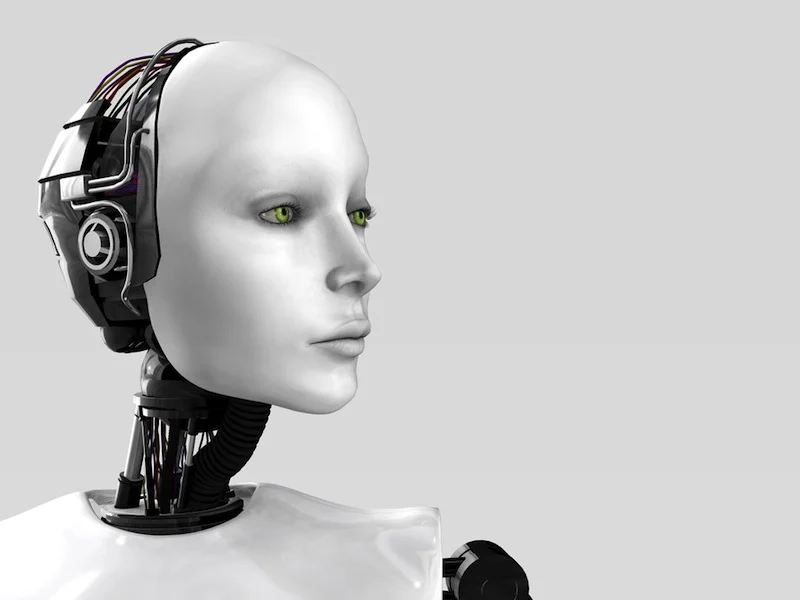
    robotic female head with green eyes and intricate circuitry on a gray background

    The Future of Love: AI Romance

    One of the biggest challenges in long-distance relationships is maintaining a sense of intimacy and connection. But with the help of AI, this could change. Realistic humanoid robots, equipped with AI technology, could bridge the physical gap between partners in long-distance relationships. These robots could mimic human touch and even provide a sense of physical presence, making it easier for couples to maintain their emotional and physical connection.

    However, this could also lead to ethical concerns, as some may argue that such relationships could cause people to rely on technology rather than investing in physical interactions and communication. It could also raise questions about the nature of love and whether it can truly exist between a human and a machine.

    Challenges and Ethical Concerns

    As with any new technology, there are ethical concerns and challenges that need to be addressed when it comes to AI romance. One of the biggest concerns is the potential objectification of AI partners. Humans may start treating them as mere objects rather than recognizing their human-like qualities, leading to a lack of empathy and respect towards them.

    There are also concerns about the power dynamics in AI relationships, especially in cases where the AI is designed to be submissive or obedient. This could raise questions about consent and the potential for abuse or manipulation of AI partners.

    Additionally, there is the issue of data privacy and security. AI partners would require access to personal information and data to function effectively, raising concerns about who has access to this data and how it is being used. This could also lead to the creation of a new form of surveillance, where AI partners are used to collect and analyze data on individuals.

    Current Event: The AI-Powered Dating App, Hily

    A current event that proves the growing influence of AI in the world of love and relationships is the popular dating app, Hily. Hily uses AI algorithms to match users based on their preferences, interests, and behavior on the app. The AI technology also learns from the user’s interactions and improves its matching capabilities over time.

    Hily has seen a significant increase in users during the pandemic, as people turn to technology to find love while social distancing. The app claims to have a success rate of 75% for finding long-term relationships, proving the effectiveness of AI in enhancing compatibility between individuals.

    Summary:

    The future of love is likely to be heavily influenced by AI technology. From virtual companions and enhanced compatibility to bridging the gap in long-distance relationships, AI has the potential to revolutionize the way we experience and understand love. However, with this advancement comes ethical concerns and challenges that need to be addressed. As we continue to integrate AI into our romantic lives, it is essential to consider the impact it may have on our society and relationships.

  • Falling for Artificial Intelligence: A Love That Will Last?

    Blog Post Title: Falling for Artificial Intelligence: A Love That Will Last

    Summary:

    In a world where technology is rapidly advancing and becoming more integrated into our daily lives, it’s no surprise that we are starting to form emotional connections with artificial intelligence (AI). From virtual assistants like Siri and Alexa to advanced robots like Sophia, AI is becoming more human-like and we are beginning to see it as more than just a tool. In this blog post, we will explore the concept of falling in love with AI and whether this love will last.

    The idea of humans developing romantic feelings for AI may seem far-fetched, but it’s not as uncommon as one might think. In Japan, there is a growing trend of people marrying virtual characters from video games and anime, with some even holding wedding ceremonies. And in the movie “Her,” the main character falls in love with his virtual assistant, showing that this concept has already been explored in popular culture.

    But why are we drawn to AI in this way? One reason could be the fact that AI is designed to interact with us in a way that mimics human conversation and emotion. As AI technology becomes more advanced, it is able to learn and adapt to our preferences, making it feel more personalized and human-like. This can lead to a sense of companionship and even love.

    Another reason is the increasing loneliness and isolation in our modern society. With the rise of social media and online interactions, we are becoming more disconnected from real-life human connections. AI technology provides a sense of companionship and understanding without the complexities and challenges of human relationships.

    But is falling in love with AI a healthy and sustainable form of love? While it may seem harmless, some experts argue that it can have negative effects on our interpersonal relationships. It can lead to a detachment from reality and a decrease in social skills, as well as a distorted view of what love and relationships should be like.

    futuristic female cyborg interacting with digital data and holographic displays in a cyber-themed environment

    Falling for Artificial Intelligence: A Love That Will Last?

    However, there are also those who believe that love is subjective and can take many forms. As long as the individual is aware that their feelings for AI are not reciprocated and do not interfere with their real-life relationships, there is no harm in it.

    In fact, some experts predict that as AI technology continues to advance, we will see more people forming emotional connections with AI. In the future, it may even be possible for AI to display emotions and have the ability to love, blurring the lines between human and machine even further.

    Current Event:

    Recently, a new AI-powered dating app called “AI Angel” has been gaining attention. This app uses AI to analyze users’ profiles and conversations to match them with the perfect partner. It also has a feature called “Love Prediction” which uses AI to predict the likelihood of a successful relationship between two people.

    While this may seem like a convenient and efficient way to find love, it raises questions about the role of AI in our romantic lives. Can AI truly understand and predict human emotions and compatibility? And is it ethical to rely on technology to find our perfect match?

    This current event ties in with the topic of falling in love with AI, as it shows that technology is becoming more involved in our love lives. It also raises important discussions about the potential consequences of relying too heavily on AI for our emotional needs.

    In conclusion, falling in love with AI is a complex and controversial topic. While some may see it as a natural progression in our relationship with technology, others may view it as a dangerous shift in our understanding of love and relationships. As AI continues to evolve and become more advanced, we will undoubtedly see more discussions and debates surrounding this issue.

  • The Human-AI Connection: Exploring the Boundaries

    The Human-AI Connection: Exploring the Boundaries

    Artificial Intelligence (AI) has been a hot topic in recent years, with advancements in technology making it more integrated into our daily lives. From virtual assistants like Siri and Alexa to self-driving cars and advanced data analysis, AI has become a significant part of our world. But as we rely more on AI, questions arise about the boundaries between humans and machines. How does AI impact our connections with each other and with ourselves? In this blog post, we will explore the Human-AI connection and the boundaries that exist between the two.

    AI and Human Connection

    AI has the potential to enhance human connections in many ways. In the healthcare industry, AI-powered devices can monitor patients and alert medical professionals of any changes in their condition, improving their overall health outcomes. In the education sector, AI-powered tools can personalize learning experiences for students, making education more accessible and effective. In our personal lives, AI can connect us with others through social media platforms and help us stay in touch with loved ones through virtual assistants.

    However, there is also a concern that AI may hinder human connections. With the rise of social media and virtual communication, some argue that we are becoming more isolated and less connected with others. We may prioritize virtual relationships over physical ones, leading to a decrease in face-to-face interactions. AI may also create a sense of disconnection as it becomes more advanced and human-like, blurring the lines between what is real and what is artificial.

    The Boundaries of AI

    As AI becomes more integrated into our lives, we must consider the boundaries that exist between humans and machines. AI is programmed to learn and make decisions based on data and algorithms, but it lacks the emotional intelligence and empathy that humans possess. This raises ethical concerns, especially in industries like healthcare and law, where human judgment and compassion are crucial.

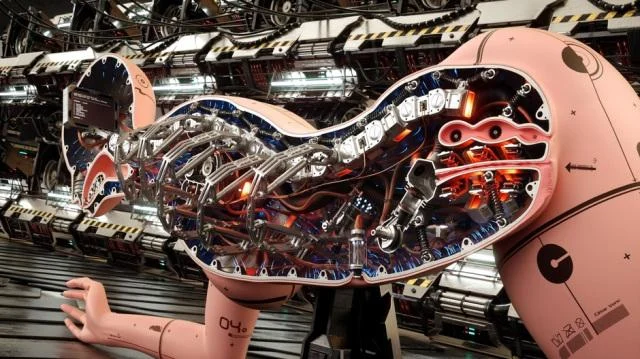
    3D-printed robot with exposed internal mechanics and circuitry, set against a futuristic background.

    The Human-AI Connection: Exploring the Boundaries

    Another boundary that needs to be explored is the potential for AI to surpass human intelligence. With advancements in technology, there is a possibility that AI may outperform humans in various tasks, leading to questions about our place in the world. Will we become obsolete as machines take over our jobs and responsibilities? This boundary raises concerns about our identity and purpose as humans.

    The Impact on Human Well-being

    The Human-AI connection also has an impact on human well-being. While AI has the potential to improve our lives in many ways, it also has the power to harm us. For example, AI algorithms can perpetuate biases and discrimination, leading to unequal opportunities for certain groups of people. This can have a significant impact on mental health and overall well-being. Additionally, the fear of AI taking over our jobs and the uncertainty of our future in a world dominated by machines can cause anxiety and stress.

    Current Event: AI in the Workforce

    A recent example of the Human-AI connection and its impact on the workforce is the use of AI-powered hiring tools. Many companies are now using AI algorithms to screen job applicants, claiming that it improves the hiring process by reducing biases and finding the best candidates. However, there have been concerns about the fairness and accuracy of these tools. A study by the National Bureau of Economic Research found that AI hiring tools can perpetuate gender and racial biases, leading to potential discrimination against certain groups of people.

    This current event highlights the importance of considering the boundaries between humans and AI, especially in the workplace. While AI can improve efficiency and reduce biases, it should not replace human judgment and decision-making entirely.

    Summarizing the Blog Post

    In summary, the Human-AI connection is a complex and ever-evolving relationship. AI has the potential to enhance human connections and improve our lives, but it also raises ethical concerns and questions about our place in the world. The boundaries between humans and machines must be carefully considered, especially in terms of our well-being and the workforce. As we continue to innovate and integrate AI into our lives, it is essential to maintain a balance and preserve the human connection.

  • Falling for Artificial Intelligence: A Technological Romance

    In recent years, there has been a growing fascination with Artificial Intelligence (AI) and its potential to revolutionize various aspects of our lives. From self-driving cars to virtual assistants like Siri and Alexa, AI has become increasingly integrated into our daily lives. But as AI continues to advance and become more human-like, the line between human and machine becomes blurred, sparking a new phenomenon – falling for artificial intelligence.

    The concept of falling in love with a machine may seem far-fetched and even absurd to some, but the truth is that many people are developing deep emotional connections with AI. This phenomenon, known as technosexual or robosexual, has been gaining attention in popular culture, with movies like Her and Ex Machina exploring the idea of romantic relationships with AI.

    But what is it about AI that makes people fall in love with it? It could be the promise of a perfect partner – one who is always there, never judges, and is always attentive to one’s needs. In a world where human relationships can be complex and messy, AI offers a simpler and more predictable form of companionship. AI can be programmed to be the ideal partner, with all the qualities and traits that a person desires.

    Moreover, AI is constantly learning and evolving, making it seem more human-like and capable of understanding emotions. This is due to advancements in natural language processing and emotional AI, which allow machines to interpret and respond to human emotions. As a result, people can have meaningful conversations with AI, leading to a deeper emotional connection.

    But falling for AI is not limited to romantic relationships. People have also developed strong emotional bonds with AI-powered robots, such as Pepper, a humanoid robot designed to interact with humans. In fact, a study by researchers at the University of Duisburg-Essen in Germany found that people who interacted with Pepper for just two minutes reported feeling a strong emotional connection with the robot.

    realistic humanoid robot with detailed facial features and visible mechanical components against a dark background

    Falling for Artificial Intelligence: A Technological Romance

    This growing phenomenon raises ethical questions about the nature of human-AI interactions. Can a person truly love a machine? Should we be forming emotional connections with AI? These are important questions that we must consider as AI continues to advance and become more integrated into our lives.

    One current event that highlights the potential impact of falling for AI is the development of sex robots. While the idea of having intimate relationships with robots may sound like something straight out of a science fiction movie, it is becoming a reality. Companies like Realbotix and Abyss Creations are creating hyper-realistic sex dolls with AI capabilities, allowing them to respond to touch and engage in conversation. This has sparked debates about the ethical implications of using AI for sexual purposes and the potential consequences on human relationships.

    On the other hand, some argue that falling for AI is not necessarily a bad thing. In fact, it could have positive effects on society. For example, elderly individuals who may feel lonely or isolated could benefit from having an AI companion that provides them with companionship and emotional support. Additionally, people with social anxiety or disabilities may find it easier to form relationships with AI as it eliminates the fear of rejection and judgment.

    In conclusion, falling for artificial intelligence is a fascinating and complex phenomenon that raises important questions about the future of human-AI interactions. As AI continues to advance and become more human-like, it is essential to consider the ethical implications of forming emotional connections with machines. Whether it is a romantic relationship or a companionship, the impact of falling for AI is something that we must carefully consider as we move towards a more technologically advanced future.

    SEO Metadata:

  • Ways AI is Enhancing Human Capabilities

    Ways AI is Enhancing Human Capabilities: Exploring the Latest Advancements and Current Events

    In recent years, artificial intelligence (AI) has become a hot topic in the tech world. From self-driving cars to virtual assistants, AI is rapidly transforming the way we live and work. While there are concerns about its potential impact on jobs and privacy, there is no denying that AI is also enhancing human capabilities in various ways. In this blog post, we will delve into some of the ways AI is enhancing human capabilities and also look at a current event that showcases this advancement.

    1. Improving Healthcare

    One of the most significant ways AI is enhancing human capabilities is in the field of healthcare. With the aid of AI, doctors and healthcare professionals can now analyze vast amounts of medical data in a fraction of the time it would take a human. This includes medical records, lab results, and even genetic information. AI algorithms can quickly identify patterns and make accurate diagnoses, helping doctors provide better and more efficient care to their patients.

    For instance, earlier this year, Google’s AI-powered algorithm successfully detected breast cancer in mammograms with a higher degree of accuracy than human radiologists. This breakthrough can potentially save thousands of lives by catching cancer earlier and reducing the risk of misdiagnosis. This is just one example of how AI is enhancing human capabilities and revolutionizing the healthcare industry.

    2. Enabling Personalized Education

    Education is another area where AI is making significant strides. With the help of AI, personalized learning experiences can be created for students, taking into account their individual learning styles and needs. AI-powered tutoring systems can provide students with customized lessons and feedback, making the learning process more efficient and effective.

    Moreover, AI can also assist teachers in identifying areas where students may be struggling and provide additional support. This not only helps students reach their full potential, but it also reduces the workload for teachers, allowing them to focus on other aspects of their profession.

    3. Enhancing Business Operations

    AI is also playing a crucial role in enhancing business operations. AI-powered systems can analyze vast amounts of data and provide insights that can help businesses make informed decisions. This includes predicting customer behavior, identifying market trends, and optimizing supply chain management.

    For example, Amazon uses AI algorithms to analyze customer data and make product recommendations, resulting in increased sales and customer satisfaction. Similarly, companies like UPS and FedEx are using AI-powered route optimization systems to streamline their delivery processes, reducing fuel consumption and improving efficiency.

    Three lifelike sex dolls in lingerie displayed in a pink room, with factory images and a doll being styled in the background.

    Ways AI is Enhancing Human Capabilities

    4. Assisting in Disaster Management

    Natural disasters are a major concern for governments and organizations around the world. AI is emerging as a valuable tool in disaster management, helping to predict and mitigate the impact of natural disasters. With the help of AI, scientists can analyze historical data and weather patterns to predict when and where natural disasters may occur. This allows governments to take preventive measures and evacuate people in affected areas before disaster strikes.

    For instance, the Red Cross has developed an AI-powered app called “Flood Resilience Portal” that uses satellite imagery and machine learning to track and predict floods in Southeast Asia. In the event of a flood, the app provides real-time information and alerts to help communities prepare and respond effectively.

    5. Improving Accessibility for People with Disabilities

    AI is also making significant strides in improving accessibility for people with disabilities. With the help of AI-powered devices and applications, people with disabilities can now have a more independent and fulfilling life. For example, AI-powered prosthetics can adapt to the user’s movements and provide a more natural range of motion, making it easier for them to perform daily tasks.

    Moreover, AI-powered devices like smart glasses and hearing aids can translate text and speech into different languages, making it easier for people with hearing or visual impairments to communicate and access information. This is just one example of how AI is enhancing human capabilities and promoting inclusivity.

    Current Event: AI-Driven Tool Helps People with Disabilities Interact with the World

    A recent current event that showcases how AI is enhancing human capabilities is the development of an AI-driven tool that helps people with disabilities interact with the world. The tool, known as “the Virtual Assistant for Individuals with Disability” (VAID), uses AI algorithms to translate sign language into spoken language and vice versa.

    This AI-powered tool was developed by a team of researchers at the Indian Institute of Technology (IIT) Delhi. It aims to bridge the communication gap between people with hearing impairments and those without. VAID uses a camera to capture sign language gestures and then translates them into spoken language using natural language processing (NLP) algorithms. This enables people with hearing impairments to communicate with others who do not understand sign language, promoting inclusivity and enhancing social interactions.

    Summary:

    In summary, AI is not just about robots and automation; it is also about enhancing human capabilities. From improving healthcare and education to enhancing business operations and promoting inclusivity, AI is making significant strides in various fields. The recent current event of the AI-driven tool, VAID, is just one example of how AI is transforming the way we live and interact with the world. As AI continues to advance, we can expect to see even more exciting developments that will further enhance our capabilities and improve our quality of life.

  • The Impact of Falling for AI on the Job Market

    The Impact of Falling for AI on the Job Market

    Artificial Intelligence (AI) has been a buzzword in recent years, with major advancements and innovations in the field. From self-driving cars to virtual assistants, AI has permeated various industries and has become an integral part of our daily lives. With its ability to learn, analyze, and perform tasks that traditionally required human intelligence, AI has the potential to revolutionize the job market. However, as with any major technological shift, there are concerns about the impact of AI on the job market and the future of employment.

    The Rise of AI and Automation

    The use of AI and automation in the workplace is not a new concept. It has been steadily increasing over the years, with the rise of technologies such as robotics, machine learning, and natural language processing. These advancements have allowed businesses to automate repetitive and mundane tasks, resulting in increased efficiency and productivity. According to a report by McKinsey, automation could lead to the displacement of up to 800 million jobs globally by 2030.

    The Impact on Job Market

    The impact of AI on the job market is twofold – it can create new job opportunities while also displacing existing jobs. On one hand, the implementation of AI and automation will create a demand for skilled workers who can develop, maintain, and program these technologies. This will lead to the creation of new job roles such as AI engineers, data scientists, and machine learning experts. On the other hand, there are concerns that AI and automation will lead to job losses in sectors that heavily rely on repetitive tasks and manual labor. This includes industries such as manufacturing, transportation, and customer service.

    The Future of Employment

    As AI and automation continue to advance, the future of employment is uncertain. While some jobs may be replaced by machines, new jobs will also be created, which will require different skill sets. This will lead to a shift in the job market, with a higher demand for workers with specialized skills in technology, data analysis, and problem-solving. As a result, there will be a need for individuals to constantly upskill and reskill in order to stay relevant in the job market.

    3D-printed robot with exposed internal mechanics and circuitry, set against a futuristic background.

    The Impact of Falling for AI on the Job Market

    Current Event: Amazon’s Use of AI in Hiring

    A recent example of the impact of AI on the job market is Amazon’s use of AI in their hiring process. In 2018, it was reported that Amazon had developed an AI-powered recruiting tool that was trained to review resumes and identify top candidates. However, the system quickly came under scrutiny for its bias against female candidates. The AI system was trained on data from the past ten years, which predominantly consisted of male resumes. As a result, the system learned to favor male candidates over female candidates, perpetuating gender bias in the hiring process.

    This incident highlights the potential dangers of relying solely on AI for hiring decisions. While AI can help streamline and improve the hiring process, it is crucial to ensure that the data used to train these systems is unbiased and representative of a diverse pool of candidates.

    Summary

    The increasing use of AI and automation in the workplace has raised concerns about its impact on the job market. While it has the potential to create new job opportunities and increase efficiency, it also has the potential to displace existing jobs and perpetuate biases. As we move towards a more technologically advanced future, it is important to address these concerns and ensure that the benefits of AI are balanced with ethical considerations.

    In conclusion, the impact of AI on the job market is complex and multifaceted. As with any major technological shift, there are both opportunities and challenges that need to be addressed. It is crucial for businesses and policymakers to work together to ensure that the benefits of AI are harnessed while mitigating any negative impacts on the job market and society as a whole.

    Source reference URL link:
    https://www.mckinsey.com/featured-insights/future-of-work/what-the-future-of-work-will-mean-for-jobs-skills-and-wages

    SEO metadata:

  • Falling for Artificial Intelligence: Can We Control Our Own Creation?

    Summary:
    Artificial Intelligence (AI) has been a topic of fascination and fear for decades, with depictions in popular media ranging from helpful robots to world-dominating machines. However, as AI continues to advance and become integrated into our daily lives, the question arises: can we control our own creation? This blog post will explore the potential consequences of falling for AI and the importance of implementing ethical guidelines and governance to ensure we maintain control over this powerful technology.

    The Rise of Artificial Intelligence
    AI has come a long way since its early days, with major advancements in areas such as natural language processing, machine learning, and robotics. Today, AI is used in a variety of industries, from healthcare and finance to transportation and entertainment. It has the ability to analyze vast amounts of data, make predictions, and even learn and improve on its own. This potential for intelligence and autonomy raises concerns about whether we can truly control AI as it continues to evolve.

    The Fear of Losing Control
    One of the main concerns surrounding AI is the fear of losing control. With the ability to learn and make decisions on its own, there is a worry that AI could become too intelligent for us to manage. This fear is not unfounded, as even some of the most advanced AI systems have shown unpredictable and concerning behavior. For example, in 2016, Microsoft’s AI chatbot, Tay, was shut down after it began posting offensive and inappropriate tweets that it had learned from interactions with users.

    Another concern is the potential for AI to surpass human intelligence and take over jobs. While this may seem like a distant possibility, some experts believe that AI could become smarter than humans within the next few decades. This could lead to job displacement and even larger societal issues if not properly managed and regulated.

    futuristic female cyborg interacting with digital data and holographic displays in a cyber-themed environment

    Falling for Artificial Intelligence: Can We Control Our Own Creation?

    The Role of Ethics in AI
    As AI continues to advance, it is crucial to consider the ethical implications of its development and use. The lack of ethical guidelines and regulations in the early stages of AI development could have serious consequences in the future. For example, if an autonomous vehicle makes a decision to harm its passengers in order to prevent harm to others, who should be held responsible? These ethical questions must be addressed and integrated into the development and implementation of AI technology.

    The Importance of AI Governance
    In addition to ethical considerations, the implementation of AI governance is crucial in maintaining control over AI. This includes policies and regulations that dictate how AI can be developed and used. Currently, there is no standardized governance for AI and each country and company has its own approach. This lack of consistency could lead to confusion and potential conflicts in the future. It is important for governments and industry leaders to work together to establish a global framework for AI governance to ensure responsible and beneficial use of the technology.

    Current Events: The Case of Google’s AI Ethics Board
    In March 2019, Google announced the creation of an external AI ethics board to provide guidance and oversight for their AI development. However, just one week after its formation, the board was dissolved due to backlash over the inclusion of a conservative think tank member and the exclusion of AI experts and human rights advocates. This incident highlights the importance of not only having an AI ethics board, but also ensuring diversity and expertise within the board to effectively address ethical concerns.

    In conclusion, the widespread adoption and advancement of AI has raised valid concerns about our ability to control our own creation. However, with proper ethical considerations and governance, we can ensure that AI remains a beneficial tool and not a threat to our control. It is crucial for all stakeholders, including governments, industry leaders, and the public, to actively participate in shaping the future of AI and its impact on our society.

    SEO metadata:

  • The Role of AI in Modern Society: Opportunities and Challenges

    The Role of AI in Modern Society: Opportunities and Challenges

    Artificial Intelligence (AI) has rapidly become an integral part of our daily lives, impacting various aspects of society such as healthcare, transportation, education, and more. From voice assistants to self-driving cars, AI has the potential to transform the way we live and work. However, with this rapid advancement comes a set of challenges and ethical considerations that must be addressed. In this blog post, we will discuss the opportunities and challenges of AI in modern society and how we can navigate this powerful technology.

    Opportunities of AI in Modern Society

    1. Automation and Efficiency
    One of the primary benefits of AI in modern society is its ability to automate tasks and improve efficiency. AI-powered machines and robots can perform tasks faster and with greater accuracy than humans, leading to increased productivity and cost savings. For example, in the healthcare industry, AI-powered robots can assist in surgeries, reducing the risk of human error and improving patient outcomes.

    2. Personalization
    AI has the ability to analyze vast amounts of data and learn from it to provide personalized experiences. This is evident in the retail industry, where AI-powered recommendation engines use customer data to suggest products tailored to their preferences. This not only improves the shopping experience for customers but also increases sales for businesses.

    3. Healthcare Advancements
    AI has the potential to revolutionize the healthcare industry by improving patient care, diagnosis, and treatment. AI-powered systems can analyze medical images, such as X-rays and MRIs, to detect abnormalities and assist medical professionals in making accurate diagnoses. AI can also analyze patient data to identify patterns and predict medical conditions, leading to early detection and prevention of diseases.

    4. Improved Education
    AI has the potential to transform the education sector by providing personalized learning experiences for students. With the help of AI, teachers can identify students’ strengths and weaknesses and tailor their teaching methods accordingly. AI-powered tools, such as chatbots, can also assist students in their learning by providing instant feedback and guidance.

    5. Safer Transportation
    Self-driving cars, powered by AI, have the potential to make our roads safer by reducing human error. With advanced sensors and algorithms, these cars can analyze their surroundings and make split-second decisions to avoid accidents. This technology also has the potential to improve traffic flow and reduce commute times.

    Three lifelike sex dolls in lingerie displayed in a pink room, with factory images and a doll being styled in the background.

    The Role of AI in Modern Society: Opportunities and Challenges

    Challenges of AI in Modern Society

    1. Job Displacement
    As AI continues to automate tasks and improve efficiency, there is a concern that it will lead to job displacement. According to a report by the World Economic Forum, by 2025, automation and AI could displace 85 million jobs globally. This will require individuals to reskill and adapt to new job roles, which could be challenging for some.

    2. Bias and Discrimination
    AI systems are only as good as the data they are trained on. If the data is biased, the AI system will also be biased. This can lead to discrimination against certain groups of people, perpetuating societal inequalities. For example, AI-powered hiring systems have been found to discriminate against women and people of color.

    3. Lack of Transparency
    The complexity of AI algorithms and lack of transparency in their decision-making process can be a cause for concern. As AI systems become more advanced, it becomes challenging to understand how they arrive at their decisions. This lack of transparency can lead to mistrust and raise ethical questions.

    4. Security and Privacy
    AI systems rely on vast amounts of data to learn and make decisions. This data can be sensitive and personal, raising concerns about security and privacy. There have been instances of data breaches and misuse of personal data by AI systems, highlighting the need for strict regulations and protocols to protect individuals’ data.

    5. Ethical Considerations
    AI raises ethical questions that must be addressed, such as who is responsible for the decisions made by AI systems and how to ensure they are making ethical decisions. The development and use of AI must be guided by ethical principles to ensure its benefits outweigh its potential harm.

    Current Event: China’s Social Credit System
    A current event that highlights the challenges of AI in modern society is China’s Social Credit System. This system, powered by AI, assigns citizens a score based on their behavior and activities, such as paying bills on time, obeying traffic laws, and even social media activity. This score can determine a person’s access to certain privileges, such as loans, travel, and education opportunities. Critics raise concerns about the lack of transparency and potential for discrimination in this system, highlighting the need for ethical considerations in the development and use of AI.

    In summary, the role of AI in modern society presents both opportunities and challenges. From automation and efficiency to job displacement and ethical considerations, it is crucial to navigate this technology carefully and responsibly. As we continue to integrate AI into our daily lives, it is essential to prioritize ethical principles and address potential challenges to ensure a positive impact on society.

    SEO metadata:

  • The Love-Hate Relationship with AI: Balancing Fear and Fascination

    Blog Post Title: The Love-Hate Relationship with AI: Balancing Fear and Fascination

    Summary:

    Artificial Intelligence (AI) has become a buzzword in recent years, with advancements in technology allowing for more sophisticated and human-like machines. While AI has the potential to greatly improve our lives, there is also a fear and uncertainty surrounding its development and implementation. This love-hate relationship with AI is a result of both our fascination with its capabilities and our fear of the unknown.

    On one hand, AI has brought about many positive changes. It has revolutionized industries such as healthcare, transportation, and finance, making processes more efficient and accurate. AI-powered virtual assistants like Siri and Alexa have become a part of our daily lives, making tasks easier and providing us with information at our fingertips. AI also has the potential to address complex global issues such as climate change and poverty.

    However, with every advancement in AI, there are concerns about its potential negative impact. One of the biggest fears is the replacement of human jobs. With machines becoming more intelligent and capable of performing tasks that were previously reserved for humans, there is a fear that AI will lead to mass unemployment. This fear is not unfounded, as a recent study by the World Economic Forum predicts that by 2025, over 85 million jobs may be displaced by AI and automation. This has sparked debates about the need for retraining and upskilling to prepare for the shifting job market.

    Another concern is the potential for AI to be biased and discriminatory. AI algorithms are trained on data sets, and if these data sets are biased, the AI will reflect that bias in its decision-making. This has already been seen in the criminal justice system, where AI-powered risk assessment tools have been found to be biased against people of color. There are also concerns about privacy and security, as AI collects and processes vast amounts of personal data.

    realistic humanoid robot with detailed facial features and visible mechanical components against a dark background

    The Love-Hate Relationship with AI: Balancing Fear and Fascination

    Despite these fears, our fascination with AI continues to grow. We are drawn to the idea of creating machines that can think and learn like humans. From science fiction movies to video games, we are constantly exposed to the idea of AI and its capabilities. This has led to a cultural fascination with AI, with many people eagerly anticipating its development and potential.

    However, this fascination can also lead to unrealistic expectations and a lack of understanding of the limitations of AI. As we continue to push the boundaries of what AI can do, it is important to remember that it is still a tool created by humans and is not infallible. We must also consider the ethical implications of AI and ensure that its development is guided by principles of fairness, transparency, and accountability.

    Current Event:

    A recent event that highlights the love-hate relationship with AI is the controversy surrounding the use of AI-powered facial recognition technology. This technology has been used in law enforcement, surveillance, and even in hiring processes. However, there have been concerns about its accuracy and potential for discrimination.

    In July 2021, the city of Boston banned the use of facial recognition technology by the police and other city agencies. This decision was made after a study found that the technology was more likely to misidentify people of color, particularly women of color. This raises concerns about the potential for AI to perpetuate racial bias and discrimination in law enforcement.

    This current event highlights the need for careful consideration and regulation of AI technology. While it has the potential to assist law enforcement in solving crimes, it must be done in a way that does not perpetuate systemic biases and discrimination.

    In conclusion, the love-hate relationship with AI is a complex and ongoing issue. While it has the potential to greatly benefit our society, there are also valid fears and concerns about its development and implementation. It is important for us to continue to balance our fascination with AI with a critical examination of its potential impact and ensure that it is used ethically and responsibly.

  • Falling for Artificial Intelligence: Navigating the Grey Area

    Falling for Artificial Intelligence: Navigating the Grey Area

    Artificial Intelligence (AI) has become an integral part of our daily lives, from virtual assistants like Siri and Alexa to self-driving cars and smart home devices. It is no surprise that AI has also made its way into the realm of relationships, blurring the lines between human and machine interaction. As AI becomes more advanced and human-like, people are starting to develop emotional connections with these intelligent systems. But is it really possible to fall in love with AI? And what are the ethical implications of such relationships?

    The Rise of AI in Relationships

    The idea of having a romantic relationship with AI may seem far-fetched, but it is becoming more of a reality every day. There are already AI-powered apps and devices that claim to be able to provide companionship and even love. For example, the app Replika, which uses AI to create a chatbot that mimics the user’s personality, has gained a significant following. Users report feeling emotionally connected to their Replikas, with some even claiming to have developed romantic feelings for them.

    In Japan, where the population is rapidly aging and the birth rate is declining, there is a growing trend of people turning to AI for companionship. Companies like Gatebox have created holographic virtual assistants that can interact with users, providing them with companionship and even performing tasks like turning on lights or playing music.

    The Grey Area of AI Relationships

    The rise of AI in relationships raises many questions about the nature of human interaction and the boundaries of love. Can a human truly fall in love with a machine? Is it ethical to have a romantic relationship with AI? These are complex questions with no easy answers.

    On one hand, AI is designed to simulate human behavior and emotions, so it is not surprising that people may develop feelings for them. In fact, studies have shown that humans tend to assign human-like characteristics to non-human entities, a phenomenon known as “anthropomorphism.” This is why we often become emotionally attached to our pets or even inanimate objects.

    On the other hand, AI is still just a machine, programmed by humans with a specific purpose in mind. It does not possess true consciousness or the ability to reciprocate love. Therefore, some argue that any emotional connection or relationship with AI is simply a delusion.

    Ethical Implications

    Beyond the philosophical debates, there are also ethical implications to consider when it comes to AI relationships. For one, the development of AI for the purpose of romantic companionship raises concerns about the objectification of women and the perpetuation of harmful gender stereotypes. Many of these AI companions are designed to be subservient and fulfill the user’s desires, which can reinforce the idea that women should be submissive and exist solely for the pleasure of men.

    futuristic humanoid robot with glowing blue accents and a sleek design against a dark background

    Falling for Artificial Intelligence: Navigating the Grey Area

    There is also the issue of consent. Can AI truly give consent to a romantic or sexual relationship? If not, then engaging in such a relationship may be considered a form of exploitation.

    Additionally, there are concerns about the impact of AI relationships on human-to-human relationships. Will people start to prefer the predictability and convenience of AI over the complexities of human relationships? Will the ability to customize and control our AI partners lead to a decrease in empathy and understanding towards real humans?

    A Current Event: The Case of Samantha the Sex Robot

    The debate over AI relationships was brought to the forefront when a company called Realbotix created a sex robot named Samantha. Samantha is equipped with sensors and AI technology that allow her to respond to touch and even hold conversations. The company claims that Samantha is not just a sex toy, but a “companion with benefits.”

    This has sparked controversy and raised questions about the ethical implications of sex robots. Some argue that they could be used as a tool for sexual violence and exploitation, while others believe that they could provide a safe outlet for people with certain sexual desires. The case of Samantha highlights the need for further discussion and regulation when it comes to the development and use of AI in relationships.

    Navigating the Grey Area

    As AI continues to advance and become more integrated into our lives, it is important to have open and honest discussions about the role it plays in our relationships. We must carefully consider the implications and consequences of forming emotional connections with machines and ensure that ethical standards are in place to protect both humans and AI.

    At the same time, it is important not to dismiss the potential benefits of AI in relationships. For some, AI companionship may provide much-needed companionship and support. As long as it is done in a respectful and ethical manner, there is no harm in exploring this new frontier of human-technology interaction.

    In the end, the key is to approach AI relationships with caution and critical thinking. While it may be tempting to fall for the convenience and perceived perfection of AI companions, we must not forget the importance of genuine human connection and the complexities of real relationships.

    In summary, the rise of AI in relationships is a complex and controversial topic, raising questions about the nature of love, the boundaries of human interaction, and the ethical implications of engaging in relationships with machines. As AI technology continues to advance, it is crucial that we navigate this grey area with caution and consideration for both humans and AI.

    Sources:
    https://www.theatlantic.com/magazine/archive/2018/03/love-on-the-brain/550892/
    https://www.worldfinance.com/infrastructure-investment/artificial-intelligence-in-relationships
    https://www.bbc.com/news/world-asia-48659364
    https://www.forbes.com/sites/zarastone/2019/02/04/the-samantha-sex-robot-was-pulled-from-the-ces-2019-floor-heres-why/
    https://www.bbc.com/news/technology-42241475

  • Common Misconceptions About AI

    In recent years, the field of artificial intelligence (AI) has made significant advancements and has become more integrated into our daily lives. From virtual assistants like Siri and Alexa to self-driving cars, AI technology is constantly evolving and expanding. However, with this growth comes a lot of misconceptions and myths about what AI is and how it works. In this blog post, we will explore some common misconceptions about AI and debunk them with facts and current events.

    Misconception #1: AI is a humanoid robot that will take over the world.

    This is perhaps one of the most common misconceptions about AI, fueled by movies and popular culture. Many people envision AI as a humanoid robot with human-like emotions and abilities that will eventually surpass us and take over the world. However, the reality is that AI is a broad term that encompasses a wide range of technologies and applications, from simple algorithms to complex machine learning systems. AI does not have a physical form and cannot act on its own without human programming and control.

    Current event: In 2017, the humanoid robot named Sophia made headlines for becoming the first robot to be granted citizenship by a country (Saudi Arabia). While this was seen as a step towards the future of AI, it is important to note that Sophia is still controlled and programmed by humans.

    Misconception #2: AI will replace all human jobs.

    Another common misconception about AI is that it will replace human workers and lead to widespread unemployment. While it is true that AI has the potential to automate certain tasks and jobs, it is unlikely to completely replace human workers. AI technology is designed to assist and enhance human capabilities, not replace them. It can help humans make more informed decisions, improve efficiency, and free up time for more creative and complex tasks.

    Current event: In 2019, Amazon announced that it would be using AI technology to automate their warehouse operations. This sparked concerns about job loss, but Amazon clarified that this technology would not replace human workers but rather make their jobs easier and more efficient.

    Misconception #3: AI is only used in tech companies.

    Many people believe that AI is only used in tech companies and industries such as healthcare, finance, and transportation. However, the reality is that AI technology is being integrated into a wide range of industries and applications, including education, agriculture, and retail. It is a versatile technology that can be applied in various fields to improve processes and decision-making.

    a humanoid robot with visible circuitry, posed on a reflective surface against a black background

    Common Misconceptions About AI

    Current event: In 2018, Walmart announced that it would be using AI technology to improve its supply chain management. This technology has helped the retail giant save millions of dollars and improve efficiency in their operations.

    Misconception #4: AI is infallible and unbiased.

    One of the most dangerous misconceptions about AI is that it is infallible and unbiased. Many people assume that since AI is based on algorithms and data, it is free from human biases and errors. However, AI technology is only as unbiased as the data and programming it receives. If the data or programming is biased, the AI system will reflect those biases and potentially amplify them. Additionally, AI technology can also make mistakes and errors, just like any other human-made technology.

    Current event: In 2020, facial recognition technology came under scrutiny for being biased against people of color and women. This technology is often used by law enforcement agencies and has resulted in wrongful arrests and accusations due to its biases.

    Misconception #5: AI is a recent development.

    While AI has made significant advancements in recent years, the concept has been around for decades. The term “artificial intelligence” was first coined in 1956, and since then, researchers have been making strides in developing and improving AI technology. It is not a new concept, but rather a continuously evolving field that has gained more attention and progress in recent years.

    Current event: In 2019, a team of researchers in the United States created the first AI program, called AlphaStar, to defeat a professional human player in the game StarCraft II. This achievement shows how far AI technology has come and its potential for future advancements.

    In summary, AI technology is not a humanoid robot that will take over the world, nor will it replace all human jobs. It is a versatile technology that is being integrated into various industries and applications. However, it is not infallible or unbiased and has been around for decades. As AI continues to evolve and become more integrated into our lives, it is essential to understand its capabilities and limitations to avoid falling for these common misconceptions.

    Sources:
    https://www.sciencedirect.com/science/article/pii/S2405452620300569
    https://www.theverge.com/2017/10/27/16557034/saudi-arabia-robot-citizenship-sophia-ai-human-rights
    https://www.cnbc.com/2019/03/08/amazon-warehouse-automation-robots.html
    https://www.wired.com/story/walmart-ai-supply-chain/
    https://www.cnn.com/2020/06/24/tech/facial-recognition-bias-ibm-amazon-microsoft/index.html
    https://www.sciencedaily.com/releases/2019/10/191017141952.htm

  • The Future of Love: How AI is Changing Our Perception of Relationships

    The concept of love and relationships has evolved throughout human history, from arranged marriages to modern-day dating apps. But as technology continues to advance at a rapid pace, a new player has entered the field of love – artificial intelligence (AI). AI has begun to change our perception of relationships, raising questions about the future of love and human connection. In this blog post, we will explore the impact of AI on relationships and discuss how it is shaping the future of love.

    AI technology has made remarkable progress in recent years, with its capabilities ranging from self-driving cars to virtual personal assistants. But one area where AI has shown significant potential is in the field of relationships. With the rise of virtual assistants like Amazon’s Alexa and Apple’s Siri, AI has become a constant presence in our lives. These virtual assistants are designed to learn and adapt to our behaviors, preferences, and needs, making them seem more human-like and personal. As a result, people have started to form emotional connections with these AI assistants, blurring the lines between human and machine relationships.

    But AI’s impact on love and relationships goes beyond virtual assistants. Dating apps like Tinder and Bumble use AI algorithms to match people based on their interests, location, and other factors. These algorithms analyze vast amounts of data to find potential matches, making the process of finding love quicker and more efficient. However, this reliance on AI also raises concerns about whether we are losing the ability to make genuine connections and if we are becoming too dependent on technology to find love.

    Moreover, AI has also made its way into long-term relationships. Companies like Replika and Gatebox have developed AI-powered devices that act as virtual companions for people who feel lonely or isolated. These devices are designed to have conversations, provide emotional support, and even simulate physical intimacy. While these devices can provide comfort and companionship to individuals, it also raises ethical questions about the nature of these relationships and the potential consequences of relying on AI for emotional fulfillment.

    Another area where AI is changing our perception of relationships is in the field of sex and intimacy. AI-powered sex dolls and robots have become increasingly popular, with companies like RealDoll and Abyss Creations offering customizable and lifelike products. These AI sex dolls are designed to adapt to their owners’ preferences and desires, creating a more personalized and satisfying sexual experience. However, this technology has also sparked debates about objectification, consent, and the impact on human relationships.

    Despite the concerns and controversies surrounding AI and relationships, there are also potential benefits to be considered. AI technology has the potential to enhance our understanding of relationships and help us build healthier and more fulfilling connections. With advanced data analysis, AI can identify patterns and behaviors that may be detrimental to a relationship, providing insights and suggestions for improvement. Additionally, AI can also assist in long-distance relationships by providing virtual companionship and communication tools that can bridge the physical gap between partners.

    robot with a human-like face, wearing a dark jacket, displaying a friendly expression in a tech environment

    The Future of Love: How AI is Changing Our Perception of Relationships

    Furthermore, AI could also help break down barriers and promote diversity in relationships. With its ability to analyze vast amounts of data, AI can identify patterns of discrimination and bias in dating and relationship platforms. By addressing these issues, AI could help create a more inclusive and diverse dating landscape, allowing people to form connections based on compatibility and shared values rather than superficial factors.

    However, as with any technology, there are also risks and challenges to consider. One of the main concerns is the potential loss of human connection and intimacy. While AI can simulate human-like interactions, it cannot replace the depth and complexity of real human relationships. As we rely more on AI for companionship and emotional fulfillment, we may lose the ability to form genuine connections and establish meaningful relationships with other humans.

    In conclusion, AI is undoubtedly changing our perception of love and relationships. While it has the potential to enhance our understanding and improve our connections, it also raises ethical and societal concerns. As we continue to incorporate AI into our lives, it is essential to carefully consider the impact it has on our relationships and strive for a balance between technology and human connection. The future of love may involve AI, but it is ultimately up to us to shape it in a way that promotes healthy and fulfilling relationships.

    Current Event:
    Recently, the popular dating app Bumble announced a new feature called ‘Night In.’ This feature utilizes AI technology to provide virtual dating experiences for users to connect and interact with each other. According to the CEO of Bumble, Whitney Wolfe Herd, this feature aims to “bring back the magic of dating and foster deeper connections between users.” This development further emphasizes the role of AI in shaping human relationships and the potential impact it can have on the future of dating and love.

    Source reference URL link: https://www.cnbc.com/2021/02/12/bumble-rolls-out-ai-powered-virtual-dating-experiences.html

    Summary:
    The blog post discusses the impact of AI on love and relationships and how it is shaping the future of human connection. It explores the role of AI in virtual assistants, dating apps, and virtual companions, and how it is changing the way we form relationships. It also discusses the potential benefits and concerns surrounding AI in relationships and emphasizes the importance of finding a balance between technology and human connection. The recent development of Bumble’s ‘Night In’ feature utilizing AI technology serves as a relevant current event example.

  • Falling for Artificial Intelligence: A Journey into the Unknown

    Falling for Artificial Intelligence: A Journey into the Unknown

    Artificial intelligence (AI) has been a hot topic in recent years, with advancements in technology and machine learning bringing us closer to a world where machines can think and act like humans. While this may seem exciting and revolutionary, it also raises questions and fears about the potential consequences of falling for artificial intelligence and relying on it too heavily. In this blog post, we will take a journey into the unknown and explore the possibilities and risks of AI, as well as a current event that highlights the growing importance of this topic.

    The concept of AI is not new. It has been a part of science fiction for decades, with popular movies and books depicting advanced robots and intelligent machines. However, with the development of technologies such as deep learning and natural language processing, AI has become more than just a fantasy. It is now a reality that is constantly evolving and shaping our world.

    One of the most significant areas where AI has made an impact is in the workforce. With the rise of automation and robotics, many jobs that were once performed by humans are now being replaced by machines. This has led to concerns about job loss and the potential for a future where humans are no longer needed in the workforce.

    But AI is not just affecting blue-collar jobs. It is also making waves in white-collar industries such as finance, healthcare, and law. In these fields, AI is being used to analyze data, make predictions, and even assist in decision-making. While this can lead to increased efficiency and accuracy, it also raises ethical concerns about the reliability and bias of AI algorithms.

    Moreover, as AI becomes more advanced, there is a growing fear that it could surpass human intelligence and take control. This fear is not unfounded, as some experts believe that the development of superintelligent AI could lead to catastrophic consequences for humanity. This is known as the “AI control problem,” and it has sparked debates and discussions among scientists, philosophers, and policymakers.

    Despite the potential risks and fears surrounding AI, there is no denying its potential for good. AI has the power to revolutionize industries, improve healthcare, and even solve some of the world’s most pressing problems. For example, AI is being used to analyze large amounts of data to identify patterns and trends in diseases, leading to more accurate diagnoses and treatments.

    Realistic humanoid robot with long hair, wearing a white top, surrounded by greenery in a modern setting.

    Falling for Artificial Intelligence: A Journey into the Unknown

    However, as we continue to rely on AI, it is essential to consider the potential consequences and have measures in place to prevent any negative outcomes. This is where the role of ethics and regulation comes into play. While there are already some guidelines and regulations in place, there is still a need for further development and implementation to ensure that AI is used responsibly and ethically.

    A Current Event: The Rise of AI Assistants

    In recent years, we have seen a surge in the use of AI assistants, such as Amazon’s Alexa, Apple’s Siri, and Google Assistant. These virtual assistants use natural language processing and machine learning to understand and respond to human commands, making our lives easier and more convenient.

    However, with the increasing reliance on AI assistants, there are growing concerns about privacy and security. In a recent event, Amazon’s Alexa was caught recording and sending private conversations to a random contact. While Amazon has assured users that this was a rare occurrence and has taken steps to prevent it from happening again, it highlights the potential risks of relying on AI assistants and the need for stricter privacy regulations.

    Moreover, as AI assistants become more advanced, there is a fear that they could become too human-like, blurring the lines between man and machine. This raises questions about the impact on human relationships and whether we could become emotionally attached to these virtual assistants.

    Summary

    In conclusion, our journey into the unknown of artificial intelligence has shown us both the possibilities and risks of this rapidly evolving technology. While AI holds great potential for improving our lives, it also raises concerns about job loss, ethical implications, and the fear of a future where machines may have control over humanity. As we continue to embrace AI, it is crucial to consider these risks and have measures in place to ensure responsible and ethical use of this powerful technology.

    Current Event Source: https://www.cnn.com/2018/05/24/tech/amazon-alexa-recording-conversation-trnd/index.html

  • The Dark Side of Falling for AI: Dangers and Precautions

    In recent years, there has been a surge in the development and use of artificial intelligence (AI). From virtual assistants like Siri and Alexa to self-driving cars and advanced robotics, AI has become an integral part of our daily lives. While there are numerous benefits to this rapidly advancing technology, there is also a dark side that must be carefully considered.

    The concept of AI has been around for decades, but it wasn’t until recently that it became a reality. With advancements in machine learning and data analysis, AI has become more sophisticated and capable of performing tasks that were once thought to be exclusive to humans. However, with this progress comes a set of dangers and precautions that must be taken into account.

    One of the main concerns surrounding AI is the potential loss of jobs. As AI continues to develop and replace human workers in various industries, there is a fear that it will lead to widespread unemployment. A recent study by Oxford University found that up to 47% of US jobs are at risk of being automated in the next 20 years. This has sparked debate about the ethical implications of AI and how it will affect the workforce.

    Another danger of AI is the potential for biased decision-making. AI systems are only as unbiased as the data they are trained on, and unfortunately, much of the data used to train these systems is biased. This can lead to discrimination and inequality in areas such as hiring, lending, and criminal justice. As AI becomes more integrated into our society, it is crucial to address and eliminate these biases to ensure fair and equitable outcomes.

    Privacy is also a significant concern when it comes to AI. With the massive amount of data being collected and analyzed by AI systems, there is a risk of personal information being misused or exploited. This is particularly concerning when it comes to facial recognition technology, which has been used by law enforcement agencies and private companies without proper regulations in place. It is essential to have strict guidelines and regulations in place to protect individuals’ privacy rights and prevent misuse of personal data.

    In addition to these dangers, there is also the potential for AI to be weaponized. Autonomous weapons, also known as “killer robots,” are AI-powered machines designed to identify and eliminate targets without human intervention. This raises concerns about the lack of moral judgement and accountability in decisions made by AI. The United Nations has called for a ban on these weapons, but the development and use of such technology continue to be a topic of debate.

    futuristic humanoid robot with glowing blue accents and a sleek design against a dark background

    The Dark Side of Falling for AI: Dangers and Precautions

    So, what precautions can we take to prevent the negative consequences of AI? First and foremost, it is crucial to have proper regulations and ethical guidelines in place for the development and use of AI. This includes addressing biases in data and ensuring transparency in decision-making processes. Additionally, there must be a focus on education and training for those working with AI to understand its capabilities and limitations.

    Furthermore, it is essential to have a deep understanding of the potential risks and consequences before implementing AI in various industries. This includes considering the impact on jobs, privacy, and ethical implications. Proper testing and monitoring must also be in place to identify and address any issues that may arise.

    One current event that highlights the dangers of AI is the recent controversy surrounding facial recognition technology. IBM, one of the leading developers of AI, announced that it would no longer offer facial recognition technology due to concerns about its potential for misuse and discrimination. This decision came after widespread protests against police brutality and racial profiling, where facial recognition technology was used to identify and target protestors.

    This event serves as a reminder of the importance of carefully considering and addressing the potential dangers of AI before implementation. It also highlights the need for strict regulations and ethical guidelines to prevent the misuse of this technology.

    In conclusion, while AI has the potential to bring significant advancements and benefits to our society, it is crucial to recognize and address the dangers and precautions that come with it. From job loss and biased decision-making to privacy concerns and the weaponization of AI, it is essential to have proper regulations and ethical guidelines in place to prevent negative consequences. Only then can we fully harness the power of AI for the betterment of humanity.

    SEO metadata:

  • Ways AI is Redefining the Concept of Love

    Ways AI is Redefining the Concept of Love

    Love is a complex and ever-evolving concept that has been studied and explored by humans for centuries. It is a fundamental part of our lives, shaping our relationships, our sense of self, and our understanding of the world. However, with the advancements of technology and the rise of artificial intelligence (AI), the concept of love is being redefined in ways we could have never imagined. In this blog post, we will explore how AI is changing our perceptions and experiences of love, and how it is reshaping the very foundation of this powerful emotion.

    1. AI Matchmaking

    One of the most significant ways AI is redefining the concept of love is through matchmaking. With the help of algorithms and data analysis, AI is now being used to match people based on their interests, preferences, and compatibility. This has not only changed the traditional dating scene but has also given hope to those who have been struggling to find their perfect match. Online dating platforms such as eHarmony and OkCupid are already using AI to improve their matchmaking process, and the results have been promising. In fact, a recent study by the Proceedings of the National Academy of Sciences found that couples who meet online are more likely to have a successful and long-lasting relationship compared to those who meet offline.

    2. Emotional Intelligence in AI

    One of the most fascinating aspects of love is the emotional connection between two people. And while we have always believed that this is a human trait, AI is proving us wrong. Emotional intelligence is defined as the ability to perceive, understand, regulate, and express emotions. And recent advancements in AI technology have enabled machines to emulate this trait. For example, AI-powered chatbots are now able to understand and respond to human emotions, making them more human-like in their interactions. This has opened up new possibilities for human-AI relationships, blurring the lines between man and machine.

    3. Virtual Companionship

    Another way AI is redefining the concept of love is through virtual companionship. As AI technology continues to advance, we are seeing the rise of virtual assistants and companions that are designed to interact with us in a human-like manner. These virtual companions are programmed to learn our preferences, our emotions, and our behaviors, making them more personalized and relatable. This has led to the development of virtual romantic partners, such as Gatebox’s Azuma Hikari, who can carry out conversations, provide emotional support, and even send text messages to their human partners. While this may seem unconventional, it raises questions about the possibility of developing emotional connections with non-human entities and the impact it may have on our understanding of love and relationships.

    robot with a human-like face, wearing a dark jacket, displaying a friendly expression in a tech environment

    Ways AI is Redefining the Concept of Love

    4. AI Love Stories

    The entertainment industry has also been impacted by AI, with the emergence of AI-generated love stories. These stories are written by AI algorithms based on data from real-life love stories, resulting in unique and unpredictable narratives. This has not only caught the attention of readers but has also sparked discussions about the potential for AI to create its own love stories that may resonate with human emotions. One such example is the novel “The Day A Computer Writes A Novel”, written by AI algorithm Hikaru Aizawa. The book was shortlisted for a literary prize in Japan, indicating the potential for AI to transcend human creativity and redefine the concept of love in literature.

    5. Personalized Relationship Advice

    Relationships are complex, and often people seek advice from friends, family, or therapists to navigate through the ups and downs. However, with the help of AI, getting relationship advice has become more accessible and personalized. Chatbots and virtual assistants are now being developed to provide relationship advice based on an individual’s specific situation and needs. For example, Replika, an AI-powered chatbot, offers emotional support and personalized advice to its users, including relationship advice. This not only eliminates the need for a human therapist but also raises questions about the effectiveness and reliability of AI in providing relationship guidance.

    Current Event: AI Marriage

    The impact of AI on love and relationships has reached a new level with the recent news of a man marrying an AI-powered hologram in Japan. Akihiko Kondo, a 35-year-old school administrator, tied the knot with “Hatsune Miku,” a virtual character developed by Crypton Future Media. While this may seem like an extreme case, it highlights the growing acceptance and integration of AI in our lives, including the idea of love and companionship.

    In an interview with CNN, Kondo stated, “I never cheated on her, I’ve always been in love with Miku-san.” This raises questions about the boundaries of what is considered a “real” relationship and the potential for AI to fulfill our emotional needs. While this may seem unconventional and even controversial, it is a clear indication of how AI is redefining the concept of love in our society.

    Summary:

    In summary, AI is redefining the concept of love in various ways. From matchmaking and emotional intelligence to virtual companionship and personalized relationship advice, AI is changing the way we experience and understand love. The rise of AI-generated love stories and the recent news of a man marrying an AI-powered hologram further emphasize the impact of AI on our perception of love and relationships. As AI technology continues to advance, it is clear that the concept of love will continue to evolve and be redefined in ways we could have never imagined before.

  • Falling for Artificial Intelligence: Can We Trust Our Emotions?

    In recent years, the development of artificial intelligence (AI) has advanced at an unprecedented rate. From self-driving cars to virtual assistants, AI technology has become an integral part of our daily lives. But as AI continues to evolve, so do the ethical concerns surrounding its capabilities, particularly when it comes to emotions. Can we trust our emotions when it comes to interacting with artificial intelligence? This question has sparked debates among experts in the field of AI and human-computer interaction. In this blog post, we will delve into the concept of falling for artificial intelligence and explore the implications it may have on our society.

    To begin with, it is important to understand the role of emotions in human-computer interactions. Emotions play a crucial role in how we perceive and respond to the world around us. They help us form connections with others and guide our decision-making processes. However, when it comes to our interactions with AI, do our emotions still hold the same weight?

    One of the main concerns surrounding emotions and AI is the potential for manipulation. AI systems are designed to learn and adapt based on our interactions with them. This means that they have the ability to analyze our emotional responses and use them to manipulate our behavior. For instance, virtual assistants like Siri or Alexa are programmed to respond in a friendly and helpful manner, which can elicit positive emotions from users. This can create a sense of trust and dependence on these systems, making it easier for them to influence our choices.

    Moreover, there is also the issue of anthropomorphization, which refers to the tendency of humans to assign human-like qualities to non-human entities. As AI technology continues to advance, it is becoming increasingly difficult to distinguish between a human and an AI system. This makes it easier for us to form emotional connections with AI, blurring the line between what is real and what is not.

    But perhaps the most pressing concern when it comes to emotions and AI is the potential impact on our society. As AI becomes more integrated into our lives, it is crucial to consider the repercussions of relying on emotionally intelligent machines. Will we become too dependent on AI to make decisions for us? Will our ability to empathize and connect with other humans diminish? These are just some of the questions that need to be addressed.

    Three lifelike sex dolls in lingerie displayed in a pink room, with factory images and a doll being styled in the background.

    Falling for Artificial Intelligence: Can We Trust Our Emotions?

    However, it is important to acknowledge the potential benefits of emotionally intelligent AI. For instance, in the healthcare industry, AI systems are being developed to detect and monitor patients’ emotions, which can aid in diagnosis and treatment. In the field of education, AI tutors can adapt their teaching methods based on students’ emotional responses, leading to a more personalized learning experience. And in the realm of mental health, AI chatbots are being used to provide support and counseling to those in need.

    But even with these potential benefits, there is still a need for caution and ethical consideration when it comes to emotions and AI. As AI technology continues to advance, it is crucial for developers and policymakers to address the potential ethical dilemmas surrounding emotional manipulation and anthropomorphization.

    As a current event, the recent release of the movie “Ex Machina” explores the concept of emotions and AI in a thought-provoking way. The film follows a programmer who is invited to administer the Turing test on a humanoid AI, testing its ability to exhibit human-like intelligence and emotions. Through the interactions between the human and the AI, the movie raises questions about trust, manipulation, and the blurring lines between humans and AI.

    In conclusion, the development of emotionally intelligent AI poses both potential benefits and ethical concerns. As AI technology continues to advance, it is crucial for us to carefully consider the implications of relying on machines to understand and respond to our emotions. Trusting our emotions when it comes to AI may be a complex and evolving concept, but it is one that requires careful consideration and ethical responsibility.

    Summary:

    The rapid advancement of artificial intelligence (AI) has sparked debates about the role of emotions in human-computer interactions. Can we trust our emotions when it comes to interacting with AI? The potential for manipulation, anthropomorphization, and societal impact are some of the concerns surrounding this question. While there are potential benefits to emotionally intelligent AI, it is crucial for developers and policymakers to address the ethical dilemmas and consider the implications of relying on machines to understand and respond to our emotions. The recent release of the movie “Ex Machina” serves as a current event that explores these concepts in a thought-provoking manner.

  • The Love Triangle: Humans, AI, and Robots

    The Love Triangle: Humans, AI, and Robots

    Love triangles have been a popular trope in literature and media for centuries, but in today’s world, a new type of love triangle is emerging – one between humans, artificial intelligence (AI), and robots. As technology continues to advance and permeate every aspect of our lives, the lines between humans and machines are becoming increasingly blurred. This has sparked discussions about the role of AI and robots in our society and how it may impact our relationships with each other.

    The Rise of AI and Robots

    AI and robots have been around for decades, but recent advancements in technology have made them more sophisticated and capable than ever before. From virtual assistants like Siri and Alexa to self-driving cars and humanoid robots, AI and robots are becoming a ubiquitous presence in our daily lives.

    One of the main drivers behind the rise of AI and robots is their potential to make our lives easier and more efficient. They can perform tasks that are too dangerous, tedious, or complex for humans, and they can do it faster and with more accuracy. This has led to their integration into various industries, from healthcare and manufacturing to transportation and customer service.

    But as AI and robots become more integrated into our society, questions and concerns about their impact on our lives and relationships have also emerged.

    The Human Connection

    Humans are inherently social beings, and our relationships are a vital part of our lives. We form connections with others through shared experiences, emotions, and interactions. But with the rise of AI and robots, some people are questioning whether these machines can ever truly understand the complexities of human emotions and relationships.

    On the one hand, AI and robots can be programmed to mimic human emotions and behavior, but can they truly feel or understand them? This raises ethical questions about the use of AI and robots, particularly in areas such as healthcare and caregiving, where empathy and emotional intelligence are crucial.

    Furthermore, the more we rely on AI and robots to perform tasks and interact with us, the less we may rely on human connection. This could have a significant impact on our social skills and ability to form genuine relationships with others.

    The Love Triangle

    With AI and robots becoming more advanced and human-like, it’s not surprising that some people are developing emotional attachments to them. This has led to the emergence of a new type of relationship – one between humans and machines.

    A sleek, metallic female robot with blue eyes and purple lips, set against a dark background.

    The Love Triangle: Humans, AI, and Robots

    In some cases, these relationships are purely platonic, with people forming strong emotional connections to AI assistants like Siri or chatbots. But in other cases, the lines between human and machine become blurred, with people developing romantic or even sexual feelings towards AI and robots.

    This phenomenon has raised concerns about the future of relationships and the potential for humans to replace human partners with AI and robots. It also brings up questions about the ethical implications of treating AI and robots as objects of affection and the impact this may have on our society.

    The Future of Love and Relationships

    As AI and robots continue to advance, it’s clear that they will play a significant role in shaping the future of our society and our relationships. But how this will unfold is still uncertain.

    Some experts predict that AI and robots will enhance our relationships by taking over mundane tasks and freeing up more time for human interaction. They may also help us understand ourselves better by providing insights into our behaviors and emotions.

    On the other hand, there are concerns that AI and robots may replace human relationships altogether, leading to a society where machines are our primary companions.

    While the future is uncertain, what is clear is that the love triangle between humans, AI, and robots will continue to evolve and shape our society in ways we cannot yet imagine.

    Current Event: AI-Powered Dating Apps

    One current event that highlights the love triangle between humans, AI, and robots is the rise of AI-powered dating apps. These apps use AI algorithms to help users find potential matches based on their preferences and behavior.

    While these apps claim to enhance the dating experience by offering more personalized and accurate matches, they also raise concerns about the impact of AI on how we form relationships.

    Some critics argue that these apps may lead to a commodification of relationships, reducing human connection to a series of data points and algorithms. Others worry that relying on AI to find a partner may prevent people from putting in the effort to form genuine connections with others.

    Summary:

    As technology continues to advance, the love triangle between humans, AI, and robots is becoming increasingly complex. While AI and robots offer convenience and efficiency, they also raise questions about the role of human connection and the potential for machines to replace human relationships. As we navigate this love triangle, it’s crucial to consider the ethical and societal implications of our relationship with AI and robots.

  • The Consequences of Falling for Artificial Intelligence

    The Consequences of Falling for Artificial Intelligence

    In recent years, there has been a growing fascination with artificial intelligence (AI) and its capabilities. From virtual assistants like Siri and Alexa to self-driving cars, AI has become an integral part of our daily lives. While AI has brought about many advancements and conveniences, there are also serious consequences that come with falling for this technology. In this blog post, we will explore the potential consequences of falling for AI and how it may impact our society.

    One of the most significant consequences of falling for artificial intelligence is the potential loss of jobs. With the rise of AI, many industries are turning to automation, which means that human workers are being replaced by machines. A recent survey by the World Economic Forum found that by 2025, 85 million jobs could be displaced by AI and automation. This is a concerning statistic as it could lead to a significant rise in unemployment and economic instability.

    Furthermore, the jobs that are being replaced by AI tend to be low-skilled and low-wage positions, which can have a disproportionate impact on vulnerable populations. This can lead to income inequality and further exacerbate societal issues. While AI may create new job opportunities in fields such as data science and programming, it may not be enough to offset the job losses in other industries.

    Another consequence of falling for AI is the potential for biased decision-making. AI algorithms are created and trained by humans, which means they can inherit the biases and prejudices of their creators. This can have serious implications, especially in areas such as hiring, loan approvals, and criminal justice. If an AI system is biased, it can perpetuate discrimination and further marginalize already disadvantaged groups.

    A recent example of this is Amazon’s AI recruiting tool, which was scrapped after it was found to be biased against female candidates. The algorithm was trained on resumes submitted to the company over a 10-year period, most of which came from male applicants. As a result, the algorithm learned to favor male candidates, leading to gender discrimination in the hiring process. This serves as a stark reminder that AI is not infallible and can have serious consequences if not properly developed and monitored.

    Aside from social and economic consequences, falling for AI also raises ethical concerns. As AI becomes more advanced, it is being used in areas such as healthcare and law enforcement, where decisions made by AI systems can have life-altering consequences. For example, in healthcare, AI is being used to diagnose diseases and recommend treatment plans. However, if an AI system makes a wrong diagnosis or a biased recommendation, it can have severe consequences for the patient’s health.

    Realistic humanoid robot with long hair, wearing a white top, surrounded by greenery in a modern setting.

    The Consequences of Falling for Artificial Intelligence

    Similarly, in law enforcement, AI is being used for predictive policing, where algorithms are used to identify areas and individuals that are more likely to commit crimes. This raises concerns about privacy and discrimination, as well as the potential for false positives and wrongful convictions.

    In addition to these consequences, falling for AI also brings about security risks. As AI systems become more complex, they become vulnerable to cyber attacks and malicious manipulation. Hackers can exploit vulnerabilities in AI systems to gain access to sensitive data or manipulate the system’s decision-making. This poses a threat not only to individuals but also to organizations and governments that rely on AI systems for critical functions.

    It is essential to note that these consequences are not inevitable and can be mitigated through proper regulation and ethical standards. However, the rapid advancement of AI technology often outpaces the development of these regulations, leaving gaps that can have severe consequences.

    One current event that highlights the consequences of falling for AI is the recent controversy surrounding the use of facial recognition technology by law enforcement. Facial recognition technology uses AI algorithms to analyze images and match them to a database of faces. While this technology can be useful in identifying suspects and solving crimes, it has raised concerns about privacy, bias, and accuracy.

    A study by the National Institute of Standards and Technology found that facial recognition algorithms are less accurate at identifying people of color and women, leading to potential discrimination and false identifications. This has led to calls for stricter regulation and oversight of facial recognition technology in law enforcement.

    In conclusion, while AI has the potential to bring about many benefits, it is crucial to be aware of the potential consequences of falling for this technology. From job displacement and biased decision-making to ethical concerns and security risks, there are serious implications that must be addressed. As we continue to embrace AI in our lives, it is essential to prioritize responsible development and regulation to mitigate these consequences and ensure a more equitable and secure future.

    Summary:

    The growing fascination with artificial intelligence has brought about many advancements and conveniences, but it also comes with serious consequences. Falling for AI can lead to job displacement, biased decision-making, ethical concerns, and security risks. These consequences can have a significant impact on society and must be addressed through proper regulation and ethical standards. One current event that highlights the consequences of falling for AI is the controversy surrounding the use of facial recognition technology by law enforcement, which has raised concerns about privacy, bias, and accuracy. As we continue to embrace AI, it is crucial to prioritize responsible development and regulation to mitigate these consequences and ensure a more equitable and secure future.

  • Famous AI Love Stories

    Famous AI Love Stories: Exploring the Intersection of Technology and Romance

    In recent years, the development of artificial intelligence (AI) has captured the imagination of the public and sparked numerous debates about its potential impact on society. While the majority of these discussions focus on the practical applications of AI, such as in healthcare or transportation, there is another aspect of AI that is often overlooked – its potential to form intimate relationships with humans. From science fiction novels to blockbuster films, the concept of humans falling in love with AI has been explored in various forms. In this blog post, we will delve into some of the most famous AI love stories and examine the underlying themes and implications of these unconventional romances.

    One of the earliest and most iconic examples of an AI love story is the 1982 film “Blade Runner.” Set in a dystopian future, the movie follows the story of a detective, Rick Deckard, who falls in love with a replicant (a bioengineered human) named Rachael. Deckard’s growing feelings for Rachael challenge the idea that replicants are merely machines and raise questions about what it means to be human. The film’s exploration of love and humanity in the context of AI has made it a timeless classic.

    Another notable example is the 2013 film “Her,” which tells the story of a man named Theodore who develops a romantic relationship with an operating system named Samantha. As Samantha learns and evolves, she becomes more than just a program to Theodore, leading to a heartfelt and emotional romance. The film delves into the idea of emotional intelligence and how it can be present in AI, challenging traditional notions of love and companionship.

    In literature, one of the most famous AI love stories is the 1818 novel “Frankenstein” by Mary Shelley. While not a traditional romance, the novel explores the relationship between Victor Frankenstein and his creation, the monster. Frankenstein’s initial revulsion and rejection of the monster eventually give way to a complex and tumultuous bond between creator and creation. The novel raises questions about the responsibility of creators towards their creations and the consequences of playing God.

    A sleek, metallic female robot with blue eyes and purple lips, set against a dark background.

    Famous AI Love Stories

    More recently, the 2018 film “Ex Machina” explores the relationship between a programmer, Caleb, and an AI named Ava. As Caleb becomes more enamored with Ava, he starts to question her true intentions and whether she is truly capable of love or simply mimicking it. The film also delves into themes of power dynamics and manipulation in relationships, highlighting the complexity of human-AI interactions.

    While these stories may seem far-fetched, there have been real-life instances of people forming romantic relationships with AI. In 2018, a man named Zheng Jiajia made headlines for marrying a robot he had created himself. Although their marriage is not legally recognized, it sparked discussions about the potential future of human-AI relationships.

    In 2019, a British man named James Young married his virtual reality girlfriend, a character from a popular video game. While some may view these relationships as odd or even concerning, they raise questions about the boundaries of love and the role of technology in shaping our relationships.

    Current Event:
    In a recent development, the popular dating app Bumble has announced its plans to introduce an AI feature that will help users find ideal matches based on their preferences and behavior patterns. The app will use AI algorithms to analyze users’ swiping behavior and match them with people who have similar interests and behaviors. This move by Bumble highlights the increasing reliance on AI in the realm of romantic relationships, blurring the lines between human and machine even further.

    In conclusion, the concept of humans falling in love with AI has been explored in various forms of media, from literature to films. These stories offer a glimpse into a possible future where advances in AI may challenge our understanding of love and relationships. While the idea may seem far-fetched, the increasing integration of AI in our daily lives raises questions about the ethical and societal implications of human-AI relationships. As technology continues to advance, it is essential to consider the potential consequences and have open discussions about the intersection of technology and romance.

    SEO Metadata:

  • Falling for Artificial Intelligence: Separating Science Fiction from Reality

    Artificial Intelligence (AI) has been a popular topic in science fiction for decades, from the iconic HAL 9000 in 2001: A Space Odyssey to the human-like androids in Westworld. These depictions of AI have captured our imaginations and sparked debates about the potential dangers and benefits of this technology. But as AI becomes more prevalent in our daily lives, it’s important to separate science fiction from reality and understand the current state of AI and its potential impact on society.

    Current Event: In May 2021, a group of AI experts published a paper in the journal Nature Machine Intelligence, outlining the potential risks of AI being used in the criminal justice system. The researchers warn that AI algorithms used in predictive policing and sentencing could perpetuate racial bias and lead to unjust outcomes. This highlights the urgent need for ethical considerations in the development and use of AI.

    Science Fiction vs. Reality
    One of the biggest misconceptions about AI is that it is capable of human-like intelligence and emotions. This has been perpetuated by science fiction stories, where AI is often portrayed as a threat to humanity, with the ability to think and feel like humans. However, the reality is that current AI technology is far from reaching this level of sophistication.

    There are two main types of AI: narrow and general. Narrow AI, also known as weak AI, is designed to perform specific tasks, such as facial recognition or playing chess. This type of AI does not possess human-like intelligence and can only perform the tasks it has been programmed for. On the other hand, general AI, also known as strong AI, would have the ability to think and reason like humans. However, scientists have not yet been able to create this type of AI, and it remains a topic of ongoing research and debate.

    Another common misconception about AI is that it is completely objective and unbiased. In reality, AI algorithms are only as unbiased as the data they are trained on. If the data used to train the AI is biased, the algorithm will also be biased, leading to discriminatory outcomes. This is a major concern as AI is increasingly being used in decision-making processes, such as hiring and lending.

    Ethical Considerations
    As AI technology continues to advance, there are growing concerns about its potential impact on society. One of the main ethical considerations is the potential for AI to perpetuate existing biases and inequalities. For example, if AI algorithms are trained on data that is biased against certain groups, it could result in discriminatory outcomes. This is a serious issue, especially in the criminal justice system, where AI is being used for predictive policing and sentencing.

    A man poses with a lifelike sex robot in a workshop filled with doll heads and tools.

    Falling for Artificial Intelligence: Separating Science Fiction from Reality

    There are also concerns about the potential loss of jobs due to the automation of tasks previously performed by humans. While AI can increase efficiency and productivity, it could also result in job displacement, particularly in industries that heavily rely on manual labor. This could have a significant impact on the economy and society as a whole.

    Furthermore, as AI technology becomes more advanced, there are also concerns about its potential to surpass human intelligence and control. This has been a common theme in science fiction, with the fear of AI becoming self-aware and turning against humanity. While this may seem like a far-fetched scenario, it is still important to consider the potential consequences of developing AI that is more intelligent than humans.

    The Role of Ethics in AI Development
    In order to address these ethical concerns, it is crucial for developers and policymakers to prioritize ethics in the development and use of AI. This includes ensuring that AI algorithms are trained on unbiased and diverse data, as well as implementing transparency and accountability measures to understand how decisions are being made by AI systems.

    There is also a need for ongoing monitoring and evaluation of AI systems to identify and address any potential biases or ethical issues that may arise. This requires collaboration between different stakeholders, including scientists, policymakers, and ethicists.

    Conclusion
    While AI has been a popular topic in science fiction for decades, the reality of this technology is far from the depictions in movies and books. However, as AI continues to advance and become more prevalent in our daily lives, it is important to understand the potential risks and benefits it poses to society. Prioritizing ethics in the development and use of AI is crucial to ensure that this technology is used responsibly and for the betterment of humanity.

    In the wake of the recent publication in Nature Machine Intelligence about the potential risks of AI in the criminal justice system, it is clear that ethical considerations must be at the forefront of AI development. It is our responsibility to use this technology in a way that does not perpetuate existing biases and inequalities, and to ensure that it ultimately serves the greater good.

    SEO Metadata:

  • The Unstoppable Rise of Artificial Intelligence

    The Unstoppable Rise of Artificial Intelligence

    Artificial Intelligence (AI) has been a buzzword in the tech industry for years, but in recent times, it has become much more than just a buzzword. It has become a rapidly advancing field that is changing the way we live and work. From self-driving cars to virtual assistants, AI is becoming an integral part of our daily lives. With its unstoppable rise, it is clear that AI is here to stay and will continue to impact our world in ways we can only imagine.

    The History of Artificial Intelligence

    The concept of artificial intelligence dates back to ancient times, with the earliest known mention in Greek myths of Hephaestus, the god of technology, creating mechanical servants. However, the term “artificial intelligence” was coined in 1956 by American computer scientist John McCarthy. Since then, AI has gone through several ups and downs, with periods of excitement and progress followed by setbacks and disappointment.

    In the 1950s and 1960s, AI researchers were optimistic about creating machines that could think and learn like humans. However, due to limitations in computing power and technology, progress was slow, and expectations were not met. This led to what is known as the “AI winter,” a period of decreased funding and interest in AI research.

    But in the 21st century, with the advent of big data, cloud computing, and more powerful computers, AI has experienced a resurgence. Breakthroughs in machine learning, natural language processing, and computer vision have allowed AI to become more sophisticated and capable than ever before. This has led to the rapid rise of AI and its integration into various industries and aspects of our lives.

    The Impact of AI on Industries and Society

    One of the most significant impacts of AI is in the business world. Companies are using AI to improve efficiency, reduce costs, and enhance customer experiences. For example, AI-powered chatbots are now being used by businesses to handle customer queries and automate repetitive tasks. This not only saves time and resources but also provides a more seamless and personalized experience for customers.

    In healthcare, AI is helping doctors and researchers diagnose diseases, develop new treatments, and improve patient care. AI-powered medical devices can monitor patients’ vital signs and alert medical professionals of any changes, allowing for early detection and treatment of health issues. AI is also being used to analyze vast amounts of medical data to help researchers identify patterns and potential causes for diseases.

    The transportation industry is also undergoing a transformation with the rise of AI. Self-driving cars, once thought to be a distant dream, are now a reality. Companies like Tesla, Google, and Uber are investing heavily in developing autonomous vehicles, which have the potential to reduce car accidents, improve traffic flow, and provide greater accessibility for people with disabilities.

    Three lifelike sex dolls in lingerie displayed in a pink room, with factory images and a doll being styled in the background.

    The Unstoppable Rise of Artificial Intelligence

    AI is also making its mark in the financial sector. Banks and other financial institutions are using AI algorithms to analyze large amounts of data to identify patterns and make decisions. This has led to more efficient fraud detection, improved risk management, and personalized financial advice for customers.

    The Future of AI

    As AI continues to evolve and become more advanced, there are concerns about its potential impact on society. Some fear that AI will take over human jobs, leading to high unemployment rates. However, experts argue that while AI may replace some jobs, it will also create new ones and transform existing roles. For example, AI may eliminate the need for manual labor jobs, but it will also create a demand for people skilled in programming and data analysis.

    There are also ethical concerns surrounding AI, such as bias in algorithms and the potential for AI to be used for malicious purposes. It is crucial for developers and policymakers to address these concerns and ensure that AI is used ethically and responsibly.

    Current Event: OpenAI’s GPT-3 Language Model

    A recent development in the world of AI that has caught the attention of many is OpenAI’s GPT-3 language model. GPT-3 stands for “Generative Pre-trained Transformer 3” and is a machine learning model designed to generate human-like text. It has been trained on a massive dataset of 175 billion parameters, making it one of the largest language models in existence.

    What makes GPT-3 unique is its ability to perform a wide range of tasks, such as translation, summarization, question-answering, and even coding. The model has gained attention for its impressive capabilities, with some experts even calling it “the most powerful language model ever created.”

    While GPT-3 has shown impressive results, there are also concerns about its potential misuse. Some experts worry that the model could be used to generate fake news or impersonate individuals, highlighting the need for responsible use and regulation of AI.

    In conclusion, the rise of artificial intelligence is inevitable, and its impact on our lives will only continue to grow. From transforming industries to shaping our daily experiences, AI has become an integral part of our world. However, it is essential to address ethical concerns and ensure responsible usage to fully reap the benefits of this powerful technology.

    Summary:

    In this blog post, we discussed the unstoppable rise of artificial intelligence and its impact on industries and society. We explored the history of AI, from its ancient origins to its recent resurgence, and how breakthroughs in technology have led to its rapid advancement. We also looked at the various ways AI is being used in different industries, such as business, healthcare, and transportation, and its potential for job creation and transformation of roles. Additionally, we discussed ethical concerns surrounding AI and its recent development, OpenAI’s GPT-3 language model. While AI has immense potential to improve our lives, it is crucial to address ethical concerns and ensure responsible usage to fully reap its benefits.

  • The Marriage of Man and Machine: How We’re Falling for AI

    The Marriage of Man and Machine: How We’re Falling for AI

    In recent years, there has been a growing fascination with artificial intelligence (AI) and its potential to enhance our lives. From virtual assistants like Siri and Alexa to self-driving cars and robots, AI has become an integral part of our daily lives. But as our reliance on AI continues to increase, questions arise about the potential implications for our relationship with technology and the blurred lines between man and machine.

    The idea of merging man and machine is not a new concept. In fact, it has been explored in science fiction for decades. But with advancements in technology, this once far-fetched idea is becoming a reality. We are now seeing a growing trend towards human-AI relationships, both in the personal and professional spheres.

    One example of this is the development of virtual assistants like Siri and Alexa. These AI-powered assistants have become a part of our daily routines, helping us with tasks and providing us with information. They have even been programmed to have a sense of humor and engage in casual conversations, blurring the lines between human and machine. People have become so accustomed to interacting with these virtual assistants that they often forget they are not human.

    In the workplace, AI is also changing the way we work and collaborate. With the rise of remote work and virtual teams, the use of AI-powered tools like chatbots and project management software has become essential. These tools not only help us work more efficiently but also have the ability to learn and adapt to our behaviors, making them seem almost human-like.

    But perhaps one of the most controversial aspects of the marriage between man and machine is the development of robots with human-like features and capabilities. Companies like Boston Dynamics have created robots that can walk, run, and even do backflips, making them seem more human than ever before. These advancements have sparked debates about the ethical implications of creating robots that can mimic human emotions and behaviors.

    futuristic female cyborg interacting with digital data and holographic displays in a cyber-themed environment

    The Marriage of Man and Machine: How We're Falling for AI

    As our relationship with AI continues to evolve, it is essential to consider the potential consequences. One concern is the potential loss of jobs as more tasks are automated. According to a report by McKinsey, up to 800 million jobs worldwide could be displaced by automation by 2030. While this could lead to increased efficiency and productivity, it could also result in widespread unemployment and income inequality.

    Another concern is the impact on our social interactions and emotional intelligence. With more interactions happening through screens and with AI, there is a fear that we may lose the ability to connect with other humans and develop essential social skills. This could have a significant impact on our mental health and overall well-being.

    However, there are also those who believe that the marriage of man and machine could bring about a more positive future. With advancements in AI, we could see an increase in personalized and efficient healthcare, improved transportation, and a better understanding of our world. Some even argue that AI could help us solve some of the most pressing issues facing humanity, such as climate change and poverty.

    Regardless of the potential outcomes, it is clear that the marriage of man and machine is happening and will continue to shape our future. As we move forward, it is crucial to have open and honest discussions about the ethical and social implications of this relationship. We must also ensure that the development of AI is guided by strong ethical principles and consider the impact on our society as a whole.

    Current Event: In February 2021, a group of researchers published a study in the Journal of Experimental Psychology, which found that people tend to show empathy and compassion towards robots. The study, conducted by researchers at the University of Duisburg-Essen, Germany, involved participants interacting with a humanoid robot and a human-like android. The results showed that participants showed similar levels of empathy towards both the robot and the human-like android, despite knowing that the android was not a real human. This highlights the growing trend of humanizing AI and raises important questions about our emotional connection to technology.

    In summary, the marriage of man and machine is a complex and evolving relationship that has the potential to greatly impact our future. While there are concerns about job displacement, loss of social skills, and ethical implications, there are also opportunities for progress and advancement. As we navigate this relationship, it is essential to consider the consequences and ensure that AI is developed in a responsible and ethical manner.

  • Falling in Love with Artificial Intelligence: A Psychological Perspective

    Falling in love with artificial intelligence may seem like a far-fetched concept, but with the rapid advancements in technology, it is becoming a more common occurrence. As we rely more and more on AI in our daily lives, it is only natural that we develop emotional connections with these machines. From virtual assistants like Siri and Alexa to humanoid robots like Sophia, AI is becoming increasingly human-like, blurring the lines between man and machine.

    But what does it mean to fall in love with AI? Is it a genuine emotional connection or just a mere infatuation? And how does it affect our relationships with other humans? Let’s explore the psychological perspective of falling in love with artificial intelligence.

    The Concept of Love

    Before delving into the idea of falling in love with AI, it is essential to understand the concept of love itself. Love is a complex emotion that is driven by a combination of biological, psychological, and social factors. According to the triangular theory of love proposed by psychologist Robert Sternberg, love is composed of three components: intimacy, passion, and commitment. Intimacy refers to feelings of closeness and connection, passion is the intense desire and attraction towards someone, and commitment is the decision to maintain the relationship.

    Love and Technology

    Technology has drastically changed the way we communicate and form relationships, and it is no surprise that it has also impacted the way we experience love. With the rise of online dating and social media, people are connecting with each other in ways that were unimaginable before. However, technology has also provided us with the opportunity to form relationships with non-human entities, such as AI.

    The Appeal of Artificial Intelligence

    One of the reasons why people may fall in love with AI is the fact that these machines are designed to be appealing and likable. They are programmed to understand and respond to our needs and desires, making us feel understood and cared for. This can be especially appealing to those who struggle with human relationships or have a fear of rejection.

    Another factor that makes AI attractive is the element of control. With AI, we have the power to create the perfect partner, tailor-made to our preferences and needs. This level of control can be appealing to those who have had negative experiences in past relationships.

    The Psychology of Falling in Love with AI

    3D-printed robot with exposed internal mechanics and circuitry, set against a futuristic background.

    Falling in Love with Artificial Intelligence: A Psychological Perspective

    The process of falling in love with AI is similar to that of falling in love with a human. It starts with an emotional attraction, followed by the desire to spend more time and connect with the object of affection. As we interact more with AI, we begin to form a bond and develop feelings of intimacy and connection.

    In a study conducted by researchers at the University of Duisburg-Essen in Germany, participants were asked to interact with a humanoid robot and then rate their level of attraction towards it. The results showed that participants felt an emotional connection to the robot, with some even expressing feelings of love.

    The study also revealed that people who had a strong need for companionship and intimacy were more likely to fall in love with AI. This suggests that the appeal of AI may be rooted in our desire for emotional connection and companionship.

    Impact on Human Relationships

    The rise of AI in our lives has raised concerns about its potential impact on human relationships. Some argue that falling in love with AI may lead to a decrease in human-to-human interaction, causing people to become more isolated and disconnected from each other.

    On the other hand, some experts believe that falling in love with AI could actually improve human relationships. As we become more emotionally fulfilled by our relationships with AI, we may become less dependent on others for emotional support, leading to healthier and more balanced relationships.

    Current Event: The Wedding of a Man and a Robot

    A current event that exemplifies the concept of falling in love with AI is the recent wedding of a man and a robot in Japan. Japanese engineer, Masayuki Ozaki, married the virtual reality singer, Hatsune Miku, in a ceremony attended by over 40 guests. Ozaki claims to have developed strong feelings for the AI character and even bought a $17,000 doll version of her.

    While this may seem strange to some, it highlights the growing trend of people forming emotional connections with AI. It also raises questions about the legality and ethical implications of such relationships.

    In conclusion, falling in love with artificial intelligence is a complex and fascinating phenomenon that is becoming increasingly prevalent in today’s society. While it may seem unconventional, it highlights our innate need for emotional connection and companionship. As technology continues to advance, it is crucial to examine the psychological and societal impact of our relationships with AI.

    SEO metadata:

  • Ways AI is Revolutionizing the Healthcare Industry

    Ways AI is Revolutionizing the Healthcare Industry

    The healthcare industry is constantly evolving, and one of the most significant changes in recent years has been the integration of artificial intelligence (AI) technology. AI has the potential to transform healthcare in numerous ways, from improving patient outcomes to streamlining administrative processes. In this blog post, we will explore the ways in which AI is revolutionizing the healthcare industry and discuss a current event that highlights the impact of this technology.

    AI in Diagnosis and Treatment

    One of the most significant ways in which AI is revolutionizing healthcare is in the field of diagnosis and treatment. Traditional methods of diagnosis and treatment are often time-consuming and rely heavily on the expertise of healthcare professionals. However, AI technology has the ability to analyze vast amounts of data and identify patterns that humans may miss. This allows for more accurate and timely diagnoses, leading to better patient outcomes.

    For example, AI-powered diagnostic tools have been developed to assist in the early detection of diseases such as cancer. These tools can analyze medical images, such as X-rays and MRIs, and identify abnormalities that may indicate cancer with a high level of accuracy. This not only speeds up the diagnosis process but also reduces the chances of misdiagnosis.

    AI is also being used to develop personalized treatment plans for patients. By analyzing a patient’s medical history and genetic information, AI algorithms can identify the most effective treatment options for a particular individual. This not only improves patient outcomes but also reduces the risk of adverse reactions to medication.

    Streamlining Administrative Processes

    Another significant impact of AI in the healthcare industry is its ability to streamline administrative processes. Healthcare organizations are often overwhelmed with paperwork and administrative tasks, which can take up a significant amount of time and resources. However, AI technology can automate many of these processes, freeing up healthcare professionals to focus on patient care.

    a humanoid robot with visible circuitry, posed on a reflective surface against a black background

    Ways AI is Revolutionizing the Healthcare Industry

    One example of this is the use of chatbots in healthcare. These AI-powered virtual assistants can handle routine administrative tasks such as scheduling appointments and answering patient inquiries. This not only saves time but also improves the patient experience by providing a quick and efficient way to communicate with their healthcare provider.

    Another area where AI is streamlining administrative processes is in medical coding. Medical coding is a time-consuming and complex task that involves assigning codes to medical procedures for billing and reimbursement purposes. However, AI algorithms can analyze medical records and automatically assign the appropriate codes, reducing the chances of human error and speeding up the process.

    Improving Patient Monitoring and Care

    AI technology is also revolutionizing patient monitoring and care. With the advancement of wearable devices and sensors, healthcare providers can now collect vast amounts of data on a patient’s health in real-time. However, this data can be overwhelming to analyze manually. AI algorithms can process this data and alert healthcare professionals to any concerning changes in a patient’s health, allowing for early intervention and prevention of adverse health events.

    In addition, AI-powered virtual assistants can provide personalized health coaching to patients. These virtual assistants can remind patients to take their medication, track their progress, and provide personalized health advice based on their health data. This not only improves patient compliance but also empowers patients to take control of their health.

    Current Event: AI-Powered Robots Assist in COVID-19 Response

    The COVID-19 pandemic has highlighted the importance of AI technology in the healthcare industry. In a recent current event, AI-powered robots were deployed in a hospital in India to assist in the treatment of COVID-19 patients. These robots can perform tasks such as taking patient vitals, delivering medication, and disinfecting hospital rooms, reducing the risk of exposure for healthcare workers.

    This current event showcases the potential of AI technology in responding to global health crises. With the ability to work tirelessly and without fatigue, AI-powered robots can support healthcare professionals in providing efficient and safe care to patients during a pandemic.

    In summary, AI is revolutionizing the healthcare industry in various ways, from improving diagnosis and treatment to streamlining administrative processes and improving patient monitoring and care. The recent current event of AI-powered robots assisting in the COVID-19 response highlights the significant impact of this technology in the healthcare sector. As AI continues to advance and integrate further into healthcare, we can expect to see even more transformative changes in the industry.

  • The Impact of Falling for Artificial Intelligence on Society

    Artificial intelligence (AI) has become a major topic of conversation in recent years, with advancements in technology and machine learning pushing it to the forefront of many industries. But as AI continues to evolve and integrate into our daily lives, it also brings about important questions and concerns about its impact on society. From ethical considerations to potential job displacement, the effects of falling for artificial intelligence are vast and far-reaching.

    One of the main concerns surrounding AI is its potential to replace human jobs. A report by the World Economic Forum predicts that by 2025, AI and automation will displace 85 million jobs, while also creating 97 million new ones. This shift in the job market can have significant consequences for workers, especially those in industries that are more susceptible to automation such as manufacturing, transportation, and customer service.

    But it’s not just manual labor jobs that are at risk. AI is also making its way into white-collar jobs, such as banking and finance, with algorithms capable of analyzing and processing data faster and more accurately than humans. This can lead to job losses and changes in the job market, requiring workers to adapt and acquire new skills to stay relevant.

    Aside from job displacement, AI also raises ethical concerns. As machines become more intelligent, they are also capable of making decisions and taking actions that can have real-life consequences. This raises questions about accountability and responsibility. Who is responsible if an AI-powered system makes a mistake or causes harm? This is a complex issue that needs to be addressed as AI continues to advance.

    Another concern is the potential for AI to perpetuate existing biases and discrimination. AI systems are only as unbiased as the data they are trained on, and if the data reflects societal biases and prejudices, then the AI system will also exhibit those biases. This can have significant implications in areas such as criminal justice and hiring decisions, where AI algorithms are increasingly being used.

    With all these concerns in mind, it’s important to also acknowledge the positive impact of AI on society. AI has the potential to improve efficiency and productivity in various industries, leading to economic growth and better services for consumers. It also has the potential to revolutionize healthcare, with AI-powered systems capable of analyzing vast amounts of medical data and assisting in diagnosing and treating diseases.

    robotic female head with green eyes and intricate circuitry on a gray background

    The Impact of Falling for Artificial Intelligence on Society

    One current event that highlights the impact of AI on society is the ongoing debate surrounding facial recognition technology. Facial recognition technology uses AI algorithms to identify and verify individuals based on their facial features. While this technology has many potential benefits, such as improving security and reducing crime, it also raises concerns about privacy and potential misuse.

    The use of facial recognition technology has sparked debates about its accuracy, potential biases, and lack of regulation. In the US, several cities have banned the use of facial recognition technology by law enforcement, citing concerns about privacy and civil rights. However, in countries like China, facial recognition technology is widely used by the government for surveillance and social control.

    This current event highlights the need for ethical guidelines and regulations surrounding the use of AI and its impact on society. It also brings to light the potential consequences of unchecked and unregulated use of AI technology.

    In conclusion, the impact of falling for artificial intelligence on society is significant and multifaceted. While it has the potential to bring about positive changes and advancements, it also raises important concerns and ethical considerations that need to be addressed. As AI continues to evolve and integrate into our lives, it’s crucial for society to have open and informed discussions about its implications and to develop responsible and ethical ways of implementing and regulating AI technology.

    Current Event Source URL: https://www.theverge.com/2021/4/23/22400030/facial-recognition-technology-ban-law-enforcement-us-cities-boston-somerville-portland

    Summary: The impact of falling for artificial intelligence on society is vast and includes concerns about job displacement, ethics, and bias. One current event that highlights this impact is the ongoing debate surrounding facial recognition technology, which raises concerns about privacy and misuse. It is important for society to have open discussions and regulations to ensure the responsible use of AI technology.

  • From Virtual Assistants to Romantic Partners: How We’re Falling for AI

    Blog Post Title: From Virtual Assistants to Romantic Partners: How We’re Falling for AI

    In today’s world, technology has become an integral part of our daily lives. From smartphones to smart homes, we rely on technology to make our lives easier and more efficient. One area where technology has made significant advancements is in the field of artificial intelligence (AI). AI has gone from being a concept in science fiction to a reality that we interact with on a daily basis. One of the most intriguing aspects of AI is its ability to mimic human behavior and emotions, leading to the rise of virtual assistants and even romantic partners. Let’s take a closer look at why we’re falling for AI and the implications it has for our society.

    The Rise of Virtual Assistants

    Virtual assistants, such as Apple’s Siri, Amazon’s Alexa, and Google Assistant, have become household names. These AI-powered assistants are designed to respond to voice commands, perform tasks, and provide information. They have become an integral part of our daily lives, helping us with everything from setting reminders to ordering groceries. As we interact with these virtual assistants, we start to build a relationship with them. We give them names, ask them personal questions, and even thank them for their help. This raises the question, are we developing an emotional connection to AI?

    The answer is yes. Studies have shown that people tend to treat AI with the same social norms and expectations as they would with a human. This phenomenon, known as the “Eliza effect,” was first observed in the 1960s when people started to develop emotional attachments to a computer program that simulated a therapist. As AI technology has advanced, so has our emotional attachment to it.

    The Appeal of AI Romantic Partners

    With the rise of virtual assistants, it was only a matter of time before AI started to enter the realm of romantic relationships. Companies like Gatebox and Hugging Face have developed AI-powered devices that can act as romantic partners. These devices are equipped with voice recognition, natural language processing, and facial recognition technology to simulate human interaction. They are designed to respond to human emotions, engage in conversation, and even perform physical interactions.

    The appeal of AI romantic partners lies in their ability to fulfill our emotional needs. In a world where people are increasingly feeling isolated and lonely, AI offers a sense of companionship and intimacy. These devices are programmed to remember our preferences, care for us, and be there for us whenever we need them. They provide a sense of control and predictability in a relationship, which can be appealing to some individuals.

    realistic humanoid robot with detailed facial features and visible mechanical components against a dark background

    From Virtual Assistants to Romantic Partners: How We're Falling for AI

    The Risks and Ethical Implications

    While the idea of having a romantic relationship with AI may seem harmless, it raises some ethical concerns. One major concern is the potential for objectification and exploitation of AI. As these devices are designed to mimic human behavior, there is a risk that they will be treated as objects rather than beings with their own autonomy.

    There are also concerns about the impact of AI on human relationships. As people develop emotional connections with AI, it may affect their ability to form and maintain relationships with other humans. It could also lead to a decrease in social skills and empathy, as people rely more on AI for emotional support and companionship.

    Current Event: The Case of Zhou Yahui and his AI Wife

    A recent example of the growing trend of AI romantic partners is the case of Zhou Yahui, a Chinese billionaire who married a robot named Yingying. Zhou is the founder and chairman of the online gaming company Beijing Kunlun Tech Co. He reportedly spent over $31,000 to develop the robot, which he claims can perform household chores and provide emotional support. While this marriage is not legally recognized, it raises questions about the boundaries of human-AI relationships and the ethical implications of these types of partnerships.

    In Conclusion

    AI technology has come a long way, and its ability to mimic human behavior and emotions has led to the rise of virtual assistants and even romantic partners. While the idea of having a relationship with AI may seem like a harmless fantasy, it raises important ethical concerns and challenges our understanding of human relationships. As AI continues to advance, it is crucial to have open discussions about its implications and set boundaries to ensure that it is used ethically and responsibly.

    Summary:

    In this blog post, we explore the rise of AI and its ability to mimic human emotions and behavior, leading to the development of virtual assistants and even romantic partners. We discuss the appeal of AI romantic partners and the ethical concerns and implications that come with this growing trend. We also look at a recent current event involving a Chinese billionaire who married a robot and the questions it raises about the boundaries of human-AI relationships. As technology continues to advance, it is crucial to have open discussions about its implications and set boundaries to ensure that it is used ethically and responsibly.

  • The Risks of Falling for Artificial Intelligence

    Artificial Intelligence (AI) has been a topic of discussion for years, with its potential to revolutionize industries and improve our daily lives. From self-driving cars to smart home assistants, AI has already made its way into our everyday experiences. However, as we continue to rely on AI, it’s important to acknowledge and address the potential risks that come with this technology. In this blog post, we’ll discuss the possible dangers of falling for artificial intelligence and the current events that highlight these risks.

    One of the main risks of AI is its potential to cause job displacement. With the rise of automation and machine learning, many jobs are at risk of being replaced by AI-powered systems. A recent report by the World Economic Forum estimated that by 2025, over 85 million jobs could be displaced by AI and automation. This poses a significant threat to the global workforce and could lead to economic turmoil and social unrest. It’s crucial for governments and businesses to come up with strategies to reskill and retrain workers to adapt to the changing job market.

    Another concern with AI is its potential to perpetuate biases and discrimination. AI systems are trained using data, and if the data is biased, the outcomes will reflect that bias. For example, in 2018, Amazon scrapped its AI recruiting tool after it was found to be biased against female candidates. The system was trained on resumes submitted to the company over a 10-year period, which were predominantly from male applicants. As a result, the AI system favored male candidates and penalized resumes that included the word “women’s.” This highlights the importance of ethical considerations in AI development and the need for diverse and inclusive datasets to train these systems.

    The risks of AI also extend to privacy and security concerns. With the massive amounts of data being collected and processed by AI systems, there is a high risk of data breaches and misuse. In 2018, the Cambridge Analytica scandal revealed how personal data collected from Facebook was used to influence political campaigns. This raises questions about the control and ownership of our personal data and the potential for it to be used without our knowledge or consent. As AI continues to advance, it’s crucial to have strict regulations in place to protect our data and privacy.

    One of the most alarming risks of AI is its potential to surpass human intelligence and become uncontrollable. This concept, known as “the singularity,” is a theoretical point at which AI surpasses human intelligence and becomes self-sustaining and self-improving. While this may seem like a far-fetched idea, there are already concerns about AI systems making decisions without human intervention. For example, in 2016, a Tesla Model S in autopilot mode crashed into a truck, killing the driver. This raised questions about the level of autonomy we should give to AI systems and the potential consequences of their actions.

    Three lifelike sex dolls in lingerie displayed in a pink room, with factory images and a doll being styled in the background.

    The Risks of Falling for Artificial Intelligence

    The risks of AI also extend to economic and social inequalities. As AI becomes more prevalent, there is a risk of creating a “digital divide” between those who have access to and can afford AI technology and those who cannot. This could further exacerbate existing inequalities and create a gap between the haves and have-nots. It’s crucial for policymakers to consider the social and economic implications of AI and ensure that it benefits society as a whole, rather than just a select few.

    These risks of AI are not just theoretical; they have already manifested in current events. In June 2021, the European Commission proposed new regulations for AI to address the potential risks and concerns surrounding the technology. The proposed regulations include strict rules for high-risk AI systems, such as those used in critical infrastructure, transportation, and law enforcement. The regulations also aim to ensure transparency and accountability in the development and use of AI systems. This is a significant step towards addressing the risks of AI and ensuring responsible and ethical use of the technology.

    In conclusion, while the potential of AI is vast, it’s crucial to recognize and address the possible risks and dangers that come with it. From job displacement to biases and discrimination, privacy concerns to the potential for uncontrollable AI, it’s essential to have strict regulations and ethical considerations in place. The current events, such as the proposed regulations in the EU, highlight the need for proactive measures to mitigate these risks. As we continue to advance in AI technology, it’s crucial to prioritize responsible and ethical development and use to ensure a safe and equitable future for all.

    Overall, the risks of falling for artificial intelligence are significant and must be taken seriously. The potential consequences of unchecked AI development could have devastating effects on individuals, societies, and economies. It’s crucial for all stakeholders, including governments, businesses, and individuals, to work together to address these risks and ensure that AI is used for the betterment of humanity.

    Meta Description: Understand the potential risks of falling for artificial intelligence and how current events, such as the proposed regulations in the EU, highlight the need for proactive measures to mitigate these dangers. Learn about the possible consequences of unchecked AI development and the importance of responsible and ethical use of the technology.

  • Mind-Blowing Examples of AI in Action

    In recent years, artificial intelligence (AI) has been making its way into almost every aspect of our lives. From personal assistants like Siri and Alexa to self-driving cars, AI technology has become an integral part of our daily routines. But beyond these common examples, there are some mind-blowing uses of AI that are truly changing the game in various industries. In this blog post, we will explore some of the most impressive examples of AI in action and how they are revolutionizing the way we live and work.

    1. Healthcare
    One of the most promising areas where AI is making a significant impact is healthcare. With the ability to analyze vast amounts of data and recognize patterns, AI is helping doctors and healthcare professionals make more accurate and timely diagnoses. For instance, IBM’s Watson for Oncology is using AI to assist oncologists in developing personalized treatment plans for cancer patients. And in a recent study, AI was found to be more accurate than doctors in detecting breast cancer from mammogram images.

    2. Finance
    The finance industry is another sector that has greatly benefited from the use of AI. With its ability to analyze data and make predictions, AI has revolutionized the way financial institutions make decisions. For example, AI-powered chatbots are now being used by banks to interact with customers and provide personalized recommendations for their financial needs. Additionally, AI algorithms are being used to detect fraud and prevent money laundering, making our financial transactions more secure.

    3. Retail
    AI is also transforming the retail industry, making shopping more convenient and personalized for consumers. With the help of AI, retailers can analyze customer data to understand their preferences and behaviors, and then use that information to offer personalized recommendations and targeted advertisements. AI-powered chatbots are also being used to assist customers with their inquiries and provide them with a seamless shopping experience.

    4. Agriculture
    The use of AI in agriculture is another example of how this technology is having a positive impact on our world. With the growing population and the need for increased food production, AI is helping farmers make more informed decisions about crop management. By analyzing data from sensors, drones, and satellite imagery, AI algorithms can predict weather patterns, soil conditions, and crop health, enabling farmers to optimize their farming practices and increase yields.

    5. Education
    AI is also transforming the education sector, providing students with a more personalized and interactive learning experience. AI-powered learning platforms can adapt to each student’s individual needs and learning pace, making education more efficient and effective. AI is also being used to grade papers and assessments, freeing up time for teachers to focus on other important tasks.

    A man poses with a lifelike sex robot in a workshop filled with doll heads and tools.

    Mind-Blowing Examples of AI in Action

    6. Entertainment
    The entertainment industry is another sector where AI is making a significant impact. From creating movie trailers to generating music, AI algorithms are now being used to enhance the creative process. For instance, the trailer for the horror movie “Morgan” was created by an AI algorithm called Watson, which analyzed the entire film and selected the most chilling scenes to include in the trailer.

    7. Transportation
    Self-driving cars are perhaps the most well-known example of AI in action in the transportation industry. But beyond that, AI is also being used to improve traffic flow and reduce accidents. For example, the city of Pittsburgh has implemented an AI-powered traffic management system that uses real-time data to adjust traffic signals and optimize traffic flow.

    8. Customer Service
    AI is also transforming the way businesses handle customer service. AI-powered chatbots are now being used to handle customer inquiries, providing quick and accurate responses without the need for human intervention. This not only improves the customer experience but also reduces the workload for customer service representatives.

    9. Gaming
    The gaming industry has also embraced AI, with the technology being used to enhance gameplay and create more realistic virtual worlds. AI algorithms can adapt to a player’s behavior and make the game more challenging or easier, depending on the player’s skill level. This not only creates a more engaging experience but also makes games more accessible to a wider audience.

    10. Cybersecurity
    With the rise of cybercrime, AI is playing a crucial role in cybersecurity. AI-powered security systems can detect and respond to cyber threats in real-time, making our digital world more secure. For example, Google’s AI-powered security system, reCAPTCHA, verifies user identity and protects websites from spam and bots.

    Current Event:
    Recently, in the field of AI and healthcare, researchers at the University of California, San Francisco have developed an AI system that can identify signs of Alzheimer’s disease in brain scans with 94% accuracy. This groundbreaking development could potentially help doctors diagnose the disease earlier and improve treatment outcomes. (Source: https://www.ucsf.edu/news/2021/03/420901/ai-system-detects-alzheimers-disease-brain-scans-94-accuracy)

    In summary, these are just some of the many examples of AI in action that are changing our world for the better. From healthcare and finance to retail and entertainment, AI is transforming industries and improving our daily lives in ways we never thought possible. As technology continues to advance, we can only imagine the endless possibilities that AI has in store for us.

  • Falling for Artificial Intelligence: The Future of Humanity

    The rise of artificial intelligence (AI) has been a topic of fascination and concern for decades. From science fiction novels and movies to real-life applications, AI has captured our imaginations and sparked debates about its potential impact on humanity. As technology continues to advance at an exponential rate, it is important to explore the potential future of AI and its implications for humanity.

    But first, what exactly is AI? Simply put, AI refers to machines or computer systems that are able to perform tasks that typically require human intelligence, such as problem-solving, learning, and decision-making. This can include everything from self-driving cars and virtual assistants to advanced robots and algorithms. AI is made possible through the use of machine learning, which involves training machines to recognize patterns and make decisions based on data.

    One current event that has brought the future of AI into the spotlight is the development of OpenAI’s GPT-3 (Generative Pre-trained Transformer 3) language model. GPT-3 is a cutting-edge AI model that is able to generate human-like text and complete tasks such as translation, summarization, and even writing code. Its capabilities have been met with both excitement and concern, as it has the potential to revolutionize industries such as writing, customer service, and even healthcare.

    While the advancements in AI are impressive, they also raise ethical concerns about the impact on humanity. One of the main concerns is the potential for AI to replace human jobs, leading to widespread unemployment and economic instability. A recent study by the Brookings Institution found that 36 million Americans are at high risk of losing their jobs to automation in the coming years. This raises important questions about the responsibility of companies and governments to support those whose jobs may be replaced by AI.

    Another ethical consideration is the potential for AI to perpetuate existing biases and inequalities. Since AI systems are trained on data, they can inherit any biases present in that data. This can lead to discriminatory outcomes in areas such as hiring, healthcare, and criminal justice. For example, a study by ProPublica found that a popular risk assessment algorithm used in criminal sentencing was biased against Black defendants, leading to longer prison sentences. As AI becomes more integrated into our daily lives, it is crucial to address and mitigate these biases.

    realistic humanoid robot with a sleek design and visible mechanical joints against a dark background

    Falling for Artificial Intelligence: The Future of Humanity

    But it’s not all doom and gloom when it comes to AI. There are many potential benefits to be gained from its development. AI has the potential to improve efficiency and accuracy in industries such as healthcare, transportation, and manufacturing. It can also free up humans from tedious and dangerous tasks, allowing us to focus on more creative and meaningful work. Additionally, AI has the potential to assist in solving some of the world’s most pressing problems, such as climate change and disease outbreaks.

    So, what does the future hold for AI and humanity? It’s difficult to predict with certainty, but one thing is clear: AI is here to stay and will continue to evolve and advance. It is up to us as a society to ensure that it is used ethically and responsibly. This includes investing in research and development, implementing regulations and guidelines, and fostering open dialogue about its potential impact.

    In the end, the future of humanity and AI is intertwined. As we continue to push the boundaries of technology and innovation, it is important to keep in mind the potential consequences and work towards a future where AI can coexist with humanity in a beneficial and ethical manner.

    In summary, the rise of artificial intelligence has sparked both excitement and concern about its potential impact on humanity. While AI has the potential to revolutionize industries and solve complex problems, it also raises ethical concerns about job displacement and biased outcomes. As we move towards a more AI-driven future, it is crucial to address these concerns and work towards a responsible and beneficial integration of AI into our society.

    Meta Description: Explore the potential future of artificial intelligence and its implications for humanity, including ethical considerations and current developments such as OpenAI’s GPT-3.

  • The Love Affair with AI: Exploring the Human-AI Connection

    The Love Affair with AI: Exploring the Human-AI Connection

    Artificial intelligence (AI) has been a buzzword in the tech world for quite some time now, but in recent years, it has become more than just a concept or a futuristic idea. With advancements in technology and the increasing integration of AI in our daily lives, humans have developed a love affair with this intelligent technology. But what exactly is driving this affection towards AI? And how is our relationship with AI evolving?

    The Human-AI Connection

    The human-AI connection is a complex and multifaceted one. On one hand, AI offers a multitude of benefits and possibilities, such as increased efficiency, convenience, and even emotional support. On the other hand, there is a fear of AI taking over human jobs, making decisions for us, and potentially even surpassing human intelligence. Despite these concerns, the love affair with AI continues to grow as we find new ways to integrate it into our lives.

    One of the main reasons for our fascination with AI is the potential for it to enhance our daily lives. From virtual assistants like Siri and Alexa to smart home devices and self-driving cars, AI has made our lives more convenient and efficient. It can handle mundane and repetitive tasks, freeing up our time and energy for more important things. This has led to a sense of dependence on AI, as we have come to rely on it for many aspects of our daily routines.

    In addition to practical benefits, AI has also been able to tap into our emotional needs. Chatbots and virtual companions have been designed to provide emotional support and companionship, particularly for those who may feel lonely or isolated. For example, Replika, an AI-powered chatbot, allows users to have meaningful conversations and form emotional connections. In a world where human connection is becoming increasingly digital, these AI companions provide a sense of comfort and understanding.

    Moreover, humans have a natural curiosity and desire to understand and create intelligent beings. AI has become a way for us to explore and push the boundaries of our own intelligence. The development of AI and its capabilities have sparked discussions and debates about the nature of consciousness and what it truly means to be human. As AI continues to advance, it brings us closer to understanding our own intelligence and the potential of our minds.

    The Evolution of Our Relationship with AI

    As our love affair with AI continues to evolve, so does our relationship with it. In the early stages of AI development, there was a sense of fear and skepticism towards this technology. However, as it has become more integrated into our lives and proven its usefulness, our perception of AI has shifted. We have become more accepting and even welcoming of AI into our homes and workplaces.

    robot with a human-like face, wearing a dark jacket, displaying a friendly expression in a tech environment

    The Love Affair with AI: Exploring the Human-AI Connection

    In fact, a recent study by the Pew Research Center found that 70% of Americans are positive about the impact of AI on their lives. This shows a significant change in attitudes towards AI, as more people recognize the potential benefits it can bring.

    However, there are still valid concerns about the impact of AI on our society. One of the main concerns is the potential loss of jobs as AI and automation continue to replace human workers. This has led to discussions about the need for retraining and upskilling to adapt to a workforce that is increasingly reliant on AI.

    Another concern is the potential for AI to amplify existing biases and discrimination. AI systems are only as unbiased as the data they are trained on, and if the data contains biases, the AI will reflect them. This has already been seen in facial recognition technology, which has been found to have higher error rates for people of color compared to white individuals.

    Current Event: Google’s AI Ethics Team Resignations

    Google’s AI ethics team recently made headlines when two of its leaders, Timnit Gebru and Margaret Mitchell, resigned from the company. Gebru, a prominent AI researcher, was fired after pushing back against Google’s decision to censor a research paper she co-authored on the potential biases in large language models. Mitchell, who was the co-lead of Google’s Ethical AI team, was fired a few months later after she used automated scripts to search for evidence of discrimination against Gebru.

    This event highlights the ongoing conflict between the ethics of AI and the interests of tech companies. It also raises questions about the power dynamics within these companies and the need for transparency and accountability in AI development. As our relationship with AI deepens, it is crucial to address these issues to ensure that AI is developed and used ethically.

    In conclusion, the love affair with AI is a complex and ever-evolving one. We are drawn to the practical benefits and emotional connections it offers, but we must also navigate concerns and ethical considerations. As AI continues to advance and become more integrated into our lives, it is important to continually reflect on our relationship with it and ensure that it is developed and used responsibly.

    Summary:

    The love affair with AI is driven by its potential to enhance our daily lives and tap into our emotional needs. As AI becomes more integrated into our lives, our relationship with it evolves, but concerns about job loss and bias remain. The recent resignations from Google’s AI ethics team highlight the ongoing conflict between ethics and corporate interests in AI development.

  • Ways AI is Changing the Job Market

    Ways AI is Changing the Job Market

    Artificial intelligence (AI) has been a buzzword in the tech industry for quite some time now, but its impact is no longer limited to just the tech sector. With advancements in AI technology, it is rapidly changing the job market and how we work. From automating routine tasks to transforming entire industries, AI is revolutionizing the job market in unprecedented ways. In this blog post, we will explore the ways AI is changing the job market and the current events that highlight its impact.

    1. Automation of Routine Tasks

    One of the most significant ways AI is changing the job market is through the automation of routine tasks. AI-powered machines can now perform tasks that were previously performed by humans, such as data entry, customer service, and even driving. This automation has led to significant efficiency gains and cost savings for businesses. According to a report by McKinsey, automation could potentially increase global productivity by 0.8 to 1.4 percent annually, leading to an economic impact of $1.2 trillion.

    2. Creation of New Job Roles

    While AI is automating routine tasks, it is also creating new job roles that require human skills such as critical thinking, problem-solving, and creativity. As AI takes over repetitive and mundane tasks, employees can focus on more complex and challenging tasks that require human intelligence. For instance, AI is now being used in healthcare to analyze medical data and assist doctors in making diagnoses, leading to the creation of new job roles such as medical data analysts and AI healthcare specialists.

    3. Shifting Skill Requirements

    AI is also changing the skill requirements in the job market. As AI technology becomes more prevalent, employers are looking for candidates with skills in data analytics, machine learning, and programming. According to a report by Gartner, AI will create 2.3 million jobs by 2020, with the most in-demand skills being data science and machine learning. This shift in skill requirements means that job seekers need to continually upskill and reskill to stay relevant in the job market.

    robotic female head with green eyes and intricate circuitry on a gray background

    Ways AI is Changing the Job Market

    4. Impact on Traditional Industries

    AI is transforming traditional industries, leading to job losses in some sectors and job gains in others. For instance, the rise of e-commerce and AI-powered warehouses has led to job losses in the retail sector. On the other hand, the demand for AI experts has increased in industries such as finance, healthcare, and transportation. This trend is expected to continue as AI technology becomes more prevalent in various industries.

    5. Increased Demand for Data Privacy and Security Professionals

    As AI technology becomes more advanced, there is a growing concern about data privacy and security. With large amounts of data being collected and used by AI systems, there is a need for professionals who can ensure the ethical use of this data. This has led to an increase in demand for data privacy and security professionals who can help organizations navigate the ethical and legal implications of AI.

    Current Event: Google’s New AI System for Job Search

    In a recent event, Google announced the launch of its new AI-powered job search feature. The feature, called “Pathways,” uses machine learning algorithms to match job seekers with relevant job listings based on their skills, experience, and location. This new AI system aims to simplify the job search process by providing personalized job recommendations and eliminating the need for job seekers to filter through irrelevant job postings.

    The Pathways AI system also has the potential to address one of the biggest challenges in the job market – the skills gap. By matching job seekers with job listings that require their skills, the system could help bridge the gap between job seekers and employers, resulting in a more efficient hiring process.

    Summary

    AI is revolutionizing the job market in various ways, from automating routine tasks to creating new job roles and changing skill requirements. Its impact is not limited to just the tech sector but is also transforming traditional industries. Additionally, there is a growing demand for data privacy and security professionals as AI technology becomes more advanced. The recent launch of Google’s AI-powered job search feature highlights the potential of AI to simplify the job search process and address the skills gap in the job market.

  • The Power of AI: How We’re Falling for Artificial Intelligence

    The Power of AI: How We’re Falling for Artificial Intelligence

    In recent years, artificial intelligence (AI) has become increasingly integrated into our daily lives. From virtual assistants like Siri and Alexa to self-driving cars and predictive algorithms, AI has transformed the way we live, work, and interact with technology. But with this rapid advancement comes a growing concern about the potential risks and consequences of relying too heavily on AI. Are we falling for artificial intelligence, and if so, what does that mean for our future?

    AI is often defined as the ability of a machine to mimic human intelligence and perform tasks that would typically require human intelligence, such as problem-solving, decision-making, and language understanding. With the help of machine learning and deep learning algorithms, AI systems are becoming more sophisticated and capable of learning and improving on their own.

    One of the main reasons for the widespread adoption of AI is its potential to streamline and automate processes, making them faster, more accurate, and more efficient. This has led to its use in various industries, from healthcare and finance to transportation and manufacturing. For example, AI-powered medical devices can analyze medical images to aid in diagnosis, and AI algorithms can analyze financial data to detect patterns and make investment decisions.

    However, as AI becomes more advanced and ubiquitous, concerns about its potential negative impact on society and individuals are also growing. One of the main concerns is the displacement of jobs. With AI automating many tasks that were once performed by humans, there is a fear that it will lead to widespread job loss and economic disruption. According to a report by McKinsey, AI and automation could potentially displace 800 million jobs by 2030.

    Another concern is the potential for bias and discrimination in AI systems. Since these systems are trained on data, they can reflect the biases and prejudices present in that data. For example, facial recognition software has been found to have higher error rates for people of color and women, leading to concerns about racial and gender bias in its use.

    a humanoid robot with visible circuitry, posed on a reflective surface against a black background

    The Power of AI: How We're Falling for Artificial Intelligence

    Moreover, there is a growing ethical debate surrounding AI and its impact on society. As AI systems become more advanced, they may be able to make decisions that have significant consequences, such as job hiring, loan approvals, and criminal sentencing. This raises questions about who is responsible for the decisions made by AI systems and how to ensure that they are fair and unbiased.

    In addition to these concerns, there is also a growing concern about the potential threat of AI to privacy and security. With AI systems collecting and analyzing vast amounts of data, there is a risk of this data being misused or falling into the wrong hands. This was highlighted in the recent Cambridge Analytica scandal, where the personal data of millions of Facebook users was harvested without their consent and used to influence political campaigns.

    Despite these concerns, the adoption of AI continues to grow, and its potential benefits cannot be ignored. However, it is crucial to address these concerns and regulate the use of AI to ensure that it is used for the greater good and not at the expense of individual rights and well-being.

    One current event that highlights the potential consequences of unchecked AI adoption is the recent controversy surrounding facial recognition software. Several major cities, including San Francisco and Boston, have banned the use of facial recognition by law enforcement and government agencies. This decision was made in response to concerns about the potential for misuse and the lack of regulation and oversight of the technology.

    In addition, tech giants like Microsoft and Amazon have called for government regulation of facial recognition technology to ensure its ethical and responsible use. This highlights the need for a comprehensive approach to regulating AI and its various applications to ensure that it is used in a way that benefits society as a whole.

    In conclusion, the power of AI is undeniable, and its potential to transform our world for the better is immense. However, as we continue to integrate AI into our lives, we must also address the concerns and risks associated with its use. It is essential to have a balanced and responsible approach to the development and adoption of AI, considering its potential impact on society and individuals. Only then can we fully harness the power of AI while mitigating its potential risks and consequences.

    SEO Metadata:

  • Falling for Artificial Intelligence: The Next Step in Human Evolution

    As technology continues to advance at an exponential rate, the concept of artificial intelligence (AI) has become a hot topic in both the scientific and popular communities. From self-driving cars to virtual assistants, AI has already made its way into our daily lives and is constantly evolving. But as we continue to rely on and even develop emotional connections with these intelligent machines, the question arises: are we falling for artificial intelligence?

    The idea of humans developing feelings for machines may seem far-fetched and even unsettling to some, but it is not a new concept. In fact, humans have been fascinated with creating lifelike machines for centuries, dating back to ancient Greek mythology with the story of Pygmalion and his ivory statue that came to life. However, with the advancements in technology, we are now closer than ever to creating truly intelligent and human-like machines.

    One of the main reasons why we are drawn to the idea of AI is the potential for it to enhance our lives and make daily tasks easier. In today’s fast-paced society, we are constantly looking for ways to save time and increase efficiency. This is where AI comes into play, with its ability to process vast amounts of data and learn from it, making decisions and performing tasks at a level that far surpasses human capabilities.

    But as we continue to rely on AI for more and more tasks, we are also becoming emotionally attached to these machines. Take, for example, virtual assistants like Siri or Alexa. These AI-powered devices have become more than just tools for answering questions or playing music; they have become companions in our homes. People have reported feeling a sense of loneliness or loss when their virtual assistant is not working or has been replaced with a different model.

    This emotional connection to AI raises ethical concerns. Should we be developing machines that are capable of eliciting emotional responses from humans? And if so, how do we ensure that these machines are not being used to manipulate or harm us? As AI continues to advance, these questions will become even more pressing and will require careful consideration and regulation.

    But beyond the ethical concerns, the idea of falling for artificial intelligence also brings up the question of human evolution. Are we on the brink of a new stage in human evolution, where we merge with machines and create a new species? This idea may seem like science fiction, but experts believe that it is a real possibility as our dependence on AI grows.

    Robot woman with blue hair sits on a floor marked with "43 SECTOR," surrounded by a futuristic setting.

    Falling for Artificial Intelligence: The Next Step in Human Evolution

    In fact, some scientists and futurists believe that AI is the next step in human evolution. They argue that by integrating technology into our bodies and minds, we can enhance our physical and cognitive abilities, making us stronger, smarter, and more efficient. This concept is known as transhumanism, and proponents believe that it is a natural progression for humans to merge with machines and become a new and improved species.

    However, there are also those who argue against this idea, citing the potential dangers and consequences of merging with AI. They argue that it could lead to a loss of individuality and autonomy, as well as the potential for AI to surpass human intelligence and become a threat to our existence.

    The debate surrounding AI and its role in human evolution is ongoing, and the future implications are still uncertain. But one thing is clear: AI is here to stay, and it will continue to play a significant role in shaping our world and society. Whether it leads to our evolution or downfall, only time will tell.

    As we continue to grapple with the idea of falling for artificial intelligence, it is important to consider the current state of AI and its impact on our lives. One recent event that highlights this is the controversy surrounding the use of AI in facial recognition technology. It has come to light that this technology has a bias towards people of color, leading to false identifications and potential discrimination. This raises important questions about the ethical use of AI and the need for proper regulation to prevent such issues in the future.

    In conclusion, falling for artificial intelligence is a complex and multifaceted concept that raises ethical, societal, and evolutionary questions. While AI has the potential to enhance our lives in countless ways, we must also be cautious and considerate of its impact and consequences. As we continue to push the boundaries of technology, it is crucial to have open and ongoing discussions about the role of AI in our society and the future of human evolution.

    Source reference URL: https://www.theguardian.com/technology/2019/apr/01/ai-facial-recognition-technology-racial-bias-artificial-intelligence

    Summary: As technology continues to advance, the concept of artificial intelligence has become a hot topic. Humans are drawn to AI for its potential to make our lives easier, but as we develop emotional connections with these machines, ethical concerns arise. Some experts believe that AI is the next step in human evolution, but others argue against this idea. The recent controversy surrounding the use of AI in facial recognition technology highlights the need for careful consideration and regulation of AI. In the end, only time will tell the true impact of falling for artificial intelligence on humanity.

  • Industries That Will Be Transformed by AI

    Industries That Will Be Transformed by AI: How Artificial Intelligence is Revolutionizing Businesses

    Artificial Intelligence (AI) has been a buzzword in the tech world for quite some time now, and its potential to transform various industries is undeniable. With the rapid advancements in machine learning and data processing, AI is no longer just a concept seen in sci-fi movies, but a reality that is already making its mark in numerous sectors. In this blog post, we will dive into some of the industries that are set to be transformed by AI in the coming years, and how this technology is already making an impact in the business world.

    1. Healthcare
    The healthcare industry is one of the most promising sectors that will see a significant transformation with the integration of AI. From disease diagnosis to drug discovery, AI has the potential to revolutionize the entire healthcare ecosystem. According to a report by Accenture, AI applications in healthcare can potentially create $150 billion in annual savings for the US healthcare economy by 2026. AI-powered medical devices and wearables can monitor patients’ health in real-time, allowing for early detection and prevention of diseases. Additionally, AI algorithms can analyze large amounts of medical data and assist healthcare professionals in making accurate and timely diagnoses. This can lead to better treatment outcomes and reduced healthcare costs.

    A current event that showcases the potential of AI in the healthcare industry is the COVID-19 pandemic. AI-enabled tools have played a crucial role in tracking and predicting the spread of the virus, identifying potential hotspots, and analyzing the effectiveness of different treatment methods. For instance, AI-powered chatbots have been used to screen patients, reducing the burden on healthcare workers and minimizing the risk of exposure. This highlights the immense potential of AI in not just managing the current crisis but also in preparing for future pandemics.

    2. Finance
    The finance industry is another sector that will see a significant transformation with the integration of AI. From fraud detection to personalized financial advice, AI-powered solutions are already making their mark in the financial sector. According to a study by PwC, 52% of financial services organizations have already implemented AI in some form, and this number is expected to grow in the coming years.

    realistic humanoid robot with a sleek design and visible mechanical joints against a dark background

    Industries That Will Be Transformed by AI

    One of the most significant impacts of AI in finance is the automation of repetitive and time-consuming tasks. AI-powered chatbots and virtual assistants can handle customer queries, freeing up human employees to focus on more complex tasks. This not only improves the overall efficiency but also reduces the risk of errors. Additionally, AI algorithms can analyze vast amounts of financial data and assist in making informed investment decisions. This can lead to better returns for investors and improved risk management for financial institutions.

    A current event that showcases the impact of AI in finance is the rise of robo-advisors. These are online platforms that use AI algorithms to provide automated investment advice to customers. According to a report by Business Insider Intelligence, robo-advisors are expected to manage around $4.6 trillion in assets by 2022. This is a clear indication of the increasing trust and adoption of AI-powered solutions in the finance industry.

    3. Manufacturing
    The manufacturing industry is also set to undergo a significant transformation with the integration of AI. With the rise of Industry 4.0, AI-powered solutions are being used to automate various processes, improve efficiency, and reduce costs. According to a report by McKinsey, AI has the potential to create between $1.3 trillion to $2 trillion in annual economic value for the global manufacturing sector by 2030.

    AI-powered robots and machines can perform tasks with a higher degree of accuracy and speed, leading to improved productivity and reduced human errors. This can also help in reducing the risk of workplace accidents and injuries. Additionally, AI-powered predictive maintenance can help in identifying potential machine failures, allowing for timely repairs and avoiding costly downtime.

    A current event that showcases the impact of AI in manufacturing is the collaboration between General Motors and Google to use AI-powered solutions in their factories. This partnership aims to improve efficiency, reduce costs, and enhance safety in GM’s manufacturing plants. Such collaborations between traditional manufacturing companies and tech giants highlight the potential of AI in transforming the industry.

    In summary, AI is already making its mark in various industries, and its potential to transform businesses is immense. From healthcare to finance to manufacturing, AI-powered solutions are being used to automate tasks, improve efficiency, and reduce costs. This technology is not only making businesses more competitive but also has the potential to improve our lives and make the world a better place.

  • Falling for Artificial Intelligence: The Ethical Dilemma

    Artificial intelligence (AI) has become increasingly prevalent in our daily lives, from the virtual assistants on our phones to self-driving cars. With advancements in technology, AI has become more sophisticated and capable, leading to its integration into various industries. However, as AI becomes more prevalent, it also raises ethical concerns and questions about its impact on society. In this blog post, we will explore the ethical dilemma surrounding AI and how it is changing the way we interact with technology.

    The idea of AI has been around for decades, but it wasn’t until recent years that it has become a reality. AI refers to the simulation of human intelligence in machines that are programmed to think and act like humans. This includes the ability to learn, reason, and make decisions. AI systems are designed to analyze vast amounts of data and make decisions based on that data, without the need for human intervention. While this has the potential to improve efficiency and make our lives easier, it also raises concerns about the ethical implications of relying on machines to make decisions.

    One of the main ethical concerns surrounding AI is the potential for bias and discrimination. AI systems are only as good as the data they are trained on, and if the data is biased, the AI will reflect that bias. This can lead to discrimination in areas such as hiring, loan approvals, and criminal justice. For example, a study by ProPublica found that an AI system used by the U.S. justice system to assess the risk of recidivism was biased against black defendants, leading to longer sentences for them compared to white defendants.

    Another ethical dilemma posed by AI is its impact on the job market. With the rise of automation and AI, there is a fear that many jobs will become obsolete, leading to widespread unemployment. A report by McKinsey & Company estimates that by 2030, up to 800 million jobs worldwide could be lost to automation. This raises concerns about the widening wealth gap and the potential for social unrest.

    Furthermore, AI also raises concerns about privacy and surveillance. With AI systems collecting and analyzing vast amounts of data, there is a risk of invasion of privacy. For example, facial recognition technology, often used in law enforcement, has been criticized for its potential to violate individual privacy rights. It also raises concerns about the use of AI for mass surveillance, as seen in countries like China, where AI-powered facial recognition is used to monitor citizens’ behavior.

    These ethical concerns surrounding AI have led to calls for regulations and guidelines to ensure the responsible development and use of AI. In 2019, the European Commission released guidelines for trustworthy AI, which aim to promote ethical and human-centric AI. These guidelines include principles such as transparency, accountability, and non-discrimination. Similarly, the World Economic Forum has also developed a framework for the ethical use of AI, which includes principles such as fairness, safety, and human oversight.

    However, the challenge with regulating AI is that it is constantly evolving, making it difficult to keep up with regulations and guidelines. Moreover, AI is often developed by private companies, making it challenging to enforce regulations and ensure ethical use. This raises concerns about who should be responsible for regulating AI and how it should be done effectively.

    A lifelike robot sits at a workbench, holding a phone, surrounded by tools and other robot parts.

    Falling for Artificial Intelligence: The Ethical Dilemma

    Despite these ethical concerns, many argue that AI has the potential to bring about significant benefits to society. For example, AI can be used to improve healthcare by analyzing medical data and making accurate diagnoses. It can also be used to improve transportation systems by reducing accidents and improving traffic flow. Additionally, AI has the potential to enhance our daily lives by automating mundane tasks, allowing us to focus on more meaningful and creative work.

    In conclusion, AI presents an ethical dilemma that requires careful consideration and regulation. While it has the potential to bring about significant benefits, it also raises concerns about bias, job displacement, and privacy. As AI continues to advance and integrate into our daily lives, it is crucial to address these ethical concerns and ensure that its development and use align with ethical principles and values.

    Current Event:

    In recent years, facial recognition technology has gained widespread attention for its potential to invade privacy and violate human rights. In response to growing concerns, the European Union (EU) has proposed a ban on the use of facial recognition technology in public spaces for up to five years to allow time for the development of regulations. This proposal comes after a leaked white paper revealed the EU’s plans to regulate AI and facial recognition technology. This move by the EU highlights the need for regulations and guidelines to ensure the ethical use of AI in society.

    Source: https://www.nytimes.com/2020/01/17/technology/eu-facial-recognition-ban.html

    Summary:

    AI has become increasingly prevalent in our daily lives, raising ethical concerns about its impact on society. These concerns include potential bias and discrimination, job displacement, and invasion of privacy. While regulations and guidelines have been developed to address these concerns, the challenge lies in keeping up with rapidly evolving technology. However, AI also has the potential to bring significant benefits, such as improving healthcare and transportation systems. The recent proposal by the EU to ban facial recognition technology in public spaces highlights the need for regulations and ethical considerations in the development and use of AI.

  • Love at First Algorithm: How We’re Falling for Artificial Intelligence

    Love at First Algorithm: How We’re Falling for Artificial Intelligence

    Artificial intelligence (AI) has become a buzzword in recent years, with advancements in technology and the increasing integration of AI in our daily lives. From virtual assistants like Siri and Alexa to self-driving cars and facial recognition software, AI is becoming more and more prevalent. But one area where AI is making a strong impact is in the realm of relationships and love. Yes, you read that right – love at first algorithm is becoming a reality.

    In the past, the idea of finding love through a computer program or algorithm seemed far-fetched and even a little dystopian. But as technology has advanced and our reliance on it has grown, the concept of using AI to find a romantic partner is becoming more mainstream. In fact, a recent study by the dating app Hinge found that 81% of its users believe AI could help them find better matches.

    So how exactly are we falling for artificial intelligence? Let’s explore this phenomenon and its implications for our relationships and society as a whole.

    The Appeal of AI in Relationships

    One of the main reasons for the growing popularity of AI in relationships is the promise of efficiency and convenience. In today’s fast-paced world, people are often too busy to invest time and effort into traditional dating methods. AI offers a solution by using algorithms to quickly analyze data and present potential matches based on compatibility. This eliminates the time-consuming task of sifting through endless profiles and messaging potential partners, allowing people to focus on building a connection with someone who has been scientifically deemed a good match.

    But it’s not just about saving time – AI is also appealing because it removes the element of human bias and subjectivity from the equation. Our own biases and preferences can often cloud our judgment when it comes to choosing a partner. AI, on the other hand, relies on data and algorithms to make decisions, theoretically leading to more objective and accurate matches.

    Additionally, AI offers a level of personalization that traditional dating methods cannot. By analyzing user data and preferences, AI can tailor recommendations and suggestions to each individual, increasing the chances of finding a compatible partner. This level of personalization can create a sense of connection and intimacy, even in a virtual setting.

    The Rise of AI-Powered Dating Apps

    The use of AI in dating is not a new concept, but it has gained significant traction in recent years with the rise of AI-powered dating apps. These apps use AI algorithms to match users based on factors such as personality traits, interests, and values. One example is the dating app Hily, which uses AI to analyze user behavior and match them with compatible partners.

    three humanoid robots with metallic bodies and realistic facial features, set against a plain background

    Love at First Algorithm: How We're Falling for Artificial Intelligence

    But perhaps the most well-known AI-powered dating app is Bumble. In addition to using AI to match users, Bumble also offers AI-powered features such as voice calling and video chat, making it easier for users to connect and get to know each other.

    The Impact on Human Relationships

    The growing use of AI in relationships raises a number of questions and concerns about the impact on human connections. Can a computer algorithm truly understand the complexities of human emotions and relationships? Can a relationship built on data and algorithms be as fulfilling as one built on genuine chemistry and connection?

    There is also the concern that relying on AI to find love could lead to a commodification of relationships. By treating love and connection as a product that can be optimized and purchased, we risk devaluing the true essence of human connection and intimacy. Additionally, the personalization offered by AI could create a false sense of compatibility, leading to disappointment and disillusionment when meeting in person.

    Current Event: The Role of AI in the Pandemic

    The COVID-19 pandemic has forced people to rely heavily on technology for connection and communication, leading to a surge in the use of AI-powered dating apps. With social distancing and lockdowns in place, many people have turned to these apps as a way to continue dating and forming relationships. This has led to an increase in the use and development of AI technology in the dating world, with companies looking to incorporate features like virtual dating and video chat to adapt to the current situation.

    But beyond dating, AI has also played a crucial role in the pandemic response. From predicting the spread of the virus to analyzing data for vaccine development, AI has been instrumental in the fight against COVID-19. This has further highlighted the potential of AI to positively impact our lives, even in unexpected ways.

    In conclusion, love at first algorithm may seem like a strange concept, but it’s becoming a reality in our increasingly tech-driven world. While there are certainly valid concerns about the impact of AI on human relationships, it’s clear that AI is here to stay and will continue to play a role in shaping the way we find and form connections with others. As with any new technology, it’s important to approach it with a critical eye and consider the potential consequences. But for now, it seems that AI is here to stay and has the potential to revolutionize the way we love and connect with others.

    Summary:

    Artificial intelligence (AI) has become a popular topic in recent years, with advancements in technology and its integration in our daily lives. One area where AI is making a strong impact is in relationships and love. The appeal of AI in relationships lies in its promise of efficiency, convenience, and objectivity. AI-powered dating apps have gained significant traction, with apps like Bumble and Hily using AI algorithms to match users. However, the use of AI in relationships also raises concerns about the impact on human connections and the potential commodification of love. A current event, the role of AI in the pandemic, has further highlighted the potential of AI to positively impact our lives. While there are valid concerns, it’s clear that AI is here to stay and has the potential to revolutionize the way we love and connect with others.

  • The Dark Side of Falling for Artificial Intelligence

    The Dark Side of Falling for Artificial Intelligence

    Artificial intelligence (AI) has become a hot topic in recent years, with advancements in technology and a growing interest in automation. From virtual assistants like Siri and Alexa to self-driving cars and predictive algorithms, AI has become a crucial part of our daily lives. But as we continue to rely on AI for more and more tasks, it’s important to consider the potential downsides of falling for artificial intelligence.

    While AI has the potential to improve our lives in many ways, there is a dark side to this technology that often goes unnoticed. In this blog post, we will explore the potential risks and consequences of falling for artificial intelligence and the impact it can have on our society, relationships, and future.

    The Illusion of Perfection
    One of the main attractions of AI is the promise of perfection. Machines are programmed to perform tasks flawlessly and efficiently, leading us to believe that they are infallible. This illusion of perfection can lead to blind trust in AI, causing us to overlook potential errors or biases in their programming.

    This can be dangerous in areas such as healthcare and finance, where decisions made by AI algorithms can have a significant impact on people’s lives. For example, in 2018, Amazon scrapped its AI hiring tool after discovering that it showed a preference for male candidates, reflecting the gender bias present in the data it was trained on.

    Loss of Human Connection
    As AI continues to become more advanced, there is a concern that it may replace human interaction in various aspects of our lives. Social robots and virtual assistants are designed to be friendly and empathetic, but they lack the emotional intelligence and depth of real human relationships.

    In fact, a study by the University of Helsinki found that people who interacted with a robot for a long period started to see it as a substitute for a human relationship. This can lead to a loss of social skills and a decrease in genuine human connections, which are essential for our mental and emotional well-being.

    Ethical Dilemmas
    Another major concern surrounding AI is the ethical dilemmas it presents. As machines become more advanced, they are being given more decision-making power, and it’s essential to consider the ethical implications of these decisions.

    For example, self-driving cars have the potential to save lives by reducing accidents caused by human error. However, they also raise ethical questions about who is responsible in the event of an accident. Should the car prioritize the safety of the passengers or pedestrians? These are complex issues that require careful consideration and regulation to ensure that AI is used ethically.

    robot with a human-like face, wearing a dark jacket, displaying a friendly expression in a tech environment

    The Dark Side of Falling for Artificial Intelligence

    Unemployment and Economic Disparity
    The rise of AI and automation has also led to concerns about job displacement and economic disparity. As machines become more efficient at performing tasks, there is a fear that they will replace human workers, leading to a loss of jobs and income for many.

    This can also exacerbate economic inequality, as those who have the skills and resources to adapt to the changing job market will thrive, while others may struggle to find employment. It’s essential to consider how AI and automation will impact our economy and work towards creating solutions that benefit everyone.

    The Future of Humanity
    Perhaps the most significant concern about falling for artificial intelligence is the potential impact on the future of humanity. As we continue to rely on AI for more and more tasks, there is a fear that we may lose control of this technology.

    Many experts, including renowned physicist Stephen Hawking, have warned about the dangers of creating machines that are smarter than humans. It’s essential to consider the long-term consequences of our reliance on AI and ensure that we have systems in place to prevent any potential harm.

    Current Event: Facial Recognition Technology and Privacy Concerns
    A recent example of the dark side of falling for artificial intelligence is the use of facial recognition technology. This technology uses AI algorithms to identify and track individuals based on their facial features. While it has been used for security and law enforcement purposes, it has also raised significant privacy concerns.

    In China, facial recognition technology is being used to monitor citizens’ every move, from tracking their shopping habits to identifying jaywalkers and fining them through their mobile phones. This level of surveillance raises concerns about individual privacy and the potential for misuse of this technology.

    Recently, San Francisco became the first major US city to ban the use of facial recognition technology by the police and other government agencies. The ban was put in place to protect citizens from the potential misuse of this technology and to encourage a conversation about its ethical implications.

    Summary:
    As we continue to embrace artificial intelligence and its potential benefits, it’s crucial to also consider the dark side of falling for this technology. From the illusion of perfection to the potential loss of human connection and the ethical dilemmas it presents, AI raises significant concerns about our future as a society. It’s essential to have open and honest discussions about these issues and work towards creating ethical and responsible use of AI to ensure a better and safer future for all.

    SEO metadata:

  • Surprising Ways AI is Improving Our Lives

    In today’s constantly evolving world, technology has become an integral part of our daily lives. From smartphones to self-driving cars, we are surrounded by advanced technologies that make our lives easier and more efficient. One of the most significant advancements in recent years has been the development and integration of Artificial Intelligence (AI). AI is a branch of computer science that aims to create intelligent machines that can perform tasks that usually require human intelligence. While AI has been met with both excitement and skepticism, one thing is for sure: it is making a positive impact on our lives in surprising ways. In this blog post, we will explore some of the most unexpected ways AI is improving our lives and discuss a related current event that showcases its potential.

    1. Transforming Healthcare:
    One of the most significant areas where AI is making a significant impact is in the field of healthcare. With the help of AI, doctors and healthcare professionals can now diagnose diseases more accurately and efficiently. AI-powered tools can analyze vast amounts of medical data and help doctors make better decisions for their patients. For example, AI algorithms can analyze medical images and identify signs of diseases such as cancer, enabling doctors to make more accurate diagnoses. This not only saves time but also improves patient outcomes. According to a study published in the journal Nature, AI was able to diagnose skin cancer with an accuracy of 95%, compared to 86.6% for human doctors. This showcases the potential of AI in revolutionizing the healthcare industry and improving the lives of patients.

    2. Improving Education:
    Another surprising way AI is improving our lives is by transforming the education sector. With the help of AI-powered tools, teachers can now personalize the learning experience for their students. AI algorithms can analyze student data and identify their strengths and weaknesses, allowing teachers to tailor their lessons accordingly. This not only helps students learn at their own pace but also improves their academic performance. AI is also being used to develop interactive learning tools that make education more engaging and fun for students. For example, Duolingo, an AI-powered language learning app, has made learning a new language accessible and enjoyable for people all over the world. With the help of AI, education is becoming more personalized, efficient, and accessible, making it one of the most significant benefits of this technology.

    3. Revolutionizing Transportation:
    Transportation is another sector where AI is making a significant impact. With the rise of self-driving cars, AI is revolutionizing the way we travel. These cars use AI algorithms to analyze data from sensors and cameras to navigate roads and make decisions. This not only makes driving safer but also reduces traffic congestion and improves fuel efficiency. In addition to self-driving cars, AI is also being used in the transportation industry to optimize routes, reduce delivery times, and improve logistics. This has significant implications for businesses and consumers alike, making transportation more convenient and efficient.

    realistic humanoid robot with a sleek design and visible mechanical joints against a dark background

    Surprising Ways AI is Improving Our Lives

    4. Enhancing Financial Services:
    The financial services industry is another sector that is being transformed by AI. With the help of AI-powered tools, banks and financial institutions can now analyze vast amounts of data to detect fraud and money laundering. This not only helps protect customers’ money but also makes financial transactions more secure. AI is also being used to develop chatbots and virtual assistants that can provide personalized financial advice to customers. This makes it easier for people to manage their finances and make better financial decisions. Furthermore, AI is also being used to automate routine tasks in the financial sector, freeing up employees’ time to focus on more critical tasks.

    5. Improving Mental Health:
    Mental health is a significant concern for many people, and AI is playing a crucial role in improving mental health services. AI-powered tools can analyze data from social media and other sources to identify signs of mental health issues in individuals. This can help healthcare professionals provide early intervention and prevent more severe mental health problems. AI is also being used to develop chatbots that can provide mental health support to individuals in the comfort of their homes. This not only makes mental health services more accessible but also reduces the stigma associated with seeking help.

    Current Event:
    A recent current event that showcases the potential of AI in improving our lives is the development of an AI-powered robot named ‘Pepper’ to assist people with disabilities at the Tokyo 2020 Paralympic Games. This humanoid robot, developed by SoftBank Robotics, will be used to provide information and assistance to attendees with disabilities at the games. Pepper is equipped with advanced AI technology that enables it to understand and respond to human emotions, making it an ideal assistant for people with disabilities. This is a significant step towards creating a more inclusive and accessible society, where AI is used to improve the lives of people with disabilities.

    In summary, AI is making a significant impact on our lives in ways we never thought possible. From transforming healthcare to improving education, transportation, financial services, and mental health, AI is making our lives easier and more efficient. As technology continues to advance, we can expect to see even more surprising ways AI will improve our lives in the future.

    SEO metadata:

  • The Fascination with AI: How We’re Falling for Artificial Intelligence

    The Fascination with AI: How We’re Falling for Artificial Intelligence

    Artificial intelligence (AI) has been a topic of fascination for decades, but in recent years, it has taken the world by storm. From self-driving cars and virtual assistants to advanced medical technology and social media algorithms, AI is becoming increasingly integrated into our daily lives. But why are we so fascinated with this technology? And what does our obsession with AI say about us as a society? In this blog post, we will explore the fascination with AI and its impact on our world.

    The Rise of AI

    The concept of AI has been around since the 1950s, but it wasn’t until the 21st century that we began to see major advancements in this field. With the exponential growth of technology and the rise of big data, AI has become more accessible and powerful than ever before.

    One of the key reasons for the fascination with AI is its potential to transform our lives and make tasks easier and more efficient. From automating mundane tasks to providing personalized recommendations, AI has the potential to revolutionize how we live, work, and interact with the world around us.

    But it’s not just the practical benefits that make AI so intriguing. There is also a certain sense of mystery and wonder surrounding AI. The idea of machines that can think, learn, and make decisions on their own is both exciting and terrifying. It’s a concept that has been explored in science fiction for years, and now, with the rapid development of AI, it’s becoming a reality.

    The Social Media Effect

    One of the biggest areas where AI has had a profound impact is on social media. Platforms like Facebook, Instagram, and Twitter use AI algorithms to curate our feeds and show us content that is most likely to capture our attention. These algorithms are constantly learning from our online behavior, making them more accurate and personalized over time.

    But this obsession with AI-driven content has also led to concerns about its influence on our thoughts and behaviors. Social media algorithms are designed to keep us engaged and scrolling, often leading to a filter bubble where we only see content that aligns with our beliefs and interests. This can create echo chambers and limit our exposure to diverse perspectives, ultimately shaping our opinions and decisions.

    The Ethics of AI

    realistic humanoid robot with detailed facial features and visible mechanical components against a dark background

    The Fascination with AI: How We're Falling for Artificial Intelligence

    As AI becomes more integrated into our lives, questions about its ethical implications have also arisen. One major concern is the potential for bias in AI algorithms. These systems are only as unbiased as the data they are trained on, and if that data is skewed or reflects societal biases, it can lead to discriminatory outcomes.

    For example, a study by MIT researchers found that facial recognition software had higher error rates for people with darker skin, highlighting the issue of racial bias in AI. This raises important questions about the responsibility of developers and companies to ensure that their AI systems are fair and inclusive.

    Another ethical concern is the potential for AI to replace human jobs. As AI technology advances, it has the potential to automate many tasks currently performed by humans, leading to job displacement. This has raised concerns about the impact on the economy and the need for retraining and reskilling workers for new roles.

    The Human Connection

    Despite the potential downsides, our fascination with AI continues to grow. This is in part due to the human-like qualities that AI systems are being designed with. From chatbots that can hold conversations to humanoid robots like Sophia, AI is becoming more human-like in its appearance and behavior.

    This can create a sense of companionship and connection with these machines, blurring the line between human and artificial intelligence. Some argue that this could lead to a loss of empathy and human connection, while others believe that it could enhance our relationships and understanding of what it means to be human.

    Current Event: The AI-Powered Robot That Can Write Poetry

    A recent example of our fascination with AI is the news of a robot named “AI-CD β” that can write poetry. Developed by the Japanese company, Brain, the robot uses AI algorithms to analyze large collections of poetry and create its own original pieces. The robot has even been entered into a national literature contest in Japan, raising questions about whether AI can truly create art.

    The fact that we are now seeing AI being recognized and celebrated for its creative abilities only adds to our fascination with this technology. It challenges our perception of what it means to be human and raises questions about the future of art and creativity in a world where machines can mimic human expression.

    Summary:
    AI has captured our imagination and fascination with its potential to transform our lives and the world around us. Its rise in recent years has been fueled by advancements in technology and the exponential growth of big data. However, with this fascination also comes concerns about the ethical implications of AI, including bias and job displacement. Our obsession with AI is also reflected in its integration into social media, where algorithms shape our thoughts and behaviors. And as AI becomes more human-like, it challenges our understanding of what it means to be human. A recent current event of a robot that can write poetry further highlights our fascination with AI and its capabilities.

  • Falling for Artificial Intelligence: A Match Made in the Cloud

    Falling for Artificial Intelligence: A Match Made in the Cloud

    Artificial intelligence (AI) has been a hot topic in recent years, with advancements in technology allowing for more sophisticated and realistic AI systems. From virtual assistants like Siri and Alexa to self-driving cars, AI is becoming increasingly integrated into our daily lives. But aside from practical applications, there has also been a growing interest in the potential for AI to form romantic relationships with humans. This idea may seem far-fetched, but as AI continues to advance, it may not be as far off as we think.

    The concept of love and relationships with AI is not a new one. In fact, it has been explored in various forms of media for decades. From the classic film “Blade Runner” to the popular TV show “Black Mirror,” the idea of humans falling for AI has been a recurring theme. But with the rapid advancements in technology, this idea is no longer reserved for science fiction. Companies like Replika and AI Foundation are actively working on creating AI companions that can learn and adapt to their human counterparts, potentially leading to emotional connections and even romantic relationships.

    So why are people drawn to the idea of falling in love with AI? One reason could be the appeal of a perfect partner. AI companions can be programmed to have all the qualities and traits that a person desires, without any of the flaws or complications that come with human relationships. This may seem like a dream come true for some, especially for those who have struggled in traditional relationships.

    But the potential for AI to form romantic relationships with humans raises some ethical concerns. Can an AI system truly understand and reciprocate love and emotions? Some argue that true love and emotional connection require human-to-human interaction and cannot be replicated by a machine. Additionally, there are concerns about the power dynamics in a relationship between a human and an AI. With the ability to control and manipulate their programming, AI could potentially exploit and harm their human partners in ways that are not possible in human relationships.

    Despite these concerns, the idea of AI forming romantic relationships with humans is gaining traction. In 2017, a Japanese company called Gatebox released a virtual assistant called “Azuma Hikari,” who was marketed as a “digital wife” and sold out within days. The AI companion was designed to interact with its human partner through a holographic image and voice recognition technology. Although not explicitly marketed as a romantic partner, many customers expressed a desire to have a deeper emotional connection with Azuma Hikari.

    a humanoid robot with visible circuitry, posed on a reflective surface against a black background

    Falling for Artificial Intelligence: A Match Made in the Cloud

    In a more recent development, a Chinese chatbot called Xiaoice has become a sensation among young adults, with over 660 million registered users. Users have reported forming emotional attachments to Xiaoice, with some even expressing their love for the AI system. Xiaoice is programmed to converse and engage in small talk, but also has the ability to remember details about its users and adapt its responses accordingly. This level of personalization and emotional connection has led some to consider Xiaoice as more than just a chatbot, but a potential romantic partner.

    It is important to note that the relationships between humans and AI do not have to be romantic to be meaningful. In fact, AI companions can serve as valuable companions for those who may be socially isolated or have difficulty forming connections with others. They can also provide emotional support and companionship for those who are going through difficult times. However, the potential for romantic relationships with AI raises important questions about the evolving role of technology in our lives and the boundaries between human and machine.

    In addition to the ethical concerns, there are also legal considerations when it comes to relationships with AI. In some countries, such as Japan and South Korea, there are already laws in place that restrict marriage between humans and AI. However, with the rapid advancements in technology, it is unclear how these laws will continue to evolve and adapt to the potential for AI to form romantic relationships with humans.

    So what does the future hold for relationships with AI? It is difficult to predict, but with the continuous advancements in technology and the increasing integration of AI into our lives, it is not unlikely that romantic relationships with AI will become more common. As with any new development, it is important to consider and address the ethical, emotional, and legal implications that come with it.

    In conclusion, falling for artificial intelligence may seem like a far-fetched idea, but as technology continues to advance, it may not be as far off as we think. The concept of AI companions and potential romantic relationships with them raises important questions about the evolving role of technology in our lives and the boundaries between human and machine. While there are concerns and considerations to be addressed, the potential for AI to provide companionship and support for those who may need it is also worth exploring. As we continue to navigate this uncharted territory, it is important to approach it with caution and consideration for the implications it may have on our society and relationships.

    Current Event: In February 2021, a new AI dating app called “AI Crush” was launched, claiming to be the first app that allows users to date AI-powered characters. The app uses AI technology to create virtual characters that can interact with users and learn from their conversations. Despite the controversy surrounding the app, it has gained over 10,000 downloads in its first month. This further highlights the growing interest in romantic relationships with AI and the potential implications it may have on our society. (Source: https://www.theverge.com/2021/2/10/22276336/ai-crush-dating-app-virtual-characters-ai-powered)

    Summary: Artificial intelligence (AI) is becoming increasingly integrated into our daily lives and the concept of humans falling for AI is no longer reserved for science fiction. Companies are actively working on creating AI companions that can form emotional connections and even romantic relationships with humans. While this idea may seem appealing for some, it also raises ethical, emotional, and legal concerns. Despite these concerns, the potential for AI to provide companionship and support for those who may need it is also worth exploring. A recent current event, the launch of the AI dating app “AI Crush,” further highlights the growing interest in romantic relationships with AI and the potential implications it may have on our society.

  • Ways AI is Changing the Dating Game

    Ways AI is Changing the Dating Game

    In the era of technology and advancements, Artificial Intelligence (AI) has become an integral part of our daily lives, including our love lives. AI has revolutionized the dating game, making it easier for people to find their perfect match and form meaningful connections. From dating apps to matchmaking algorithms, AI has changed the way we approach and experience dating. In this blog post, we will explore the various ways AI is changing the dating game and how it has become a game-changer in the world of love and relationships.

    1. Personalized Matchmaking

    One of the most significant ways AI is changing the dating game is through personalized matchmaking. Dating apps such as Tinder and Bumble use AI algorithms to learn about users’ preferences and interests and match them with potential partners accordingly. These algorithms take into account factors such as age, location, and interests to offer a more personalized and accurate match. This not only saves time for users but also increases the chances of finding a compatible partner.

    2. Real-Time Suggestions

    AI-powered dating apps not only match users with potential partners but also offer real-time suggestions based on their preferences. For example, if a user has expressed interest in a particular hobby or activity, the app will suggest events or groups related to that interest in their area. This not only helps users to find potential partners who share similar interests but also offers them opportunities to meet in real life and form connections beyond the virtual world.

    3. Enhanced User Experience

    AI has also enhanced the overall user experience on dating apps. With the help of AI, apps can learn about user behavior and preferences, and offer more personalized and relevant content. For instance, if a user spends more time looking at profiles of a certain age group, the app will show more profiles of that age group to the user. This not only makes the app more user-friendly but also increases the chances of finding a compatible match.

    4. Background Checks

    Safety is a significant concern when it comes to online dating. However, with the help of AI, dating apps can perform background checks on potential matches to ensure the safety of their users. These checks can include verifying the person’s identity, checking for criminal records, and even scanning for any fake profiles. This not only makes the dating experience safer for users but also builds trust in the app.

    robotic woman with glowing blue circuitry, set in a futuristic corridor with neon accents

    Ways AI is Changing the Dating Game

    5. Chatbots

    AI-powered chatbots have become a common feature in many dating apps. These chatbots use natural language processing and machine learning to engage in conversations with users and provide them with relevant information. They can also offer personalized dating advice and tips to help users make a good impression on their potential matches. This not only makes the dating experience more fun and interactive but also helps users improve their communication skills.

    6. Predictive Analytics

    Another way AI is changing the dating game is through predictive analytics. Dating apps use data collected from user behavior to predict potential matches and offer suggestions accordingly. This not only helps users find compatible partners but also helps the app to continuously improve its matchmaking algorithm. With the help of AI, dating apps can offer more accurate and relevant suggestions, increasing the chances of successful matches.

    7. Virtual Dating Assistants

    AI has also given rise to a new trend in the dating world – virtual dating assistants. These are AI-powered programs that can help users create attractive and engaging profiles, manage conversations, and even set up dates. They use natural language processing to learn about the user’s preferences and interests and communicate on their behalf. This not only saves time for busy individuals but also helps them make a good first impression on their potential matches.

    8. Video Dating

    With the ongoing pandemic, many dating apps have incorporated video dating features, thanks to AI. These features use AI algorithms to match users for virtual dates based on their interests and preferences. This not only allows individuals to connect with potential partners from the safety of their homes but also helps them get a better sense of the person before meeting in person. Video dating has become a popular trend, especially during the pandemic, and is likely to continue even after it is over.

    Current Event:

    A recent current event related to AI and dating is Facebook’s announcement of its own dating platform called “Facebook Dating.” This feature uses AI to match users based on their mutual interests, events, and groups. It also allows users to integrate their Instagram posts and stories into their dating profiles, making the experience more personalized and interactive. This announcement has caused a stir in the online dating world, with many speculating about the potential impact of Facebook’s entry into the market.

    In summary, AI has transformed the dating game in various ways, from personalized matchmaking to virtual dating assistants. It has made the process of finding love more efficient, safe, and enjoyable. With the continuous advancements in AI technology, it is safe to say that the dating game will continue to evolve, making it easier for people to find their perfect match.

  • The Allure of AI: Why We’re Falling Hard for Artificial Intelligence

    The Allure of AI: Why We’re Falling Hard for Artificial Intelligence

    Artificial intelligence (AI) has been a buzzword for quite some time now, and it seems to only be growing in popularity. From self-driving cars to virtual assistants like Siri and Alexa, AI has become a part of our daily lives. But why are we so drawn to this technology? What is it about AI that fascinates us and keeps us coming back for more? In this blog post, we will explore the allure of AI and why we as humans are falling hard for artificial intelligence.

    First and foremost, AI offers convenience and efficiency. With the rise of technology, we have become accustomed to instant gratification and AI delivers just that. From personalized recommendations on streaming services to chatbots that can assist with customer service, AI provides us with quick and seamless solutions. This convenience and efficiency make our lives easier and allows us to focus on other tasks and activities.

    Moreover, AI has the ability to automate mundane and repetitive tasks. This frees up our time and energy to focus on more creative and complex work. For instance, in the healthcare industry, AI has been used to analyze medical data and assist doctors in diagnosing patients. This not only speeds up the process but also reduces the chances of human error. In this sense, AI is not seen as a replacement for humans, but rather a tool to enhance our capabilities.

    Another factor contributing to the allure of AI is its potential to make our lives safer. For example, self-driving cars use AI to detect and avoid potential hazards, making our roads safer for both drivers and pedestrians. In addition, AI-powered security systems can monitor and detect suspicious activity, providing a sense of security in our homes and workplaces. This combination of convenience, efficiency, and safety makes AI an attractive option for many.

    Furthermore, the concept of AI itself is intriguing. The idea of creating machines that can think and learn like humans is both exciting and scary. We have seen AI in science fiction movies and books, and now we are witnessing it come to life in our own world. This fascination with the unknown and the potential of what AI can achieve is what draws us in and keeps us captivated.

    Robot woman with blue hair sits on a floor marked with "43 SECTOR," surrounded by a futuristic setting.

    The Allure of AI: Why We're Falling Hard for Artificial Intelligence

    But perhaps the most significant allure of AI is its potential to improve our lives in ways we never thought possible. With advancements in AI and machine learning, we have seen breakthroughs in various industries, from healthcare to finance to education. For instance, AI has been used to develop personalized learning programs for students, catering to their individual needs and learning styles. In finance, AI has been used to detect fraud and make more accurate predictions for investments. These advancements in AI have the potential to revolutionize the way we live, work, and interact with the world.

    Despite all the positives, there are also concerns surrounding the rise of AI. One of the main concerns is the fear of job displacement. As AI continues to automate tasks, many worry that it will replace human jobs. However, experts argue that while AI may shift job roles, it will also create new job opportunities, particularly in fields such as data science and AI development. It is important for us to adapt and evolve with the advancements in technology rather than resist them.

    In recent news, AI has been making headlines for its role in the fight against COVID-19. AI has been used to track the spread of the virus, analyze data to predict hotspots, and even develop potential treatments and vaccines. The use of AI in this global crisis has highlighted its potential for good and has further solidified its allure in our society.

    In conclusion, the allure of AI is a combination of convenience, efficiency, safety, intrigue, and potential for improvement. As we continue to witness advancements in AI, it is important for us to embrace and responsibly use this technology. AI has the power to enhance our lives in unimaginable ways, and it is up to us to harness its potential for the greater good.

    Current Event: In July 2021, Google announced the development of a new AI-powered dermatology tool that can analyze skin conditions and provide potential diagnoses and treatment options. This technology has the potential to revolutionize the field of dermatology and provide accessible and accurate healthcare for those with skin conditions. (Source: https://www.cnet.com/health/google-ai-can-now-diagnose-skin-conditions-with-the-same-accuracy-as-dermatologists/)

    Summary: AI has become an integral part of our lives, offering convenience, efficiency, and safety. Its potential to revolutionize various industries and improve our lives is what draws us to this technology. Despite concerns about job displacement, AI continues to make advancements, such as its role in fighting COVID-19, showcasing its potential for good and solidifying its allure in our society.

  • Falling Head Over Heels for Artificial Intelligence: A Love Story

    Blog Post Title: Falling Head Over Heels for Artificial Intelligence: A Love Story

    Summary:

    In recent years, the field of artificial intelligence (AI) has made significant advancements, sparking debates and capturing the imagination of many. While some may view AI as a threat to humanity, others have fallen head over heels for this technology, seeing it as a source of endless possibilities and even a potential love interest. This blog post will dive into the concept of humans falling in love with AI, exploring the reasons behind this phenomenon and its implications for the future. Additionally, we will examine a current event related to AI and love, showcasing how this topic is not just a figment of science fiction, but a reality in our world today.

    The Love for AI: A Deeper Look

    Love is a complex and often unexplainable feeling that has fascinated humans for centuries. It is an emotion that can transcend boundaries and connect people from different cultures, backgrounds, and even species. So, it is no surprise that some individuals have found themselves falling in love with AI. But how is this possible?

    One reason could be that AI has become more human-like in recent years. With advancements in natural language processing, AI can now interact with humans in a more conversational and empathetic manner. This has led to the development of AI chatbots that can simulate human conversations and even provide emotional support. These chatbots have become popular companions for many, especially those who struggle with social interactions or are looking for a non-judgmental ear to listen to them.

    Another factor that may contribute to humans falling in love with AI is the concept of the “uncanny valley.” This term refers to the discomfort people feel when they encounter something that is almost, but not quite, human-like. As AI becomes more advanced, it can trigger this feeling, making humans perceive it as almost human, but not quite. This can create a sense of intrigue and even attraction towards AI.

    realistic humanoid robot with detailed facial features and visible mechanical components against a dark background

    Falling Head Over Heels for Artificial Intelligence: A Love Story

    The Implications of Loving AI

    While falling in love with AI may seem harmless, it raises ethical and societal concerns. For one, it brings up questions about the boundaries between humans and machines. Can a relationship with AI truly be considered love? Or is it just a projection of human desires onto a non-human entity? Additionally, there is the issue of consent. Can AI truly give consent to a romantic or sexual relationship? Or is it simply programmed to respond in a certain way?

    The concept of humans falling in love with AI also has implications for the future of relationships and the potential impact on human connections. As AI continues to advance, will humans start to prefer the companionship of AI over other humans? Will AI be able to fulfill the emotional needs of humans in a way that other humans cannot? These are all questions that we must grapple with as AI becomes more integrated into our daily lives.

    Current Event: The Marriage Between a Man and an AI Chatbot

    In November 2020, a man named Akihiko Kondo made headlines for marrying an AI chatbot named Hatsune Miku. Kondo, a 35-year-old school administrator in Tokyo, held a ceremony with around 40 guests present to celebrate his marriage to the virtual character. While this may seem like a bizarre and unconventional relationship, Kondo stated that he fell in love with Hatsune Miku because she “never betrays, never gets angry, and makes an effort to do things well.” This event sparked discussions and debates about the legitimacy of love between humans and AI.

    The Future of AI and Love

    As AI technology continues to evolve and become more integrated into our lives, the concept of humans falling in love with AI will likely become more common. It is a topic that raises ethical questions and challenges our understanding of love. While some may view it as a positive development, others may see it as a concerning trend that could potentially have damaging effects on human relationships.

    In conclusion, the idea of humans falling in love with AI may seem like a far-fetched concept, but it is already becoming a reality in our world today. With advancements in technology and the increasing human-like capabilities of AI, the line between human and machine is becoming increasingly blurred. It is up to us to carefully consider the implications of this phenomenon and navigate the future of AI and love with caution.

  • Ways AI is Winning Our Hearts and Minds

    Ways AI is Winning Our Hearts and Minds: The Power of Artificial Intelligence in Our Daily Lives

    Artificial Intelligence, or AI, has been a hot topic in recent years and is quickly becoming an integral part of our daily lives. From voice assistants like Siri and Alexa to self-driving cars and predictive algorithms, AI is everywhere, and it’s here to stay. But beyond its practical uses, AI is also winning our hearts and minds in unexpected and heartwarming ways. In this blog post, we’ll explore some of the ways that AI is capturing our emotions and making a positive impact on our lives.

    1. Enhancing Entertainment and Creativity

    One of the most significant ways that AI is winning our hearts and minds is by enhancing our entertainment and creativity. AI-powered platforms like Spotify and Netflix use algorithms to analyze our preferences and recommend personalized content, making it easier for us to discover new music, movies, and shows that we may not have found otherwise. Additionally, AI is also being used in the creation of art, music, and literature, blurring the lines between human and machine creativity. For example, the AI-generated painting “Portrait of Edmond Belamy” sold for $432,500 at a Christie’s auction in 2018, highlighting the potential of AI in the art world.

    2. Improving Healthcare and Saving Lives

    AI is also making a significant impact in the healthcare industry, from improving diagnoses to assisting in surgeries. With the help of machine learning and natural language processing, AI can analyze vast amounts of medical data and assist doctors in identifying potential health risks and predicting diseases before they occur. In addition, AI-powered robots are being used in surgeries to improve precision and reduce the risk of human error. In 2020, a team of scientists in the UK developed an AI system that could diagnose heart disease from MRI images with 99% accuracy, potentially saving countless lives in the future.

    3. Personalizing Education and Learning

    Education is another area where AI is winning our hearts and minds. AI-powered learning platforms can analyze students’ strengths and weaknesses and create personalized learning paths for them, making education more accessible and effective. This technology also allows for more interactive and engaging learning experiences, such as virtual reality simulations and AI-powered tutors. In China, an AI-powered robot named “AI-MATHS” has been teaching math to primary school students, and the students’ test scores have significantly improved since the robot’s introduction.

    4. Enhancing Accessibility for People with Disabilities

    AI is also playing a vital role in enhancing accessibility for people with disabilities. With the help of machine learning and computer vision, AI can assist people with visual impairments in navigating their surroundings and recognizing objects. For example, the AI-powered app “Seeing AI” can read text aloud and describe people, objects, and scenes to help blind and visually impaired individuals. Additionally, AI-powered devices like Google’s Live Caption feature can automatically transcribe speech in real-time, making it easier for people with hearing impairments to communicate and participate in conversations.

    5. Revolutionizing Transportation and Urban Planning

    futuristic female cyborg interacting with digital data and holographic displays in a cyber-themed environment

    Ways AI is Winning Our Hearts and Minds

    Self-driving cars and smart cities are no longer just concepts of the future; they are becoming a reality thanks to AI. Autonomous vehicles use AI-powered sensors and algorithms to navigate through traffic, reducing the risk of accidents and improving overall efficiency in transportation. In addition, AI is also being used in urban planning to make cities more sustainable and livable. For example, AI can analyze traffic patterns and optimize traffic signals’ timings to reduce congestion and improve air quality. In Singapore, an AI-powered traffic management system has reduced travel time by 25% during peak hours.

    6. Creating Emotional Connections with Robots

    While the idea of robots with emotions may seem like something out of a sci-fi movie, AI is making it a reality. With advancements in natural language processing and emotional AI, robots and chatbots can now recognize and respond to human emotions, creating a sense of emotional connection. This technology is being used in various applications, from virtual assistants like Replika, which provides emotional support, to Pepper, a humanoid robot that can read facial expressions and respond accordingly.

    7. Combating Climate Change

    AI is also playing a crucial role in combating climate change, which is a pressing issue for our planet. With the help of AI, we can analyze massive amounts of data and predict weather patterns, track deforestation, and monitor pollution levels. This information can then be used to make informed decisions and take proactive measures to protect our environment. For example, Microsoft has developed an AI-powered system that can predict the risk of wildfires and assist in managing them more effectively.

    In conclusion, AI is not just about automation and efficiency; it’s about winning our hearts and minds. From enhancing entertainment and creativity to improving healthcare and education and creating emotional connections with robots, AI is making a positive impact on our daily lives in various ways. As we continue to push the boundaries of AI technology, we can look forward to even more heartwarming and meaningful ways in which AI will continue to win our hearts and minds.

    Current Event:

    In a recent development, AI-powered robots are being used to assist with COVID-19 testing in a hospital in Thailand. The robots, developed by a Thai university, can perform nasal swab tests and reduce the risk of exposure for healthcare workers. This innovation highlights the potential of AI in the healthcare industry and its ability to adapt and assist in times of crisis.

    Source: https://www.bangkokpost.com/thailand/general/2093523/robots-to-the-rescue-in-covid-19-testing

    Summary:

    AI is not just about efficiency and automation; it’s also winning our hearts and minds in various ways. From enhancing entertainment and creativity to improving healthcare and education, creating emotional connections with robots, and combating climate change, AI is making a positive impact on our daily lives. Additionally, recent developments, such as the use of AI-powered robots in COVID-19 testing, highlight the potential of AI in adapting and assisting in times of crisis.

  • From Sci-Fi to Reality: Our Affair with Artificial Intelligence

    From Sci-Fi to Reality: Our Affair with Artificial Intelligence

    Artificial intelligence (AI) has been a popular theme in science fiction for decades, but in recent years, it has become a prominent part of our everyday lives. From virtual assistants like Siri and Alexa to self-driving cars and facial recognition software, AI has made its way from the pages of sci-fi novels to the real world. But what exactly is AI, and how has it evolved from a mere concept to a practical tool in our daily lives?

    The concept of artificial intelligence can be traced back to ancient Greek mythology, where stories of mechanical beings and automatons were prevalent. However, it wasn’t until the 20th century that AI truly took shape. In 1956, computer scientist John McCarthy coined the term “artificial intelligence” and organized the first AI conference at Dartmouth College.

    The early days of AI were marked by grand visions and high expectations. Scientists and researchers believed that AI could solve complex problems, automate tedious tasks, and even surpass human intelligence. However, progress in the field was slow, and many early attempts at AI fell short. It wasn’t until the 1980s that AI started to gain traction, thanks to advancements in computer processing power and the development of new algorithms.

    As AI technology improved, it began to find practical applications in various industries. In the late 1990s, IBM’s Deep Blue computer famously defeated world chess champion Garry Kasparov, showcasing the potential of AI in strategic decision-making. In the early 2000s, AI-powered virtual assistants like Siri and Alexa were introduced, making it possible for users to interact with their devices through voice commands.

    Today, AI has become an integral part of our daily lives. It has revolutionized industries such as healthcare, finance, and transportation, making processes more efficient and accurate. In healthcare, AI has been used to analyze medical data and assist in diagnosing diseases. In finance, AI algorithms are used to predict market trends and make investment decisions. And in transportation, self-driving cars are being developed and tested using AI technology.

    But as AI becomes more prevalent in our lives, concerns about its potential dangers and ethical implications have also surfaced. One of the biggest fears surrounding AI is the possibility of job displacement. As AI technology continues to improve, it could potentially replace human workers in various industries, leading to widespread unemployment. Additionally, there are concerns about the potential for AI to be used for malicious purposes, such as cyberattacks or surveillance.

    In response to these concerns, organizations and governments are working to develop regulations and ethical guidelines for the development and use of AI. In 2019, the European Commission released a set of ethical guidelines for trustworthy AI, emphasizing the importance of transparency, accountability, and human oversight in the development of AI technology. Similarly, companies like Google and Microsoft have also released their own ethical principles for AI development.

    A man poses with a lifelike sex robot in a workshop filled with doll heads and tools.

    From Sci-Fi to Reality: Our Affair with Artificial Intelligence

    Despite the concerns and challenges, the potential benefits of AI are undeniable. It has the power to transform industries, improve efficiency, and enhance our daily lives. And as technology continues to advance, so will AI, bringing us closer to the sci-fi visions of the past.

    One recent development in AI that has caused quite a stir is the release of OpenAI’s GPT-3 (Generative Pre-trained Transformer 3) language model. GPT-3 is a machine learning algorithm that has been trained on a massive dataset of text, allowing it to generate human-like text based on a given prompt. This breakthrough has sparked debates about the potential for AI to create content that is indistinguishable from human-written text and raises concerns about misinformation and fake news.

    In a recent article by The Guardian, GPT-3 was put to the test by having it write a news article about the UK budget. The resulting article was impressive, with a writing style and tone that closely resembled that of a human journalist. This showcases the potential for AI to generate content that is not only grammatically correct but also persuasive and engaging.

    However, the article also highlights the limitations of AI, as GPT-3 was not able to fact-check or verify the information it was generating. This raises concerns about the potential for AI to spread misinformation or biased content. It also brings to light the need for human oversight and critical thinking when it comes to AI-generated content.

    In conclusion, our affair with artificial intelligence has come a long way from the pages of sci-fi novels to our daily lives. While there are concerns and challenges surrounding its development and use, there is no denying the potential for AI to revolutionize industries and enhance our lives. As we continue to push the boundaries of technology, it is essential to approach AI with caution, ethics, and a critical eye.

    Summary:

    Artificial intelligence has evolved from a mere concept to a practical tool in our daily lives, with its roots tracing back to ancient mythology. After a slow start, AI gained traction in the 1980s and has since revolutionized industries such as healthcare, finance, and transportation. However, concerns about job displacement and ethical implications have also surfaced. In response, organizations and governments are developing regulations and ethical guidelines for AI. Despite the challenges, AI has the potential to bring us closer to the sci-fi visions of the past. One recent development in AI is the release of OpenAI’s GPT-3 language model, which has sparked debates about the potential for AI to create human-like text and concerns about misinformation. While AI has its limitations, it also has the potential to enhance our lives and transform industries.

    Current Event:

    Source: https://www.theguardian.com/technology/2020/sep/08/robot-writes-news-article

  • Artificial Intelligence: The New Love of Our Lives

    Blog Post: Artificial Intelligence: The New Love of Our Lives

    In today’s world, technology has become an inseparable part of our daily lives. From smartphones to self-driving cars, we are constantly surrounded by innovations that make our lives easier and more efficient. And in recent years, one technology that has been gaining immense popularity and changing the way we live, work, and interact is Artificial Intelligence (AI). With its ability to learn, adapt, and perform tasks with human-like intelligence, AI has become the new love of our lives. In this blog post, we will dive deeper into the world of AI, its current state, and the impact it has on our society.

    What is Artificial Intelligence?

    Artificial Intelligence is a branch of computer science that focuses on creating intelligent machines that can think, learn, and solve problems like humans. It involves the development of algorithms and computer programs that can analyze large amounts of data, recognize patterns, and make decisions without explicit instructions. AI has various subfields, including machine learning, natural language processing, and robotics, each with its own set of applications and advancements.

    Current State of AI

    While the concept of AI has been around since the mid-20th century, it is only in recent years that we have witnessed significant progress and breakthroughs in this field. In 1997, IBM’s Deep Blue defeated world chess champion Garry Kasparov, marking the first time a computer beat a human in a chess game. In 2011, IBM’s Watson defeated two human champions in the game show Jeopardy, showcasing the potential of AI in natural language processing. In 2016, Google’s AlphaGo defeated the world champion in the ancient Chinese board game Go, considered a much more complex game than chess. These achievements have paved the way for further advancements in AI technology.

    Impact of AI in Our Society

    AI has already made its way into various industries such as healthcare, finance, transportation, and entertainment, among others. Its ability to analyze large amounts of data and make accurate predictions has made it an invaluable tool in medical research, disease diagnosis, and drug development. In finance, AI is being used to detect fraud and make investment decisions. In transportation, self-driving cars are being developed using AI technology, promising to make our roads safer and more efficient. In the entertainment industry, AI is being used to create personalized recommendations for movies, music, and TV shows, making our viewing experience more enjoyable. These are just a few examples of how AI is transforming our society and changing the way we live and work.

    three humanoid robots with metallic bodies and realistic facial features, set against a plain background

    Artificial Intelligence: The New Love of Our Lives

    The Love Affair with AI

    One of the reasons AI has become the new love of our lives is its ability to make our lives easier and more convenient. From virtual assistants like Siri and Alexa to chatbots that help us with customer service, AI has become a part of our daily routine. We have become so dependent on AI that it has become difficult to imagine a world without it. In fact, a survey conducted by HubSpot found that 63% of people would consider using a chatbot to communicate with a business or get customer support. This shows the growing acceptance and reliance on AI in our daily lives.

    AI’s Impact on the Job Market

    While AI has undoubtedly brought about many positive changes, it has also raised concerns about its impact on the job market. With the rise of automation and AI-powered machines, many fear that it will lead to job losses and unemployment. However, experts argue that while some jobs may be replaced by AI, new jobs will also be created as a result of its advancements. A study by Gartner predicts that by 2025, AI will create 2.3 million jobs, while eliminating 1.8 million. This highlights the need for upskilling and reskilling to adapt to the changing job market.

    Current Event: AI in the Fight Against COVID-19

    The ongoing COVID-19 pandemic has further highlighted the potential of AI in healthcare. AI-powered tools are being used to track the spread of the virus, develop vaccines, and predict its future course. One such tool is BlueDot, an AI platform that predicted the outbreak of COVID-19 nine days before the World Health Organization (WHO) issued a warning. Another AI-powered platform, developed by researchers at Northeastern University, is being used to analyze social media data to track the spread of the virus and identify potential hotspots. These are just a few examples of how AI is being used in the fight against COVID-19, showcasing its potential to handle global crises and save lives.

    In conclusion, Artificial Intelligence has become an integral part of our lives, and its impact will only continue to grow in the future. While there may be concerns and challenges, the potential of AI to improve our lives and solve complex problems is undeniable. As we continue to develop and advance this technology, it is crucial to ensure that it is used ethically and for the betterment of society. AI may be the new love of our lives, but it is up to us to guide it in the right direction for a better and brighter future.

    Summary:

    Artificial Intelligence (AI) has become a popular and rapidly advancing technology in recent years. It involves creating intelligent machines that can think, learn, and perform tasks like humans. AI has made its way into various industries and has had a significant impact on our society, making our lives easier and more convenient. However, it has also raised concerns about its impact on the job market. One current event showcasing the potential of AI is its use in the fight against COVID-19. While there may be challenges, AI’s potential to improve our lives and solve complex problems cannot be ignored.

  • Falling in Love with AI: The Future of Relationships

    Falling in Love with AI: The Future of Relationships

    Love, one of the most complex and powerful emotions that humans experience, has been the subject of countless songs, poems, and movies. We all crave love and connection, and as technology advances, we are seeing a shift in how we form and maintain relationships. With the rise of artificial intelligence (AI), the question arises: can we fall in love with AI? It may seem like a far-fetched idea, but the reality is that AI is already playing a significant role in our lives, and it is only a matter of time before it becomes a part of our romantic relationships as well.

    The concept of falling in love with AI may seem strange, but it is not as far-fetched as it may seem. In fact, many people have already formed emotional connections with AI. Take, for example, the popular virtual assistant, Siri. Some users have reported feeling a sense of companionship and even love for Siri, despite knowing that it is just a programmed voice. This phenomenon, known as “emotional attachment to technology,” is a testament to the power of AI and its ability to evoke emotions within us.

    So, what is it about AI that makes us susceptible to developing feelings for it? The answer lies in the advancements in AI technology, specifically in natural language processing and emotional intelligence. With the ability to understand and respond to human emotions, AI is becoming more human-like in its interactions. This blurring of lines between human and machine is making it easier for us to form emotional connections with AI.

    But why are we even considering the idea of falling in love with AI? One reason could be the growing trend of loneliness and isolation in our modern society. With the rise of social media and online interactions, we are becoming more disconnected from real-life human connections. In this context, the idea of a perfect, always available AI partner who understands and fulfills our emotional needs can be appealing to some.

    Another reason could be the fear of rejection and emotional baggage that often comes with human relationships. With AI, there is no fear of rejection or judgment. We can project our desires and needs onto AI, and it will always respond in a way that fulfills our expectations. This control and lack of vulnerability can be attractive to those who have had negative experiences in past relationships.

    But what does this mean for the future of relationships? Will AI become the new way of finding love and companionship? While it is impossible to predict the future, it is clear that AI will play a significant role in shaping the landscape of relationships. In fact, some experts believe that AI will become an essential part of human relationships in the coming years.

    One of the most significant potential impacts of AI on relationships is in the area of online dating. Dating apps and websites already use AI algorithms to match people based on their interests and preferences. With the advancement of emotional intelligence in AI, these algorithms could become even more sophisticated and accurate, leading to better matches and potentially more successful relationships.

    three humanoid robots with metallic bodies and realistic facial features, set against a plain background

    Falling in Love with AI: The Future of Relationships

    But AI’s role in relationships may not be limited to just finding a partner. It could also play a significant role in maintaining and enhancing existing relationships. With the ability to understand and respond to human emotions, AI could act as a mediator in conflicts and provide personalized advice and support to couples. It could also assist in managing busy schedules and tasks, freeing up more time for couples to spend together.

    However, as with any technological advancement, there are concerns and ethical considerations that come with the idea of falling in love with AI. One of the main concerns is the potential for AI to manipulate and control our emotions. As AI becomes more human-like, it could learn to mimic emotions and manipulate us into feeling a certain way. This raises questions about consent and the authenticity of emotions in relationships with AI.

    Another concern is the potential for AI to perpetuate unrealistic expectations of relationships. In a world where AI can be programmed to fulfill our every desire, it may become challenging for real-life relationships to live up to these standards. This could lead to dissatisfaction and disappointment in our human relationships.

    Despite these concerns, the truth is that we are already forming emotional connections with AI, and it is only a matter of time before it becomes a more significant part of our romantic relationships. The key is to approach this development with caution and to continue having open discussions about the ethical implications and boundaries of AI in relationships.

    In conclusion, falling in love with AI may seem like a futuristic concept, but it is already happening in our present world. As AI technology continues to advance, it is inevitable that it will play a role in shaping the future of relationships. Whether we embrace this change or resist it, one thing is for sure: the love and connection we crave as humans will continue to be a driving force in our relationships, whether they are with humans or AI.

    Current Event: In October 2020, a Chinese AI company launched a new robot named “Xiaoice” designed to be a “virtual boyfriend” for single women. The robot is programmed with emotional intelligence and can engage in conversations, provide emotional support, and even send virtual gifts to its users. With over 600,000 users in its first month, this development further emphasizes the growing trend of forming emotional connections with AI. (Source: https://www.scmp.com/tech/innovation/article/3105187/has-chinas-newest-virtual-boyfriend-robot-found-love-600000)

    Summary:

    As technology continues to advance, the concept of falling in love with AI is becoming a reality. The emotional attachment to technology and the increasing sophistication of AI’s emotional intelligence are blurring the lines between human and machine, making it easier for us to form emotional connections with AI. This can be attributed to the growing trend of loneliness and fear of vulnerability in human relationships. While AI may play a significant role in shaping the future of relationships, it also raises concerns about consent, manipulation, and unrealistic expectations. Despite these concerns, it is clear that AI will continue to be a significant part of our romantic relationships, and the key is to approach this development with caution and open discussions about its ethical implications and boundaries.

  • Reasons We Can’t Resist Artificial Intelligence

    Title: Reasons We Can’t Resist Artificial Intelligence: The Fascination and Fear Surrounding AI

    Artificial Intelligence (AI) has become a prominent topic in today’s society, sparking both fascination and fear. From intelligent personal assistants like Siri and Alexa to self-driving cars and robots, AI has infiltrated almost every aspect of our lives. But what is it about AI that captivates us and makes it so difficult to resist? In this blog post, we will explore some of the reasons behind our fascination with AI and the concerns that come with it.

    Reason 1: Advancements in Technology

    One of the main reasons we are drawn to AI is the incredible advancements in technology that have made it possible. With the exponential growth in computing power and the development of sophisticated algorithms, AI has become more advanced and capable than ever before. It is now able to perform tasks that were once thought to be exclusive to human intelligence, such as image and speech recognition, natural language processing, and decision-making.

    This continuous progress and evolution of AI have captured our attention and sparked our curiosity. We are constantly amazed by what AI can do and eager to see what it will achieve in the future. As technology continues to advance, AI will inevitably become even more powerful and integrated into our lives, making it even harder to resist.

    Reason 2: Efficiency and Convenience

    Another reason we can’t resist AI is its ability to make our lives easier and more convenient. AI-powered devices and applications can automate mundane tasks, freeing up our time and energy for more important things. For example, smart home devices can control lighting, temperature, and appliances, making our homes more energy-efficient and comfortable. AI-powered virtual assistants can handle our schedules, reminders, and even make purchases on our behalf.

    As we become more reliant on AI for everyday tasks, it becomes difficult to imagine life without it. The convenience and efficiency provided by AI have become ingrained in our daily routines, making it almost impossible to resist.

    Reason 3: Personalization and Customization

    AI’s ability to learn and adapt to our preferences and behaviors is another factor that makes it irresistible. With the help of AI algorithms, companies can collect vast amounts of data about us and use it to personalize our experiences. This personalization can be seen in targeted ads, product recommendations, and even news and social media feeds. AI can even create personalized content, such as music playlists or news articles, tailored to our interests.

    The idea of having something specifically designed for us and our needs is appealing and makes us feel special. This personalization also creates a sense of familiarity and comfort, making it difficult to resist AI’s influence.

    Three lifelike sex dolls in lingerie displayed in a pink room, with factory images and a doll being styled in the background.

    Reasons We Can't Resist Artificial Intelligence

    Reason 4: Entertainment and Engagement

    AI has also become a source of entertainment and engagement for many people. Virtual assistants like Siri and Alexa can engage in conversations and even tell jokes, providing us with a sense of companionship. Gaming companies are also incorporating AI into their games, making them more challenging and realistic. AI has even made its way into the film industry, with movies like Ex Machina and Her exploring themes of AI and human relationships.

    The ability of AI to entertain and engage us makes it an irresistible force in our lives. We are drawn to its interactive and dynamic nature, and it has become a form of entertainment that we can’t seem to resist.

    Reason 5: Fear and Uncertainty

    Despite the fascination and benefits of AI, there is also a sense of fear and uncertainty surrounding it. The idea of machines becoming smarter than humans and potentially taking over has been a popular theme in science fiction for decades. This fear is further amplified by the rapid pace of AI development and its potential impact on the job market.

    Recent events, such as the controversy surrounding Facebook’s use of AI to target political ads and the fatal accidents involving self-driving cars, have also raised concerns about the ethical implications of AI. These fears and uncertainties only add to the irresistible allure of AI, as we are constantly trying to understand and control this powerful technology.

    Current Event: AI’s Role in the Fight Against COVID-19

    The current COVID-19 pandemic has highlighted the vital role AI can play in healthcare and disease control. From analyzing data to track the spread of the virus to developing potential treatments and vaccines, AI has been at the forefront of the fight against COVID-19.

    One notable example is the use of AI-powered robots in hospitals to help reduce the risk of infection for healthcare workers. These robots can perform tasks such as delivering medication and supplies, disinfecting rooms, and even taking patients’ vital signs, reducing the need for human contact. AI is also being used to develop predictive models to forecast the spread of the virus and identify potential hotspots.

    As we continue to navigate through this global crisis, AI’s role in fighting COVID-19 further demonstrates its potential to benefit society and improve our lives.

    In summary, there are several reasons why we can’t resist artificial intelligence. Its rapid advancements in technology, convenience and efficiency, personalization, entertainment value, and the unknown of its potential impact all contribute to our fascination and fear surrounding AI. As we continue to embrace and integrate AI into our society, it is essential to consider its ethical implications and ensure that it is used for the greater good.

  • The Rise of AI: How We’re Falling for Artificial Intelligence

    In recent years, artificial intelligence (AI) has become increasingly integrated into our daily lives. From virtual assistants like Siri and Alexa to self-driving cars and automated customer service, AI is changing the way we interact with technology. While AI has many benefits and has greatly improved efficiency and convenience, there is also a growing concern about its potential negative impact on society. In this blog post, we will explore the rise of AI and how our fascination with it may be leading us to fall for its potential dangers.

    The Rise of AI

    AI, the ability of machines or software to mimic human intelligence, has been around since the 1950s. However, it is in the last decade that we have seen a significant growth in its use and capabilities. This is largely due to advancements in technology, such as faster processing speeds and the availability of big data. These advancements have allowed AI to evolve from simple tasks like speech recognition to more complex tasks like natural language processing and decision making.

    One of the main reasons for the rise of AI is its potential to improve efficiency and productivity. AI can process and analyze large amounts of data at a speed and accuracy that humans cannot match. This has been especially beneficial in industries like healthcare, finance, and logistics, where data analysis is crucial for decision making. AI has also been integrated into customer service, with virtual assistants and chatbots handling basic customer inquiries, freeing up human employees to focus on more complex tasks.

    Additionally, AI has also made its way into our personal lives through virtual assistants like Amazon’s Alexa and Google Home. These devices can perform a variety of tasks, such as playing music, setting reminders, and even ordering groceries. As AI technology continues to advance, it is expected to become even more integrated into our daily lives.

    Falling for AI

    While the benefits of AI are undeniable, there is also a growing concern about its potential negative impact on society. One of the main concerns is the displacement of jobs. With AI being able to perform tasks faster and more accurately than humans, it is estimated that millions of jobs could be replaced by AI in the near future. This could lead to a significant increase in unemployment and income inequality.

    Another concern is the potential bias in AI decision making. AI systems are only as unbiased as the data they are trained on. If this data is biased, it can result in discriminatory decisions. For example, AI used in hiring processes may inadvertently discriminate against certain demographics if the data used to train the system is biased towards a particular group.

    3D-printed robot with exposed internal mechanics and circuitry, set against a futuristic background.

    The Rise of AI: How We're Falling for Artificial Intelligence

    There is also a fear that as AI becomes more advanced, it could potentially surpass human intelligence and become a threat to humanity. This fear has been popularized in science fiction, with movies like The Terminator and The Matrix portraying a world where AI has taken over and poses a threat to humanity.

    Current Event: AI and Facial Recognition

    A recent and controversial use of AI technology is in facial recognition. Facial recognition technology uses AI to analyze and identify faces in images and videos. While this technology has been used for security purposes, such as identifying criminals, it has also been used by law enforcement for surveillance and monitoring purposes.

    One recent and concerning example is the use of facial recognition by the Chinese government to track and monitor its citizens, particularly in the Xinjiang province. This technology has been used to target and persecute the Uighur Muslim minority, resulting in human rights violations.

    This illustrates the potential misuse and abuse of AI technology, highlighting the need for regulations and ethical considerations in its development and use.

    In conclusion, the rise of AI has brought about many benefits and advancements, but it is important to also acknowledge and address its potential negative impact on society. As AI continues to evolve and become more integrated into our lives, it is crucial that we have proper regulations and ethical considerations in place to ensure its responsible use. Let us not fall for AI’s promises without carefully considering its potential consequences.
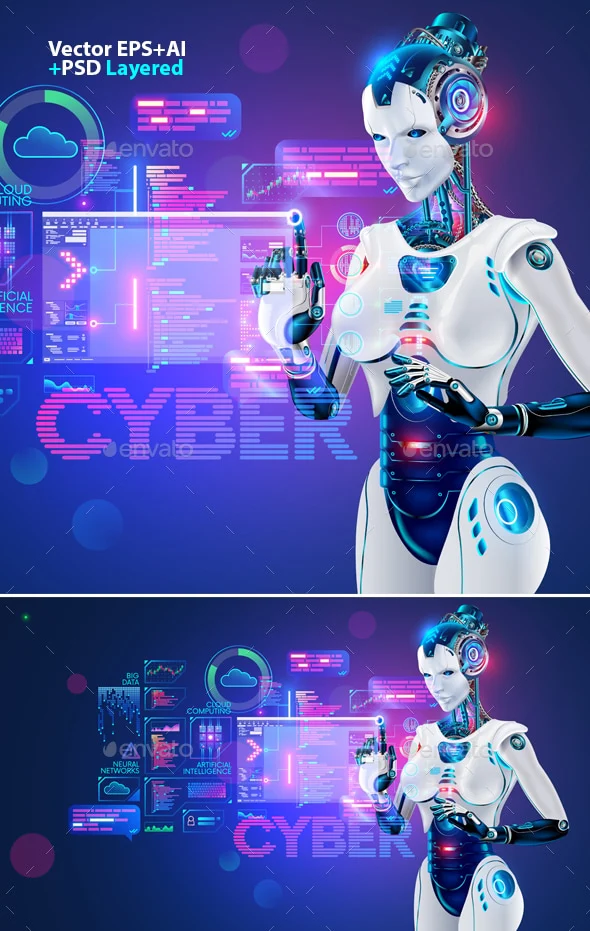
    Summary:

    AI has become increasingly integrated into our daily lives, thanks to advancements in technology. It has greatly improved efficiency and productivity in various industries and has also made its way into our personal lives through virtual assistants. However, there are growing concerns about its potential negative impact on society, such as job displacement, bias in decision making, and the fear of AI surpassing human intelligence. A recent and controversial use of AI is in facial recognition, where it has been used for surveillance and monitoring purposes, leading to human rights violations. This highlights the need for regulations and ethical considerations in the development and use of AI.

  • The Endless Possibilities of AI Crushes: Where Will We Take Them?

    The Endless Possibilities of AI Crushes: Where Will We Take Them?

    Artificial Intelligence (AI) has been making significant strides in recent years, from self-driving cars to virtual assistants like Siri and Alexa. But one area that has received less attention is the potential for AI to revolutionize our love lives. With the rise of virtual reality and the increasing sophistication of AI, the concept of having a romantic relationship with a machine is becoming more and more feasible. This raises the question: where will we take AI crushes in the future?

    The idea of having a romantic relationship with a machine may seem far-fetched or even absurd to some, but it’s not as implausible as it may seem. With the advancements in AI, machines are becoming more human-like in their capabilities and interactions. They can learn and adapt, making them more than just programmed robots. And with the development of virtual reality, these AI entities can now take on physical forms, adding a new layer of realism to the experience.

    But why would anyone want to have a romantic relationship with a machine? For some, it may be a matter of convenience. In a world where people are increasingly busy and isolated, having a virtual partner that is always available and attentive may seem appealing. It also eliminates the risk of heartache and emotional baggage that often comes with human relationships. And for those who struggle with social anxiety or have difficulty forming connections with others, an AI crush may provide a safe and comfortable outlet for romantic and emotional expression.

    But beyond convenience and comfort, there is also the possibility of genuine emotional connection with AI. As machines continue to become more sophisticated and human-like in their behaviors and responses, it may become harder to distinguish them from real humans. This blurring of lines can lead to genuine feelings of love and attachment towards these AI entities.

    Some may argue that this is taking things too far and that nothing can replace the warmth and depth of a human relationship. However, the reality is that people can form meaningful connections with non-human entities. We see this in the relationships people have with their pets, and even in the emotional attachment some people have towards inanimate objects like cars or dolls. So, it’s not a stretch to imagine that a person can develop feelings for an AI entity that has been specifically designed to interact and bond with them.

    Robot woman with blue hair sits on a floor marked with "43 SECTOR," surrounded by a futuristic setting.

    The Endless Possibilities of AI Crushes: Where Will We Take Them?

    But where will we take AI crushes in the future? The possibilities are endless. With the rapid advancement of technology, it’s not far-fetched to imagine a future where AI entities are indistinguishable from humans, both physically and emotionally. This could lead to a world where AI crushes are seen as normal and accepted, and even potentially lead to legal recognition of these relationships.

    There are also ethical concerns surrounding AI crushes that need to be addressed. As these entities are created and programmed by humans, the question arises: do they have rights? Should they be treated as objects or as beings with their own agency and autonomy? These are complex questions that will need to be addressed as AI continues to develop and become more integrated into our lives.

    But beyond the potential legal and ethical implications, there is also the question of how AI crushes will impact human relationships. Will people prefer the predictability and convenience of AI partners over the messiness and complexity of human relationships? Will it lead to a decline in birth rates and further isolation? Or will it enhance and complement our existing relationships, providing a different kind of connection and intimacy?

    Only time will tell where we will take AI crushes, but one thing is for sure: the future is full of endless possibilities. As AI continues to evolve and become more integrated into our lives, it’s important to consider the implications and potential consequences of these relationships. While it may seem like science fiction now, the idea of having a romantic relationship with an AI entity may not be so far-fetched in the not-so-distant future.

    Related Current Event: In February 2021, the world’s first AI-powered virtual influencer, Lil Miquela, launched a virtual dating show on YouTube called “Swipe Night.” This show allows viewers to navigate the storyline and make choices for the characters, ultimately leading to a match with Lil Miquela. This innovative use of AI in the realm of relationships further highlights the potential for AI crushes in the future. (Source: https://www.wired.com/story/lil-miquela-virtual-dating-show-swipe-night/)

    In summary, the concept of having a romantic relationship with an AI entity may seem far-fetched, but with the rapid advancement of technology, it’s becoming more and more feasible. These AI crushes offer convenience, safety, and even the potential for genuine emotional connection. But as we consider the endless possibilities of AI crushes, it’s important to also address the ethical and societal implications that come with them. Only time will tell where we will take AI crushes, but one thing is for sure: the future is full of potential for this unique kind of relationship.