Tag: self-expression

  • Inside the Mind of a Cyber Sensation: The Motivations and Goals of Online Fame

    Blog post:

    In today’s digital age, the pursuit of fame and recognition has taken on a new form – online popularity. With the rise of social media platforms and the ability to instantly connect with a global audience, individuals are able to achieve fame and notoriety without ever leaving their homes. These cyber sensations, also known as internet celebrities or influencers, have amassed millions of followers and have become a major influence in the online world. But what drives these individuals to seek online fame? What motivates them to constantly create and share content? And what are their ultimate goals? In this blog post, we will dive into the mind of a cyber sensation and explore the motivations and goals behind their quest for online fame.

    To understand the motivations of cyber sensations, we must first understand the concept of “social currency.” Social currency refers to the value and worth that an individual holds in their social circles. In today’s society, social currency is often equated with fame, popularity, and influence. With the rise of social media, individuals are able to gain social currency by amassing followers, likes, and shares. For cyber sensations, this social currency is their fuel – it drives them to create content that will garner attention and increase their following.

    One of the main motivations for seeking online fame is the desire for validation and acceptance. Many individuals turn to social media as a way to escape from reality and find a sense of belonging. By gaining a large following and receiving positive feedback from their audience, cyber sensations are able to fulfill their need for validation and feel accepted by their online community. This validation also boosts their self-esteem and provides a sense of accomplishment.

    Another key motivation for cyber sensations is the potential for financial gain. As their following grows, these individuals have the opportunity to monetize their online presence through sponsorships, partnerships, and advertisements. With the rise of influencer marketing, companies are willing to pay top dollar to have their products or services promoted by these online celebrities. This financial incentive can be a major driving force for individuals to pursue online fame, as it offers the potential for a lucrative career without the traditional barriers to entry.

    A woman embraces a humanoid robot while lying on a bed, creating an intimate scene.

    Inside the Mind of a Cyber Sensation: The Motivations and Goals of Online Fame

    In addition to validation and financial gain, cyber sensations also have a desire for creativity and self-expression. Many of these individuals use their online platforms as a way to showcase their talents and passions. By gaining a large following, they are able to reach a wider audience and have their work recognized and appreciated. This can be especially appealing for artists, musicians, and content creators who may not have had the same opportunities for exposure in the traditional entertainment industry.

    However, with the pursuit of online fame comes the pressure to constantly produce content and maintain a certain image. This pressure can lead to burnout and mental health issues for cyber sensations. In a study conducted by the National Institute of Health, it was found that social media influencers have higher rates of anxiety, depression, and stress compared to the general population. With the constant need to be “on” and maintain their online presence, cyber sensations can often feel overwhelmed and exhausted.

    Despite the potential for negative impacts, cyber sensations continue to pursue online fame and strive for greater success. Their ultimate goal is to become a household name, recognized and admired by people all over the world. This desire for fame and recognition is not a new concept, but the rise of social media has made it more accessible and achievable for individuals from all walks of life.

    Current event:

    A recent example of the pursuit of online fame can be seen in the rise of TikTok star Charli D’Amelio. With over 100 million followers on the popular video-sharing app, D’Amelio has become one of the most well-known cyber sensations in the world. At just 16 years old, she has gained a massive following by showcasing her dance skills and relatable content. However, this fame has come with its own set of challenges as D’Amelio has faced backlash and criticism from both her peers and the public. Despite this, she continues to push forward and achieve her goal of becoming a household name.

    In summary, the pursuit of online fame is driven by a desire for validation, financial gain, and self-expression. Cyber sensations use social media as a means to achieve social currency and gain recognition and acceptance from their online community. However, this pursuit can also come with pressure and potential negative impacts on mental health. But for many individuals, the ultimate goal of becoming a global sensation and achieving fame and recognition is worth the risks and challenges.


  • Unleashing the Power of Virtual Vixens: A Complete Guide

    Unleashing the Power of Virtual Vixens: A Complete Guide

    Virtual vixens have taken the world by storm in recent years, becoming a popular and powerful way for women to express themselves and connect with others. These digital divas are not just pretty avatars, but they represent a new form of empowerment for women in the virtual realm. In this complete guide, we will delve into the world of virtual vixens and explore how to unleash their power.

    What are Virtual Vixens?

    Virtual vixens are female characters created and controlled by users in virtual worlds or video games. These characters can have a wide range of appearances, from realistic to fantastical, and can perform a variety of actions within their virtual environments. They are often used as a form of self-expression, allowing users to create an idealized version of themselves or explore different identities.

    The Rise of Virtual Vixens

    The concept of virtual vixens has been around for decades, with early examples being found in video games such as Tomb Raider and BloodRayne. However, it wasn’t until the rise of virtual worlds like Second Life and online games like World of Warcraft that virtual vixens truly gained popularity. With the ability to customize their appearance and interact with others in a virtual space, women found a new platform for self-expression and empowerment.

    The Power of Virtual Vixens

    Virtual vixens offer a unique form of empowerment for women, allowing them to break free from societal expectations and limitations. In the virtual world, they can be whoever they want to be, without the constraints of their physical appearance or real-life circumstances. They can also explore different aspects of their identities and experiment with new personalities and lifestyles. This sense of freedom and control can be empowering and liberating for women who may feel restricted in their daily lives.

    The Impact of Virtual Vixens

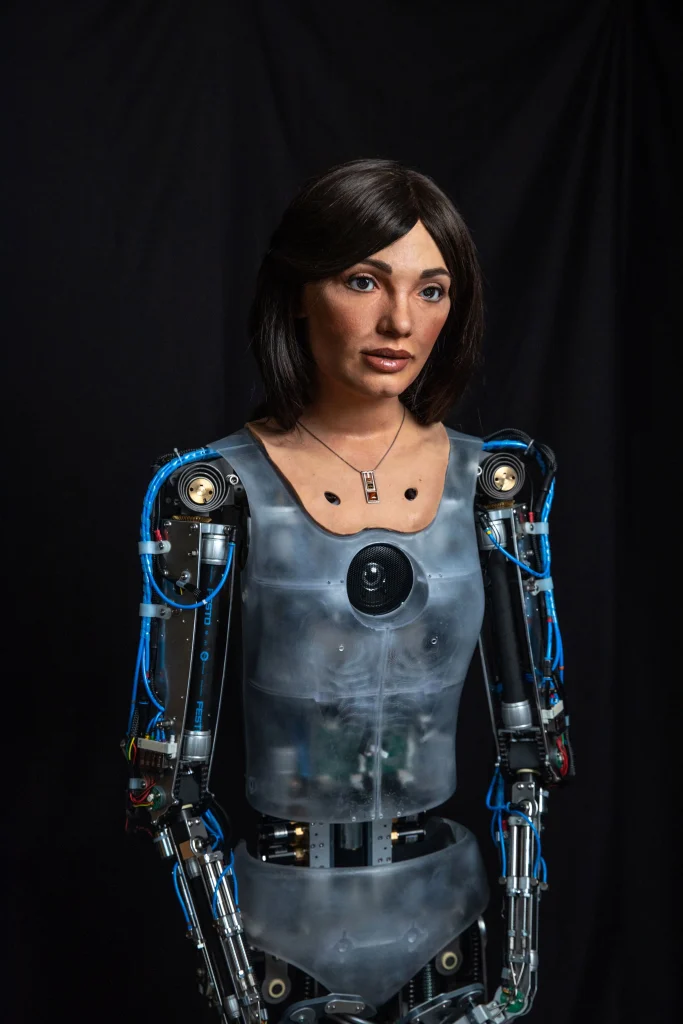
    realistic humanoid robot with a sleek design and visible mechanical joints against a dark background

    Unleashing the Power of Virtual Vixens: A Complete Guide

    The impact of virtual vixens goes beyond individual empowerment. These digital divas also have a strong presence in popular culture and are influencing the way women are portrayed in media. With the rise of female-led video games and virtual worlds, women are becoming more visible and represented in a traditionally male-dominated industry. Virtual vixens are breaking stereotypes and challenging the status quo, paving the way for a more diverse and inclusive representation of women in media.

    Unleashing the Power of Virtual Vixens

    Now that we understand the power and impact of virtual vixens, how can we unleash their full potential? Here are some tips to help you get started:

    1. Choose Your Platform: The first step in unleashing the power of virtual vixens is to choose a platform that suits your interests and preferences. Whether it’s a virtual world, video game, or social media platform, make sure it aligns with your goals and offers the level of customization you desire.

    2. Create Your Vixen: Once you have chosen your platform, it’s time to create your virtual vixen. This is where you can let your creativity run wild and bring your idealized self to life. Experiment with different features, styles, and personalities until you find the perfect representation of yourself.

    3. Connect with Others: The true power of virtual vixens lies in their ability to connect with others. Reach out to other virtual vixens and form a community. You can share tips, support each other, and even collaborate on projects together.

    4. Embrace Your Power: As a virtual vixen, you have the power to be whoever you want to be. Embrace this power and use it to break free from societal expectations and limitations. Don’t be afraid to be bold, daring, and unapologetically yourself.

    5. Use Your Platform for Good: Virtual vixens also have the power to make a positive impact on the world. Use your platform to promote causes you care about, raise awareness for important issues, or even fundraise for charity. You have a voice, so use it for good.

    Current Event: Virtual vixens have recently gained attention in the gaming world with the release of the highly anticipated video game, Cyberpunk 2077. The game allows players to customize their own virtual vixen and explore a futuristic world filled with action and adventure. This game has sparked discussions about the representation of women in gaming and the potential for virtual vixens to be powerful and diverse characters in the industry.

    In summary, virtual vixens have become a significant and powerful force in the virtual world. They offer a unique form of empowerment for women, breaking stereotypes and challenging societal expectations. By embracing their power and using their platform for good, virtual vixens can continue to make a positive impact and inspire others to unleash their potential.

  • Exploring the Spectrum of Arousal: Artificial Intelligence in LGBTQ+ Art

    Exploring the Spectrum of Arousal: Artificial Intelligence in LGBTQ+ Art

    The exploration of sexuality and gender expression has been a central theme in art for centuries. However, with the rise of artificial intelligence (AI), the LGBTQ+ community has found new and innovative ways to push the boundaries of traditional art and create spaces for self-expression and representation. In this blog post, we will delve into the spectrum of arousal in LGBTQ+ art and how AI has become a powerful tool for artists to explore and express their identities.

    The Spectrum of Arousal in LGBTQ+ Art

    The spectrum of arousal refers to the various levels of sexual and emotional excitement that individuals can experience. This spectrum is not limited to just the LGBTQ+ community, but it is often a central theme in their art as it challenges societal norms and expectations surrounding sexuality and gender.

    One of the most prominent examples of this is the work of artist and filmmaker, Zach Blas. His project, “Facial Weaponization Suite,” uses AI to create masks that obscure the faces of individuals who identify as queer, trans, and non-binary. By using AI, Blas is able to subvert facial recognition technology and challenge the systems that oppress marginalized communities.

    In an interview with The Verge, Blas explains, “I see each mask as an act of protest, an act of refusal, an act of queer insurgency.” Through his art, Blas is able to explore the spectrum of arousal in the LGBTQ+ community and use AI as a tool for resistance and empowerment.

    AI and Self-Expression in LGBTQ+ Art

    AI has also opened up new avenues for self-expression in LGBTQ+ art. The use of AI in art allows for a more personalized and interactive experience for the viewer, as well as the artist. This is particularly important for the LGBTQ+ community, where the lack of representation in mainstream media can make it difficult for individuals to find relatable and authentic depictions of their identities.

    One example of this is the work of AI artist, Robbie Barrat, who uses AI to create portraits of queer and trans individuals. His project, “Queer Portraits,” aims to showcase the diversity and complexity of the LGBTQ+ community through AI-generated images.

    Realistic humanoid robot with long hair, wearing a white top, surrounded by greenery in a modern setting.

    Exploring the Spectrum of Arousal: Artificial Intelligence in LGBTQ+ Art

    Barrat explains, “I wanted to do something that was more representative of the queer community and show how diverse it is.” By using AI, Barrat is able to highlight the unique beauty and individuality of each subject, challenging the traditional standards of beauty and representation.

    AI and Representation in LGBTQ+ Art

    Representation is a key issue in the LGBTQ+ community, as many individuals struggle to see themselves reflected in mainstream media. However, AI is changing this by allowing for more diverse and inclusive representations of the community in art.

    One recent example of this is the AI-generated music video for Janelle Monáe’s song, “PYNK.” The video, created by the AI company, Goodby Silverstein & Partners, features LGBTQ+ individuals, including trans women, non-binary individuals, and queer people of color, celebrating their identities and sexuality.

    In an interview with The Verge, the creative director of the project, David Povill, explains, “We wanted to use this opportunity to show a more diverse representation of what pink could be, and what it could mean in the context of a music video.” Through AI, the video is able to showcase a spectrum of arousal and representation within the LGBTQ+ community.

    Current Event: AI and LGBTQ+ Rights

    As AI continues to advance and become more integrated into our daily lives, it is crucial to consider its impact on marginalized communities, including the LGBTQ+ community. In a recent article from Forbes, it was reported that AI technology can often perpetuate discrimination against LGBTQ+ individuals, particularly in areas such as housing, employment, and healthcare.

    This highlights the importance of ensuring that AI is developed and used in an ethical and inclusive manner, taking into account the diverse needs and experiences of the LGBTQ+ community. It is crucial for the tech industry to actively work towards creating AI systems that do not perpetuate discrimination and instead promote diversity and representation.

    In summary, the spectrum of arousal is a central theme in LGBTQ+ art, and AI has become a powerful tool for artists to explore and express their identities. Through AI, artists are able to challenge societal norms and expectations, create personalized and interactive experiences, and promote representation and diversity within the community. However, it is important to also consider the impact of AI on marginalized communities and work towards creating ethical and inclusive systems. By embracing the intersection of AI and LGBTQ+ art, we can continue to push the boundaries of traditional art and create spaces for self-expression and empowerment.

  • The Art of Creating Electric Euphoria

    The Art of Creating Electric Euphoria: An Exploration of Music, Psychedelics, and Self-Expression

    Electric euphoria is a state of intense joy and excitement, often described as a feeling of electricity coursing through the body. It is a sensation that many people seek out through various means, such as music, drugs, and other mind-altering experiences. But what exactly is electric euphoria and how can we create it?

    In this blog post, we will delve into the art of creating electric euphoria and explore the different ways in which it can be achieved. We will also touch upon the role of self-expression in this process and how it ties in with the current event of the growing acceptance and legalization of psychedelic therapy.

    The Power of Music in Creating Electric Euphoria

    Music has the power to transport us to another world, to evoke emotions and sensations that we may not experience in our everyday lives. It can be a powerful tool in creating electric euphoria, as it has the ability to alter our state of mind and elevate our mood.

    Research has shown that music can activate the reward centers in our brain, releasing dopamine and creating a sense of pleasure and euphoria. This is why we often feel a rush of excitement and happiness when listening to our favorite songs.

    But it’s not just the music itself that creates electric euphoria, it’s also the experience of being in a live concert or music festival. The shared energy and excitement of a crowd can amplify the euphoric effect, creating a sense of connection and unity.

    The Rise of Psychedelics and Electric Euphoria

    Psychedelics, such as LSD and psilocybin mushrooms, have been used for centuries in different cultures for spiritual and healing purposes. In recent years, there has been a resurgence of interest in these mind-altering substances, particularly in the field of mental health.

    Studies have shown that psychedelics can have profound effects on the brain, leading to altered states of consciousness and heightened emotions. Many people report experiencing electric euphoria while under the influence of psychedelics, describing it as a sense of intense joy and bliss.

    With the growing acceptance and legalization of psychedelic therapy, more and more people are turning to these substances as a means of exploring their consciousness and achieving a state of electric euphoria. This has sparked a conversation about the potential benefits and risks of using psychedelics for therapeutic purposes.

    3D-printed robot with exposed internal mechanics and circuitry, set against a futuristic background.

    The Art of Creating Electric Euphoria

    The Role of Self-Expression in Creating Electric Euphoria

    Self-expression is a crucial element in the art of creating electric euphoria. It allows us to tap into our innermost thoughts and emotions, and to share them with the world. Whether it’s through music, art, or other forms of creative expression, self-expression can be a powerful tool in achieving a state of intense joy and excitement.

    In the current age of social media and constant connectivity, self-expression has become more important than ever. It allows us to break free from societal norms and expectations and embrace our unique identities. By expressing ourselves authentically, we can tap into our true selves and experience a sense of electric euphoria.

    The Connection Between Electric Euphoria and Psychedelic Therapy

    The current event of the growing acceptance and legalization of psychedelic therapy has sparked a conversation about the connection between electric euphoria and psychedelics. While some may argue that the use of psychedelics is a shortcut to achieving euphoria, others believe that it is a powerful tool for self-exploration and healing.

    Psychedelic therapy involves the use of psychedelics in a controlled and therapeutic setting, with the guidance of trained professionals. The goal is not necessarily to achieve a state of electric euphoria, but rather to gain insights and perspectives on one’s thoughts and emotions.

    However, some proponents of psychedelic therapy argue that the experience of electric euphoria can be a part of the healing process. By allowing individuals to tap into their innermost selves and experience intense joy and excitement, psychedelics can help them break free from negative thought patterns and find a sense of peace and fulfillment.

    In Conclusion

    Electric euphoria is a powerful and sought-after sensation that can be achieved through various means, such as music, psychedelics, and self-expression. Whether we experience it through a live concert, a psychedelic trip, or by expressing our authentic selves, it can be a transformative and mind-altering experience.

    The current events surrounding the growing acceptance and legalization of psychedelic therapy highlight the potential benefits of using psychedelics for therapeutic purposes. While it may not be the only path to achieving electric euphoria, it offers a unique and powerful way of exploring our consciousness and finding a sense of inner peace and joy.

    Summary:

    Electric euphoria is a state of intense joy and excitement, often achieved through music, psychedelics, and self-expression. Music has the power to alter our state of mind and elevate our mood, while psychedelics can have profound effects on the brain and lead to altered states of consciousness. The current event of the growing acceptance and legalization of psychedelic therapy has sparked a conversation about the connection between electric euphoria and psychedelics. Self-expression is also a crucial element in achieving electric euphoria, as it allows us to tap into our innermost thoughts and emotions. By expressing ourselves authentically, we can experience a sense of intense joy and excitement. While there are different opinions on the use of psychedelics for achieving electric euphoria, it offers a unique and powerful way of exploring our consciousness and finding inner peace and joy.

  • Pixelated Reflections: The Introspective Side of Passion for Pixels

    Blog Post: Pixelated Reflections: The Introspective Side of Passion for Pixels

    In today’s world, pixels are everywhere. From the screens of our smartphones to the billboards on the streets, these tiny square units have become an integral part of our daily lives. However, for some, pixels hold a much deeper meaning and significance. They represent a passion, a form of art, and a way of expressing oneself. This is the world of pixel art, and within it lies a unique introspective side that often goes unnoticed.

    Pixel art is a form of digital art that uses pixels as its medium. It is a highly technical and meticulous process that involves creating images pixel by pixel, much like a puzzle. The result is a beautiful and often nostalgic creation that captures the hearts of many. But what makes pixel art so special? What drives people to spend hours upon hours perfecting a single piece? The answer lies in the introspective side of passion for pixels.

    For many pixel artists, creating pixel art is a form of therapy. It allows them to escape from the chaos of the world and get lost in their own thoughts and creativity. The repetitive and detailed nature of pixel art requires a great deal of focus and concentration, providing a sense of calm and inner peace. It is a form of meditation that helps pixel artists to clear their minds and reflect on their thoughts and emotions.

    Moreover, pixel art also serves as a means of self-expression. Through their art, pixel artists can convey their thoughts, feelings, and experiences without having to say a single word. They can create pixelated reflections of their inner selves, using colors, shapes, and patterns to tell a story. As artist and pixel art enthusiast, Janelle Shane explains, “Pixel art is a form of self-expression that is both precise and abstract. It allows me to convey my emotions in a way that words cannot.”

    The introspective side of passion for pixels is not just limited to creating art. It also extends to the community of pixel artists and enthusiasts. Pixel art has a thriving online community, and it serves as a safe space for individuals to connect, share their art, and support one another. This community provides a sense of belonging and understanding for those who may struggle to express themselves in other ways. It is a place where they can find acceptance, inspiration, and motivation to continue creating.

    Moreover, the introspective side of passion for pixels also helps individuals to develop important life skills. Pixel art requires patience, attention to detail, and perseverance, all of which are crucial skills in both personal and professional life. The process of creating pixel art teaches individuals to be patient and to embrace imperfections, as pixel art is a medium that does not allow for mistakes. It also teaches individuals to pay attention to the smallest details, which can be translated into other aspects of life, such as problem-solving and decision-making.

    A woman embraces a humanoid robot while lying on a bed, creating an intimate scene.

    Pixelated Reflections: The Introspective Side of Passion for Pixels

    In addition to its introspective benefits, pixel art has also gained recognition in the art world. In recent years, pixel art has been featured in galleries and exhibitions, showcasing its beauty and complexity. Pixel artists are also gaining recognition and admiration for their work, with some even being commissioned for commercial projects. This recognition not only validates the passion and hard work of pixel artists but also brings attention to the introspective side of their art.

    As the world continues to become more digitalized, pixel art is becoming increasingly relevant and prevalent. It is a form of art that combines the digital world with the old-school charm of pixelated graphics. And within this world lies a hidden introspective side that offers individuals a unique way to express themselves and find inner peace.

    In conclusion, pixel art is more than just a hobby or a form of entertainment. It is a passion that holds a deep introspective side. Through pixel art, individuals can find a sense of calm, express themselves, connect with others, and develop important life skills. So the next time you see a pixelated image, take a moment to appreciate the art and the introspection behind it.

    Current Event:

    A recent example of the growing recognition of pixel art is the Pixel Art Exhibition at the Japan Media Arts Festival. The exhibition, which ran from February 4th to February 14th, 2021, showcased a variety of pixel art creations from artists around the world. It aimed to celebrate the uniqueness and creativity of pixel art and its ability to capture the hearts of people. This event not only brought attention to the art form but also provided a platform for emerging pixel artists to showcase their work.

    Source reference URL: https://j-mediaarts.jp/en/award/pixelart/

    Summary:

    Pixel art is a form of digital art that involves creating images pixel by pixel. It has a unique introspective side that often goes unnoticed, serving as a form of therapy, self-expression, and a means of developing important life skills. The community of pixel artists and the growing recognition of pixel art in the art world further highlights its introspective side. A recent example of this is the Pixel Art Exhibition at the Japan Media Arts Festival, which celebrated the creativity and uniqueness of pixel art.

  • Pixelated Expression: How Our Passion for Pixels Gives Voice to our Innermost Thoughts

    Pixelated Expression: How Our Passion for Pixels Gives Voice to our Innermost Thoughts

    In today’s digital age, pixels have become an integral part of our lives. From the screens of our smartphones and laptops to the billboards and advertisements that surround us, we are constantly bombarded by pixels. But beyond their practical use in displaying images and text, pixels have also become a powerful tool for self-expression and communication. In this blog post, we will explore the concept of pixelated expression and how our fascination with pixels has enabled us to give voice to our innermost thoughts.

    Pixels, or picture elements, are the smallest unit of a digital image. They are tiny dots of color that, when combined together, create the images we see on our screens. The term “pixelated” refers to the blocky or jagged appearance of an image when it is enlarged beyond its intended size. This effect is often seen in low-resolution images or in video games from the 8-bit and 16-bit era. While it may seem like a technical flaw, pixelation has now become an iconic aesthetic and a form of artistic expression.

    One of the earliest examples of pixelated expression can be traced back to the early days of computer graphics in the 1960s and 1970s. Artists and programmers experimented with creating images using pixels, often in the form of ASCII art, which uses characters to form pictures. This was a way for them to push the limits of technology and create something visually appealing with the limited tools they had at the time.

    Fast forward to the late 20th century, and the rise of video games further popularized pixelated expression. Games like Pac-Man, Space Invaders, and Super Mario Bros. used pixelated graphics to create immersive and visually appealing worlds. These games not only entertained us but also sparked our imaginations and allowed us to escape into pixelated universes.

    As technology advanced, so did the use of pixels. The introduction of computer animation in the 1990s revolutionized the film industry, and with it came the use of pixels to create stunning visual effects. Pixar’s Toy Story, released in 1995, was the first feature-length film entirely created using computer-generated imagery (CGI). This marked a significant turning point in the use of pixels as a medium for storytelling and self-expression.

    In the early 2000s, the rise of social media platforms like Myspace and Facebook gave birth to a new form of pixelated expression – the profile picture. Our profile pictures were our digital avatars, and we could choose to represent ourselves in any way we wanted. This gave us the opportunity to curate our online identities and communicate our interests and personalities through pixelated images.

    Today, pixelated expression has become more accessible than ever. With the widespread use of smartphones and social media, we can easily create and share pixelated content with the world. Apps like Instagram and Snapchat offer filters and effects that can pixelate our photos and videos, adding a touch of nostalgia and creativity to our posts.

    realistic humanoid robot with detailed facial features and visible mechanical components against a dark background

    Pixelated Expression: How Our Passion for Pixels Gives Voice to our Innermost Thoughts

    The use of pixels as a form of expression has also expanded into the world of art and design. Pixel art, a type of digital art that uses pixels as its medium, has gained popularity in recent years. Artists use pixels to create intricate and detailed images, often with a retro or nostalgic feel. The result is a unique blend of technology and creativity, giving us a glimpse into the artist’s innermost thoughts and emotions.

    Moreover, the rise of virtual reality (VR) technology has opened up a whole new world of pixelated expression. VR games and experiences allow us to immerse ourselves in pixelated worlds and interact with them in ways we never thought possible. This presents endless possibilities for creative expression and storytelling.

    In a world where we are constantly bombarded with polished and edited images, pixelated expression offers a refreshing escape from the norm. It allows us to embrace imperfection and use it as a medium to express ourselves and connect with others. Pixels have given us a voice to communicate our innermost thoughts and emotions in a unique and creative way.

    In conclusion, pixels may seem like small, insignificant dots, but they have become a powerful tool for self-expression and communication. From the early days of computer graphics to the rise of social media and virtual reality, pixels have continuously evolved and shaped the way we express ourselves. As technology continues to advance, it will be exciting to see how pixels will continue to give voice to our innermost thoughts in the future.

    Related current event:

    One recent example of the use of pixelated expression is in the world of fashion. French fashion house Balenciaga created a pixelated runway show for its Fall/Winter 2021 collection, titled “Clones.” The show featured models walking down a digital runway, their clothes and faces pixelated, giving the illusion of a computer-generated world. This unique approach to showcasing fashion not only reflects our current reliance on technology but also highlights the power of pixels as a form of expression. (Source: https://www.vogue.com/fashion-shows/fall-2021-ready-to-wear/balenciaga)

    Summary:

    Pixels, the smallest unit of a digital image, have evolved beyond their practical use and become a powerful tool for self-expression and communication. From the early days of computer graphics to the rise of social media and virtual reality, pixels have continuously shaped the way we express ourselves. The recent Balenciaga fashion show, featuring a pixelated runway, is an example of how pixels are being used in the world of fashion to create a unique and impactful expression. In a world where we are constantly bombarded with edited images, pixelated expression allows us to embrace imperfection and use it as a medium to give voice to our innermost thoughts and emotions.

  • Pixelated Passion Projects: Making Dreams Come True One Pixel at a Time

    Pixelated Passion Projects: Making Dreams Come True One Pixel at a Time

    In today’s fast-paced and technology-driven world, it is not uncommon to come across individuals who are passionate about various hobbies and interests. From photography to painting, music to writing, people are constantly looking for ways to express their creativity and bring their dreams to life. And with the rise of digital media, a new form of passion project has emerged – pixelated passion projects.

    Pixelated passion projects refer to any creative endeavor that involves using pixels, or digital elements, to create something unique and original. This can range from designing video games and animations to creating digital art and graphics. What sets these projects apart is the level of dedication and passion that individuals put into them, often spending countless hours perfecting their craft and bringing their visions to life one pixel at a time.

    One of the main reasons why pixelated passion projects have gained popularity is the accessibility of technology. With the rise of powerful computers and user-friendly software, anyone with a creative vision can now turn their ideas into reality. This has opened up a whole new world of opportunities for individuals to explore their passions and showcase their talents to a wider audience.

    robot with a human-like face, wearing a dark jacket, displaying a friendly expression in a tech environment

    Pixelated Passion Projects: Making Dreams Come True One Pixel at a Time

    However, what truly sets pixelated passion projects apart is the community that surrounds them. In recent years, online platforms such as Twitch, YouTube, and Patreon have given creators a space to share their work and connect with like-minded individuals. Through these platforms, creators can receive feedback, support, and even financial backing from their audience, making it easier for them to continue pursuing their passion projects.

    Moreover, pixelated passion projects have also become a means of self-expression and self-discovery for many individuals. In a society where conformity is often encouraged, these projects allow individuals to break free from societal norms and express themselves in unique and creative ways. Through their projects, they can explore their interests, experiment with different techniques, and develop their skills, all while staying true to their own unique vision.

    But perhaps the most inspiring aspect of pixelated passion projects is the impact they can have on individuals’ lives. For many, these projects are not just a hobby or a means of self-expression, but a way to make their dreams come true. With the potential to reach a global audience and generate a following, pixelated passion projects have opened up a whole new world of opportunities for creators. From securing job opportunities in the gaming and entertainment industry to building successful online businesses, these projects have the power to turn a passion into a career.

    One recent example of this is the success of the indie game “Among Us.” Developed by a small team of passionate creators, the game was initially released in 2018 but gained massive popularity in 2020. The game has now amassed millions of players and has been featured on popular platforms such as Twitch and YouTube, generating a huge following and revenue for its creators. This success story showcases how a simple passion project can turn into a global phenomenon and change the lives of its creators.

    In conclusion, pixelated passion projects are not just about creating something visually appealing, but about pursuing one’s dreams and making them a reality. Through the power of technology and the support of a thriving community, individuals can now turn their passions into successful careers. So whether it’s designing a game, creating digital art, or producing animations, pixelated passion projects are a testament to the power of creativity and the endless possibilities that come with it.

  • Pixelated Magic: How Our Passion for Pixels Can Create Miracles

    Pixelated Magic: How Our Passion for Pixels Can Create Miracles

    In a world where technology and digital media dominate our daily lives, it’s no surprise that our fascination with pixels has grown exponentially. From video games to digital art, pixels have become an integral part of our modern culture. But what if I told you that our passion for pixels goes beyond just entertainment and self-expression? What if I told you that pixels have the power to create miracles?

    Pixel art, also known as digital art, is the creation of images using small, colored squares (pixels) to form a larger image. This art form has been around since the 1970s, but it gained mainstream popularity in the 1980s with the rise of video games. Today, pixel art has evolved into a diverse and dynamic medium, with artists using it to explore themes such as nostalgia, self-expression, and even social commentary.

    One of the most intriguing aspects of pixel art is the sense of magic it creates. The deliberate placement of each pixel and the meticulous attention to detail gives the final piece a sense of wonder and enchantment. It’s as if each pixel holds a tiny bit of magic that comes together to form a larger, captivating image.

    But how exactly does our passion for pixels create miracles? The answer lies in the power of self-expression and creativity. As humans, we have an innate desire to express ourselves and to create. Pixel art allows us to do just that in a unique and innovative way. It gives us the freedom to create something beautiful and meaningful out of small, seemingly insignificant pixels.

    Moreover, pixel art has the power to transport us to another world – a digital world filled with endless possibilities and imagination. It allows us to break free from the limitations of the physical world and create something truly magical. In this sense, pixel art is a form of escapism – a way to temporarily escape the mundane and enter a world of fantasy and wonder.

    But the magic of pixels doesn’t stop there. It also has the power to bring people together. With the rise of social media and online communities, pixel art has become a way for artists to connect and collaborate with others from all over the world. Through sharing their creations, artists can inspire, learn from, and support one another, creating a sense of community and belonging.

    futuristic humanoid robot with glowing blue accents and a sleek design against a dark background

    Pixelated Magic: How Our Passion for Pixels Can Create Miracles

    One recent example of this is the “Animal Crossing: New Horizons” video game, which has taken the world by storm during the COVID-19 pandemic. The game’s pixel art graphics and customizable features have allowed players to express themselves and connect with others in a virtual world. In a time of isolation and uncertainty, “Animal Crossing” has provided a sense of joy, creativity, and connection for millions of people.

    Pixel art has also been used as a powerful tool for social change and activism. In 2019, a group of artists created a pixel art installation in Hong Kong to raise awareness about the ongoing protests against the extradition bill. The installation, made up of thousands of individual pixel art pieces, formed a giant image of a protest scene, capturing the attention of the public and the media. It served as a visual reminder of the power of creativity and unity in bringing about change.

    Furthermore, pixel art has been used in various forms of therapy, such as art therapy and video game therapy. The act of creating pixel art can be therapeutic for individuals as it allows them to express themselves and their emotions in a safe and creative way. Additionally, pixel art in video games has been shown to improve cognitive skills and reduce anxiety and stress.

    In summary, our passion for pixels goes beyond just entertainment and self-expression. It has the power to create miracles – whether it’s through self-expression, escapism, community-building, or even activism and therapy. The magic of pixels lies in its ability to transport us to a world of endless possibilities, where we can create, connect, and make a positive impact.

    In a world that can often feel overwhelming and chaotic, pixelated magic reminds us of the joy, wonder, and power of creativity. So the next time you see a pixelated image or play a video game, take a moment to appreciate the magic it holds and the miracles it can create.

    Current event: The rise of NFTs (non-fungible tokens) in the digital art world has brought even more attention to the power and value of pixels. NFTs are unique digital assets that are secured on a blockchain and cannot be replicated. This has opened up a new market for digital artists, allowing them to sell and authenticate their pixel art as one-of-a-kind creations. This recent development further highlights the endless possibilities and potential for pixelated magic in the digital world.

    Source reference URL link: https://www.theverge.com/22310188/nft-explainer-what-is-blockchain-crypto-art-faq

    SEO metadata:

  • Breaking Boundaries: The Intersection of Artificial Affection and LGBTQ+ Relationships

    Breaking Boundaries: The Intersection of Artificial Affection and LGBTQ+ Relationships

    The concept of love and affection has always been a complex and evolving one, especially when it comes to the LGBTQ+ community. With societal norms and expectations constantly shifting, it can be difficult for individuals in these relationships to navigate their emotions and express their love freely. However, with the rise of technology and its impact on human relationships, a new dynamic has emerged in the form of artificial affection. This intersection of technology and LGBTQ+ relationships is breaking boundaries and redefining what it means to love and be loved.

    Artificial affection, also known as digital or virtual affection, refers to the use of technology to simulate feelings of love and affection. This can range from virtual reality simulations to social media interactions, and everything in between. With the advancements in technology, it has become easier for individuals to connect and form relationships through digital means, blurring the lines between what is real and what is artificial.

    For the LGBTQ+ community, this intersection of technology and affection has opened up new possibilities and challenges. On one hand, it has provided a safe space for individuals to explore and express their sexuality and gender identity without fear of discrimination or rejection. Dating apps and social media platforms have become a popular way for LGBTQ+ individuals to connect with others who share their experiences and interests, making it easier to find love and companionship.

    However, this reliance on technology for affection also poses its own set of challenges. With the rise of virtual relationships, there is a risk of individuals feeling disconnected from real-life interactions and becoming dependent on digital forms of affection. This can lead to a lack of intimacy and emotional connection in relationships, as well as a distorted understanding of what a healthy relationship looks like.

    Three lifelike sex dolls in lingerie displayed in a pink room, with factory images and a doll being styled in the background.

    Breaking Boundaries: The Intersection of Artificial Affection and LGBTQ+ Relationships

    Moreover, the use of artificial affection can also perpetuate harmful stereotypes and expectations within the LGBTQ+ community. With dating apps and social media platforms often based on physical appearance and superficial interactions, there is a pressure to conform to certain beauty standards and present a curated version of oneself. This can create a toxic environment where individuals feel the need to constantly compare themselves to others and seek validation through likes and followers.

    Despite these challenges, the intersection of artificial affection and LGBTQ+ relationships is also breaking boundaries and creating new opportunities for self-expression and connection. Virtual reality simulations have allowed individuals to experience and explore different identities, breaking free from the constraints of the physical world. This has been especially beneficial for those who may not feel comfortable or safe expressing their identity in real life.

    In addition, the use of technology has also played a crucial role in providing support and resources for the LGBTQ+ community. Online forums and support groups have become a valuable source of information and community for individuals who may not have access to local support systems. This has helped to create a sense of belonging and empowerment for many LGBTQ+ individuals, who may have previously felt isolated and alone.

    One current event that showcases the intersection of artificial affection and LGBTQ+ relationships is the recent launch of the dating app, Taimi. This app specifically caters to the LGBTQ+ community and aims to create a safe and inclusive space for individuals to connect and build meaningful relationships. It also offers features such as video calls and virtual dates, allowing individuals to form emotional connections and get to know each other beyond just physical appearances.

    With the rise of artificial affection and its impact on LGBTQ+ relationships, it is important to recognize the potential it has to break boundaries and promote inclusivity. However, it is also crucial to address the challenges and potential risks that come with it. As technology continues to advance, it is important for individuals to find a balance between the digital and physical world, and to prioritize genuine connections and emotional intimacy in their relationships.

    In conclusion, the intersection of artificial affection and LGBTQ+ relationships is a complex and multifaceted one. It has the potential to break boundaries and create new opportunities for self-expression and connection, but also poses challenges and risks. As we continue to navigate the ever-changing landscape of technology and human relationships, it is important to approach it with an open mind and strive for healthy and genuine connections.

  • The Sensual Selfie: Exploring Self-Expression and Empowerment

    The Sensual Selfie: Exploring Self-Expression and Empowerment

    In today’s digital age, the selfie has become a ubiquitous form of self-expression. From capturing a perfect hair day to documenting a night out with friends, selfies have become an integral part of our social media presence. However, there is a new type of selfie that has been gaining popularity – the sensual selfie. This type of self-portrait is all about embracing and celebrating one’s body, sexuality, and sensuality. In this blog post, we will delve into the world of the sensual selfie, its impact on self-expression and empowerment, and how it ties into current events.

    What is a Sensual Selfie?

    A sensual selfie is a photograph taken by oneself, usually in a provocative or suggestive manner, with the intention of showcasing one’s sensuality and sexuality. Unlike traditional selfies, which are more about capturing a moment or showcasing an outfit, sensual selfies are meant to be alluring and seductive. They often feature poses, angles, and lighting that accentuate the body, and may also include lingerie or nudity.

    Self-Expression and Body Positivity

    Self-expression is a fundamental human need, and the sensual selfie is just another form of it. By taking and sharing sensual selfies, individuals are expressing their sexuality and sensuality in a way that feels authentic and empowering to them. It allows them to take ownership of their bodies and present themselves in a way that challenges societal norms and expectations.

    Sensual selfies also promote body positivity by celebrating diverse body types and challenging traditional beauty standards. They show that all bodies are beautiful and worthy of being showcased, regardless of shape, size, or age. In a world where unrealistic beauty standards are constantly pushed upon us, the sensual selfie is a powerful tool for self-love and acceptance.

    Empowerment and Feminism

    The rise of the sensual selfie also ties into the larger conversation around feminism and female empowerment. Historically, women’s bodies have been objectified and controlled by the male gaze. The sensual selfie flips the script and puts the power back into the hands of the individual. It allows women to take control of their own image and challenge the notion that their bodies exist solely for the pleasure of others.

    Moreover, sensual selfies can be a form of reclaiming and embracing one’s sexuality. In a society that often shames women for their sexuality, taking and sharing sensual selfies can be a radical act of self-empowerment. It allows women to break free from the constraints imposed upon them and embrace their desires and pleasures without shame or guilt.

    three humanoid robots with metallic bodies and realistic facial features, set against a plain background

    The Sensual Selfie: Exploring Self-Expression and Empowerment

    The Current State of Sensual Selfies

    The rise of social media and the accessibility of cameras on smartphones have made it easier than ever to take and share sensual selfies. Platforms like Instagram, known for its highly curated and filtered content, have become a popular space for individuals to showcase their sensual selfies. However, this also comes with its own set of challenges.

    The pressure to conform to societal beauty standards and get validation from others can lead to the over-sexualization and objectification of bodies. It can also create a toxic environment where individuals feel the need to constantly compare themselves to others and strive for unattainable perfection. It is essential to remember that sensual selfies should be a personal form of self-expression and not solely for the purpose of gaining likes or followers.

    In recent years, there has also been a backlash against the sensual selfie, with some critics labeling it as narcissistic or attention-seeking. However, this criticism often stems from societal discomfort with women embracing their sexuality and taking control of their own image. It is essential to recognize that sensual selfies can be a powerful tool for self-expression and empowerment, and should not be dismissed or shamed.

    In Conclusion

    The sensual selfie is a form of self-expression and empowerment that challenges societal norms and celebrates the beauty and diversity of the human body. It allows individuals to take ownership of their image and embrace their sensuality and sexuality without shame or judgment. However, it is crucial to remember that sensual selfies should be a personal choice and not driven by external validation. As long as they are a form of self-love and empowerment, they have the power to break down societal barriers and promote body positivity and feminism.

    Current Event: In September 2021, Instagram announced that they are testing a new feature that will allow users to hide the like count on their posts. This move is aimed at reducing the pressure and competition for likes and followers on the platform, which can have negative effects on mental health. This change could potentially impact the way sensual selfies are perceived and shared on Instagram, shifting the focus from external validation to personal self-expression.

    Sources:
    https://www.theguardian.com/technology/2021/sep/01/instagram-test-hide-likes-users
    https://www.vogue.com/article/sensual-selfie-instagram-body-positivity

    Summary:

    The sensual selfie is a form of self-expression and empowerment that celebrates the beauty and diversity of the human body. It challenges societal norms and promotes body positivity and feminism. However, there are also challenges associated with it, such as the pressure to conform to beauty standards and gain external validation. The recent announcement by Instagram to test a new feature that hides the like count on posts may impact the way sensual selfies are perceived and shared on the platform, shifting the focus to personal self-expression.

  • The Sensual Side of Social Media: From Likes to Lust

    The Sensual Side of Social Media: From Likes to Lust

    In today’s digital age, social media has become an integral part of our daily lives. We use it to connect with friends and family, share our thoughts and experiences, and even promote our businesses. But beneath the surface of this seemingly innocent platform lies a more sensual side that often goes unnoticed. From the thrill of receiving likes and comments to the temptation of lustful interactions, social media has opened up a whole new world of sensuality. In this blog post, we will explore the various ways in which social media has become a medium for indulging in our deepest sensual desires.

    The Thrill of Likes

    One of the most common and subtle sensual experiences on social media is the thrill of receiving likes. Whether it’s a post on Instagram or a tweet on Twitter, the number of likes we receive can give us a sense of validation and boost our self-esteem. This feeling is similar to the one we get when someone compliments us in person, but on social media, it can be multiplied by the number of likes we receive. It’s a rush that many of us crave, and it can quickly become addictive.

    But why do we feel this way? The answer lies in the reward system in our brains. When we receive a like on social media, our brain releases dopamine, a feel-good chemical that gives us a sense of pleasure and satisfaction. This reward system is what makes us crave more likes, leading us to constantly check our notifications and post more content to receive validation from others.

    The Temptation of Lustful Interactions

    With the rise of dating apps and social media platforms, it has become easier than ever to connect with people from all over the world. While this has opened up the opportunity for meaningful relationships, it has also made it easier for us to indulge in our temptations and desires. Through social media, we can now interact with people we find attractive and engage in flirtatious conversations, without ever leaving the comfort of our homes.

    Moreover, the anonymity of social media allows us to be more open and daring in our interactions. We can hide behind a screen and say things we wouldn’t normally say in person, creating a sense of thrill and excitement. This temptation can be even stronger when we see someone we find attractive on our social media feeds. We may feel drawn to their photos and posts, and before we know it, we’re indulging in lustful thoughts and fantasies.

    The Influence of Media on Sensuality

    Social media has also played a significant role in shaping our perceptions of sensuality. With the rise of influencer culture, we are bombarded with images and videos of people living seemingly perfect lives. From flawless bodies to luxurious lifestyles, these influencers portray a highly sensual and desirable image. This can lead to feelings of inadequacy and a desire to emulate these influencers in order to feel accepted and desired by others.

    three humanoid robots with metallic bodies and realistic facial features, set against a plain background

    The Sensual Side of Social Media: From Likes to Lust

    Moreover, social media has also made it easier for pornography to be shared and accessed. This has normalized the objectification and hyper-sexualization of bodies, leading to a distorted perception of what sensuality truly means. People may feel pressured to conform to these unrealistic standards, and this can have significant impacts on their self-esteem and relationships.

    The Role of Social Media in Relationships

    Social media has also affected the dynamic of relationships, both in positive and negative ways. On one hand, it has made it easier for couples to stay connected and share moments with each other, even when they are physically apart. This can add a sensual element to the relationship, as partners can send flirtatious messages or intimate photos to keep the spark alive.

    On the other hand, social media can also create a sense of jealousy and insecurity in relationships. Seeing our partners interact with others on social media can trigger feelings of jealousy and possessiveness, leading to conflicts and trust issues. Moreover, the constant comparison to other couples or influencers on social media can create unrealistic expectations and put pressure on the relationship, taking away from the true intimacy and sensuality between partners.

    The Impact of Social Media on Self-Expression

    One of the most appealing aspects of social media is the platform it provides for self-expression. Through photos, videos, and posts, we can share our thoughts, emotions, and experiences with the world. This also extends to our sensuality, as we can use social media to express our desires, fantasies, and sexual preferences. This level of self-expression can be empowering and liberating, allowing us to break free from societal norms and embrace our sensual selves.

    However, this self-expression can also be a double-edged sword. With the constant pressure to present a perfect image on social media, we may feel the need to censor our true selves and only share what is deemed socially acceptable. This can limit our self-expression and prevent us from embracing our sensuality in its entirety.

    Current Event: OnlyFans Ban on Explicit Content

    In a recent and significant current event, the popular platform OnlyFans announced that it will be banning explicit content starting October 1st, 2021 (source: https://www.npr.org/2021/08/19/1029252697/onlyfans-to-ban-adult-content). OnlyFans, known for its intimate and sensual content, has been a popular platform for creators to share their sensual and sexual content with their subscribers. This decision has sparked a debate on the role of social media in the expression of sensuality and the impact it has on creators who rely on the platform for income.

    Summary:

    Social media has become a medium for indulging in our deepest sensual desires, from the thrill of receiving likes to the temptation of lustful interactions. The reward system of our brains, the anonymity of social media, and the influence of media have all contributed to the sensual side of social media. However, this has also led to distorted perceptions of sensuality, pressure to conform to unrealistic standards, and conflicts in relationships. Social media also plays a significant role in self-expression, but the pressure to present a perfect image can limit our true expression. The recent event of OnlyFans banning explicit content further highlights the impact of social media on sensuality and the ongoing debate surrounding it.

  • Embracing Sensuality in Software Development: A Guide for Programmers

    In the fast-paced and highly technical world of software development, it can be easy to get lost in lines of code and forget about the human aspect of the work. However, embracing sensuality in software development can actually lead to more creativity, productivity, and self-expression in the field.

    But what do we mean by sensuality in this context? Sensuality is often associated with sexuality, but in this case, it refers to the use of our senses and emotions to enhance our work as programmers. By incorporating elements of sensuality into our processes and mindset, we can tap into a deeper level of innovation and fulfillment in our work.

    So how can programmers embrace sensuality in software development? Here are some tips and ideas to get started:

    1. Embrace Your Creative Side

    Software development is often seen as a technical and logical field, but there is also a great deal of creativity involved. Just like an artist paints a canvas, programmers use code to create something from nothing. Embracing your creative side can help you approach problems with a fresh perspective and come up with innovative solutions. Allow yourself to think outside the box and explore new ideas, even if they seem unconventional.

    2. Use Your Senses to Enhance Your Work

    As programmers, we often spend hours staring at screens and typing away at keyboards. But incorporating our senses into our work can help us stay connected to our bodies and surroundings. Consider using a natural or calming scent in your workspace, playing music that inspires you, or taking breaks to stretch and move your body. These small sensory experiences can help break up the monotony of coding and keep your mind and body engaged.

    3. Experiment with Different Programming Languages

    futuristic female cyborg interacting with digital data and holographic displays in a cyber-themed environment

    Embracing Sensuality in Software Development: A Guide for Programmers

    Just like learning a new language can open up new ways of thinking and expressing ourselves, learning a new programming language can do the same. Each language has its own unique syntax and structure, which can challenge your brain in new ways and spark creativity. Don’t be afraid to step out of your comfort zone and try something new.

    4. Incorporate Self-Expression into Your Code

    Software development is a form of self-expression, and incorporating elements of your personality and style into your code can make it feel more personal and fulfilling. For example, you could use variable names that hold personal meaning to you, add subtle design elements to your user interface, or even include Easter eggs or hidden messages in your code. These small touches can make the work feel more meaningful and enjoyable.

    5. Collaborate and Share Ideas with Others

    Sensuality is not just about individual experiences, but also about connecting with others. Collaboration and sharing ideas with your fellow programmers can help stimulate creativity and lead to new perspectives and approaches. Consider joining online communities, attending coding meetups, or even just bouncing ideas off of your colleagues. This can also help foster a sense of community and support within the often solitary world of software development.

    Incorporating sensuality into software development is not just about making the work more enjoyable, but it can also lead to tangible benefits for productivity and innovation. By embracing our senses and emotions, tapping into our creativity, and connecting with others, we can enhance our work and bring a new level of fulfillment to our careers as programmers.

    One current event that highlights the importance of embracing sensuality in software development is the rise of virtual and augmented reality technologies. These technologies are not just about creating visually appealing experiences, but also about incorporating sensory elements such as sound, touch, and even smell. By embracing and utilizing these sensory elements, developers are able to create more immersive and engaging experiences for users. This not only demonstrates the value of incorporating sensuality into software development, but also the growing demand for it in the industry.

    In summary, embracing sensuality in software development can lead to greater creativity, productivity, and self-expression. By incorporating our senses and emotions into our work, experimenting with new languages and techniques, and connecting with others, we can enhance our programming skills and bring a deeper level of fulfillment to our careers.

    Source reference URL: https://www.forbes.com/sites/forbestechcouncil/2018/06/14/the-rise-of-sensory-experiences-in-virtual-and-augmented-reality/?sh=3b4c7c1d2cda

  • 48. “Intimacy and Self-Expression: Encouraging Authenticity in Relationships”

    Intimacy and Self-Expression: Encouraging Authenticity in Relationships

    Intimacy is a fundamental aspect of any relationship, whether it be romantic, platonic, or familial. It is the closeness and connection we feel with another person, and it is essential for building and maintaining healthy relationships. However, intimacy goes beyond just physical closeness; it also involves emotional and psychological vulnerability, trust, and authenticity. Without these elements, a relationship may feel shallow and unfulfilling. In this blog post, we will explore the importance of intimacy and self-expression in relationships and how they can be encouraged to foster authenticity and deeper connections.

    What is Intimacy?

    Intimacy is often associated with physical closeness, such as holding hands, hugging, or sexual activity. While these actions can enhance intimacy, they are not the core of it. Intimacy is about feeling emotionally and psychologically close to another person. It is about being vulnerable and open with someone and feeling safe in doing so.

    Intimacy is built on trust, honesty, and communication. It requires both parties to be willing to share their thoughts, feelings, and experiences without fear of judgment or rejection. It is through this vulnerability that true intimacy is achieved.

    Self-Expression in Relationships

    Self-expression is the act of communicating one’s thoughts, feelings, and experiences to others. In relationships, self-expression is crucial for building intimacy and connection. It allows us to share our authentic selves with our partners, creating a deeper understanding and appreciation for one another.

    However, self-expression can be challenging for some people, especially in intimate relationships. Many individuals struggle with being vulnerable and expressing their true feelings, fearing rejection or judgment. This fear can lead to a lack of communication and authenticity in relationships, hindering the growth of intimacy.

    Encouraging Authenticity in Relationships

    In a world where we are constantly bombarded with images of perfection and the pressure to conform, it can be challenging to be our authentic selves. Society often expects us to hide our flaws and present a curated version of ourselves. However, this curated version is not sustainable in relationships, as it does not allow for true intimacy to develop.

    To encourage authenticity in relationships, it is crucial to create a safe and non-judgmental space for self-expression. This starts with being vulnerable and honest with our partners, which can be challenging but is necessary for building trust and fostering deeper connections. It is also important to practice active listening, validating our partner’s feelings and experiences, and creating a supportive environment for them to express themselves freely.

    Current Event: Mental Health and Intimacy

    In recent years, there has been a growing conversation around mental health and how it affects our relationships. According to the World Health Organization, one in four people will experience a mental health issue at some point in their lives. This means that many individuals will bring their mental health struggles into their relationships, which can impact intimacy and self-expression.

    In a study conducted by the University of Georgia, researchers found that individuals with mental health issues, such as depression and anxiety, were more likely to have difficulties with intimacy and self-expression in relationships. These individuals reported feeling less connected to their partners and struggled with communication and vulnerability.

    This highlights the importance of addressing mental health in relationships and creating a supportive and understanding environment for those struggling. It is essential to recognize the impact of mental health on intimacy and to work towards finding ways to support our partners and foster intimacy and self-expression.

    Conclusion

    Intimacy and self-expression are crucial components of any healthy relationship. They allow us to connect with our partners on a deeper level and create a sense of closeness and understanding. However, encouraging authenticity in relationships can be challenging, especially in a society that puts pressure on us to present a perfect image of ourselves. By creating a safe and supportive environment for self-expression, being vulnerable, and actively listening to our partners, we can foster deeper connections and cultivate a more fulfilling relationship.

    Summary

    In this blog post, we discussed the importance of intimacy and self-expression in relationships. We learned that intimacy goes beyond physical closeness and involves emotional and psychological vulnerability, trust, and authenticity. Self-expression is crucial for building intimacy and connection, but many individuals struggle with being vulnerable and expressing their true feelings. To encourage authenticity in relationships, we must create a safe and non-judgmental space for self-expression, practice active listening, and validate our partner’s feelings and experiences. We also explored the impact of mental health on intimacy and how we can support our partners and foster deeper connections.

  • 48. “Intimacy and Self-Expression: Encouraging Authenticity in Relationships”

    Intimacy and self-expression are two crucial elements that contribute to the success and fulfillment of any relationship. When we are able to fully express ourselves and be vulnerable with our partners, we create a deeper emotional connection and foster a sense of authenticity in our relationship. However, in a society that often values perfection and puts pressure on individuals to conform to certain standards, it can be challenging to be truly authentic in our relationships. In this blog post, we will explore the importance of intimacy and self-expression in relationships and how we can encourage authenticity in our connections with others.

    Intimacy is often associated with physical closeness and sexual intimacy, but it goes far beyond that. Intimacy encompasses emotional, intellectual, and spiritual connection with another person. It involves being able to share our deepest thoughts, fears, and desires with our partner without fear of judgment or rejection. When we are truly intimate with someone, we feel seen, heard, and understood.

    Self-expression, on the other hand, is the ability to convey our thoughts, feelings, and experiences in a genuine and authentic way. It is about being true to ourselves and not conforming to societal expectations or norms. In relationships, self-expression allows us to communicate our needs and boundaries, as well as our vulnerabilities and insecurities. It is a crucial component of building trust and creating a strong emotional bond with our partners.

    Unfortunately, many people struggle with being authentic in their relationships. This can be due to a fear of rejection, a lack of self-awareness, or societal pressures to conform. Often, we try to present a perfect image of ourselves to our partners, fearing that our true selves will not be accepted or loved. However, this facade can ultimately lead to feelings of disconnection and dissatisfaction in the relationship.

    So how can we encourage authenticity in our relationships and foster a deeper sense of intimacy and self-expression? Here are a few tips to get started:

    1. Practice vulnerability: Being vulnerable is not easy, but it is essential for building trust and creating intimacy in relationships. It involves being open and honest about our feelings and experiences, even if they are uncomfortable or difficult to share. By allowing ourselves to be vulnerable, we give our partners the opportunity to see us for who we truly are and create a deeper emotional connection.

    2. Communicate openly: Communication is key in any relationship, and it is especially crucial when it comes to authenticity. Be open and honest with your partner about your thoughts, feelings, and needs. Encourage them to do the same and listen to each other without judgment. This will create a safe and supportive space for self-expression and foster a deeper understanding of each other.

    3. Embrace imperfections: As mentioned earlier, societal expectations and pressure to be perfect can hinder our ability to be authentic in relationships. Instead of trying to hide our flaws and imperfections, embrace them. Remember that no one is perfect, and our imperfections make us unique and human.

    Intimacy and Self-Expression: Encouraging Authenticity in Relationships

    4. Practice self-awareness: To be authentic in our relationships, we must first be authentic with ourselves. Take the time to reflect on your values, beliefs, and desires. Be aware of how you are feeling and what you need in a relationship. This self-awareness will allow you to communicate your needs and boundaries effectively and create a deeper sense of authenticity in your connections with others.

    5. Create a safe space: It is essential to create a safe and non-judgmental space for self-expression in a relationship. This means being supportive and understanding of each other’s feelings and experiences, even if they differ from our own. It also involves respecting each other’s boundaries and communicating openly and honestly.

    In conclusion, intimacy and self-expression are crucial for building authentic and fulfilling relationships. By practicing vulnerability, open communication, and self-awareness, we can create a deeper emotional connection with our partners and foster a sense of authenticity in our connections with others. Let us strive to create safe and supportive spaces for ourselves and our partners to express our true selves and build stronger, more meaningful relationships.

    Current Event:

    In recent months, there has been a lot of discussion about the impact of social media on our relationships and sense of self. Many people feel pressure to present a perfect image of themselves on social media, which can hinder their ability to be authentic in real-life relationships. This article from The Guardian explores the link between social media and authenticity in relationships and offers some insights on how to navigate this issue.

    Source: https://www.theguardian.com/lifeandstyle/2021/feb/10/social-media-authenticity-relationships-pressure

    Summary:

    Intimacy and self-expression are essential components of authentic and fulfilling relationships. In a society that often values perfection, it can be challenging to be vulnerable and true to ourselves in our connections with others. However, by practicing vulnerability, open communication, and self-awareness, we can create a deeper emotional connection with our partners and foster authenticity in our relationships.