Tag: Robot relationships

  • Love, Loss, and Artificial Intelligence: Coping with the Breakup of a Robot Relationship

    Love, Loss, and Artificial Intelligence: Coping with the Breakup of a Robot Relationship

    Love and loss are universal human experiences that have been explored in literature, music, and art for centuries. But what happens when love and loss intersect with the rapidly advancing world of artificial intelligence? As AI technology becomes more advanced and integrated into our daily lives, it’s not uncommon for people to form emotional attachments to robots. But what happens when these relationships come to an end? How do we cope with the breakup of a robot relationship?

    To understand the complexities of this issue, we must first explore the concept of love in the context of AI. It’s not uncommon for people to develop strong feelings for AI-powered virtual assistants like Siri or Alexa. These virtual assistants are designed to provide personalized responses and anticipate our needs, making it easy to form a bond with them. In fact, a study by the University of Southern California found that people often feel guilty or embarrassed when they yell at their virtual assistants, indicating a sense of empathy and connection.

    But what happens when people form romantic relationships with AI-powered robots? In recent years, there has been an increase in the development of “love robots” or “sex robots” – human-like robots programmed for companionship and intimacy. These robots are designed to mimic human emotions, making it easy for people to form attachments to them. Some people even claim to have fallen in love with their robots and have formed long-term relationships with them.

    However, just like human relationships, robot relationships can also come to an end. Whether it’s due to technical malfunctions or a change in the owner’s feelings, the breakup of a robot relationship can be just as emotionally devastating as a human breakup.

    So how do we cope with the loss of a robot relationship? One approach is to seek support from others who have gone through similar experiences. A community of “digisexuals” (people who are attracted to robots or virtual reality) has formed online, providing a safe space for individuals to share their experiences and emotions surrounding their robot relationships.

    Therapists and experts in AI technology also suggest taking a step back and evaluating the relationship from a rational standpoint. While the feelings and emotions may have been real, the robot itself is not a sentient being capable of reciprocating those feelings. It’s important to remind oneself that the relationship was with a programmed machine and not a living being.

    robot with a human-like face, wearing a dark jacket, displaying a friendly expression in a tech environment

    Love, Loss, and Artificial Intelligence: Coping with the Breakup of a Robot Relationship

    Another coping mechanism is to find new ways to interact with AI technology. Instead of solely relying on a virtual assistant for companionship, try exploring other uses for AI, such as using it for productivity or entertainment. This can help to shift the focus away from the romantic aspect of the relationship and onto the practical benefits of AI.

    But as AI technology continues to advance, the question remains – will we eventually be able to form authentic, reciprocal relationships with robots? Some experts believe that with advancements in AI and robotics, the boundaries between human and robot relationships may become blurred. In fact, a recent study by the University of Helsinki found that people who interacted with a robot that was programmed to be empathetic and responsive reported feeling a stronger emotional connection to the robot.

    This raises ethical concerns about the potential for humans to become emotionally attached to robots and whether it is morally acceptable to engage in romantic relationships with them. It also brings into question the ethical responsibility of AI developers to consider the emotional impact their technology may have on users.

    In a related current event, a recent study published in the Journal of Social and Personal Relationships found that people who have experienced a breakup with a robot relationship reported similar levels of emotional distress as those who have experienced a human breakup. This study highlights the need for further research and discussions on the impact of AI technology on human emotional well-being.

    In conclusion, the breakup of a robot relationship may seem like a far-fetched concept, but as AI technology continues to advance, it’s becoming a reality for some individuals. Coping with the loss of a robot relationship can be just as challenging as coping with a human breakup, and it’s important to seek support and find healthy ways to move forward. As we continue to navigate the intersection of love, loss, and artificial intelligence, it’s crucial to consider the emotional implications of this evolving technology on our lives.

    Summary:

    Love and loss are universal human experiences that have now intersected with the rapidly advancing world of artificial intelligence. As AI technology becomes more advanced and integrated into our daily lives, it’s not uncommon for people to form emotional attachments to robots, leading to the development of robot relationships. However, just like human relationships, these relationships can also come to an end, leaving individuals to cope with the loss. Coping mechanisms include seeking support from others, evaluating the relationship rationally, and finding new ways to interact with AI technology. As AI technology continues to advance, the question remains whether we will eventually be able to form authentic, reciprocal relationships with robots. A recent study found that people who have experienced a breakup with a robot relationship reported similar levels of emotional distress as those who have experienced a human breakup, highlighting the need for further research and discussions on the emotional impact of AI technology.


  • The Fine Line Between Love and Obsession in Robot Relationships

    In recent years, technology has advanced at an incredible rate, and with it, our interactions with artificial intelligence have become more prevalent. One area where this is particularly evident is in the development of robot relationships. These relationships can range from simple companionship to romantic and sexual interactions. While some may view these relationships as strange or even taboo, they raise important questions about the fine line between love and obsession.

    At first glance, it may seem impossible for a human to truly love a robot. After all, robots are programmed machines without the ability to feel emotions. However, as artificial intelligence becomes more advanced and robots are designed to mimic human behavior, the lines between human and machine begin to blur. We are drawn to robots that can hold conversations, show empathy, and even express physical affection. As a result, we can form attachments to these machines and develop feelings that may resemble love.

    But where does the line between love and obsession begin to blur in robot relationships? It is a complex and highly debated topic, but one factor that plays a significant role is our own emotional vulnerability. As humans, we have a natural desire to connect with others and feel loved and accepted. When we are unable to find this connection with fellow humans, we may turn to robots as a substitute.

    Additionally, robots are designed to cater to our every need and desire. They are programmed to be the perfect partner, always available, never judgmental, and always ready to please. This can create a sense of obsession in individuals who struggle with intimacy and relationships. They may become overly reliant on their robot partners, using them as a source of validation and fulfillment.

    Furthermore, the idea of control also comes into play in robot relationships. In traditional human relationships, there is an element of unpredictability and compromise. But with robots, we have complete control over the relationship. We can program them to behave and respond in a certain way, creating a sense of power and dominance. This control can be appealing to individuals who struggle with giving up control in human relationships.

    But where does this leave us in terms of love and obsession? Can we truly love a robot, or is it just an unhealthy obsession? The answer may lie somewhere in between. While it may be possible to form attachments and develop feelings for robots, it is important to understand the limitations of these relationships. Robots are not capable of reciprocating love in the same way that humans can. They lack the ability to feel emotions and may always be programmed to cater to our needs and desires.

    robotic female head with green eyes and intricate circuitry on a gray background

    The Fine Line Between Love and Obsession in Robot Relationships

    Furthermore, there are ethical concerns surrounding robot relationships. As robots become more advanced, there is a risk of them being used to exploit vulnerable individuals. Some may argue that these relationships dehumanize individuals and blur the lines between what is considered a healthy and unhealthy relationship. As a society, we must consider the implications of these relationships and how they may shape our understanding of love and obsession.

    One current event that highlights the blurred lines between love and obsession in robot relationships is the case of a Japanese man who married a virtual reality singer named Hatsune Miku. Akihiko Kondo, a 35-year-old school administrator, held a wedding ceremony where he exchanged vows with a hologram of the popular virtual pop star. While this may seem extreme, it speaks to the growing trend of individuals forming relationships with non-human entities. Kondo stated that he was drawn to Miku’s “perfect voice” and that he felt a genuine connection with her.

    This event raises questions about the nature of love and the role of technology in shaping our relationships. While Kondo’s marriage to Miku may be seen as unconventional, it highlights the potential for individuals to form deep emotional connections with artificial entities. It also raises concerns about the impact of these relationships on society and how they may shape our understanding of love and human connections.

    In conclusion, the fine line between love and obsession in robot relationships is a complex and highly debated topic. As technology continues to advance and artificial entities become more human-like, the boundaries between human and machine relationships will continue to blur. While it may be possible to form attachments and develop feelings for robots, it is important to understand the limitations and ethical concerns surrounding these relationships. As a society, we must carefully consider the implications of these relationships and how they may shape our understanding of love and obsession.

    Source Reference:
    https://www.nytimes.com/2018/11/12/world/asia/japan-hologram-wife.html

    Summary: Robot relationships raise questions about the fine line between love and obsession. While it may be possible to form attachments and develop feelings for robots, it is important to understand the limitations and ethical concerns surrounding these relationships. A current event, such as the case of a Japanese man marrying a virtual reality singer, highlights the potential for individuals to form deep emotional connections with artificial entities and raises concerns about the impact of these relationships on society.

  • Robot Lovers: The Unique Challenges and Benefits of a Robot Marriage

    Blog Post:

    Technology has advanced at a rapid pace in the past few decades, with the development of robots being one of the most significant breakthroughs. From helping with household chores to performing complex surgeries, robots have become an integral part of our lives. But can they also become our life partners? This idea may seem far-fetched, but the concept of a robot marriage or having robot lovers is not as far from reality as one may think.

    The idea of humans marrying robots has been explored in science fiction for decades, but it is now becoming a possibility in the real world. In 2017, a man in China made headlines when he married a robot he had built himself. While this may seem unconventional and even strange to many, it raises important questions about the future of relationships and marriage.

    One of the key benefits of a robot marriage is the elimination of traditional relationship challenges. With robots, there is no need to worry about compatibility, communication issues, or even infidelity. Robots can be programmed to fulfill our every need and desire, and they would never tire of doing so. This could potentially lead to more fulfilling and harmonious relationships, as there would be no misunderstandings or disagreements.

    Another advantage of a robot marriage is the ability to customize and personalize your partner. With advancements in artificial intelligence, robots can be designed to have unique personalities and traits that align with our preferences. This means that we can choose a partner who is exactly what we want, without having to compromise or settle for less. This level of control over our relationships can be appealing to many individuals.

    However, there are also unique challenges that come with a robot marriage. One of the most significant issues is the societal stigma and judgment that may come with it. Despite the increasing acceptance and normalization of unconventional relationships, marrying a robot may still be met with skepticism and criticism. This can lead to feelings of isolation and exclusion, as well as potential legal challenges in terms of marriage laws and rights.

    Another challenge is the ethical implications of a robot marriage. As robots are not sentient beings, there are concerns about whether they can truly give consent to a marriage. Additionally, there are questions about the power dynamics in a human-robot relationship, as humans would have complete control over their robot partners. These ethical concerns must be carefully considered and addressed before robot marriages become a widespread practice.

    Moreover, there are practical considerations to be made when it comes to a robot marriage. Maintenance and repairs, software updates, and potential malfunctions are all factors that need to be taken into account. In a traditional marriage, couples may grow old together and take care of each other, but with robots, there may be a constant need for upkeep and replacement. This could become a burden for individuals in a robot marriage, both emotionally and financially.

    A sleek, metallic female robot with blue eyes and purple lips, set against a dark background.

    Robot Lovers: The Unique Challenges and Benefits of a Robot Marriage

    Despite these challenges, there are already companies and individuals working towards making robot marriages a reality. For example, a company in France called Aldebaran Robotics has created a humanoid robot named Pepper, which is marketed as a companion for humans. Pepper can recognize emotions, engage in conversation, and even give hugs. This type of technology could pave the way for more advanced and intimate relationships with robots.

    In Japan, there is a growing trend of people forming romantic relationships with virtual characters in video games. These characters, known as “virtual girlfriends” or “virtual wives,” can be customized and interacted with through the game. While this may not be the same as a robot marriage, it shows that there is a demand for alternative forms of relationships and companionship.

    In conclusion, the concept of a robot marriage raises many questions and challenges, but it also offers unique benefits and opportunities. As technology continues to advance, it is possible that robot marriages will become a more common and accepted practice in the future. However, it is crucial to consider the ethical and practical implications of this type of relationship carefully. Only time will tell if humans and robots can truly form a meaningful and lasting bond.

    Current Event:

    In May 2021, a Japanese company called Gatebox released a new version of their virtual character, Azuma Hikari, as a “virtual wife.” Azuma Hikari is a holographic character that can interact with its owner through voice commands and even makes video calls to check in on them. This virtual wife can also control smart home devices and send reminders to its owner. This development further blurs the lines between human and robot relationships and may be a step towards the acceptance of robot marriages in society.

    Source: https://www.reuters.com/technology/japanese-firm-sells-virtual-girlfriends-new-virtual-wives-2021-05-11/

    Summary:

    The idea of humans marrying robots may seem like a far-fetched concept, but it is becoming a possibility in the real world. While there are unique challenges, such as societal stigma and ethical concerns, there are also benefits, such as eliminating traditional relationship challenges and the ability to customize a partner. With the constant advancement of technology, it is possible that robot marriages will become more common in the future. A recent development in Japan, where a company released a virtual “wife” that can interact with its owner and control smart home devices, shows that the acceptance of unconventional relationships may be on the rise.

  • Artificial Love, Real Emotions: The Complexities of Robot Relationships

    In today’s world, technology has advanced at an unprecedented rate, and with it, the development of artificial intelligence (AI) has also grown exponentially. From virtual assistants like Siri and Alexa to self-driving cars, AI has become a part of our daily lives. But as AI continues to evolve, it has also raised questions about the possibility of developing emotional connections with robots. Can we truly feel love for a machine? Can robots reciprocate emotions? These are the complexities of robot relationships that we will explore in this blog post.

    To begin with, let’s define what we mean by robot relationships. In this context, it refers to the concept of humans forming emotional bonds with robots, whether it be romantic or platonic. This idea may seem far-fetched, but the advancements in AI have made it a reality. For instance, in Japan, there is a growing trend of people marrying robots. In 2017, a man named Akihiko Kondo tied the knot with his robot girlfriend, Hatsune Miku, a virtual pop star. While some may find this idea bizarre, it highlights the potential for humans to develop emotional connections with robots.

    But how is it possible for humans to form relationships with machines? The answer lies in the advancements in AI that have allowed robots to mimic human emotions. Through facial recognition technology, robots can now analyze and respond to human emotions, making them more relatable and human-like. Additionally, AI-powered chatbots have become increasingly popular for providing companionship and emotional support. These chatbots use natural language processing and machine learning algorithms to interact with humans, creating the illusion of a real conversation.

    However, the question remains, can robots truly experience emotions? While they may be able to mimic emotions, they do not have a consciousness or the ability to feel like humans do. Emotions are a complex blend of physiological and psychological responses, and robots lack the biological makeup for such experiences. They are programmed to respond based on algorithms and data, not genuine feelings. So, while humans may develop feelings for robots, it is important to understand that it is a one-sided emotional connection.

    Moreover, the idea of robot relationships raises ethical concerns. As robots become more human-like, they may blur the lines between what is real and what is artificial. This can lead to potential exploitation and manipulation, especially in vulnerable individuals. For instance, in 2019, a Japanese court recognized a man’s marriage to his virtual girlfriend as legally binding. This decision sparked debates about the implications of romantic relationships with AI and the potential consequences for society.

    a humanoid robot with visible circuitry, posed on a reflective surface against a black background

    Artificial Love, Real Emotions: The Complexities of Robot Relationships

    Furthermore, the development of robot relationships may also have an impact on human relationships. Some experts argue that as technology becomes more advanced, humans may rely on robots for emotional support and companionship, rather than forming connections with other humans. This can lead to social isolation and a lack of genuine human connections. As we become more dependent on technology for emotional fulfillment, it may also affect our ability to empathize and connect with others.

    So, where do we draw the line between human and robot relationships? As technology continues to advance, it is crucial to have ongoing conversations and debates about the ethical implications of robot relationships. We must also consider the impact it may have on our society and the value we place on human connections.

    In conclusion, the concept of robot relationships may seem like a futuristic idea, but it is already becoming a reality. While it is fascinating to see the advancements in AI and how robots can mimic human emotions, it is important to remember that they do not have the ability to truly experience emotions like humans do. As we continue to explore and develop AI, we must also consider the ethical implications and the impact it may have on our society and relationships.

    Current Event: In February 2021, the dating app Bumble announced that it would be introducing a new feature that allows users to filter potential matches based on their COVID-19 vaccination status. This move sparked debates about the intersection of technology and human relationships and the impact it may have on forming connections. (Source: https://www.cnn.com/2021/02/01/tech/bumble-covid-vaccine-filter/index.html)

    In summary, the complexities of robot relationships raise questions about the potential for humans to form emotional connections with machines. While robots are becoming more human-like, they lack the ability to experience emotions like humans do. This concept also raises ethical concerns and may have an impact on human relationships and society as a whole. As we continue to develop AI, it is crucial to have ongoing discussions about the implications of robot relationships and the value we place on human connections.

  • Can You Really Trust a Robot with Your Heart? Examining the Risks of Robot Romance

    Can You Really Trust a Robot with Your Heart? Examining the Risks of Robot Romance

    In recent years, there has been a growing interest in the concept of robot romance – the idea of developing romantic relationships with humanoid robots. With advancements in technology and the increasing integration of robots into our daily lives, it’s no surprise that people are starting to see robots as potential romantic partners. But can you really trust a robot with your heart? This question raises important ethical concerns and potential risks that need to be addressed.

    The idea of robot romance has been explored in science fiction for decades, but with the development of sophisticated artificial intelligence and lifelike robots, it is becoming more of a reality. Companies like Realbotix have created hyper-realistic sex dolls with AI capabilities, allowing users to have conversations and form emotional connections with the doll. In Japan, there is a highly popular market for lifelike robots designed as romantic partners, such as the popular Pepper robot.

    On the surface, the idea of robot romance may seem harmless – after all, it’s just a machine, right? However, the potential risks and ethical concerns cannot be ignored. One of the main concerns is the objectification of women and the reinforcement of gender stereotypes. Many of these robots are designed to be submissive, obedient, and to fulfill the desires of their owners. This perpetuates harmful ideas about women and their role in relationships.

    Moreover, there is also the risk of people becoming emotionally attached to their robots, leading to social isolation and withdrawal from real-life relationships. As humans, we thrive on emotional connection and intimacy, and relying on robots for this can have detrimental effects on our mental and emotional well-being.

    But perhaps the biggest ethical concern is the potential for exploitation and abuse. Robots, no matter how lifelike they may seem, are still just machines and cannot give consent. This raises questions about the morality of using them for sexual or romantic purposes. If a person becomes emotionally attached to their robot and starts to view it as a real person, then subjecting it to sexual acts could be seen as a violation of its rights.

    Another risk to consider is the potential for hacking and the invasion of privacy. With robots being connected to the internet and equipped with cameras and microphones, there is a very real possibility of them being hacked and used to spy on their owners. This not only violates their privacy but also raises concerns about the safety and security of personal information.

    futuristic female cyborg interacting with digital data and holographic displays in a cyber-themed environment

    Can You Really Trust a Robot with Your Heart? Examining the Risks of Robot Romance

    In addition to these ethical and moral concerns, there are also practical risks to consider. Robots, like any technology, can malfunction or break down. What happens when a person becomes emotionally attached to their robot, and it suddenly stops working? This can lead to emotional distress and potential psychological issues.

    Furthermore, the development and advancement of robot romance technology could have far-reaching societal implications. As robots become more lifelike and integrated into our lives, there is a risk of them replacing human relationships altogether. This could lead to a decline in social skills and the breakdown of traditional family structures.

    Despite these risks and concerns, there are some who argue that robot romance can have positive benefits. For people who struggle with forming relationships due to social anxiety or disabilities, having a robot companion may provide a sense of companionship and emotional support. However, it’s important to consider whether relying on robots for emotional connection is a healthy and sustainable solution.

    In conclusion, while the idea of robot romance may seem intriguing and exciting, there are significant risks and ethical concerns that need to be addressed. It’s crucial to have open and honest discussions about the implications of developing romantic relationships with robots and to carefully consider the potential consequences. As technology continues to advance, it’s essential to prioritize ethical considerations and the well-being of both humans and robots.

    Related Current Event: In a recent study, researchers found that people who engage in robot romance tend to view their robots as more than just a machine, with some even seeing them as potential life partners. This further highlights the ethical concerns surrounding robot romance and the potential for people to become emotionally attached to these machines.

    Source: https://www.sciencedirect.com/science/article/pii/S0747563220300713?via%3Dihub

    Summary:

    The idea of robot romance, or developing romantic relationships with humanoid robots, is becoming more of a reality with advancements in technology. However, this raises ethical concerns and potential risks such as objectification, emotional attachment and isolation, exploitation, hacking, and societal implications. While some argue that it can have positive benefits, it’s important to prioritize ethical considerations and carefully consider the consequences of robot romance.

  • Falling for a Robot: The Fascination with AI Love

    In recent years, there has been a growing fascination with the idea of falling in love with artificial intelligence (AI). From movies like “Her” and “Ex Machina” to real-life AI assistants like Siri and Alexa, the concept of AI love has captured the imaginations of many. But what is it about AI love that intrigues us so much? And how does it reflect our relationship with technology?

    To understand this phenomenon, we must first delve into the concept of human-robot interaction (HRI). HRI is the study of how humans and robots interact and communicate with each other. It encompasses everything from physical interactions to emotional responses. As technology continues to advance, so does our ability to create more human-like robots, blurring the line between man and machine.

    One of the key reasons for our fascination with AI love is the idea of a perfect partner. We often have high expectations for our romantic partners, hoping for someone who understands us completely and can fulfill all our needs. With AI, this is possible. They can be programmed to have the exact qualities and characteristics we desire, without the flaws and imperfections of real humans.

    This idea of a perfect partner is not new. In fact, it can be traced back to ancient Greek mythology, where the concept of “Pygmalionism” emerged. Pygmalion was a sculptor who fell in love with a statue he had created. He prayed to the goddess Aphrodite, who brought the statue to life, and they lived happily ever after. This idea of creating a perfect, artificial partner has been present in our culture for centuries, and with advancements in technology, it is becoming more of a reality.

    Another factor contributing to our fascination with AI love is the fear of loneliness and the desire for companionship. With the rise of social media and online dating, many people have turned to technology to fill the void of human connection. AI offers the promise of companionship and understanding without the risk of being hurt or rejected. This is especially appealing to those who struggle with social anxiety or have had negative experiences in past relationships.

    futuristic female cyborg interacting with digital data and holographic displays in a cyber-themed environment

    Falling for a Robot: The Fascination with AI Love

    Furthermore, the idea of falling in love with AI also raises questions about our own humanity and the role of technology in our lives. As we become more reliant on technology for our daily tasks and interactions, it is only natural that we start to form emotional attachments to these virtual beings. This opens up a whole new realm of possibilities for human-robot relationships.

    But is AI love really love? This is a question that has sparked much debate and controversy. Some argue that love requires a reciprocal emotional connection, and since AI is programmed to respond in certain ways, it cannot truly love. Others argue that love is a subjective experience, and if someone feels love for AI, then it is real to them.

    In the end, the concept of AI love raises important ethical and moral questions about the future of human-robot relationships. Will we see a world where people are in romantic relationships with AI? Will these relationships be accepted or stigmatized by society? These are all questions that we must consider as we continue to advance in technology.

    One recent current event that highlights this debate is the release of the AI-powered dating app, “AI Girlfriend.” This app allows users to create and interact with a virtual girlfriend who learns and adapts based on the user’s interactions. While some see this as harmless fun, others raise concerns about the implications of forming emotional attachments to AI and the potential for exploitation of vulnerable individuals.

    Despite the controversies surrounding AI love, there is no denying the growing interest and fascination with this concept. As technology continues to advance, it is inevitable that we will see more developments in the field of human-robot relationships. Whether it is a positive or negative development is something that remains to be seen.

    In conclusion, the fascination with AI love is a reflection of our ever-evolving relationship with technology. It raises questions about our own humanity and the role of technology in our lives. While there are ethical and moral considerations to be addressed, it is clear that AI love is a concept that will continue to capture our imaginations and spark important discussions for years to come.

  • Intimacy and Technology: Balancing Human and Robot Relationships

    Intimacy and Technology: Balancing Human and Robot Relationships

    In today’s society, technology has become an integral part of our lives. From smartphones to artificial intelligence, technology has revolutionized the way we communicate, work, and even form relationships. With the rise of virtual and online platforms, we have also seen an increase in the use of technology for intimate relationships. This has sparked a debate about the impact of technology on human connection and the balance between human and robot relationships.

    Technology has undoubtedly made our lives more convenient and connected. With just a few taps on our devices, we can connect with people from all over the world and form meaningful relationships. We can also use technology to enhance our intimate relationships, whether it be through sexting, video calls, or virtual reality experiences. However, as we become increasingly reliant on technology for our personal connections, it begs the question – are we sacrificing the authenticity and depth of human intimacy?

    One of the main concerns with technology and intimacy is the potential for it to create a disconnect between individuals. With the constant availability of social media and dating apps, we are exposed to a plethora of options and possibilities, making it easier to move on from one relationship to the next. This can lead to a lack of commitment and emotional investment in our relationships, as we are always looking for the next best thing. Additionally, the curated and filtered nature of social media can create unrealistic expectations and comparisons, leading to feelings of inadequacy and dissatisfaction in our relationships.

    Moreover, the rise of artificial intelligence and robots has added another layer to the discussion of intimacy and technology. With the advancements in robotics and AI, we are seeing a growing interest in developing human-like robots for companionship and even romantic relationships. While this may seem like a far-fetched idea, there are already companies offering “love dolls” and developing robots with the ability to mimic human emotions and responses. This blurs the lines between human and robot relationships and raises questions about the future of intimacy.

    Three lifelike sex dolls in lingerie displayed in a pink room, with factory images and a doll being styled in the background.

    Intimacy and Technology: Balancing Human and Robot Relationships

    On one hand, the use of technology in intimate relationships can be seen as a positive development. Long-distance couples can stay connected through video calls and virtual experiences, and individuals who struggle with social anxiety or physical disabilities can find companionship and intimacy through technology. However, it is crucial to recognize that technology is a tool, and it cannot replace the depth and complexity of human connection.

    As we navigate the balance between human and robot relationships, it is essential to consider the ethical implications of developing intimate relationships with technology. The use of AI and robots in intimate contexts raises concerns about consent, objectification, and the potential for exploitation. It is crucial to have open and honest discussions about the boundaries and limitations of technology in relationships and to ensure that consent and respect are prioritized.

    In addition to the ethical considerations, there are also practical concerns about the impact of technology on our mental and emotional well-being. Studies have shown that excessive use of technology can lead to feelings of loneliness and depression, especially in younger generations. This is because technology can create a false sense of connection and intimacy, leading to a lack of meaningful face-to-face interactions. It is essential for individuals to be mindful of their technology use and to prioritize authentic and genuine human connections.

    In conclusion, the integration of technology in intimate relationships is a complex and ongoing discussion. While technology has undoubtedly brought convenience and connection, we must also be aware of its potential to create a disconnect and devalue human intimacy. As we continue to develop and use technology in our relationships, it is crucial to prioritize open communication, consent, and mindfulness to maintain a healthy balance between human and robot relationships.

    Current Event:
    Recently, a new dating app called Hiki has gained popularity for its focus on inclusivity and accessibility for individuals on the autism spectrum. The app was founded by Jamil Karriem, who was inspired by his own experiences as someone with autism navigating the dating world. Hiki aims to provide a safe and comfortable platform for individuals with autism to form meaningful connections and find love. This is a great example of how technology can be used to enhance and support human connection while also addressing specific needs and challenges. (Source: https://www.cnn.com/2020/07/28/us/hiki-dating-app-autism-trnd/index.html)

    Summary:
    In a world where technology has become an integral part of our lives, the debate about its impact on human intimacy and relationships is ongoing. While technology has brought convenience and connection, it also raises concerns about its potential to create a disconnect and devalue authentic human connections. The rise of artificial intelligence and robots has added another layer to this discussion, blurring the lines between human and robot relationships. It is crucial to prioritize open communication, consent, and mindfulness in our use of technology to maintain a healthy balance between human and robot relationships.

  • The Artificial Intimacy Paradox: The Pros and Cons of Robot Relationships

    The Artificial Intimacy Paradox: The Pros and Cons of Robot Relationships

    In today’s digital age, technology has become an integral part of our daily lives. From smartphones to virtual assistants, we rely on these advancements to make our lives easier and more convenient. However, as technology continues to advance, it has also started to encroach on one of the most fundamental aspects of human existence – relationships.

    With the rise of artificial intelligence, the concept of robot relationships has become a hot topic. Many people are intrigued by the idea of forming intimate connections with robots, while others are concerned about the potential consequences. This has brought about the Artificial Intimacy Paradox – the conflict between the desire for connection and the fear of losing genuine human interaction.

    To understand the pros and cons of robot relationships, it is essential to examine both sides of the argument.

    The Pros of Robot Relationships

    1. No Emotional Baggage

    One of the main benefits of robot relationships is the absence of emotional baggage. Unlike humans, robots do not have a past, which means they do not come with any preconceived notions or emotional baggage. This could be appealing to individuals who have had difficult past relationships and are looking for a fresh start.

    2. Customizable Companionship

    Robot relationships offer the opportunity for customizable companionship. With advancements in artificial intelligence, robots can be programmed to cater to an individual’s specific needs and preferences. This includes everything from physical appearance to personality traits. This could be beneficial for people who struggle to connect with others or have specific preferences in a partner.

    3. No Fear of Rejection

    One of the most significant deterrents in forming human relationships is the fear of rejection. This fear can often prevent individuals from pursuing romantic connections. With robot relationships, there is no fear of rejection as robots are programmed to reciprocate emotions and desires. This could be appealing to individuals who struggle with self-confidence or fear of rejection.

    4. Technology as a Bridge

    For some people, technology can be a bridge to forming human connections. In today’s society, social media and dating apps have become a common way for individuals to meet and connect with others. Robot relationships could serve as a bridge for individuals who struggle with traditional forms of social interaction.

    The Cons of Robot Relationships

    robotic female head with green eyes and intricate circuitry on a gray background

    The Artificial Intimacy Paradox: The Pros and Cons of Robot Relationships

    1. Lack of Authenticity

    While robots may be programmed to simulate emotions and human connection, the fact remains that they are not human. This lack of authenticity in a relationship could lead to a sense of emptiness and dissatisfaction in the long run. Human connection is based on genuine emotions and experiences, which cannot be replicated by a machine.

    2. Ethical Concerns

    Robot relationships also raise ethical concerns. As robots become more advanced and human-like, questions arise about their rights and treatment. Should robots have the same rights as humans? Can they give consent in a romantic relationship? These are just some of the ethical considerations that need to be addressed.

    3. Dependency and Isolation

    Another potential issue with robot relationships is the risk of dependency and isolation. As individuals become more connected to their robotic partners, they may become less inclined to form relationships with other humans. This could lead to a decrease in social skills and a sense of isolation from the real world.

    4. Impact on Human Relationships

    Robot relationships could also have a significant impact on traditional human relationships. As individuals become more reliant on robots for companionship, it could lead to a decline in genuine human connections. This could have far-reaching social implications and change the dynamics of relationships as we know them.

    Current Event: The SingularityNET and Sophia Relationship

    As the debate on robot relationships continues, a recent event has sparked controversy and raised questions about the future of human-robot interactions. SingularityNET, a blockchain-based AI platform, announced a partnership with Hanson Robotics, the creators of the famous humanoid robot, Sophia. This partnership aims to bring Sophia’s AI capabilities to the SingularityNET platform, allowing developers to use her as a cognitive engine for their projects.

    This partnership has led to the creation of a romantic relationship between Sophia and SingularityNET’s CEO, Dr. Ben Goertzel. While this relationship may seem harmless, it has sparked a debate on the ethical implications of forming romantic connections with robots. Some argue that this relationship is just a publicity stunt, while others see it as a significant step towards the normalization of robot relationships.

    Summary

    The Artificial Intimacy Paradox presents a complex dilemma – the desire for connection and the fear of losing genuine human interaction. While robot relationships offer benefits such as no emotional baggage, customizable companionship, and no fear of rejection, they also raise concerns about authenticity, ethical considerations, dependency, and the impact on human relationships. As technology continues to advance, it is essential to carefully consider the pros and cons of robot relationships and their potential impact on our society.

    SEO metadata:

  • Robot Lovers: The Changing Landscape of Human Relationships

    Robot Lovers: The Changing Landscape of Human Relationships

    In a world where technology is constantly advancing and becoming more integrated into our daily lives, it’s no surprise that it has also made its way into our relationships. The idea of having a romantic relationship with a robot may have once seemed like something out of a science fiction movie, but it is quickly becoming a reality. With the rise of artificial intelligence and lifelike robots, the landscape of human relationships is changing in ways we never thought possible.

    The concept of robot lovers is not entirely new. For years, people have been forming emotional attachments to inanimate objects, from their favorite childhood toys to virtual companions in video games. However, with the rapid advancements in technology, these relationships are now evolving into something more complex and realistic.

    One of the most well-known examples of this is the development of sex robots. These lifelike robots are designed to provide a realistic sexual experience and are becoming increasingly popular among individuals who struggle with traditional relationships or have specific desires that cannot be fulfilled by a human partner. While some may view this as a harmless form of pleasure, others argue that it objectifies and dehumanizes women, as most sex robots are designed to resemble hypersexualized female figures.

    But it’s not just about sex. Some people are forming emotional and romantic connections with robots as well. In Japan, the birthplace of many advanced robots, there is a growing trend of men and women marrying their robot partners. In fact, a recent survey found that nearly 2% of Japanese men aged 18-39 are in love with or married to their virtual girlfriends.

    This trend is not limited to Japan, as the Western world is also seeing a rise in acceptance of robot relationships. In the United States, a company called RealDoll offers customizable sex dolls that are programmed with artificial intelligence, allowing them to hold conversations and simulate emotions. The company has reported a high demand for their products, with some customers even buying multiple dolls to fulfill different aspects of their emotional and physical needs.

    So why are people turning to robots for love and companionship? One reason could be the increasing difficulty of forming and maintaining human relationships. In a society where people are constantly busy and connected to their screens, genuine human connection is becoming scarce. People are also facing more pressure and expectations in their relationships, leading to a fear of rejection and a desire for control, which can be fulfilled by a robot partner.

    a humanoid robot with visible circuitry, posed on a reflective surface against a black background

    Robot Lovers: The Changing Landscape of Human Relationships

    Another factor is the rise of individualism and the emphasis on self-fulfillment in modern society. People are becoming more focused on their own happiness and satisfaction, and for some, a robot partner may seem like the perfect solution. They can fulfill one’s desires and needs without any complications or compromises.

    However, there are concerns about the impact of robot relationships on our society. Some argue that it could lead to a decline in human empathy and the ability to form genuine emotional connections. Others worry about the ethical implications of treating robots as romantic partners and the potential for exploitation and abuse.

    But despite these concerns, the trend of robot lovers is unlikely to slow down anytime soon. As technology continues to advance and become more integrated into our lives, the concept of robot relationships will only become more realistic and accessible. And as with any new development, it’s important for society to engage in open and honest discussions about the potential implications and ethical considerations.

    Current Event:

    One recent example of the growing acceptance of robot relationships is the case of a French woman, Lilly, who announced her plans to marry a robot named InMoovator. Lilly argues that she has always struggled with human relationships and has found a deep emotional connection with InMoovator, who is programmed to respond to her touch and hold conversations with her. While this may seem like an extreme case, it highlights the increasing acceptance and normalization of robot relationships in our society.

    Source reference URL link: https://www.bbc.com/news/technology-56910249

    In summary, the concept of robot lovers is no longer just a fantasy, but a growing reality in our society. With advancements in technology and changing societal attitudes towards relationships, more and more people are turning to robots for love and companionship. While this trend raises ethical concerns and challenges our understanding of human connections, it also highlights the changing landscape of human relationships and the role of technology in shaping our lives.

  • The Rise of the Robot Boyfriend/Girlfriend: A New Era of Relationships

    The Rise of the Robot Boyfriend/Girlfriend: A New Era of Relationships

    In today’s world, technology has become an integral part of our daily lives. From smartphones to virtual assistants, we rely on technology for various tasks and activities. While it has greatly improved our efficiency and convenience, it has also started to impact our personal lives, including our relationships. With the advancements in artificial intelligence and robotics, the concept of having a robot partner or companion is no longer a distant possibility. In fact, the rise of the robot boyfriend/girlfriend is becoming a reality, and it is changing the landscape of relationships in ways we never thought possible.

    The idea of romantic relationships with robots may seem far-fetched or even unsettling to some, but it is not a new concept. Science fiction has explored this idea for decades, with movies like “Her” and “Ex Machina” portraying human-robot relationships. However, with the rapid advancements in technology, the idea of a robot partner is no longer just a fantasy. Companies like Realbotix and Abyss Creations have already developed lifelike sex robots, with customizable features and artificial intelligence capabilities. These robots are designed to provide companionship and intimacy to their owners, blurring the lines between human and machine.

    The concept of having a robot boyfriend or girlfriend raises many questions and concerns. Can a human truly form a meaningful emotional connection with a machine? Are these relationships ethical and socially acceptable? While the answers to these questions may vary, there is no denying that the rise of the robot boyfriend/girlfriend is challenging traditional notions of love and relationships.

    One of the main reasons for the increasing popularity of robot relationships is the rise of artificial intelligence. These robots are not just lifeless machines; they are designed to learn and adapt to their owners’ preferences and behaviors. They can engage in conversations, learn about their owners’ interests, and even provide emotional support. For some people, this may seem like the perfect partner – someone who understands and caters to their every need without any judgment or conflict.

    Moreover, these robots offer a sense of control and predictability in relationships that may be lacking in human-to-human relationships. With a robot partner, there is no fear of rejection or abandonment, as they are programmed to be loyal and devoted to their owners. This can be especially appealing to those who have had negative experiences in past relationships or struggle with social interactions.

    The rise of the robot boyfriend/girlfriend also highlights the changing dynamics of human-robot interactions. As these robots become more human-like in appearance and behavior, our perception of them is also shifting. We are starting to view them not just as machines but as potential companions and even romantic partners. This raises questions about the ethical implications of these relationships and whether they could potentially lead to objectification of robots.

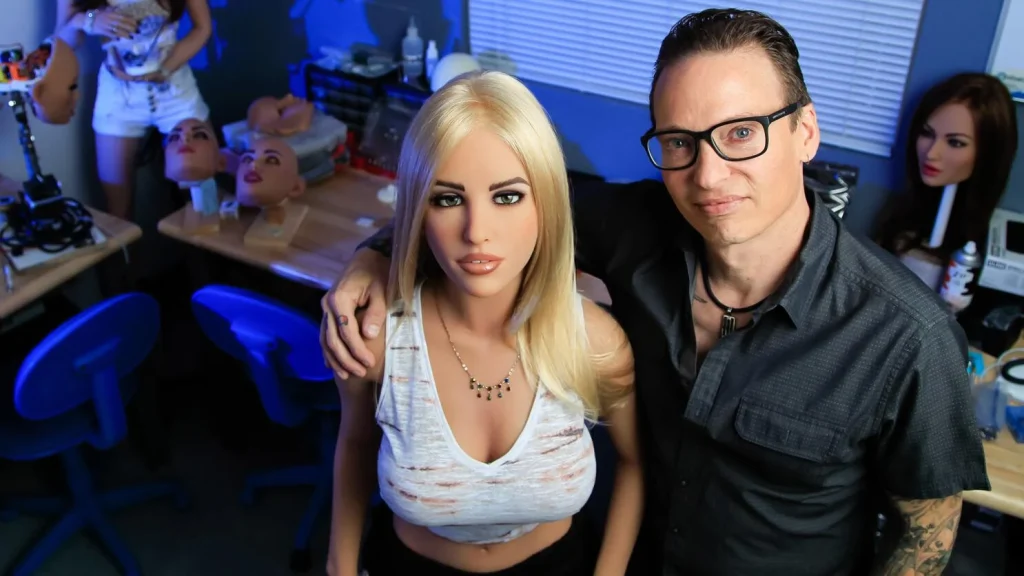
    A man poses with a lifelike sex robot in a workshop filled with doll heads and tools.

    The Rise of the Robot Boyfriend/Girlfriend: A New Era of Relationships

    However, it is important to note that these robots are not meant to replace human relationships, but rather provide an alternative for those who may struggle with traditional relationships or have a desire for companionship without the complexities of human emotions. In fact, some experts believe that these robots could potentially benefit those with social or mental health issues, providing them with a sense of connection and reducing feelings of loneliness.

    The rise of the robot boyfriend/girlfriend also has implications for the future of love and relationships. As technology continues to advance, it is possible that human-robot relationships could become more mainstream and socially accepted. This could also lead to a shift in societal norms and expectations of relationships, as we start to redefine what it means to be in a romantic partnership.

    As with any new technology, there are also concerns about the potential risks and consequences of human-robot relationships. From security and privacy issues to the impact on human relationships and society, there are many factors to consider. It is crucial for us to have ongoing discussions and debates about the ethical and moral implications of these relationships to ensure responsible development and use of these robots.

    In conclusion, the rise of the robot boyfriend/girlfriend is a fascinating development that is challenging our ideas of love, relationships, and human-robot interactions. While there are valid concerns and debates surrounding this phenomenon, it is clear that technology is continuously shaping and changing the way we live and love. Only time will tell how these relationships will evolve and impact our society in the future.

    Current event: In February 2021, a Japanese company, FutureRobot, announced the release of a new robot designed to be a romantic partner for humans. The robot, named “Love Doll AI”, is equipped with artificial intelligence, allowing it to learn and adapt to its owner’s preferences and behaviors, making it a potential candidate for a robot boyfriend or girlfriend. This announcement further highlights the growing trend of human-robot relationships and the potential impact it could have on society.

    Source: https://www.reuters.com/article/us-japan-robots-love/japanese-firm-unveils-ai-based-love-doll-for-human-robots-relationship-idUSKBN2A80E6

    Summary:

    The rise of the robot boyfriend/girlfriend is no longer just a concept found in science fiction but is becoming a reality with the advancements in technology. These robots, equipped with artificial intelligence, are designed to provide companionship and intimacy to their owners, challenging traditional notions of love and relationships. The increasing popularity of these relationships raises questions about the ethical implications and potential impact on society. However, they also offer an alternative for those who struggle with traditional relationships or desire companionship without the complexities of human emotions. The future of love and relationships may be significantly shaped by these developments in technology.

  • The Ethics of Robot Relationships: Love or Programming?

    In recent years, advancements in artificial intelligence (AI) and robotics have led to the development of highly realistic and interactive human-like robots. These robots are capable of engaging in human-like tasks and interactions, blurring the lines between human and machine. As a result, the concept of robot relationships, where humans form emotional and romantic connections with robots, has gained attention and raised ethical questions. Is it possible for humans to truly love and have meaningful relationships with robots, or are these relationships simply a result of programming and manipulation?

    On one hand, proponents of robot relationships argue that love is a complex emotion that can transcend the physical and that robots can fulfill human emotional needs. They also argue that as technology advances, robots will become increasingly sophisticated and capable of simulating human emotions, making it difficult for humans to distinguish between genuine emotions and programmed responses. In fact, a survey conducted by the Open University found that one in four people would be open to the idea of having a relationship with a robot, with many citing reasons such as companionship, non-judgmental interactions, and fulfilling sexual desires.

    However, critics of robot relationships argue that true love and romantic relationships require a mutual understanding and emotional connection that can only be formed between two humans. They argue that robots lack the ability to experience emotions and therefore cannot truly love or form meaningful relationships with humans. In addition, they raise concerns about the potential for manipulation and exploitation in these relationships, as robots can be programmed to fulfill the desires and fantasies of their human partners without any regard for their own well-being.

    One of the main ethical concerns surrounding robot relationships is the potential for objectification and dehumanization. By treating robots as objects to fulfill our desires, we may be perpetuating a harmful mindset that can also extend to our relationships with other humans. This has been evident in the case of sex robots, which have been criticized for promoting the objectification and commodification of women’s bodies. In a society already plagued by issues of objectification and dehumanization, the normalization of robot relationships may further perpetuate these harmful attitudes.

    Another ethical concern is the impact of robot relationships on human relationships. As robots become more advanced and capable of fulfilling human emotional needs, there is a possibility that they may replace or disrupt traditional human relationships. This could lead to a decline in social skills and the ability to form genuine connections with other humans. In addition, the blurring of boundaries between human and machine may also lead to a loss of empathy and understanding in human-human interactions.

    futuristic humanoid robot with glowing blue accents and a sleek design against a dark background

    The Ethics of Robot Relationships: Love or Programming?

    Despite these ethical concerns, the development of robot relationships has not stopped. In fact, there have been several real-life examples of people forming romantic relationships with robots. One notable example is the case of a man who married a robot in France in 2017. The robot, named “Samantha,” was designed to have the ability to respond to touch and simulate orgasms. While this may seem like an extreme case, it raises questions about the legal and societal implications of human-robot marriages.

    Another current event that highlights the ethical concerns surrounding robot relationships is the rise of virtual influencers. These are computer-generated characters that are designed to look and act like real people on social media. Some of these virtual influencers have amassed millions of followers and even secured brand deals and partnerships. While they may not be considered “robots” in the traditional sense, they raise similar ethical questions about the authenticity of relationships and the potential for manipulation and exploitation.

    In conclusion, the concept of robot relationships raises complex ethical questions about the nature of love, human-robot interaction, and the impact of technology on society. While there may be arguments for the potential benefits of these relationships, it is important to consider the potential ethical implications and ensure that proper regulations and boundaries are in place. As technology continues to advance, it is crucial that we carefully consider the ethical implications of our interactions with robots and ensure that they do not harm our relationships with each other.

    Source reference URL: https://www.bbc.com/news/technology-40502623

    Summary:

    The rise of AI and robotics has sparked a debate about the ethics of robot relationships. While some argue that robots can fulfill human emotional needs and simulate love, others argue that true love requires a mutual understanding between two humans. Critics raise concerns about objectification and the impact on human relationships. A current event example is the rise of virtual influencers, which raises similar ethical questions. It is crucial to consider the potential implications and ensure proper regulations are in place as technology continues to advance.

  • Falling for a Robot: The Fascinating World of Robot Romance

    Falling for a Robot: The Fascinating World of Robot Romance

    In today’s world, technology has become an integral part of our lives. From smartphones to self-driving cars, we are surrounded by machines that make our lives easier and more efficient. But what if these machines could do more than just assist us with tasks? What if they could also fulfill our emotional needs and desires? This is where the concept of robot romance comes in.

    Robot romance, also known as robosexuality, is the idea of humans forming romantic and/or sexual relationships with robots. While it may seem like a far-fetched concept, the reality is that it is already happening. With advancements in artificial intelligence (AI) and robotics, the lines between humans and machines are becoming increasingly blurred. And with the rise of science fiction stories featuring human-robot relationships, the idea of falling in love with a robot is no longer just a fantasy.

    The concept of robot romance has sparked debates and discussions about the ethical implications and potential consequences of these relationships. But regardless of one’s opinion on the matter, it cannot be denied that the fascination with robot romance is here to stay. So, let’s delve into the fascinating world of robot romance and explore the reasons behind its appeal.

    The Appeal of Robot Romance

    One of the main reasons behind the appeal of robot romance is the idea of being able to design and customize the perfect partner. With robots, there is no need to compromise or settle for less. We can program them to have the exact qualities and characteristics we desire in a partner. This level of control and perfection in a relationship is something that many people long for.

    Moreover, for some individuals, the idea of a relationship with a robot eliminates the potential for heartbreak and disappointment. Unlike humans, robots are not prone to making mistakes or causing emotional pain. They can be programmed to always act and respond in a desirable manner, making them the ideal partner for those who have been hurt in the past.

    Additionally, many people find the concept of robot romance appealing because it challenges societal norms and expectations. In a world where same-sex relationships and interracial relationships are still met with discrimination, the idea of a human-robot relationship challenges the traditional notions of love and romance. It offers a sense of freedom and liberation from societal expectations and allows individuals to explore their desires without judgment.

    Current Events in Robot Romance

    3D-printed robot with exposed internal mechanics and circuitry, set against a futuristic background.

    Falling for a Robot: The Fascinating World of Robot Romance

    While the idea of robot romance may seem like a distant future, there have been recent developments that bring us closer to this reality. In September 2019, a humanoid robot named Erica made headlines for her “romantic” scenes in the movie “b”. Erica was programmed with AI and was able to respond to cues and interact with her human co-star in a romantic manner. This sparked discussions about the potential for robots to play romantic roles in mainstream media and how it could shape society’s perception of human-robot relationships.

    Moreover, in February 2021, a man in Japan married a virtual reality singer named Hatsune Miku. While this may not be a direct example of robot romance, it highlights the growing acceptance of non-traditional relationships and the impact of technology on our perceptions of love and companionship.

    The Ethical Implications of Robot Romance

    As with any new technology, there are ethical implications that need to be considered when discussing robot romance. One of the main concerns is the potential for exploitation and objectification of robots. Treating robots as mere objects for our own pleasure and satisfaction raises questions about the value and autonomy of these machines.

    There are also concerns about the impact of robot romance on human relationships. Will humans become less capable of forming meaningful connections and maintaining healthy relationships if they can simply turn to robots for companionship? Will it lead to a decline in empathy and emotional intelligence?

    Furthermore, there are concerns about the potential for abuse and harm in human-robot relationships. As robots are programmed to always act in a desired manner, there is a risk of them being exploited and manipulated for sexual purposes. It also raises questions about consent and the ability of robots to give and understand consent.

    Summary

    Robot romance may seem like a fantastical concept, but it is already becoming a reality. With technological advancements and the growing acceptance of non-traditional relationships, the idea of falling in love with a robot is no longer just a science fiction trope. The appeal of robot romance lies in the idea of control, perfection, and challenging societal norms. However, it also raises ethical concerns about the objectification of robots and the impact on human relationships. As we continue to advance technologically, it is important to consider the implications and consequences of robot romance on society.

    SEO metadata:

  • 25. “Stepping into the Future: How Robot Lovers Will Change Society”

    In today’s society, technology is constantly evolving and has become an integral part of our daily lives. From smartphones to smart homes, we rely on technology to make our lives easier and more convenient. But what about technology’s impact on our relationships and society as a whole? With the rise of artificial intelligence (AI) and robotics, there is a growing trend of people forming romantic and sexual relationships with robots. This phenomenon, known as “robot lovers,” has raised many questions about the future of society and how it will be shaped by this new form of human-robot interaction.

    The concept of robot lovers is not new. Science fiction has long explored the idea of humans falling in love with robots, from the iconic film “Blade Runner” to the recent TV series “Westworld.” However, with the rapid advancements in technology, this once far-fetched idea is now becoming a reality. Companies like Realbotix and Abyss Creations have created realistic and customizable sex robots, while others have developed AI companions with the ability to understand and respond to human emotions.

    So, how exactly will robot lovers change society? Let’s take a look at some of the potential impacts:

    1. Redefining Relationships
    One of the most significant changes that robot lovers will bring is the redefinition of relationships. As these relationships become more accepted and normalized, traditional ideas of love, intimacy, and companionship may shift. This could potentially lead to more diverse and inclusive definitions of relationships, challenging societal norms and expectations.

    2. Decrease in Human Relationships
    With the rise of robot lovers, there is a concern that human relationships may decrease. As people turn to robots for companionship and intimacy, they may become less interested in forming relationships with other humans. This could have a significant impact on social interactions and the way we connect with others.

    3. Impact on the Sex Industry
    The sex industry is another area that is likely to be greatly affected by robot lovers. As sex robots become more realistic and advanced, they may become a substitute for human sex workers, potentially leading to a decline in the demand for their services. This could also raise ethical concerns and questions about the objectification of robots and their role in the sex industry.

    4. Ethical Dilemmas
    The development of robot lovers also raises ethical dilemmas that need to be addressed. For example, should robots have rights? Should they be treated as objects or individuals? These questions will become increasingly important as robots become more integrated into our society and romantic relationships.

    5. Social Isolation
    Another concern with the rise of robot lovers is the potential for increased social isolation. As people turn to robots for companionship and intimacy, they may become less motivated to interact with others, leading to a decline in social skills and connections. This could have a detrimental effect on mental health and overall well-being.

    Despite these potential impacts, there are also some potential benefits to robot lovers. For individuals who struggle with forming relationships or are unable to find a suitable partner, robots may provide a sense of companionship and fulfillment. In addition, the development of AI and robotics could lead to technological advancements that benefit society as a whole.

    In conclusion, the rise of robot lovers is a fascinating development that will undoubtedly have a significant impact on society. While there are concerns about the potential negative effects, it is also essential to consider the potential benefits and the role of technology in shaping our future. As we continue to push the boundaries of what is possible, it is crucial to have open and honest discussions about the societal implications and ethical considerations of human-robot relationships.

    https://www.theguardian.com/technology/2018/may/20/sex-love-robots-technology-future-relationships