Tag: NPCs

  • AI Desire and the Evolution of Gaming

    AI Desire and the Evolution of Gaming: How Artificial Intelligence is Transforming the Gaming Industry

    In recent years, the gaming industry has seen a significant shift towards the integration of artificial intelligence (AI) technology. From advanced NPCs (non-player characters) to dynamic game environments, AI has become a central element in many popular video games. But what is driving this trend? Is it simply the desire for more realistic and challenging gameplay, or is there a deeper reason behind the integration of AI in gaming? In this blog post, we will explore the concept of AI desire and its impact on the evolution of gaming.

    What is AI Desire?

    AI desire refers to the desire of game developers to create more intelligent and realistic virtual entities within their games. This desire has been fueled by advancements in AI technology, which have made it possible to create NPCs that can think, learn, and adapt in a similar manner to human players. This has opened up a whole new world of possibilities for game developers, allowing them to create more immersive and engaging game experiences.

    The Evolution of Gaming with AI

    The use of AI in gaming is not a new concept. In fact, AI has been used in gaming since the early days of computer games. However, with recent advancements in technology, AI has evolved from being a simple tool for creating challenging opponents to becoming a core component of gameplay.

    One of the earliest examples of AI in gaming can be seen in the classic game, Pac-Man. In this game, the ghosts that chase the player around the maze use a basic form of AI to determine their movements. They are programmed to follow the player’s movements, but also to avoid obstacles and make strategic decisions to try and catch the player. This may seem like a simple concept now, but at the time, it was groundbreaking and added a new level of challenge to the game.

    Fast forward to the present day, and AI has become much more advanced and complex. Games like Red Dead Redemption 2 and Cyberpunk 2077 feature highly advanced AI systems that allow NPCs to have their own personalities, motivations, and behaviors. This not only makes the game more realistic but also adds a new layer of depth to the gameplay experience.

    The Impact of AI on Gameplay

    The integration of AI in gaming has had a significant impact on gameplay. One of the most notable changes is the increased level of challenge and realism in games. With advanced AI, NPCs can now react to player actions in a more dynamic and unpredictable manner, making the gameplay experience more immersive and engaging.

    A man poses with a lifelike sex robot in a workshop filled with doll heads and tools.

    AI Desire and the Evolution of Gaming

    Additionally, AI has also opened up new possibilities for game genres and gameplay mechanics. For example, strategy games like Civilization VI use AI to simulate the actions of other players and nations, allowing for more complex and realistic gameplay. In first-person shooter games like Call of Duty, AI is used to create more intelligent and challenging enemies, making the gameplay experience more intense and realistic.

    The Future of AI in Gaming

    As AI technology continues to advance, we can expect to see even more significant changes in the gaming industry. With the rise of virtual and augmented reality, AI could play an even more significant role in creating immersive and realistic gaming experiences. It could also be used to create more personalized gameplay experiences, where the game adapts to the player’s actions and preferences.

    Furthermore, AI could also be used to enhance social interactions in multiplayer games. By creating more realistic and intelligent virtual entities, players could have more meaningful interactions with NPCs, making the game world feel more alive and dynamic.

    Current Event: AI in the Upcoming Game, Starfield

    A current event that perfectly showcases the evolution of gaming with AI is the upcoming game, Starfield, developed by Bethesda Game Studios. In an interview with The Washington Post, Bethesda’s director Todd Howard revealed that Starfield will have a “brand new animation system” that will make NPCs behave more realistically. This animation system is powered by AI, and it will allow NPCs to move and interact with the game world in a more natural and lifelike manner.

    Howard also mentioned that the AI in Starfield will be able to “learn” from the player’s actions and adapt accordingly. This means that the game will become more challenging and immersive as the player progresses, as the AI will constantly be evolving and responding to the player’s choices.

    This integration of AI in Starfield showcases the growing desire for more intelligent and realistic NPCs in gaming, and it is just one example of how AI is transforming the industry.

    In Summary

    AI desire has been a driving force behind the evolution of gaming. From simple AI systems in classic games to highly advanced and complex AI in modern games, it has become an integral part of gameplay. The impact of AI on gaming has been significant, leading to more challenging and immersive gameplay experiences. And as technology continues to advance, we can expect to see even more exciting developments in the world of AI and gaming.

  • The Evolution of AI in Gaming: From NPCs to Virtual Reality

    The Evolution of AI in Gaming: From NPCs to Virtual Reality

    As technology continues to advance at a rapid pace, it’s not surprising that the gaming industry has also seen significant changes over the years. One of the most notable developments in gaming has been the evolution of artificial intelligence (AI). From the early days of video games, when non-player characters (NPCs) were simply programmed to follow a specific set of actions, to the current state of AI in virtual reality (VR) games, the role of AI in gaming has come a long way.

    In this blog post, we will take a closer look at the evolution of AI in gaming – from the basic NPCs to the immersive AI experiences in VR games. We will also discuss the impact of AI on the gaming industry and what the future holds for this technology.

    The Early Days: Basic NPCs

    In the early days of video games, NPCs were simply programmed to follow predetermined paths and actions. They were not able to adapt to changing situations or interact with players in a meaningful way. These basic NPCs were used mainly as obstacles or targets for players to overcome in their games.

    However, as games became more complex, developers started to incorporate more advanced AI techniques to make the gameplay experience more engaging. One of the first games to use advanced AI was “Black & White” in 2001. In this game, players took on the role of a god and had to influence the behavior of NPCs through reward and punishment systems.

    The Rise of Open-World Games and Emergent AI

    The introduction of open-world games, where players could explore vast digital landscapes, brought about a new level of complexity in AI development. Games like “Grand Theft Auto” and “The Elder Scrolls” series allowed players to interact with a large number of NPCs in a non-linear way.

    To make these open-world games feel more realistic, developers had to create AI systems that could adapt to player actions and make decisions in real-time. This led to the development of emergent AI, which is a type of AI that can learn and evolve based on player interactions. Emergent AI allows for more dynamic and unpredictable gameplay experiences, making open-world games more immersive and engaging.

    The Impact of AI on the Gaming Industry

    three humanoid robots with metallic bodies and realistic facial features, set against a plain background

    The Evolution of AI in Gaming: From NPCs to Virtual Reality

    The evolution of AI in gaming has had a significant impact on the industry as a whole. It has not only improved the gaming experience for players but has also opened up new possibilities for developers.

    One of the major advantages of AI in gaming is its ability to create more realistic and believable worlds. With advanced AI, NPCs can have their own personalities, behaviors, and reactions to different situations. This not only adds an extra layer of depth to the game but also makes it more challenging and enjoyable for players.

    Moreover, AI has also helped in reducing the workload for game developers. In the past, developers had to manually program each NPC’s behavior, which was a time-consuming process. With the use of AI, developers can now create more complex and diverse NPCs in a shorter amount of time, freeing up their resources to focus on other aspects of the game.

    The Future of AI in Gaming: Virtual Reality

    As the gaming industry continues to push the boundaries of technology, the next frontier for AI is in virtual reality. VR has the potential to revolutionize the gaming experience by immersing players in a fully interactive and realistic digital world.

    With AI, VR games can create a more realistic and lifelike environment by incorporating intelligent NPCs that can react and interact with players in real-time. This will not only enhance the gameplay experience but also make it more challenging and unpredictable.

    Some developers are already experimenting with AI in VR games. For example, “Lone Echo” is a VR game that uses AI to create human-like characters that can interact with players in a natural and believable way. As VR technology continues to improve, we can expect to see more advanced AI techniques being incorporated into VR games.

    Current Event: Artificial Intelligence in “Red Dead Redemption 2”

    One recent example of AI in gaming is “Red Dead Redemption 2,” released in 2018. The game features a vast open-world environment where players can interact with a large number of NPCs. These NPCs have their own unique personalities and behaviors, making the game feel more realistic and immersive.

    The AI in “Red Dead Redemption 2” is also capable of learning and adapting to player actions. For example, if a player consistently chooses to be violent towards NPCs, the AI will remember this and react differently to the player in future interactions. This adds an extra layer of depth and complexity to the game, making it more engaging for players.

    In conclusion, the evolution of AI in gaming has come a long way, from basic NPCs to emergent AI and now to virtual reality. As technology continues to advance, we can expect to see even more advanced AI techniques being used in games, creating more immersive and realistic experiences for players. With the rapid growth of the gaming industry, AI will undoubtedly play a crucial role in shaping the future of gaming.

  • Boost Your Solo Play: Harnessing the Power of AI

    Blog Post Title: Boost Your Solo Play: Harnessing the Power of AI

    As the world becomes increasingly digitized, the use of artificial intelligence (AI) has become more prevalent in various industries. From self-driving cars to virtual assistants, AI has revolutionized the way we live and work. But did you know that AI can also enhance your solo play experience? In this blog post, we will explore the benefits of incorporating AI into your solo gaming sessions and how it can take your gaming to the next level.

    AI in Solo Play: What is it and How Does it Work?

    AI refers to the simulation of human intelligence in machines that are programmed to think and act like humans. In the context of solo play, AI can be used to control non-player characters (NPCs) in games, creating a more dynamic and challenging gaming experience.

    There are two types of AI commonly used in solo play: scripted AI and adaptive AI. Scripted AI follows pre-set rules and behaviors, while adaptive AI uses algorithms to adapt and respond to player actions. Both types of AI can be used to enhance solo play, depending on the type of game and the desired level of challenge.

    Benefits of Incorporating AI in Solo Play

    1. Increased Difficulty and Variety

    One of the main benefits of using AI in solo play is the increased level of difficulty and variety it brings to the game. NPCs controlled by AI can provide a more unpredictable and challenging experience compared to playing against static computer opponents. This can make solo play more engaging and keep players on their toes, as they have to constantly adapt to changing situations and strategies.

    2. Realistic Player Interaction

    AI can also provide a more realistic interaction between players and NPCs in solo play. By using adaptive AI, NPCs can respond and adapt to the player’s actions, creating a more dynamic and immersive gaming experience. This can make solo play feel more like playing against real opponents, rather than just a computer program.

    3. Improved Replayability

    Another advantage of incorporating AI in solo play is improved replayability. With AI-controlled NPCs, players can have a different experience each time they play the game, as the AI will adapt and respond differently to their actions. This can make solo play more enjoyable and prevent it from becoming monotonous.

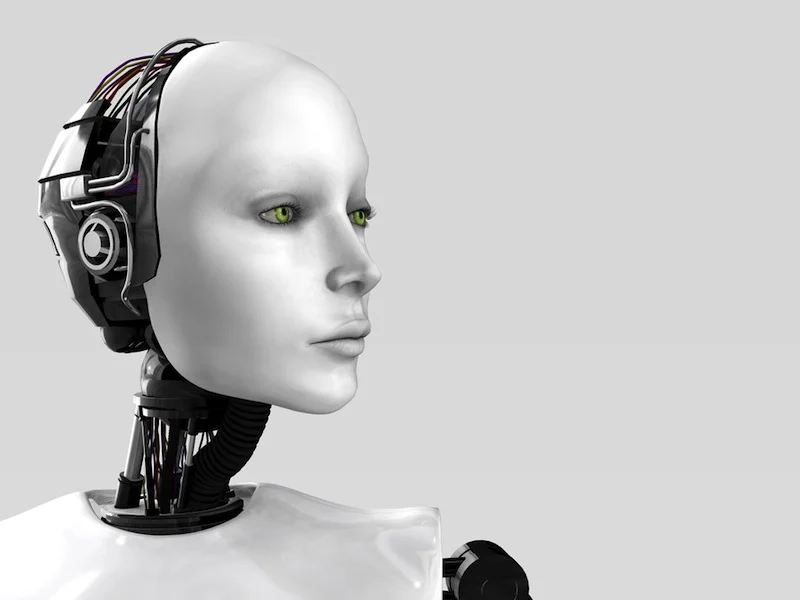
    robotic female head with green eyes and intricate circuitry on a gray background

    Boost Your Solo Play: Harnessing the Power of AI

    How to Incorporate AI in Your Solo Play Sessions

    1. Choose Games with AI Features

    The first step to incorporating AI in your solo play is to choose games that have AI features. Many modern games, especially in the role-playing and strategy genres, offer the option to play against AI-controlled opponents. It is important to research and read reviews to find games that have well-developed and challenging AI.

    2. Adjust AI Difficulty Settings

    Most games with AI features offer different difficulty settings, allowing players to adjust the level of challenge to their liking. It is recommended to start with a lower difficulty setting and gradually increase it as you become more comfortable playing against AI opponents.

    3. Experiment with Different AI Types

    As mentioned earlier, there are two types of AI commonly used in solo play. It is worth experimenting with both types to see which one suits your gaming style better. Some players may prefer scripted AI, as it can provide a more structured experience, while others may enjoy the adaptability of AI opponents.

    4. Utilize AI Tools and Resources

    There are also various AI tools and resources available online that can help enhance your solo play experience. For example, there are AI assistants that can be used to generate random encounters or create a more dynamic environment in games. It is worth exploring these tools to see how they can enhance your solo play sessions.

    Current Event: AI in Board Games

    Recently, there has been a surge in the use of AI in board games. Companies like North Star Games and Fantasy Flight Games have incorporated AI technology into their games, allowing players to play against AI opponents. This not only adds a new level of challenge to the game but also makes it accessible to solo players who may not have anyone to play with. This trend shows the growing popularity and potential of using AI in solo play.

    In summary, incorporating AI in solo play can bring a whole new level of excitement and challenge to your gaming experience. With its ability to provide realistic player interaction, increased difficulty and variety, and improved replayability, AI is a powerful tool that can take your solo play sessions to the next level. By choosing games with AI features, adjusting difficulty settings, experimenting with different AI types, and utilizing AI tools and resources, you can harness the power of AI and boost your solo play.

  • Revolutionize Your Game: How AI Technology is Changing Solo Play

    Revolutionize Your Game: How AI Technology is Changing Solo Play

    In recent years, the advancement of artificial intelligence (AI) technology has revolutionized the way we interact with various aspects of our lives. From virtual assistants like Siri and Alexa to self-driving cars, AI has become an integral part of our daily routines. But one area that has seen significant growth and development thanks to AI is solo gaming.

    Solo gaming, also known as single-player gaming, refers to playing video games alone, without the need for other players. While solo gaming has been around for decades, it has often been seen as a less exciting and social alternative to multiplayer gaming. However, with the incorporation of AI technology, solo gaming has been taken to a whole new level, offering players a more immersive and challenging experience.

    One of the most significant ways AI has revolutionized solo gaming is through the development of intelligent NPCs (non-player characters). NPCs are computer-controlled characters within a game that interact with the player. In the past, NPCs were often limited to pre-programmed responses and actions, making them predictable and less engaging. However, with AI technology, NPCs can now learn and adapt to a player’s actions, making them more realistic and dynamic.

    One example of this is the game “Middle-earth: Shadow of War,” which utilizes a new AI system called “Nemesis.” In this game, NPCs have their own personalities, strengths, and weaknesses, and the player’s actions can influence their behavior. For instance, if a player defeats an NPC in battle, they may come back more powerful and with a grudge against the player, seeking revenge. This AI-driven NPC system has added a new level of depth and strategy to the game, making solo play more engaging and challenging.

    Another way AI is changing solo gaming is through the creation of virtual companions. These are AI-driven characters that players can interact with and form relationships within a game. One notable example of this is the game “Dragon Age: Inquisition,” where players can develop romantic relationships with virtual companions. The AI technology behind these characters allows for realistic and dynamic interactions, making players feel like they are truly forming connections with these virtual beings.

    AI technology has also improved the overall gameplay experience for solo gamers. In the past, solo games often had a limited number of outcomes and endings, making them less replayable. However, with AI technology, games can now have multiple outcomes and endings, depending on a player’s actions and choices. This has added a new level of excitement and replayability to solo games, as players can explore different paths and outcomes with each playthrough.

    Realistic humanoid robot with long hair, wearing a white top, surrounded by greenery in a modern setting.

    Revolutionize Your Game: How AI Technology is Changing Solo Play

    Moreover, AI has also enhanced the graphics and visuals of solo games. With the use of machine learning, AI algorithms can generate hyper-realistic environments and characters, making the gaming experience more immersive and visually stunning. This has also reduced the need for human animators, saving time and resources for game developers.

    The impact of AI on solo gaming can also be seen in the rise of virtual and augmented reality games. These technologies use AI to create a more realistic and interactive environment for players. For example, the game “Lone Echo” for Oculus Rift uses AI to create a virtual character that players can interact with using voice commands and hand gestures. This technology enables players to feel more connected to the game and its world, making solo play more engaging and enjoyable.

    AI has also opened up new possibilities for solo gamers with disabilities. With the help of AI assistants, players with physical disabilities can now control and play games using voice commands or head movements. This has made gaming more accessible and inclusive for a wider audience, breaking down barriers that have existed in the gaming industry for years.

    In addition to these advancements, AI is also changing the way games are developed and produced. With the use of AI algorithms, game developers can analyze player data and behavior to understand what makes a game successful and what areas need improvement. This has led to the development of more personalized and tailored gaming experiences, catering to the individual preferences of players.

    Current Event: In December 2020, a new AI-powered game, “AI Dungeon 2,” was released, showcasing the potential of AI in solo gaming. Developed by Nick Walton, the game uses an AI called GPT-3 to generate an infinite number of scenarios and storylines for players to explore. The AI is trained on text-based adventure games and can create unique narratives based on a player’s input. This game demonstrates how AI technology can create dynamic and personalized experiences for solo gamers.

    In conclusion, AI technology has revolutionized solo gaming, making it more engaging, immersive, and inclusive. From intelligent NPCs and virtual companions to hyper-realistic visuals and personalized gameplay, AI has taken solo play to a whole new level. As AI continues to advance and evolve, we can expect to see even more exciting and innovative developments in the world of solo gaming.

    Summary:

    AI technology has revolutionized solo gaming by introducing intelligent NPCs, virtual companions, and personalized gameplay experiences. It has also enhanced graphics and opened up new possibilities for gamers with disabilities. With the recent release of “AI Dungeon 2,” we can see the potential of AI in creating dynamic and personalized gaming experiences. As AI continues to evolve, we can expect solo gaming to become even more engaging and immersive in the future.

  • The Ultimate Guide to AI-Enhanced Solo Play

    The Ultimate Guide to AI-Enhanced Solo Play: Revolutionizing the Gaming Experience

    In recent years, the world of gaming has seen a significant shift towards AI-enhanced solo play experiences. This technology has revolutionized the way we play and interact with games, providing a more immersive and personalized experience. In this guide, we will explore the concept of AI-enhanced solo play, its benefits, and how it is shaping the future of gaming.

    What is AI-Enhanced Solo Play?

    AI-enhanced solo play refers to the use of artificial intelligence (AI) technology to enhance or create a solo gaming experience. This can range from simple tasks like creating non-player characters (NPCs) to more complex tasks like generating entire game worlds.

    One of the key elements of AI-enhanced solo play is its ability to adapt and learn from the player’s actions, making each gaming session unique and tailored to the individual. This not only adds a new level of challenge and excitement to solo play but also creates a more realistic and dynamic virtual environment.

    Benefits of AI-Enhanced Solo Play

    There are numerous benefits of incorporating AI technology into solo play experiences. Here are some of the most notable ones:

    1. Personalized Gaming Experience

    AI-enhanced solo play allows for a highly personalized gaming experience. The AI technology can analyze the player’s behavior and preferences, adapting the game to their unique playing style. This means that every game session is tailored to the individual, providing a more immersive and enjoyable experience.

    2. Endless Possibilities

    A sleek, metallic female robot with blue eyes and purple lips, set against a dark background.

    The Ultimate Guide to AI-Enhanced Solo Play

    With AI technology, the possibilities for solo play are endless. Games can generate different scenarios, challenges, and outcomes, making each playthrough unique. This keeps the game fresh and exciting, eliminating the risk of boredom from repetitive gameplay.

    3. Improved NPCs

    NPCs are an essential part of any gaming experience, and AI technology has greatly improved their functionality. With AI, NPCs can have their own personalities, behaviors, and reactions, making them more realistic and engaging. This adds depth and complexity to the game, creating a more immersive experience.

    4. Enhanced Difficulty Levels

    One of the biggest challenges of solo play is finding the right difficulty level. With AI technology, games can adjust the difficulty level in real-time, based on the player’s skills and abilities. This ensures that the game is challenging but not overwhelming, providing a more balanced and enjoyable experience.

    5. Time and Cost-Efficient

    AI-enhanced solo play has made gaming more time and cost-efficient. With AI handling tasks like generating game worlds and managing NPCs, developers can focus on creating more content and improving the overall gameplay experience. This also translates to lower production costs, making games more accessible to a wider audience.

    Current Event: The Launch of Google Stadia

    An excellent example of AI-enhanced solo play in action is the recent launch of Google Stadia. This cloud-based gaming platform utilizes AI technology to create a seamless and personalized gaming experience. With its ability to analyze and adapt to the player’s behavior, Stadia offers a more immersive and dynamic solo play experience.

    Moreover, Stadia also uses AI to enhance its multiplayer capabilities. The platform uses a feature called “Crowd Play,” which allows players to join live streams and play with their favorite streamers. This adds a social aspect to solo play, making it more engaging and interactive.

    In summary, AI-enhanced solo play is a game-changer in the world of gaming. It offers a highly personalized, challenging, and cost-efficient experience, making it a popular choice among gamers. With the recent launch of Google Stadia, we can expect to see even more advancements in AI technology, further enhancing the solo play experience for gamers worldwide.

  • The Science of Pleasure: How AI is Changing the Way We Play

    Blog Post Title: The Science of Pleasure: How AI is Changing the Way We Play

    Summary:

    In recent years, there has been a surge in the development and use of Artificial Intelligence (AI) in various industries, including gaming. AI has revolutionized the way we play, creating more immersive and personalized gaming experiences. This blog post will explore the science of pleasure and how AI is changing the way we play.

    First, let’s define what we mean by the science of pleasure. Pleasure is a complex emotion that is experienced when we engage in activities that are rewarding and enjoyable. It involves a release of dopamine, a neurotransmitter that plays a crucial role in the brain’s reward system. When we experience pleasure, dopamine is released in the brain, creating a feeling of happiness and satisfaction.

    Now, let’s look at how AI is changing the way we play. One of the significant ways AI is impacting gaming is through the development of virtual assistants. These are AI-powered characters that can interact with players, providing guidance and assistance throughout the game. Virtual assistants can also adapt to the player’s behavior and preferences, making the gaming experience more personalized and enjoyable.

    Another area where AI is making a significant impact is in the development of more realistic and intelligent NPCs (non-player characters). NPCs are characters in a game that are controlled by the game’s AI rather than the player. In the past, NPCs were often predictable and lacked depth, making the gaming experience less immersive. However, with the use of AI, NPCs can now have their own personalities, behaviors, and emotions, making them more lifelike and enhancing the overall gaming experience.

    A lifelike robot sits at a workbench, holding a phone, surrounded by tools and other robot parts.

    The Science of Pleasure: How AI is Changing the Way We Play

    AI is also being used to create more challenging and realistic enemy characters in games. In traditional games, enemy characters would follow a set of predetermined patterns, making them easy to defeat once the player learned their behavior. However, with AI, enemy characters can adapt and learn from the player’s actions, making them more difficult to defeat and providing a more engaging and satisfying gaming experience.

    Furthermore, AI is being used to generate personalized content for players. In open-world games, there is often a vast amount of content that can be overwhelming for players. With AI, game developers can create algorithms that analyze the player’s behavior and preferences and generate content that is tailored to their specific interests. This not only makes the game more enjoyable for the player, but it also saves them time and effort in searching for content that they will enjoy.

    The development of AI has also made it possible for games to have more complex and dynamic environments. In the past, game environments were often static and lacked variety. However, with AI, game environments can now change and evolve based on the player’s actions, making the game more realistic and unpredictable.

    One of the most exciting ways AI is changing the way we play is through the use of emotion recognition technology. This technology is still in its early stages, but it has the potential to revolutionize the gaming industry. Emotion recognition technology uses AI algorithms to analyze a player’s facial expressions, body language, and voice to determine their emotional state. This information can then be used to adjust the game’s difficulty level, storyline, and even the music and sound effects to create a more personalized and immersive gaming experience.

    Current Event:

    A recent example of AI being used in gaming is the highly anticipated release of the game “Cyberpunk 2077.” This game, developed by CD Projekt Red, uses AI to create a vast and dynamic open-world environment that adapts to the player’s actions and choices. The game also features advanced NPCs that have their own behaviors and emotions, making the game more immersive and challenging. “Cyberpunk 2077” is a testament to how AI is changing the way we play, providing a more personalized and engaging gaming experience.

    In conclusion, AI has revolutionized the gaming industry, allowing for more immersive, personalized, and satisfying gaming experiences. From virtual assistants and intelligent NPCs to emotion recognition technology and dynamic environments, AI has changed the way we play games. As AI technology continues to advance, we can expect to see even more exciting and innovative developments in the world of gaming.