Tag: music production

  • Ways AI is Changing the Music Industry

    The music industry has undergone significant changes over the years, and technology has played a crucial role in shaping these changes. From the introduction of digital music to the rise of streaming services, technology has completely transformed the way we consume and create music. And now, with the advancements in artificial intelligence (AI), the music industry is experiencing yet another revolution. AI is changing the game for musicians, producers, and listeners alike. In this blog post, we’ll explore some of the ways AI is transforming the music industry and how it’s impacting the current music landscape.

    One of the most significant ways AI is changing the music industry is through music production. With AI-powered software and tools, musicians and producers can now create music faster and more efficiently than ever before. AI algorithms can analyze existing songs and create new ones based on the patterns and structures found in the music. This has opened up a whole new world of possibilities for musicians, allowing them to experiment with different styles and genres without having to start from scratch.

    AI is also being used to enhance the music creation process. For example, AI-powered plugins can analyze a song and suggest different chord progressions or melodies, giving musicians new ideas and inspiration. This technology is particularly beneficial for emerging artists who may not have a lot of experience in music theory and composition.

    Furthermore, AI is also being used to improve the quality of music. In the past, producers would spend hours in the studio perfecting a song, but now, with AI, this process can be streamlined. AI algorithms can detect and correct imperfections in a recording, such as pitch and timing errors, making the final product sound more polished and professional. This not only saves time and effort for producers but also allows for a faster turnover of music production.

    In addition to music production, AI is also revolutionizing how music is consumed. With the rise of streaming services, such as Spotify and Apple Music, AI plays a crucial role in creating personalized music recommendations for listeners. These platforms use AI algorithms to analyze a user’s listening habits and preferences to curate playlists and suggest new music. This has made it easier for listeners to discover new artists and genres, ultimately leading to a more diverse music culture.
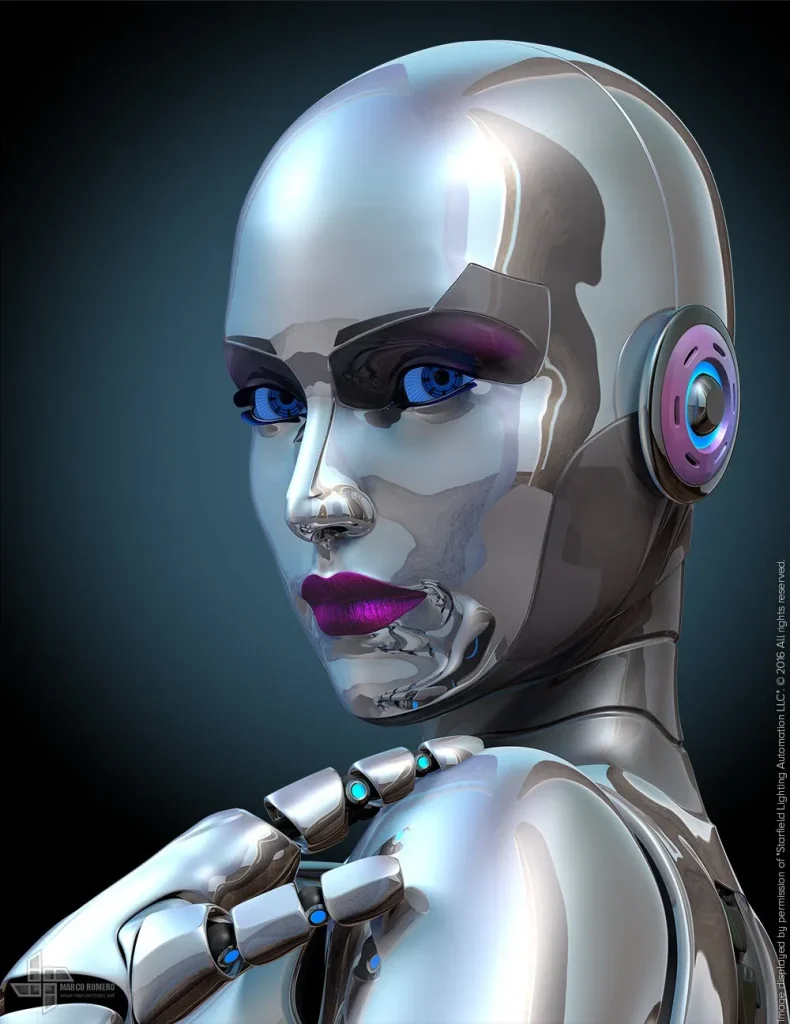
    A sleek, metallic female robot with blue eyes and purple lips, set against a dark background.

    Ways AI is Changing the Music Industry

    Another way AI is changing the music industry is through its impact on live performances. AI-powered software can analyze a musician’s performance in real-time and make adjustments to improve the overall sound and quality. This technology is particularly useful for live shows, where there may be technical difficulties or issues with sound. With AI, these problems can be quickly resolved, ensuring a seamless performance for both the artist and the audience.

    Moreover, AI is also breaking down barriers in the music industry. In the past, access to expensive equipment and resources was necessary to produce high-quality music. However, with AI-powered tools becoming more accessible and affordable, artists from all backgrounds can now create professional-level music from the comfort of their own homes. This has opened up opportunities for emerging artists to enter the industry and make their mark, leading to a more diverse and inclusive music scene.

    One current event that showcases the impact of AI on the music industry is the use of AI-generated music in film and television. Recently, the HBO series “Westworld” featured an AI-generated soundtrack for one of its episodes. The soundtrack, created by AI company Amper Music, blended traditional orchestral elements with electronic beats, resulting in a unique and immersive listening experience. This marks a significant milestone in the use of AI in the entertainment industry and shows the potential for AI-powered music in other media forms.

    In conclusion, AI is changing the music industry in numerous ways, from production and consumption to live performances and inclusivity. As technology continues to evolve, we can expect even more advancements in AI and its impact on the music landscape. While some may view AI as a threat to traditional music-making, it’s clear that it has the potential to enhance and revolutionize the industry, making it more accessible, diverse, and innovative than ever before.

    SEO metadata:
  • AI and the Music Industry: A Fascinating Evolution

    AI and the Music Industry: A Fascinating Evolution

    The music industry has undergone a significant evolution in recent years, with the advancement of technology and the rise of artificial intelligence (AI). From songwriting and production to distribution and marketing, AI has made its mark in every aspect of the music business. This fascinating evolution has not only transformed the way music is created and consumed, but it has also raised questions about the role of human creativity and the future of the industry.

    One of the most significant impacts of AI on the music industry is in the area of songwriting. AI algorithms can now analyze data from millions of songs to identify patterns and create original compositions. This has led to the emergence of AI-generated music, with songs being created entirely by machines. In 2017, a team of researchers from Sony’s Computer Science Laboratory in Paris released an album titled “Daddy’s Car,” which was entirely composed and produced by AI. While the album was met with mixed reviews, it marked a significant milestone in the use of AI in music creation.

    AI has also revolutionized the production process in the music industry. With the use of AI-powered software, musicians can now manipulate and enhance their recordings with ease. For example, software like Antares Auto-Tune can correct pitch and timing errors in vocal recordings, giving artists a polished and professional sound. This has not only made the production process more efficient but has also given artists more creative control over their music.

    In addition to songwriting and production, AI has also made its way into the distribution and marketing side of the music industry. Streaming services like Spotify and Apple Music use AI algorithms to curate personalized playlists for their users based on their listening habits. This has not only made it easier for listeners to discover new music but has also given independent artists a platform to reach a wider audience. AI-powered marketing tools are also being used by record labels to target specific demographics and promote their artists’ music.

    Robot woman with blue hair sits on a floor marked with "43 SECTOR," surrounded by a futuristic setting.

    AI and the Music Industry: A Fascinating Evolution

    One of the most talked-about uses of AI in the music industry is in live performances. In 2018, the first AI-powered virtual influencer, Lil Miquela, made her debut performance at a music festival in California. While she may not be a real person, Lil Miquela’s performance highlighted the potential for AI to be used in live shows and concerts. With the ability to create hyper-realistic avatars and generate original music, AI could potentially eliminate the need for human performers in the future.

    However, with all the advancements and benefits that AI has brought to the music industry, there are also concerns about its impact on human creativity and the future of musicians. Some argue that relying heavily on AI-generated music takes away from the authenticity and emotion that comes from human-created music. There are also fears that AI could potentially replace human musicians, leading to job losses in the industry.

    Despite these concerns, it is clear that AI has become an integral part of the music industry and will continue to shape its future. In fact, in 2020, the global AI in the music market was valued at $167 million and is expected to reach $1.3 billion by 2027. This growth is driven by the increasing demand for personalized music experiences and the constant need for innovation in the industry.

    One recent event that showcases the growing use of AI in the music industry is the partnership between AI music startup AIVA and the European Broadcasting Union (EBU). AIVA uses deep learning algorithms to create original music for various media, and through this partnership, their music will be used in EBU’s productions, including the Eurovision Song Contest and the Olympic Games. This collaboration not only highlights the potential for AI in creating high-quality music but also shows the industry’s acceptance and adoption of AI technology.

    In conclusion, the evolution of AI in the music industry has been a fascinating journey, with its impact being felt in all aspects of the business. While there are valid concerns about the role of AI in music creation and its potential to replace human musicians, it is clear that AI is here to stay and will continue to shape the future of the music industry.

  • Ways AI is Transforming the Music Industry

    The music industry has undergone significant transformations in the past few decades, from the rise of digital music and streaming services to the decline of physical album sales. But perhaps the most revolutionary change has been the integration of artificial intelligence (AI) into various aspects of the music industry. AI is rapidly changing the way music is created, distributed, and consumed, and its impact is only expected to grow in the coming years. In this blog post, we will explore the ways in which AI is transforming the music industry and discuss a recent current event that highlights the growing influence of AI in the music world.

    AI in Music Creation and Production

    One of the most significant ways in which AI is transforming the music industry is through its role in music creation and production. AI-powered tools and software are now being used by musicians and producers to enhance their creativity and streamline the music-making process. For example, AI can analyze data from popular songs and create new tracks based on those patterns, providing endless possibilities for music creation. AI algorithms can also assist in composing melodies, writing lyrics, and even predicting which songs will be successful in the market.

    One notable example of AI in music creation is the popular app Amper Music, which allows users to create original music using AI technology. The app has been used by famous artists like Taryn Southern and Steve Aoki, demonstrating its potential to be a game-changer in the music industry.

    AI in Music Distribution and Marketing

    In addition to its role in music creation, AI is also transforming the way music is distributed and marketed. AI-powered platforms and algorithms can analyze vast amounts of data to understand listeners’ preferences and behavior, enabling music labels and streaming services to recommend personalized playlists and songs to their users. This not only enhances the listening experience for consumers but also helps music labels and artists reach their target audience more effectively.

    AI algorithms can also help music labels and artists track and analyze data from social media and streaming platforms to make informed decisions about marketing strategies. This can include identifying the best time to release a new song or album, targeting specific demographics for promotion, and even predicting which songs have the potential to become popular hits.

    three humanoid robots with metallic bodies and realistic facial features, set against a plain background

    Ways AI is Transforming the Music Industry

    AI in Music Streaming

    Streaming services have become the dominant form of music consumption in recent years, with platforms like Spotify, Apple Music, and Pandora leading the way. And AI has played a crucial role in the success of these platforms. AI algorithms are used to analyze users’ listening habits and provide personalized recommendations, creating a more engaging and tailored music experience. AI can also be used to analyze data and identify potential copyright infringement, protecting artists’ rights and ensuring fair compensation for their work.

    Current Event: Sony’s AI-Generated Song

    A recent current event that highlights the growing influence of AI in the music industry is Sony’s release of an AI-generated song in January 2021. The song, titled “Daddy’s Car,” was created using AI software called Flow Machines and was inspired by the music style of The Beatles. The software analyzed a database of songs from the iconic band and generated a new song that sounds like it could have been written by The Beatles themselves.

    This release sparked a debate about the role of AI in music creation and whether it could potentially replace human artists. Some argued that AI-generated music lacks the emotional depth and creativity of human-made music, while others saw it as a tool that could enhance the music-making process. Regardless of opinions, this current event highlights the increasing capabilities of AI in the music industry and its potential impact on the future of music creation.

    In conclusion, AI is transforming the music industry in various ways, from its role in music creation and production to music distribution and marketing. Its use in music streaming platforms and the recent release of an AI-generated song by Sony demonstrate the potential of AI to revolutionize the music industry. As AI technology continues to advance, we can expect to see even more significant changes in how music is created, distributed, and consumed.

    Metadata:

  • Solo Sessions Redefined: The Influence of AI Technology

    Blog post: Solo Sessions Redefined: The Influence of AI Technology

    In today’s digital age, Artificial Intelligence (AI) technology has become an integral part of our daily lives. From virtual assistants to self-driving cars, AI has transformed the way we interact with technology. But one area where AI has made a significant impact is in the world of music. With the rise of AI-powered music tools and software, solo music sessions have been redefined, giving musicians more control and creativity in their music-making process.

    The Role of AI in Solo Music Sessions

    AI technology has opened up a whole new world of possibilities for musicians, especially when it comes to solo music sessions. Traditionally, solo sessions involved a single musician playing an instrument or singing alone. However, with the help of AI, musicians can now create multi-layered and complex music compositions on their own.

    One of the ways AI has influenced solo sessions is through the use of AI-powered music composition tools. These tools use machine learning algorithms to analyze existing music and generate new compositions based on the data. This gives musicians the ability to create music that they may not have been able to come up with on their own.

    Another way AI has redefined solo sessions is through virtual band and orchestra software. These AI-powered tools allow musicians to play with a virtual band or orchestra, giving them the experience of playing with other musicians without the need for actual band members. This not only adds a new level of creativity to solo sessions but also allows musicians to practice and improve their skills in a simulated group setting.

    AI technology has also made it possible for musicians to create and edit music in real-time using AI-powered music production software. This software uses AI algorithms to analyze and enhance music recordings, making it easier for musicians to polish their tracks and create professional-level music on their own.

    The Benefits of AI in Solo Music Sessions

    A woman embraces a humanoid robot while lying on a bed, creating an intimate scene.

    Solo Sessions Redefined: The Influence of AI Technology

    The use of AI technology in solo music sessions has many benefits for musicians. One of the most significant advantages is the freedom and control it gives to musicians in their music-making process. With the help of AI, musicians can experiment and create music without the limitations of traditional instruments or band members.

    AI technology also allows musicians to save time and money by eliminating the need for studio recording sessions or hiring additional band members. This makes it easier for independent artists to produce high-quality music on their own, without having to rely on a team or record label.

    Moreover, AI-powered music tools also offer a new level of accessibility for musicians with physical disabilities. By eliminating the need for physical instruments, these AI tools make it possible for musicians with disabilities to create music in a way that was not possible before.

    Current Event: AI Technology in the Music Industry

    A recent example of AI technology making waves in the music industry is the use of AI-generated music in film soundtracks. In 2020, the sci-fi thriller “Zone 414” became the first film to use an AI-generated soundtrack, composed entirely by AI software. The film’s director, Andrew Baird, stated that the use of AI technology allowed for a unique and otherworldly soundtrack that would not have been possible with traditional methods.

    This is just one example of how AI technology is being embraced in the music industry, and it is likely that we will see more AI-generated music in films, TV shows, and other media in the future.

    Summary:

    AI technology has had a significant influence on solo music sessions, redefining the way musicians create and experience music on their own. From AI-powered music composition tools to virtual band software, AI has opened up a new world of possibilities for musicians, giving them more control and creativity in their music-making process. The use of AI in solo music sessions has numerous benefits, including increased accessibility for musicians with disabilities and cost-effectiveness for independent artists. With the recent use of AI-generated music in films, it is clear that AI technology will continue to shape and enhance the music industry.

  • Solo Sessions 2.0: The Impact of AI Technology

    Blog Post Title: Solo Sessions 2.0: The Impact of AI Technology

    As we enter into the era of advanced technology, it has become clear that artificial intelligence (AI) is no longer just a concept in science fiction movies, but a reality that is rapidly changing the way we live and work. With the rise of AI-powered devices and applications, there has been a significant shift in the way individuals interact with technology, and this has also had a profound impact on the music industry.

    In recent years, AI technology has made its way into the music world, giving rise to a new trend known as Solo Sessions 2.0. This refers to the use of AI technology in creating and producing music, allowing artists to create solo performances without the need for other musicians. The impact of this technology on the music industry has been immense, and it is important to explore and understand its implications.

    The Emergence of Solo Sessions 2.0

    The concept of using AI in music production is not entirely new. In the 1980s, Yamaha introduced its first digital synthesizer, which could reproduce the sounds of an entire orchestra. However, with the recent advancements in AI technology, the capabilities of these devices have greatly expanded. AI-powered music composition software can now generate entire compositions, from melodies to chord progressions, without human input. This has opened up a whole new world of possibilities for musicians, especially in the form of solo performances.

    One of the most notable examples of Solo Sessions 2.0 is the AI-powered robot band, Compressorhead. This band consists of three robots, each playing a different instrument, and has gained popularity for its ability to perform complex songs with precision and accuracy. Another example is the AI composer Aiva, which has created original pieces of music that have been used in films and advertisements.

    The Impact on Music Production

    The emergence of Solo Sessions 2.0 has had a significant impact on the music production process. AI technology has allowed for faster and more efficient creation of music, with the ability to generate thousands of melodies and chord progressions in a matter of minutes. This has greatly reduced the time and effort required for composing and arranging music, giving artists more time to focus on other aspects of their work.

    Moreover, AI technology has also brought a new level of experimentation and creativity to music production. With the ability to generate endless possibilities and combinations, musicians can explore new sounds and styles that they may not have previously considered. This has opened up a whole new realm of possibilities for music creation, allowing for a more diverse and dynamic music landscape.

    Realistic humanoid robot with long hair, wearing a white top, surrounded by greenery in a modern setting.

    Solo Sessions 2.0: The Impact of AI Technology

    The Impact on the Music Industry

    Solo Sessions 2.0 has also had a significant impact on the music industry as a whole. With the rise of AI-powered music production, the traditional roles of musicians, producers, and engineers are being redefined. This technology has made it possible for a single individual to create a full and complex composition, blurring the lines between traditional roles in the music production process.

    This has also led to a decrease in the demand for session musicians, who are often hired to play specific instruments on recordings. As AI technology becomes more advanced, it is likely that the need for session musicians will decline even further, potentially leading to job losses in the industry.

    On the other hand, Solo Sessions 2.0 has also opened up opportunities for independent and emerging artists. With the use of AI technology, artists no longer need a full band or expensive recording equipment to create music. This has leveled the playing field and allowed for more diverse voices and styles to be heard in the music industry.

    The Future of Music and AI

    As AI technology continues to evolve and improve, its impact on the music industry is only expected to grow. It is likely that we will see more AI-powered devices and applications being used in music production, from creating compositions to mixing and mastering.

    However, there are also concerns about the potential consequences of relying too heavily on AI in music creation. Some fear that it may lead to a lack of originality and creativity, or even replace human musicians altogether. It is important for the music industry to carefully consider and navigate these potential challenges as AI technology becomes more prevalent.

    Current Event: In April 2021, the first AI-generated album to be released by a major record label, “I Am AI” by Taryn Southern, debuted on the Billboard charts. The album was created using AI software and features lyrics and melodies written by the AI. This event highlights the growing impact of AI technology in the music industry and raises questions about the role of AI in the creation of music.

    In summary, the emergence of Solo Sessions 2.0, powered by AI technology, has had a significant impact on the music industry. It has changed the way music is created and produced, and has also brought about shifts in traditional roles and opportunities for independent artists. As AI technology continues to advance, it is important to consider its implications and potential challenges for the future of music.

  • Unleashing the Power of AI in Your Solo Sessions

    Blog Post Title: Unleashing the Power of AI in Your Solo Sessions

    Artificial intelligence (AI) has been making waves in various industries, from healthcare to finance, and now it’s making its way into the world of music. As a solo musician, you may think that AI technology has no place in your creative process, but the truth is, it can actually enhance and elevate your solo sessions in ways you never thought possible. In this blog post, we will explore the potential of AI in solo music sessions and how you can unleash its power to take your music to the next level.

    But before we dive into the ways AI can be used in solo sessions, let’s first define what AI is. AI refers to the simulation of human intelligence processes by machines, particularly computer systems. It involves the development of algorithms and software that enable machines to perform tasks that would typically require human intelligence, such as learning, problem-solving, and decision making. With advancements in technology, AI has become increasingly sophisticated and has the potential to revolutionize the music industry.

    One of the most significant ways AI can benefit solo musicians is by providing a virtual accompaniment. As a solo musician, you may often find yourself limited by your instrument or the number of hands you have. With AI, you can have a virtual bandmate that can play any instrument you desire, from drums to bass to piano. This allows you to create more complex and dynamic music without the need for additional musicians.

    The technology used in virtual accompaniment is known as machine learning, where the AI system is trained using vast amounts of data to recognize patterns and create music that complements your playing. This means that the more you use the AI, the better it will become at accompanying you, making your solo sessions more enjoyable and productive.

    Another way AI can enhance your solo sessions is through music composition. With AI, you can have a virtual composer that can generate musical ideas based on your preferences and style. This can help you break out of creative blocks and inspire you to explore new musical territories. Additionally, AI can also assist in the arrangement of your compositions, providing suggestions on how to structure your music and add new elements to make it more interesting.

    futuristic female cyborg interacting with digital data and holographic displays in a cyber-themed environment

    Unleashing the Power of AI in Your Solo Sessions

    AI can also be used as a tool for practicing and improving your skills. With its ability to analyze patterns and provide feedback, AI can act as a virtual music teacher. It can detect areas where you may need improvement and suggest exercises or techniques to help you progress. This can be particularly helpful for solo musicians who may not have access to a music teacher or are looking to practice on their own.

    Apart from assisting in the creative process, AI can also help with the technical aspects of music production. With its ability to process large amounts of data quickly, AI can help in tasks such as mixing and mastering, making the production process more efficient and precise. This can save solo musicians a significant amount of time and effort, allowing them to focus on the creative aspects of music making.

    Current Event: The recent release of the AI-powered music production software, Amper Music, is a prime example of how AI is being utilized in the music industry. This software allows users to create original music tracks with the help of AI technology, making it accessible for all levels of musicians. This not only showcases the potential of AI in solo music sessions but also highlights its potential for democratizing music production.

    In addition to the above, AI can also be used in live performances to create a unique and interactive experience. With the use of AI-powered instruments, solo musicians can control and manipulate sounds in real-time, creating an immersive and dynamic performance. This can add a new dimension to solo performances and captivate audiences in ways that were previously impossible.

    Now that we have explored the various ways AI can be used in solo music sessions, it’s essential to address the concerns and criticisms surrounding its use. Some may argue that the use of AI in music takes away the human element and emotion that is inherent in music-making. However, AI is not meant to replace human musicians; rather, it is meant to enhance and complement their skills. Ultimately, the creativity and emotion in music come from the musician, and AI can only assist and facilitate that process.

    In conclusion, AI has the power to revolutionize solo music sessions and take your music to new heights. From virtual accompaniment to music composition and production, AI can assist in various aspects of music-making and provide new opportunities for creativity and growth. As AI technology continues to advance, we can expect to see even more exciting developments in the world of music. So why not start exploring the power of AI in your solo sessions and see where it takes you?

    Summary: AI technology has made its way into the music industry and has the potential to enhance solo music sessions in various ways. From virtual accompaniment to music composition, AI can provide assistance and inspiration for solo musicians. It can also help with technical aspects of music production and be used in live performances. The recent release of the AI-powered music production software, Amper Music, is a prime example of AI being utilized in the music industry. While there may be concerns about the use of AI in music, it is ultimately meant to enhance and complement human creativity and emotion.

  • The Power of AI: Elevating Your Solo Sessions

    Blog Post Title: The Power of AI: Elevating Your Solo Sessions

    In recent years, artificial intelligence (AI) has become a prominent and groundbreaking technology that has the potential to revolutionize various industries, including music. AI-powered tools and platforms have made it possible for musicians, especially solo artists, to enhance their creative process, improve their productivity, and elevate their solo sessions to new heights. From songwriting to production and marketing, AI has proven to be a powerful ally for solo artists in their musical journey.

    But what exactly is AI, and how can it benefit solo musicians? AI refers to the simulation of human intelligence processes by machines, especially computer systems. It involves the creation of algorithms that can learn and make decisions based on data inputs, making it possible for machines to perform tasks that typically require human intelligence. In the music industry, AI technology has been harnessed to develop tools and platforms that can assist solo artists in various aspects of their music creation and promotion process.

    One of the most significant benefits of AI for solo musicians is in the area of songwriting. With AI-powered songwriting tools such as Amper Music, AIVA, and Humtap, solo artists can easily generate musical ideas and even complete songs without any musical knowledge or training. These tools use algorithms to analyze existing songs and identify patterns and structures, allowing them to create original compositions in a similar style. This can be a game-changer for solo artists who may struggle with writer’s block or lack the resources to collaborate with other songwriters.

    Moreover, AI technology has also enabled solo musicians to improve their music production process. With the help of AI-powered plugins, such as iZotope’s Neutron and Ozone, solo artists can enhance the quality of their recordings and mixes. These plugins use machine learning algorithms to analyze audio tracks and make real-time adjustments to achieve a more balanced and professional sound. This not only saves time and effort for solo musicians but also allows them to achieve a higher level of production quality that was previously only possible with a team of engineers.

    futuristic humanoid robot with glowing blue accents and a sleek design against a dark background

    The Power of AI: Elevating Your Solo Sessions

    In addition to assisting in the creative process, AI has also proven to be beneficial for solo musicians when it comes to marketing and promoting their music. For instance, AI-powered platforms like Spotify for Artists and Pandora AMP provide solo artists with valuable data insights and personalized recommendations for reaching their target audience. These platforms use AI algorithms to analyze user behavior and preferences, allowing solo artists to tailor their marketing strategies and reach their fans more effectively.

    Furthermore, AI technology has also opened up new opportunities for solo artists to monetize their music. One example is the rise of AI-generated music for film and TV licensing. Companies like Jukedeck and Amper Music offer AI-generated music for licensing, providing solo artists with an alternative source of income and exposure for their work. This not only diversifies the revenue streams for solo artists but also allows them to focus on creating original music without the pressure of having to constantly release new content for streaming platforms.

    One of the most notable current events related to the power of AI in the music industry is the recent collaboration between Google’s Magenta AI and the London Symphony Orchestra. In November 2021, the orchestra performed a piece composed entirely by AI, called “Symphony in D.” This groundbreaking event showcased the potential of AI in creating complex and emotionally expressive music, further solidifying its role in the future of music.

    In conclusion, the power of AI has proven to be a game-changer for solo musicians, offering them a range of tools and platforms to elevate their solo sessions. From songwriting and production to marketing and monetization, AI has opened up new possibilities for solo artists to thrive in the ever-evolving music industry. As technology continues to advance, we can only imagine the endless possibilities and potential for AI in shaping the future of music.

    Summary:

    AI technology has become a powerful ally for solo musicians, offering tools and platforms to assist in various aspects of their music creation and promotion process. From songwriting to production and marketing, AI has opened up new possibilities for solo artists to enhance their creativity, productivity, and success. With AI-generated music now being performed by prestigious orchestras, it is clear that the power of AI in the music industry is only just beginning.




