Blog Post Title: The Limitations of AI: Where Human Intelligence Still Reigns Supreme
Artificial intelligence (AI) has rapidly advanced in recent years, with machines now able to perform complex tasks such as driving cars, identifying objects, and even beating humans in strategic games like chess and Go. With these advancements, there is no denying that AI has greatly impacted and improved various industries, from healthcare to finance. However, despite its impressive capabilities, there are still limitations to AI, and there are certain areas where human intelligence still reigns supreme.
One of the main limitations of AI is its inability to replicate human emotions and empathy. While machines can be programmed to respond in certain ways, they lack the ability to truly understand and experience emotions like humans do. This is a crucial aspect in fields such as therapy, counseling, and social work, where human connection and empathy are essential for effective communication and treatment.
Another limitation of AI is its lack of creativity and imagination. While machines can analyze and process vast amounts of data, they are not capable of thinking outside the box or coming up with original ideas. Human creativity and imagination are what have led to groundbreaking innovations and inventions, and these skills cannot be replicated by AI.
Additionally, AI is limited in its ability to adapt to new and unexpected situations. Machines are programmed to respond to specific scenarios and data, but they struggle when faced with unfamiliar or unpredictable circumstances. This is why human intervention is still necessary in areas such as disaster response and crisis management.
Another important aspect where human intelligence still reigns supreme is in moral and ethical decision-making. AI is programmed to make decisions based on algorithms and data, but it lacks the ability to consider moral and ethical implications. For example, in a self-driving car, AI may prioritize the safety of the passengers over the safety of pedestrians, leading to potentially harmful outcomes. Human intelligence, on the other hand, takes into account moral and ethical considerations when making decisions, ensuring the well-being of all individuals involved.
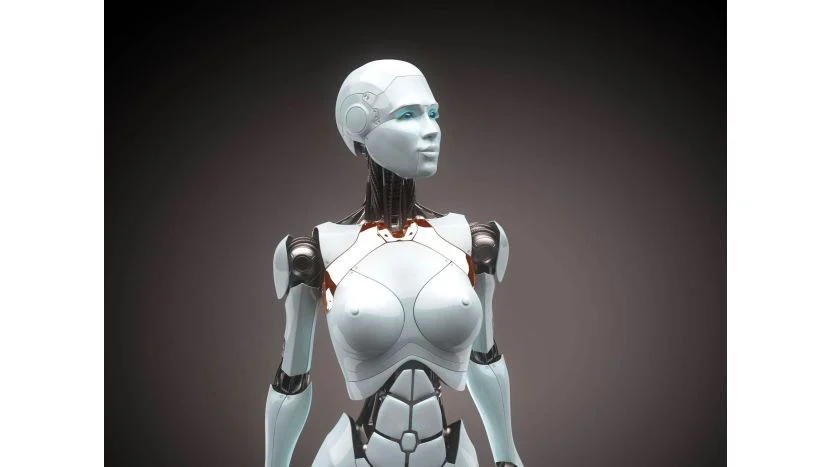
The Limitations of AI: Where Human Intelligence Still Reigns Supreme
Furthermore, AI is limited in its ability to understand and interpret context and nuance. While machines can analyze language and recognize patterns, they struggle with understanding the complexities of human communication. This can lead to errors in translation, sentiment analysis, and other language-based tasks.
Despite these limitations, AI continues to advance and improve, and there are certainly areas where it outperforms human intelligence. However, it is important to recognize and understand the areas where human intelligence is still essential. As AI continues to be integrated into various industries, it is crucial to prioritize the collaboration between humans and machines, utilizing the strengths of each to achieve the best possible outcomes.
A recent current event that highlights the limitations of AI is the controversy surrounding the use of facial recognition technology by law enforcement agencies. While this technology has been touted as a way to improve public safety, it has also raised concerns about privacy and potential biases. A study conducted by the National Institute of Standards and Technology found that facial recognition algorithms are less accurate when identifying people of color and women, highlighting the limitations and potential biases of AI.
In this case, human intelligence is necessary to evaluate and address these issues, such as implementing regulations and ensuring ethical use of the technology. This further emphasizes the importance of human involvement in decision-making processes involving AI.
In conclusion, while AI has made significant advancements and has greatly impacted various industries, there are still limitations to its capabilities. Human intelligence, with its emotional intelligence, creativity, adaptability, moral and ethical considerations, and understanding of context and nuance, is still essential in certain areas. As we continue to integrate AI into our lives, it is crucial to recognize and utilize the strengths of both humans and machines to achieve the best possible outcomes.
Summary:
AI has made significant advancements and has greatly impacted various industries, but there are still limitations to its capabilities. These include its inability to replicate human emotions and empathy, lack of creativity and imagination, and limitations in adapting to new and unexpected situations. Additionally, human intelligence is necessary for moral and ethical decision-making, understanding context and nuances, and addressing potential biases in AI. The recent controversy surrounding the use of facial recognition technology by law enforcement agencies highlights the limitations and potential biases of AI and emphasizes the importance of human involvement in decision-making processes.