Tag: medical imaging

  • AI and Healthcare: How Passionate Developers are Improving Lives

    AI and Healthcare: How Passionate Developers are Improving Lives

    Artificial intelligence (AI) has been a hot topic in recent years, with its potential to revolutionize industries and improve our daily lives. One area where AI has shown great promise is in healthcare. By leveraging the power of AI, developers have been able to create innovative solutions that are improving the lives of patients and healthcare professionals alike. In this blog post, we will explore the role of AI in healthcare and how passionate developers are making a positive impact in this field.

    The Role of AI in Healthcare

    The healthcare industry is constantly facing challenges such as rising costs, an aging population, and a shortage of healthcare professionals. These challenges have made it difficult for healthcare systems to keep up with the growing demand for quality care. This is where AI comes in. By automating tasks that were previously done manually, AI has the potential to increase efficiency, reduce costs, and improve overall patient outcomes.

    One of the main applications of AI in healthcare is in medical imaging. AI-powered image recognition algorithms can analyze medical images such as X-rays, MRI scans, and CT scans, and assist in the detection of diseases and abnormalities. This technology has shown great promise in improving the accuracy and speed of diagnoses, allowing doctors to make more informed decisions and provide better care for their patients.

    Another important area where AI is making an impact is in patient monitoring. With the help of wearable devices and sensors, AI-powered systems can continuously collect and analyze patient data, providing real-time insights into their health. This allows healthcare professionals to detect and address potential issues before they escalate, leading to better outcomes for patients.

    Passionate Developers Making a Difference

    robotic woman with glowing blue circuitry, set in a futuristic corridor with neon accents

    AI and Healthcare: How Passionate Developers are Improving Lives

    Behind every successful AI-powered solution in healthcare, there are passionate and dedicated developers working tirelessly to make a difference. These developers come from diverse backgrounds, including computer science, engineering, and healthcare, and they share a common goal of using technology to improve people’s lives.

    One such developer is Dr. Fei-Fei Li, a renowned computer scientist and the founder of AI4ALL, a nonprofit organization that aims to increase diversity and inclusion in the field of AI. Dr. Li has been a pioneer in using AI for healthcare, and her work has helped advance the field by leaps and bounds. She believes that AI has the potential to make healthcare more personalized, accessible, and affordable for all.

    Another passionate developer making waves in the healthcare industry is Dr. Eric Topol, a cardiologist and the founder of the Scripps Research Translational Institute. Dr. Topol has been a vocal advocate for the use of AI in healthcare and has been at the forefront of integrating AI into his practice. He envisions a future where AI will be able to predict and prevent diseases, ultimately leading to a healthier population.

    Current Event: AI-powered COVID-19 Screening

    The current COVID-19 pandemic has further highlighted the importance of AI in healthcare. With the rapid spread of the virus, healthcare systems around the world have been overwhelmed, making it difficult to provide timely and accurate diagnoses. To address this challenge, a team of developers from the University of Cambridge has developed an AI-powered COVID-19 screening tool.

    The tool, called “COVID-Net,” uses AI algorithms to analyze chest X-rays and CT scans and detect signs of COVID-19. This technology has shown promising results, with a high accuracy rate of over 90%. By automating the diagnosis process, this tool can help healthcare professionals make faster and more accurate diagnoses, ultimately leading to better outcomes for patients.

    Summary

    In summary, the use of AI in healthcare is transforming the industry and improving the lives of patients and healthcare professionals. By automating tasks and providing real-time insights, AI has the potential to increase efficiency, reduce costs, and improve patient outcomes. Behind these innovative solutions are passionate developers who are dedicated to using their skills to make a positive impact in the world. With the recent development of AI-powered COVID-19 screening tools, the potential of AI in healthcare is more evident than ever, and we can only expect further advancements in the future.

  • AI Infatuation in Healthcare: Revolutionizing Patient Care

    AI Infatuation in Healthcare: Revolutionizing Patient Care

    AI (Artificial Intelligence) has been a buzzword in the healthcare industry for a few years now, and for good reason. This rapidly advancing technology has the potential to revolutionize patient care by improving efficiency, accuracy, and overall outcomes. From diagnosing diseases to predicting potential health issues, AI is playing a crucial role in healthcare, and its infatuation is only growing stronger.

    In this blog post, we will explore the current state of AI in healthcare, its potential impact on patient care, and a recent event showcasing the use of AI in healthcare.

    The Current State of AI in Healthcare

    AI is not a new concept in healthcare. In fact, it has been making its way into the industry for decades, with early applications in medical imaging and diagnostics. However, recent advancements in AI technology, such as machine learning and natural language processing, have enabled it to perform more complex tasks and analyze vast amounts of data at a much faster rate than humans.

    One of the most significant areas of AI application in healthcare is in medical imaging. With the help of deep learning algorithms, AI can analyze medical images, such as MRI scans and X-rays, to detect abnormalities and diagnose diseases. This technology has shown great promise in detecting diseases like cancer, where early detection is crucial for successful treatment.

    AI is also being used in clinical decision-making, where it can analyze electronic health records and patient data to assist doctors in making accurate diagnoses and treatment plans. This not only saves time for healthcare professionals but also reduces the risk of human error and improves patient outcomes.

    Potential Impact of AI on Patient Care

    The potential impact of AI on patient care is immense. With its ability to analyze vast amounts of data and make accurate predictions, AI has the power to revolutionize how diseases are diagnosed and treated. Here are just a few ways AI is transforming patient care:

    1. Early Detection of Diseases: As mentioned earlier, AI is capable of analyzing medical images and detecting abnormalities that may not be visible to the human eye. This can lead to early detection of diseases and ultimately save lives.

    a humanoid robot with visible circuitry, posed on a reflective surface against a black background

    AI Infatuation in Healthcare: Revolutionizing Patient Care

    2. Personalized Treatment Plans: With the help of AI, doctors can analyze a patient’s medical history, genetic data, and other personal factors to create personalized treatment plans. This not only improves the efficacy of treatment but also reduces the risk of adverse reactions.

    3. Predictive Analytics: AI can analyze large amounts of data to predict potential health issues in patients. This can help healthcare professionals take preventive measures and intervene before a condition becomes severe.

    4. Improved Efficiency: By automating tasks like data analysis and record-keeping, AI can free up healthcare professionals’ time, allowing them to focus on more critical and complex tasks. This can lead to improved efficiency and reduced wait times for patients.

    5. Cost Savings: By improving efficiency and accuracy, AI has the potential to reduce healthcare costs. This can make healthcare more accessible and affordable for patients, ultimately improving overall healthcare outcomes.

    Recent Event: AI Detecting Alzheimer’s Disease

    A recent event that showcases the power of AI in healthcare is the development of an AI algorithm that can detect Alzheimer’s disease with 99% accuracy. Developed by researchers at the University of California, Berkeley, this algorithm uses MRI scans to identify changes in brain structure that are associated with Alzheimer’s disease.

    This AI algorithm has the potential to detect Alzheimer’s disease years before symptoms appear, allowing for early intervention and treatment. This could greatly improve outcomes for patients with this degenerative disease and potentially lead to a cure in the future.

    Summary

    In conclusion, AI is infatuating the healthcare industry, and for good reason. Its potential to revolutionize patient care is immense, from early detection of diseases to personalized treatment plans and predictive analytics. Recent advancements and developments, such as the AI algorithm for detecting Alzheimer’s disease, have showcased the power of AI in healthcare and the endless possibilities it holds for improving patient outcomes.

    With ongoing research and advancements in AI technology, we can expect to see even more significant changes and improvements in patient care in the future. The infatuation with AI in healthcare is here to stay, and it is undoubtedly changing the way we approach healthcare for the better.

    Current Event Source: https://news.berkeley.edu/2021/04/05/artificial-intelligence-algorithm-detects-alzheimers-disease-years-before-symptoms-appear/

  • AI in Healthcare: A Fascination with Life-Saving Potential

    Blog Post Title: AI in Healthcare: A Fascination with Life-Saving Potential

    As technology continues to advance at an unprecedented pace, one of its most promising applications is in the field of healthcare. Artificial Intelligence (AI) has the potential to revolutionize the way we approach healthcare, with its ability to analyze vast amounts of data and make accurate predictions. While still in its early stages, AI has already shown great potential in saving lives and improving patient outcomes. In this blog post, we will explore the fascinating world of AI in healthcare and its life-saving potential.

    AI has been making its way into healthcare for a few years now, but it was not until the COVID-19 pandemic that its importance truly came into the spotlight. With the rapid spread of the virus, healthcare systems around the world were overwhelmed, and the need for efficient and accurate decision-making became more critical than ever. AI stepped in to fill this gap, with its ability to process large amounts of data and provide real-time insights. From predicting the spread of the virus to identifying potential treatments, AI played a crucial role in the fight against COVID-19.

    But the potential of AI in healthcare goes far beyond just pandemic response. One of the most significant advantages of AI is its ability to analyze large datasets and identify patterns that humans may not be able to detect. This makes it a valuable tool for early diagnosis and treatment of diseases. For example, AI-powered algorithms have shown great success in detecting early signs of diseases like breast cancer and skin cancer, leading to better treatment outcomes for patients.

    Another area where AI has shown great potential is in personalized medicine. With the help of AI, doctors can now analyze a patient’s genetic makeup, medical history, and lifestyle habits to create personalized treatment plans. This not only leads to better outcomes but also reduces the risk of adverse reactions to medications. In a recent study, AI was able to identify a new combination of drugs that could potentially treat a rare form of childhood cancer, showing the potential of personalized medicine in saving lives.

    AI is also making waves in the field of medical imaging. By analyzing medical images such as X-rays, CT scans, and MRIs, AI can quickly and accurately detect abnormalities, helping doctors make more accurate diagnoses. This not only saves time but can also lead to early detection and treatment of diseases, ultimately saving lives.

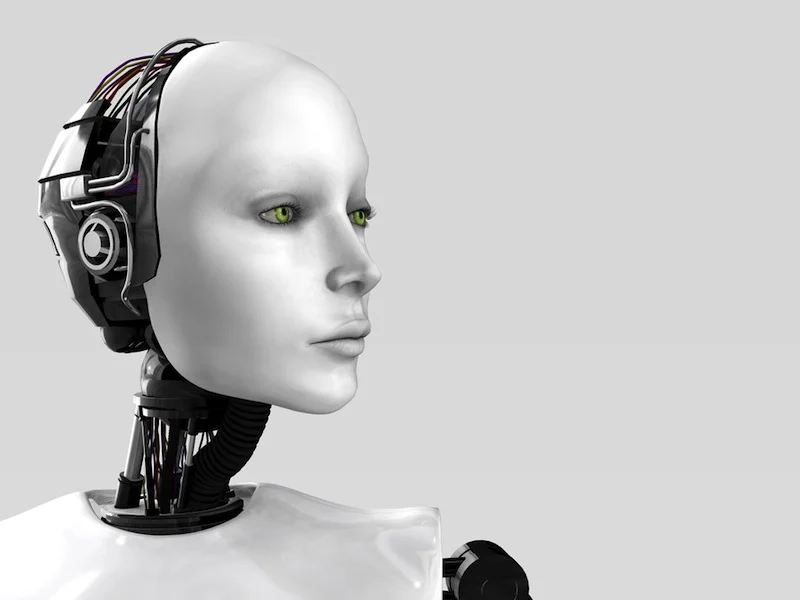
    robotic female head with green eyes and intricate circuitry on a gray background

    AI in Healthcare: A Fascination with Life-Saving Potential

    Apart from diagnosis and treatment, AI is also being used to improve the overall patient experience. Chatbots powered by AI can assist patients in scheduling appointments, answering basic medical questions, and even reminding them to take their medications. This not only saves time for healthcare professionals but also makes healthcare more accessible and convenient for patients.

    However, the use of AI in healthcare also raises concerns about patient privacy and the potential for biased decision-making. As AI systems rely on data to make predictions, there is a risk of perpetuating existing biases and discriminations in healthcare. To address this issue, it is essential to ensure that the data used to train AI systems is diverse and representative of the population.

    Despite these challenges, the potential of AI in healthcare is undeniable. With its ability to process vast amounts of data, make accurate predictions, and improve patient outcomes, AI has the power to save countless lives. As technology continues to evolve, the possibilities for AI in healthcare are endless, and we can only imagine the breakthroughs that will be made in the coming years.

    Current Event:

    In a recent development, AI has been used to analyze data from electronic health records to predict the risk of developing chronic kidney disease (CKD). Researchers from the University of California, San Francisco, developed an AI algorithm that can analyze a patient’s medical history, lab results, medications, and other factors to accurately predict their risk of developing CKD. This breakthrough could help doctors identify high-risk patients and intervene early, potentially preventing the progression of the disease. (Source: https://www.healthcareitnews.com/news/ai-predicts-chronic-kidney-disease-patients-data-pulled-electronic-health-records)

    Summary:

    AI in healthcare has the potential to revolutionize the way we approach healthcare, with its ability to analyze vast amounts of data and make accurate predictions. From helping in pandemic response to early diagnosis and personalized medicine, AI has already shown great potential in saving lives and improving patient outcomes. However, concerns about patient privacy and biased decision-making must be addressed. In a recent development, AI has been used to predict the risk of developing chronic kidney disease, showcasing its life-saving potential.

  • From Sci-Fi to Reality: The Fascinating Evolution of AI

    From Sci-Fi to Reality: The Fascinating Evolution of AI

    Artificial Intelligence (AI) has been a popular and intriguing concept in science fiction for decades. From robots with human-like intelligence to self-aware computers, AI has captured our imaginations and pushed the boundaries of what we thought was possible. But as technology has advanced, AI has gone from a fictional concept to a real-life phenomenon. In this blog post, we will explore the fascinating evolution of AI, from its roots in science fiction to its current state in reality.

    The Rise of AI in Science Fiction

    AI has been a recurring theme in science fiction since the early 20th century. One of the earliest examples of AI in literature is the character of Maria in Fritz Lang’s 1927 film, “Metropolis.” Maria is a robot created by the mad scientist Rotwang, who uses her to manipulate the working class in his dystopian city. She is a symbol of the dangers of AI and the potential for it to be used for nefarious purposes.

    In the 1950s, science fiction writer Isaac Asimov introduced the concept of the Three Laws of Robotics in his book “I, Robot.” These laws dictated that robots must obey orders from humans, protect their own existence, and not harm humans. Asimov’s stories explored the ethical implications of AI and the potential conflicts between humans and intelligent machines.

    In the 1960s, the Star Trek franchise popularized the idea of artificial intelligence through characters like Data, an android crew member on the USS Enterprise. Data’s struggle to understand human emotions and his quest to become more human was a recurring theme throughout the series and its subsequent films.

    In the 1980s, the film “Blade Runner” provided a darker take on AI, with the creation of replicants – genetically engineered beings with superior strength and intelligence. The film raised questions about what it means to be human and the potential consequences of creating beings with advanced AI.

    The Evolution of AI in Reality

    While AI was still a distant concept in science fiction, researchers and scientists were already making significant strides in developing real-life artificial intelligence. In 1956, the term “artificial intelligence” was coined by computer scientist John McCarthy at a conference at Dartmouth College. This marked the beginning of AI as a formal field of study.

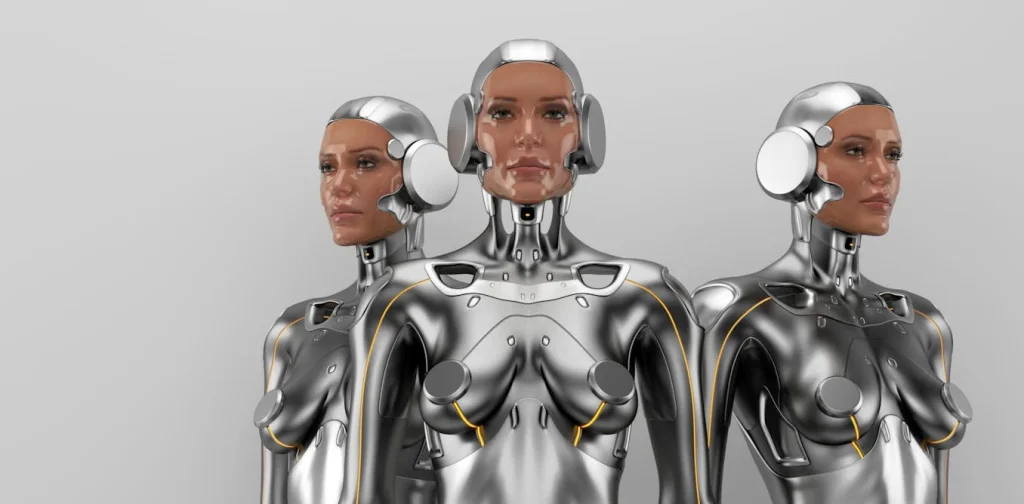
    three humanoid robots with metallic bodies and realistic facial features, set against a plain background

    From Sci-Fi to Reality: The Fascinating Evolution of AI

    One of the earliest successes in AI was the creation of ELIZA, a computer program designed to simulate a conversation with a psychotherapist. Developed in the 1960s by Joseph Weizenbaum, ELIZA used simple pattern matching and scripted responses to simulate human conversation. While it was not truly intelligent, it sparked interest in the potential of AI to mimic human behavior.

    In the 1980s and 1990s, AI technology made significant advancements with the development of expert systems and neural networks. Expert systems were designed to mimic the decision-making processes of human experts in specific fields, while neural networks were modeled after the structure and function of the human brain.

    In the 21st century, AI technology has continued to advance at an exponential rate. With the rise of big data and machine learning, AI is now able to process and analyze vast amounts of information to make predictions and decisions. This has led to the development of AI-powered technologies such as virtual assistants, self-driving cars, and facial recognition software.

    Current Events: AI in the Real World

    AI is no longer just a concept in science fiction – it is now a part of our daily lives. From the smartphones in our pockets to the cars we drive, AI is all around us. One of the most recent and exciting developments in AI is the use of deep learning in medical imaging.

    Deep learning is a subset of machine learning that uses artificial neural networks to analyze and interpret data. In medical imaging, deep learning algorithms are being used to assist doctors in diagnosing and treating diseases. For example, a recent study published in the journal Nature showed that an AI system was able to detect breast cancer in mammograms with a similar level of accuracy to human radiologists. This has the potential to greatly improve the speed and accuracy of medical diagnoses, ultimately saving lives.

    Summary

    AI has come a long way from its origins in science fiction to its current state in reality. While it may not yet have reached the level of intelligence depicted in movies and books, AI has made significant advancements in the fields of technology, healthcare, and more. From the Three Laws of Robotics to deep learning in medical imaging, the evolution of AI is a testament to human innovation and our endless curiosity.

    Current Event Source Reference: https://www.nature.com/articles/s41586-019-1799-6

  • The Future of Healthcare: How Techno-Tantalization is Transforming Medical Treatment

    **Current Event: In a recent study published in the Journal of the American Medical Association, researchers found that the use of artificial intelligence (AI) in diagnosing breast cancer was found to be as accurate as human doctors. This breakthrough has the potential to revolutionize cancer diagnosis and treatment. Source: https://www.npr.org/sections/health-shots/2020/01/02/793757205/a-i-can-often-spot-breast-cancers-missed-on-mammograms**

    The Future of Healthcare: How Techno-Tantalization is Transforming Medical Treatment

    The healthcare industry has always been at the forefront of technological advancements. From the discovery of penicillin to the invention of the MRI, technology has continuously revolutionized the way we diagnose and treat medical conditions. However, with the rapid pace of technological advancements in recent years, the future of healthcare is looking more exciting and promising than ever before. The integration of technology into medical treatment, also known as techno-tantalization, has the potential to completely transform the way we approach healthcare.

    One of the most significant changes that technology has brought to the healthcare industry is the digitization of medical records. Gone are the days of paper charts and handwritten prescriptions. Electronic health records (EHRs) have made it easier for healthcare professionals to access and share patient information, leading to improved communication and coordination among healthcare teams. This streamlining of information has also reduced the risk of medical errors, making patient care safer and more efficient.

    Another area where technology has made a significant impact is in medical imaging. Traditional X-rays and CT scans are now being replaced by more advanced imaging techniques such as MRI and PET scans. These technologies provide more detailed and accurate images, allowing doctors to diagnose and treat medical conditions more effectively. Furthermore, the development of 3D printing technology has allowed for the creation of customized medical devices and implants, reducing the risk of complications and improving patient outcomes.

    But perhaps the most exciting aspect of techno-tantalization in healthcare is the use of artificial intelligence (AI). The ability of machines to learn and make decisions based on data has opened up a world of possibilities in the medical field. AI has already shown great potential in areas such as medical imaging, drug discovery, and patient monitoring. In fact, a recent study published in the Journal of the American Medical Association found that AI was able to accurately diagnose breast cancer in mammograms as well as human doctors. This breakthrough has the potential to revolutionize cancer diagnosis and treatment, saving countless lives in the process.

    A woman embraces a humanoid robot while lying on a bed, creating an intimate scene.

    The Future of Healthcare: How Techno-Tantalization is Transforming Medical Treatment

    The use of telemedicine has also been on the rise in recent years. With the advancements in communication technology, doctors can now provide virtual consultations and even perform remote surgeries. This is especially beneficial for patients in remote or rural areas who may not have easy access to healthcare facilities. Telemedicine also allows for more efficient use of resources and reduces the burden on healthcare systems.

    In addition to improving patient care, technology has also made the healthcare system more accessible and convenient for patients. With the rise of health apps and wearable devices, individuals can now monitor their health and track their fitness levels easily. These apps also allow patients to communicate with their doctors and access their medical records from the comfort of their own homes. This not only saves time and money but also promotes a more proactive approach to healthcare.

    However, as with any technological advancement, there are also concerns about the potential drawbacks of techno-tantalization in healthcare. One of the main concerns is the loss of the human touch in medicine. With the increasing use of technology, patients may feel less connected to their doctors and may miss the personal interaction that comes with face-to-face consultations. Another concern is the cost of implementing and maintaining these technologies, which may further widen the gap between those who can afford quality healthcare and those who cannot.

    In conclusion, the future of healthcare looks promising and full of possibilities with the integration of technology. From enhanced medical imaging to the use of AI in diagnosis and treatment, technology has the potential to improve patient outcomes and make healthcare more accessible and convenient. However, it is essential to balance the benefits of technology with the human element of healthcare to ensure that patients receive the best possible care. As technology continues to evolve, the future of healthcare is sure to bring even more advancements and innovations that will transform the way we approach medical treatment.

    Summary:

    Technology has been continuously revolutionizing the healthcare industry. From digitization of medical records to advanced medical imaging techniques, technology has improved patient care and made healthcare more efficient. The integration of AI has shown great potential in areas such as medical imaging and diagnosis, and recent studies have found that it may be as accurate as human doctors in detecting breast cancer. Telemedicine and health apps have also made healthcare more accessible and convenient for patients. However, there are concerns about the loss of human touch and the cost of implementing these technologies. The future of healthcare is looking promising, but it is essential to balance the benefits of technology with the human element to provide the best possible care for patients.