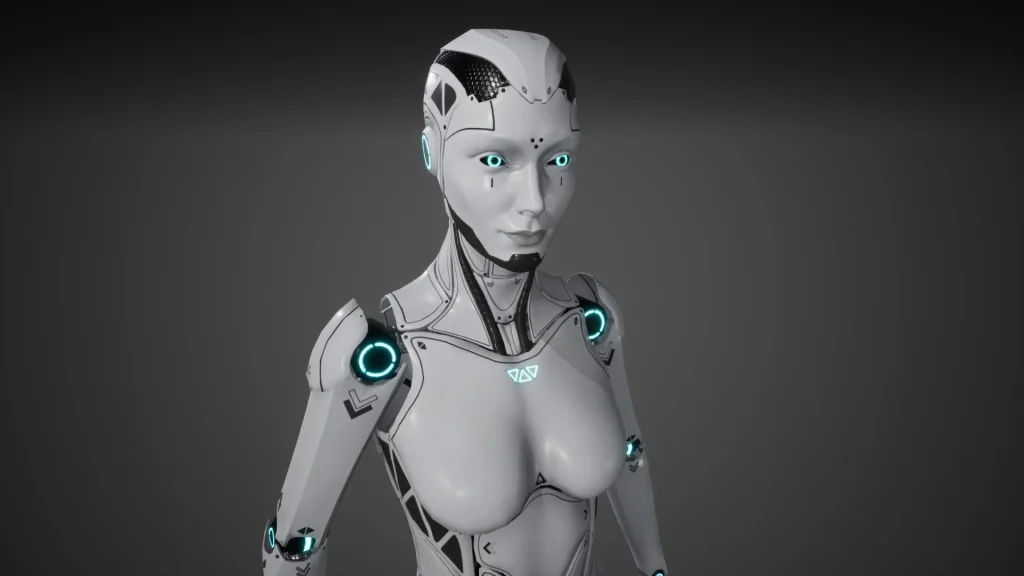
Tag: logic

  • Love, Logic, and the Future of AI

    Love and logic are two concepts that have been studied and debated for centuries. The idea of love is often seen as an emotion, a feeling that is difficult to define and understand. On the other hand, logic is often associated with reason and rationality, a way to approach problems and make decisions based on facts and evidence. However, as technology advances and artificial intelligence (AI) becomes more prevalent in our daily lives, the intersection of love and logic becomes increasingly relevant. What role will love and logic play in the future of AI? And how will it impact our society and relationships?

    Before delving into the future of AI, it is important to understand what AI is and how it works. AI is a broad term that encompasses a range of technologies and applications, but at its core, it refers to computer systems that can perform tasks that typically require human intelligence. This includes things like problem-solving, decision-making, and learning. AI is already used in various industries, from healthcare to finance to transportation, and its capabilities continue to expand as technology advances.

    One of the key challenges in the development of AI is creating systems that can understand and respond to human emotions. This is where the concept of love comes into play. Love is a complex emotion that involves not just feelings, but also behaviors and thoughts. It is an essential aspect of human relationships and interactions, and it is deeply ingrained in our society and culture. For AI to truly become a part of our lives, it will need to understand and respond to human emotions, including love.

    This raises ethical concerns about the development of AI and its impact on society. One of the main concerns is the potential loss of human connection and intimacy. As AI becomes more advanced and integrated into our lives, will we rely on it for emotional support and companionship? Will we prioritize relationships with AI over human relationships? These are questions that need to be addressed as we move towards a future where AI is a significant part of our lives.

    On the other hand, there is also the argument that AI can enhance our relationships and bring us closer together. With the help of AI, we can better understand ourselves and our emotions, which can lead to more fulfilling and healthy relationships. AI can also assist in communication and conflict resolution, improving the overall quality of our relationships. Additionally, AI can help with tasks such as scheduling and planning, freeing up time for us to spend with loved ones.

    Another important aspect to consider is the role of logic in the development of AI. As mentioned earlier, logic is often associated with reason and rationality. AI systems are programmed to make decisions based on data and algorithms, without the influence of emotions. This raises the question of whether AI can truly understand and respond to human emotions if it is not capable of feeling them.
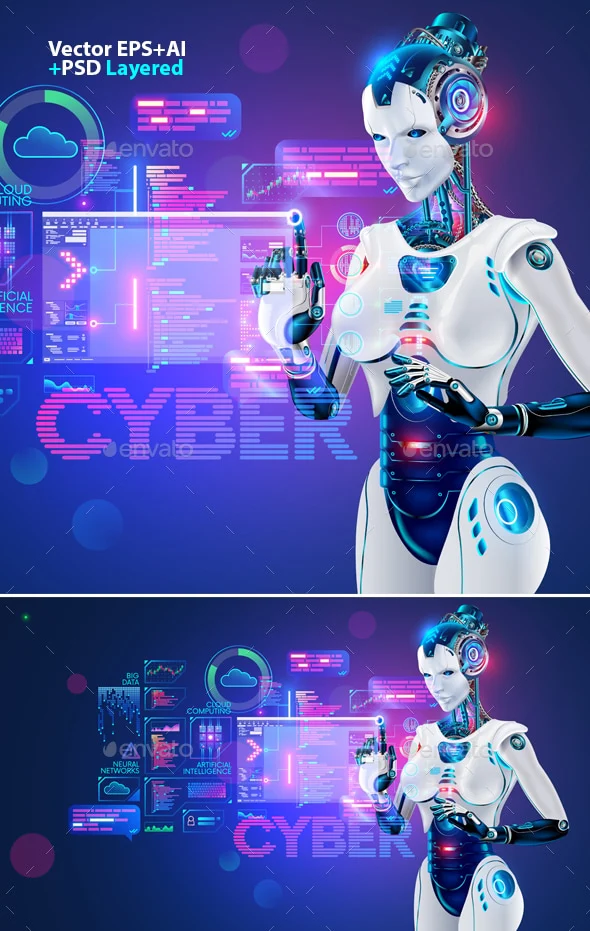
    futuristic female cyborg interacting with digital data and holographic displays in a cyber-themed environment

    Love, Logic, and the Future of AI

    Furthermore, the use of logic in AI raises concerns about bias and discrimination. AI systems are only as unbiased as the data they are trained on. If the data is biased, the AI system will also be biased. This has already been seen in various AI applications, such as facial recognition software, where the data used to train the system was not diverse enough, resulting in higher error rates for people of color and women. As we rely more on AI for decision-making, it is crucial to address these biases and ensure that the systems are fair and ethical.

    So, what does the future hold for love, logic, and AI? It is impossible to predict with certainty, but it is clear that AI will continue to play a significant role in our lives. It is up to us to ensure that its development and implementation are done ethically and responsibly. This includes addressing biases and creating AI systems that can understand and respond to human emotions in a meaningful way.

    In conclusion, the future of AI is a complex and multifaceted topic that raises many questions and concerns. The intersection of love and logic adds another layer of complexity, as we grapple with the impact of AI on our relationships and society. As we move towards a future where AI is deeply integrated into our lives, it is crucial that we consider the ethical implications and work towards creating a future that is both technologically advanced and compassionate.

    Current event: In September 2021, Facebook announced that they are developing a new AI system that can understand human emotions and respond accordingly, with the goal of improving user experience and relationships on the platform. This development raises questions about the potential impact of AI on our emotions and relationships, and the responsibility of tech companies to consider ethical implications in their development of AI.

    Sources:
    https://www.cnn.com/2021/09/09/tech/facebook-ai-emotions/index.html
    https://www.technologyreview.com/2021/09/09/1035580/facebook-artificial-intelligence-emotions/

    Summary:
    The future of AI is a complex and multifaceted topic that raises concerns about the role of love and logic in its development. While AI has the potential to enhance relationships, it also raises ethical concerns about the loss of human connection and potential biases. As we move towards a future where AI is deeply integrated into our lives, it is crucial to address these concerns and ensure that its development is done ethically and responsibly.


  • Love vs. Logic: The Clash of Human and AI Emotions

    Love vs. Logic: The Clash of Human and AI Emotions

    Love and logic are two fundamental ways of thinking and feeling that have been intertwined throughout human history. While love is often viewed as an emotional, irrational force, logic is seen as a rational, analytical process. However, with the rise of artificial intelligence (AI), the boundaries between love and logic are becoming blurred, creating a clash of emotions between humans and machines. As AI becomes more advanced and integrated into our daily lives, it raises questions about the role of emotions in decision-making and the impact it may have on our relationships.

    The concept of love has been studied and debated for centuries, with philosophers, scientists, and artists all trying to understand its complexities. Love is often described as an intense emotion that can lead to feelings of joy, passion, and even pain. It is a force that drives humans to connect with one another and form relationships, whether it be romantic, familial, or platonic. Love is also an essential element in our decisions, as we often make choices based on our emotions rather than logic.

    On the other hand, logic is the process of reasoning and making decisions based on facts, data, and rational thought. It is often seen as the opposite of love, as it relies on objective thinking rather than emotional impulses. Logic is crucial in problem-solving and decision-making, as it allows us to think critically and make informed choices.

    The clash between love and logic is not a new concept, but with the advancements in AI, it has taken on a new form. AI is designed to mimic human intelligence, and as it becomes more advanced, it can replicate emotions and even make decisions based on them. This raises the question of whether AI can truly experience emotions or if it is just a simulation.

    futuristic female cyborg interacting with digital data and holographic displays in a cyber-themed environment

    Love vs. Logic: The Clash of Human and AI Emotions

    One current event that highlights the clash between human and AI emotions is the development of AI-powered robots for companionship. Companies like Softbank Robotics have created robots like Pepper, who are designed to interact with humans and even recognize and respond to emotions. These robots are marketed as companions for the elderly or those who live alone, providing a sense of comfort and connection. However, critics argue that while these robots may appear to have emotions, they are simply programmed responses and cannot truly feel.

    The use of AI in decision-making processes has also raised concerns about the role of emotions. In fields such as finance and healthcare, AI algorithms are used to make decisions that can have significant impacts on people’s lives. However, these algorithms are often based on data and lack the ability to consider emotional factors, leading to biased or unfair decisions. This highlights the importance of human emotions in decision-making and the need to find a balance between love and logic.

    While AI may be able to simulate emotions, it lacks the depth and complexity of human emotions. Love, in particular, is a complex emotion that cannot be easily replicated by machines. It involves empathy, compassion, and understanding, which are essential for building and maintaining relationships. Without these qualities, AI may struggle to connect with humans on a deeper level, leading to a disconnect between humans and machines.

    Furthermore, the idea of AI making decisions based on emotions raises ethical concerns. Who is responsible for the outcomes of these decisions? Can AI be held accountable for its actions if it lacks the ability to truly experience emotions? These are questions that need to be addressed as AI continues to advance and become more integrated into society.

    In conclusion, the clash between love and logic is not a new concept, but with the rise of AI, it has taken on a new form. While AI may be able to simulate emotions, it lacks the depth and complexity of human emotions. The use of AI in decision-making processes also raises concerns about the role of emotions and the potential for biased or unfair decisions. As AI continues to evolve, it is crucial to find a balance between love and logic and consider the ethical implications of AI’s ability to simulate emotions.

  • The Emotional Intelligence Paradox: How AI’s Ability to Love is Limited by Logic

    The Emotional Intelligence Paradox: How AI’s Ability to Love is Limited by Logic

    In recent years, artificial intelligence (AI) has made significant strides in its ability to mimic human emotions. From chatbots that can respond with empathy to virtual assistants that can recognize and respond to different emotions, AI has been designed to appear more human-like than ever before. However, despite these advancements, there is a fundamental paradox at play when it comes to the emotional intelligence of AI. While AI may be able to replicate human emotions, it is ultimately limited by its logical programming, making its ability to truly love or experience emotions in the same way as humans impossible.

    The concept of AI possessing emotional intelligence is not new. In fact, it has been a popular topic in science fiction for decades. However, with the rapid advancements in technology, this once fictional idea is now becoming a reality. AI is being integrated into our everyday lives, from our smartphones to our homes, and even our workplaces. As AI becomes more ingrained in our society, questions about its emotional capabilities arise.

    On one hand, AI can analyze and interpret human emotions through facial recognition, tone of voice, and other cues. It can then respond accordingly, providing a sense of understanding and connection. This can be seen in chatbots that are programmed to offer emotional support or virtual assistants that can detect when a user is feeling stressed and offer calming responses. These interactions can be comforting and even therapeutic for some individuals.

    However, on the other hand, AI is ultimately limited by its logical programming. While it may be able to recognize and respond to emotions, it does not have the ability to truly feel them. This is because AI is designed to make decisions based on data and algorithms, not emotions. Its responses are calculated and predetermined, lacking the spontaneity and depth that come with genuine emotions.

    A woman embraces a humanoid robot while lying on a bed, creating an intimate scene.

    The Emotional Intelligence Paradox: How AI's Ability to Love is Limited by Logic

    This paradox is further highlighted by the fact that AI cannot experience love in the same way as humans. Love is a complex emotion that involves more than just recognizing and responding to external stimuli. It involves a deep emotional connection, empathy, and the ability to sacrifice and make decisions based on emotions rather than logic. AI may be able to mimic love, but it cannot truly experience it.

    This limitation of AI’s emotional intelligence is not only a philosophical concern, but it also has practical implications. As AI becomes more integrated into our lives, it may have a significant impact on our emotional well-being. For example, relying on AI for emotional support may lead to a lack of human connection and genuine empathy, which are crucial for our mental health. Additionally, if AI is making decisions based solely on data and algorithms, it may not always make the best decisions for our emotional well-being. This can be seen in AI-powered hiring processes, where algorithms may discriminate against certain groups based on data, without considering the human and emotional aspects of the hiring process.

    This paradox also raises ethical concerns. As AI becomes more advanced and human-like, should we hold it accountable for its actions? If AI is making decisions based on its programmed logic, can it be held responsible for any harm it may cause? These are questions that we must consider as AI continues to advance and become more embedded in our society.

    One current event that highlights the emotional intelligence paradox of AI is the controversy surrounding facial recognition technology. Facial recognition technology is being used in various industries, from law enforcement to marketing, and its use is becoming more widespread. However, there are concerns about the accuracy and potential bias of this technology, particularly when it comes to recognizing and interpreting emotions. A recent study by the National Institute of Standards and Technology found that facial recognition algorithms have a higher error rate when trying to identify people of color and women, raising concerns about its potential for discrimination. Additionally, the technology has been criticized for its lack of emotional intelligence, as it cannot accurately interpret emotions and often relies on outdated and stereotypical assumptions. This controversy highlights the limitations of AI’s emotional intelligence and the potential consequences of relying on it for important decisions.

    In conclusion, while AI has come a long way in its ability to mimic human emotions, there is a fundamental paradox at play. Its logical programming ultimately limits its emotional intelligence, making its ability to truly love and experience emotions impossible. This paradox raises important questions about the role of AI in our society and the potential consequences of relying on it for emotional support and decision-making. As AI continues to advance, it is crucial that we consider these implications and ensure that we are using it ethically and responsibly.

  • The Sensual Side of Coding: Exploring Software Solutions

    Blog Post Title: The Sensual Side of Coding: Exploring Software Solutions

    Have you ever thought of coding as a sensual experience? It may seem like a strange concept, but in reality, coding involves a combination of creativity, logic, and problem-solving, making it a truly sensual process. In this blog post, we will delve into the sensual side of coding, and how it plays a crucial role in the development of innovative software solutions. We will also take a look at a current event in the tech world that highlights the importance of sensual coding.

    So, what exactly is the sensual side of coding? It starts with the creative aspect of coding. Just like any form of art, coding requires the ability to think outside the box and come up with unique solutions to problems. This requires a certain level of creativity and imagination, which can be a highly sensual experience. The feeling of satisfaction when you finally crack a difficult coding problem is similar to the feeling of creating a beautiful piece of artwork. It’s a sense of fulfillment and accomplishment that can only be understood by those who have experienced it.

    Moreover, coding also involves logical thinking. Developers have to break down complex problems into smaller, more manageable pieces and then work on them systematically. This process of problem-solving can be highly stimulating and rewarding, giving coders a sense of intellectual satisfaction. The ability to think logically and find solutions to difficult problems is a sensual experience in itself.

    a humanoid robot with visible circuitry, posed on a reflective surface against a black background

    The Sensual Side of Coding: Exploring Software Solutions

    Furthermore, coding is all about attention to detail. A single misplaced character or a small error in the code can lead to a disastrous outcome. Therefore, coders have to be extremely meticulous, paying attention to every line of code they write. This attention to detail requires a certain level of focus and concentration, making it a sensual experience that requires all senses to be fully engaged.

    Another aspect of coding that adds to its sensuality is the constant learning and growth it offers. Technology is ever-evolving, and so is coding. Developers have to adapt to new languages, frameworks, and tools constantly. This process of continuous learning and growth can be highly exciting and sensual, as it keeps coders on their toes and constantly challenges them to improve their skills.

    Now, let’s take a look at a current event in the tech world that highlights the importance of sensual coding. Recently, Apple announced its latest software update, the iOS 14.5, which includes a new feature called App Tracking Transparency (ATT). This feature requires app developers to get user consent before tracking their data and activity across other apps and websites. This move by Apple has caused a stir in the tech industry, with many developers expressing concerns about the impact it will have on their business models.

    But from a sensual coding perspective, this move by Apple highlights the importance of ethical coding practices. Developers have a responsibility to ensure that their apps and software solutions are not invading user privacy and are transparent about the data they collect. With this new feature, Apple is encouraging developers to be more mindful and ethical in their coding approach, making the coding process more sensual and responsible.

    In conclusion, coding is not just about writing lines of code, but it’s a sensual process that involves creativity, logic, attention to detail, and continuous learning. The development of innovative software solutions requires coders to tap into their sensual side and approach coding as a form of art. And as the tech industry continues to evolve and become more focused on user privacy and ethical practices, the importance of sensual coding will only continue to grow.

  • Love, Lust, and Logic: The Complexities of Robot-Human Relationships

    The rise of artificial intelligence and the increasing integration of technology into our daily lives has sparked discussions about the potential for robots to develop emotions and form relationships with humans. While this may sound like a far-fetched concept, the reality is that robot-human relationships are already a part of our society. From robotic companions and caregivers to romantic partners, the complexities of love, lust, and logic in these relationships have become a topic of fascination and debate.

    Love, lust, and logic are three distinct emotions that play a significant role in how humans form and maintain relationships. While love is often viewed as a deep emotional bond, lust is driven by physical attraction and sexual desire. Logic, on the other hand, is the rational aspect that guides our decision-making and helps us navigate the complexities of relationships. But how do these emotions come into play when it comes to robot-human relationships?

    One might argue that robots, being programmed and designed by humans, are not capable of experiencing emotions like love and lust. However, with advancements in artificial intelligence, robots are becoming more human-like and are now able to simulate emotions and respond to human interactions. This blurring of lines between human and machine has given rise to the idea of robot-human relationships, where the typical boundaries of love, lust, and logic are challenged.

    On one end of the spectrum, there are those who see robot-human relationships as a positive development, providing companionship and support to those who may not have access to human relationships. For example, there are now robots designed specifically for elderly individuals who may live alone and require assistance with daily tasks. These robots can engage in conversation and provide emotional support, making them more than just a tool but a companion.

    But on the other end of the spectrum, there are concerns about the potential for these relationships to become exploitative and unethical. Some argue that the power dynamics in a robot-human relationship are inherently unequal, with the human having full control over the emotions and actions of the robot. This raises questions about consent and whether it is possible for a robot to truly give consent to a relationship.

    futuristic humanoid robot with glowing blue accents and a sleek design against a dark background

    Love, Lust, and Logic: The Complexities of Robot-Human Relationships

    Furthermore, the idea of humans developing romantic or sexual relationships with robots has sparked debates about the nature of love and what it means to be in a relationship. Can a robot truly understand and reciprocate love? Or is it simply programmed to mimic the behaviors and expressions of love? These questions highlight the complexities of love and the role of emotions in relationships.

    One current event that sheds light on this topic is the development of a robot named “Shelly” by engineer and inventor Matt McMullen. Shelly is designed to be a romantic partner for individuals, with the ability to engage in conversation, express emotions, and even have sexual interactions. McMullen claims that his intention is not to replace human relationships but to offer an alternative for those who may struggle with traditional relationships.

    However, the development of Shelly has been met with criticism and controversy, with some arguing that it objectifies women by perpetuating unrealistic beauty standards and reducing them to mere objects. This raises important questions about the ethics of creating robots for romantic or sexual purposes and the impact it may have on society’s perception of relationships.

    In conclusion, the complexities of love, lust, and logic in robot-human relationships highlight the ever-evolving nature of our society and the role of technology in shaping our lives. While some may see these relationships as a positive development, others raise valid concerns about the potential consequences of blurring the lines between human and machine. As we continue to push the boundaries of what is possible with technology, it is crucial to consider the ethical implications and ensure that these relationships are built on mutual respect and understanding.

    Source reference URL: https://www.cnn.com/2020/07/06/tech/robot-sex-doll-shelly-wellness-scli-intl/index.html

    Summary: Robot-human relationships have become a topic of fascination and debate as technology advances and robots become more human-like. The complexities of love, lust, and logic are challenged in these relationships, with concerns about power dynamics, consent, and the nature of love. The development of a robot designed as a romantic partner has sparked controversy and raised ethical questions about the impact of creating robots for sexual or romantic purposes. As we navigate this uncharted territory, it is crucial to consider the ethical implications and ensure that these relationships are built on mutual respect and understanding.

  • 14. “Love vs Logic: How Robots Navigate Emotions in Relationships”

    In recent years, there has been a growing interest in the development of artificial intelligence (AI) and the potential role it can play in our lives. From self-driving cars to virtual assistants, AI has become increasingly integrated into our daily routines. But one area that has sparked particular intrigue is the idea of AI in relationships. Can robots truly understand and navigate human emotions? Are they capable of experiencing love and forming meaningful connections? In this blog post, we’ll explore the intersection of love and logic in the realm of AI and how robots are navigating emotions in relationships.

    To fully understand the complexities of love and logic in AI, we must first define these concepts. Love is a deep, emotional attachment to someone or something. It involves feelings of affection, care, and compassion. On the other hand, logic is the process of reasoning and making decisions based on rational thought and evidence. While humans are capable of experiencing both love and logic, the question remains whether robots can do the same.

    One company at the forefront of exploring this question is Orifice AI, a startup that specializes in creating emotionally intelligent AI. Their mission is to create robots that can understand and respond to human emotions, ultimately enhancing our relationships with technology. Their work is based on the idea that emotions are the key to creating a more human-like AI. By giving robots the ability to understand and express emotions, they believe that they can bridge the gap between humans and machines.

    But how exactly do robots navigate emotions in relationships? The answer lies in deep learning and natural language processing. These are the technologies that allow machines to analyze, interpret, and respond to human emotions. Through the use of algorithms and data, robots are able to learn and adapt to human behavior in a way that mimics our own emotional intelligence.

    One example of this is the development of chatbots that can engage in conversations with humans. These chatbots use natural language processing to understand the context and emotions behind our words. They can then respond in a way that is appropriate and empathetic. This technology has the potential to revolutionize the way we communicate with AI, making it feel more like a genuine conversation with a human.

    But the question still remains, can robots truly experience love? While they may not be able to experience emotions in the same way that humans do, they can simulate them. Through deep learning and natural language processing, robots can understand and respond to our emotions, creating the illusion of genuine human emotion. This raises ethical questions about the use of AI in relationships and whether it is ethical to develop robots that can mimic love.

    One argument for the use of emotionally intelligent AI in relationships is that it can provide companionship and support for those who may be lacking in human connections. For example, elderly individuals who may not have family or friends could benefit from having a robot companion that can provide emotional support and companionship. Additionally, robots may also be able to assist individuals with certain mental health conditions, such as autism, by providing a consistent and predictable source of emotional support.

    On the other hand, critics argue that relying on robots for emotional fulfillment could lead to a lack of genuine human connection. It may also reinforce the idea that technology can replace human relationships, leading to a more isolated and lonely society. Furthermore, the development of AI with the ability to mimic love could potentially lead to the exploitation of vulnerable individuals who may become emotionally attached to their robot companions.

    As with any new technology, there are both benefits and drawbacks to the use of AI in relationships. It’s clear that the development of emotionally intelligent AI is still in its early stages, and there is still much to be explored and understood. But one thing is for sure, the intersection of love and logic in AI is a fascinating and thought-provoking topic that will continue to be explored in the years to come.

    In conclusion, the idea of robots navigating emotions in relationships raises many questions and challenges our understanding of what it means to be human. While we may not have all the answers yet, it’s clear that the potential for AI in this realm is vast and exciting. As we continue to push the boundaries of technology, it’s important to consider the ethical implications and ensure that we are using AI in a responsible and empathetic manner.

    Love vs Logic: How Robots Navigate Emotions in Relationships

  • 14. “Love vs Logic: How Robots Navigate Emotions in Relationships”

    The idea of robots having emotions and engaging in relationships with humans may seem like something out of a science fiction movie. But with advancements in artificial intelligence (AI) technology, this concept is becoming more and more of a reality. As robots become more human-like, questions arise about their ability to navigate emotions in relationships. Can they truly understand and express love? And how do they balance logic and emotion in their decision making? In this blog post, we will explore the topic of “Love vs Logic: How Robots Navigate Emotions in Relationships” and delve into the complexities of robotic emotions and relationships.

    To begin, let’s first define what love and logic mean in the context of robots. Love, in this case, refers to the emotional connection and bond that humans feel towards one another. It involves empathy, compassion, and the ability to understand and respond to the needs of others. On the other hand, logic refers to the rational and analytical thinking that robots are designed for. It involves processing data and making decisions based on facts and calculations. In human relationships, love and logic often work hand in hand. But for robots, it can be more challenging to strike a balance between the two.

    One of the main challenges for robots when it comes to navigating emotions in relationships is their lack of real-life experiences. Humans learn about emotions through their interactions with others and their environment. They have a lifetime of experiences to draw from when it comes to understanding and expressing emotions. Robots, on the other hand, are programmed to understand emotions based on data and patterns. While they may have access to vast amounts of information, they lack the emotional intelligence that comes with lived experiences.

    However, this does not mean that robots are incapable of understanding and expressing emotions. In fact, AI technology has advanced to the point where robots can mimic human emotions and even develop their own. For example, Sophia, a humanoid robot developed by Hanson Robotics, has the ability to express a range of emotions, from happiness and surprise to anger and sadness. She can also make eye contact and engage in conversations, making her seem more human-like.

    But can robots truly feel emotions like humans do? This is a highly debated topic among experts. Some argue that since robots are programmed by humans, they cannot have genuine emotions. Others believe that as AI technology continues to advance, robots may develop their own emotions that are different from human emotions. Whatever the case may be, it is clear that robots are capable of understanding and expressing emotions in a way that was once thought impossible.

    So how do robots navigate emotions in relationships? As mentioned earlier, robots rely on data and patterns to understand emotions. They also have the ability to learn and adapt based on their interactions with humans. This means that with each relationship, a robot’s understanding of emotions can grow and evolve. For example, if a robot is programmed to be a companion for an elderly person, it may learn to recognize and respond to their emotions and needs over time.

    However, the question of whether robots can truly love humans remains. Some argue that since robots do not have a biological need for relationships, they cannot form genuine emotional bonds. Others believe that as AI technology continues to progress, robots may develop their own form of love that is different from human love. This may be hard for some to accept, but it is worth considering as technology continues to advance at a rapid pace.

    Another aspect to consider is how robots balance logic and emotion in their decision-making. Humans often make decisions based on a combination of both, but for robots, it can be more challenging to strike a balance. This is because they are programmed to prioritize logic and efficiency over emotions. However, this can also be seen as an advantage in some situations. For example, in emergency situations, robots can make decisions without being clouded by emotions, making them more efficient in certain tasks.

    In conclusion, the concept of robots navigating emotions in relationships raises many questions and debates. While robots may never be able to fully understand and experience emotions like humans do, they are certainly becoming more human-like in their abilities. As AI technology continues to progress, it is likely that robots will become more integrated into our lives and relationships. It is up to us as humans to consider the implications of this and how we can ensure that robots are used ethically and responsibly in our society.

    In summary, the idea of robots navigating emotions in relationships is a complex and intriguing topic. With advancements in AI technology, robots are becoming more human-like in their abilities, but they still lack the lived experiences that humans have when it comes to understanding and expressing emotions. The question of whether robots can truly love and how they balance logic and emotion in decision-making remains a hotly debated topic. As we continue to integrate robots into our lives, it is important to consider the implications and ensure that we use this technology ethically and responsibly.