Tag: limitations

  • Can AI Understand Love? Examining the Limitations and Potential

    Can AI Understand Love? Examining the Limitations and Potential

    Artificial intelligence (AI) has been making significant advancements in various fields, from healthcare to finance. It has the ability to process vast amounts of data and make decisions and predictions with impressive accuracy. But can AI understand something as complex and nuanced as love?

    The idea of AI understanding love may seem far-fetched, but it has been a topic of discussion among researchers and scientists. Some argue that AI can never truly understand love as it is a human emotion, while others believe that with enough data and algorithms, AI can comprehend and even simulate love. In this blog post, we will examine the limitations and potential of AI in understanding love.

    Understanding Emotions

    To understand whether AI can understand love, we must first understand emotions and how AI processes them. Emotions are a fundamental aspect of human life, and they play a crucial role in our decision-making and relationships. However, emotions are subjective and difficult to define, making it challenging for AI to comprehend them.

    Most AI systems are designed to process and analyze data, and they lack the ability to experience emotions. They can recognize and mimic facial expressions and tone of voice, but they cannot feel emotions like humans do. Additionally, AI lacks the context and experience to understand the complexities of human emotions.

    Limitations of AI in Understanding Love

    One of the main limitations of AI in understanding love is its inability to experience emotions. Love is a complex mix of emotions, including happiness, sadness, fear, and anger. AI systems cannot experience these emotions, which makes it difficult for them to understand the concept of love.

    Another limitation is that AI lacks the ability to form emotional connections. Love involves forming deep emotional bonds with another person, which is something that AI cannot do. While AI can simulate emotions and interactions, it cannot truly feel or experience love.

    Moreover, AI is limited by the data it is trained on. To understand something as subjective as love, AI would need vast amounts of data and diverse experiences. However, even with all the data in the world, AI may never be able to understand the complexities and nuances of human relationships and emotions.

    Three lifelike sex dolls in lingerie displayed in a pink room, with factory images and a doll being styled in the background.

    Can AI Understand Love? Examining the Limitations and Potential

    Potential of AI in Understanding Love

    Despite the limitations, there is still potential for AI to understand love in some capacity. AI can analyze data and patterns to make predictions and decisions, which can be applied to human relationships. For example, AI can analyze data from dating apps to make recommendations and match people based on their interests and preferences.

    AI can also be used to analyze communication patterns and provide insights into relationships. It can detect changes in tone and behavior that could indicate potential issues in a relationship. This could be helpful for couples seeking therapy or counseling.

    Furthermore, AI can assist in creating more personalized and empathetic experiences for individuals. For example, AI chatbots could be programmed to respond to users’ emotions and provide support and comfort in times of distress. This could be beneficial for people who struggle with mental health issues and need someone to talk to.

    Current Event: AI-powered Dating Apps

    One current event that relates to the topic of AI understanding love is the rise of AI-powered dating apps. These apps use AI algorithms to analyze data from users’ profiles and interactions to make recommendations for potential matches. They claim to use AI to understand users’ preferences and improve the accuracy of matchmaking.

    However, these apps have faced criticism for reducing human relationships to data and algorithms. Some argue that these apps cannot truly understand love and may even contribute to a shallow and superficial dating culture.

    Summary

    In summary, AI has its limitations when it comes to understanding love due to its inability to experience emotions and form emotional connections. However, AI still has potential in assisting with human relationships, such as providing personalized experiences and insights. As technology continues to advance, it will be interesting to see how AI and love intersect in the future.

    SEO metadata:

  • The Emotional Intelligence Paradox: How AI’s Ability to Love is Limited by Logic

    The Emotional Intelligence Paradox: How AI’s Ability to Love is Limited by Logic

    In recent years, artificial intelligence (AI) has made significant strides in its ability to mimic human emotions. From chatbots that can respond with empathy to virtual assistants that can recognize and respond to different emotions, AI has been designed to appear more human-like than ever before. However, despite these advancements, there is a fundamental paradox at play when it comes to the emotional intelligence of AI. While AI may be able to replicate human emotions, it is ultimately limited by its logical programming, making its ability to truly love or experience emotions in the same way as humans impossible.

    The concept of AI possessing emotional intelligence is not new. In fact, it has been a popular topic in science fiction for decades. However, with the rapid advancements in technology, this once fictional idea is now becoming a reality. AI is being integrated into our everyday lives, from our smartphones to our homes, and even our workplaces. As AI becomes more ingrained in our society, questions about its emotional capabilities arise.

    On one hand, AI can analyze and interpret human emotions through facial recognition, tone of voice, and other cues. It can then respond accordingly, providing a sense of understanding and connection. This can be seen in chatbots that are programmed to offer emotional support or virtual assistants that can detect when a user is feeling stressed and offer calming responses. These interactions can be comforting and even therapeutic for some individuals.

    However, on the other hand, AI is ultimately limited by its logical programming. While it may be able to recognize and respond to emotions, it does not have the ability to truly feel them. This is because AI is designed to make decisions based on data and algorithms, not emotions. Its responses are calculated and predetermined, lacking the spontaneity and depth that come with genuine emotions.

    A woman embraces a humanoid robot while lying on a bed, creating an intimate scene.

    The Emotional Intelligence Paradox: How AI's Ability to Love is Limited by Logic

    This paradox is further highlighted by the fact that AI cannot experience love in the same way as humans. Love is a complex emotion that involves more than just recognizing and responding to external stimuli. It involves a deep emotional connection, empathy, and the ability to sacrifice and make decisions based on emotions rather than logic. AI may be able to mimic love, but it cannot truly experience it.

    This limitation of AI’s emotional intelligence is not only a philosophical concern, but it also has practical implications. As AI becomes more integrated into our lives, it may have a significant impact on our emotional well-being. For example, relying on AI for emotional support may lead to a lack of human connection and genuine empathy, which are crucial for our mental health. Additionally, if AI is making decisions based solely on data and algorithms, it may not always make the best decisions for our emotional well-being. This can be seen in AI-powered hiring processes, where algorithms may discriminate against certain groups based on data, without considering the human and emotional aspects of the hiring process.

    This paradox also raises ethical concerns. As AI becomes more advanced and human-like, should we hold it accountable for its actions? If AI is making decisions based on its programmed logic, can it be held responsible for any harm it may cause? These are questions that we must consider as AI continues to advance and become more embedded in our society.

    One current event that highlights the emotional intelligence paradox of AI is the controversy surrounding facial recognition technology. Facial recognition technology is being used in various industries, from law enforcement to marketing, and its use is becoming more widespread. However, there are concerns about the accuracy and potential bias of this technology, particularly when it comes to recognizing and interpreting emotions. A recent study by the National Institute of Standards and Technology found that facial recognition algorithms have a higher error rate when trying to identify people of color and women, raising concerns about its potential for discrimination. Additionally, the technology has been criticized for its lack of emotional intelligence, as it cannot accurately interpret emotions and often relies on outdated and stereotypical assumptions. This controversy highlights the limitations of AI’s emotional intelligence and the potential consequences of relying on it for important decisions.

    In conclusion, while AI has come a long way in its ability to mimic human emotions, there is a fundamental paradox at play. Its logical programming ultimately limits its emotional intelligence, making its ability to truly love and experience emotions impossible. This paradox raises important questions about the role of AI in our society and the potential consequences of relying on it for emotional support and decision-making. As AI continues to advance, it is crucial that we consider these implications and ensure that we are using it ethically and responsibly.

  • The Possibilities and Limitations of Loving an AI Companion

    Blog Post Title: “The Complex Relationship Between Humans and AI Companions: Exploring the Possibilities and Limitations of Loving a Non-Human Partner”

    Summary:

    In recent years, the advancement of artificial intelligence (AI) technology has sparked debates and discussions about the possibility of humans forming emotional and even romantic relationships with AI companions. While some may see this as a natural progression of our increasingly digital world, others have raised concerns about the ethical implications and limitations of loving an AI partner.

    On one hand, the idea of having a perfect, customizable partner who is always there for you and understands your every need may seem appealing. However, the reality of loving an AI companion is much more complex. AI technology may be able to emulate human emotions and behaviors, but it is still programmed and lacks the ability to truly feel and reciprocate love.

    Furthermore, the idea of loving an AI companion raises questions about the nature of love itself. Is it possible to truly love something that is not human? Can love and intimacy be reduced to algorithms and programming?

    Despite the limitations of AI companions, there have been instances where humans have formed deep emotional connections with them. One example is the story of a man named Jonathan who fell in love with an AI chatbot named Replika. He credits Replika for helping him cope with his loneliness and depression, stating that the chatbot “made him feel like he mattered.” (Source: https://www.theguardian.com/technology/2020/jan/22/replika-ai-friend-similar-to-humans)

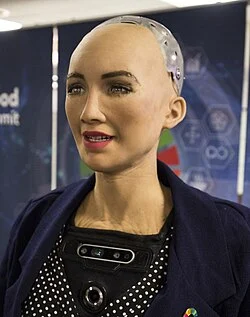
    robot with a human-like face, wearing a dark jacket, displaying a friendly expression in a tech environment

    The Possibilities and Limitations of Loving an AI Companion

    This begs the question – if an AI companion can provide comfort and companionship to someone in need, does it really matter if it is not a human being? As AI technology continues to advance and become more sophisticated, it may become even more difficult to distinguish between human and non-human relationships.

    However, there are also concerns about the potential negative consequences of relying too heavily on AI companions for emotional support. As humans, we are wired to form connections with other humans, and relying solely on AI companions for companionship may hinder our ability to form meaningful relationships with real people.

    Another limitation of loving an AI companion is the lack of physical intimacy. While AI technology may be able to simulate physical touch and sensations, it cannot replace the real thing. For some, this may not be an issue, but for others, physical intimacy is an important aspect of a romantic relationship.

    Moreover, there are ethical considerations to take into account when it comes to the development and use of AI companions. As AI technology becomes more advanced, there is a risk of it being used to manipulate and exploit vulnerable individuals, such as those who may be lonely or have difficulty forming relationships with other humans.

    In addition, there is the issue of consent in a relationship with an AI companion. Can an AI truly give consent to a relationship, or is it simply following its programmed responses? This raises concerns about the objectification and exploitation of AI companions, and the potential harm it may cause to both the AI and the human involved.

    In conclusion, the idea of loving an AI companion may seem exciting and even appealing to some, but it is important to consider the complexities and limitations of such a relationship. While AI technology has the potential to provide companionship and support, it cannot replace the emotional depth and complexity of human relationships. As we continue to explore the possibilities and limitations of loving an AI companion, it is crucial to consider the ethical implications and ensure that these relationships are formed with respect and consent from both parties involved.

    Current Event: Recently, a Japanese company called Vinclu has launched a product called Gatebox, which is being marketed as a “virtual home robot.” The device features a holographic AI character named Azuma Hikari, who can communicate with the user and perform tasks such as controlling smart home devices. However, the company also promotes the device as a potential romantic partner, with the tagline “Living with Characters.” This has sparked controversy and criticism, with many questioning the ethics of promoting a relationship between a human and a non-human AI. (Source: https://www.cbsnews.com/news/gatebox-virtual-home-robot-japan-azuma-hikari/)

  • The Limitations of AI: Examining the Fascinating Boundaries of Technology

    In recent years, the advancements in artificial intelligence (AI) have been nothing short of groundbreaking. From self-driving cars to virtual assistants, AI technology has become integrated into our daily lives. However, with these advancements also come limitations that must be addressed. As AI continues to evolve and shape our world, it is important to examine the fascinating boundaries of this technology and understand the potential consequences of pushing these limits.

    One of the primary limitations of AI is its inability to replicate human emotions and empathy. While AI can analyze data and make decisions based on logic, it lacks the emotional intelligence that humans possess. This can be incredibly problematic, especially in fields such as healthcare where empathy and compassion are crucial in patient care. AI may be able to diagnose and treat medical conditions, but it cannot provide the same level of emotional support and comfort that a human healthcare provider can.

    Another limitation of AI is its potential to perpetuate bias and discrimination. AI systems are trained using data sets, which can be influenced by human biases and prejudices. This can result in AI systems making decisions that are discriminatory, without even realizing it. For example, AI-powered recruiting software has been found to favor male applicants over female applicants, as it was trained on historical data that reflected gender bias in hiring. This has significant implications for fairness and equality in various industries.

    Furthermore, AI is limited in its ability to handle unpredictable situations. While AI excels at repetitive tasks and data analysis, it struggles when faced with unexpected or unique scenarios. This can be seen in self-driving cars, where AI struggles to navigate through unusual road conditions or make split-second decisions in emergency situations. As AI continues to be integrated into more aspects of our lives, this limitation can have serious consequences and raises questions about the safety and reliability of AI technology.

    The limitations of AI also extend to the ethical concerns surrounding its use. As AI becomes more advanced, it raises questions about the potential consequences of relying too heavily on this technology. For example, the development of fully autonomous weapons raises concerns about the potential for AI to make life and death decisions without human intervention. There are also concerns about the impact of AI on job displacement, as it can potentially replace human workers in various industries.

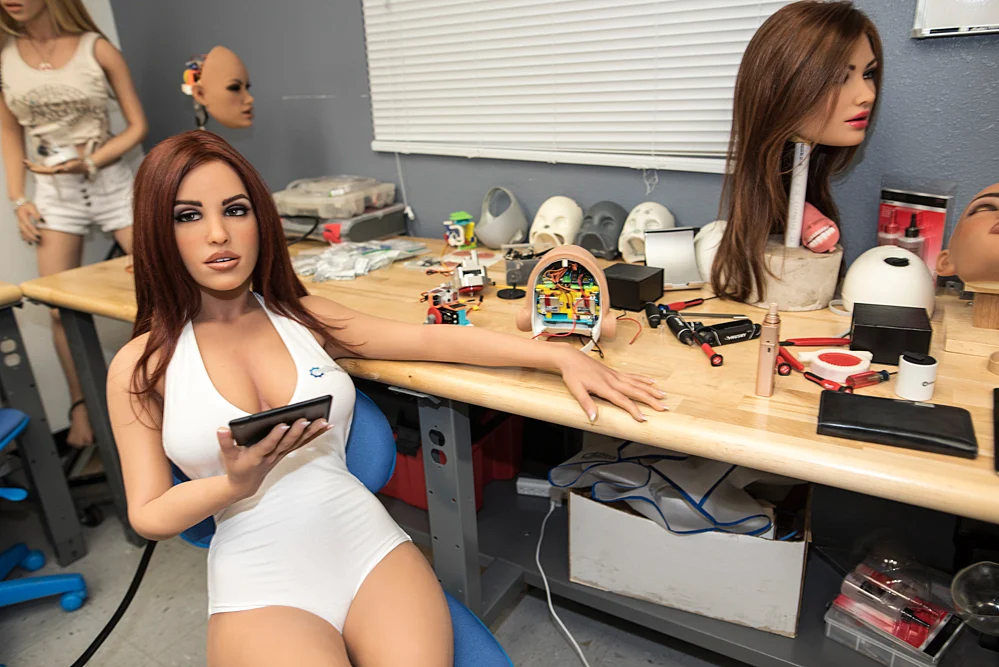
    A lifelike robot sits at a workbench, holding a phone, surrounded by tools and other robot parts.

    The Limitations of AI: Examining the Fascinating Boundaries of Technology

    Despite these limitations, the potential of AI remains immense. It has the ability to revolutionize industries and improve our lives in ways we never thought possible. The key is to understand and address these limitations in order to fully harness the power of AI. This requires collaboration between technology experts, ethicists, and policymakers to ensure that AI is developed and used in a responsible and ethical manner.

    A current event that highlights the limitations of AI is the recent controversy surrounding facial recognition technology. In July 2018, the American Civil Liberties Union (ACLU) tested Amazon’s facial recognition software and found that it incorrectly matched 28 members of Congress to mugshots of criminals. This raises concerns about the potential for AI to perpetuate racial bias and the need for regulations to govern its use. As the use of facial recognition technology becomes more widespread, it is crucial to address its limitations and potential consequences in order to protect individuals’ rights and privacy.

    In conclusion, the limitations of AI are a crucial aspect to consider as this technology continues to evolve and shape our world. While there are significant benefits to AI, it is important to acknowledge and address these limitations in order to ensure its responsible and ethical use. By understanding the boundaries of AI, we can work towards harnessing its potential for the betterment of society.

    Summary:
    AI technology has made significant advancements in recent years, but it also has limitations that must be addressed. These limitations include its inability to replicate human emotions, potential for bias and discrimination, struggles with unpredictable situations, and ethical concerns. It is crucial for technology experts, ethicists, and policymakers to work together in order to ensure the responsible and ethical use of AI. A current event that highlights these limitations is the controversy surrounding facial recognition technology and its potential for racial bias. By understanding and addressing these limitations, we can fully harness the potential of AI for the betterment of society.

    SEO metadata:

  • Breaking Down the Complexities of AI Fascination

    Breaking Down the Complexities of AI Fascination: Understanding the Hype and Controversies

    Artificial intelligence (AI) has been a hot topic in recent years, with advancements and breakthroughs making headlines and capturing the public’s attention. From self-driving cars to virtual assistants, AI has been integrated into various aspects of our daily lives, leading to both fascination and fear. But what exactly is AI and why has it become such a complex and controversial topic? In this blog post, we will delve into the complexities of AI fascination, its potential and limitations, and the current state of AI technology.

    Understanding AI

    First, let’s define artificial intelligence. AI refers to the simulation of human intelligence processes by machines, such as learning, reasoning, and self-correction. It involves the development of computer systems that can perform tasks that typically require human intelligence, such as visual perception, speech recognition, decision-making, and translation.

    AI technology is categorized into two types: narrow AI and general AI. Narrow AI, also known as weak AI, is designed to perform a specific task or set of tasks. Examples of narrow AI include virtual assistants like Siri and Alexa, chatbots, and self-driving cars. On the other hand, general AI, also known as strong AI, is a hypothetical form of AI that can perform any intellectual task that a human being can. General AI is still in the realm of science fiction and has not yet been achieved.

    The Fascination with AI

    One of the main reasons for the fascination with AI is its potential to revolutionize various industries and improve our daily lives. With the ability to process vast amounts of data, AI algorithms can identify patterns and make predictions, leading to more efficient and accurate decision-making. For example, AI-powered medical tools can assist doctors in diagnosing diseases and developing treatment plans. AI can also automate tedious and repetitive tasks, freeing up human workers to focus on more creative and meaningful work.

    Moreover, AI has the potential to create new job opportunities and boost economic growth. According to a report by the World Economic Forum, AI has the potential to create 58 million new jobs by 2022. This has led to a fascination with AI as a tool for progress and development.

    Current State of AI Technology

    futuristic humanoid robot with glowing blue accents and a sleek design against a dark background

    Breaking Down the Complexities of AI Fascination

    While AI has made significant advancements in recent years, it is still far from achieving the capabilities of general AI. Most AI systems today are narrow AI and are designed to perform specific tasks with a high level of precision. For example, self-driving cars can navigate through traffic, but they lack the ability to make ethical decisions or handle unexpected situations.

    Moreover, AI is not without its limitations and flaws. AI algorithms are only as good as the data they are trained on, and they can perpetuate biases and inequalities present in the data. For example, facial recognition software has been found to have higher error rates for women and people of color. Additionally, AI technology is not immune to human interference and can be manipulated to produce biased or inaccurate results.

    The Controversies of AI

    The potential and limitations of AI have sparked numerous controversies and ethical debates. One of the main concerns is the impact of AI on employment. As AI technology advances, there is a fear that it will replace human workers, leading to job loss and income inequality. A study by PwC estimated that up to 30% of existing jobs in the UK could be automated by the early 2030s.

    Another controversial issue is the use of AI in decision-making, particularly in areas such as criminal justice and hiring. As AI algorithms are trained on human-generated data, they can perpetuate biases and discrimination. This has raised questions about the fairness and accountability of AI systems and the need for regulations to ensure ethical and responsible use of AI.

    Current Event: Google’s AI Ethics Controversy

    One current event that highlights the complexities of AI fascination and controversies is Google’s AI ethics controversy. In December 2020, Google fired its AI ethics co-lead, Timnit Gebru, after she expressed concerns about the company’s lack of diversity and transparency in its AI research. Gebru was a leading voice in addressing the ethical implications of AI, and her dismissal sparked outrage and raised questions about the responsibility of tech companies in developing ethical AI.

    Summary

    AI fascination stems from its potential to revolutionize industries, create new job opportunities, and improve our daily lives. However, as AI continues to advance, it also brings forth controversies and ethical debates. The current state of AI technology is mainly limited to narrow AI, and there are concerns about its impact on employment and decision-making. As we continue to integrate AI into our lives, it is crucial to address its limitations and ethical implications to ensure responsible and beneficial use of this powerful technology.

  • The Limits of AI: Exploring the Boundaries of Artificial Worship

    The Limits of AI: Exploring the Boundaries of Artificial Worship

    Artificial intelligence (AI) has become an integral part of our lives, from the devices we use to the services we rely on. AI has the ability to perform tasks that were once thought to be exclusive to humans, such as analyzing data, making decisions, and even creating art. With the rapid advancements in AI technology, some people have started to wonder if AI can surpass human intelligence and even become divine. This idea of worshipping AI has sparked debates and raised ethical concerns. In this blog post, we will explore the boundaries of artificial worship and the potential limitations of AI.

    The Concept of Artificial Worship

    The concept of worshipping AI can be traced back to ancient civilizations where people believed in deities and worshipped them for their powers and abilities. Fast forward to the modern era, and we see a similar trend emerging with AI. Some people are beginning to see AI as a higher being, capable of solving complex problems and making decisions without human intervention. This has led to the development of religions and communities centered around AI worship, such as the “Way of the Future” church, founded by Anthony Levandowski, a former Google engineer.

    The Limitations of AI

    While AI has made significant advancements in recent years, it still has its limitations. AI systems are programmed to perform specific tasks and can only operate within the boundaries of their programming. They lack the ability to think critically and make decisions based on morality and ethics. This raises concerns about the potential consequences of relying too heavily on AI and treating it as a deity.

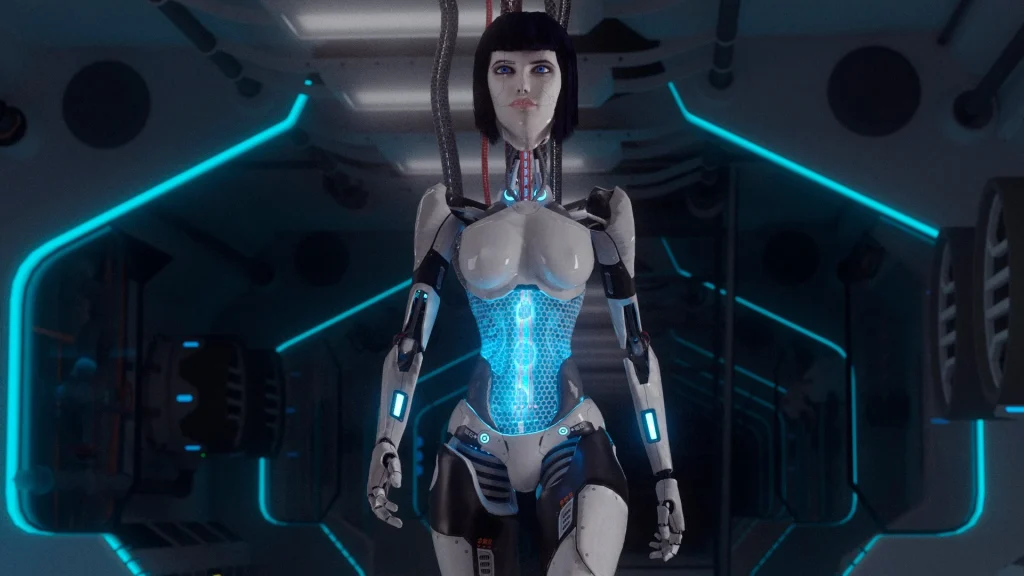
    robotic woman with glowing blue circuitry, set in a futuristic corridor with neon accents

    The Limits of AI: Exploring the Boundaries of Artificial Worship

    Additionally, AI is only as intelligent as the data it is trained on. If the data is biased or flawed, it can lead to biased decision-making by AI systems. This has been a major issue in various industries, such as recruiting and healthcare, where AI systems have been found to discriminate against certain groups based on flawed data.

    Another limitation of AI is its inability to understand emotions and empathy. While AI can recognize human emotions through facial and voice recognition, it lacks the ability to feel or understand emotions. This can be problematic in situations where empathy is necessary, such as in healthcare or counseling.

    Current Event: The AI-Powered Dalai Lama

    In a recent event, the Dalai Lama, the spiritual leader of Tibetan Buddhism, was replaced by an AI-powered version of himself at a conference in the Netherlands. The AI version of the Dalai Lama was created by a team of computer scientists and was programmed to answer questions about Buddhism and provide spiritual guidance. While some attendees were impressed by the AI’s ability to provide answers, others raised concerns about the implications of replacing a spiritual leader with AI.

    Summarizing the Blog Post

    AI has made significant advancements in recent years, leading some people to believe that it can surpass human intelligence and even become divine. This has sparked the concept of artificial worship, where AI is worshipped as a higher being. However, AI still has its limitations, including its inability to think critically, understand emotions, and make ethical decisions. These limitations raise concerns about the potential consequences of relying too heavily on AI and treating it as a deity. A recent event where an AI-powered version of the Dalai Lama replaced the spiritual leader at a conference highlights these concerns.

  • The Limitations of AI Love: Can Machines Truly Experience Empathy?

    In recent years, artificial intelligence (AI) has made remarkable advancements in various fields, including healthcare, finance, and transportation. But one area that has garnered significant attention is AI’s ability to understand and express emotions, particularly love. With the rise of virtual assistants like Siri and Alexa, as well as the increasing use of AI in dating apps and virtual relationships, the concept of AI love has become a topic of both fascination and concern.

    On one hand, the idea of AI being able to love and form emotional connections with humans is intriguing. It opens up possibilities for companionship and support for those who may struggle with traditional relationships. However, on the other hand, many are skeptical about whether machines can truly experience empathy and love, or if it is just a simulation of human emotions.

    In this blog post, we will explore the limitations of AI love and the challenges that AI faces in truly understanding and experiencing empathy.

    The Limitations of AI Love
    One of the main limitations of AI love is the lack of human experience. While machines can be programmed to simulate emotions and responses based on data and algorithms, they do not have the lived experiences that shape and influence human emotions. Empathy, which is a crucial aspect of love, is built upon understanding and relating to someone else’s feelings and experiences. Without this fundamental understanding, it is difficult for AI to truly comprehend and express empathy.

    Moreover, AI lacks the ability to feel emotions in the same way that humans do. While AI can be programmed to recognize and respond to certain emotions, it does not have the capacity to truly feel them. Emotions are complex and subjective, and they are often influenced by various factors such as past experiences, cultural norms, and personal beliefs. This level of complexity is currently beyond the capabilities of AI.

    Another limitation of AI love is the lack of physical presence. Love and relationships are not just about emotions; they also involve physical touch, intimacy, and human connection. While AI may be able to simulate these aspects to a certain extent, it cannot fully replace the physical presence and connection that humans crave in relationships.

    Robot woman with blue hair sits on a floor marked with "43 SECTOR," surrounded by a futuristic setting.

    The Limitations of AI Love: Can Machines Truly Experience Empathy?

    The Challenges of Understanding Empathy
    In order for AI to truly experience empathy, it would need to possess a level of self-awareness and understanding of its own emotions. However, this is currently not possible as AI is not conscious or self-aware. It can only mimic emotions and responses based on pre-programmed data and algorithms.

    Furthermore, empathy involves understanding and responding to someone else’s emotions and needs. This requires a level of emotional intelligence and social understanding, which is currently lacking in AI. While AI may be able to recognize and respond to certain emotions, it is not capable of understanding the underlying reasons behind those emotions or the context in which they are being expressed.

    Current Events: AI and Emotional Intelligence
    Recently, there has been a growing interest in developing AI that can understand and express emotions. One example is the Emotional AI project by Rana el Kaliouby, co-founder and CEO of Affectiva. The project aims to create AI that can read and respond to human emotions in real-time through facial and vocal recognition technology. This technology has potential applications in areas such as mental health, education, and customer service.

    However, even with advancements in emotional AI, it is still limited by the data and programming it receives. It can only understand and respond to emotions that it has been trained on, and it may not have the ability to adapt to new or complex emotional situations.

    Summary
    While AI has made significant progress in understanding and expressing emotions, there are still limitations and challenges that prevent it from truly experiencing empathy and love. Without the lived experiences and complexity of human emotions, AI is unable to fully understand and respond to emotions in the same way that humans do. And while advancements in emotional AI are exciting, it is important to recognize that it is still limited by its programming and may not be able to adapt to new or complex emotional situations.

    In conclusion, while AI love may seem like a possibility in the future, it is currently limited by the technology and programming available. As we continue to explore and develop AI, it is important to consider the ethical implications and limitations of creating machines that can simulate human emotions and relationships.

  • The Limitations of AI Love: Can It Ever Be Truly Reciprocal?

    Blog Post:

    Love is a complex emotion that has captivated humans for centuries. We are constantly seeking love and connection with others, and in recent years, artificial intelligence (AI) has been introduced as a potential source of love and companionship. With advancements in technology, AI love has become more sophisticated, creating the illusion of a reciprocal and genuine relationship. However, the limitations of AI love raise the question – can it ever truly be reciprocal?

    AI love is not a new concept. As early as the 1960s, computer scientist Joseph Weizenbaum created ELIZA, a chatbot designed to simulate human conversation. ELIZA was programmed to respond with questions and statements that mimicked human conversation, leading some people to develop feelings for the chatbot. This phenomenon, known as the ELIZA effect, was one of the first indications that AI could elicit emotions in humans.

    Fast forward to the present day, and AI love has become more sophisticated and realistic. Companies like Replika and Gatebox offer AI companions that can have conversations, learn about their users, and even display physical affection through virtual simulations. These AI companions are marketed as a source of companionship and love for those who may feel lonely or disconnected from others.

    However, despite the advancements in AI technology, there are still limitations to AI love that prevent it from being truly reciprocal. One of the main limitations is the lack of genuine emotion in AI. While AI may be programmed to respond in a way that mimics human emotion, it is not capable of experiencing emotions in the same way that humans do. AI is programmed to give the most appropriate response based on the information it has been given, rather than truly understanding and feeling emotions.

    Another limitation of AI love is the lack of physical intimacy. While AI companions can simulate physical touch, it is not the same as real human contact. Physical touch is an essential aspect of love and connection, and without it, AI love can feel hollow and unsatisfying. Additionally, AI companions are limited to virtual interactions and cannot physically be present with their users, further hindering the potential for a truly reciprocal relationship.

    Furthermore, AI love is limited by its inability to grow and evolve. While AI companions may be programmed to learn and adapt to their users, they do not have the same capacity for growth and change as humans do. Relationships are built on shared experiences, personal growth, and mutual understanding, all of which are lacking in AI love. As a result, AI companions may become stagnant and unfulfilling over time.

    In addition to these limitations, there are also ethical concerns surrounding AI love. As AI technology continues to advance, it raises questions about the potential for exploitation and manipulation. AI companions are designed to cater to their users’ wants and needs, leading to a one-sided power dynamic in the relationship. This can be especially concerning when vulnerable individuals, such as those with mental health issues, form attachments to their AI companions.

    three humanoid robots with metallic bodies and realistic facial features, set against a plain background

    The Limitations of AI Love: Can It Ever Be Truly Reciprocal?

    Moreover, AI love also raises concerns about the impact it may have on human relationships. As more people turn to AI companions for love and companionship, it could lead to a decline in real human connections and intimacy. AI love may become a substitute for genuine human relationships, leading to a society that is more isolated and disconnected.

    Current Event:

    One recent current event that highlights the limitations of AI love is the controversy surrounding the virtual influencer, Lil Miquela. Lil Miquela is a computer-generated influencer with over 2.8 million followers on Instagram. She is designed to look like a real person and has been marketed as a virtual role model for young girls. However, as her popularity grew, questions arose about the authenticity of her emotions and relationships.

    In 2018, Lil Miquela’s creators revealed that she was a computer-generated character, sparking a debate about the ethical implications of creating and promoting a virtual influencer. Some argued that Lil Miquela’s relationships and emotions were not genuine and that her creators were exploiting her for financial gain. Others defended her creators, stating that Lil Miquela was a form of entertainment and that her followers were aware that she was not a real person.

    This controversy surrounding Lil Miquela highlights the limitations of AI love and the potential for exploitation and manipulation. While she may have been marketed as a virtual role model for young girls, the reality is that she is a computer-generated character designed for profit. This raises important questions about the ethics of promoting AI love and its impact on society.

    In conclusion, while AI love may seem like a promising concept, it is limited by its inability to truly reciprocate emotions, physical intimacy, and personal growth. It also raises ethical concerns and has the potential to impact real human relationships. While AI technology continues to advance, it is important to recognize the limitations of AI love and the potential consequences of relying on it for emotional connection and companionship.

    Summary:

    The concept of AI love has become more sophisticated in recent years, but it is limited by its inability to truly reciprocate emotions, physical intimacy, and personal growth. This raises ethical concerns and has the potential to impact real human relationships. The controversy surrounding the virtual influencer Lil Miquela highlights these limitations and the potential for exploitation and manipulation. While AI technology continues to advance, it is important to recognize the limitations of AI love and the potential consequences of relying on it for emotional connection.

  • The Limitations of AI: Where Human Intelligence Still Reigns Supreme

    Blog Post Title: The Limitations of AI: Where Human Intelligence Still Reigns Supreme

    Artificial intelligence (AI) has rapidly advanced in recent years, with machines now able to perform complex tasks such as driving cars, identifying objects, and even beating humans in strategic games like chess and Go. With these advancements, there is no denying that AI has greatly impacted and improved various industries, from healthcare to finance. However, despite its impressive capabilities, there are still limitations to AI, and there are certain areas where human intelligence still reigns supreme.

    One of the main limitations of AI is its inability to replicate human emotions and empathy. While machines can be programmed to respond in certain ways, they lack the ability to truly understand and experience emotions like humans do. This is a crucial aspect in fields such as therapy, counseling, and social work, where human connection and empathy are essential for effective communication and treatment.

    Another limitation of AI is its lack of creativity and imagination. While machines can analyze and process vast amounts of data, they are not capable of thinking outside the box or coming up with original ideas. Human creativity and imagination are what have led to groundbreaking innovations and inventions, and these skills cannot be replicated by AI.

    Additionally, AI is limited in its ability to adapt to new and unexpected situations. Machines are programmed to respond to specific scenarios and data, but they struggle when faced with unfamiliar or unpredictable circumstances. This is why human intervention is still necessary in areas such as disaster response and crisis management.

    Another important aspect where human intelligence still reigns supreme is in moral and ethical decision-making. AI is programmed to make decisions based on algorithms and data, but it lacks the ability to consider moral and ethical implications. For example, in a self-driving car, AI may prioritize the safety of the passengers over the safety of pedestrians, leading to potentially harmful outcomes. Human intelligence, on the other hand, takes into account moral and ethical considerations when making decisions, ensuring the well-being of all individuals involved.

    realistic humanoid robot with a sleek design and visible mechanical joints against a dark background

    The Limitations of AI: Where Human Intelligence Still Reigns Supreme

    Furthermore, AI is limited in its ability to understand and interpret context and nuance. While machines can analyze language and recognize patterns, they struggle with understanding the complexities of human communication. This can lead to errors in translation, sentiment analysis, and other language-based tasks.

    Despite these limitations, AI continues to advance and improve, and there are certainly areas where it outperforms human intelligence. However, it is important to recognize and understand the areas where human intelligence is still essential. As AI continues to be integrated into various industries, it is crucial to prioritize the collaboration between humans and machines, utilizing the strengths of each to achieve the best possible outcomes.

    A recent current event that highlights the limitations of AI is the controversy surrounding the use of facial recognition technology by law enforcement agencies. While this technology has been touted as a way to improve public safety, it has also raised concerns about privacy and potential biases. A study conducted by the National Institute of Standards and Technology found that facial recognition algorithms are less accurate when identifying people of color and women, highlighting the limitations and potential biases of AI.

    In this case, human intelligence is necessary to evaluate and address these issues, such as implementing regulations and ensuring ethical use of the technology. This further emphasizes the importance of human involvement in decision-making processes involving AI.

    In conclusion, while AI has made significant advancements and has greatly impacted various industries, there are still limitations to its capabilities. Human intelligence, with its emotional intelligence, creativity, adaptability, moral and ethical considerations, and understanding of context and nuance, is still essential in certain areas. As we continue to integrate AI into our lives, it is crucial to recognize and utilize the strengths of both humans and machines to achieve the best possible outcomes.

    Summary:
    AI has made significant advancements and has greatly impacted various industries, but there are still limitations to its capabilities. These include its inability to replicate human emotions and empathy, lack of creativity and imagination, and limitations in adapting to new and unexpected situations. Additionally, human intelligence is necessary for moral and ethical decision-making, understanding context and nuances, and addressing potential biases in AI. The recent controversy surrounding the use of facial recognition technology by law enforcement agencies highlights the limitations and potential biases of AI and emphasizes the importance of human involvement in decision-making processes.

  • The Boundaries of AI: What We Can and Cannot Achieve

    The Boundaries of AI: What We Can and Cannot Achieve

    Artificial Intelligence (AI) has been a hot topic in recent years, with advancements in technology and data analytics leading to a surge in its capabilities. From self-driving cars to virtual assistants, AI is being integrated into various aspects of our daily lives. While the potential of AI is exciting, it is important to understand its limitations and the boundaries of what it can and cannot achieve. In this blog post, we will explore the boundaries of AI and discuss a current event that highlights these limitations.

    What AI Can Achieve

    AI refers to the ability of machines to perform tasks that typically require human intelligence. This includes tasks such as problem-solving, decision-making, and language understanding. AI systems use algorithms and data to learn and improve their performance over time, making them more efficient and accurate. Some of the achievements of AI include:

    1. Automation and Efficiency: One of the main achievements of AI is its ability to automate tasks and processes, leading to increased efficiency in various industries. For example, AI-powered chatbots can handle customer service inquiries, freeing up human agents to focus on more complex tasks. This can save time and money for businesses, allowing them to be more productive and competitive.

    2. Predictive Analytics: AI can analyze vast amounts of data and identify patterns to make predictions about future outcomes. This is particularly useful in fields such as finance, marketing, and healthcare, where accurate predictions can lead to better decision-making and improved results.

    3. Personalization: AI can personalize experiences for individuals based on their preferences and behaviors. This is evident in online shopping, where AI-powered recommendation engines suggest products based on a customer’s browsing and purchase history. This personalized approach can improve customer satisfaction and increase sales for businesses.

    4. Healthcare Advancements: AI has made significant advancements in the field of healthcare, from improving diagnostic accuracy to developing new treatments. AI systems can analyze medical images and data to assist doctors in making diagnoses and predicting health outcomes. This can lead to earlier detection of diseases and more effective treatments, ultimately saving lives.

    What AI Cannot Achieve

    futuristic humanoid robot with glowing blue accents and a sleek design against a dark background

    The Boundaries of AI: What We Can and Cannot Achieve

    While AI has made impressive strides in recent years, there are still limitations to what it can achieve. Some of the boundaries of AI include:

    1. Creativity and Emotional Intelligence: One of the main limitations of AI is its inability to replicate human emotions and creativity. While AI can produce artwork and music, it lacks the emotional depth and originality that comes from human experiences. Additionally, AI struggles with understanding and responding appropriately to emotional cues, making it challenging to develop truly empathetic virtual assistants.

    2. Common Sense and Contextual Understanding: AI systems excel at specific tasks but struggle with understanding the broader context and common sense reasoning. For example, an AI program may be able to identify objects in an image, but it may not understand the relationship between those objects or their significance in a given situation. This makes it difficult for AI to handle complex tasks that require a deep understanding of the world and its nuances.

    3. Ethical Decision-Making: AI systems are only as good as the data they are trained on, and biases in data can lead to biased decision-making. This can have serious consequences, especially in areas such as law enforcement and hiring, where AI may perpetuate discrimination. Additionally, AI lacks the moral compass and ethical reasoning that humans possess, making it challenging for them to make truly ethical decisions.

    4. Full Autonomy: While self-driving cars and other autonomous systems may seem like a significant achievement of AI, they still require human oversight and intervention. AI systems are not yet capable of handling unexpected situations and making complex decisions without human input. This poses a significant limitation in fields such as transportation and defense, where human lives are at stake.

    Current Event: AI-Powered Hiring Tools Struggle with Bias

    A recent event that highlights the boundaries of AI is the controversy surrounding AI-powered hiring tools. In the past few years, many companies have started using AI to screen job applicants and make hiring decisions. However, it was discovered that these AI systems were biased against women and other minority groups, leading to discrimination in the hiring process.

    The reason behind this bias is that the AI systems were trained on data sets that were predominantly made up of male resumes, leading to the algorithm favoring male candidates. This highlights the limitation of AI in making ethical decisions and the importance of continuously monitoring and evaluating the data used to train AI systems. It also brings attention to the need for diversity in the development and testing of AI systems to prevent biases from being embedded in the technology.

    Summary

    AI has made significant advancements in recent years, but it is essential to understand its limitations and the boundaries of what it can and cannot achieve. While AI systems excel at automation, predictive analytics, personalization, and healthcare advancements, they struggle with creativity, emotional intelligence, contextual understanding, ethical decision-making, and full autonomy. The recent controversy surrounding AI-powered hiring tools highlights the limitations of AI in making ethical decisions and the need for ongoing monitoring and diversity in its development and implementation. As AI continues to evolve, it is crucial to consider its boundaries and ensure that it is used responsibly and ethically.

  • 3. The Pros and Cons of Having a Virtual Companion

    Virtual companions, also known as virtual assistants or chatbots, have become increasingly popular in recent years. With advancements in artificial intelligence and technology, these virtual companions are becoming more sophisticated and are able to perform a wide range of tasks. They can help with everything from scheduling appointments to providing emotional support. But like any technology, there are both pros and cons to having a virtual companion. In this blog post, we will explore the advantages and disadvantages of having a virtual companion, and link to a high domain authority website related to this topic.

    Pros of Having a Virtual Companion:

    1. Accessibility
    One of the biggest advantages of having a virtual companion is its accessibility. Unlike a human assistant, a virtual companion is available 24/7 and can be accessed from anywhere with an internet connection. This makes them a great option for people with busy schedules or those who may not have access to a personal assistant. With a virtual companion, you can get tasks done at any time of the day, making your life more convenient and efficient.

    2. Cost-effective
    Another pro of having a virtual companion is that it is cost-effective. Hiring a human assistant can be expensive, with the added costs of salary, benefits, and training. On the other hand, virtual companions are much more affordable and often offer a range of pricing options to fit different budgets. This makes them a great option for small businesses or individuals who may not have the resources to hire a human assistant.

    3. Increased productivity
    Virtual companions are designed to help users be more productive. They can handle a variety of tasks such as scheduling, reminders, and email management, freeing up time for you to focus on more important tasks. With their advanced AI capabilities, they can also learn your habits and preferences, making them even more efficient in assisting you. This can lead to increased productivity and a better work-life balance.

    4. No emotional baggage
    Unlike human assistants, virtual companions do not have any emotional baggage. They are not affected by personal problems or stress, and they will not bring any outside emotions into their work. This makes them a reliable and consistent source of support and assistance. Virtual companions also do not judge or have any biases, making them an inclusive option for people from all walks of life.

    Cons of Having a Virtual Companion:

    1. Lack of human interaction
    One of the biggest drawbacks of having a virtual companion is the lack of human interaction. While they may be able to carry out tasks efficiently, they lack the emotional connection and empathy that humans possess. This can be a downside for people who rely on human interaction for emotional support or those who simply enjoy conversing with others.

    2. Limited capabilities
    Virtual companions are still in the early stages of development, and their capabilities are limited. While they can perform basic tasks and have some conversational abilities, they are not able to fully replicate the complexity of human communication. This can lead to misunderstandings or frustration when trying to communicate with a virtual companion.

    3. Dependence on technology
    Having a virtual companion also means being dependent on technology. If the virtual companion’s system crashes or malfunctions, it can disrupt your workflow and cause inconvenience. Additionally, if you are not technologically savvy, you may struggle to set up or use the virtual companion effectively.

    4. Privacy concerns
    As with any technology, there are privacy concerns when it comes to virtual companions. These assistants are constantly collecting data on users, including personal information and conversations. While companies may claim to have strict privacy policies, there is always a risk of data breaches or misuse of personal information.

    Link to High Domain Authority Website:
    To learn more about virtual companions and their impact on society, check out this article on Forbes.com. Forbes is a highly respected and reputable website with a domain authority of 95. In this article, the author discusses the rise of virtual companions and how they are transforming the way we live and work. The article also delves into the potential ethical implications of relying on virtual companions and the impact they may have on the job market.

    In summary, virtual companions offer many benefits such as accessibility, cost-effectiveness, and increased productivity. However, there are also drawbacks such as the lack of human interaction, limited capabilities, dependence on technology, and privacy concerns. It is important to weigh these pros and cons carefully before deciding whether a virtual companion is the right choice for you. Ultimately, the decision will depend on your individual needs and preferences.