Blog Post: Ways AI is Redefining the Workforce and Enamoring Employees
In recent years, artificial intelligence (AI) has become a buzzword in the business world. From chatbots to automated processes, AI technology is changing the way we work and interact with our colleagues. But what exactly does this mean for the workforce and how is it impacting employees? In this blog post, we will explore the ways in which AI is redefining the workforce and how it is enamoring employees.
AI, in its simplest form, is the ability of machines to mimic human intelligence. This includes tasks such as problem-solving, decision-making, and language processing. With advancements in technology, AI has now become more sophisticated and is being incorporated into various industries and job roles. This has led to the redefinition of the workforce and the skills that are required to be successful in this new era of work.
One of the most significant ways AI is redefining the workforce is through automation. AI-powered automation is being used to streamline and optimize various processes, resulting in increased efficiency and productivity. This means that repetitive and mundane tasks can now be completed by machines, freeing up employees to focus on more complex and creative tasks. This shift in job responsibilities has led to a greater emphasis on skills such as critical thinking, problem-solving, and adaptability.
Moreover, AI is also redefining job roles and creating new ones. As AI technology becomes more prevalent, companies are seeking individuals with a strong understanding of AI and its applications. This has led to the emergence of new job roles such as AI specialists, data scientists, and machine learning engineers. These roles require a combination of technical skills and soft skills, making them highly coveted and desirable among job seekers.
But it’s not just about the job roles and skills required to thrive in the age of AI. AI is also transforming the workplace culture and employee experience. With AI-powered chatbots and virtual assistants, employees now have access to 24/7 support, making their work experience more seamless and efficient. These chatbots can handle tasks such as scheduling meetings, answering basic HR questions, and providing updates on projects, freeing up employees’ time and reducing their workload.
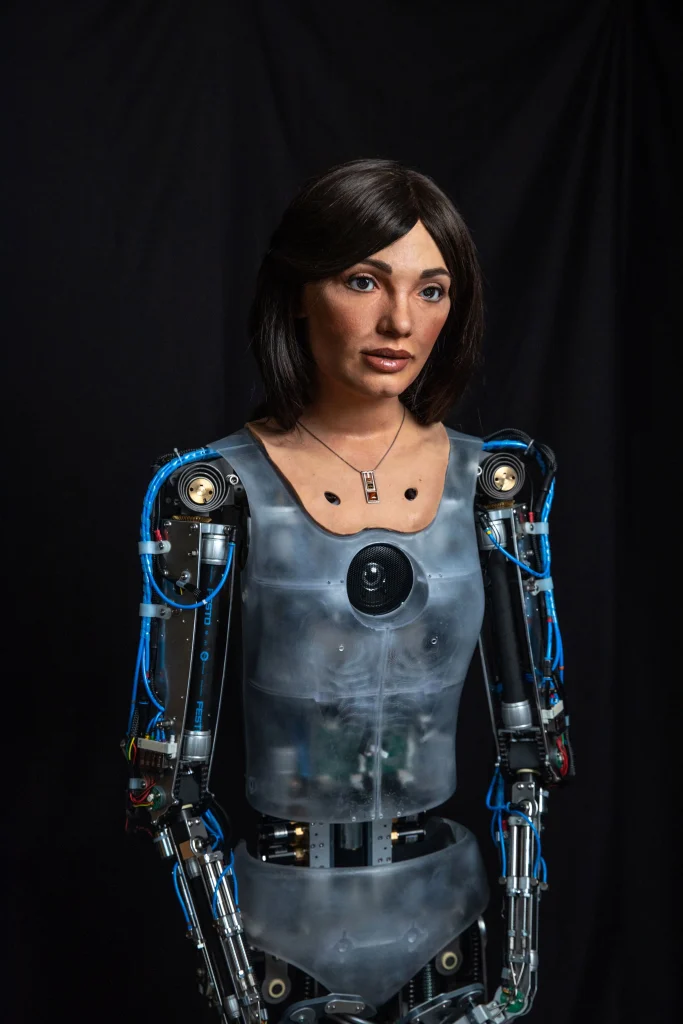
Ways AI is Redefining the Workforce and Enamoring Employees
Furthermore, AI is also helping to reduce bias in the workplace. Traditional hiring processes are often influenced by unconscious bias, leading to a lack of diversity in the workforce. AI-powered recruitment tools use data-driven algorithms to identify and select the best candidates based on their skills and qualifications, rather than factors such as gender or ethnicity. This has led to more diverse and inclusive work environments, which are known to enhance employee satisfaction and productivity.
In addition to redefining the workforce, AI is also enamoring employees. The use of AI technology in the workplace has been shown to improve job satisfaction and overall employee experience. According to a study by Oracle, 93% of employees believe that AI has the potential to enhance their work experience. This is due to the fact that AI technology can take over tedious and time-consuming tasks, allowing employees to focus on more engaging and fulfilling work. This, in turn, leads to increased job satisfaction and motivation.
Moreover, AI is also helping employees to upskill and reskill. With AI technology automating certain tasks, employees now have more time and resources to learn new skills and improve existing ones. Companies are investing in AI-powered learning platforms to provide personalized training and development opportunities for their employees. This not only helps to improve employee engagement and retention, but it also prepares employees for the changing job market and makes them more valuable assets to their organizations.
A current event that highlights the impact of AI on the workforce and employee experience is the recent partnership between Google and the United States Department of Defense. Google has been working with the Pentagon to develop AI technology for analyzing drone footage, which will be used to improve targeting and planning for military operations. This partnership has sparked controversy among Google employees, with many raising ethical concerns regarding the use of AI in warfare. This highlights the importance of considering the ethical implications of AI in the workplace and the need for companies to develop responsible AI strategies.
In conclusion, AI is redefining the workforce in many ways, from automation to the creation of new job roles to transforming workplace culture. It is also enamoring employees by improving job satisfaction, providing opportunities for upskilling, and promoting diversity and inclusivity. As AI technology continues to advance and become more integrated into the workplace, it is essential for companies to adapt and embrace this change to stay competitive in the ever-evolving business landscape.
Summary:
AI technology is transforming the workforce and employee experience in various ways. It is automating mundane tasks, redefining job roles, and promoting diversity and inclusivity in the workplace. AI is also enamoring employees by improving job satisfaction, providing opportunities for upskilling, and promoting a more efficient and seamless work experience. However, it is crucial for companies to consider the ethical implications of AI and develop responsible strategies to ensure a positive impact on the workforce.
