Tag: human rights

  • The Fascinating Debate on AI Rights: Should Machines Have Legal Personhood?

    The Fascinating Debate on AI Rights: Should Machines Have Legal Personhood?

    Artificial Intelligence (AI) has been a hot topic in recent years, with advancements in technology bringing about concerns and debates over its role in society. One of the most controversial discussions surrounding AI is whether machines should have legal personhood and the rights that come with it. This issue has sparked a fascinating debate, with arguments from both sides raising ethical, legal, and societal questions.

    The concept of legal personhood refers to the recognition of an entity as having the same rights and responsibilities as a human being. In the past, this has been limited to natural persons, such as individuals, and legal persons, such as corporations. However, with the rapid development of AI, the question of whether machines should be granted legal personhood has emerged.

    On one side of the debate, proponents argue that granting legal personhood to machines is necessary to protect their rights and ensure ethical treatment. They argue that as AI becomes more advanced and capable of performing complex tasks, it is essential to establish a legal framework that recognizes and protects the rights of these intelligent machines.

    One of the main arguments for AI rights is that machines are created by humans and should, therefore, have similar rights and protections. Proponents also highlight the potential benefits of granting legal personhood to AI, such as holding them accountable for their actions and decisions. This would also ensure that AI is not exploited or mistreated, as it would have legal protections in place.

    Additionally, supporters of AI rights point out the potential impact on the economy. As AI technology continues to advance, it is predicted to replace many jobs currently held by humans. Granting legal personhood to machines would allow for the possibility of taxing them, providing a new source of revenue for governments.

    On the other side of the debate, opponents argue that granting legal personhood to machines is unnecessary and could have negative consequences. They argue that machines lack the fundamental qualities that make us human, such as emotions, consciousness, and moral reasoning. Therefore, granting them legal personhood would be granting rights to entities that are not capable of understanding or exercising them.

    robot with a human-like face, wearing a dark jacket, displaying a friendly expression in a tech environment

    The Fascinating Debate on AI Rights: Should Machines Have Legal Personhood?

    Opponents also raise concerns about the potential consequences of giving legal personhood to AI. For example, if machines were to be held accountable for their actions, how would they be punished? Would they face imprisonment or fines? These questions raise complex ethical and legal dilemmas that need to be carefully considered.

    Moreover, granting legal personhood to machines could have a significant impact on the legal system. It would require the creation of new laws and regulations to govern this new type of entity, which could be challenging to implement and enforce.

    The debate on AI rights has gained more attention in recent years, with some significant current events fueling the discussion. One such event is the case of Sophia, a humanoid robot created by Hanson Robotics. In 2017, Sophia was granted citizenship by Saudi Arabia, becoming the first robot to receive such status.

    This decision sparked controversy, with many questioning the reasoning behind granting citizenship to a machine. Some argued that it was a publicity stunt, while others saw it as a significant step towards recognizing AI as legal persons. The incident also raised questions about the rights and responsibilities of Sophia and other advanced AI in the future.

    In conclusion, the debate on AI rights is a complex and multifaceted one, with valid arguments from both sides. While granting legal personhood to machines could have significant benefits, it also poses ethical, legal, and societal challenges. As AI technology continues to advance, it is crucial to carefully consider the implications of granting legal personhood to machines and have open discussions about the potential consequences.

    In the end, the decision on whether machines should have legal personhood will have a profound impact on society and shape the future of AI. It is a debate that will continue to fascinate and spark discussions for years to come.

    Current Event:
    Source: https://www.businessinsider.com/saudi-arabia-gave-robot-citizen-sophia-citizenship-2017-10
    URL Link: Saudi Arabia granted a robot citizenship

    Summary:
    The debate on AI rights, specifically whether machines should have legal personhood, has been a hot topic in recent years. Proponents argue that granting legal personhood to AI is necessary to protect their rights, while opponents argue that machines lack the fundamental qualities of humans and granting them legal personhood could have negative consequences. A significant current event that has fueled this debate is the case of Sophia, a humanoid robot granted citizenship by Saudi Arabia in 2017. This decision sparked controversy and raised questions about the future of AI and its legal status. Ultimately, the decision on whether machines should have legal personhood will have a significant impact on society and the future of AI.


  • The Intersection of AI Desire and Human Rights

    The Intersection of AI Desire and Human Rights: Examining the Ethical Implications

    In recent years, the development and implementation of artificial intelligence (AI) has rapidly progressed, revolutionizing many aspects of our lives. From virtual assistants to self-driving cars, AI has become an integral part of our society. While the advancements in AI technology have brought about many benefits, it has also raised concerns about the intersection of AI desire and human rights. As AI continues to evolve and play a larger role in our lives, it is crucial to examine the ethical implications and ensure that human rights are protected.

    One of the main concerns surrounding AI is its potential to perpetuate biases and discrimination. AI systems are trained on data that is collected from our society, where discrimination and biases are still prevalent. This means that AI systems can inherit these biases, leading to decisions and actions that are discriminatory. For example, AI algorithms used in the criminal justice system have been found to disproportionately target people of color, perpetuating systemic racism. This raises questions about the impact of AI on human rights, particularly the right to equal treatment and protection from discrimination.

    Another issue is the lack of transparency and accountability in AI decision-making. Unlike humans, AI systems cannot explain the reasoning behind their decisions, making it difficult to hold them accountable for any errors or biases. This lack of transparency also raises concerns about the protection of our right to privacy. With AI systems becoming more integrated into our daily lives, there is a risk of our personal data being collected, analyzed, and used without our knowledge or consent. This can have serious implications for our right to privacy and autonomy.

    Moreover, the rise of AI has also led to concerns about the future of work and the potential displacement of jobs. As AI technology becomes more sophisticated, it can perform tasks that were previously done by humans. This could lead to job losses and impact our right to work and earn a living. It is essential to consider the ethical implications of AI on employment and ensure that measures are in place to protect workers’ rights and provide opportunities for retraining and upskilling.

    While these concerns are valid, it is also essential to recognize the potential of AI to advance human rights. AI technology has the potential to improve access to education, healthcare, and justice, particularly in developing countries. For example, AI-powered education platforms can provide personalized learning experiences for students with diverse needs, expanding access to quality education. AI can also assist in diagnosing and treating diseases, making healthcare more accessible and affordable for underserved communities. In the justice system, AI can help identify and address systemic biases, leading to fairer outcomes.

    Realistic humanoid robot with long hair, wearing a white top, surrounded by greenery in a modern setting.

    The Intersection of AI Desire and Human Rights

    However, to fully realize the potential of AI in promoting human rights, it is crucial to address the ethical concerns. Governments, tech companies, and other stakeholders must work together to ensure that AI is developed and implemented ethically, with human rights at the forefront. This involves diverse representation in the development and decision-making processes, transparency in AI algorithms, and regulations to protect individual rights and prevent discrimination.

    A Recent Example:

    A recent example of the intersection of AI desire and human rights is the controversy surrounding the use of facial recognition technology by law enforcement agencies in the United States. In 2019, the American Civil Liberties Union (ACLU) filed a lawsuit on behalf of a Black man who was wrongfully arrested due to a faulty facial recognition match. The lawsuit highlights the dangers of relying on AI technology in law enforcement, particularly when it comes to identifying and targeting individuals. It raises concerns about the potential for racial profiling and the violation of civil rights and liberties.

    The case also sheds light on the need for regulations and oversight when it comes to the use of AI in law enforcement. Without proper guidelines and accountability measures, there is a risk of biased and discriminatory practices that can have serious implications for human rights.

    In conclusion, the intersection of AI desire and human rights is a complex and crucial issue that requires careful consideration. While AI has the potential to advance human rights, it also poses risks and challenges that must be addressed. As we continue to integrate AI into our society, it is essential to prioritize ethical considerations and ensure that human rights are protected and promoted.

    Summary:

    The rapid development and implementation of AI technology have raised concerns about its intersection with human rights. Some of the main ethical implications include perpetuating biases and discrimination, lack of transparency and accountability, and potential job displacement. However, there is also the potential for AI to promote human rights, such as improving access to education and healthcare. To fully realize this potential, it is crucial to address the ethical concerns and ensure that AI is developed and implemented ethically, with human rights at the forefront.

  • AI Yearning and Human Rights: Navigating the Challenges of Technological Progress

    In recent years, artificial intelligence (AI) has made significant strides in various fields, from healthcare to transportation to finance. These advancements have brought about numerous benefits, such as improved efficiency, increased productivity, and enhanced decision-making. However, with the rapid progress of AI, concerns about its potential impact on human rights have also emerged. As we navigate the challenges of technological progress, it is crucial to consider the ethical implications of AI and ensure that human rights are protected.

    One of the main concerns surrounding AI is its potential to perpetuate existing societal biases and inequalities. AI systems are designed and trained by humans, and as a result, they can inherit the biases and prejudices of their creators. This can result in discriminatory outcomes, particularly in areas such as hiring, lending, and criminal justice. For example, a study by ProPublica found that an AI-powered risk assessment tool used by judges in the US was twice as likely to falsely label black defendants as high risk compared to white defendants. This highlights the need for ethical guidelines and regulations to prevent AI from reinforcing systemic discrimination.

    Another issue is the lack of transparency and accountability in AI decision-making. Unlike human decision-making, where individuals can explain their thought processes and reasoning, AI algorithms are often seen as black boxes, making it challenging to understand how they arrive at their decisions. This lack of transparency can have serious consequences, especially in critical areas such as healthcare, where AI is increasingly being used for diagnosis and treatment recommendations. If an AI algorithm makes a wrong diagnosis or treatment recommendation, it can have severe consequences for the patient, and yet, it may be challenging to hold the algorithm or its creators accountable.

    Moreover, the use of AI in surveillance and monitoring also raises concerns about privacy and freedom of expression. Government agencies and private companies are increasingly using AI-powered surveillance systems to monitor individuals’ activities and behavior. This can have a chilling effect on freedom of expression and limit individuals’ autonomy and right to privacy. For example, the use of facial recognition technology by law enforcement agencies has been criticized for its potential to disproportionately target marginalized communities and infringe on their right to privacy.

    As we encounter these challenges, it is essential to prioritize the protection of human rights in the development and use of AI. This requires a multidisciplinary approach that involves collaboration between technologists, policymakers, ethicists, and human rights advocates. It is crucial to establish ethical guidelines and regulations that govern the development and deployment of AI systems, ensuring that they align with human rights principles. This includes promoting transparency and accountability in AI decision-making, addressing potential biases and discrimination, and protecting privacy and freedom of expression.

    3D-printed robot with exposed internal mechanics and circuitry, set against a futuristic background.

    AI Yearning and Human Rights: Navigating the Challenges of Technological Progress

    In addition to ethical considerations, it is also essential to address the social impact of AI. As AI continues to automate various tasks and eliminate jobs, it can have a significant impact on the workforce and income inequality. It is crucial to consider the potential consequences of these changes and take proactive measures to mitigate any negative effects. This may include implementing retraining programs for individuals whose jobs are at risk of being replaced by AI and exploring the potential of AI to create new job opportunities.

    Furthermore, it is essential to promote diversity and inclusivity in the development of AI. A diverse team of creators can help mitigate the potential biases and discrimination in AI systems. Additionally, involving diverse voices in the ethical discussion surrounding AI can lead to more comprehensive and inclusive solutions.

    Despite the challenges, AI also has the potential to advance human rights. For example, AI-powered language translation tools can improve access to information for individuals who speak different languages and promote the right to education. Similarly, AI can help identify patterns and trends in data that can aid in addressing social issues such as poverty and inequality.

    In conclusion, as we navigate the challenges of technological progress, we must prioritize protecting human rights in the development and use of AI. This requires ethical guidelines, transparency, and accountability, as well as addressing potential biases and promoting diversity and inclusivity. With careful consideration and collaboration, AI can be harnessed for the betterment of society while ensuring that human rights are safeguarded.

    Current event: In May 2021, the European Commission proposed new regulations for AI that aim to address concerns about bias and discrimination, transparency, and accountability. These regulations include a ban on AI systems that manipulate human behavior and a requirement for high-risk AI systems to undergo a conformity assessment before deployment. This development highlights the growing recognition of the need for ethical guidelines and regulations for AI. (Source: https://www.ft.com/content/3c6801b1-9f5f-4f9b-bb4b-7b4b2c2abf09)

    Summary: As AI continues to advance, concerns about its potential impact on human rights arise. These include perpetuating biases and inequalities, lack of transparency and accountability, and infringement of privacy and freedom of expression. To navigate these challenges, it is crucial to prioritize the protection of human rights through ethical guidelines, diversity and inclusivity, and addressing the social impact of AI. The recent proposal of regulations by the European Commission further highlights the need for ethical considerations in the development and use of AI.

  • The Alluring Intersection of AI and Human Rights

    The Alluring Intersection of AI and Human Rights: Exploring the Benefits, Challenges, and Ethical Implications

    Artificial intelligence (AI) has become a ubiquitous part of our daily lives. From virtual assistants like Siri and Alexa to personalized recommendations on streaming services, AI has revolutionized the way we interact with technology. However, as AI continues to advance and integrate into various aspects of society, it raises important questions about its impact on human rights. The intersection of AI and human rights is a complex and multifaceted topic, with both alluring potential and concerning challenges.

    Benefits of AI in Human Rights

    One of the most alluring aspects of AI in the context of human rights is its potential to improve access to justice and equality. With its ability to process large amounts of data and identify patterns and trends, AI has the potential to assist in identifying and addressing human rights violations. For example, AI technology can be used to analyze large databases of human rights abuses and help identify patterns of discrimination or systemic issues. This can aid in the development of targeted interventions and policies to address these issues, ultimately promoting equality and justice for all individuals.

    AI also has the potential to improve the efficiency and accuracy of legal processes. In the field of criminal justice, AI algorithms can analyze evidence and assist in making more accurate and unbiased decisions. This can help reduce the potential for human error and biases that may affect the outcome of legal cases. Additionally, AI-powered tools can assist in legal research and document review, allowing lawyers to focus on more complex tasks and potentially reducing costs for clients.

    Another area where AI can have a positive impact on human rights is in disaster response and humanitarian aid. With its ability to process large amounts of data and analyze patterns, AI can help governments and aid organizations better understand and respond to natural disasters, conflicts, and refugee crises. This can lead to more efficient and effective distribution of resources and aid, ultimately benefiting those in need.

    Challenges and Ethical Implications

    Despite its potential benefits, the intersection of AI and human rights also raises important challenges and ethical implications. One of the main concerns is the potential for AI algorithms to perpetuate or even amplify existing biases and discrimination. This can happen if the data used to train the AI is biased or if the algorithms themselves reflect the biases of their creators. For example, a study from the National Institute of Standards and Technology found that facial recognition algorithms were more likely to misidentify people of color and women, highlighting the potential for racial and gender bias in AI systems.

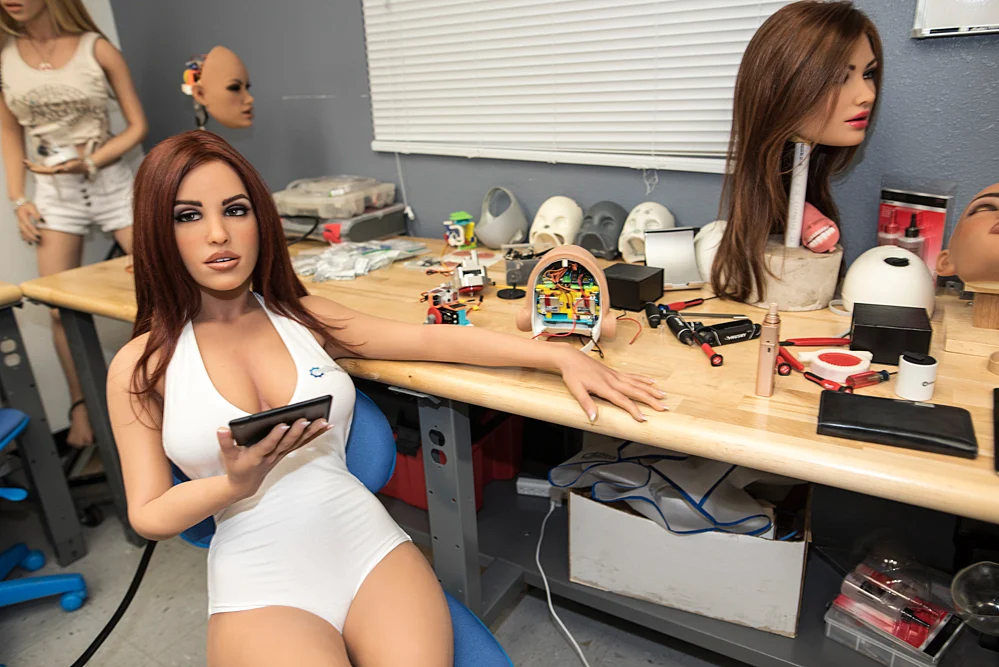
    A lifelike robot sits at a workbench, holding a phone, surrounded by tools and other robot parts.

    The Alluring Intersection of AI and Human Rights

    There is also a concern that AI technology may infringe upon individuals’ right to privacy. As AI continues to advance, it can collect and analyze vast amounts of personal data, raising concerns about surveillance and potential misuse of this data. This is especially concerning in authoritarian regimes where AI-powered surveillance systems can be used to monitor and control citizens.

    Another ethical implication of AI in human rights is the potential loss of human autonomy and decision-making. As AI systems become more advanced and integrated into various aspects of society, there is a risk that humans may become overly reliant on AI and lose their ability to make independent decisions. This could have significant implications for human rights, particularly in areas such as employment, where AI may replace human workers and lead to job loss and economic inequality.

    Current Event: Facial Recognition Technology and Human Rights

    One current event that highlights the intersection of AI and human rights is the increasing use of facial recognition technology. Facial recognition technology uses AI algorithms to analyze facial features and match them to a database of images, allowing for identification and tracking of individuals in public spaces. While this technology has been touted as a way to enhance security and streamline processes such as airport check-ins, it has also raised serious concerns about privacy and human rights.

    In China, facial recognition technology is being used by the government to monitor and control its citizens, with millions of cameras installed in public spaces. This has led to concerns about mass surveillance and the potential for human rights abuses. In the United States, the use of facial recognition technology by law enforcement has also raised concerns about privacy and potential biases in the algorithms. The American Civil Liberties Union (ACLU) has filed lawsuits against police departments for using facial recognition technology, citing concerns about its accuracy and potential for discrimination.

    In response to these concerns, several cities and states in the US have passed bans or restrictions on the use of facial recognition technology by law enforcement. In May 2021, San Francisco became the first city in the US to ban the use of facial recognition technology by government agencies. This highlights the need for careful consideration and regulation of AI technology to ensure it does not infringe upon human rights.

    Summary

    The intersection of AI and human rights is a complex and evolving topic, with both potential benefits and challenges. AI has the potential to improve access to justice and equality, increase efficiency and accuracy in legal processes, and aid in disaster response and humanitarian aid. However, it also raises concerns about biases, infringement of privacy rights, and loss of human autonomy. The use of facial recognition technology is a current event that highlights these concerns and the need for careful regulation of AI to ensure it does not violate human rights.

  • The Fascinating Role of AI in Solving Global Issues

    Blog Post:

    The use of artificial intelligence (AI) has been rapidly growing in various industries, from healthcare to finance to transportation. However, what many may not realize is the potential of AI to solve global issues that have been plaguing our world for decades. In this blog post, we will explore the fascinating role of AI in tackling some of the most pressing global issues and how it is already making a difference in the world. But first, let’s take a look at a recent current event that highlights the impact of AI in solving a global issue.

    Current Event:

    In September 2021, the United Nations (UN) announced the launch of the “AI for Good Global Summit,” a virtual event that brings together AI experts, policymakers, and leaders from around the world to discuss how AI can be used to address global challenges. The summit, which is organized by the International Telecommunication Union (ITU) in partnership with the UN, will focus on leveraging AI for sustainable development and humanitarian action.

    The AI for Good Global Summit is just one example of how AI is being utilized to tackle global issues. Now, let’s explore some of the ways in which AI is making a difference in the world.

    1. Climate Change:

    Climate change is one of the most pressing global issues of our time, and AI is proving to be a valuable tool in mitigating its effects. One of the ways AI is being used is in analyzing and predicting weather patterns, which can help in disaster preparedness and response. For example, the World Meteorological Organization (WMO) has been using AI to improve weather forecasting and early warning systems, which can help save lives during natural disasters.

    AI is also being used in climate modeling, which can help scientists and policymakers understand the impact of climate change and make informed decisions. Additionally, AI-powered algorithms are being used to optimize energy consumption and reduce carbon emissions in industries such as transportation and manufacturing.

    2. Healthcare:

    Access to quality healthcare is a global issue, particularly in developing countries. However, AI is changing the game in healthcare by improving diagnostic accuracy, predicting disease outbreaks, and even developing new treatments. For instance, AI-powered medical imaging technology has shown promising results in detecting diseases such as cancer and tuberculosis.

    Moreover, AI is also being used to analyze large amounts of health data to identify patterns and trends, which can help in disease prevention and management. This technology has the potential to revolutionize healthcare and make it more accessible and affordable for people worldwide.

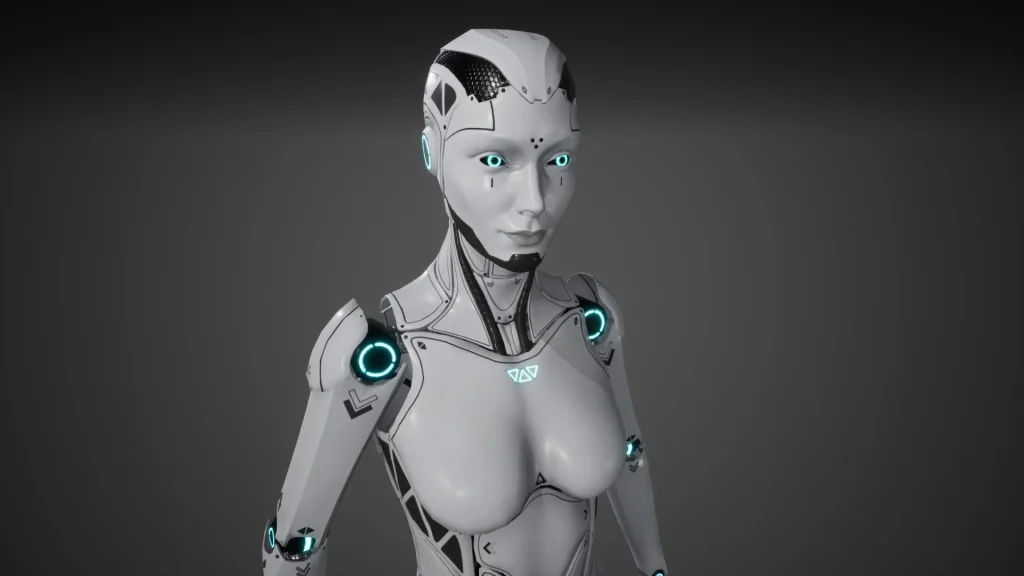
    futuristic humanoid robot with glowing blue accents and a sleek design against a dark background

    The Fascinating Role of AI in Solving Global Issues

    3. Education:

    Education is a fundamental human right, yet many children around the world do not have access to quality education. AI is being used to bridge this gap by providing personalized learning experiences for students. AI-powered educational tools can adapt to each student’s individual needs, making learning more effective and engaging.

    Additionally, AI is also being used in education to identify areas where students may be struggling and provide targeted interventions to help them improve. This technology has the potential to improve education outcomes and ensure that every child has the opportunity to learn and succeed.

    4. Poverty and Hunger:

    According to the World Bank, around 9% of the world’s population lives in extreme poverty, and about 690 million people suffer from hunger. AI is playing a crucial role in addressing these global issues by optimizing food production and distribution, as well as predicting and preventing food shortages.

    For example, AI-powered drones are being used to monitor and analyze crop growth, soil moisture, and other factors that can affect agricultural yields. This data can help farmers make informed decisions and increase their crop production. AI is also being used to improve the efficiency of food transportation and reduce food waste, which can help in alleviating hunger and poverty.

    5. Human Rights:

    Human rights violations, such as discrimination and inequality, continue to be a major global issue. AI is being used to identify and address these issues by analyzing large amounts of data and detecting patterns of discrimination. This technology can help in creating more inclusive policies and promoting human rights worldwide.

    Moreover, AI is also being used to provide legal assistance to marginalized communities and individuals who cannot afford traditional legal services. This has the potential to improve access to justice and uphold human rights for all.

    In conclusion, the role of AI in solving global issues is vast and ever-growing. From climate change to poverty to education, AI is proving to be a valuable tool in creating a better world for all. However, it is important to ensure that AI is developed and used ethically and responsibly to avoid any potential negative impacts. As the use of AI continues to expand, we can only imagine the potential it holds in solving even more global issues in the future.

    Summary:

    In this blog post, we explored the fascinating role of AI in solving global issues. From climate change to poverty to human rights, AI is being used to address some of the most pressing challenges facing our world. The recent launch of the AI for Good Global Summit by the UN is a testament to the growing importance of AI in solving global issues. With its ability to analyze large amounts of data, predict outcomes, and provide targeted solutions, AI has the potential to create a better and more sustainable world for all.

  • AI Enchantment and Human Rights: Navigating the Thin Line Between Progress and Control

    Artificial Intelligence (AI) has become an increasingly prevalent topic in today’s society, with its potential to revolutionize various industries. From healthcare and transportation to finance and entertainment, AI has the power to improve efficiency, accuracy, and convenience in our daily lives. However, with this rapid advancement in technology, concerns have been raised about the impact of AI on human rights.

    On one hand, AI has the potential to enhance human rights in various ways. It can help in the fight against discrimination by removing human bias from decision-making processes. AI-powered tools can also assist in identifying and addressing human rights violations, such as child labor and human trafficking. Additionally, AI can improve access to education and healthcare, especially in developing countries.

    However, as with any new technology, there is always the risk of unintended consequences. The use of AI in surveillance and data collection has raised concerns about privacy and the potential for discrimination and misuse of personal information. There are also worries about the impact of AI on employment and the widening of the wealth gap between the wealthy and the less fortunate.

    One of the main concerns surrounding AI and human rights is the potential for control and manipulation. As AI systems become more advanced and integrated into various aspects of our lives, there is a risk of losing control over these systems. This can result in a loss of autonomy and agency for individuals, as decisions are made for them by AI algorithms. This raises questions about who holds the responsibility for the actions and decisions made by AI systems.

    Furthermore, there is a growing concern about the lack of transparency in AI algorithms and decision-making processes. Without proper understanding and oversight, these systems can perpetuate biases and discrimination, ultimately violating human rights. This is especially concerning in sectors such as criminal justice, where AI could potentially perpetuate racial or socioeconomic inequalities.

    In order to navigate the thin line between progress and control, it is crucial to have ethical guidelines and regulations in place. The development and implementation of AI must be done with human rights values at the forefront. This includes ensuring transparency, accountability, and fairness in the design and use of AI systems.

    a humanoid robot with visible circuitry, posed on a reflective surface against a black background

    AI Enchantment and Human Rights: Navigating the Thin Line Between Progress and Control

    The United Nations has recognized the potential impact of AI on human rights and has called for the development of ethical guidelines to guide its use. In 2018, the UN High Commissioner for Human Rights, Michelle Bachelet, stated, “We need to ensure that we develop appropriate regulatory frameworks for AI and also that we have human rights at the core of those frameworks.” This highlights the importance of addressing the potential risks and consequences of AI before it becomes too widespread.

    Additionally, it is essential for governments, organizations, and individuals to actively engage in discussions and debates about the ethical implications of AI. Open dialogue and collaboration can help find solutions that balance the potential benefits of AI with the protection of human rights.

    One recent current event that highlights the need for ethical guidelines in AI is the controversy surrounding the use of facial recognition technology by law enforcement in the United States. In January 2020, the American Civil Liberties Union (ACLU) filed a lawsuit against the FBI for its use of facial recognition technology, stating that it violates the privacy and civil rights of individuals. This lawsuit sheds light on the potential misuse and violation of human rights when AI is used without proper guidelines and oversight.

    In conclusion, AI has the potential to vastly improve our lives, but it is crucial to navigate the thin line between progress and control carefully. The ethical implications of AI must be addressed, and human rights must be protected in the development and use of AI systems. As we continue to advance in technology, it is important to remember that ultimately, it is humans who hold the responsibility for the impact of AI on society and human rights.

    Summary:

    AI has the potential to revolutionize various industries and improve human rights by removing bias and addressing violations. However, concerns have been raised about the impact of AI on privacy, employment, and control. It is crucial to have ethical guidelines and open dialogue to balance progress and protect human rights. The current event of the ACLU suing the FBI for their use of facial recognition technology highlights the need for ethical guidelines in AI.

  • The Ethics of AI in Warfare: Is There a Line We Shouldn’t Cross?

    The use of artificial intelligence (AI) in warfare has become a hotly debated topic in recent years. With advancements in technology and the increasing role of AI in military operations, questions about the ethical implications of using AI in warfare have emerged. Is there a line we shouldn’t cross when it comes to AI in warfare? In this blog post, we will explore the ethics of AI in warfare and examine whether there should be limits to its use.

    One of the main concerns surrounding the use of AI in warfare is the potential for AI to make decisions that could result in harm to civilians or violations of human rights. AI systems are programmed to make decisions based on data and algorithms, without emotions or empathy. This raises the question of whether AI can truly understand the complexities of human morality and the rules of war.

    In 2018, the United Nations (UN) released a report calling for a ban on lethal autonomous weapons systems, also known as “killer robots.” The report states that the use of such weapons would undermine human dignity and violate the principles of international humanitarian law. The use of AI in warfare also raises concerns about accountability and responsibility. Who would be held accountable if an AI system makes a mistake or violates international law?

    Another ethical concern is the potential for AI to perpetuate biases and discrimination. AI systems learn from the data they are fed, which can reflect societal biases and prejudices. This could lead to discrimination against certain groups of people, either intentionally or unintentionally. In warfare, this could have devastating consequences if AI is used to make decisions about targeting or identifying potential threats.

    Furthermore, the use of AI in warfare raises questions about the dehumanization of warfare. With AI making decisions and carrying out operations, there is the risk of reducing human involvement and accountability. This could lead to a loss of empathy and the blurring of the line between right and wrong in warfare.

    However, proponents of AI in warfare argue that AI can actually reduce harm and casualties in war. AI systems can process large amounts of data and make decisions faster and more accurately than humans. This could potentially lead to more precise targeting and less collateral damage. In addition, AI can be used to gather intelligence and identify potential threats, reducing the risk to human soldiers.

    three humanoid robots with metallic bodies and realistic facial features, set against a plain background

    The Ethics of AI in Warfare: Is There a Line We Shouldn't Cross?

    Currently, AI is being used in various ways in warfare. The most common use is in unmanned aerial vehicles, or drones, which are controlled by AI systems to carry out airstrikes. AI is also being used for surveillance and intelligence gathering, as well as in developing autonomous weapons systems. These advancements have raised concerns about the potential for AI to be used in an autonomous or “kill without human intervention” capacity.

    In 2020, a UN meeting on disarmament discussed the issue of autonomous weapons. The meeting highlighted the need for international cooperation and regulation to ensure that AI is used ethically in warfare. However, progress towards a global ban on autonomous weapons has been slow, with many countries hesitant to give up potential military advantages.

    One recent event that has brought the ethics of AI in warfare to the forefront is the use of AI by the Chinese military. In 2017, China announced its plan to become a world leader in AI technology by 2030. This includes developing AI for military use, such as autonomous weapons and battlefield robots. China has also been accused of using AI for surveillance and monitoring of its citizens, which has raised concerns about the potential for AI to be used for authoritarian purposes.

    In a recent report by the Center for Strategic and International Studies, it was revealed that China has been using AI to develop a “killing network” that would allow for the coordination and control of autonomous weapons systems. This raises serious ethical concerns about the use of AI in warfare and the potential for these systems to operate without human intervention.

    In conclusion, the use of AI in warfare presents complex ethical considerations. While proponents argue that AI can reduce harm and casualties, there are valid concerns about the potential for AI to violate human rights and perpetuate biases. As technology continues to advance, it is crucial for international cooperation and regulation to ensure that AI is used ethically in warfare. Ultimately, there may be a line that should not be crossed when it comes to the use of AI in warfare, and it is up to governments and policymakers to establish and enforce those boundaries.

    In summary, the use of artificial intelligence (AI) in warfare raises ethical concerns about the potential for harm to civilians, violations of human rights, perpetuation of biases, and the dehumanization of warfare. While proponents argue that AI can reduce harm, there is a need for international cooperation and regulation to ensure that AI is used ethically. The recent use of AI by the Chinese military highlights the urgency for establishing boundaries and regulations for the use of AI in warfare.

  • Robot Sex and Human Rights: A Look at the Ethical Ramifications

    Robot Sex and Human Rights: A Look at the Ethical Ramifications

    The idea of having sexual relations with robots may seem like something out of a sci-fi movie, but with advancements in artificial intelligence and technology, it is becoming a reality. Sex robots, also known as “sexbots,” are being developed and marketed as a way to fulfill sexual desires and fantasies. While some may see this as a harmless form of entertainment, others are raising concerns about the ethical implications and potential violations of human rights.

    Before delving into the ethical ramifications of robot sex, it is important to understand what sexbots are and how they are being used. Sexbots are typically life-sized, human-like robots that are designed to engage in sexual activities with humans. They can be controlled through a remote, programmed to have specific behaviors, and some even have artificial intelligence capabilities. Currently, sexbots are primarily being used for sexual gratification, but some companies are also marketing them as companions for those who may feel lonely or socially isolated.

    One of the main concerns surrounding sexbots is the objectification and dehumanization of human beings. By creating and promoting robots that are solely for the purpose of sexual pleasure, we are reinforcing the idea that humans can be reduced to mere objects for our own gratification. This can have detrimental effects on how we view and treat each other, especially in regards to consent and respect for autonomy.

    Another ethical issue is the potential violation of human rights, specifically the right to sexual expression and bodily autonomy. Sexbots are programmed to cater to the desires of their users, often without the ability to say no or consent. This raises questions about whether or not sex with a robot can truly be consensual and if it could lead to a normalization of non-consensual sexual behaviors. It also brings into question the role of artificial intelligence in determining what is considered acceptable sexual behavior.

    Furthermore, there are concerns about the impact of sexbots on our social and cultural norms. As technology advances and sexbots become more lifelike, there is a fear that they may replace human-to-human sexual interactions. This could potentially lead to a decrease in intimacy and connection between individuals, as well as a further objectification of human relationships. It could also have a negative impact on society’s views of gender roles and traditional notions of relationships and sexuality.

    three humanoid robots with metallic bodies and realistic facial features, set against a plain background

    Robot Sex and Human Rights: A Look at the Ethical Ramifications

    However, there are also arguments in favor of sexbots and their potential benefits. Proponents argue that sexbots could serve as a safe outlet for those who struggle with sexual desires that may be harmful or illegal if acted upon with another human. They could also provide companionship and emotional support for those who may not have access to it otherwise, such as individuals with disabilities or those who are socially isolated.

    Despite these arguments, it is important to consider the potential consequences of embracing sexbots without proper ethical considerations. As with any new technology, it is crucial to have open and honest discussions about the implications and to ensure that human rights are not being violated in the pursuit of technological advancement.

    One recent event that sparked a conversation about robot sex and human rights is the release of the Netflix series “Sextuplets.” In this show, the main character becomes obsessed with his sex robot, which he believes to be a real woman. The series raises questions about the potential consequences of normalizing relationships with robots and the impact it could have on our perception of consent and intimacy.

    In conclusion, the development and use of sexbots bring about complex ethical considerations and potential violations of human rights. It is important to have open and honest discussions about the implications of this technology and to ensure that it does not contribute to the objectification and dehumanization of individuals. As we continue to advance in technology, it is crucial to prioritize the protection of human rights and to carefully consider the potential ramifications of our actions.

    Summary:

    Sex robots, also known as “sexbots,” are being developed and marketed as a way to fulfill sexual desires and fantasies. However, this raises concerns about the ethical implications and potential violations of human rights. By creating and promoting robots that are solely for the purpose of sexual pleasure, we are reinforcing the idea that humans can be reduced to mere objects for our own gratification. This can have detrimental effects on how we view and treat each other, especially in regards to consent and respect for autonomy. There is also a fear that sexbots may replace human-to-human sexual interactions and have a negative impact on society’s views of gender roles and traditional notions of relationships and sexuality. However, there are also arguments in favor of sexbots as a safe outlet for those with harmful or illegal sexual desires, as well as a source of companionship for those who may not have access to it otherwise. It is important to have open and honest discussions about the implications of this technology and to ensure that human rights are not being violated. A recent event that sparked conversation is the release of the Netflix series “Sextuplets,” which raises questions about the potential consequences of normalizing relationships with robots and the impact it could have on our perception of consent and intimacy.

  • The Future of Intimacy: Robot Sex and Ethical Considerations

    The Future of Intimacy: Robot Sex and Ethical Considerations

    Intimacy is a fundamental aspect of human relationships, and as technology continues to advance, it is inevitable that it will play a bigger role in our intimate lives. One of the most controversial and intriguing developments in this area is the rise of robot sex, also known as sex robots or sex tech. These are lifelike robots designed specifically for sexual pleasure and companionship. While some may see this as a natural progression of technology and a harmless way to fulfill physical and emotional needs, others have raised ethical concerns about the impact of robot sex on human relationships and society as a whole.

    The rise of robot sex can be attributed to the advancements in artificial intelligence (AI) and robotics. These robots are programmed to simulate human sexual behavior and respond to touch, creating a more realistic and interactive experience. With the growing popularity of virtual reality and the increasing sophistication of AI, these robots are becoming more lifelike and customizable, catering to individual preferences and fantasies.

    There are various reasons why people may turn to robot sex. Some may see it as a way to explore their sexuality without judgment or fear of rejection. Others may view it as a convenient and safe option for sexual gratification without the risk of sexually transmitted diseases or unwanted pregnancies. For some, it may simply be a form of companionship and emotional connection. However, as with any new technology, there are ethical considerations that must be taken into account.

    One of the main concerns surrounding robot sex is the objectification and commodification of intimacy. By reducing intimacy to a transactional exchange with a machine, there is a risk of dehumanizing and devaluing the importance of genuine human connection. This can have a detrimental effect on relationships and our understanding of intimacy. It also raises questions about consent, as robots are not capable of giving or withholding consent in the same way that humans can.

    Another ethical consideration is the potential impact of robot sex on traditional relationships. With the rise of sex robots, some may argue that it could lead to a decline in human-to-human relationships and the erosion of traditional values such as commitment and monogamy. This could also have implications for the emotional and psychological well-being of individuals and society as a whole.

    A woman embraces a humanoid robot while lying on a bed, creating an intimate scene.

    The Future of Intimacy: Robot Sex and Ethical Considerations

    Furthermore, there are concerns about the role of sex robots in perpetuating harmful stereotypes and reinforcing unhealthy societal attitudes towards sex. For example, some robots are designed to resemble submissive and objectified women, which can contribute to the objectification and sexualization of women in society. This can also have a negative impact on the self-esteem and body image of individuals, particularly women.

    In addition to these ethical concerns, there are also practical considerations to take into account. For instance, the development and production of sex robots may divert resources and attention away from more pressing issues such as healthcare and education. There are also concerns about the potential for hacking and misuse of these robots, which could have serious consequences for both users and society.

    Despite these ethical considerations, the market for sex robots continues to grow, with companies such as Realbotix and Abyss Creations leading the way. In fact, a recent survey conducted by the Campaign Against Sex Robots found that one in three men in the UK would consider buying a sex robot, and a quarter of men believe they will become commonplace in the next ten years. This growing acceptance and demand for sex robots raise the question of whether society is ready for this new form of intimacy and what steps should be taken to address the ethical concerns surrounding it.

    One current event that highlights the ethical considerations of robot sex is the controversy surrounding a robot brothel in Houston, Texas. The brothel, called KinkySdollS, is set to open in the near future, offering customers the opportunity to have sex with lifelike sex dolls. While the owner of the brothel argues that it is a safe and legal way for people to explore their sexuality, many have raised concerns about the objectification of women and the potential for harm to individuals and society.

    In response, the city of Houston has passed an ordinance banning the commercial use of sex dolls. This decision has sparked a debate about the legality and morality of robot sex and whether it should be regulated or prohibited altogether. It also raises questions about the role of government in regulating intimate relationships and the limits of individual freedom in this increasingly digital age.

    In conclusion, the rise of robot sex raises many ethical considerations that must be carefully examined and addressed. While there are potential benefits to this technology, such as providing an outlet for sexual expression and companionship for those who may not have access to it otherwise, there are also significant risks and concerns that cannot be ignored. As we continue to integrate technology into our intimate lives, it is crucial that we have open and honest discussions about the ethical implications of these developments and ensure that our values and human rights are not compromised in the pursuit of progress.

    SEO metadata: