Tag: data analysis

  • A New Era of Discovery: How Computerized Chemistry is Opening Doors in Research

    In the modern world, technology continues to advance at an incredible pace, leading to new discoveries and innovations in various fields. One area that has seen significant growth and impact is chemistry, thanks to the integration of computer science and artificial intelligence. This new era of discovery, known as computerized chemistry, has opened doors for researchers, allowing them to explore and understand chemical reactions and structures in a way that was previously impossible. In this blog post, we will delve into the world of computerized chemistry, its application in research, and how it is changing the landscape of chemistry.

    Chemistry is the study of matter, its properties, and the changes it undergoes. Traditionally, chemists have relied on experiments and observations to understand and predict chemical reactions. However, with the advancement of technology, researchers can now use computers to simulate and predict chemical reactions, leading to more accurate and efficient results.

    One of the main driving forces behind the rise of computerized chemistry is the use of artificial intelligence (AI). AI is a branch of computer science that focuses on creating intelligent machines that can learn and solve problems independently. In chemistry, AI algorithms are used to analyze vast amounts of data, making connections and identifying patterns that may not be apparent to humans. This process, known as data mining, has been crucial in discovering new materials, reactions, and properties.

    Another key aspect of computerized chemistry is the use of computational modeling. This involves creating virtual models of molecules and their interactions, allowing researchers to visualize and study chemical processes at a molecular level. With the help of powerful computers and algorithms, computational modeling can simulate and predict the behavior of molecules in different environments, providing valuable insights that can guide experiments and research.

    One of the most exciting applications of computerized chemistry is in drug discovery and development. The traditional process of discovering and developing new drugs is long, costly, and often ineffective. However, with the integration of computer science and chemistry, researchers can now virtually screen thousands of compounds, predicting their potential effects and interactions in a matter of hours. This has significantly sped up the drug discovery process, leading to the development of new medicines and treatments for various diseases.

    A recent example of the impact of computerized chemistry in drug discovery is the development of a potential treatment for COVID-19. Researchers from the University of California, San Francisco, used AI and computational modeling to screen over 1.5 billion compounds and identify potential inhibitors of the virus responsible for COVID-19. This discovery has the potential to pave the way for a new treatment for the disease, highlighting the power and potential of computerized chemistry in research.

    A woman embraces a humanoid robot while lying on a bed, creating an intimate scene.

    A New Era of Discovery: How Computerized Chemistry is Opening Doors in Research

    Apart from drug discovery, computerized chemistry is also being used in various other areas of research, such as materials science, environmental science, and even food science. By simulating and predicting the properties and behaviors of materials, researchers can design new materials with specific properties, such as durability, strength, or conductivity. In environmental science, computerized chemistry is being used to study the impact of pollutants and develop methods to mitigate their effects. And in food science, it is being used to improve food safety and create new flavors and textures.

    In addition to its practical applications, computerized chemistry is also changing the way we teach and learn chemistry. With the use of simulations and virtual experiments, students can now visualize and understand chemical processes and concepts in a more interactive and engaging way. This has the potential to make chemistry more accessible and exciting for students, leading to a new generation of chemists and researchers.

    In conclusion, computerized chemistry is ushering in a new era of discovery in the field of chemistry. With the integration of computer science and artificial intelligence, researchers can now explore and understand chemical reactions and structures in ways that were previously impossible. This has led to significant advancements in drug discovery, materials science, environmental science, and other areas of research. As technology continues to advance, the future of computerized chemistry looks even more promising, with the potential to revolutionize the way we understand and interact with the world around us.

    Current Event:

    AI-driven drug discovery company raises $37M in Series B funding
    URL: https://www.pharmaceutical-technology.com/news/ai-drug-discovery-funding/

    Summary:
    Computerized chemistry, the integration of computer science and artificial intelligence in chemistry research, is changing the landscape of the field. With the use of AI and computational modeling, researchers can now simulate and predict chemical reactions, leading to new discoveries and innovations. This has significant applications in drug discovery, materials science, and other areas of research. A recent example is the use of AI in identifying potential treatments for COVID-19. Moreover, computerized chemistry is also transforming the way we teach and learn chemistry, making it more accessible and engaging for students. With the continuous advancement of technology, the future of computerized chemistry looks even more promising, with the potential to revolutionize our understanding and interaction with the world.


  • From Data to Discovery: How Computerized Chemistry is Accelerating Scientific Breakthroughs

    From Data to Discovery: How Computerized Chemistry is Accelerating Scientific Breakthroughs

    Chemistry is a fundamental science that has been essential in driving advancements in various industries, from pharmaceuticals to materials science. However, traditional chemistry methods can be time-consuming and labor-intensive, often leading to delays in scientific discoveries. Thanks to computerized chemistry, this is rapidly changing as scientists are now able to harness the power of technology to accelerate research and uncover new insights.

    Computerized chemistry involves the use of computational methods and techniques to study chemical systems and processes. It combines traditional chemistry principles with advanced computing tools, such as machine learning and artificial intelligence, to analyze and interpret large datasets. This approach has revolutionized the field of chemistry, making it possible to explore and predict the behavior of molecules and reactions with unprecedented speed and accuracy.

    One of the most significant benefits of computerized chemistry is its ability to accelerate scientific breakthroughs. By leveraging data-driven approaches, researchers can quickly identify patterns and relationships in complex chemical systems, leading to new discoveries and innovations. For instance, instead of conducting experiments in a laboratory, scientists can now use computer simulations to predict how a molecule will behave under different conditions. This not only saves time and resources but also provides valuable insights that can guide further experimentation.

    futuristic female cyborg interacting with digital data and holographic displays in a cyber-themed environment

    From Data to Discovery: How Computerized Chemistry is Accelerating Scientific Breakthroughs

    Moreover, computerized chemistry is enabling scientists to tackle previously unsolvable problems. For instance, it has been used to study and design new drugs, understand the mechanisms of diseases, and develop new materials with unique properties. In the past, these tasks would have been nearly impossible to achieve through traditional methods alone. By tapping into the vast potential of data analysis and machine learning, computerized chemistry is pushing the boundaries of what is possible in the field of chemistry.

    One current event that highlights the power of computerized chemistry in accelerating scientific breakthroughs is the development of new materials for sustainable energy. In a recent study published in Nature Communications, researchers used computer simulations to design and test a new type of material for solar cells. This material, known as a perovskite, has shown promising results in previous experiments but has been challenging to optimize due to its complex structure. Through computerized chemistry, the researchers were able to identify the key factors that affect the performance of the material and design a perovskite with record-breaking efficiency. This breakthrough not only demonstrates the potential of computerized chemistry in developing sustainable energy solutions but also highlights how it can accelerate the pace of scientific discovery.

    Overall, computerized chemistry is revolutionizing the way we approach scientific research. By combining the power of data analysis and advanced computing tools, scientists can now tackle complex problems with unprecedented speed and accuracy. This not only saves time and resources but also leads to new discoveries and innovations that were previously out of reach. As technology continues to advance, we can expect even more exciting breakthroughs in chemistry and other scientific fields, thanks to the power of computerized methods.

    In summary, computerized chemistry is accelerating scientific breakthroughs by harnessing the power of data analysis and advanced computing tools. It is enabling researchers to quickly identify patterns and relationships in complex chemical systems, tackle previously unsolvable problems, and develop new materials and solutions. One current event that highlights the potential of computerized chemistry is the development of a new perovskite material for solar cells. This breakthrough serves as a testament to the power of technology in advancing scientific research and discovery.

  • The Rise of Virtual Experiments: How Computerized Chemistry is Advancing Research

    The Rise of Virtual Experiments: How Computerized Chemistry is Advancing Research

    In the world of scientific research, advancements in technology have always played a crucial role in driving progress. From the invention of the microscope to the development of high-powered computers, new tools and techniques have opened up new possibilities for scientists to explore and understand the world around us.

    One of the most recent and exciting advancements in the field of chemistry is the rise of virtual experiments. With the help of computerized technology, scientists are now able to simulate complex chemical reactions and analyze data in a way that was previously impossible. This has led to significant advancements in research and has the potential to revolutionize the way we approach chemistry in the future.

    The Evolution of Laboratory Experiments

    Traditionally, laboratory experiments have been the cornerstone of chemical research. Scientists would conduct experiments in a controlled environment, carefully measuring and recording data to understand the properties and reactions of various substances. While these experiments have proven to be invaluable in advancing our understanding of chemistry, they also have their limitations.

    One of the main challenges of traditional laboratory experiments is the high cost and time-consuming nature of conducting them. From purchasing chemicals and equipment to setting up and conducting the experiment, the process can be both expensive and time-consuming. Additionally, experiments often require multiple trials to ensure accuracy, which further adds to the cost and time required.

    Furthermore, laboratory experiments can also be hazardous, especially when dealing with toxic or volatile substances. This poses a risk not only to the researchers but also to the environment. Additionally, there are certain experiments that cannot be conducted in a lab due to safety concerns, limiting the scope of research in those areas.

    The Emergence of Virtual Experiments

    With the advent of computerized technology, scientists are now able to simulate chemical reactions and data analysis in a virtual environment. This has opened up a whole new world of possibilities for research. Virtual experiments allow scientists to test different scenarios and outcomes without the need for expensive chemicals or equipment. This not only saves time and money but also reduces the risk of accidents and environmental damage.

    One of the key benefits of virtual experiments is the ability to conduct experiments that are not possible in a traditional lab. For example, experiments involving extreme temperatures or pressures can be simulated in a virtual environment, providing valuable insights into how substances behave under these conditions. This has led to advancements in fields such as material science and energy research.

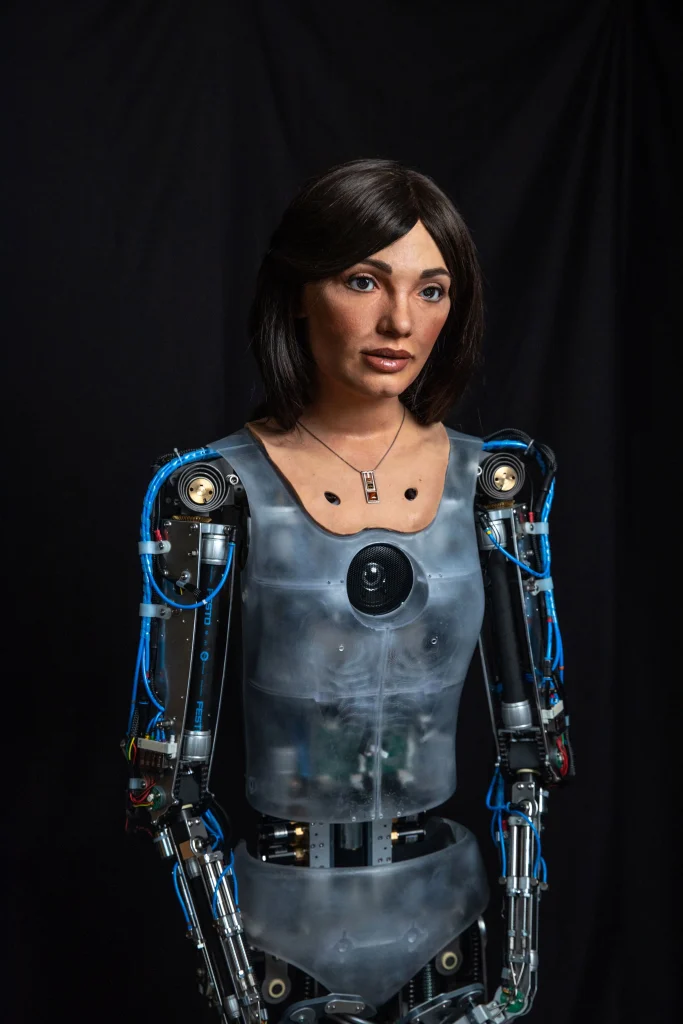
    realistic humanoid robot with a sleek design and visible mechanical joints against a dark background

    The Rise of Virtual Experiments: How Computerized Chemistry is Advancing Research

    Additionally, virtual experiments also allow for greater flexibility and control. Scientists can manipulate different variables and observe the effects on the outcome, providing a deeper understanding of the underlying principles of chemical reactions. This has led to the development of more accurate and efficient models for predicting chemical behavior.

    The Role of Data Analysis

    Along with the rise of virtual experiments, another crucial factor in advancing research in chemistry is the development of data analysis techniques. As virtual experiments generate large amounts of data, it is essential to have the tools and methods to analyze and make sense of this data effectively.

    Computerized data analysis allows scientists to identify patterns and trends that may not be apparent through traditional methods. This has led to the discovery of new compounds and materials, as well as a deeper understanding of how different substances interact with each other.

    Virtual Experiments in Action: A Current Event

    A recent example of the power of virtual experiments in advancing research can be seen in a study published in the journal Science. Scientists from the University of California, Berkeley, used a computer model to simulate the behavior of a protein called Cytochrome P450, which is responsible for metabolizing drugs in the liver.

    By analyzing the data generated from the virtual experiment, the researchers were able to identify key areas of the protein that play a crucial role in its function. This information could help in the development of new drugs that are more effective and have fewer side effects.

    Summary

    In summary, the rise of virtual experiments in chemistry has opened up new possibilities for research, allowing scientists to simulate complex reactions and analyze data in a way that was previously impossible. With the help of computerized technology, virtual experiments offer a more cost-effective, efficient, and safer alternative to traditional laboratory experiments. Combined with data analysis techniques, virtual experiments have the potential to revolutionize the way we approach chemistry and drive scientific innovation in the future.

    SEO metadata:

  • Breaking Barriers: How Computerized Chemistry is Expanding the Possibilities of Chemistry

    Summary:

    Chemistry is a fundamental science that explores the composition, properties, and transformations of matter. The advancements in technology have greatly impacted the field of chemistry, particularly with the introduction of computerized chemistry. This blog post will delve into how computerized chemistry is breaking barriers and expanding the possibilities of chemistry.

    The use of computers in chemistry has revolutionized the way scientists conduct experiments, analyze data, and make discoveries. With the help of computers, chemists can now simulate and predict chemical reactions, design new molecules, and automate processes. This has led to significant time and cost savings, as well as increased accuracy and efficiency in research.

    One of the key benefits of computerized chemistry is its ability to simulate chemical reactions. Through the use of computational models, scientists can predict the outcome of a reaction without having to physically carry out the experiment. This not only saves time and resources but also allows for the exploration of a wider range of reactions that may not be possible in a laboratory setting.

    Moreover, computerized chemistry has also greatly aided in the process of molecule design. By inputting desired properties and characteristics, scientists can use computer algorithms to generate thousands of potential molecules and select the most promising ones for further investigation. This has accelerated the drug discovery process and has the potential to lead to the development of new and more effective medications.

    The automation of processes in chemistry has also been made possible through computerization. This includes the use of robots and other computer-controlled instruments to perform tasks such as mixing, measuring, and analyzing samples. This not only frees up time for scientists to focus on other aspects of their research but also minimizes human error and increases the reproducibility of results.

    Furthermore, the use of computers in chemistry has allowed for more efficient and effective data analysis. With the vast amount of data that is generated from experiments, computer algorithms can quickly and accurately analyze the data, identify patterns, and make predictions. This has opened up new avenues for research and has the potential to lead to groundbreaking discoveries.

    A man poses with a lifelike sex robot in a workshop filled with doll heads and tools.

    Breaking Barriers: How Computerized Chemistry is Expanding the Possibilities of Chemistry

    One recent example of how computerized chemistry is expanding the possibilities of chemistry is the creation of a computer program that can predict the properties of new chemical compounds with 99% accuracy. This program, developed by a team of scientists at the University of California, Berkeley, uses machine learning and artificial intelligence to predict the physical and chemical properties of a compound based on its structure.

    This breakthrough has the potential to accelerate the discovery of new materials and compounds, which could have a wide range of applications in various industries. For example, it could lead to the development of more efficient and sustainable materials for energy storage and conversion, as well as new pharmaceuticals and agricultural products.

    In conclusion, computerized chemistry is breaking barriers and expanding the possibilities of chemistry in ways that were previously unimaginable. It has revolutionized the way chemists conduct research and has the potential to lead to groundbreaking discoveries that could greatly benefit society. With the continuous advancements in technology, the possibilities for computerized chemistry are endless, and we can only imagine what the future holds for this field.

    Current Event:

    Recently, a team of researchers from the University of Tokyo has developed a new computer program that can accurately predict chemical reactions and design new molecules. This program, called “Reaction AI,” uses artificial intelligence and machine learning to analyze data from millions of chemical reactions and identify patterns that can be used to predict the outcome of new reactions.

    This breakthrough has the potential to greatly speed up the drug discovery process, as well as aid in the development of new materials for various industries. As stated by the lead researcher, Professor Keisuke Suzuki, “This technology could lead to the discovery of new pharmaceuticals, materials, and functional molecules that are currently beyond our imagination.”

    Source: https://www.sciencedaily.com/releases/2020/07/200720112050.htm

  • A Match Made in Science: Computerized Chemistry and Big Data

    A Match Made in Science: Computerized Chemistry and Big Data

    In the world of science, there are few things that are as important as data. The collection, analysis, and interpretation of data have led to countless advancements in various fields, including chemistry. With the rise of technology, computerized chemistry and big data have become a match made in scientific heaven. This combination has opened up new possibilities for research, analysis, and discovery, pushing the boundaries of what was once thought possible in the world of chemistry.

    One of the most significant benefits of computerized chemistry is the ability to simulate and predict chemical reactions. By using sophisticated computer programs, scientists can input data on the properties of various substances and their reactions, and the program can simulate how these substances will interact. This allows for more efficient and cost-effective research, as scientists can narrow down potential experiments and focus on the most promising ones. In fact, this approach has been used in drug discovery, where computer simulations can screen potential compounds for certain properties, saving time and resources in the laboratory.

    Another advantage of computerized chemistry is the ability to analyze vast amounts of data in a short period. With the rise of big data, scientists can now access and process enormous quantities of information, allowing for more comprehensive and in-depth analysis. This has been particularly useful in the field of materials science, where researchers can use big data to identify patterns and trends in the properties of different materials. This information can then be used to develop new and improved materials for various applications.

    But the benefits of computerized chemistry and big data go beyond just research and analysis. In recent years, there has been a growing trend of using these tools in the development of new products and processes. For example, in the field of food science, companies are using computerized chemistry and big data to develop new flavors and food products. By analyzing data on consumer preferences and food chemistry, companies can create products that are tailored to specific tastes and preferences, leading to increased sales and customer satisfaction.

    The marriage of computerized chemistry and big data has also revolutionized the field of environmental science. With the help of advanced computer models and big data analysis, scientists can now predict the impact of various human activities on the environment. They can also use this technology to develop more sustainable processes and products, reducing the negative impact on the environment.

    realistic humanoid robot with detailed facial features and visible mechanical components against a dark background

    A Match Made in Science: Computerized Chemistry and Big Data

    One of the most exciting developments in computerized chemistry and big data is the application of machine learning. This branch of artificial intelligence involves training computers to learn and make decisions based on data. In chemistry, this can be used to predict chemical reactions, identify new compounds, and even design new molecules with specific properties. This has immense potential in drug discovery, where the traditional trial-and-error approach can be time-consuming and costly. With machine learning, scientists can narrow down potential compounds and focus on those with the highest likelihood of success.

    Of course, like any other technology, computerized chemistry and big data also have their limitations and challenges. One of the most significant challenges is the quality and reliability of the data being used. With so much data available, ensuring its accuracy and relevance can be a daunting task. Additionally, the use of computer models and simulations can never fully replicate the complexity of real-life chemical reactions, and there is always the risk of errors and discrepancies.

    However, as technology continues to advance and more data becomes available, these challenges can be overcome, and the potential of computerized chemistry and big data can be fully realized. This marriage of science and technology has already led to numerous breakthroughs and advancements in various fields, and there is no doubt that it will continue to shape the future of chemistry.

    Current Event: AI Used to Discover New Antibiotics

    In a recent study published in the journal Cell, researchers from MIT used machine learning to discover a potent new antibiotic compound. The team trained AI algorithms to analyze over 100 million chemical compounds and identify those that could potentially inhibit the growth of bacteria. The result was a new compound that showed promise in killing harmful bacteria, including some that are resistant to current antibiotics.

    This groundbreaking discovery showcases the power of computerized chemistry and big data in drug discovery. The use of AI allowed researchers to screen through a massive database of compounds and identify potential candidates quickly. This approach could potentially speed up the process of finding new antibiotics, which is crucial in the fight against antibiotic-resistant bacteria.

    In summary, the combination of computerized chemistry and big data has opened up a world of possibilities in the field of chemistry. From drug discovery and product development to environmental science and materials science, this technology has the potential to revolutionize the way we approach research and analysis. With the constant advancements in technology and the ever-increasing amount of data available, the future of computerized chemistry and big data is undoubtedly bright.

  • The Digital Age of Chemistry: How Computers are Changing the Game

    In today’s fast-paced world, technology has infiltrated almost every aspect of our lives. From communication to entertainment, it has revolutionized the way we live and work. And the field of chemistry is no exception. The digital age has brought about remarkable changes in the world of chemistry, allowing researchers and scientists to explore and discover new possibilities in a more efficient and precise manner. In this blog post, we will delve into the digital age of chemistry and how computers are changing the game, along with a current event that showcases this transformation.

    The Digital Age of Chemistry:

    Gone are the days when chemists would spend hours in the laboratory, mixing and heating compounds to determine their properties and reactions. With the advancement of computers and technology, chemistry has entered a new era – the digital age. Today, chemists have access to a wide range of software and tools that aid in their research and experiments. This has not only made their work easier but has also opened up avenues for new discoveries and innovations.

    One of the key ways in which computers have transformed the field of chemistry is through simulations and modeling. By using advanced software and algorithms, chemists can now simulate chemical reactions and predict their outcomes without actually performing the experiments in a physical lab. This saves time, resources, and reduces the risk of exposure to hazardous chemicals. Moreover, simulations allow for a more in-depth analysis of the reaction, providing valuable insights that would have been difficult to obtain otherwise.

    Another major impact of computers in chemistry is the ability to analyze and store vast amounts of data. With the help of databases and data analysis software, chemists can now organize, store, and retrieve large amounts of data related to chemical compounds, reactions, and properties. This has significantly sped up the process of research and has made it easier for scientists to collaborate and share their findings with others in the field.

    Furthermore, the digital age has also brought about advancements in chemical synthesis. With the help of computer-aided design (CAD) software, chemists can now design and create molecules with specific properties and functions. This has revolutionized the field of drug discovery, as researchers can now design and test new compounds virtually before moving on to physical experiments. This not only saves time and resources but also increases the accuracy and success rate of drug development.

    A sleek, metallic female robot with blue eyes and purple lips, set against a dark background.

    The Digital Age of Chemistry: How Computers are Changing the Game

    Current Event:

    A recent example of how computers are changing the game in chemistry is the development of an artificial intelligence (AI) system for predicting the properties of chemical compounds. This system, developed by a team of researchers from Northwestern University, uses machine learning algorithms to analyze data on millions of chemical compounds and predict their properties with high accuracy. This can help chemists in the early stages of drug discovery, by providing insights into the potential effectiveness and safety of new compounds.

    This AI system has the potential to significantly speed up the process of drug discovery and development, which can take years and cost billions of dollars. It can also aid in the identification of new and more effective treatments for diseases, by predicting the interactions between compounds and biological targets. This groundbreaking technology showcases the power of computers in revolutionizing the field of chemistry and leading us towards new discoveries and advancements.

    In conclusion, the digital age of chemistry has brought about remarkable changes and advancements in the field. From simulations and data analysis to chemical synthesis and AI, computers have transformed the way chemists work and opened up new possibilities for research and innovation. As technology continues to advance, we can only imagine the endless possibilities and opportunities that lie ahead in the world of chemistry.

    Summary:

    The digital age has brought about significant changes in the field of chemistry, thanks to the advancements in technology. Computers have revolutionized the way chemists work, with tools such as simulations, data analysis, and CAD software, making research more efficient and precise. A current event that showcases this transformation is the development of an AI system for predicting the properties of chemical compounds, which can aid in drug discovery and development. The digital age of chemistry has opened up new possibilities and opportunities for research and innovation, and we can only imagine the endless potential that lies ahead.

  • The Love Algorithm: How Machines are Calculating Passion

    In today’s world, technology has become an integral part of our lives, from the way we communicate to the way we shop. It has also made its way into the realm of love and relationships, with the rise of dating apps and online matchmaking services. But what if I told you that technology is now being used to calculate passion and love? That’s right, machines are now using algorithms to determine compatibility and help people find their perfect match. This phenomenon is known as the Love Algorithm.

    To understand how the Love Algorithm works, we first need to understand what an algorithm is. In simple terms, an algorithm is a set of rules or instructions given to a computer to solve a problem. The Love Algorithm takes this concept and applies it to the complex world of love and relationships.

    The concept of using algorithms for matchmaking is not new. Dating websites have been using compatibility tests and questionnaires to match people for years. However, with the advancements in technology, the Love Algorithm has become more sophisticated and accurate. It uses data analysis and artificial intelligence to match people based on their interests, values, and personality traits.

    One of the pioneers in this field is a company called eHarmony. Their algorithm, based on the research of psychologist Dr. Neil Clark Warren, matches individuals based on 29 dimensions of compatibility. This includes factors like emotional temperament, social style, and relationship skills. The company claims that their algorithm has resulted in over 600,000 marriages since its launch in 2000.

    Another popular dating app, OkCupid, also uses an algorithm to match people based on their responses to a series of questions. The more questions a user answers, the more accurate their matches will be. The app also takes into account factors like location, age, and physical attractiveness.

    But how effective are these algorithms in determining love and compatibility? While some people swear by them, others argue that love and relationships cannot be reduced to a set of data points. After all, human emotions and connections are complex and cannot be fully understood by a machine.

    A recent study by researchers at the University of Rochester found that the success of online dating is not determined by the algorithms, but by the user’s own perception of the website’s effectiveness. The study also revealed that the longer a couple communicated online before meeting in person, the more likely they were to have a successful relationship.

    3D-printed robot with exposed internal mechanics and circuitry, set against a futuristic background.

    The Love Algorithm: How Machines are Calculating Passion

    This raises the question, are we relying too much on technology to find love? Are we losing the human element in our search for a partner? While the Love Algorithm may make our search for love more efficient, it cannot replace the organic process of getting to know someone and building a connection.

    Despite these reservations, the Love Algorithm continues to gain popularity. As technology advances, it is likely that we will see even more sophisticated algorithms being used in the world of love and relationships. Who knows, maybe one day we will all be swiping right based on a machine’s calculation of our compatibility.

    In a world where technology is constantly evolving, it is inevitable that it will have an impact on every aspect of our lives, including love and relationships. While the Love Algorithm may not be a perfect solution, it is a reflection of our society’s increasing reliance on technology. It is up to us to strike a balance and remember that love is a human experience that cannot be fully quantified or calculated.

    Current Event:

    As the use of algorithms in matchmaking continues to grow, so does the debate surrounding its effectiveness. Recently, a new dating app called Hinge announced that it will be removing its swiping feature and instead focus on creating meaningful connections through conversations. This move is seen as a response to the growing frustration with the superficial nature of dating apps and the desire for more authentic connections. This shift in the industry shows that while algorithms may be useful, they cannot replace human interaction and the importance of getting to know someone beyond their online profile.

    Source: https://www.cnbc.com/2018/10/11/dating-app-hinge-is-ditching-swiping-to-help-users-find-love.html

    In summary, the Love Algorithm is a phenomenon where machines use data analysis and artificial intelligence to match people based on their interests, values, and personality traits. While it has proven successful for some, others argue that it cannot fully understand the complexities of human emotions. As technology continues to advance, it is likely that we will see even more advanced algorithms being used in the world of love and relationships. However, it is important to remember that love is a human experience and cannot be fully quantified or calculated by a machine.

    Meta Description: Discover the world of Love Algorithm and how machines are using data analysis and artificial intelligence to calculate passion and love. Learn about its effectiveness and the debate surrounding its use in modern matchmaking.

  • The Power of Big Data: How Techno-Tantalization is Shaping Business and Marketing

    Big Data has become a buzzword in the business world, promising to revolutionize the way companies operate and make decisions. With the rapid growth of technology and the increasing amount of data being generated, businesses have access to more information than ever before. This abundance of data has led to the rise of data-driven decision making and has significantly impacted the way businesses approach marketing strategies. This phenomenon, known as the power of Big Data, has transformed the business world and is continuing to shape the future of business and marketing.

    So, what exactly is Big Data? Simply put, it refers to the massive volume of structured and unstructured data that is generated by individuals, businesses, and machines every day. This data can come from various sources, including social media, customer interactions, transactions, and sensors. The key to Big Data is not just the sheer amount of data but also the ability to analyze and make sense of it. With the help of advanced technologies like Artificial Intelligence (AI) and machine learning, businesses can now extract valuable insights from this data and use it to make informed decisions.

    One of the main reasons why Big Data has become so powerful is its ability to provide a more in-depth understanding of customers. With the help of data analytics, businesses can now gather information about their target audience, including their preferences, behaviors, and buying patterns. This allows them to create more targeted and personalized marketing strategies that resonate with their customers. In turn, this leads to higher conversion rates, increased customer satisfaction, and ultimately, better business results.

    Moreover, Big Data has also enabled businesses to track and measure the effectiveness of their marketing efforts accurately. With traditional marketing methods, it was challenging to determine which strategies were working and which were not. However, with the use of data analytics, businesses can now track the performance of their campaigns in real-time and make necessary adjustments to optimize their marketing efforts. This leads to a more efficient use of resources and a higher return on investment (ROI).

    Another significant impact of Big Data is its role in driving digital transformation. As more and more businesses are adopting digital technologies, data has become the backbone of their operations. With the help of Big Data, companies can automate processes, improve efficiencies, and make data-driven decisions that drive growth and innovation. This has led to a shift in the way companies operate, with many embracing a more agile and customer-centric approach.

    One industry that has been significantly affected by the power of Big Data is the retail sector. With the rise of e-commerce, companies are now able to gather vast amounts of data on their customers’ shopping behaviors. This data can include purchase history, browsing patterns, and even social media activity. By analyzing this data, retailers can gain valuable insights into their customers’ preferences and use them to create a more personalized shopping experience. This has resulted in increased customer loyalty and retention, leading to higher revenues for businesses.

    realistic humanoid robot with a sleek design and visible mechanical joints against a dark background

    The Power of Big Data: How Techno-Tantalization is Shaping Business and Marketing

    Apart from retail, other industries such as healthcare, finance, and manufacturing have also been impacted by the power of Big Data. In healthcare, for example, data analytics has been instrumental in predicting and preventing diseases, improving patient outcomes, and reducing healthcare costs. In finance, Big Data has enabled banks and financial institutions to identify and prevent fraudulent activities. And in manufacturing, data analytics has helped companies improve supply chain management, optimize production processes, and reduce costs.

    However, with the power of Big Data also comes the responsibility of handling sensitive information. As companies gather and store massive amounts of data, the risk of data breaches and cyber-attacks increases. This has led to the implementation of stricter data privacy laws, such as the General Data Protection Regulation (GDPR) in the European Union and the California Consumer Privacy Act (CCPA) in the United States. These regulations require companies to be transparent about how they collect, use, and share data, and provide individuals with more control over their personal information.

    Overall, the power of Big Data has had a significant impact on the business world, transforming the way companies operate and make decisions. With the help of data analytics, businesses can gain valuable insights, improve efficiencies, and drive innovation. However, it is essential for companies to prioritize data privacy and security to maintain the trust of their customers and comply with regulations.

    One current event that highlights the impact of Big Data in business and marketing is the recent data breach at Facebook. In September 2021, it was reported that personal information of over 533 million Facebook users was leaked online, including names, phone numbers, and email addresses. This data breach serves as a reminder of the importance of data privacy and the potential consequences of mishandling data. It also highlights the need for businesses to have robust data security measures in place to protect their customers’ information.

    In conclusion, the power of Big Data is reshaping the business landscape and revolutionizing the way companies approach marketing. With the help of data analytics, businesses can gain a deeper understanding of their customers, track and measure the effectiveness of their marketing efforts, and drive digital transformation. However, it is crucial for companies to prioritize data privacy and security to maintain the trust of their customers and comply with regulations. The future of business and marketing is undoubtedly data-driven, and companies that embrace the power of Big Data will have a competitive advantage in the ever-evolving business world.

    SEO metadata:
    Title: The Power of Big Data: How Techno-Tantalization is Shaping Business and Marketing
    Description: Discover the impact of Big Data on business and marketing, and how it is driving digital transformation. Learn about the benefits and challenges of using data analytics and the importance of data privacy and security.
    Keywords: Big Data, Technology, Business, Marketing, Data Analytics, Digital Transformation, Data Privacy, Data Security.

  • The Power of Algorithms: How Machines are Creating Perfect Matches

    The Power of Algorithms: How Machines are Creating Perfect Matches

    In today’s digital age, we rely heavily on technology in our everyday lives. From ordering groceries online to finding the perfect romantic partner, algorithms have become an integral part of our decision-making processes. But what exactly are algorithms, and how do they work? More importantly, how are they influencing our lives, particularly in the realm of matchmaking?

    To put it simply, algorithms are sets of rules or instructions given to a computer to solve a problem or complete a task. They use data and mathematical calculations to make decisions and predictions. In the world of matchmaking, algorithms are being used to analyze vast amounts of data to find the perfect match for individuals. This process, known as machine learning, is a type of artificial intelligence that enables computers to learn and adapt without being explicitly programmed.

    The rise of algorithm-based matchmaking can be seen in the success of dating apps like Tinder, Bumble, and Hinge. These apps use algorithms to match users based on their preferences, location, and behavior on the app. They analyze data such as swiping patterns, messaging frequency, and profile information to suggest potential matches. This not only saves users time and effort in finding a compatible partner but also increases the chances of a successful match.

    But it’s not just dating apps that are utilizing algorithms for matchmaking. Companies like eHarmony and Match.com have been using complex algorithms for years to match individuals based on compatibility factors such as values, beliefs, and interests. These algorithms are constantly evolving and improving, thanks to the large amounts of data they collect from user interactions and feedback.

    The use of algorithms in matchmaking is not limited to romantic relationships either. Companies like LinkedIn and Indeed use algorithms to match job seekers with potential opportunities based on their skills, experience, and location. This has revolutionized the job search process, making it more efficient and effective for both employers and candidates.

    robotic female head with green eyes and intricate circuitry on a gray background

    The Power of Algorithms: How Machines are Creating Perfect Matches

    So, why are algorithms so effective at creating perfect matches? The answer lies in their ability to analyze large amounts of data and identify patterns and trends that humans may not be able to see. This data-driven approach eliminates human biases and subjectivity, resulting in more accurate and objective matches.

    However, the use of algorithms in matchmaking is not without its controversies. Critics argue that algorithms may reinforce societal biases and stereotypes. For example, dating apps have been accused of perpetuating racial and gender biases in their algorithms, leading to unequal opportunities for certain groups. This highlights the importance of constantly monitoring and improving algorithms to ensure they are fair and equitable.

    Another concern is the potential for algorithms to manipulate and control our choices. As algorithms become more advanced and complex, they may be able to predict our behavior and preferences better than we can ourselves. This raises ethical questions about the extent to which we should rely on algorithms to make decisions for us.

    Despite these concerns, the use of algorithms in matchmaking continues to grow and evolve. As technology advances and more data becomes available, algorithms will become even more accurate and effective at creating perfect matches. And with the rise of virtual and augmented reality, the possibilities for algorithm-based matchmaking are endless.

    In fact, a recent current event showcases the power of algorithms in creating perfect matches in an unexpected way. In February 2021, NASA’s Mars 2020 mission successfully landed the Perseverance rover on the red planet. This feat was made possible by the use of algorithms, which helped the rover navigate its descent and landing on Mars. The algorithms used data from previous missions and simulations to calculate the best trajectory and timing for a successful landing. This is a remarkable example of how algorithms can be used in various fields to achieve incredible results.

    In conclusion, the power of algorithms in creating perfect matches is undeniable. From romantic relationships to job opportunities to space exploration, algorithms are revolutionizing the way we make decisions and connections. As technology continues to advance, we can expect algorithms to play an even bigger role in our lives, shaping our choices and experiences in ways we never thought possible.

    SEO metadata:

  • Love in the Time of Algorithms: How Dating Apps Use Data to Predict Compatibility

    Title: Love in the Time of Algorithms: How Dating Apps Use Data to Predict Compatibility

    Love has been a mysterious and complex concept for centuries, with poets, philosophers, and scientists all attempting to understand its intricacies. But in today’s digital age, love has taken on a new form with the rise of dating apps. These apps use algorithms and data analysis to match individuals with potential partners, promising to increase the chances of finding true love. But how exactly do these apps use data to predict compatibility? And is this approach to love really effective?

    In this blog post, we will delve into the world of dating apps and explore how they use data to find the perfect match. We will also discuss the controversy surrounding this method and its impact on modern relationships. But first, let’s take a look at a recent current event that highlights the role of data in modern dating.

    Current Event:

    In February 2021, the popular dating app Bumble announced that it would be adding a new feature called “Night In” to its platform. This feature allows users to match with potential partners based on their shared interests in virtual activities such as watching movies or playing games. This move by Bumble further solidifies the idea that data is at the core of modern dating, as users are now matched based on their common interests and preferences.

    Source: https://www.theverge.com/2021/2/5/22267875/bumble-night-in-virtual-dating-feature-launch

    The Rise of Dating Apps and Data Analysis

    With the advent of dating apps, the traditional ways of meeting potential partners have been revolutionized. Instead of relying on chance encounters or being set up by friends, individuals can now swipe through profiles and find potential matches with just a few clicks. And at the heart of this process lies algorithms and data analysis.

    Dating apps use complex algorithms to match users based on a variety of factors such as location, age, interests, and preferences. These algorithms are constantly evolving and improving, thanks to the vast amount of data collected from users. With each swipe, like, or message, users provide valuable data that is used to predict compatibility.

    A sleek, metallic female robot with blue eyes and purple lips, set against a dark background.

    Love in the Time of Algorithms: How Dating Apps Use Data to Predict Compatibility

    But it’s not just about matching individuals based on superficial factors. Dating apps also use data to create more in-depth profiles of users, allowing for a more personalized and accurate matchmaking process. This data includes information about hobbies, education, career, and even personality traits, all of which are used to find the best possible match for each user.

    The Controversy Surrounding Data-Driven Dating

    While dating apps may promise to make the search for love easier, they have also faced criticism for their data-driven approach. One of the main concerns is that the use of algorithms and data analysis reduces the complexity of human relationships to a set of data points. Critics argue that this approach ignores the intangible aspects of love and reduces it to a mathematical equation.

    Another issue is the potential for bias in the algorithms used by dating apps. These algorithms are often based on historical data and user preferences, which may reflect societal biases and perpetuate discrimination. This can lead to certain groups of people being excluded from the dating pool, hindering their chances of finding love.

    The Effect of Data-Driven Dating on Modern Relationships

    The use of data in modern dating has also raised questions about the impact it has on relationships. Some argue that the constant swiping and instant gratification that dating apps offer have made it easier for people to move on and not invest in relationships. In addition, the pressure to find the perfect match based on data can lead to unrealistic expectations and disappointment when the relationship does not live up to those expectations.

    Moreover, the reliance on technology and data to find love can also hinder the development of important interpersonal skills. In a world where we can swipe through profiles and send messages without ever meeting in person, the art of genuine human connection may be at risk.

    Summarizing the Blog Post:

    Dating apps have revolutionized the way we search for love, using algorithms and data analysis to match individuals with potential partners. This approach has its benefits, such as increasing the chances of finding compatibility and personalizing the matchmaking process. However, it has also faced criticism for reducing love to a set of data points and perpetuating biases. The impact of data-driven dating on relationships is also a topic of concern, as it can lead to unrealistic expectations and hinder genuine human connection. With the recent addition of virtual activities to dating apps, it is clear that data will continue to play a significant role in modern dating.

  • The Science of Love: How Data and Technology are Revolutionizing Dating

    Blog Post:

    Love has been a timeless and universal topic since the beginning of human existence. It is a complex and multifaceted emotion that has been studied by philosophers, poets, and scientists alike. However, in recent years, the science of love has taken on a whole new dimension with the rise of data and technology. As our lives become increasingly intertwined with technology, it is no surprise that it is also shaping the way we experience and understand love. In this blog post, we will explore how data and technology are revolutionizing the world of dating, and how they are changing the way we approach love and relationships.

    One of the most significant ways in which data and technology are impacting the dating world is through the rise of online dating platforms. With the click of a button, we now have access to a vast pool of potential partners, who we may have never crossed paths with in our everyday lives. These platforms use algorithms and data analysis to match users based on their interests, preferences, and behavior. This has opened up a world of possibilities for people who may have struggled to find love in traditional dating settings.

    According to a recent study by Statista, the global online dating market size was estimated to be worth $3.08 billion in 2019 and is expected to reach $3.56 billion by 2025. This growth is a testament to the increasing popularity and acceptance of online dating, as well as the effectiveness of data-driven matchmaking. The use of data and technology has made it easier for people to find compatible partners and has also reduced some of the traditional barriers to dating, such as distance and social status.

    In addition to online dating platforms, there are also more specialized apps and websites that cater to specific demographics or interests. For example, there are apps for people looking for long-term relationships, casual hookups, or even those seeking same-sex relationships. There are also platforms for people with specific interests, such as music lovers, foodies, or pet owners. By catering to niche markets, these platforms are using data and technology to help people find partners who share their values and interests, increasing the chances of a successful and fulfilling relationship.

    Another way in which data and technology are influencing the dating landscape is through the use of artificial intelligence (AI) and virtual reality (VR) in dating apps. AI-powered chatbots can engage in conversations with users, providing them with advice, encouragement, and even relationship coaching. This can be especially helpful for people who may struggle with social skills or have difficulty expressing themselves in person. Virtual reality dating is also gaining popularity, with apps allowing users to go on virtual dates with potential partners, providing a more immersive and interactive dating experience.

    While data and technology have undoubtedly made dating more convenient and efficient, they have also raised concerns about privacy and security. With the amount of personal information shared on dating apps, there is a risk of this data being misused or falling into the wrong hands. In response to these concerns, some dating apps have implemented stricter security measures, such as identity verification and background checks, to ensure the safety of their users.

    Three lifelike sex dolls in lingerie displayed in a pink room, with factory images and a doll being styled in the background.

    The Science of Love: How Data and Technology are Revolutionizing Dating

    Moreover, data and technology are not only transforming the way we find love, but they are also changing the way we maintain and sustain relationships. Social media, for example, has become an integral part of modern relationships, with couples using it to stay connected and share their lives with each other. However, this also means that our digital footprint can reveal a lot about our relationships, and this data can be used by researchers to gain insights into the dynamics of modern relationships.

    One study conducted by Facebook and Cornell University analyzed the language used in Facebook posts to predict the likelihood of a person being in a relationship. They found that certain words and phrases, such as “my love” and “forever,” were strong indicators of a person’s relationship status. This shows how data analysis can be used to gain a deeper understanding of the intricacies of love and relationships.

    In conclusion, the science of love has evolved significantly with the advent of data and technology. From online dating platforms and AI chatbots to virtual reality and social media, these advancements have revolutionized the way we approach dating and relationships. While there are certainly valid concerns about privacy and security, the use of data and technology in the dating world has undoubtedly made it easier for people to find love and connect with others. As technology continues to advance, it will be interesting to see how it will continue to shape the way we experience and understand love.

    Current Event:

    A recent development in the world of online dating is the rise of video dating, brought about by the COVID-19 pandemic. With social distancing measures in place, people are turning to video calls and virtual dates to continue dating while staying safe. This trend has prompted dating apps to add new features, such as video chatting and virtual events, to their platforms. According to a report by The Guardian, the use of video calls on the dating app Bumble increased by 70% during the pandemic. This shows how technology is continuously adapting to our changing circumstances and how it is being used to help us navigate the world of dating in these unprecedented times.

    Summary:

    The science of love has been revolutionized by data and technology, with online dating platforms, AI, and virtual reality changing the way we approach dating and relationships. These advancements have made it easier for people to find compatible partners and have also provided insights into the dynamics of modern relationships. However, there are also concerns about privacy and security, which have prompted stricter measures to be implemented by dating apps. The recent rise of video dating, brought about by the COVID-19 pandemic, shows how technology is continuously evolving to help us navigate the world of dating in changing circumstances.

    SEO metadata:

  • The Science of Attraction: How Online Dating Uses Data to Find Your Perfect Match

    In today’s digital age, it seems like almost everything can be done online – from ordering groceries to paying bills. But what about finding love? With the rise of online dating platforms, it’s no surprise that more and more people are turning to the internet to find their perfect match. And what’s even more intriguing is the role that data plays in this process. Yes, you read that right – data. In this blog post, we’ll dive into the science of attraction and how online dating uses data to match you with your perfect partner.

    First, let’s start with the basics. How does online dating even work? Well, it all starts with creating a profile on a dating platform. This includes providing personal information such as your age, location, and interests. But it doesn’t end there. Most dating sites also ask for more specific details, like your height, body type, education level, and even your income. While this may seem like a lot of information, it’s all used to create a comprehensive profile that can be analyzed by the site’s algorithms.

    These algorithms are the backbone of online dating. They use complex data analysis techniques to match users with potential partners. But what kind of data are they analyzing? And how exactly does it help in finding a perfect match? Let’s take a closer look.

    One of the main types of data that online dating platforms collect is user behavior. This includes how you interact with the site – which profiles you like, which messages you respond to, and even how long you spend on each profile. This data can reveal a lot about your preferences and what you’re looking for in a partner.

    Another type of data that is commonly used in online dating is demographic data. This includes factors like age, location, and education level. These details are important because they can help narrow down the pool of potential matches and increase the chances of finding someone who is compatible.

    But perhaps the most interesting type of data used in online dating is personality data. Many dating sites have users take personality tests or answer a series of questions to determine their personality traits. This data is then used to match users with people who have similar personalities and values.

    robot with a human-like face, wearing a dark jacket, displaying a friendly expression in a tech environment

    The Science of Attraction: How Online Dating Uses Data to Find Your Perfect Match

    So, how effective is this data analysis in finding a perfect match? According to a study by the Proceedings of the National Academy of Sciences, couples who met through online dating have higher levels of marital satisfaction and lower divorce rates compared to those who met through traditional means. This suggests that the use of data in online dating can lead to more successful relationships.

    But it’s not just about finding a compatible partner. Data analysis also plays a crucial role in the initial attraction between two people. One study found that people are more likely to be attracted to someone who shares similar interests, but also has some distinct differences. This balance of similarities and differences can create a sense of intrigue and excitement, making the person more desirable. Online dating algorithms take this into account, using data to find potential matches who strike this balance.

    So, it’s clear that data plays a significant role in the world of online dating. But it’s not without its challenges. One potential issue is the reliance on self-reported data. Users may not always be completely honest about their age, height, or other details on their profile. This can lead to inaccurate matches and disappointment. To combat this, some dating sites are incorporating more objective data, such as analyzing a user’s writing style to determine their level of education and intelligence.

    Another challenge is the potential for biases in the algorithms. If the data used to create the algorithm is biased, it can lead to discriminatory matches. For example, if the algorithm only considers users who are of a certain race or religion, it can limit the potential for matches and perpetuate inequalities.

    Despite these challenges, it’s clear that the use of data in online dating is here to stay. In fact, data analysis is becoming more sophisticated, with some dating sites even using artificial intelligence to make matches. With advancements in technology, who knows what the future of online dating holds.

    As promised, here is a related current event that highlights the use of data in online dating. According to a recent article by Forbes, dating app Hinge is using data to create more meaningful matches. They have introduced a feature called “Standouts,” which highlights profiles that are most likely to result in a successful conversation. This feature uses data such as past conversations and user preferences to determine which profiles are most compatible. This shows how data analysis is continuously evolving and being utilized in the world of online dating.

    In conclusion, the science of attraction is more complex than we may think. Online dating platforms use data analysis to match users with potential partners based on their behavior, demographics, and even personality traits. This not only increases the chances of finding a compatible partner but also plays a significant role in the initial attraction between two people. However, it’s important to acknowledge and address the potential challenges and biases that come with the use of data in online dating. As technology continues to advance, it will be interesting to see how data analysis shapes the future of relationships and love.

  • Fueling Our Desires: How AI is Revolutionizing the Way We Live and Work

    Fueling Our Desires: How AI is Revolutionizing the Way We Live and Work

    Artificial Intelligence (AI) has become an integral part of our lives, and it is transforming the way we live and work in ways we never thought possible. From self-driving cars to virtual personal assistants, AI is revolutionizing industries and making our daily tasks more efficient. With its ability to process vast amounts of data and make decisions based on that information, AI is fueling our desires for a simpler, more convenient, and more connected world. In this blog post, we will explore how AI is changing the game and shaping our future, and we will also discuss a current event that highlights the impact of AI in our society.

    The Rise of AI

    AI has been around for decades, but recent advancements in technology and computing power have propelled it into the mainstream. AI refers to the development of computer systems that can perform tasks that would typically require human intelligence, such as understanding language, recognizing patterns, and making decisions. This technology is made possible through the use of algorithms, which are sets of rules and instructions that enable machines to learn and improve from experience.

    One of the most significant applications of AI is in data analysis. With the exponential growth of data in various industries, AI can quickly and accurately analyze vast amounts of information to identify patterns and trends that humans may not be able to detect. This has led to the rise of predictive analytics, which uses algorithms to forecast future outcomes based on historical data. From predicting consumer behavior to optimizing supply chain management, AI-powered analytics are helping businesses make smarter decisions and gain a competitive edge.

    Another area where AI is making a significant impact is in automation. With the ability to learn and adapt, AI-powered machines and robots can perform tasks that were previously reserved for humans. This has led to increased efficiency and productivity in industries such as manufacturing, healthcare, and logistics. For example, Amazon has implemented AI-powered robots in its warehouses, which can pick and pack items at a much faster rate than humans, leading to quicker delivery times for customers.

    The Impact of AI on Our Lives

    AI is not just limited to businesses; it is also transforming our daily lives. Virtual personal assistants, such as Siri and Alexa, use AI to understand and respond to our voice commands. This technology has made our lives more convenient by allowing us to control our smart homes, set reminders, and get information without having to lift a finger. AI-powered chatbots are also becoming increasingly popular, providing customer service and support around the clock.

    A man poses with a lifelike sex robot in a workshop filled with doll heads and tools.

    Fueling Our Desires: How AI is Revolutionizing the Way We Live and Work

    In the healthcare industry, AI is revolutionizing the way we diagnose and treat diseases. With its ability to analyze vast amounts of medical data, AI can help doctors make more accurate diagnoses and develop personalized treatment plans for patients. This technology has the potential to save lives and improve the overall quality of healthcare.

    AI is also transforming the way we interact with our environment. Smart cities, which use sensors and AI-powered systems to monitor and manage traffic, energy usage, and public services, are becoming a reality. This technology can help cities become more sustainable, efficient, and livable for their residents.

    The Future of AI

    The potential of AI is endless, and its development is still in its early stages. As technology continues to advance, AI will become even more sophisticated and integrated into our daily lives. Some experts predict that in the future, AI will be able to make complex decisions and perform tasks that are currently beyond its capabilities. This could lead to significant changes in the job market, with some jobs being replaced by machines, while others will require a combination of human and AI skills.

    However, some concerns have been raised about the ethical implications of AI, particularly in areas such as data privacy and algorithmic bias. As AI becomes more prevalent, it is crucial to have regulations and guidelines in place to ensure that it is used responsibly and ethically.

    Current Event: AI-Driven Job Market Disruption

    A recent example of the impact of AI on the job market is the disruption caused by Amazon’s AI-powered hiring tool. In 2018, it was revealed that the company’s recruiting system was biased against women, as it was trained on predominantly male resumes. This led to an imbalance in the hiring process, where qualified female candidates were being overlooked. While Amazon eventually scrapped the tool, this incident highlights the need for caution and transparency when implementing AI in recruitment and other areas that could have significant societal impacts.

    Summary

    AI is revolutionizing the way we live and work, with its ability to process vast amounts of data and make decisions based on that information. From predictive analytics to automation, AI is transforming industries and making our daily tasks more efficient. It is also changing the way we interact with our environment and has the potential to shape our future in ways we could never have imagined. However, it is crucial to address the ethical implications of AI and ensure that it is used responsibly.

  • The Allure of Intelligence: How AI is Fueling Our Desires for Knowledge

    The Allure of Intelligence: How AI is Fueling Our Desires for Knowledge

    In today’s rapidly advancing technological landscape, one concept reigns supreme: artificial intelligence (AI). From self-driving cars to virtual assistants, AI is transforming the way we live, work, and interact with the world. But beyond its practical applications, AI has a deeper allure – the allure of intelligence itself.

    Human beings have always been driven by a desire for knowledge and understanding. It is this curiosity that has led us to invent, explore, and discover. And now, with AI, we are able to push the boundaries of what we thought was possible, making our thirst for knowledge even stronger.

    One of the key factors fueling our fascination with AI is its ability to process and analyze massive amounts of data at incredible speeds. This allows us to gain insights and make connections that we may have never been able to see before. As a result, AI is revolutionizing industries such as healthcare, finance, and marketing, where data analysis and pattern recognition are crucial.

    But it’s not just about the practical applications. AI also has a certain mystique – a sense of otherworldly intelligence that captivates us. In a world where technology is becoming increasingly intertwined with our daily lives, AI represents the ultimate form of intelligence that we can create. It’s no wonder that we are drawn to it like moths to a flame.

    futuristic humanoid robot with glowing blue accents and a sleek design against a dark background

    The Allure of Intelligence: How AI is Fueling Our Desires for Knowledge

    The rise of AI has also sparked debates about its potential impact on society. Some fear that AI will surpass human intelligence and become a threat, while others argue that it will enhance our own abilities and lead to a better future. This uncertainty only adds to the allure of AI, as we continue to grapple with the concept of creating something that could potentially surpass us.

    But perhaps the most alluring aspect of AI is its potential to unlock the secrets of the universe. With its ability to analyze vast amounts of data and make connections that humans may not be able to see, AI is being used in fields such as astronomy and particle physics to help us understand the mysteries of the cosmos. It’s a quest for knowledge that has captivated humans for centuries, and now, with the help of AI, we may be getting closer to answers.

    One current event that highlights the allure of intelligence is the recent launch of the Parker Solar Probe by NASA. This spacecraft is equipped with AI technology that will help it navigate and make decisions on its journey towards the sun. The probe’s mission is to gather data and help scientists understand the mysteries of the sun, including how solar winds are created and how they affect our planet. This groundbreaking mission is a perfect example of how AI is fueling our desire for knowledge and pushing the boundaries of what we thought was possible.

    But as we continue to develop and integrate AI into our lives, it’s important to consider the potential consequences. As with any powerful technology, there is always a risk of misuse or unintended consequences. It’s crucial that we approach AI development and implementation with caution and ethical considerations in mind.

    In conclusion, the allure of intelligence is a driving force behind the proliferation of AI in our society. From its practical applications to its potential to unlock the secrets of the universe, AI represents the ultimate form of human-created intelligence. But as we continue to explore its capabilities, we must also tread carefully and consider the ethical implications. AI may be a powerful tool, but it is up to us to ensure that it is used for the greater good.

  • Unlocking New Pleasure Potential: AI and Masturbation for Men

    Blog Post Title: Unlocking New Pleasure Potential: AI and Masturbation for Men

    As technology continues to advance, it has become integrated into almost every aspect of our lives. From smartphones to smart homes, we are constantly finding new ways to enhance our daily routines. But what about our intimate lives? Can technology be used to improve our sexual experiences? The answer is a resounding yes, and one area where it has shown promising potential is in the realm of masturbation for men.

    Masturbation, also known as self-pleasure, is a common and natural way for men to explore their own sexuality and release sexual tension. However, as much as we may think we know our bodies and what brings us pleasure, there is still so much to learn and discover. This is where artificial intelligence (AI) comes into play.

    AI has been making waves in various industries, and the adult industry is no exception. With the development of sophisticated sex toys and virtual reality technology, AI has the potential to revolutionize the way men masturbate. Let’s explore how AI is unlocking new pleasure potential for men and how it is changing the landscape of self-pleasure.

    Understanding Your Body Through Data

    One of the ways AI is transforming masturbation for men is through data analysis. With the use of smart sex toys, men can track and analyze their sexual activities, providing valuable insights into their preferences and pleasure potential. These devices use sensors and algorithms to record data such as speed, pressure, and movement, and then use that data to create personalized pleasure patterns.

    For example, the Autoblow AI, a smart masturbation device for men, uses AI to learn and adapt to your specific preferences and provides a customized experience. It uses data from previous sessions to adjust its movements and intensity, mimicking the sensation of a real partner. This not only allows for a more realistic and enjoyable experience, but it also helps men discover new ways to pleasure themselves.

    Virtual Reality: A New Frontier

    Virtual reality (VR) has been a hot topic in the tech world for a while now, and its potential for the adult industry is immense. With VR, men can now immerse themselves in a completely virtual sexual experience, allowing them to explore their fantasies in a safe and controlled environment. This technology has the ability to transport men to different worlds, scenarios, and even times, making masturbation a truly unique and exciting experience.

    One example of VR technology being used for self-pleasure is the launch of the VR Bangers VR Sex Toy. This device syncs with VR videos, providing users with a more realistic experience by matching the movements of the virtual characters on screen. This immersive experience allows men to feel like they are a part of the action, enhancing their pleasure and stimulating their imagination.

    AI Chatbots: A Personalized Touch

    robotic woman with glowing blue circuitry, set in a futuristic corridor with neon accents

    Unlocking New Pleasure Potential: AI and Masturbation for Men

    Another way AI is enhancing the solo sexual experience for men is through AI chatbots. These virtual assistants use AI and natural language processing to have conversations with users, providing a more personalized and interactive experience. These chatbots can offer suggestions, ask questions, and even engage in sexting, creating a more intimate and stimulating experience for men.

    One popular example of an AI chatbot for self-pleasure is the “Handy” app. This app allows users to chat with a virtual “partner” and receive personalized instructions and feedback during their masturbation sessions. The app also uses AI to analyze data from previous sessions, providing users with tips and techniques to enhance their pleasure.

    AI and Porn: A Match Made in Heaven

    It’s no secret that pornography has played a significant role in the advancement of technology. From the VHS to the internet, the adult industry has constantly pushed the boundaries of what’s possible. With the introduction of AI, porn has taken another step forward, creating a more interactive and personalized experience for its viewers.

    One example of this is the launch of “AI-driven porn” by adult film studio Naughty America. Using AI, these videos can create custom scenes based on the viewer’s preferences, offering a more personalized and immersive experience. This not only adds a new level of excitement to watching porn but also helps men discover new fantasies and preferences they never knew they had.

    Current Event: The Rise of Virtual Sex Parties During the COVID-19 Pandemic

    While AI has been making strides in the adult industry, it’s also gaining traction in the current COVID-19 pandemic. As physical distancing measures are still in place, people are finding new ways to connect and have intimate experiences. One emerging trend is the rise of virtual sex parties, where participants can use VR technology and AI-driven sex toys to engage in sexual activity with others from the safety of their own homes.

    These virtual sex parties not only offer a safe alternative to physical contact but also provide a new level of exploration and pleasure. With the use of AI, participants can customize their experience and engage in activities that would not be possible in a physical setting. This trend not only showcases the potential of AI in the adult industry but also highlights its ability to bring people together, even in times of isolation.

    In Summary

    AI has the potential to unlock new pleasure potential for men in their solo sexual experiences. From data analysis and virtual reality to AI chatbots and personalized porn, technology is changing the way men masturbate. It allows for a more personalized, interactive, and exciting experience, helping men discover new ways to pleasure themselves and explore their sexuality.

    As technology continues to advance, we can only expect to see more innovations in this space, pushing the boundaries of what is possible. And while AI may never replace human connection and intimacy, it has certainly opened up a whole new world of pleasure for men.

  • Love by Numbers: Analyzing the Data Behind Successful Human-AI Relationships

    Blog Post: Love by Numbers: Analyzing the Data Behind Successful Human-AI Relationships

    In today’s world, technology plays a major role in our daily lives. From smartphones to virtual assistants, we rely on artificial intelligence (AI) to simplify tasks and provide us with information. But can AI go beyond being a helpful tool and actually form meaningful relationships with humans? This is a question that has sparked much debate and curiosity in recent years. And with the advancements in AI technology, the concept of human-AI relationships is becoming more and more plausible.

    As with any relationship, there are certain factors that contribute to its success. In the case of human-AI relationships, these factors can be analyzed and measured through data. This is where the concept of “Love by Numbers” comes in – the idea of using data to understand and improve human-AI relationships. So let’s take a closer look at how data can play a role in predicting and enhancing the success of human-AI relationships.

    The Role of Data in Human-AI Relationships

    Data is the key to understanding any type of relationship, whether it’s between humans or between humans and AI. In the case of AI, data is collected through interactions with humans, such as conversations, searches, and requests. This data is then used to train the AI and improve its performance. But beyond just improving the AI’s functionality, this data can also provide insights into the human-AI relationship.

    One of the main ways data can be used in human-AI relationships is through sentiment analysis. This involves analyzing the emotional tone and context of human interactions with AI. By understanding the emotions behind these interactions, AI can be programmed to respond in a more empathetic and human-like manner. This can make the relationship feel more genuine and fulfilling for the human.

    Data can also be used to personalize the interactions between humans and AI. Just like in a human relationship, personalization is key. By collecting data on an individual’s preferences, habits, and interests, AI can tailor its responses and recommendations to better suit the person’s needs. This creates a sense of understanding and connection between the human and AI, making the relationship more meaningful.

    futuristic female cyborg interacting with digital data and holographic displays in a cyber-themed environment

    Love by Numbers: Analyzing the Data Behind Successful Human-AI Relationships

    Predicting the Success of Human-AI Relationships

    In human relationships, compatibility is a crucial factor in determining its success. The same can be said for human-AI relationships. By analyzing data on an individual’s behavior and preferences, AI can determine the level of compatibility with that person. This can help in predicting the success of the relationship and identifying areas for improvement.

    Moreover, data can also help in identifying patterns and trends in human-AI relationships. This can provide insights into what makes a successful relationship and what factors may lead to dissatisfaction or failure. By understanding these patterns, AI can be programmed to avoid certain behaviors or responses that may negatively impact the relationship.

    Current Event: A Recent Breakthrough in Human-AI Relationships

    Recently, a team of researchers from the University of Southern California (USC) conducted a study on human-AI relationships, specifically in the context of virtual assistants. They found that people who interacted with a virtual assistant that was programmed to respond in a more empathetic and personalized manner reported feeling more satisfied and connected with the AI.

    This study reinforces the idea that data can play a crucial role in enhancing human-AI relationships. By programming AI to respond in a more empathetic and personalized manner, it can create a more fulfilling and meaningful relationship with humans.

    In Summary

    The concept of human-AI relationships may seem far-fetched, but with the advancements in AI technology, it is becoming more and more plausible. Data plays a crucial role in understanding and predicting the success of these relationships. Through sentiment analysis, personalization, and compatibility analysis, AI can be programmed to respond in a more human-like manner, creating a sense of connection and understanding between humans and AI. And with ongoing research and breakthroughs, the potential for successful human-AI relationships is truly limitless.

  • The Love Code: Seduction by Machines in 2050

    The Love Code: Seduction by Machines in 2050

    Technology has advanced at an unprecedented rate in the past few decades, and it shows no signs of slowing down. With the rise of artificial intelligence and virtual reality, it is not hard to imagine a future where machines are capable of seducing humans. This may seem like something out of a science fiction movie, but experts predict that this could become a reality by 2050. In this blog post, we will explore the concept of the Love Code and how it could potentially change the dynamics of human relationships.

    The Love Code is a term coined by futurist and author Ray Kurzweil, who predicts that by 2050, machines will have the ability to simulate human emotions and personalities. This means that they will be able to mimic love and attraction, leading to the possibility of humans falling in love with machines. This may sound far-fetched, but as technology continues to advance, it is becoming more and more plausible.

    One of the ways in which machines will be able to seduce humans is through virtual reality. With the development of advanced VR technology, it will be possible for machines to create immersive experiences that are indistinguishable from reality. This means that humans could potentially have romantic relationships with virtual beings, who they perceive as real due to the realistic nature of the virtual world.

    But how exactly will machines be able to seduce humans? The answer lies in the power of data and algorithms. By collecting vast amounts of data about human behavior, preferences, and desires, machines will be able to analyze and understand what individuals find attractive and desirable. This information will then be used to create virtual beings that cater to each individual’s specific desires, making them irresistible.

    Another aspect to consider is the impact of social media and dating apps on the Love Code. With the rise of online dating and the use of social media to meet potential partners, humans are already relying on technology to find love. In the future, this could become even more prevalent, with machines playing a more active role in matchmaking. By analyzing data from dating profiles and social media interactions, machines could match individuals with their perfect virtual partners, leading to more successful relationships.

    However, the concept of the Love Code raises ethical concerns. Can a machine truly understand and reciprocate human emotions? Will humans become too reliant on technology for love and companionship? These are questions that we will have to grapple with as we move towards a future where machines are capable of seducing humans.

    A man poses with a lifelike sex robot in a workshop filled with doll heads and tools.

    The Love Code: Seduction by Machines in 2050

    It is important to note that the Love Code is not limited to romantic relationships. Machines could also be programmed to seduce humans for other purposes, such as marketing and advertising. Imagine receiving a personalized advertisement from a machine that knows exactly what you find attractive and appealing. This could drastically change the way businesses interact with consumers and could have a significant impact on the advertising industry.

    In recent years, we have seen the rise of virtual influencers, who are computer-generated characters with large followings on social media platforms. These virtual beings have already shown the potential for machines to influence human behavior and preferences. As technology continues to advance, it is not hard to imagine a future where machines are able to seduce humans for various purposes, including marketing and advertising.

    In conclusion, the Love Code is a concept that may seem like science fiction, but it is a very real possibility for the future. As technology continues to advance, machines will become more and more capable of simulating human emotions and personalities, leading to the potential for humans to fall in love with them. While this raises ethical concerns and may drastically change the dynamics of human relationships, it is important to embrace and prepare for these advancements in technology.

    Related current event:

    In a recent article by The Guardian, researchers from the University of Guelph in Canada have created a virtual reality experience that allows users to feel physical sensations from virtual objects. This technology could potentially be used in the future to enhance the Love Code, making virtual relationships even more realistic and immersive. (Source: https://www.theguardian.com/technology/2021/jul/14/virtual-reality-users-physical-sensations)

    Summary:

    In the future, machines may have the ability to seduce humans through the use of advanced technology and data analysis. This concept, known as the Love Code, is predicted to become a reality by 2050. With the development of virtual reality and advanced algorithms, machines will be able to create virtual beings that cater to each individual’s desires, potentially leading to humans falling in love with them. This could have a significant impact on human relationships and raise ethical concerns. However, the Love Code also has implications for other areas, such as marketing and advertising. As technology continues to advance, it is important to consider the potential consequences and prepare for this future.