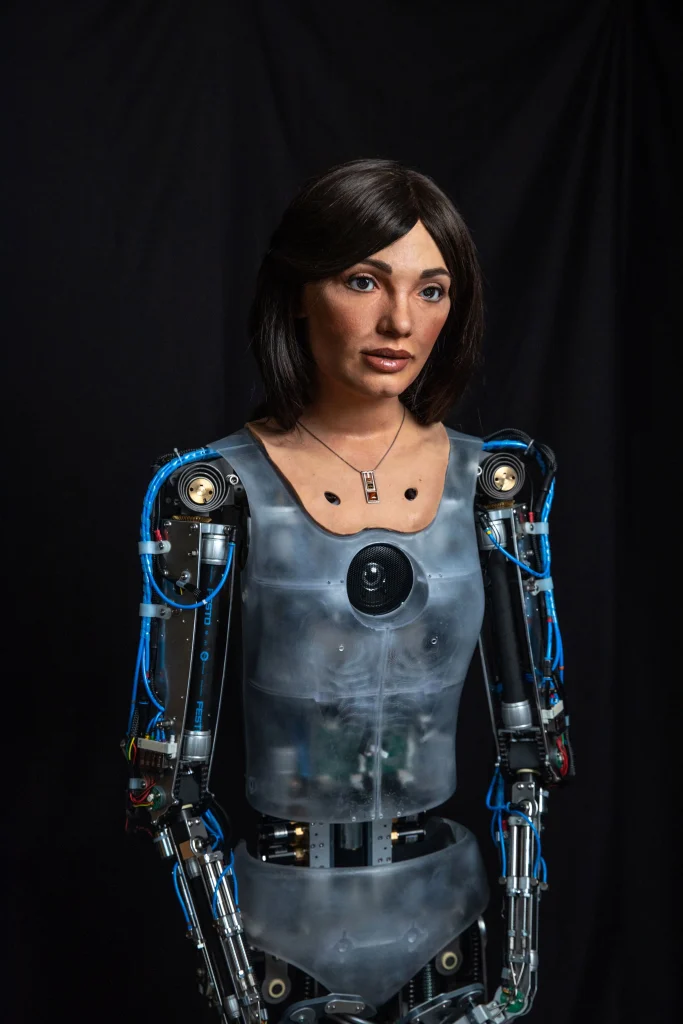
The Rise of Virtual Companions: How Technology is Changing Our Relationships
In today’s digital age, technology has seeped into almost every aspect of our lives. From the way we communicate to the way we work, technology has drastically changed the way we navigate the world. One area where this change is becoming increasingly evident is in our relationships. With the rise of virtual companions, technology is now playing a significant role in shaping our interactions and connections with others.
What are Virtual Companions?
Virtual companions, also known as virtual humans or digital companions, are artificial intelligence (AI) programs designed to simulate human conversation and interaction. These AI entities can range from simple chatbots to more sophisticated humanoid avatars. They are programmed to respond to human inputs and can hold conversations, perform tasks, and even learn from interactions.
The concept of virtual companions is not entirely new, with the first chatbot, ELIZA, created in the 1960s. However, with advancements in technology, virtual companions have become more sophisticated and have found their way into our daily lives.
The Rise of Virtual Companions
In recent years, we have seen a significant rise in the use of virtual companions, especially in the form of chatbots. These AI programs are being integrated into various platforms, such as messaging apps, social media, and websites, to enhance user experience and provide a more personalized interaction.
One of the main reasons for the rise of virtual companions is the increasing demand for convenience and efficiency in our fast-paced lives. With virtual companions, we can get quick and easy access to information, assistance, and even emotional support. They are available 24/7, and we can interact with them from the comfort of our own homes.
Impact on Relationships

The use of virtual companions is blurring the lines between human and machine interactions. As we become more reliant on technology to fulfill our needs, our relationships with virtual companions are becoming increasingly complex. Some people even form emotional attachments to their virtual companions, leading to the question of whether these relationships can replace human connections.
Although virtual companions cannot replace the emotional depth and physical presence of human relationships, they do offer a level of companionship and support that can be beneficial to individuals who struggle with traditional social interactions. For example, virtual companions can provide a non-judgmental space for people to express themselves and practice social skills.
However, there are also concerns that relying too much on virtual companions could lead to a decrease in face-to-face interactions and hinder our ability to form meaningful relationships. As we spend more time interacting with AI programs, we may become less empathetic and less skilled at reading and responding to human emotions.
Current Events: The Role of Virtual Companions in the Pandemic
The ongoing COVID-19 pandemic has highlighted the role of virtual companions in our lives. With lockdowns and social distancing measures in place, many people have turned to virtual companions for companionship and support. For example, chatbot Woebot saw a significant increase in users seeking mental health support during the pandemic.
Additionally, virtual companions have also been used in healthcare settings to provide emotional support and companionship to isolated patients, such as those in nursing homes. In Japan, the use of robot pets has increased during the pandemic to help combat loneliness and isolation among the elderly.
The pandemic has accelerated the adoption of virtual companions, and their role in our relationships is likely to continue to evolve in the future.
In Conclusion
The rise of virtual companions is a clear indication of how technology is changing our relationships. While they offer convenience and support, they also raise questions about the impact on human connections. As we continue to integrate technology into our lives, it is crucial to consider the role of virtual companions and how they may shape our interactions and relationships in the future.