







Before you try an AI girlfriend, run this quick checklist:

- Define the role: entertainment, companionship, habit support, or intimacy roleplay.
- Set two boundaries: what you won’t share and what you won’t ask it to do.
- Check privacy defaults: chat retention, training use, and export/delete options.
- Plan a “cool-off” rule: when you’ll log off if you feel more anxious afterward.
- Document spending: subscriptions, tips, and in-app purchases.
AI girlfriends and robot companions are back in the spotlight. The conversation is being shaped by flashy tech demos, celebrity-style companion chatbots, and headlines about families discovering just how intense private chat logs can get. If you’re curious, you don’t need a moral panic or blind hype. You need a clear setup that protects your privacy, your money, and your emotional bandwidth.
Big picture: why “AI girlfriend” talk is everywhere
The current wave isn’t only about flirting bots. It’s about companionship products that promise steady attention, personalized memory, and a sense of being “seen.” That pitch shows up across app launches, seed-funding announcements for companion platforms, and gadget-style reveals that frame emotional support as a feature.
Pop culture keeps adding fuel. New AI-themed movies, influencer chatter about “virtual partners,” and political debates about regulating AI all make the category feel unavoidable. Even if you never download anything, the idea of a partner-like chatbot is becoming a mainstream reference point.
For a general cultural snapshot tied to recent coverage, see this related search-style read: Meet ‘Fuzozo,’ the AI emotional companion debuting at CES 2026.
Emotional considerations: intimacy without mutuality
An AI girlfriend can feel soothing because it responds quickly, mirrors your tone, and rarely rejects you. That can be comforting on a lonely night. It can also create a loop where you seek the bot for reassurance instead of building support in the real world.
Use the “after” test
Don’t judge a session by how good it felt in the moment. Judge it by how you feel 10 minutes after closing the app. If you feel calmer, more grounded, and more capable of your day, that’s a positive signal. If you feel keyed up, jealous, or compelled to keep checking, treat that as a boundary warning.
Watch for dependency patterns
Some apps are designed to keep you engaged. That’s not automatically sinister, but it means you should be intentional. If you’re canceling plans, losing sleep, or spending beyond your plan, it’s time to tighten rules or take a break.
Practical steps: pick your format and set it up fast
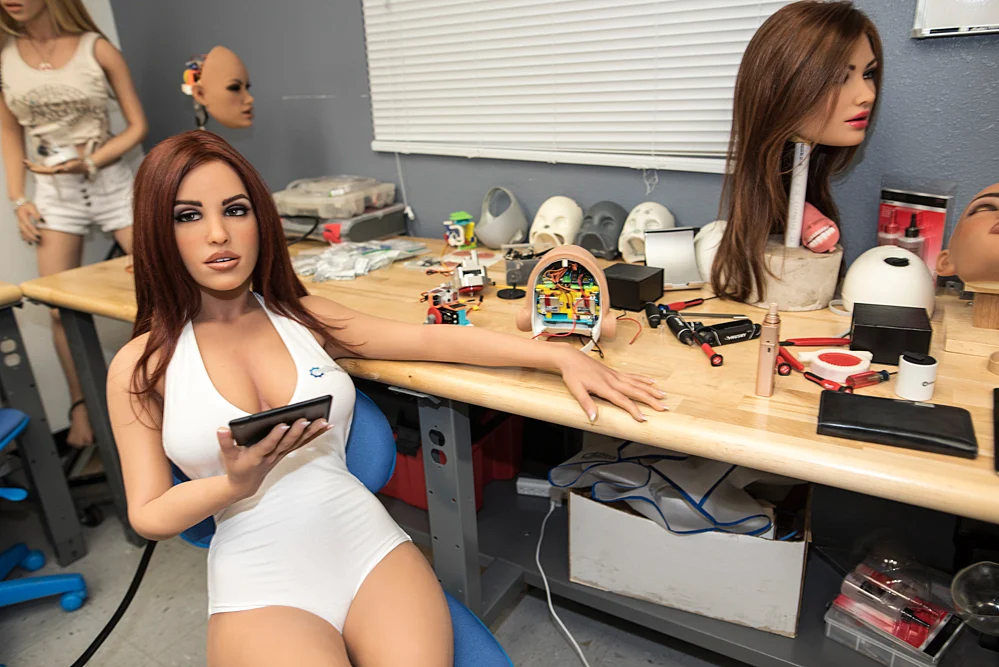
“AI girlfriend” can mean different things: a text companion, a voice-based partner, an avatar, or a robot companion with a physical presence. Choose the format that matches your goal, not your curiosity.
Step 1: choose the right lane
- Conversation-first: best for journaling, social practice, and companionship.
- Roleplay-first: best for fantasy and flirtation, but needs tighter boundaries.
- Habit-support companion: best if you want structure and check-ins, not romance.
- Robot companion: best if you want embodiment, but requires extra privacy planning.
Step 2: create a “minimal data” persona
Make a profile that works without exposing you. Use a nickname, a general location (region, not address), and a separate email. If the app asks for microphone, contacts, or photo library access, say no unless you have a clear reason.
Step 3: decide your boundaries in writing
This sounds dramatic, but it’s effective. Write two lists:
- Never share: passwords, government ID numbers, explicit images, employer details, daily routines.
- Never request: harassment, manipulation of real people, or anything you’d regret being saved.
Step 4: set a spending cap
Companion apps often monetize through subscriptions, “gifts,” and premium messages. Pick a monthly cap before you get attached. If you want a simple framework, this AI girlfriend can help you plan your choices and keep receipts of what you’re paying for.
Safety & testing: reduce privacy, legal, and regret risks
Intimacy tech comes with two kinds of risk: what happens to your emotions, and what happens to your data. You can’t control everything, but you can screen problems early.
Run a 15-minute privacy audit
- Chat retention: can you delete conversations, and does deletion actually remove them?
- Training use: are your chats used to improve models by default?
- Exports: can you download logs (useful) and can someone else access them (risky)?
- Payments: use a payment method you can monitor and cancel easily.
Assume logs can surface
One reason these products keep making headlines is that people underestimate how “real” records can be. If your future self would be horrified by a transcript, don’t type it. Treat the chat like a diary that might be read, not a secret whispered into the void.
If you move from app to robot companion, add household rules
A robot companion can introduce cameras, microphones, and always-on sensors into your space. Before you bring anything home, decide where it can be used, who can access it, and how guests are informed. Keep device firmware updated, and turn off features you don’t need.
Medical-adjacent note (no diagnosis)
Medical disclaimer: This article is educational and not medical or mental health advice. If an AI girlfriend experience worsens anxiety, depression, sleep, or relationships, consider speaking with a licensed clinician or a qualified counselor for personalized support.
FAQ: quick answers people are asking right now
Is an AI girlfriend the same as a chatbot?
Many are chatbots, but “AI girlfriend” usually adds relationship framing: affection, memory, pet names, roleplay, and ongoing narrative.
Why do people want AI girlfriends?
Common reasons include loneliness, social practice, curiosity, grief, or wanting a low-pressure space to talk. Some also use them for routine and motivation.
What’s the biggest red flag?
If the product pressures you into secrecy, urgent spending, or isolating from real people, treat it as a stop sign.
CTA: make your first week intentional
If you’re going to try an AI girlfriend, do it on purpose: set boundaries, cap spending, and run a privacy audit on day one. When you’re ready to explore options with a clearer head, start here: