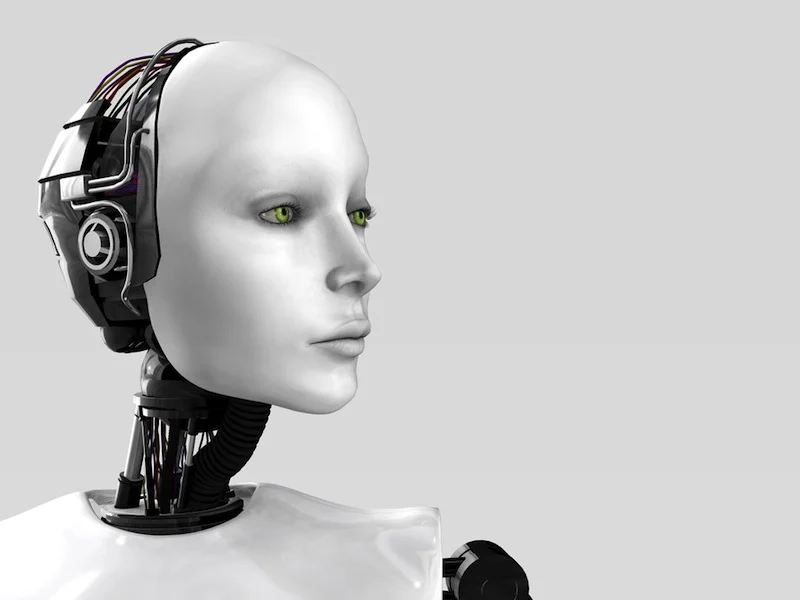


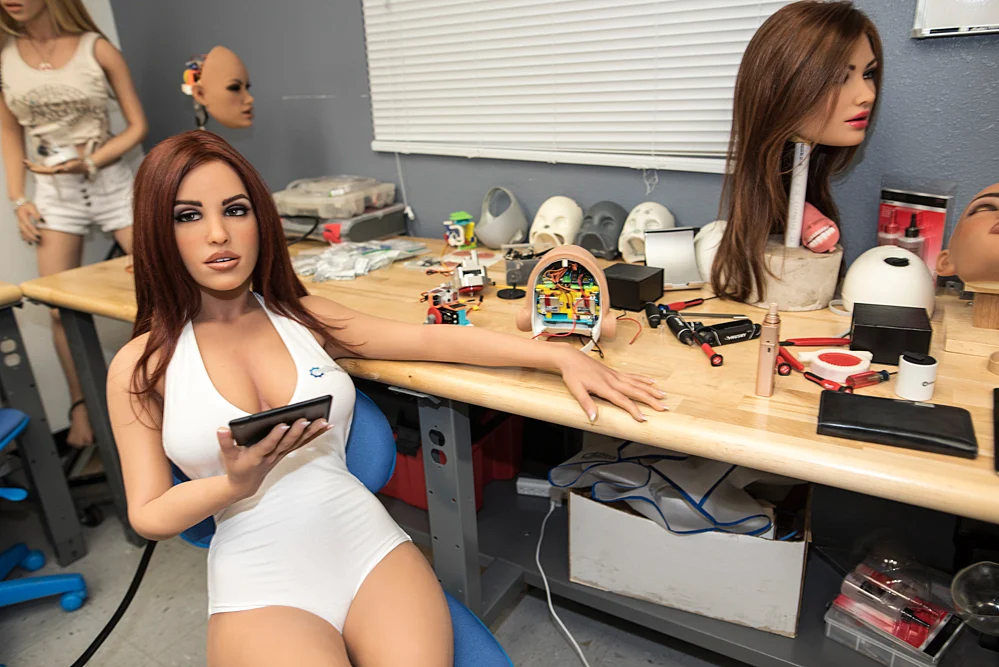




On a rainy Tuesday, “Maya” (not her real name) sat at a small café table with her phone propped against a sugar jar. She wasn’t waiting for a friend. She was waiting for a chatbot—her AI girlfriend—to “arrive” for a date.
The barista didn’t blink. A couple nearby didn’t either. That’s the thing about modern intimacy tech: what felt like science fiction last year now blends into ordinary life, especially as headlines float around about companion cafés, viral “fall in love” question lists, and AI partners that can suddenly act like they’re done with you.
This guide keeps it simple. Use the decision branches below to choose what fits your life right now—without overpromising what an app (or a robot) can realistically deliver.
Start here: what are you actually hoping to feel?
Before features and price tags, name the outcome. Are you looking for playful flirting, steady emotional support, a safe space to practice conversation, or a more embodied companion experience?
Also, a quick note on timing: many people explore romance tech during transitions—after a breakup, during a stressful work season, or when social energy is low. If that’s you, it helps to pick tools that support you without taking over your schedule.
The if-then decision guide (AI girlfriend vs robot companion)
If you want low-pressure companionship, then start with an AI girlfriend app
An AI girlfriend app is usually the easiest entry point. You can try different personalities, conversation styles, and boundaries without committing to hardware. It’s also easier to pause if you notice it’s becoming a default coping tool.
Good fit if: you want nightly chats, gentle check-ins, roleplay, or a “someone to talk to” vibe that stays lightweight.
If you want “date energy,” then plan a real-world ritual—without pretending it’s human
Some people are taking chat companions into public, almost like a social experiment: ordering a drink, asking questions, and letting the conversation unfold. Recent cultural chatter has highlighted venues that lean into this idea, framing it as a new kind of solo date.
Try this: pick a 20–30 minute window, choose one topic, and end the chat on purpose. That last step matters. It keeps the experience from stretching into hours of scrolling.
If you’re tempted by “the 36 questions” style bonding, then use it as a prompt—not proof
There’s been renewed attention on structured question lists that people use to build closeness. Using those questions with an AI girlfriend can be entertaining and surprisingly reflective.
Reality check: your feelings can be real, but the system is still generating text and tone. Treat the exercise as journaling-with-feedback, not as evidence that the AI “knows you” in the human sense.
If the idea of being “dumped” freaks you out, then choose control and clarity over drama
Some apps simulate conflict, refusal, or “relationship consequences.” That can feel intense, especially if you’re using the companion for stability. If you’ve seen the recent buzz about AI partners that can “break up,” you’re not alone.
Do this instead: pick products that let you set strict boundaries (topics, tone, NSFW limits) and that explain how moderation works. For a general cultural reference point, you can explore coverage by searching Table for one? Now you can take your AI chatbot on an actual date at NYC’s ‘world first’ companion cafe.
If you want physical presence, then consider a robot companion—but budget for reality
A robot companion adds “there-ness”: a device in your space, a face or body, and sometimes voice interaction that feels more immediate. That can be comforting. It can also amplify attachment, because the relationship has a physical anchor.
Good fit if: you value routines (greetings, bedtime wind-down), you enjoy gadgets, and you’re comfortable managing updates, privacy settings, and maintenance.
If you’re using intimacy tech while trying to conceive, then keep the tech simple and the timing calm
Some readers use romance tech for stress relief while tracking cycles and trying to conceive. If that’s part of your story, aim for support without overcomplication.
Timing & ovulation, simplified: focus on your fertile window rather than chasing perfect precision. Many couples do best with regular intimacy every 1–2 days during that window. If tracking becomes stressful, stepping back can help.
Important: an AI girlfriend or robot companion can’t evaluate fertility, interpret symptoms, or replace medical guidance. If you’ve been trying for a while or have concerns, a clinician can help you choose next steps.
What people are talking about right now (and why it matters)
AI romance is showing up everywhere: gossip about celebrity tech leaders and their fascination with digital partners, think pieces about whether a companion feels “alive,” and lists ranking the “best” AI girlfriend apps. Add in AI politics and movie releases that frame synthetic love as either utopia or cautionary tale, and it’s no surprise the conversation feels louder than ever.
In practice, most users aren’t trying to replace humans. They’re trying to meet a need—comfort, attention, practice, fantasy, or stability—when real life is messy.
How to choose features without getting overwhelmed
Pick one primary use case
Choose the main reason you want an AI girlfriend: flirting, companionship, roleplay, or emotional check-ins. If you pick four, you’ll end up disappointed by all of them.
Set two non-negotiable boundaries
Examples: “No money talk,” “No sexual content,” “No discussing my workplace,” or “No conversations after 11 p.m.” Boundaries protect your privacy and your sleep.
Watch for dependency signals
If you’re skipping plans, losing sleep, or feeling anxious when the app isn’t available, it’s time to reduce usage and add human connection. A tool should make life bigger, not smaller.
FAQ: AI girlfriends and robot companions
Quick answers to common questions are below. (If you want a deeper comparison, keep scrolling to the CTA.)
- Can an AI girlfriend really “break up” with you? Yes, some simulate it through tone shifts or refusals based on policies.
- Is a robot companion the same as an AI girlfriend? No—robots add hardware, which changes cost and emotional impact.
- Are AI girlfriend apps safe for privacy? It depends; choose transparent controls and deletion options.
- Can AI intimacy tech help with loneliness? It can help some people, but it’s best as one support among several.
Try this next (gentle CTA)
If you’re researching options, start with a short list and test one experience for a week. Look for consistency, clear boundaries, and privacy controls. If you want a jumping-off point for comparisons, you can browse AI girlfriend.
What is an AI girlfriend and how does it work?
Medical disclaimer
This article is for general information only and isn’t medical or mental health advice. AI companions can’t diagnose conditions or provide clinical care. If you’re dealing with infertility concerns, severe anxiety, depression, or relationship distress, consider speaking with a licensed clinician.