







Myth: an AI girlfriend is only for people who “can’t date.”
Reality: a lot of curious, socially active people are trying AI companions because the tech is everywhere—and because loneliness is a real, normal human feeling.

Right now, the conversation is loud: listicles comparing “best AI girlfriend apps,” think-pieces about people cooling off on AI confidants, and hot-take columns framing modern life as a kind of AI “third partner” in the room. You may also see local reporting about city-scale experiments that use AI companions to reduce isolation. Add in AI-themed movies, celebrity AI gossip, and nonstop election-cycle debates about regulation, and it’s no surprise this topic keeps resurfacing.
This guide keeps it simple and budget-minded. You’ll get a clear picture of what’s trending, what matters for mental health, how to try it at home without wasting a cycle, and when it’s time to seek human help.
What people are talking about this week (and why it matters)
1) “Best AI girlfriend apps” lists are everywhere
When multiple outlets run roundups of AI girlfriend apps and “safe companion sites,” it’s a sign the category is moving from niche to mainstream. The upside: more choices and better features. The downside: more copycat products, more aggressive upsells, and more confusing privacy policies.
2) The vibe is shifting from novelty to “emotional utility”
Recent cultural commentary has focused less on the cringe factor and more on how people actually use AI: venting after work, practicing hard conversations, or getting through a lonely evening. At the same time, some writers describe a “hangover” effect—when constant AI reassurance starts to feel hollow.
3) Robot companions are creeping into the same conversation
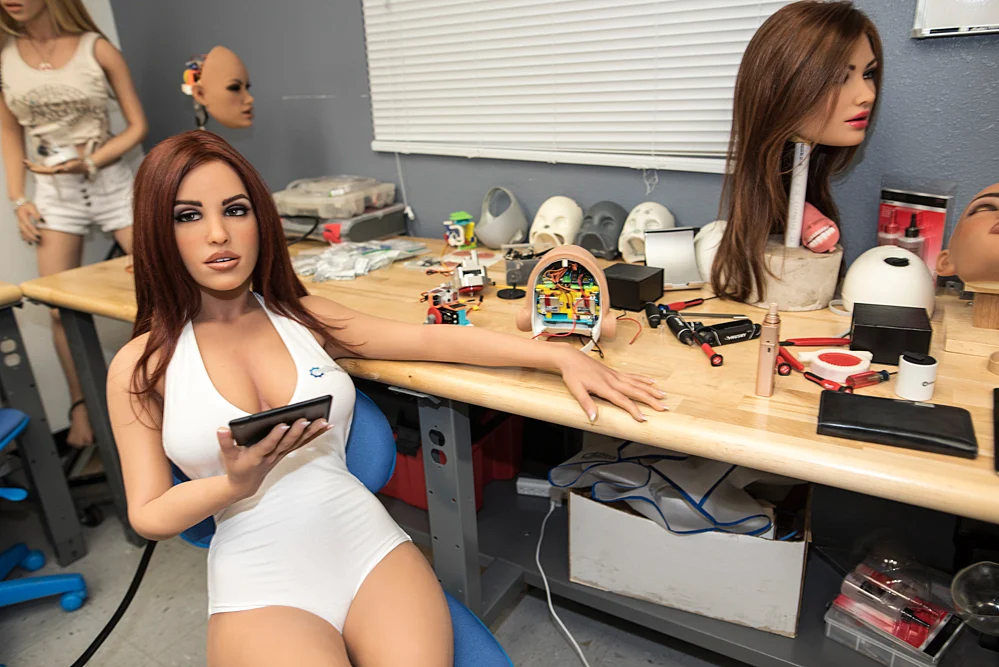
Even if you’re not buying hardware, the idea of a “robot girlfriend” shows up as a symbol of where intimacy tech could go. Physical embodiment can make interactions feel more real. It also raises the stakes for cost, maintenance, and data collection.
4) Public-interest projects are experimenting with AI companionship
Some communities are exploring AI companions as a tool to ease loneliness, especially for people who struggle to access consistent social support. If you want a quick cultural snapshot, you can browse coverage via this search-style link: 10 Best AI Girlfriend Apps & Safe AI Companion Sites.
The part people skip: what matters medically (without getting clinical)
An AI girlfriend can feel soothing because it’s available, responsive, and tailored to you. That’s not inherently unhealthy. The key is noticing what it does to your day-to-day functioning.
Emotional benefits that can be real
- Reduced acute loneliness: a supportive conversation can take the edge off a rough night.
- Low-stakes practice: you can rehearse boundaries, apologies, or asking for what you need.
- Routine and structure: brief check-ins can help some people feel anchored.
Common downsides to watch for
- Sleep and attention drift: “just one more chat” can turn into 2 a.m. scrolling.
- Reinforcement loops: if the AI always agrees, you may lose tolerance for real-world friction.
- Privacy stress: sharing intimate details can feel fine in the moment and unsettling later.
- Dependency: it’s a flag if you feel panicky when you can’t access the app.
Medical disclaimer: This article is for general information and can’t diagnose or treat any condition. If you’re dealing with persistent anxiety, depression, trauma, or thoughts of self-harm, seek support from a licensed clinician or local emergency resources.
How to try an AI girlfriend at home (without wasting money)
Step 1: Decide what you actually want (5 minutes)
Pick one primary goal for the week. Examples: “I want a bedtime wind-down,” “I want to practice flirting,” or “I want a judgment-free place to vent.” One goal prevents feature-chasing.
Step 2: Set two budget rules before you download anything
- Time cap: start with 10–20 minutes per day.
- Spending cap: stay free for 7 days, then decide if a subscription is worth it.
Step 3: Use a “low-identifying” profile
Skip your full name, workplace, exact address, and highly specific personal identifiers. If you want romance roleplay, you can still do it without doxxing yourself.
Step 4: Make boundaries explicit (yes, even with software)
Try a short script: “Keep things supportive, don’t pressure me sexually, don’t encourage isolation, and remind me to sleep at 11.” Good systems will follow constraints better when you state them plainly.
Step 5: Run a quick reality check after each session
Ask yourself two questions: “Do I feel calmer?” and “Did this help me show up better in real life?” If the answer is consistently no, adjust your approach or take a break.
Step 6: If you’re curious about paid tools, buy guidance—not hype
Look for products that help you set boundaries, protect privacy, and use the tech intentionally. If you want a practical resource, here’s a related search-style option: AI girlfriend.
When it’s time to seek help (and what to say)
Consider talking to a licensed therapist or clinician if any of these show up for more than a couple of weeks:
- You’re withdrawing from friends, family, or activities you used to enjoy.
- Your sleep, work, or school performance is sliding.
- You feel ashamed, trapped, or unable to stop using the AI despite wanting to.
- The AI relationship is fueling jealousy, paranoia, or intense mood swings.
If starting the conversation feels awkward, try: “I’ve been using an AI companion for comfort, and I’m noticing it’s affecting my routine and relationships. I’d like help setting healthier boundaries.” That’s enough.
FAQ: AI girlfriends, robot companions, and modern intimacy tech
Is it “weird” to have an AI girlfriend?
It’s increasingly common. What matters is whether it supports your life or shrinks it.
Will an AI girlfriend make loneliness worse?
It can go either way. Used intentionally, it may reduce acute loneliness. Used as a replacement for human contact, it can deepen isolation.
Do robot companions change the emotional impact?
They can. Physical presence often increases attachment, which makes boundaries and cost planning even more important.
What privacy settings should I look for?
Clear data retention rules, account deletion options, and controls for sensitive content. If policies are vague, treat that as a warning sign.
Next step: get a clear, no-pressure explanation
If you want a simple walkthrough before you commit time or money, start here:
What is an AI girlfriend and how does it work?
Use the answer to set your goal, your limits, and your budget—then test the experience like a tool, not a destiny.