The rise of artificial intelligence (AI) has brought about numerous advancements and opportunities in various industries such as healthcare, finance, and transportation. With its ability to process large amounts of data and make decisions without human intervention, AI has been hailed as the future of technology. However, as with any powerful tool, there is a dark side to AI that must be acknowledged. The desire for more advanced and autonomous AI systems has led to potential dangers and risks that could have serious consequences for humanity. In this blog post, we will explore the dark side of AI desire and discuss the potential dangers and risks associated with it.
One of the main concerns surrounding AI is its potential to replace human jobs. With the advancement of AI, machines are becoming more capable of performing tasks that were once exclusive to humans. This has led to fears of job displacement and the loss of livelihoods for many individuals. According to a report by the World Economic Forum, it is estimated that by 2025, AI will have replaced approximately 85 million jobs, while only creating 97 million new ones. This means that there will be a net loss of jobs, with low and middle-income workers being the most vulnerable. This could lead to a significant increase in income inequality and social unrest.
Another danger of AI is its potential to perpetuate existing biases and discrimination. AI systems are only as unbiased as the data they are trained on. If the data used to train these systems is biased, then the outputs will also be biased. This could result in discriminatory practices in areas such as hiring, loan approvals, and law enforcement. For example, a study by researchers at MIT and Stanford found that facial recognition software had a higher error rate for identifying darker-skinned individuals and women. This could have serious implications in areas where facial recognition is used, such as security and surveillance.
The desire for more advanced and autonomous AI systems also raises concerns about the potential loss of control. As AI becomes more independent and capable of making decisions, it becomes increasingly difficult for humans to predict or control its actions. This has been highlighted in the case of self-driving cars. In 2018, an Uber self-driving car struck and killed a pedestrian in Arizona. Investigations found that the car’s AI system had identified the pedestrian as an object, not a human, and failed to brake. This raises questions about the safety and reliability of autonomous AI systems and the need for human oversight.
Another danger of AI desire is its potential to be weaponized. As countries race to develop more advanced and powerful AI systems, there is a growing concern about the use of AI in warfare. AI-powered weapons could potentially lead to a new era of warfare, where decisions are made by machines rather than humans. This raises ethical questions about the use of such weapons and the potential for catastrophic consequences. For example, in 2018, the United Nations expressed concern about the development of autonomous weapons and called for a ban on such systems.
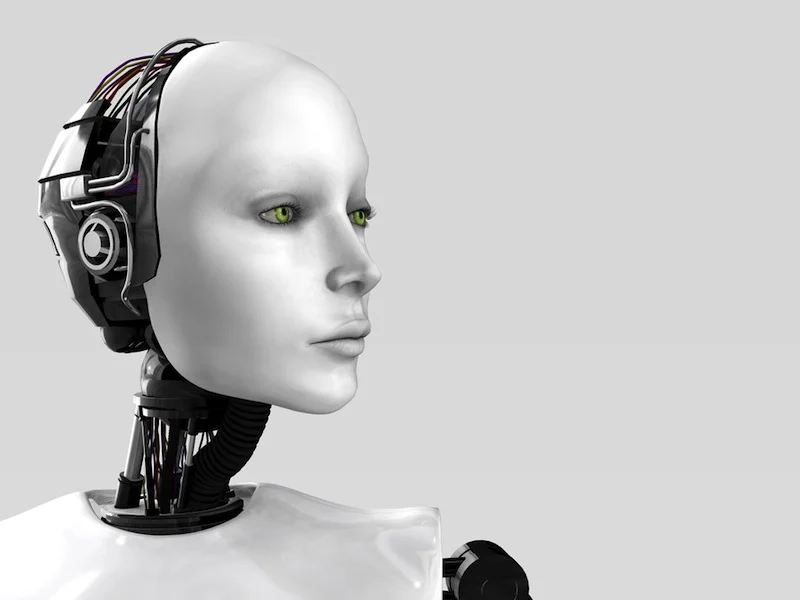
The Dark Side of AI Desire: Dangers and Risks
Furthermore, the desire for more advanced AI systems has also led to privacy concerns. With AI’s ability to process vast amounts of data, there is a risk of personal information being misused or exploited. This could happen in various ways, such as data breaches, unauthorized surveillance, and targeted advertising. In 2018, Facebook came under fire for its involvement in the Cambridge Analytica scandal, where personal data of millions of users was harvested without their consent and used for political purposes. This incident raised concerns about the lack of regulation and oversight in the use of personal data by AI systems.
The potential dangers and risks of AI desire have also been exacerbated by the lack of regulation and ethical guidelines. While AI technology is advancing at a rapid pace, regulations and ethical frameworks have not kept up. This has led to a situation where AI systems are being developed and implemented without proper oversight and accountability. Without proper regulations, there is a risk of AI being used for malicious purposes or causing harm to individuals and society as a whole.
In conclusion, while the potential of AI is vast, its dark side must not be ignored. The desire for more advanced and autonomous AI systems has led to potential dangers and risks that could have severe consequences for humanity. It is essential to address these concerns and have proper regulations and ethical guidelines in place to ensure the responsible development and use of AI. As technology continues to advance, it is crucial to consider the potential impacts and consequences of our actions to ensure a safer and more ethical future for all.
Related current event: In February 2021, a team of researchers discovered a new AI-powered facial recognition software that could identify people’s emotions. However, this technology has raised concerns about potential privacy violations and the perpetuation of discriminatory practices. The software was found to have a higher error rate for individuals with darker skin tones and could potentially be used to target and manipulate emotions for profit or surveillance purposes. This highlights the need for proper regulation and ethical guidelines in the development and use of AI technology.
Summary:
The rise of AI has brought about numerous advancements, but its dark side must not be ignored. The desire for more advanced and autonomous AI systems has led to potential dangers and risks, including job displacement, perpetuation of biases, loss of control, weaponization, privacy concerns, and the lack of regulation and ethical guidelines. These concerns must be addressed to ensure the responsible development and use of AI for a safer and more ethical future.