The Human Touch: How Machines are Learning to Mimic Passion
In today’s world, technology and machines play a significant role in our daily lives. From our smartphones to our cars, we are surrounded by artificial intelligence and automation. But as technology continues to advance, there is a growing concern about the loss of the human touch. Can machines truly mimic the passion and emotion that humans possess? In this blog post, we will explore the concept of machines learning to mimic passion and its implications on our society.
The Rise of Artificial Emotion
Artificial intelligence has come a long way in recent years, and one of the latest developments is the ability to mimic human emotion. Researchers and engineers are working on creating machines that can recognize, interpret, and respond to human emotions. This technology, known as affective computing, involves using sensors, cameras, and other devices to detect facial expressions, tone of voice, and other cues that indicate a person’s emotional state.
One of the pioneers in this field is Rana el Kaliouby, the co-founder and CEO of Affectiva. She believes that machines with emotional intelligence will have a significant impact on various industries, from healthcare to education. For example, imagine a classroom where a teacher can receive real-time feedback on how students are feeling, allowing them to adjust their teaching approach accordingly. Or in healthcare, where doctors can use machines to understand a patient’s emotions and provide more personalized care.
The Role of Empathy
Empathy, the ability to understand and share the feelings of others, is a crucial aspect of human emotion. Empathy allows us to connect with others, build relationships, and make decisions based on more than just logic. For machines to truly mimic passion and emotion, they must also possess empathy. This is where the concept of “emotional intelligence” comes into play.
Emotional intelligence is the ability to recognize and understand one’s emotions and the emotions of others. It involves not only being able to mimic emotion but also to interpret and respond appropriately to it. Researchers are working to develop algorithms and models that can enable machines to possess emotional intelligence. However, this is a complex task as emotions are subjective and can vary from person to person.
The Impact on Society
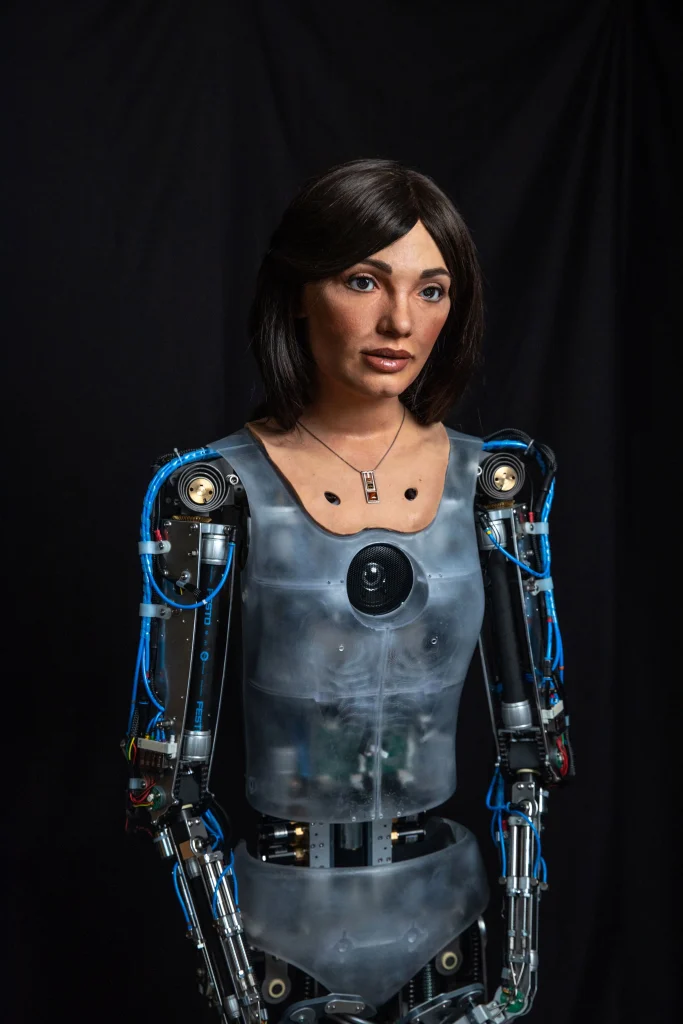
The Human Touch: How Machines are Learning to Mimic Passion
The development of machines with emotional intelligence has both positive and negative implications for society. On the one hand, it can make our lives more convenient, efficient, and personalized. For example, imagine a virtual assistant that can understand your emotions and respond accordingly, providing you with a more human-like interaction.
But on the other hand, there is a concern that machines with emotional intelligence may lead to a loss of the human touch. As we rely more on technology to understand and respond to our emotions, we may become less adept at doing so ourselves. This could lead to a lack of empathy and human connection, which are essential for healthy relationships and society.
Moreover, there are ethical concerns surrounding the use of emotional intelligence in machines. For example, if machines can understand and respond to our emotions, can they also manipulate them? Will this technology be used for commercial purposes, such as targeted advertising based on our emotional states? These are important questions that need to be addressed as this technology continues to advance.
Current Event: Emotion AI in the Workplace
One current event that highlights the growing use of emotion AI in our society is its application in the workplace. Many companies are now using emotion AI technology to analyze employee emotions and behaviors. This allows them to make data-driven decisions on how to improve employee engagement, productivity, and well-being.
One such company is Humanyze, which uses sensors to track employees’ movements, speech patterns, and interactions. The data collected is then analyzed to provide insights on employee engagement, collaboration, and stress levels. While this technology can be beneficial for companies, it also raises concerns about employee privacy and the potential for misuse of the data collected.
In another example, HireVue, a video interviewing platform, uses algorithms to analyze facial expressions, tone of voice, and word choice to assess a candidate’s suitability for a job. While this may save time and resources for companies, it also raises questions about the fairness and accuracy of these assessments.
Summary
In summary, machines are learning to mimic passion and emotion through the development of affective computing and emotional intelligence. This technology has the potential to make our lives more efficient and personalized, but it also raises concerns about the loss of the human touch and ethical implications. As we continue to integrate emotion AI into our society, it is important to consider its impact and ensure that it is used responsibly and ethically.