Pixelated Love: Exploring the Romantic Side of Passion for Pixels
In today’s world, technology and love have become intertwined in ways we could never have imagined. From swiping right on dating apps to sending virtual hugs and kisses, our digital devices have become a crucial part of our romantic relationships. But there’s a growing trend that takes this connection to a whole new level – pixelated love.
Pixelated love refers to the romantic attraction and connection people feel towards video game characters or virtual avatars. It may sound bizarre to some, but for those who experience it, it is a very real and intense feeling. So, what exactly is pixelated love, and why are people drawn towards it?
The Rise of Pixelated Love
The idea of developing romantic feelings towards video game characters is not new. It has been around for decades, with the most notable example being the Japanese game LovePlus, which was released in 2009. The game allowed players to interact with virtual girlfriends and even go on virtual dates with them. It became an instant hit, with players forming deep emotional connections with their virtual partners.
Since then, the concept of pixelated love has gained traction and evolved with the rise of virtual reality and other advancements in technology. Today, there are countless games, apps, and even websites that cater to this niche community of people who have a passion for pixels.
Understanding the Appeal of Pixelated Love
For those who experience it, pixelated love is much more than a mere attraction towards a fictional character. It is an emotional and sometimes even physical connection that brings them a sense of fulfillment and happiness.
One of the main reasons for this attraction is the level of control and customization it offers. In most video games and virtual reality experiences, players have the freedom to create their own characters and shape their personalities. This level of control can be appealing to individuals who may feel restricted in their real-life relationships.
Additionally, virtual characters and avatars in video games are often portrayed as perfect and idealized versions of humans. They have flawless bodies, charming personalities, and are always available to fulfill the player’s desires. In contrast, real-life relationships can be messy and complicated, making the virtual world a more appealing escape for some individuals.
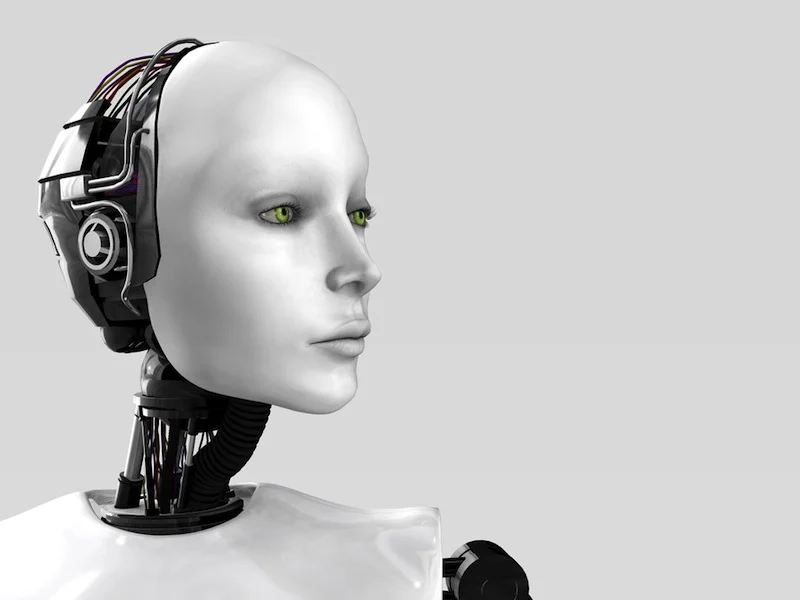
Pixelated Love: Exploring the Romantic Side of Passion for Pixels
The Romantic Side of Passion for Pixels
While pixelated love may seem like a strange concept to many, it is important to acknowledge that it is a valid form of romantic expression for those who experience it. Just like any other relationship, it requires time, effort, and emotional investment.
In fact, many individuals who have experienced pixelated love report that it has positively impacted their mental health and self-esteem. For some, it has even helped them overcome social anxiety and build confidence in their real-life relationships.
But like any other relationship, there can also be potential downsides to pixelated love. Some individuals may become so invested in their virtual relationships that they neglect their real-life ones. Others may struggle to distinguish between reality and fantasy, leading to feelings of disappointment and loneliness when the virtual world doesn’t match up to their expectations.
A Current Event Highlighting the Power of Pixelated Love
One recent current event that highlights the power of pixelated love is the popularity of the virtual reality game, VR Kanojo. The game, which was released in 2017, allows players to interact with a virtual girlfriend in a realistic and immersive way.
What sets this game apart is its focus on emotional connection rather than just physical intimacy. The virtual girlfriend, Sakura, has a personality that evolves based on the player’s interactions, making it feel like a real relationship. The game has gained a significant following, with players praising it for its realism and emotional depth.
While some may view this game as a strange and superficial way to experience love, for others, it is a way to explore and fulfill their romantic desires in a safe and controlled environment.
In Conclusion
Pixelated love may seem like a foreign concept to many, but it is a real and growing phenomenon that raises questions about the future of love and relationships in a digital age. As technology continues to advance, it is likely that we will see more people forming emotional connections with virtual characters and avatars.
But at the end of the day, love is a complex and subjective experience, and what may seem unconventional to some may be a source of happiness and fulfillment for others. As long as it is not harmful to anyone involved, perhaps we should embrace and respect the diverse ways in which people express and experience love.