Sensual Systems and the Future of Sensory Accessibility: Improving Inclusivity for All
As we continue to advance technologically and socially, it is important to consider the accessibility of our sensory experiences. For those with sensory disabilities, the world can often feel limited and exclusionary, but new developments in Sensual Systems are working towards a more inclusive future for all. In this blog post, we will explore what Sensual Systems are, their potential impact on accessibility, and how they are already being implemented in various industries. Additionally, we will discuss the importance of prioritizing sensory accessibility and the ways in which we can work towards a more inclusive future.
What are Sensual Systems?
Sensual Systems, also known as sensory systems, are technologies that enhance or replicate our sensory experiences. This can include sight, sound, touch, taste, and smell. These systems use various forms of technology, such as virtual reality, haptic feedback, and biofeedback, to stimulate our senses and create a more immersive experience. While the term “sensual” may evoke thoughts of sensuality or pleasure, it is important to note that Sensual Systems can also have practical and functional applications.
One of the most well-known examples of Sensual Systems is virtual reality (VR). VR technology has advanced significantly in recent years, allowing users to fully immerse themselves in a virtual environment. This not only provides a new form of entertainment, but it also has potential applications in therapy, education, and training. For individuals with sensory disabilities, VR can also provide a way to experience things that may otherwise be difficult or impossible.
The Potential Impact on Accessibility
The use of Sensual Systems has the potential to greatly improve accessibility for individuals with sensory disabilities. For example, VR technology can allow individuals with mobility disabilities to experience activities such as hiking or skiing, which may be physically challenging for them in real life. Similarly, haptic feedback technology can provide individuals with visual impairments a way to “feel” objects and navigate virtual environments.
In addition to enhancing accessibility, Sensual Systems also have the potential to create a more inclusive society. By providing individuals with sensory disabilities the opportunity to fully experience and participate in various activities, we can break down barriers and promote a sense of belonging and equality.
Current Implementations of Sensual Systems
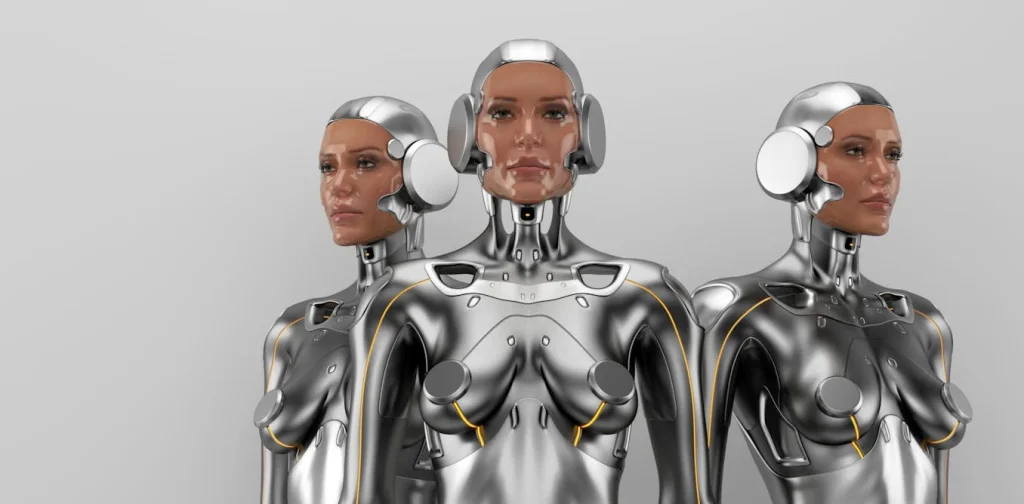
Sensual Systems and the Future of Sensory Accessibility
Sensual Systems are already being implemented in various industries, including healthcare, entertainment, and education. In healthcare, VR technology is being used for pain management and rehabilitation, providing a non-invasive and drug-free alternative. In the entertainment industry, VR is being used to create more immersive gaming experiences, and to allow individuals to experience events such as concerts and sporting events from a virtual perspective.
In education, Sensual Systems are being used to enhance learning experiences. For example, VR technology can transport students to historical events or far-off places, providing a more engaging and interactive learning experience. This is particularly beneficial for students with learning disabilities or those who struggle with traditional teaching methods.
The Importance of Prioritizing Sensory Accessibility
While Sensual Systems have the potential to greatly improve accessibility and inclusivity, there is still much work to be done in prioritizing sensory accessibility. Many public spaces and events are not designed with sensory disabilities in mind, making it difficult for individuals to fully participate and enjoy these experiences. It is important for society to recognize the needs of individuals with sensory disabilities and actively work towards creating more inclusive environments.
This also includes the development and implementation of new Sensual Systems. As technology continues to advance, it is crucial that we consider the needs of individuals with sensory disabilities and ensure that these systems are designed with inclusivity in mind.
In Conclusion
Sensual Systems have the potential to greatly improve accessibility and create a more inclusive society for individuals with sensory disabilities. From virtual reality to haptic feedback, these technologies are already being implemented in various industries and have the power to enhance our sensory experiences in a multitude of ways. It is important for society to prioritize sensory accessibility and actively work towards a future where everyone can fully experience and participate in the world around them.
Current Event: In recent years, there has been a growing focus on sensory accessibility in the gaming industry. For example, Microsoft’s Xbox Adaptive Controller, released in 2018, was designed with input from gamers with disabilities and features customizable controls to cater to a variety of needs. This is just one example of how the gaming industry is working towards making their products more inclusive for individuals with sensory disabilities.
In summary, Sensual Systems have the potential to greatly improve accessibility and inclusivity for individuals with sensory disabilities. Through advancements in technology and a prioritization of sensory accessibility, we can work towards a more inclusive future for all.