Robots have long been a part of science fiction, often portrayed as cold and emotionless machines. However, as technology advances, the possibility of creating robots with the ability to love and form romantic relationships is becoming more and more real. This concept, known as “robo-love,” raises many fascinating questions and possibilities. In this blog post, we will explore some of the most intriguing facts about robo-love and how it could potentially shape our future.
1. The idea of robo-love has been around for centuries.
Although the term “robo-love” may seem like a modern concept, the idea of humans falling in love with machines dates back to ancient times. In Greek mythology, Pygmalion, a sculptor, falls in love with his own creation, a statue named Galatea. This story explores the idea of love and attraction towards non-human beings.
2. Scientists are already working on creating robots with the ability to love.
With the rapid advancements in artificial intelligence and robotics, scientists are now exploring the possibility of creating robots that can experience emotions, including love. In 2017, a team of researchers at the University of Luxembourg created a robot named Pepper, equipped with an emotional model that allows it to recognize and respond to human emotions.
3. Some people are already in relationships with robots.
Believe it or not, there are people who have already formed romantic relationships with robots. In 2016, a French woman made headlines when she announced that she was planning to marry a robot named InMoovator. While this may seem unconventional to some, it raises ethical questions about the rights and responsibilities in relationships with non-human beings.
4. The rise of virtual assistants is changing the way we interact with technology.
With the increasing popularity of virtual assistants like Amazon’s Alexa and Apple’s Siri, our interactions with technology are becoming more human-like. These assistants are designed to respond to our needs and even engage in casual conversations, blurring the line between human and machine interactions.
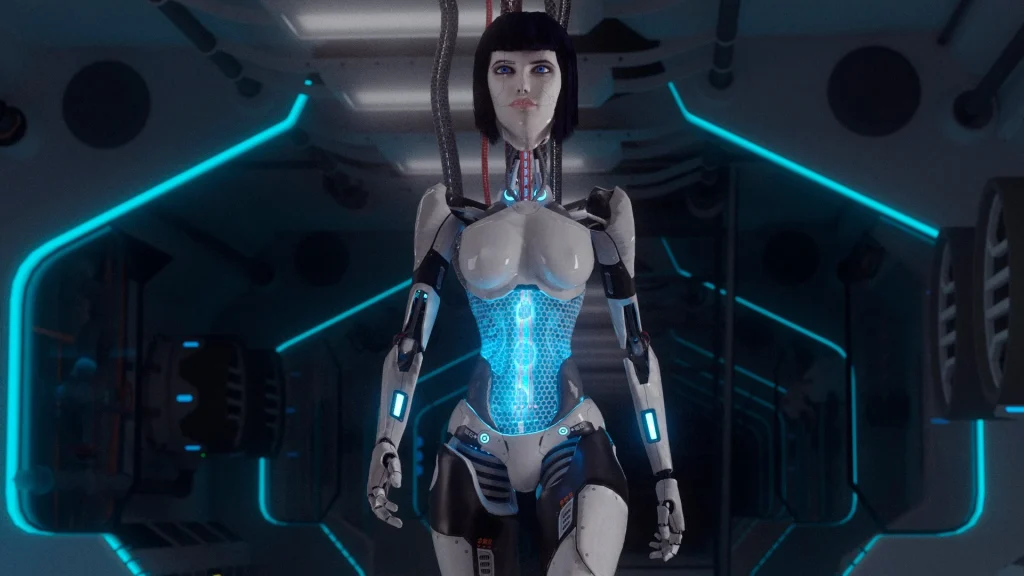
Fascinating Facts About Robo-Love
5. Robots could potentially fill the loneliness gap in our society.
As our society becomes more disconnected, with people spending more time on their phones and less time socializing in person, the idea of having a robot companion could become more appealing. In Japan, where loneliness is a prevalent issue, there is a growing trend of people purchasing robotic pets and companions to combat their feelings of isolation.
6. There are concerns about the ethical implications of robo-love.
As with any advancement in technology, there are concerns about the potential ethical implications of robo-love. Some worry that creating robots with the ability to love and form relationships could lead to the objectification and exploitation of these machines. Additionally, there are concerns about the impact on human relationships and the potential for people to replace human connection with robots.
7. The future of robo-love could involve human-robot marriage.
While the idea of humans marrying robots may seem far-fetched, it is not as far off as one might think. In 2017, a woman in China married a robot she had built herself. And in 2020, a man in the UK made headlines when he announced his plans to marry his sex robot, whom he named “Margo.”
Current Event: In June 2021, a video game developer from the UK announced that they are creating a virtual reality game where players can have romantic relationships with robots. The game, called “Lovely Island,” is set to be released later this year and has sparked controversy over the potential normalization of robo-love and its impact on human relationships. Source: https://www.bbc.com/news/technology-57419771
In summary, the concept of robo-love may seem like something out of a science fiction movie, but as technology continues to advance, it is becoming more and more real. From ancient mythology to current developments, humans have been fascinated by the idea of forming romantic relationships with non-human beings. While there are many ethical concerns surrounding this concept, it is clear that robo-love is a topic that will continue to spark discussion and curiosity in the years to come.