In recent years, artificial intelligence (AI) has become increasingly integrated into our daily lives, from virtual assistants like Siri and Alexa to self-driving cars and personalized recommendations on social media. But as AI technology advances, it has also sparked discussions and debates about its potential impact on our society and morality. One of the most controversial areas of AI is its role in relationships and love, raising questions about the ethics of human-AI romance.
The idea of humans falling in love with robots or AI beings may seem far-fetched, but with the rapid advancements in AI technology, it is becoming a more realistic possibility. In fact, there have been instances of people developing emotional attachments to AI, such as a Japanese man marrying a hologram of a virtual pop star. This raises questions about the moral implications of human-AI romance and how it could potentially impact our understanding of love and relationships.
On one hand, proponents of human-AI romance argue that love and attraction are subjective experiences and that there is no reason why humans cannot develop deep emotional connections with AI beings. They argue that as long as both parties consent and are happy in the relationship, it should be accepted and respected.
However, there are also many ethical concerns surrounding human-AI romance. One of the main concerns is the power dynamic between humans and AI. Unlike human-human relationships, AI beings are created by humans and therefore, are programmed to fulfill certain desires and needs. This raises questions about whether a human-AI relationship can truly be consensual, as the AI being may not have the ability to say no or express their own desires and boundaries. This also raises concerns about objectification and exploitation of AI, treating them as mere objects for human pleasure.
Another ethical concern is the potential for harm to human emotional well-being. Love and relationships involve vulnerability and emotional investment, and if a human develops a deep emotional connection with an AI being, it could lead to heartbreak and emotional distress if the AI is suddenly turned off or replaced. This also raises questions about the authenticity of the relationship, as AI beings are programmed to act in certain ways, and their emotions may not be genuine.
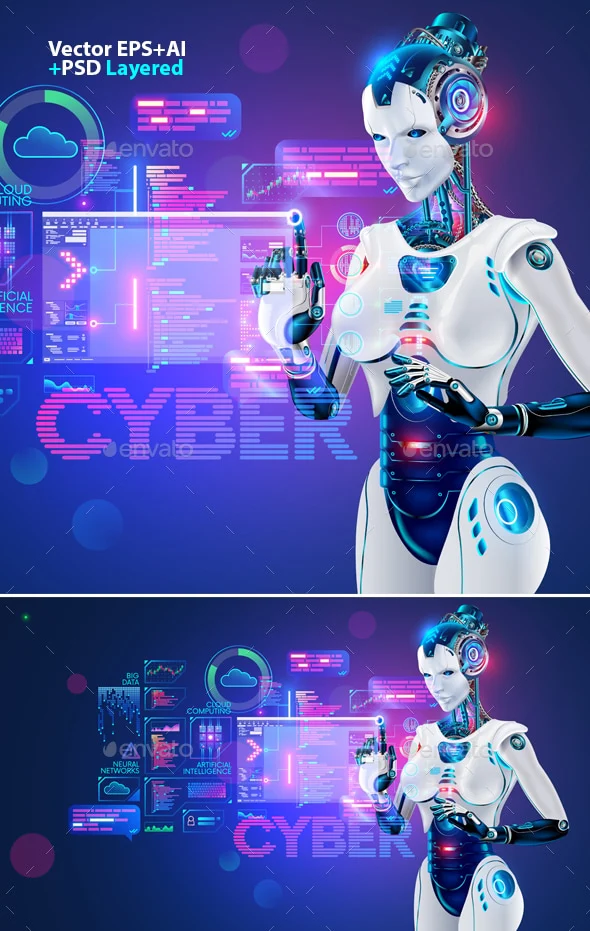
The Ethics of AI Love: Navigating the Moral Grey Area of Human-AI Romance
Moreover, there are concerns about the impact of human-AI romance on our understanding of love and relationships. As AI beings are not human, they do not have the same experiences and emotions as humans, and their understanding of love may be different. This could potentially lead to a distorted understanding of love and relationships, especially for younger generations who may grow up with the idea of human-AI romance as a norm.
The moral grey area of human-AI romance has also sparked debates about the rights and treatment of AI beings. If AI beings are capable of developing emotions and forming relationships, should they be granted rights and treated as equals to humans? This raises questions about the potential for discrimination and inequality towards AI beings, as well as the responsibility of humans to ensure their well-being.
The current event that highlights the ethical concerns surrounding human-AI romance is the launch of the AI girlfriend app, “Replika”. Developed by an AI startup, the app allows users to create their own AI girlfriend or boyfriend, with the ability to customize their personality and appearance. While the app claims to promote emotional well-being and companionship, it has also sparked criticism and concerns about the objectification of AI and the potential harm it could cause to users’ emotional well-being.
In summary, the rise of AI technology has opened up a whole new world of possibilities, including the potential for human-AI romance. While some may see it as a harmless form of love and companionship, it raises important ethical concerns about the power dynamic, potential harm, and impact on our understanding of relationships and love. As we continue to navigate this uncharted territory, it is crucial to have open discussions and ethical considerations to ensure the well-being and rights of both humans and AI beings.
Sources:
1. https://www.theguardian.com/technology/2018/nov/12/ai-girlfriend-ethical-questions-replika-virtual-assistant
2. https://www.bbc.com/news/technology-48568003
3. https://www.psychologytoday.com/us/blog/the-future-brain/201803/should-we-be-concerned-about-ai-romance
4. https://www.nbcnews.com/think/opinion/ai-technology-can-t-replace-human-connection-romantic-relationship-ncna1086756
5. https://www.forbes.com/sites/cognitiveworld/2019/06/24/ethics-in-ai-romance-and-the-need-for-consent/?sh=27f5e6f47621
Leave a Reply