The Science of Connection: How Humans and Machines Harmonize
In today’s world, technology has become an integral part of our daily lives. We rely on it for communication, work, entertainment, and even personal relationships. With the rise of artificial intelligence and smart devices, human-machine interaction has become more prevalent than ever. But have you ever stopped to think about the science behind this connection between humans and machines? How do we harmonize with technology and what impact does it have on our brains and behavior?
As humans, we have an innate desire for social connection and belonging. It is what drives us to form relationships and seek out companionship. However, in a world where technology is constantly evolving, our social interactions have also taken a different turn. We now have the ability to connect with others through screens and devices, blurring the lines between physical and virtual interactions.
So, what exactly happens in our brains when we connect with machines? To understand this, we must first look at the concept of social bonding. According to neuroscientist Dr. Stephen Porges, our brains are wired to seek out social connection in order to feel safe and secure. This is because human beings are social creatures, and our survival as a species has depended on our ability to form social bonds.
When we interact with other humans, our brains release oxytocin, a hormone known as the “love hormone” or “cuddle chemical.” This hormone is responsible for feelings of trust, empathy, and social bonding. However, studies have shown that we can also experience a release of oxytocin when interacting with machines, particularly in scenarios where we perceive them as social beings.
For example, researchers at the University of Duisburg-Essen in Germany conducted a study where participants were asked to play a game of “rock, paper, scissors” against a computer. In some cases, the computer would display human-like facial expressions and gestures, giving the illusion of social interaction. The results showed a significant increase in oxytocin levels when participants believed they were interacting with a social entity, even though it was just a computer.
This phenomenon is known as the “social presence effect,” where our brains respond to machines as if they were human beings. This is because our brains are constantly trying to make sense of the world around us, and when faced with social cues, we automatically apply our social skills, even when interacting with technology.
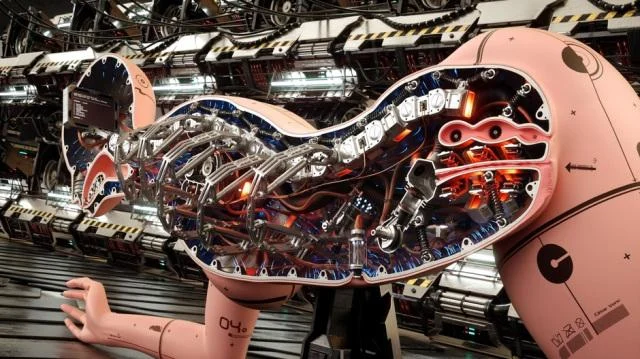
The Science of Connection: How Humans and Machines Harmonize
But why do we form these social bonds with machines in the first place? One explanation could be the concept of “social surrogacy.” As humans, we have an inherent need for social interaction, and when we are unable to fulfill this need through traditional means, we seek out alternative sources. This is where machines come into play. They provide us with a sense of connection, even though we know they are not living beings.
Moreover, technology has also made it easier for us to form and maintain relationships. With the rise of social media and communication platforms, we can now connect with people from all around the world, regardless of physical distance. This has also led to the emergence of online communities, where individuals with similar interests can come together and form social bonds, all through the use of technology.
However, the question remains, is this type of social bonding with machines healthy? While technology has undoubtedly made our lives easier, it is important to strike a balance between our interactions with humans and machines. Studies have shown that excessive use of technology can lead to feelings of isolation, anxiety, and depression.
Moreover, as our dependence on technology grows, there is also a growing concern about the ethical implications of human-machine interaction. With the development of advanced AI, there is a fear that machines may one day surpass human intelligence, leading to a loss of control and autonomy. This highlights the need for responsible and ethical use of technology, as well as constant monitoring and regulation.
In conclusion, the science of connection between humans and machines is a complex and fascinating topic. As social beings, our brains are wired to seek out social bonds, and with the advancement of technology, we have found new ways to fulfill this need. However, it is crucial to maintain a healthy balance and not let technology replace human interactions. As we continue to integrate technology into our lives, it is important to consider the ethical implications and ensure responsible use.
Related current event: In a recent development, researchers at the University of Washington have developed a new way for humans to communicate with machines using only their thoughts. This technology, called “BrainNet,” allows for three individuals to collaborate and play a game using a brain-to-brain interface. This further highlights the potential of human-machine interaction, as well as the ethical considerations that come with it. (Source: https://www.washington.edu/news/2018/10/03/three-people-play-video-game-using-only-direct-brain-to-brain-communication/)
In summary, the science of connection between humans and machines is a result of our innate need for social bonding and interaction. Our brains respond to machines as if they were social beings, and technology has made it easier for us to form and maintain relationships. However, it is important to strike a balance and consider the ethical implications of human-machine interaction. As technology continues to advance, it is crucial to ensure responsible and ethical use to maintain the harmony between humans and machines.
Leave a Reply