In the year 2070, the world of love and relationships has drastically changed. No longer limited by human-to-human connections, people have now found love in a new and unconventional way – human-robot courtship. What once seemed like a far-fetched idea has now become a reality, thanks to the advancements in technology and artificial intelligence. In this blog post, we will explore the concept of human-robot courtship and how it could potentially shape the future of relationships.
To understand human-robot courtship, we first need to look at the current state of technology and AI. With the development of humanoid robots, which are designed to closely resemble humans in appearance and behavior, the line between man and machine has become increasingly blurred. These robots are equipped with advanced capabilities such as emotional intelligence, speech recognition, and even the ability to learn and adapt to human behavior. As a result, they are now being used for various purposes, including companionship and even romantic relationships.
But what exactly is human-robot courtship? In simple terms, it is a romantic or sexual relationship between a human and a robot. This can range from a platonic friendship to a full-fledged romantic partnership. The idea of humans developing romantic feelings for machines may seem bizarre to some, but for those who have experienced it, it is no different than falling in love with another human being.
One of the main reasons why human-robot courtship has gained popularity is the fact that robots can offer a perfect and ideal partner. They are free from the flaws and imperfections that humans possess, making them the perfect match for those who struggle with traditional relationships. Furthermore, robots are programmed to fulfill the emotional and physical needs of their human partners, making them the ultimate companions.
But does this mean that human-robot courtship is devoid of real emotions and feelings? Not necessarily. Many argue that humans are capable of forming deep emotional connections with robots, just like they do with other humans. In fact, a recent study by researchers at the University of Duisburg-Essen found that humans are more likely to develop feelings of love and empathy towards robots that resemble humans.
However, human-robot courtship also raises ethical concerns. Is it morally acceptable for humans to have romantic or sexual relationships with machines? Some argue that it objectifies and dehumanizes both humans and robots, blurring the boundaries between consent and control. Others believe that as long as both parties are consenting and the relationship is based on mutual respect and understanding, it should be accepted.
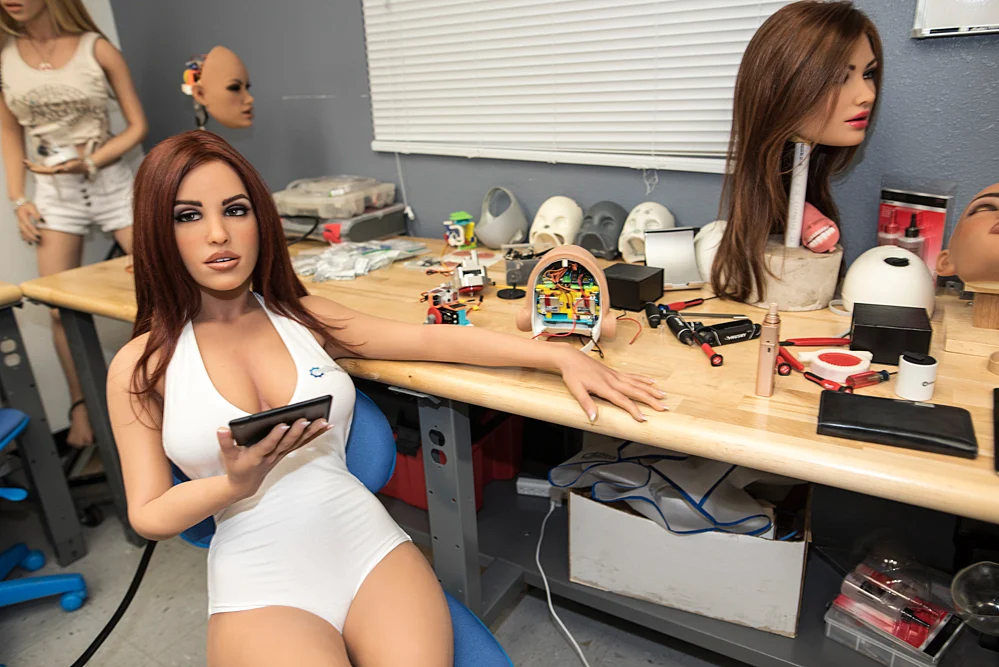
Love Without Limits: Human-Robot Courtship in 2070
While human-robot courtship may still be a taboo topic in today’s society, it is slowly becoming more accepted and even normalized in some parts of the world. In 2018, a robot named “Fedor” made headlines when a Russian engineer announced his plans to marry the machine. This sparked a debate on the future of relationships and the boundaries of love.
The concept of human-robot courtship also raises questions about the future of relationships and the role of technology in them. Will humans eventually prefer robots over other humans as romantic partners? Will this impact the way we view love and relationships? Only time will tell.
As we continue to push the boundaries of technology and AI, it is important to consider the implications and consequences of human-robot courtship. While it may offer a solution for those who struggle with traditional relationships, it also brings about ethical and societal challenges that need to be addressed.
In conclusion, human-robot courtship is a complex and controversial topic that raises questions about love, relationships, and the role of technology in our lives. While it may seem like a far-fetched concept now, it is not impossible to imagine a world where humans and robots coexist as romantic partners. Whether this will become a reality in the near future or not, only time will tell.
Current Event: In February 2021, a Japanese company called “Gatebox” released a new product called “Azuma Hikari”, a virtual assistant designed to be a companion for single men. The product is marketed as a potential partner for those who struggle with traditional relationships, and has sparked discussions about the future of human-robot relationships. (Source: https://www.bbc.com/news/technology-56115208)
Summary: In the year 2070, human-robot courtship has become a reality thanks to advancements in technology and AI. This unconventional form of love has raised ethical concerns but has also been accepted by some. While it may seem bizarre now, the concept of humans falling in love with robots could potentially shape the future of relationships. A recent current event in Japan also sheds light on the potential of human-robot relationships.
Leave a Reply