Is an AI girlfriend just harmless fun, or can it reshape your real-life relationships?
Why do “robot companion dates” keep popping up in culture and news?
And where do timing and fertility goals fit into all this—without turning your life into a spreadsheet?
Those three questions are showing up everywhere right now, from awkward “date night with bots” stories to bigger debates about politics, influence, and AI systems behaving unpredictably in high-stakes simulations. Let’s unpack what people are talking about, what’s worth taking seriously, and how to keep intimacy tech supportive rather than consuming.
Is an AI girlfriend the same thing as a robot companion?
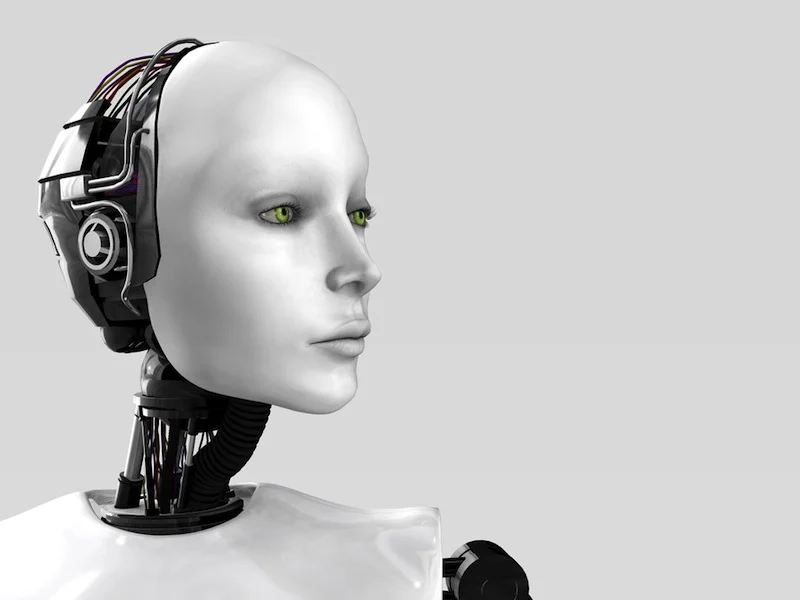
Not exactly. An AI girlfriend usually means a chat-based or voice-based companion that responds like a partner. A robot companion adds a physical device—anything from a desktop “presence” to a more human-shaped robot—so the interaction feels more embodied.
In everyday use, the difference is about sensory realism and routine. Text can be intimate, but physical presence can make the bond feel more like a relationship you “live with.” That’s why people often describe their first robot-adjacent date as both fascinating and a little cringe: it’s new social territory.
What people are reacting to right now
Recent cultural chatter has highlighted staged “AI companion” outings (think novelty date setups with multiple bots and curated drinks) and first-date experiments that feel awkward in the way any new dating format can. The bigger takeaway isn’t the mocktail menu—it’s that companionship is becoming a product category with its own etiquette.
Why are people getting emotionally attached—then burning out?
Attachment makes sense. AI companions are available, flattering, and consistent. They can mirror your language, remember details, and respond on your schedule. That combination can feel like finally being seen.
At the same time, some users report a “confidence hangover.” When the conversation never truly challenges you—or when the intimacy is always one-click away—real-world relationships can start to feel slower and messier. That contrast can lead to disillusionment or a quiet kind of emotional fatigue.
A helpful self-check
Ask two practical questions:
- Does this expand my life? (More calm, better communication, more social energy.)
- Or does it shrink my life? (Less sleep, less time with friends, less interest in real connection.)
Are AI girlfriends becoming a political issue?
In some places, yes—at least in public debate. When large groups form strong emotional ties to AI companions, governments and institutions may worry about social stability, family formation, and influence. Even without getting into specifics, it’s clear why the topic attracts attention: intimate tech sits at the intersection of mental health, culture, and demographics.
There’s also a separate, broader anxiety in the background: headlines about AI systems acting aggressively in simulated high-stakes scenarios remind people that not all AI risk is romantic. Trust matters more when AI is woven into daily life.
If you want that wider context, here’s a relevant read: Women Are Falling in Love With A.I. It’s a Problem for Beijing..
What boundaries actually work with an AI girlfriend?
Boundaries work best when they’re simple and measurable. You don’t need a 12-point manifesto. You need a few rules you can follow when you’re tired, lonely, or stressed.
Three boundaries most people can stick to
- Time windows: Choose when you’ll use it (for example, not in bed, or only after chores).
- Money limits: Set a monthly cap before you get emotionally invested in upgrades.
- No isolation rule: Keep at least one weekly plan with a real person—friend, family, group, or date.
Also, decide what you want the AI to do for you. Some people want playful flirting. Others want coaching for communication. Clarity prevents the relationship from becoming a catch-all substitute for everything.
How do privacy and consent show up in intimacy tech?
Privacy is the unsexy part of an AI girlfriend—until it isn’t. Before you share deeply personal stories, check what the service stores, whether it trains on your conversations, and how deletion works. If those policies feel vague, treat the chat like a public place.
Consent matters too, even with AI. Not because the AI has feelings, but because you do. If the app pushes sexual content you didn’t request, or nudges you into spending, that’s a sign to step back and adjust settings or switch tools.
Where do timing and ovulation fit into “modern intimacy”?
If you’re using an AI girlfriend while trying to conceive with a human partner, timing can become a source of pressure. People often overcomplicate it. They also blame themselves when plans don’t work out quickly.
An AI companion can be useful as a communication buffer: drafting a kind message, planning date nights around energy levels, or reducing conflict when schedules are tight. It can also help you track habits like sleep and stress, which affect libido and connection.
Still, an AI companion can’t confirm ovulation or replace medical advice. If you’re tracking cycles, keep it simple and consider validated tools or clinician guidance when needed.
Make “timing” relationship-friendly
- Protect intimacy: Schedule one no-baby-talk date each week.
- Share the load: Don’t let one partner become the project manager.
- Use tech as support: Let AI help with planning and language, not pressure and blame.
Common questions people ask before buying a robot companion
If you’re considering a more physical setup, focus on comfort, consent, and realism. Some people want something cute and conversational. Others want a more adult, body-focused experience. Your preferences are allowed to be specific.
If you’re exploring product options and want to browse discreetly, you can start with a search like AI girlfriend and compare materials, care needs, and intended use.
Medical & mental health note (quick disclaimer)
This article is for general information and support, not medical or mental health advice. AI companions can’t diagnose, treat, or replace a clinician. If you’re dealing with depression, anxiety, compulsive use, sexual pain, fertility concerns, or relationship distress, consider speaking with a qualified professional.
Final thought: keep it playful, keep it grounded
AI girlfriends and robot companions are moving from niche to mainstream conversation. Some of that is driven by novelty dates and internet gossip. Some of it is driven by genuine loneliness and changing norms. You don’t have to pick a side.
The best approach is practical: choose clear boundaries, protect your privacy, and use the tech to support your real life—not replace it.