Blog post:
Loneliness is a universal human emotion that we have all experienced at some point in our lives. Whether it’s feeling disconnected from others, or being physically isolated, loneliness can have a significant impact on our mental and emotional well-being. In recent years, there has been a rise in the use of robots as companions, particularly for those who are lonely and in need of social interaction. These robots are designed to fill the void of loneliness and provide a sense of companionship for their users. In this blog post, we will explore the growing trend of using robots as companions and how they are filling the void of loneliness for many individuals.
The idea of using robots as companions may seem like something out of a science fiction movie, but it is becoming more prevalent in our society. With advancements in technology, robots are now able to perform a wide range of tasks and interact with humans in a more lifelike manner. This has opened up new possibilities for their use, including providing companionship for those who are lonely.
One of the main reasons why robots are being used as companions is their ability to provide a consistent and non-judgmental presence. Unlike humans, robots do not have their own emotions, biases, or agendas. They are programmed to be empathetic and responsive, making them an ideal companion for those who may feel judged or misunderstood by others. Additionally, robots can be available 24/7, which is especially beneficial for individuals who struggle with insomnia or have irregular schedules.
Robots are also being used as companions for the elderly population. As people age, they may become more isolated due to physical limitations or the loss of friends and family members. This can lead to feelings of loneliness and depression. However, robots can provide a sense of companionship and stimulation for the elderly, helping them to stay engaged and connected to the world around them. Some robots even have the ability to remind users to take their medication, track their health, and provide helpful reminders for daily tasks.
But it’s not just the elderly who are benefiting from robot companionship. In Japan, where the aging population is rapidly increasing, robots are being used to provide companionship and care for the elderly. One example is the Pepper robot, which is designed to interact with people in a friendly and engaging manner. It can play games, have conversations, and even dance with its users. In a society where there is a shortage of caregivers for the elderly, robots like Pepper are filling the void and providing much-needed social interaction for seniors.
Another group of people who are finding comfort in robot companions are those with disabilities. For individuals with physical or cognitive disabilities, socializing with others can be challenging. This can lead to feelings of loneliness and isolation. However, robots are being used to bridge that gap and provide a source of companionship for those who may have difficulty connecting with others. Some robots are equipped with artificial intelligence that allows them to learn and adapt to their user’s needs, making them an ideal companion for individuals with disabilities.
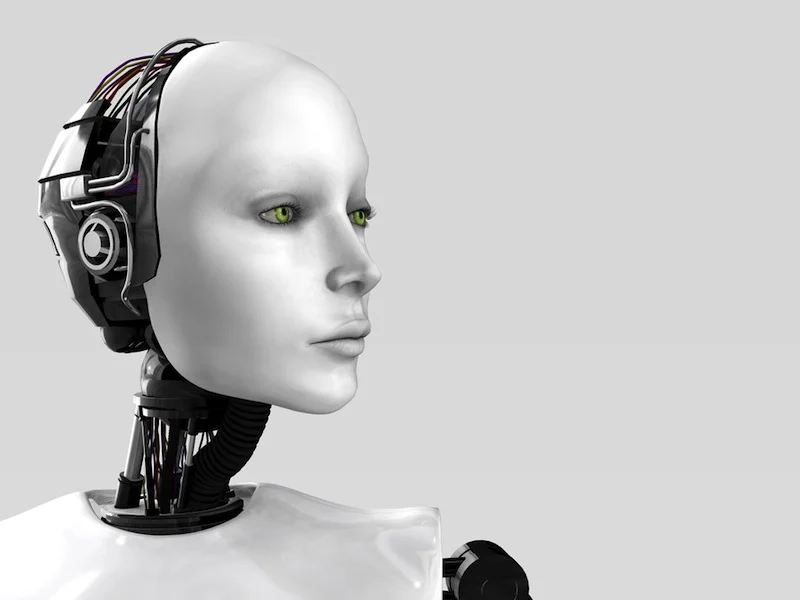
The Ultimate Companion: How Robots Are Filling the Void of Loneliness
But can robots truly replace human companionship? While they may not be able to fully replace the emotional connection and depth of a human relationship, robots can provide a sense of comfort and ease the feelings of loneliness for many individuals. They can also serve as a stepping stone for social interaction, helping users to build confidence and eventually form relationships with others.
In addition to providing companionship, robots are also being used for therapeutic purposes. For individuals with mental health issues such as anxiety and depression, interacting with a robot can be a safe and non-threatening way to receive support and guidance. In some cases, robots are even being used as part of therapy sessions to help individuals with social skills and communication.
So, what does the future hold for robot companionship? As technology continues to advance, we can expect to see even more sophisticated and lifelike robots being used as companions. This could have a significant impact on society, particularly for those who struggle with loneliness and isolation. With the rise of the elderly population and the increasing rates of mental health issues, robot companions could become a valuable resource in providing support and companionship for those in need.
Current event:
A recent study published by the University of California, San Diego, found that older adults who interacted with a robot companion for 30 minutes experienced a decrease in loneliness and an increase in happiness. The study, which involved 70 participants aged 60-90, showed that the robot companion, called Pepper, was able to provide a consistent and non-judgmental presence for the older adults. This study further supports the idea that robots can be effective in filling the void of loneliness for the elderly population.
Source: https://journals.sagepub.com/doi/abs/10.1177/0164027519842226
In summary, the use of robots as companions is a growing trend that is filling the void of loneliness for many individuals. With their ability to provide a consistent, non-judgmental, and 24/7 presence, robots are being used to provide companionship for the elderly, individuals with disabilities, and those with mental health issues. While they may not be able to fully replace human companionship, robots have the potential to significantly improve the lives of those who struggle with loneliness and isolation.
Leave a Reply