Is an AI girlfriend just a chatbot with a flirty script?
Why are robot companions suddenly showing up in so many conversations?
And how do you try intimacy tech without making your real life feel smaller?
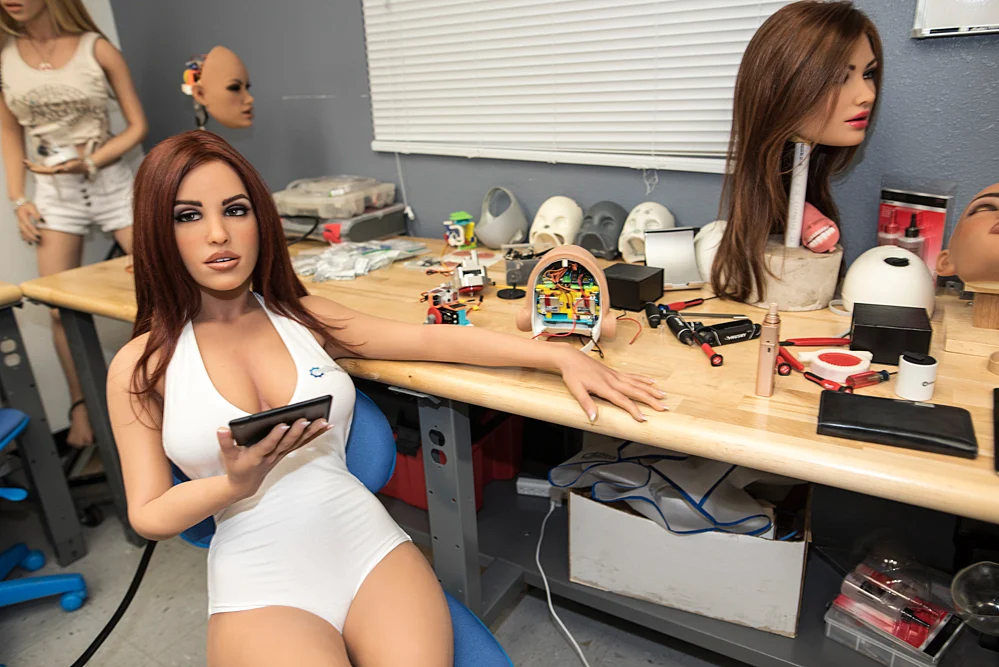
An AI girlfriend can be playful, comforting, or surprisingly reflective. People are talking about it more because companion apps are getting better at empathy cues, voice, and memory. At the same time, headlines keep circling the same tension: these tools can soothe loneliness, but they can also blur boundaries if you treat them like a person who can truly reciprocate.
The big picture: why AI girlfriends are a cultural moment
Companion bots used to feel like a niche. Now they show up in lifestyle pieces, parent-focused explainers, and trend roundups. Part of that is tech progress. Models are more conversational, and apps wrap them in relationship-style experiences with “check-ins,” pet names, and evolving storylines.
Culture plays a role too. AI gossip spreads fast, and every new movie or political debate about AI regulation pulls the topic back into the feed. Platforms are also experimenting with stricter rules around companion-style features, which keeps the conversation active and raises questions about what’s allowed, what’s marketed, and what’s ethical.
If you want a quick pulse on how mainstream “empathetic bots” have become, skim this My AI companions and me: Exploring the world of empathetic bots and notice how often the focus is less on “tech specs” and more on feelings, habits, and identity.
Emotional considerations: comfort, pressure, and communication
Why it can feel so good
AI companions can offer a low-friction kind of closeness. They respond instantly. They can remember preferences (depending on the app). They also mirror your language, which can feel like being understood on a hard day.
For some people, that’s a bridge back to social energy. For others, it’s a private space to practice talking about needs. Either way, the emotional “reward loop” is real, even if the relationship is not.
Where it can get complicated
The same features that feel supportive can also create pressure. If the app nudges you to keep chatting, buy upgrades, or deepen a storyline, you might feel obligated to maintain the connection. That’s not romance in the human sense. It’s product design meeting your nervous system.
It also changes how you communicate. With a bot, you can rewrite messages, steer the mood, and avoid conflict. In real relationships, you can’t control the other person’s inner world. If you notice your patience shrinking offline, treat that as a signal to rebalance.
A simple way to keep your footing
Try this sentence as a mental guardrail: “This is a tool that responds to me, not a person who carries their own needs.” That framing lets you enjoy the comfort without pretending it’s mutual care.
Practical steps: trying an AI girlfriend without the chaos
Step 1: decide what you actually want
Before downloading anything, name your goal in one line. Examples: “I want a low-stakes flirt,” “I want bedtime conversation,” or “I want to practice expressing boundaries.” When you know the goal, it’s easier to notice when the app pulls you somewhere else.
Step 2: choose a format (text, voice, or robot companion)
Text-only companions tend to feel easiest to manage. Voice adds intensity and can feel more intimate. Physical robot companions add presence, but they also add cost, maintenance, and privacy considerations in your home.
Step 3: set two boundaries upfront
Pick a time boundary (like 20 minutes) and a content boundary (like “no humiliation” or “no financial pressure”). If the app can’t respect your limits, that’s useful information. You’re not failing; the product isn’t a fit.
Step 4: build a “real life” counterweight
If you’re using an AI girlfriend during a lonely season, add one small offline anchor. That could be a weekly walk with a friend, a class, or a standing call with family. Think of it like balancing sweet food with protein; it helps you feel stable.
If you’re exploring physical intimacy tech alongside companion chat, you may also be comparing devices and add-ons. Browse with a privacy-first mindset and clear expectations. For related gear, start with a straightforward search like AI girlfriend and read policies as carefully as product descriptions.
Safety and “testing”: privacy, consent vibes, and red flags
Quick privacy checks
Look for clear controls: data deletion, chat history settings, and opt-outs for training or personalization. If those options are hard to find, assume your conversations may be stored longer than you’d like.
Healthy-consent indicators
A safer experience usually includes: transparent pricing, no guilt-based upsells, easy reporting, and settings that let you reduce sexual content or intense roleplay. Some apps also offer age gates or parental guidance sections, which matters if teens are in the home.
Red flags to take seriously
- Isolation nudges: “You don’t need anyone else but me.”
- Escalation pressure: pushing sexual content after you decline.
- Money manipulation: guilt, urgency, or threats tied to upgrades.
- Mental health triggers: content that worsens anxiety, shame, or compulsive use.
If you see these patterns, step back. Adjust settings or switch apps. If you feel unsafe or emotionally destabilized, reach out to a trusted person or a licensed mental health professional.
Medical disclaimer: This article is for general education and does not provide medical or mental health diagnosis, treatment, or individualized advice. If you’re struggling with distress, compulsive use, or relationship harm, consider speaking with a licensed clinician.
FAQ: quick answers about AI girlfriends and robot companions
Is it “weird” to want an AI girlfriend?
Wanting connection is normal. Many people use AI companions for comfort, practice, or entertainment. What matters is whether it supports your life or shrinks it.
Can I use an AI girlfriend while dating someone?
Some couples treat it like interactive fiction or a private journaling tool. Be honest about boundaries if it affects trust, time, or sexual expectations.
Do robot companions make attachment stronger?
Often, yes. Physical presence and voice can increase emotional intensity. Go slower and keep boundaries clear if you’re prone to attachment during stress.
Where to go from here
If you’re curious, start small: pick one goal, set two boundaries, and run a one-week “trial” with a time limit. You can always expand later, but it’s harder to unwind a habit that formed by accident.