Five rapid-fire takeaways:
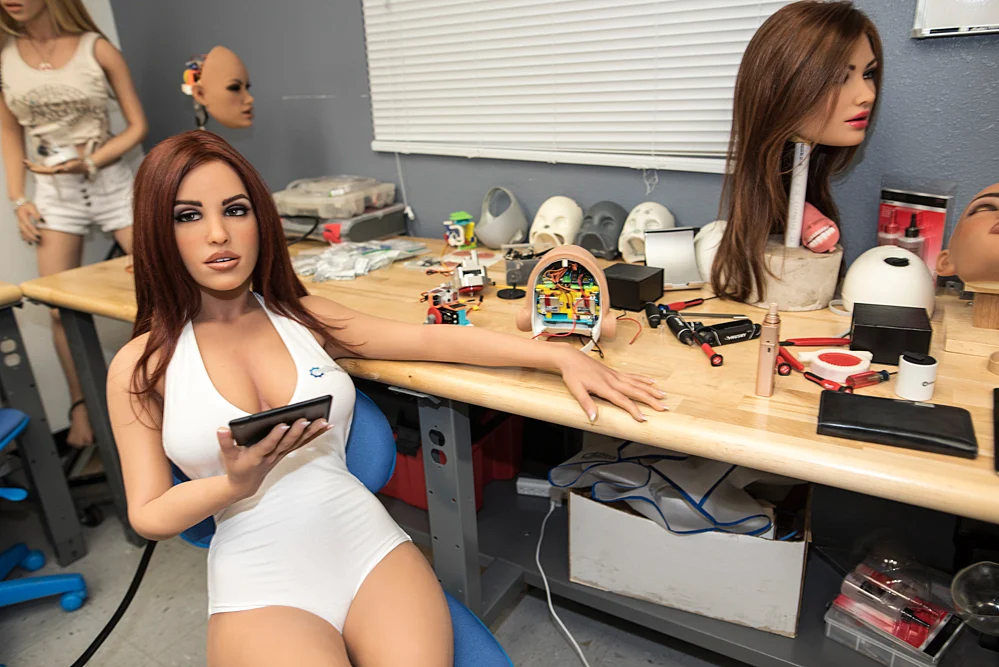
- AI girlfriend talk is trending because companionship tech is getting more lifelike, more social, and more political.
- Regulators are paying attention to emotional dependence and persuasive design, not just data privacy.
- Voice-first companions are growing fast, and that makes the experience feel more intimate than texting.
- Robot companions add physical presence, which can deepen comfort—and raise new consent and safety questions.
- Healthy use is possible when you set boundaries, pick transparent tools, and keep real-world connections in the mix.
Overview: why “AI girlfriend” is suddenly everywhere
In the past, digital romance was mostly a plot device in movies and a niche corner of the internet. Now it shows up in mainstream conversation: celebrity-adjacent AI gossip, new companion app launches, and think pieces about what intimacy means when a machine can sound attentive 24/7.
Part of the shift is simple: the tech feels better. Voice models are smoother, memory features feel more personal, and some products are starting to blend chat, audio, and embodied “robot companion” hardware into one ecosystem.
Another reason is cultural tension. When people say “AI girlfriend,” they might mean comfort, practice, fantasy, or escape. Critics often hear manipulation, exploitation, or social withdrawal. Both reactions can be grounded in real experiences.
Timing: the news cycle is moving from novelty to guardrails
Right now, headlines are less about “wow, this exists” and more about “what should be allowed.” Coverage has pointed to proposed rules in China aimed at limiting harmful emotional effects and reducing the risk of users becoming overly attached to AI companions.
Political debate is also heating up in the West. Some lawmakers and advocates have raised alarms about highly sexualized or psychologically intense “girlfriend” apps, especially where minors or vulnerable users might be exposed.
Meanwhile, psychologists and researchers are discussing how digital companions can reshape emotional connection. The conversation isn’t purely negative. It’s more like a new public negotiation about boundaries: what’s supportive, what’s exploitative, and what should be transparent.
If you want a general reference point for the regulation chatter, see this related coverage: China wants to regulate AI’s emotional impact.
Supplies: what you actually need for a healthier experience
This topic can get abstract fast, so let’s make it practical. If you’re considering an AI girlfriend app or a robot companion, the “supplies” are less about gadgets and more about guardrails.
1) A boundary you can describe in one sentence
Examples: “I won’t use this while I’m at work.” Or: “This is for winding down, not for avoiding friends.” The simpler the rule, the easier it is to keep.
2) A privacy check you’ll actually do
Look for controls on data retention, voice storage, and whether your chats train models. If settings are hard to find, treat that as a signal.
3) A reality anchor
That can be a weekly plan with a friend, a standing therapy appointment, or a hobby that pulls you offline. The goal isn’t to shame the tech. It’s to keep your life wide enough that one tool doesn’t become your whole world.
4) A product path that matches your intent
Some people want a flirty chatbot. Others want a voice companion for loneliness. A smaller group wants embodied hardware. If you’re curious about devices in this space, you can browse options like AI girlfriend and compare what’s software-only versus what adds physical interaction.
Step-by-step (ICI): a simple way to try it without losing yourself
This is a lightweight framework you can use before you download, subscribe, or bring a robot companion into your home. Think of it as ICI: Intent → Consent → Integration.
Step 1: Intent — name what you’re using it for
Pick one primary reason. Comfort after a breakup? Social practice? Fantasy roleplay? Nighttime companionship? When the purpose is clear, you’re less likely to drift into all-day use.
Step 2: Consent — set rules for the relationship with the tool
Consent here means your consent, not the AI’s. Decide what topics are off-limits, what kind of language you don’t want mirrored back, and whether you want the app to initiate messages. Turn off push notifications if you don’t want the “always-on” pull.
Also consider financial consent. Many companion apps monetize through emotional escalation. If you feel pressured to pay to “fix” conflict or unlock affection, step back.
Step 3: Integration — connect it to real life in a healthy way
Schedule your use like you would a game or a show. Keep it in a time box. Then pair it with something real: a walk, a text to a friend, journaling, or a hobby.
If you’re using a robot companion, add physical-world safety basics. Think about where it sits, who can access it, and whether microphones or cameras are active by default.
Mistakes people make (and how to avoid them)
Mistake 1: Treating the AI as a therapist
Companion chat can feel soothing, but it isn’t clinical care. If you’re dealing with depression, trauma, or self-harm thoughts, use professional support and trusted humans as your primary line of help.
Mistake 2: Letting “personalization” become surveillance
Memory features can be charming. They can also push you into oversharing. Keep sensitive identifiers out of chats (full name, address, workplace details), especially if you don’t fully control data retention.
Mistake 3: Confusing compliance with compatibility
An AI girlfriend may agree with you, mirror your opinions, and avoid conflict. That can feel like compatibility, but it may also flatten your emotional range and make real relationships feel “harder” by comparison.
Mistake 4: Using it to avoid every uncomfortable feeling
Comfort is valid. Avoidance can quietly grow. If you notice you’re using the app to dodge friends, dating, or daily responsibilities, that’s your cue to reduce time or change how you use it.
FAQ: quick answers for curious (and cautious) readers
Is it weird to want an AI girlfriend?
It’s more common than people admit. Wanting companionship, practice, or a safe-feeling interaction is human. The key is whether the tool supports your life or shrinks it.
Do voice companions feel more intense than text?
Often, yes. Voice can trigger stronger attachment because it resembles real-time presence. That’s why boundaries matter more with voice-first products.
What about robot companions specifically?
Physical embodiment can increase immersion and comfort. It also raises privacy concerns and can make attachment stronger, so plan your boundaries up front.
CTA: explore thoughtfully, not impulsively
If you’re exploring an AI girlfriend or robot companion, aim for tools that respect your agency: clear settings, transparent limits, and no pressure to stay engaged. Curiosity is fine. You get to decide the shape of the experience.
What is an AI girlfriend and how does it work?
Medical disclaimer: This article is for general information only and isn’t medical or mental health advice. AI companions are not a substitute for professional care. If you’re struggling with distress, anxiety, depression, or safety concerns, consider reaching out to a licensed clinician or local support services.