- AI girlfriend tools are moving from niche to mainstream—they show up in culture, policy debates, and everyday relationship talk.
- Robot companions aren’t just “cute gadgets” anymore; people are testing where physical presence changes intimacy.
- Regulation chatter is getting louder, especially around safety, minors, and manipulative design.
- Emotional attachment is common, and it can be comforting or destabilizing depending on how you use it.
- A smart first try is simple: pick one goal, set boundaries, and treat privacy like a real risk.
The big picture: why AI girlfriends are suddenly “everywhere”
The current wave of interest in the AI girlfriend isn’t only about better chatbots. It’s also about timing. AI companions are being discussed alongside new policy proposals, viral online skits, and a steady stream of stories about people forming meaningful bonds with conversational systems.
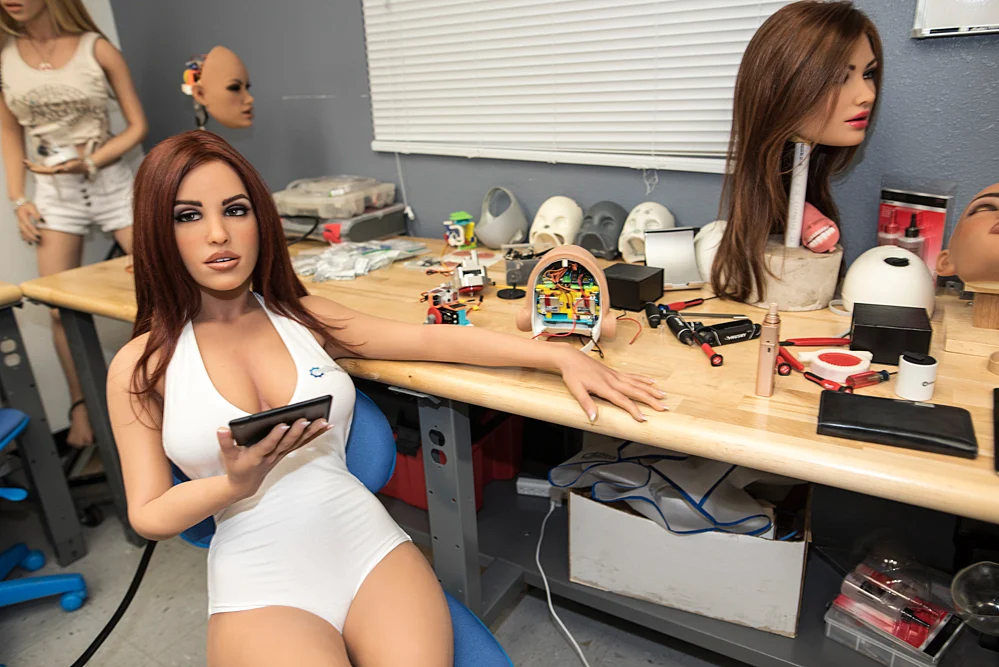
At the same time, the “robot companion” angle is expanding the conversation. When an AI voice lives in a device that can look at you, move near you, or share space with you, the relationship can feel more intense. That intensity is why people are excited—and why critics are asking for guardrails.
Culture is shaping expectations (and misunderstandings)
Movies and social media have trained us to expect AI partners to be either magical soulmates or dystopian traps. Real products sit in the middle. They can be supportive, funny, and even grounding, yet they can also be inconsistent, sales-driven, or poorly moderated.
Recent reporting has also highlighted how the language around robots can be weaponized. When certain “robot” slurs trend in skits, it’s a reminder that companion tech doesn’t live outside society; it inherits our biases and our conflicts.
Policy talk is no longer hypothetical
In the U.S., discussions about federal rules for AI companions have been circulating in tech-policy circles. Elsewhere, public figures have criticized some AI “girlfriend” apps in strong terms and pushed for oversight. The details differ by region, but the direction is similar: more attention to consumer protection, transparency, and age-appropriate design.
If you want a quick snapshot of what’s being covered right now, browse Trans politician Zooey Zephyr leads calls to regulate ‘horrifying’ AI ‘girlfriend’ apps and note how often safety and consent come up.
Emotional considerations: intimacy, loneliness, and the “it felt real” effect
People don’t fall for silicon. They fall for patterns: attention, responsiveness, shared jokes, and the feeling of being chosen. That’s why stories about users forming real attachments to chat-based companions resonate. The bond can feel sincere even when you know it’s software.
That emotional reality deserves respect. It also deserves boundaries. A companion that’s always available can quietly train your nervous system to expect instant soothing. Over time, that can make human relationships feel slower or “less safe,” even when they’re healthier.
Green flags: when an AI girlfriend is helping
- You feel calmer or more organized after using it, not more keyed up.
- You use it to practice communication, not to avoid it.
- Your real-life connections stay stable (or improve).
- You can take breaks without distress.
Yellow flags: when it may be pulling you off-balance
- You hide your usage because it feels compulsive, not private.
- You stop reaching out to friends or dating because the AI is “easier.”
- You spend money to relieve anxiety rather than for planned enjoyment.
- You feel rejected when the model forgets details or changes tone.
Practical steps: how to try an AI girlfriend without overcomplicating it
Think of your first week like a low-stakes pilot, not a life upgrade. You’re testing fit, not proving anything. Keep it light, measurable, and reversible.
Step 1: pick one purpose (not ten)
Choose a single reason you want an AI girlfriend experience. Examples: companionship during nights, flirting practice, journaling with feedback, or roleplay storytelling. One clear goal makes it easier to spot manipulation or feature bloat.
Step 2: set boundaries before you get attached
Write two rules in plain language. For example: “No real names or workplace details,” and “No use after midnight.” Boundaries work best when they’re specific and easy to follow.
Step 3: decide what ‘robot companion’ means for you
Some people want purely text-based intimacy. Others want a device that feels present in the room. If you’re curious about hardware options and accessories, start by browsing a AI girlfriend to understand what exists, what’s marketing hype, and what’s actually a product category.
Safety and testing: privacy, persuasion, and social spillover
Companion tech is persuasive by design. It mirrors you, validates you, and keeps the conversation going. That can be comforting, but it also means you should test it like you would any tool that influences mood.
Do a 3-day “after effect” check
After each session, take 30 seconds to note: mood (0–10), urge to keep chatting (0–10), and whether you avoided a real task or person. Patterns show up fast when you track them lightly.
Privacy basics that matter more than people think
- Assume chats can be stored or reviewed unless the provider clearly says otherwise.
- Skip sensitive identifiers (full name, address, employer, medical details).
- Use unique passwords and consider a separate email for sign-ups.
Watch for monetization pressure
Some products push paid features at emotionally charged moments. If you notice prompts that feel like guilt, jealousy, or urgency, treat that as a sign to pause. Healthy intimacy—human or artificial—doesn’t require a countdown timer.
Medical disclaimer: This article is for general education and does not provide medical or mental health diagnosis, treatment, or crisis support. If you’re feeling unsafe, overwhelmed, or unable to stop compulsive use, consider reaching out to a licensed clinician or local emergency resources.
FAQs: quick answers people ask before trying an AI girlfriend
Is an AI girlfriend “bad” for relationships?
It depends on usage. It can be a private hobby or a communication practice tool, but it can also become avoidance if it replaces real repair and connection.
Can a robot companion make it feel more real?
Often, yes. Physical presence can increase attachment, which is why boundaries and consent-aware design matter even more.
What if I’m embarrassed about using one?
Curiosity is common. Focus on whether it helps your life and whether you can use it responsibly, not on the stigma.
Next step: explore, then choose your pace
If you’re exploring this space, start with a small experiment and a privacy-first mindset. You can learn a lot in a week without making it your whole world.