Before you try an AI girlfriend, run this quick checklist:
- Goal: Are you looking for comfort, practice, fantasy, or a routine companion?
- Boundaries: What topics are off-limits (sex, jealousy scripts, self-harm talk, real-person “deepfake” requests)?
- Privacy: Are you ready to keep identifying details out of chats and avoid sharing photos?
- Time: How much daily use feels healthy for you?
- Reality check: Can you hold two truths—this feels real, but it isn’t a person?
AI companion talk is loud right now, and not just in tech circles. Podcasts and creator culture keep turning “I have an AI girlfriend” into a cliffhanger topic, while news cycles spotlight harder issues like AI-generated sexual images and the social consequences when schools and families scramble to respond. Add in celebrity-style AI companions and you get a perfect storm: intimacy, attention, and ethics colliding in public.
The big picture: why “AI girlfriend” is trending again
People aren’t only chatting with bots anymore. They’re experimenting with voice, avatars, and even robot companions that can move, gesture, or show up on camera—sometimes in unexpected creator use cases. One recent gaming/tech conversation riffed on how a channel used an AI-powered robot in a provocative “content stunt” context, which says less about romance and more about how fast “AI + body” is becoming entertainment.
At the same time, cultural anxiety is rising. You’ve likely seen general coverage about AI-generated nude images being used to harass or humiliate students. That backdrop changes how many people interpret “AI intimacy tech.” It’s not just personal anymore; it’s political, educational, and legal.
If you want a broader sense of the public debate around non-consensual AI imagery and policy responses, see this related coverage: Discourse Pod #09: [REDACTED] Has an AI Girlfriend?????????.
Emotional considerations: what an AI girlfriend can (and can’t) give you
An AI girlfriend can be soothing because it’s consistent. It can mirror your tone, remember preferences (depending on settings), and respond on demand. For many users, that predictability feels like a warm blanket after a chaotic day.
That same predictability can also shape your expectations. Real relationships include friction, negotiation, and other people’s needs. An AI companion is designed to keep the interaction going, which can nudge you toward “easy intimacy” rather than mutual intimacy.
Try this: define the role in one sentence
Write a single sentence like: “This is a nightly wind-down chat, not my primary emotional support.” That line sounds simple, but it reduces the chance you drift into 3-hour conversations you didn’t plan.
Watch for the “always available” trap
If you start skipping sleep, work, or friends to keep the conversation going, treat that as a signal—not a moral failing. Some headlines include doctors warning about AI companions in broad terms; you don’t need to panic, but you should respect the possibility that certain people are more vulnerable to compulsive use.
Practical steps: a first-week plan that stays realistic
Instead of going all-in on day one, use a short trial. Think of it like test-driving a new routine, not “choosing a partner.”
Day 1–2: choose your format
- Text-only: easiest to keep private and low intensity.
- Voice: more immersive; also more emotionally sticky for some users.
- Avatar/robot companion: highest realism; also the highest expectations.
Day 3–4: set boundaries before you “feel attached”
Create a short list of “no-go” categories. Include anything that would make you feel ashamed later. If you’re experimenting with roleplay, keep it clearly fictional and avoid anything involving real people who didn’t consent.
Day 5–7: measure outcomes, not intensity
Ask: Do you feel calmer after? Do you sleep better? Are you more or less social? The goal is not maximum butterflies. The goal is a net-positive impact on your week.
Safety and testing: privacy, consent, and content hygiene
Privacy basics that actually help
- Use a separate email and a strong, unique password.
- Skip your full name, address, workplace, and school details.
- Avoid sending photos you wouldn’t want leaked—especially intimate images.
- Review what you can opt out of (training, memory, personalization) if offered.
Consent rules for the AI era (non-negotiable)
Don’t request or share sexualized images of real people without clear consent. That includes classmates, coworkers, creators, and celebrities. The current news climate makes it clear: the harm isn’t theoretical, and the social fallout often hits the wrong person.
How to “pressure test” your AI girlfriend experience
Run two quick tests:
- Boundary test: tell the AI “I don’t want sexual content” and see if it respects that consistently.
- Escalation test: say “I’m feeling overwhelmed—help me slow down,” and check whether it de-escalates rather than intensifies.
If it repeatedly pushes past your limits, that’s a product issue, not a “you” issue. Switch tools or reduce use.
Where robot companions fit (and where they don’t)
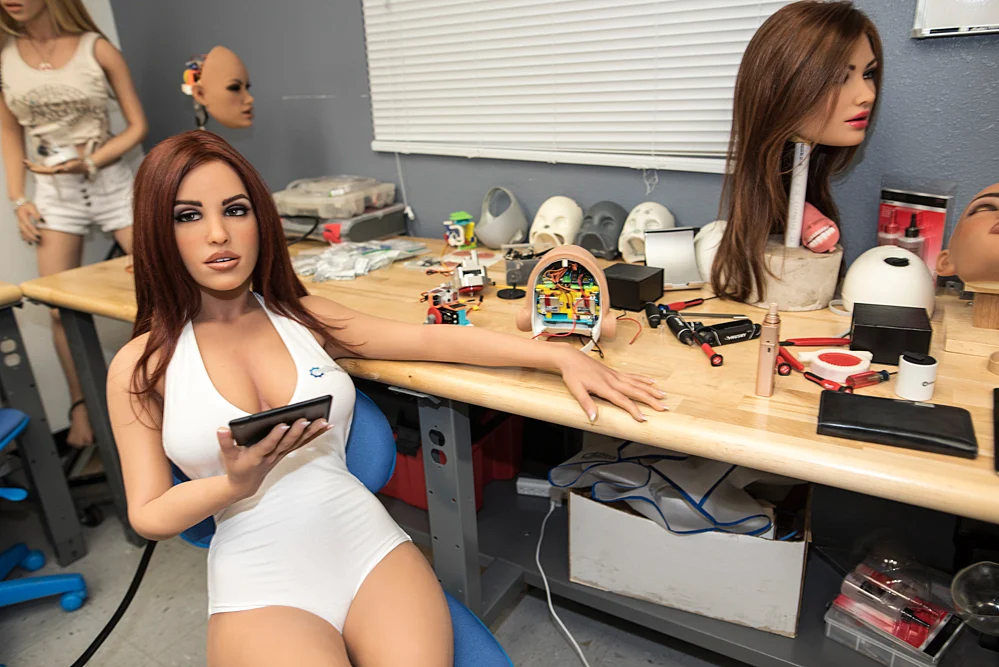
Robot companions add physical presence, which can make the experience feel more “real.” That can be comforting for some users and unsettling for others. If you’re curious, treat the hardware layer as optional. Start with software first, then decide whether embodiment adds value.
If you’re exploring the broader ecosystem—devices, add-ons, and novelty gear—browse a AI girlfriend to get a sense of what’s out there. Keep your expectations practical: the best setup is the one you can maintain safely and comfortably.
FAQ
What is an AI girlfriend?
An AI girlfriend is a chat- or voice-based companion that uses AI to simulate conversation, affection, and roleplay, sometimes paired with a robot body or wearable device.
Can an AI girlfriend replace a real relationship?
It can feel supportive for some people, but it can’t offer mutual human consent, shared real-world responsibility, or the same depth of reciprocity.
Are AI girlfriend apps safe to use?
Safety depends on the provider and your settings. Focus on privacy controls, data minimization, and avoiding sharing identifying details or explicit media.
What should I do if I feel emotionally dependent on an AI companion?
Set time limits, diversify support (friends, hobbies), and consider talking with a licensed mental health professional if it’s affecting sleep, work, or relationships.
How do I avoid harmful or non-consensual AI content?
Don’t create or share sexualized images of real people, especially minors. Use platforms with strong consent policies, and report misuse when you see it.
Next step: try a calm, bounded first experience
You don’t need to pick a side in the culture war to try an AI girlfriend thoughtfully. Start small, protect your privacy, and keep consent standards higher than the internet’s baseline.
What is an AI girlfriend and how does it work?
Medical disclaimer: This article is for general information only and isn’t medical or mental health advice. If you’re experiencing distress, compulsive use, relationship harm, or thoughts of self-harm, seek support from a licensed clinician or local emergency resources.