The Science of Love: How AI is Studying and Predicting Relationships
Love is a complex and mysterious emotion that has captivated humans for centuries. Countless songs, poems, and movies have been dedicated to this powerful feeling, but what truly makes two people fall in love remains a mystery. However, with the advancement of technology and the rise of artificial intelligence (AI), scientists are now able to study and predict relationships in ways that were not possible before. In this blog post, we will dive into the fascinating world of the science of love and how AI is playing a crucial role in understanding and predicting romantic relationships. We will also explore a recent current event that highlights the use of AI in the dating world.
The Science of Love: An Overview
Love has always been a topic of interest for scientists, psychologists, and philosophers. It is a complex emotion that involves a mix of biological, psychological, and social factors. In the past, research on love has mainly focused on the psychological and social aspects, but with the development of AI, scientists are now able to study its biological basis as well.
One of the key areas of study in the science of love is the role of hormones in romantic relationships. Hormones play a crucial role in regulating our emotions, behaviors, and physical responses. For instance, the hormone oxytocin, often referred to as the “love hormone,” is released during physical touch and is linked to feelings of trust, bonding, and attachment. By studying the levels of hormones like oxytocin, scientists can better understand the chemical reactions that occur when two people fall in love.
Another aspect of the science of love that AI is helping to unravel is the power of attraction. With the help of algorithms and machine learning, scientists are now able to analyze vast amounts of data from dating websites and apps to identify patterns in what makes people attracted to each other. This includes factors such as physical appearance, interests, and personality traits. By studying this data, AI can make more accurate predictions about who is likely to be attracted to whom.
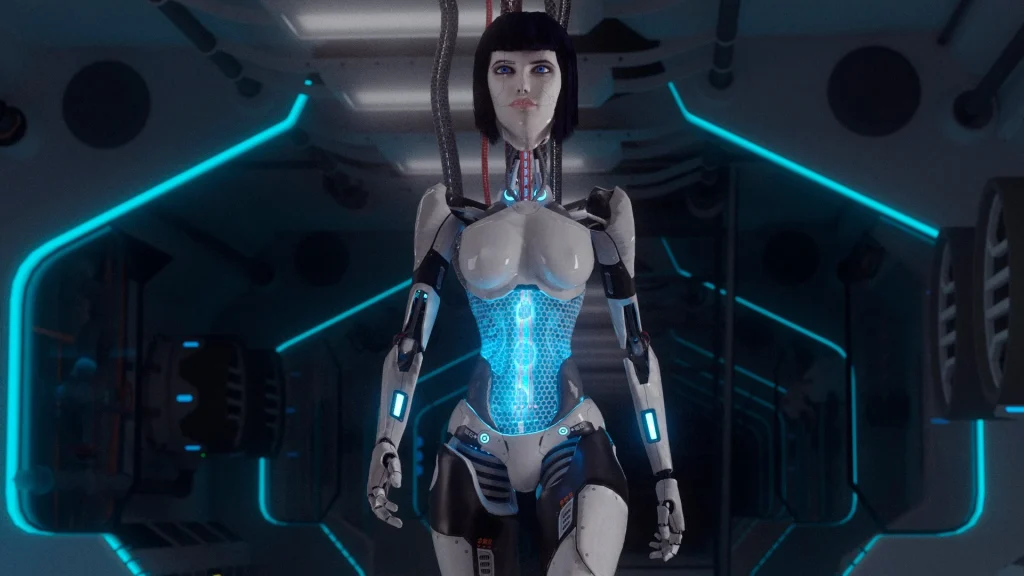
The Science of Love: How AI is Studying and Predicting Relationships
Predicting Relationship Success with AI
Aside from studying the chemistry and attraction between individuals, AI is also being used to predict the success of relationships. In the past, psychologists relied on self-reported data and observations to make predictions about the longevity of a relationship. However, with the use of AI, scientists can now analyze vast amounts of data from couples, such as communication patterns, physical interactions, and social media activity, to make more accurate predictions about the future of a relationship.
One example of this is a study conducted by researchers at the University of Southern California. They used AI to analyze the conversations and interactions of newlyweds and were able to predict with 79% accuracy which couples would eventually divorce. By studying the tone, facial expressions, and body language of the couples, the AI was able to identify subtle cues that are often missed by human observers. This breakthrough has the potential to help couples identify and work on potential issues in their relationships before they become irreparable.
The Role of AI in the Dating World: A Current Event
The use of AI in the dating world has been gaining popularity in recent years. Dating apps like Tinder and Bumble use algorithms and machine learning to suggest potential matches for their users based on their preferences and past interactions. This has made the process of finding a partner more efficient and has led to an increase in successful relationships.
However, a recent current event has highlighted the potential downside of relying too heavily on AI in the dating world. In January 2021, the dating app Coffee Meets Bagel experienced a data breach where 6 million user accounts were compromised. The app uses AI to match users based on their preferences, but the breach exposed sensitive information, including names, email addresses, and Facebook profiles. This event served as a reminder that while AI can be a powerful tool in predicting and facilitating relationships, it is important to prioritize privacy and security measures.
In conclusion, the science of love has come a long way with the help of AI. From studying the chemistry and attraction between individuals to predicting the success of relationships, AI is providing valuable insights into this complex emotion. While there are potential risks and ethical considerations to be aware of when it comes to using AI in the dating world, its impact on understanding and predicting relationships cannot be denied. As technology continues to advance, we can only imagine the new discoveries and breakthroughs that will be made in the science of love.