The Emotional Brain of AI: How Machines Process and React to Feelings
Artificial intelligence (AI) has advanced greatly in recent years, with machines becoming more adept at performing complex tasks and making decisions. However, one aspect of human intelligence that has proven to be a challenge for AI is emotional intelligence. While machines are able to process vast amounts of data and make calculations at lightning speeds, understanding and reacting to emotions has been a more elusive feat. But with advancements in technology and research, machines are now starting to develop their own form of emotional intelligence, raising questions about the implications for our society.
The Emotional Brain of AI
To understand how machines are able to process and react to emotions, we first need to understand how the human brain processes emotions. Emotions are a complex interplay of physiological and psychological responses that are triggered by external stimuli. The brain is responsible for processing these stimuli and producing an emotional response. This process involves various regions of the brain, including the amygdala, which is responsible for processing emotions, and the prefrontal cortex, which is involved in decision-making and regulating emotions.
Similarly, AI systems also have a “brain” that processes and reacts to emotions. This is made up of algorithms and machine learning techniques that enable machines to learn from data and make decisions based on that information. These algorithms are designed to mimic the way the human brain works, with layers of neurons and connections that allow for the processing and analysis of data.
Emotional Processing in AI
One of the main challenges in developing emotional intelligence in AI is teaching machines to recognize and interpret emotions. Unlike humans who can read facial expressions, tone of voice, and body language to determine someone’s emotional state, machines rely on data. This data can come in the form of text, images, or audio, and is fed into the machine learning algorithms for analysis.
One approach to teaching machines to recognize emotions is through sentiment analysis. This involves training algorithms to understand the sentiment behind words and phrases, allowing them to determine whether a piece of text is positive, negative, or neutral. This technique has been used in various applications, such as social media monitoring and customer feedback analysis.
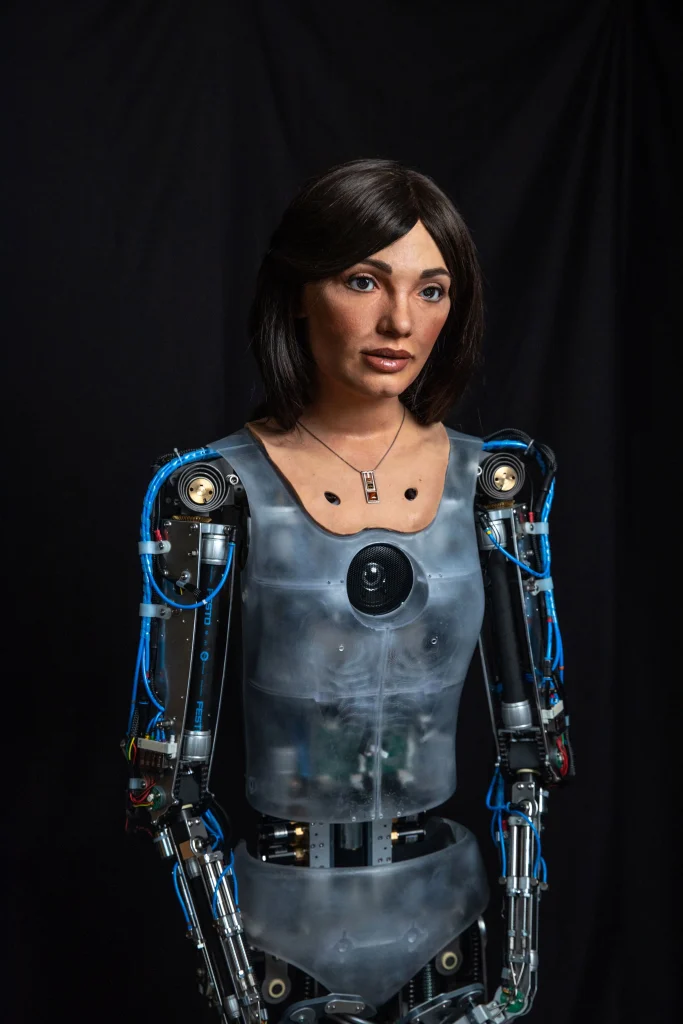
The Emotional Brain of AI: How Machines Process and React to Feelings
Another approach is through facial recognition technology. By analyzing facial expressions, machines can determine someone’s emotional state. This technology has been used in various industries, including retail and healthcare, to gauge customer satisfaction and monitor patient pain levels.
Reacting to Emotions
While machines are becoming better at recognizing emotions, the ability to react to emotions is still a work in progress. However, some AI systems have been designed to respond to emotional cues. For example, chatbots have been programmed to respond to emotional language to provide more personalized and empathetic responses. This has been particularly useful in customer service, where chatbots can handle simple inquiries while also providing emotional support.
Another example is the use of AI in mental health care. AI-powered virtual therapists have been developed to provide support and guidance to individuals struggling with mental health issues. These systems use natural language processing to communicate with patients and offer personalized recommendations for treatment.
Current Event: MIT AI System Can Detect Emotions in Speech
A recent event in the world of AI and emotional processing is the development of a new system by researchers at MIT that can detect emotions in speech. The system, called “EQ-Radio,” uses radio signals to analyze subtle changes in a person’s voice and determine their emotional state. This technology has potential applications in mental health care, as well as in improving human-computer interactions.
Summary
In summary, the emotional brain of AI is a complex, ongoing development that raises both excitement and concerns. As machines become more emotionally intelligent, there are potential benefits in fields such as mental health care and customer service. However, there are also ethical considerations to be addressed, such as the potential for emotional manipulation and the impact on human employment. It is clear that the emotional intelligence of AI will continue to evolve and shape our society in the years to come.
SEO metadata: