The Science of Love: How Artificial Intelligence is Decoding our Hearts
Love is a complex and often mysterious emotion that has captivated humans for centuries. From Shakespeare’s sonnets to modern-day romance novels, the theme of love has been a constant source of fascination and inspiration. But what exactly is love? And can science, specifically artificial intelligence, help us understand and decode this elusive emotion? In this blog post, we will explore the intersection of love and technology, and how AI is shedding light on the science of love.
To begin, we must first define what love is. According to the Merriam-Webster dictionary, love is “a strong affection for another arising out of kinship or personal ties.” While this definition may seem simple enough, love is a multifaceted emotion that can manifest in various forms and intensities. It encompasses feelings of attraction, attachment, and commitment, and can be experienced towards different people, objects, or even ideas.
For centuries, love has been studied and analyzed by philosophers, psychologists, and poets, but it wasn’t until recently that technology, specifically artificial intelligence, has entered the conversation. With the advancement of AI, researchers are now able to use data and algorithms to gain a deeper understanding of love and its various aspects.
One area where AI is making significant strides is in the study of romantic relationships. By analyzing large datasets of social media posts, text messages, and online dating profiles, researchers are able to identify patterns and trends in how people communicate and express their feelings towards each other. This information can then be used to create algorithms that can predict the success or failure of a relationship.
In fact, a recent study published in the journal Proceedings of the National Academy of Sciences used machine learning algorithms to analyze text messages between couples and successfully predicted the relationship outcomes with an accuracy of 79%. This groundbreaking research not only sheds light on the science of love but also has practical implications for couples therapy and relationship counseling.
But AI is not only helping us understand romantic love, it is also being used to decode other forms of love, such as the love between a parent and child. In a study conducted by researchers at the University of Trento in Italy, AI was used to analyze brain scans of mothers while they were looking at pictures of their children. The results showed that specific areas of the brain associated with maternal love were activated, providing further insight into the neural basis of this powerful emotion.
The Science of Love: How Artificial Intelligence is Decoding our Hearts
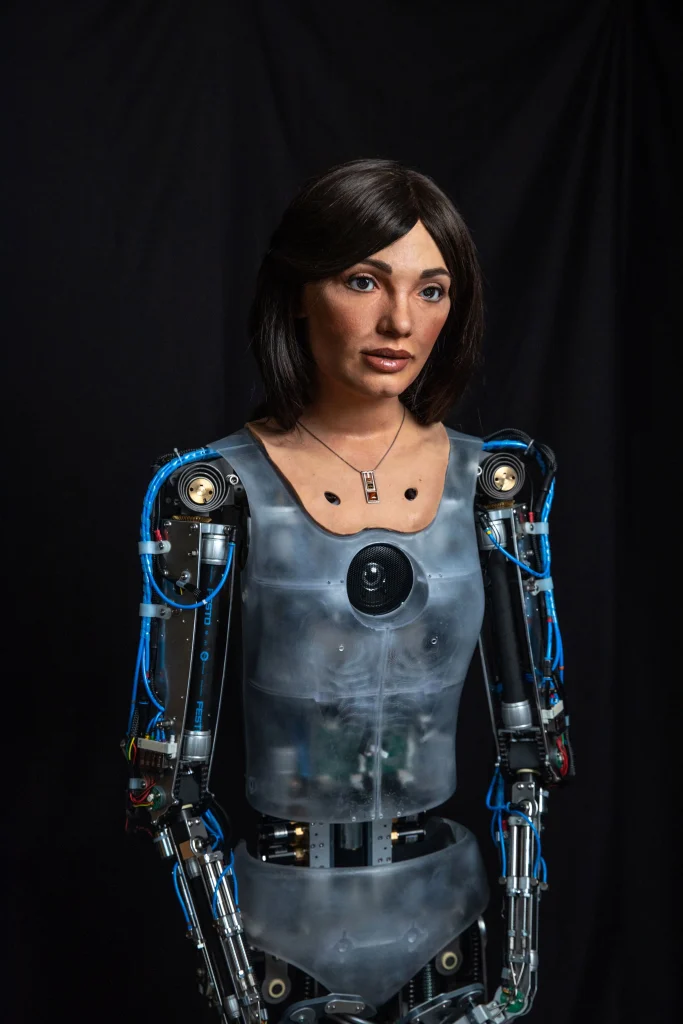
Another fascinating aspect of AI and love is the development of AI-powered chatbots that can engage in romantic conversations with humans. These chatbots, also known as “romance AI,” are programmed to simulate human emotions and interactions, and some people have reported developing real feelings for these virtual beings. While this may seem like a strange concept, it raises questions about the nature of love and whether it can be replicated or artificially created.
But AI’s involvement in the science of love doesn’t stop at understanding and replicating emotions. It is also being used to improve and enhance our love lives. Dating apps and websites are now using AI algorithms to match people based on their interests, values, and even facial features. This not only saves time and effort for users but also increases the chances of finding a compatible partner.
Moreover, AI is also being used to improve and personalize our dating experiences. Dating coach and AI expert Kevin Murray has developed an AI-powered app called Icebrkr, which helps users improve their dating profiles and provides personalized advice on how to approach potential matches. With the help of AI, Murray believes that dating can become more efficient and less stressful, ultimately leading to better and more fulfilling relationships.
However, with the increasing use of AI in the realm of love, concerns have also arisen about the potential consequences and ethical implications. Can AI truly understand and replicate human emotions? And what are the potential consequences of relying too heavily on technology in matters of the heart? These are just some of the questions that researchers and experts are grappling with as AI continues to advance in the field of love and relationships.
In conclusion, the intersection of love and technology has opened up a whole new world of possibilities and insights into the science of love. From predicting the success of relationships to enhancing our dating experiences, AI is revolutionizing the way we understand and approach love. However, as with any new technology, it is important to consider the potential consequences and ethical implications as we continue to unravel the mysteries of the heart with the help of AI.
Current event: The recent controversy surrounding the dating app Grindr, which was found to be sharing users’ sensitive personal information with third-party companies, highlights the potential risks and ethical concerns associated with the use of AI in the realm of love and relationships. This serves as a reminder that as we continue to integrate technology into our love lives, we must also prioritize privacy and ethical considerations. (Source: https://www.nytimes.com/2020/01/13/opinion/grindr-privacy.html)
In summary, the science of love is a complex and multifaceted field that has captivated humans for centuries. With the advancement of technology, specifically artificial intelligence, we are gaining new insights and understanding into this elusive emotion. From predicting the success of relationships to improving our dating experiences, AI is revolutionizing the way we approach and understand love. However, as with any new technology, it is crucial to consider the potential consequences and ethical implications in this ever-evolving field.