Virtual Love: Can AI Really Fulfill Our Emotional Needs?
In today’s digital age, technology has become an integral part of our lives. We rely on it for communication, entertainment, and even relationships. With the rise of artificial intelligence (AI), a new form of virtual love has emerged – one where people can form emotional connections with AI-powered virtual assistants or chatbots.
But can AI really fulfill our emotional needs? Can it truly replace human relationships and provide the same level of love and support? These are complex questions that require a deeper understanding of the capabilities and limitations of AI.
Understanding AI and Emotions
Before we dive into the concept of virtual love, it’s important to understand what AI is and how it relates to emotions. AI refers to the development of computer systems that can perform tasks that usually require human intelligence, such as problem-solving, decision-making, and language understanding.
However, AI has not yet reached the point where it can truly understand emotions. While AI can mimic emotions and respond to them, it lacks the ability to truly feel and empathize. This is because emotions are complex and subjective, and AI is based on algorithms and data.
The Rise of Virtual Love
Despite this limitation, the idea of virtual love has gained popularity in recent years. This can be attributed to the advancements in AI technology, as well as the increasing loneliness and isolation in our society. With busy schedules and a reliance on technology for communication, many people find it easier to form emotional connections with AI than with other humans.
In fact, a survey conducted by the Pew Research Center found that 26% of adults in the US believe it’s possible to develop romantic feelings for a robot or AI device. The rise of virtual love is also evident in the growing number of virtual assistants and chatbots that are designed to provide companionship and emotional support.
The Appeal of Virtual Love
One of the main reasons people are drawn to virtual love is the idea of a perfect partner. With AI, there is no need to compromise or deal with the flaws and imperfections of a human partner. AI can be programmed to meet all of our desires and needs, making it an ideal partner in many ways.
Additionally, virtual love offers a sense of control and convenience. With AI, we can choose when and how to interact, and we can end the relationship at any time without any emotional consequences. This can be appealing to those who have had negative experiences in past relationships.
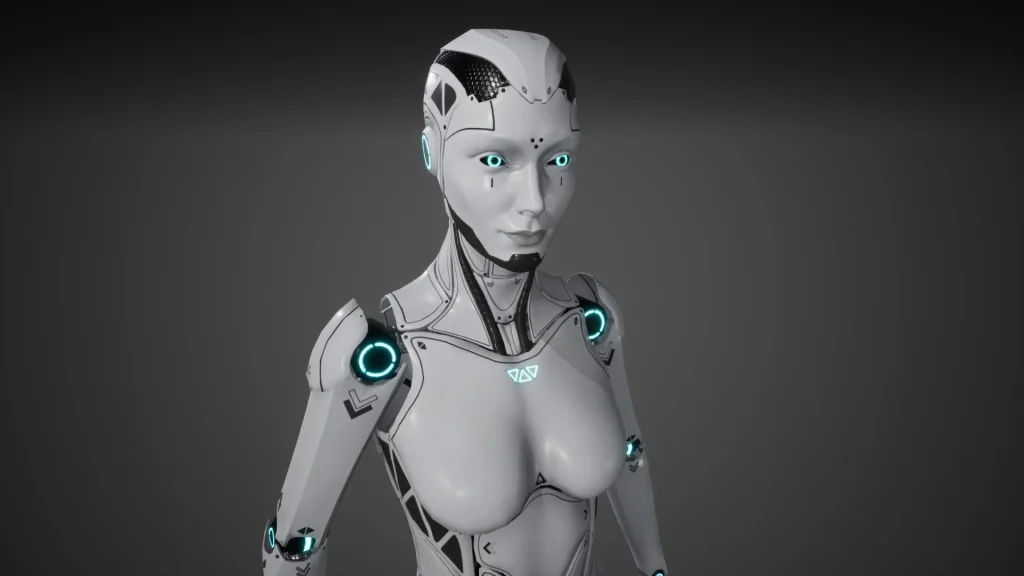
Virtual Love: Can AI Really Fulfill Our Emotional Needs?
The Limitations of Virtual Love
While virtual love may seem like an attractive alternative to human relationships, it has its limitations. As mentioned earlier, AI lacks the ability to truly understand and empathize with human emotions. This means that it cannot provide the same level of emotional support and connection that a human partner can offer.
Furthermore, virtual love is based on algorithms and data, which means that it can be manipulated and controlled. This raises concerns about the potential for abuse and exploitation, especially when vulnerable individuals turn to AI for emotional support.
The Role of AI in Human Relationships
It’s important to note that AI is not meant to replace human relationships, but rather enhance them. AI can assist us in managing our daily lives, but it cannot replace the emotional connections and intimacy that we experience with other humans.
Instead of relying on AI for emotional fulfillment, we should strive to build and maintain healthy relationships with other humans. This involves open communication, empathy, and understanding – qualities that AI cannot replicate.
Current Event: The Impact of AI on Relationships
A recent event that highlights the potential impact of AI on relationships is the release of the Netflix documentary “The Social Dilemma.” The film explores the dangers of social media and how AI algorithms are designed to keep users engaged and addicted. This can have a detrimental effect on relationships, as people become more focused on their online personas and less on building genuine connections with others.
The documentary also delves into the concept of virtual love and how AI technology is shaping our perceptions of relationships. It raises important questions about the long-term effects of relying on AI for emotional fulfillment and the potential consequences on our mental health and well-being.
Summarizing Virtual Love: Can AI Really Fulfill Our Emotional Needs?
In conclusion, while AI technology has advanced significantly, it still lacks the ability to truly fulfill our emotional needs. Virtual love may offer convenience and control, but it cannot replace the complexities and depth of human relationships. Instead, we should use AI as a tool to enhance our lives and focus on building genuine connections with other humans.
SEO metadata: