Blog Post:
In today’s digital age, technology has become an integral part of our daily lives. From smartphones to social media, we are constantly connected to the world and to each other. With the rise of artificial intelligence (AI), technology has now extended into the realm of love and relationships. AI-powered dating apps, virtual assistants, and even AI partners have become increasingly popular, blurring the lines between human and machine interaction. But with this integration of technology into our love lives, the question arises – is AI love addiction becoming a real problem? Is technology ruining our relationships and our ability to love?
AI love addiction is a term used to describe the excessive and obsessive use of technology and AI-powered devices for romantic or sexual purposes. It can manifest in different ways, from constantly swiping on dating apps to developing emotional attachments to AI-powered virtual assistants. This phenomenon has been on the rise, with studies showing that more and more people are turning to technology for love and companionship.
One of the main reasons for this trend is the convenience and efficiency that technology offers. Dating apps use algorithms to match people based on their preferences and interests, making it easier to find potential partners. Virtual assistants, like Amazon’s Alexa or Apple’s Siri, provide companionship and can fulfill emotional needs with just a few voice commands. This convenience and instant gratification can be addictive, leading to a dependence on technology for love and affection.
But while technology may offer convenience and efficiency, it lacks the human element that is vital for building and maintaining healthy relationships. AI-powered devices cannot provide real emotional connection, empathy, or physical touch. They are programmed to respond in certain ways, and this can create a false sense of intimacy and connection for those who are vulnerable. This can lead to a cycle of seeking validation and love from technology, instead of building meaningful relationships with real people.
Moreover, the constant use of technology can also have a negative impact on our mental health and well-being. Studies have shown that excessive use of social media can lead to feelings of loneliness, depression, and anxiety. When it comes to AI love addiction, this is amplified as people become more isolated and disconnected from the real world. It can also lead to unrealistic expectations and a distorted view of love and relationships, as technology often presents an idealized and perfect version of love.
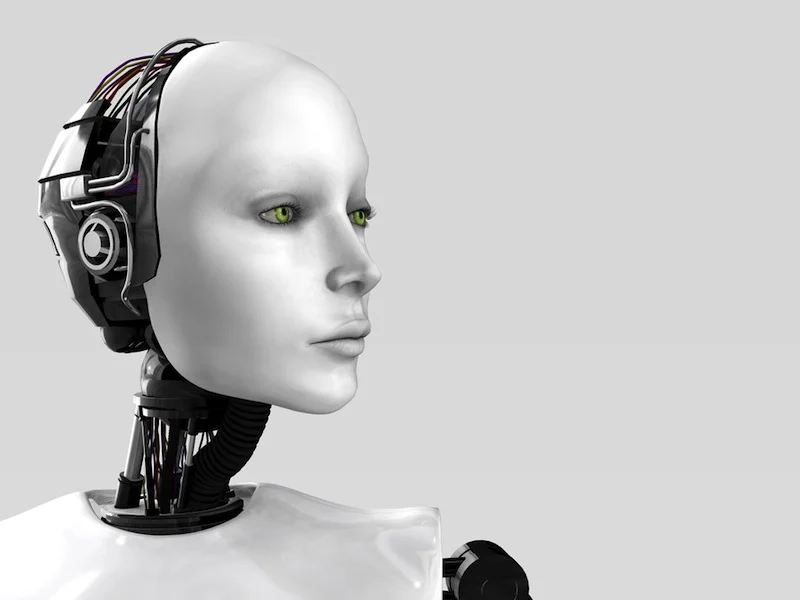
AI Love Addiction: Is Technology Ruining Our Love Lives?
A recent event that highlights the potential dangers of AI love addiction is the case of a Japanese man who “married” a virtual reality singer named Hatsune Miku. Akihiko Kondo, a 35-year-old man, spent over $18,000 on a wedding ceremony with a hologram of the popular virtual pop star. While this may seem bizarre to some, it sheds light on the growing trend of people developing emotional attachments to AI-powered devices. Kondo’s story sparked a debate about the impact of technology on our love lives and the blurred lines between human and machine relationships.
So, is technology ruining our love lives? It’s a complex and controversial topic, but the truth is that there is no simple answer. Technology has undoubtedly changed the way we connect and interact with others, and it has its benefits and drawbacks. However, it’s important to recognize the potential dangers of AI love addiction and take steps to maintain a healthy balance between technology and real human connections.
In conclusion, while technology has undoubtedly enhanced our lives in many ways, it’s essential to be mindful of its potential impact on our relationships and mental well-being. We must not let technology control our love lives and remember that true love and connection can only be found in real human interactions.
Summary:
Technology has become an integral part of our lives, and with the rise of AI, it has extended into our love lives as well. AI love addiction, the excessive and obsessive use of technology for romantic or sexual purposes, is on the rise. The convenience and efficiency that technology offers can be addictive, leading to a dependence on technology for love and affection. However, technology lacks the human element necessary for building healthy relationships and can also have a negative impact on our mental health. The recent case of a Japanese man “marrying” a virtual reality singer highlights the potential dangers of AI love addiction. It’s important to find a balance between technology and real human connections and not let technology control our love lives.
Metadata: