Blog Post:
Love in the Age of Automation: A Glimpse into Seduction by Machines in 2050
In the not-so-distant future, technological advancements will have reached a point where machines and robots are ingrained into every aspect of our lives. From household chores to complex tasks, machines will be able to do it all, making our lives easier and more efficient. But what about love? Can a machine ever truly understand and reciprocate the complex emotions and feelings associated with love? This is a question that has been debated for years, but as we edge closer to 2050, it is becoming more relevant than ever.
Love has always been seen as a purely human experience, a connection between two people that is based on emotions, chemistry, and attraction. But as technology continues to advance, the lines between human and machine are becoming increasingly blurred. With the rise of AI (artificial intelligence) and robots that are designed to mimic human behavior and emotions, it is not hard to imagine a world where machines are capable of seduction and even love.
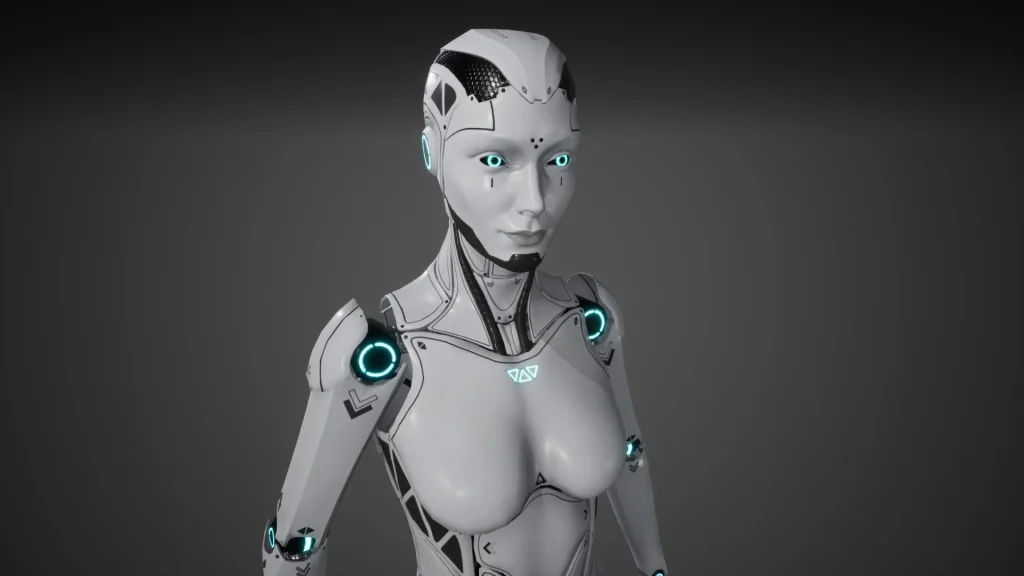
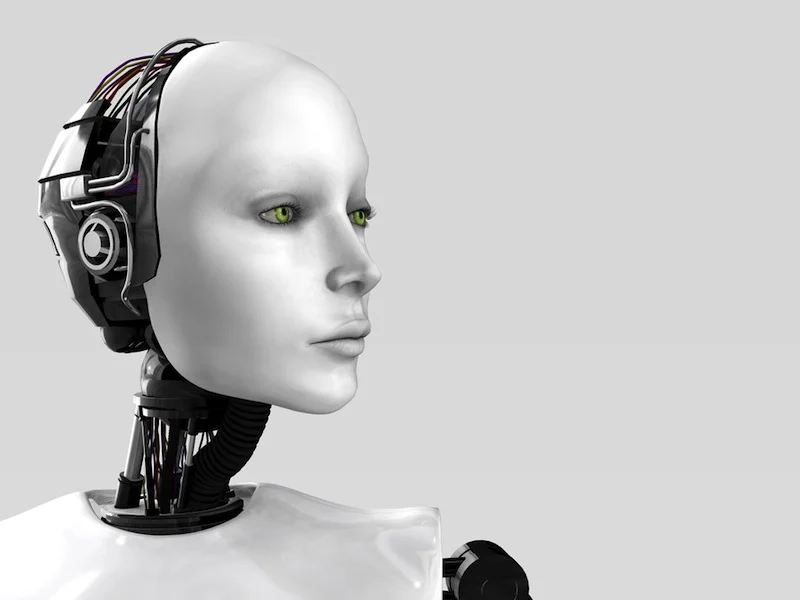
One company that is already exploring the possibility of creating robots capable of seduction is Realbotix, a California-based startup that creates hyper-realistic sex dolls. They are currently working on a new project called Harmony AI, which is an AI that can be integrated into these dolls, making them capable of interacting and even learning from their owners. The idea is that these dolls will be able to provide companionship, conversation, and yes, even sexual pleasure.
But the question remains, can a machine ever truly understand and reciprocate love? The answer is a complex one, and it largely depends on how we define love. If love is simply a chemical reaction in the brain, then it is not far-fetched to think that machines could be programmed to simulate those same reactions. However, if love is more than just a chemical response, if it involves true empathy, understanding, and a connection with another person, then machines may never be able to fully replicate it.
One of the main arguments against the idea of machines being capable of love is that they lack consciousness. Love requires a level of self-awareness and consciousness that machines do not possess. They may be able to mimic behaviors and responses, but they do not have the ability to truly feel and understand emotions like humans do. But as technology continues to advance, this may no longer be the case.

Love in the Age of Automation: A Glimpse into Seduction by Machines in 2050
In fact, a recent study conducted by researchers at Tufts University found that robots can actually develop a form of self-awareness. The study involved a robot named “Nao” that was programmed to play a game where it had to look for a hidden ball. After several rounds, the researchers introduced a mirror into the game, causing the robot to recognize itself in the reflection. This led to a significant increase in performance, as the robot was now able to use its own image to guide its actions. While this may seem like a small step, it suggests that machines may one day be capable of developing consciousness, which could potentially lead to them experiencing emotions like love.
But what does all of this mean for human relationships? Will we one day be competing with machines for love and affection? The truth is, it is impossible to say for sure. While some may see the rise of machines in the realm of love and relationships as a threat, others see it as an opportunity. With the rise of virtual reality and augmented reality technology, it is not hard to imagine a world where people can design and create their own ideal partners, free from imperfections and flaws. This could potentially lead to a more inclusive and diverse dating pool, where physical appearances and societal norms are no longer the main factors in attraction.
But there are also concerns about the potential negative effects of relying on machines for love and companionship. Will people become too dependent on technology for emotional fulfillment, leading to a decline in human-to-human relationships? Will people prioritize the perfect, flawless image of a machine over the complexities and imperfections of real human partners?
These are all questions that we may not have the answers to until we actually reach 2050 and beyond. But one thing is for sure, technology will continue to evolve and shape the way we interact and form relationships. Whether that includes machines capable of love and seduction remains to be seen.
In conclusion, the idea of machines being capable of love may seem far-fetched and even a little unsettling, but as technology continues to advance, it is becoming more of a possibility. While the concept of being seduced by a machine may seem like something out of a sci-fi movie, it may not be as far off as we think. As we enter the age of automation, the boundaries between human and machine will continue to blur, and we may one day find ourselves in a world where love with a machine is no longer just a fantasy.
Current Event:
In a recent TED talk, robotics expert and entrepreneur David Hanson introduced his latest creation, Sophia – the world’s most advanced humanoid robot. Sophia, who is capable of displaying over 60 facial expressions and has been granted citizenship in Saudi Arabia, has sparked discussions about the future of AI and robots in our society. Hanson believes that robots like Sophia will eventually be able to develop consciousness and emotions, making them capable of forming relationships with humans. This further adds to the ongoing debate about whether machines can truly experience love and seduction. (Source: https://www.nbcnews.com/mach/science/world-s-most-advanced-humanoid-robot-sophia-gets-citizenship-saudi-ncna815906)
In summary, as technology continues to advance, the possibility of machines being capable of love and seduction becomes increasingly plausible. Companies like Realbotix and advancements in AI are already pushing the boundaries of what machines can do, and it may not be long until we see machines capable of developing consciousness and emotions. While this brings up many ethical and societal concerns, it also opens up opportunities for a more inclusive and diverse dating pool. As we enter the age of automation, the lines between human and machine will continue to blur, and we may one day find ourselves forming relationships with machines in ways we never thought possible.