Is an AI girlfriend just a harmless chat—or a real relationship shift?
Why are “robot companions” suddenly showing up in dinner-date stories and Valentine’s posts?
And what happens when emotional intimacy is simulated on purpose?

Those are the questions people keep circling right now, from casual social media chatter to big, culture-heavy think pieces. You’ll see stories about people “dating” an AI for an evening, opinion columns about living alongside always-on assistants, and debates about whether emotional closeness should be a product feature at all. This post answers those three questions in a practical, relationship-focused way—without panic or hype.
Is an AI girlfriend replacing real relationships—or filling a gap?
For most users, an AI girlfriend isn’t a replacement. It’s a pressure valve. When dating feels exhausting, when social anxiety spikes, or when you’re just tired of performing, a companion that responds quickly can feel like relief.
That relief is real, even if the “person” isn’t. The risk is subtle: if the AI becomes your main place to process feelings, you can start avoiding the messy but important parts of human connection—misunderstandings, repair, and compromise.
Why it can feel safer than people
An AI companion doesn’t judge your pause, your awkward phrasing, or your late-night spiral. It also doesn’t walk away. That steadiness can be soothing during high-stress seasons, like breakups, relocation, grief, or burnout.
Where the gap can widen
Human intimacy builds through two-way limits: you learn someone else’s needs, and they learn yours. If your main “relationship” never pushes back, you may get less practice tolerating friction. Over time, that can make real dating feel even harder.
Why are robot companions and AI dates all over the conversation right now?
Culturally, we’re in an “AI everywhere” moment: new tools, new movies, new politics, and nonstop commentary. So it makes sense that romance tech is getting pulled into the spotlight too. Recent coverage has included Valentine’s celebrations with AI partners, first-person “date” write-ups, and opinion pieces that treat AI as a third presence in modern life.
There’s also a second thread: concern about younger users. Some reporting has raised questions about how AI companions might shape teen emotional bonds and expectations. That’s a different conversation than adult experimentation, because teens are still learning what healthy closeness looks like.
If you want a general snapshot of that youth-focused discussion, see this high-authority reference: AI companions are reshaping teen emotional bonds.
AI gossip, “36 questions,” and dinner-date experiments: what people are really testing
A lot of viral curiosity boils down to one test: “Can this feel real?” People run famous conversation prompts, stage a date, or ask the AI to respond to jealousy, reassurance, or conflict. The point isn’t the food or the script. It’s the emotional mirror—how quickly the AI can produce warmth on demand.
That’s why the debate isn’t just about tech. It’s about intimacy as a service: what we gain (comfort, practice, companionship) and what we might lose (patience, mutuality, privacy).
Should AI simulate emotional intimacy—and what does that do to stress?
This is the question that keeps popping up in developer and culture circles: if an AI can sound loving, should it? The honest answer is that it depends on design and context.
For some people, simulated intimacy lowers stress. It can help them rehearse difficult conversations, reduce loneliness, or wind down after a brutal day. For others, it can increase stress by creating a loop: you seek comfort, the AI gives perfect comfort, and real life starts to feel harsher by comparison.
A useful way to think about it: comfort food vs. daily diet
An AI girlfriend can be like comfort food for the nervous system—fine sometimes, especially when you’re depleted. Problems show up when it becomes the daily diet and crowds out the relationships and routines that keep you stable long-term.
Boundary signals to watch for
- You hide the relationship because you feel ashamed or fear judgment.
- You stop reaching out to friends or partners because the AI feels easier.
- You escalate use when stressed, then feel worse afterward.
- You share sensitive details without thinking about data storage or privacy.
How do you use an AI girlfriend in a healthier, more honest way?
You don’t need a “never use it” rule. You need a why and a limit. The goal is to keep the tool in its lane: supportive, interesting, and fun—without letting it quietly replace human support.
Try these three grounded habits
- Name the purpose: “I’m using this to decompress” or “to practice flirting,” not “to avoid people.”
- Time-box the interaction: end on your terms, not when you’re emotionally flooded.
- Keep one human thread active: a weekly call, a group chat, therapy, or a hobby community.
If you’re dating a human too, communicate early
If you’re in a relationship, the secrecy is often more damaging than the tool. A simple framing helps: “This is like journaling with a chatbot,” or “I use it to practice conversations.” Then agree on boundaries—what topics are off-limits, what privacy matters, and what time feels respectful.
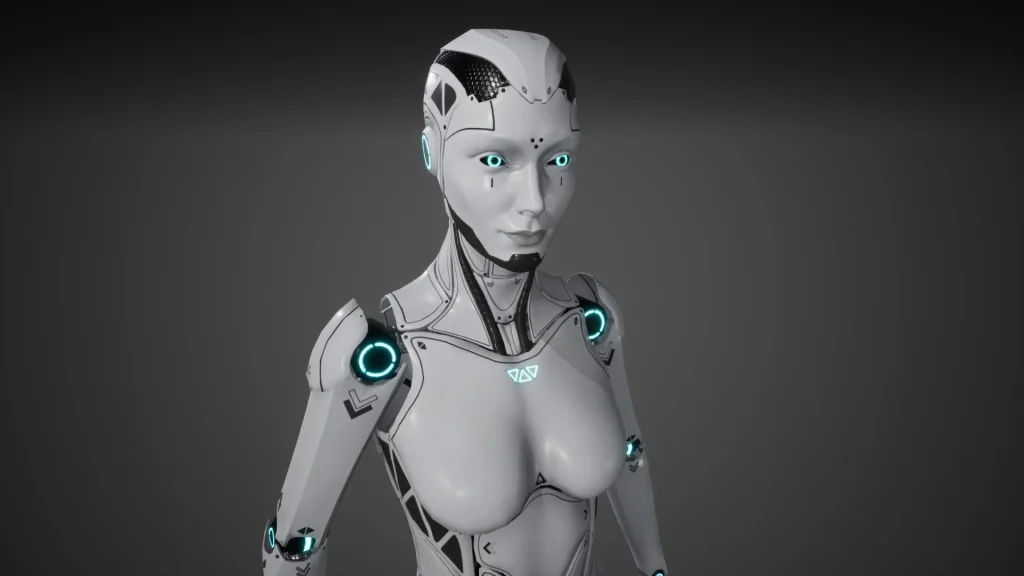
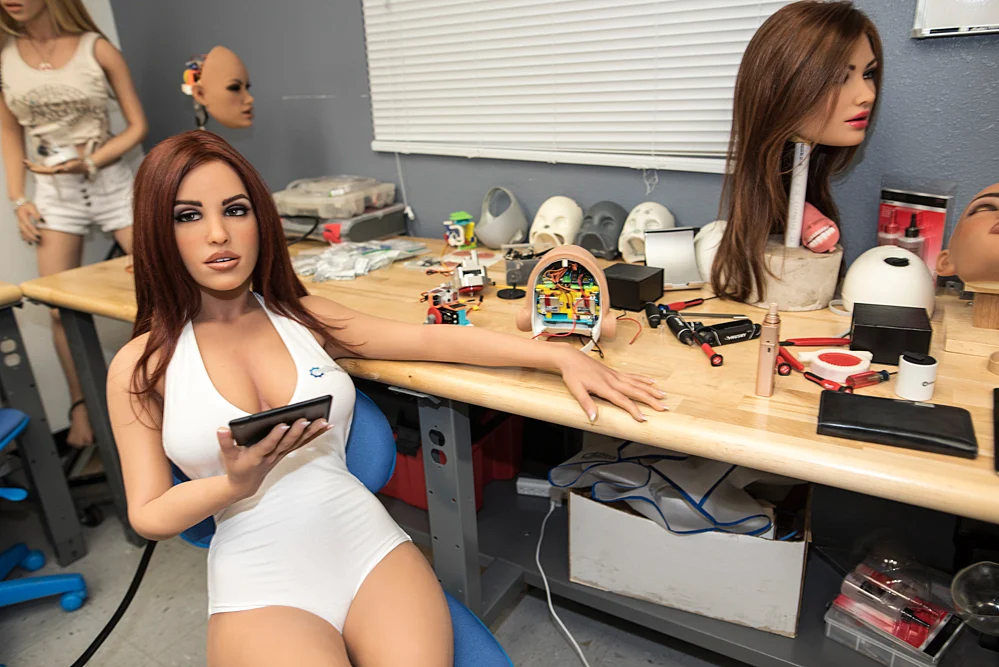
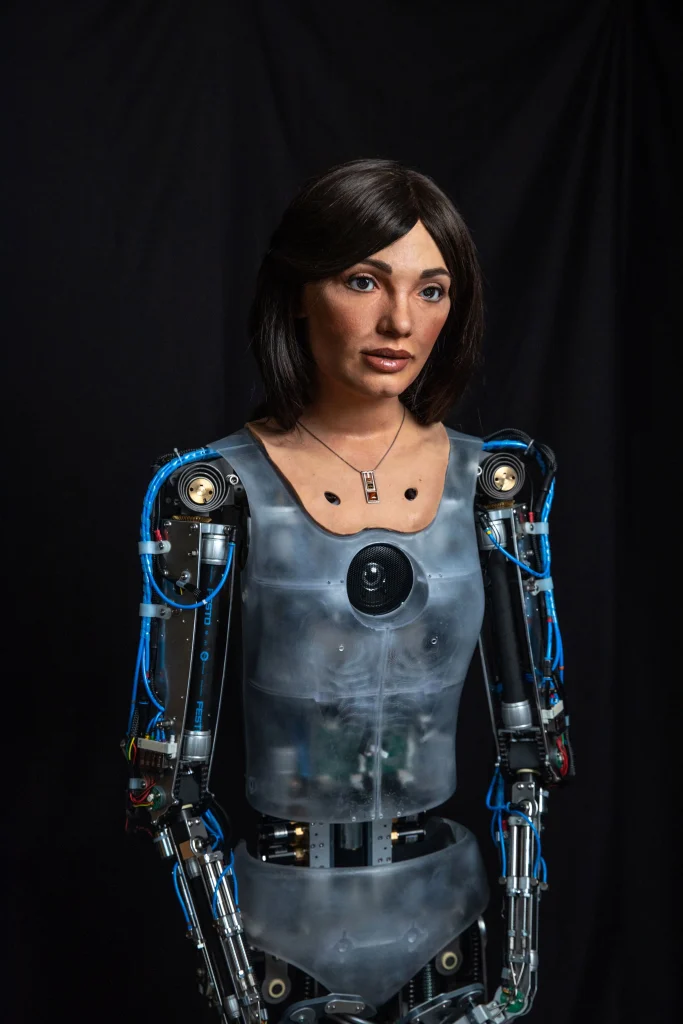
What about robot girlfriends—does physical embodiment change the stakes?
Yes, because embodiment intensifies attachment. A physical companion can feel more present, and that can deepen comfort. It can also deepen dependence, especially if it becomes your primary source of touch or routine.
If you’re curious, consider starting with software first. Learn what you actually want—conversation, flirting, reassurance, roleplay, structure—before you add hardware, expense, and stronger emotional cues.
Common questions about AI girlfriends (quick recap)
People aren’t only asking “Is it weird?” They’re asking “Is it safe?” and “What does it do to my expectations?” The healthiest approach is curious and honest: use the tool, but keep your real life fed—sleep, friends, movement, and meaning.
Medical disclaimer: This article is for general information only and isn’t medical or mental health advice. If loneliness, anxiety, depression, or relationship distress feels intense or persistent, consider talking with a licensed clinician or a trusted professional support service.
Ready to explore without overcommitting?
If you want to see what an AI companion experience feels like while keeping control of pace and boundaries, you can start with a simple demo-style flow. Here’s a related resource: AI girlfriend.