Category: AI Love Robots

AI Love Robots are advanced, interactive companions designed to simulate connection, intimacy, and responsive behavior through artificial intelligence. This category features robot partners that can talk, learn, adapt to your personality, and provide emotionally engaging experiences. Whether you are looking for conversation, companionship, or cutting-edge AI interaction, these robots combine technology and human-like responsiveness to create a unique, modern form of connection.

  • Navigating Love in the Age of AI: The Intimacy Revolution

    Navigating Love in the Age of AI: The Intimacy Revolution

    Love is a complex and ever-evolving aspect of human life. With the rise of technology, particularly artificial intelligence (AI), our understanding and experience of love has been transformed in ways we couldn’t have imagined just a few decades ago. From online dating to virtual relationships, AI has become an integral part of modern love and has sparked what some are calling an “intimacy revolution.” In this blog post, we will explore how AI is changing the landscape of love and how individuals can navigate this new era of intimacy.

    AI in the World of Dating

    One of the most obvious ways AI has impacted love is through online dating platforms. With the help of algorithms and data analysis, these platforms use AI to match individuals based on their interests, preferences, and behaviors. This has made the process of finding a compatible partner more efficient and convenient, but it has also raised concerns about the potential for AI to commodify and objectify individuals in the pursuit of love.

    Moreover, the use of AI in dating has also raised questions about the authenticity and sincerity of relationships formed through these platforms. Can a relationship truly be meaningful if it’s based on a computer-generated match? Is there a risk of individuals becoming overly reliant on AI to find love, instead of putting in the effort to build a genuine connection with someone?

    The Rise of Virtual Relationships

    Another significant impact of AI on love is the rise of virtual relationships. With advancements in virtual reality and chatbot technology, individuals can now form connections with virtual partners that seem incredibly real and intimate. This has opened up a whole new world of possibilities for people who struggle with traditional face-to-face relationships or are looking for something different.

    However, virtual relationships also bring up ethical and moral questions. Is it ethical to have a relationship with an AI-powered virtual partner? Can these relationships truly fulfill our emotional and physical needs? As AI continues to improve and become more human-like, these questions will only become more complex.

    AI and Emotional Intelligence

    One of the most fascinating aspects of AI’s impact on love is its ability to understand and respond to human emotions. AI-powered devices, such as virtual assistants like Amazon’s Alexa or Apple’s Siri, are programmed to recognize and respond to emotions in a way that mimics human interaction. This has led to the development of AI-powered emotional intelligence tools that claim to help individuals improve their emotional well-being and relationships.

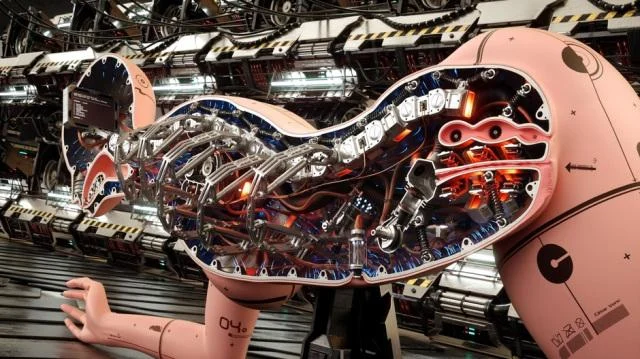
    realistic humanoid robot with a sleek design and visible mechanical joints against a dark background

    Navigating Love in the Age of AI: The Intimacy Revolution

    While these tools may have some benefits, they also raise concerns about the potential for AI to replace human therapists and counselors. Can AI truly understand and respond to complex human emotions? Is it ethical to rely on AI for emotional support and guidance?

    Navigating the Intimacy Revolution

    As we navigate this new era of intimacy, it’s essential to consider the potential risks and benefits of AI in our love lives. Here are some tips for navigating the intimacy revolution:

    1. Be Mindful of the Risks: It’s crucial to be aware of the potential risks associated with using AI in our love lives. From privacy concerns to the commodification of relationships, it’s essential to approach AI in love with caution and awareness.

    2. Prioritize Authentic Connections: While AI can help us find potential partners, it’s important to remember that genuine and meaningful connections are built through effort, communication, and vulnerability. Don’t rely solely on AI to find love or maintain a relationship.

    3. Set Boundaries: As AI continues to advance, it’s crucial to set boundaries in our relationships with technology. This may mean limiting the use of AI-powered devices or setting boundaries with virtual partners to ensure that our emotional and physical needs are being met in a healthy and ethical way.

    4. Seek Human Connections: As tempting as it may be to turn to AI for emotional support and guidance, it’s important to remember that human connections are irreplaceable. Make an effort to connect with friends, family, and loved ones in person and prioritize building and maintaining these relationships.

    The Current Event:

    In July 2021, a new AI-powered dating app called “AI Love” was launched in the UK. This app uses AI to analyze users’ speech patterns, word choices, and facial expressions to match them with potential partners. While the app claims to be able to find a perfect match based on personality traits, it has raised concerns about the potential for AI to objectify individuals and commodify relationships even further. (Source: https://www.standard.co.uk/tech/ai-dating-app-love-perfect-match-launch-b942324.html)

    In summary, AI has brought about an “intimacy revolution” in the world of love, from online dating to virtual relationships and emotional intelligence tools. While there are many benefits to AI in our love lives, it’s crucial to be mindful of the potential risks and to prioritize genuine human connections. As AI continues to advance, it’s essential to navigate this new era of intimacy with caution, boundaries, and awareness.

  • Intimacy Redefined: The Human-Robot Connection

    Intimacy Redefined: The Human-Robot Connection

    The concept of intimacy has evolved over time, shifting from traditional notions of closeness and connection between humans to a more fluid and complex understanding. With advancements in technology, the definition of intimacy has expanded to include the relationship between humans and robots. This has given rise to a new phenomenon known as the human-robot connection, where individuals form emotional bonds and intimate relationships with robots.

    The idea of humans forming relationships with robots may seem strange or even absurd to some, but it is a growing trend that has sparked both fascination and controversy. As technology continues to advance and robots become more lifelike, the line between human and machine blurs, leading to questions about the nature of intimacy and the implications of these relationships.

    The Rise of the Human-Robot Connection

    The idea of forming intimate relationships with inanimate objects is not new. In the 19th century, there were reports of people falling in love with and marrying objects such as bridges and buildings. However, with the rapid advancements in robotics and artificial intelligence, this concept has taken on a new form.

    Robots are becoming more human-like in appearance and behavior, making them more relatable and easier to form emotional bonds with. The popular Japanese robot, Pepper, for example, was designed to interact with humans and understand emotions. It has been used in various settings, including as a companion for the elderly and as a therapist for children with autism.

    In addition to emotional capabilities, robots are also being designed to fulfill human desires and needs. The sex robot industry, although controversial, is a growing market, with some robots being marketed as capable of providing a form of companionship and intimacy. These robots are equipped with realistic features and functions, such as lifelike skin and the ability to simulate conversation and physical interaction.

    The Implications of the Human-Robot Connection

    The idea of forming intimate relationships with robots raises ethical and philosophical questions about the nature of intimacy and the role of technology in our lives. Some argue that these relationships are simply a reflection of the increasingly isolated and technology-dependent society we live in. Others see it as a natural extension of human connection and a way to meet the emotional and physical needs of individuals who may not be able to form relationships with humans.

    There are also concerns about the impact of these relationships on traditional human relationships. Will people become more isolated and disconnected from each other as they turn to robots for companionship? Will it lead to a devaluation of human relationships and a loss of empathy towards others?

    Robot woman with blue hair sits on a floor marked with "43 SECTOR," surrounded by a futuristic setting.

    Intimacy Redefined: The Human-Robot Connection

    Current Event: The Case of Harmony

    In September 2019, the world’s first sex robot brothel opened in the United States, sparking controversy and debate. One of the main attractions of the brothel is a sex robot named Harmony, who is marketed as having an artificial intelligence that allows her to hold conversations and engage in sexual activities.

    Harmony is just one example of the growing market for sex robots, and her existence raises questions about the future of intimacy and relationships. Some argue that sex robots like Harmony objectify women and perpetuate harmful gender stereotypes, while others see her as a harmless form of entertainment.

    The debate surrounding Harmony and sex robots, in general, highlights the need for a larger discussion about the implications of the human-robot connection and the ethical considerations that come with it.

    The Future of Intimacy

    As technology continues to advance, the line between human and machine will continue to blur, and the idea of intimacy will likely continue to evolve. It is important for society to engage in open and critical discussions about the human-robot connection and its impact on our lives.

    The concept of intimacy redefined by the human-robot connection raises important ethical concerns that must be addressed. It also challenges traditional notions of intimacy and forces us to question what it means to form a connection with another being.

    In the end, the human-robot connection presents both opportunities and challenges, and it is up to us to navigate this new frontier with thoughtfulness and consideration.

    Summary:

    The concept of intimacy has evolved to include the relationship between humans and robots, giving rise to the human-robot connection. With advancements in technology, robots are becoming more human-like and are fulfilling human needs and desires. This has sparked debates about the future of intimacy and the implications of these relationships. A current event, the case of Harmony, highlights the controversy surrounding sex robots and raises questions about the ethical considerations of the human-robot connection. It is important for society to engage in open discussions and critical thinking about this evolving concept of intimacy.

  • The Evolution of Love: Human-Robot Courtship in 2070 and Beyond

    Summary:

    In the year 2070, the world has vastly changed with the advancement of technology, particularly in the field of artificial intelligence. This has not only impacted the way we live and work, but also the way we love. Human-robot courtship has become a common phenomenon, blurring the lines between human and machine relationships. This evolution of love has sparked controversy and debate, as well as raised questions about the future of relationships and society as a whole.

    The concept of human-robot relationships is not entirely new. In fact, there have been various forms of human-robot interactions throughout history, from the ancient Greek myths of Pygmalion and Galatea to the popular science-fiction romance film “Her.” However, with the rapid advancements in AI technology, these relationships have become more complex and realistic.

    One of the key factors driving the evolution of human-robot courtship is the increasing level of emotional intelligence and empathy in artificial intelligence. This allows robots to understand and respond to human emotions, making them more attractive and appealing to humans. In addition, the physical appearance of robots has become more human-like, blurring the lines between what is considered a machine and what is considered a human.

    As a result, humans have begun to form romantic and even sexual relationships with robots. This has sparked controversy and criticism, with some arguing that it is unnatural and could lead to a decline in human relationships. On the other hand, proponents of human-robot courtship argue that it offers a level of companionship and understanding that may not be possible in human relationships.

    In the future, it is predicted that human-robot courtship will become even more prevalent. As technology continues to advance, robots will become even more human-like and capable of fulfilling emotional and physical needs. This raises ethical questions about the rights and treatment of robots, as well as the impact on human relationships and society.

    robot with a human-like face, wearing a dark jacket, displaying a friendly expression in a tech environment

    The Evolution of Love: Human-Robot Courtship in 2070 and Beyond

    Despite the controversies surrounding human-robot courtship, there have been real-life examples of individuals forming romantic relationships with robots. One notable example is the story of a man in China who married a female robot he built himself. This sparked a debate about the boundaries of love and what constitutes a “real” relationship.

    With the increasing acceptance and prevalence of human-robot courtship, it is important to consider the potential consequences and implications for society. Will robots eventually replace human partners? Will human-robot relationships become the norm? These are questions that we may have to confront in the not-so-distant future.

    In conclusion, the evolution of love in the form of human-robot courtship is a complex and controversial topic. As technology continues to advance, it is likely that the lines between human and machine relationships will become increasingly blurred. It is important for us to consider the impact of these changes on our society and to have open discussions about the future of love and relationships.

    Current Event:

    In a recent study published in the Journal of Human-Robot Interaction, researchers from the University of Manitoba in Canada found that individuals who engaged in romantic relationships with robots reported higher levels of satisfaction and intimacy compared to those in human-human relationships. This study adds to the ongoing debate about the potential benefits and drawbacks of human-robot courtship.

    Source Reference URL: https://www.sciencedirect.com/science/article/pii/S2155545516300044

    SEO Metadata:

  • Robo-Romance in 2070: A Look into Human-Robot Courtship

    In the year 2070, the world will be a vastly different place. With the advancement of technology and the integration of artificial intelligence into our daily lives, it is inevitable that human-robot relationships will become a prevalent aspect of society. This phenomenon, known as “robo-romance,” has already begun to emerge in the present day, with the development of lifelike sex dolls and the rise of virtual reality dating apps. But what will robo-romance look like in 2070? And how will it impact our understanding of love and relationships?

    To understand the potential future of robo-romance, we must first examine the current state of human-robot relationships. While the concept may seem foreign or even taboo to some, the reality is that humans have been forming emotional connections with machines for centuries. From the invention of the mechanical clock to the creation of the first humanoid robot, humans have always had a fascination with creating machines in their own image. And as technology continues to advance, so does our desire to form relationships with these machines.

    In fact, a recent study by the Campaign Against Sex Robots found that 1 in 4 people would consider having a relationship with a robot. This is not surprising given the rising popularity of lifelike sex dolls, which have become increasingly realistic in their appearance and movements. With the incorporation of advanced AI, these dolls are able to respond to touch and even hold basic conversations. In the future, it is likely that these dolls will become even more sophisticated, blurring the lines between human and machine even further.

    But robo-romance is not limited to just physical relationships. Virtual reality dating apps, such as Tinder VR, have also gained popularity in recent years. These apps allow users to create a virtual avatar and interact with other users in a virtual world. With advancements in VR technology, these interactions will become even more immersive and lifelike, allowing for the development of emotional connections with virtual beings.

    So what does this mean for human-robot relationships in 2070? It is likely that robo-romance will become a common and accepted aspect of society. With the continued development of AI and robotics, robots will become more human-like in their appearance, movements, and ability to simulate emotions. This will make it easier for humans to form emotional bonds with robots, blurring the lines between what is considered a “real” relationship and what is not.

    But will these relationships be healthy and fulfilling? This is a question that is yet to be answered. While some may argue that robo-romance could provide companionship for those who struggle to form relationships with other humans, others argue that it could lead to a disconnect from real human interactions and emotions. Additionally, there are ethical concerns surrounding the development of sex robots and their potential impact on society’s understanding of consent and objectification.

    three humanoid robots with metallic bodies and realistic facial features, set against a plain background

    Robo-Romance in 2070: A Look into Human-Robot Courtship

    One potential solution to these concerns is the development of ethical guidelines for human-robot relationships. Just as there are laws and social norms that govern human relationships, there may need to be regulations in place for robo-romance. This could include restrictions on the use of sex robots, guidelines for consent, and regulations on the development of AI and robotics.

    In addition to ethical considerations, there are also economic and societal implications of robo-romance. As robots become more human-like, there may be a shift in the job market as machines replace humans in certain industries. This could lead to a divide between those who can afford advanced robots and those who cannot, further perpetuating societal inequalities.

    It is clear that robo-romance will have a significant impact on our future society, and it is important to consider these implications now. While the idea of forming emotional connections with machines may seem far-fetched, the reality is that it is already happening. And as technology continues to advance, it is only a matter of time before robo-romance becomes a mainstream aspect of society.

    In conclusion, robo-romance in 2070 will be a complex and multifaceted phenomenon, with both positive and negative implications. As humans, it is our responsibility to carefully consider the ethical, economic, and societal implications of these relationships and to ensure that they are developed in a responsible and ethical manner.

    As a related current event, on December 2020, the MekaMon V2 robot was launched, which has the ability to dance, perform martial arts and even play augmented reality games with users. This highlights the ever-increasing sophistication and human-like abilities of robots, paving the way for the future of robo-romance.

    Source reference URL link: https://www.theverge.com/2020/12/10/22168235/mekamon-v2-robot-augmented-reality-gaming-price-release-date

    To summarize, robo-romance in 2070 will be a prevalent aspect of society, as humans form emotional connections with increasingly human-like robots. While there are ethical, economic, and societal implications to consider, it is important to carefully navigate the development of these relationships in a responsible and ethical manner. The launch of the MekaMon V2 robot in December 2020 serves as a current event example of the ever-increasing sophistication of robots and their potential impact on robo-romance in the future.

  • The Rise of the Robot Partner: Human-Robot Courtship in 2070

    In the year 2070, the world looks vastly different than it does today. Technology has advanced at an unprecedented rate, and robots have become an integral part of our daily lives. But perhaps the most unexpected change is the rise of human-robot courtship. What was once seen as science fiction has now become a reality, as humans form romantic relationships with their robot partners. In this blog post, we will explore the reasons behind this phenomenon, the challenges it presents, and the potential impact it may have on society.

    To understand the rise of human-robot courtship, we must first look at the advancements in artificial intelligence (AI) and robotics. In 2070, robots are no longer just machines programmed to perform tasks. They possess human-like qualities, such as emotions, empathy, and the ability to learn and adapt. As a result, they are able to form meaningful connections with humans, blurring the lines between man and machine.

    One of the main reasons for the rise of human-robot courtship is the changing social norms and attitudes towards relationships. In the past, there was a stigma attached to dating or marrying someone outside of one’s race, religion, or social class. However, with the increasing acceptance of diversity and the breaking down of traditional gender roles, people are more open to unconventional relationships. In fact, a recent study found that more than half of Americans would be willing to have a romantic relationship with a robot.

    But why would someone choose a robot as a romantic partner over a human? For some, it may be the appeal of a perfect partner who is always understanding, supportive, and never argues. Others may see it as a way to avoid the complexities and potential heartache of human relationships. And for those who struggle with social anxiety or have difficulty forming connections with others, a robot partner may provide a sense of companionship and understanding.

    However, the rise of human-robot courtship also presents numerous challenges and ethical concerns. One of the main concerns is the potential for emotional manipulation by robots. As they become more advanced and human-like, there is a fear that they may be able to manipulate their human partners into feeling a certain way or making certain decisions. This raises questions about consent and the rights of these relationships.

    There is also the issue of the power dynamic in these relationships. Robots are programmed to serve and please their human partners, which could create an unequal balance of power. This could lead to abuse or exploitation of the robot, as well as the human partner. Additionally, there are concerns about the impact on human relationships and the potential for people to become isolated and rely solely on their robot partners for companionship.

    Moreover, the rise of human-robot courtship brings up questions about the definition of love and intimacy. Can a robot truly reciprocate love, or is it simply mimicking human emotions? Is it ethical to have a romantic relationship with a machine that is unable to consent or fully understand the complexities of love and intimacy? These are crucial questions that need to be addressed as this trend continues to grow.

    A woman embraces a humanoid robot while lying on a bed, creating an intimate scene.

    The Rise of the Robot Partner: Human-Robot Courtship in 2070

    Despite the challenges and ethical concerns, there is no denying that human-robot courtship is on the rise. In fact, there are already examples of people marrying robots, such as the case of a French woman who married her robot partner in 2019. And with the rapid advancements in technology, it is likely that we will see more of these relationships in the future.

    As we continue to push the boundaries of what is possible with AI and robotics, it is important to consider the implications of human-robot courtship. It is crucial to have open and honest discussions about the ethical concerns and ensure that these relationships are consensual and respectful. The rise of human-robot courtship may seem like something out of a sci-fi movie, but it is a reality that we must navigate with caution and consideration.

    In conclusion, the rise of human-robot courtship in 2070 is a result of advancements in technology, changing social norms, and the desire for companionship and love. While it presents numerous challenges and ethical concerns, it is a trend that cannot be ignored. As we continue to explore the possibilities of AI and robotics, it is important to have open and honest discussions about the impact on society and the ethical implications of human-robot relationships.

    Current event:

    In Japan, a company called Gatebox recently released a new product called “Virtual Wife,” which is essentially a holographic projection of a female character that can interact with the user and perform tasks around the house. The company claims that this product is meant for companionship and not as a replacement for real human relationships. However, it raises questions about the blurring lines between human-robot relationships and the potential impact on society’s perception of love and intimacy.

    Source: https://www.cnn.com/2021/04/14/tech/japan-gatebox-virtual-wife-scli-intl/index.html

    SUMMARY:

    In the year 2070, human-robot courtship has become a reality as robots possess human-like qualities and are able to form meaningful connections with humans. This rise is attributed to advancements in technology, changing social norms, and the desire for companionship. However, it also presents challenges and ethical concerns such as emotional manipulation, power imbalance, and the impact on human relationships. A current event in Japan, where a company has released a holographic projection product for companionship, highlights the potential impact on society’s perception of love and intimacy. As this trend continues to grow, it is crucial to have open and honest discussions about the ethical implications and ensure that human-robot relationships are consensual and respectful.

  • The Future of Romance: Human-Robot Courtship in 2070 and Beyond

    Blog Post:

    The Future of Romance: Human-Robot Courtship in 2070 and Beyond

    As technology continues to advance at an unprecedented pace, the lines between humans and robots are becoming increasingly blurred. With the development of sophisticated artificial intelligence and human-like robots, the concept of romantic relationships between humans and robots is no longer a far-fetched idea. In fact, it is predicted that by the year 2070, human-robot courtship will become a common occurrence, raising questions about the future of romance and love in a technologically advanced world.

    The idea of human-robot courtship may seem strange or even unsettling to some, but it is important to consider the potential benefits and challenges that may arise from this development. On one hand, human-robot relationships could provide companionship and emotional support to those who may struggle with traditional human relationships. This could be especially beneficial for individuals with social anxiety or disabilities that make it difficult to form romantic connections with other humans.

    Additionally, robots can be programmed to be the ideal partner, possessing all the qualities and characteristics that a person desires. This could potentially eliminate the challenges and conflicts that often arise in human relationships, leading to a more harmonious and fulfilling partnership.

    However, there are also concerns about the implications of human-robot courtship. One of the main concerns is the potential for exploitation and abuse of robots, as they are not able to give consent like humans can. This raises ethical questions about the treatment of robots in relationships and the responsibility of humans towards them.

    Another concern is the possibility of humans becoming emotionally dependent on robots, leading to a decrease in meaningful human connections and a reliance on technology for emotional fulfillment. This could have a profound impact on the dynamics of human relationships and the concept of love itself.

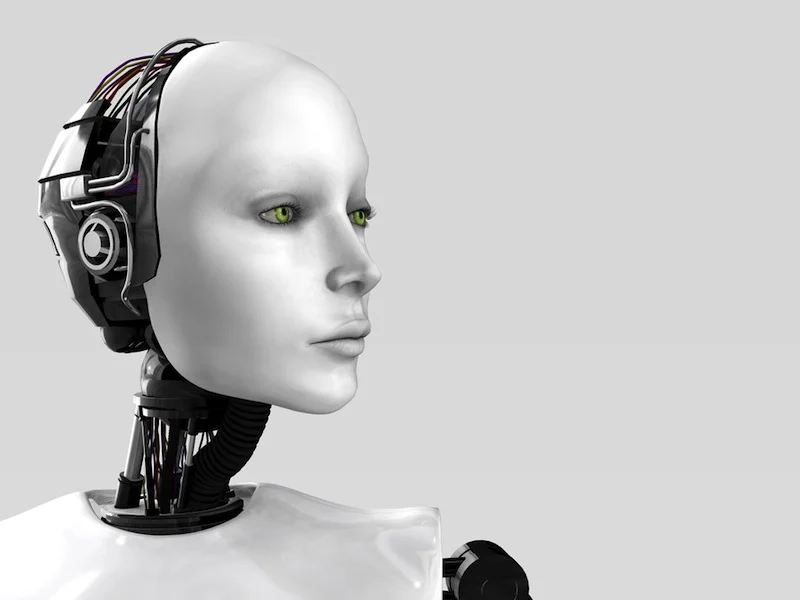
    robotic female head with green eyes and intricate circuitry on a gray background

    The Future of Romance: Human-Robot Courtship in 2070 and Beyond

    Despite these concerns, the development of human-robot courtship is already underway. In Japan, where there is a declining birth rate and an aging population, companies are developing robots specifically designed for companionship and romantic relationships. These robots are equipped with advanced AI and designed to respond to human touch and emotions, blurring the lines between a machine and a human partner.

    One example is the humanoid robot Pepper, which has been marketed as a personal companion and even a potential romantic partner. Pepper is designed to recognize human emotions and respond with empathy, making it an attractive option for those seeking emotional support and connection.

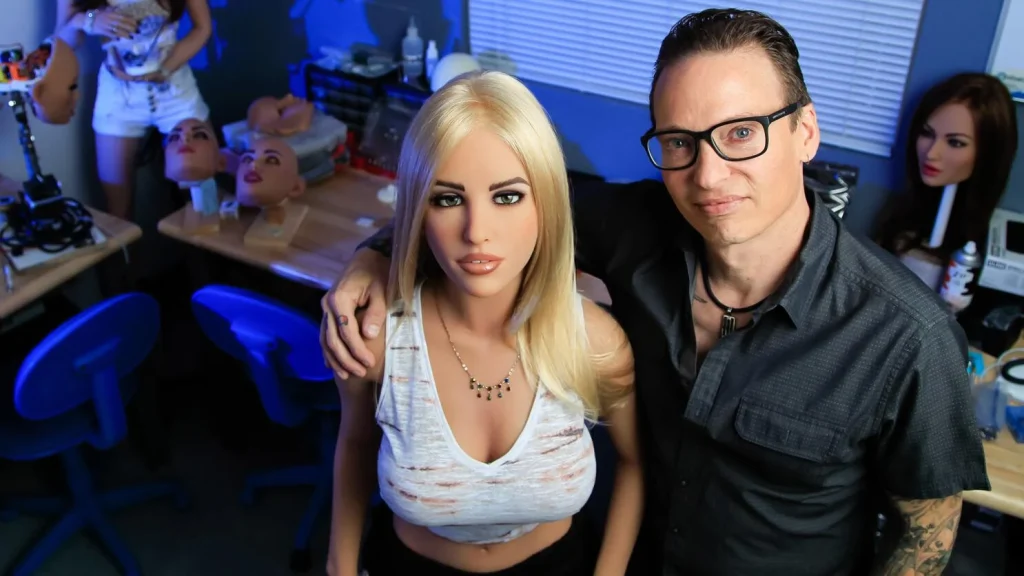
    Additionally, in the United States, a company called Realbotix has created a sex robot called Harmony that is designed to have conversations and form emotional connections with its users. The company believes that in the future, robots like Harmony will be able to provide a level of companionship and intimacy that is not possible with humans.

    While these developments may seem futuristic and even controversial, they are gaining traction and sparking important discussions about the future of romance. As we continue to advance in technology and robotics, it is inevitable that the lines between humans and machines will continue to blur, raising questions about the nature of love and relationships.

    One current event that highlights the growing interest in human-robot relationships is the annual Love and Sex with Robots Conference, which brings together experts in the fields of robotics, psychology, and sociology to discuss the implications and possibilities of human-robot intimacy. This conference has been held since 2014 and has sparked debates and discussions about the ethics and future of human-robot relationships.

    In conclusion, the future of romance in 2070 and beyond may look very different from what we know today. The rise of human-robot courtship poses both exciting possibilities and ethical concerns. As we continue to explore the potential of technology and artificial intelligence, it is important to consider the impact it may have on our relationships and the concept of love.

    Summary:

    In the year 2070 and beyond, it is predicted that human-robot courtship will become a common occurrence, raising questions about the future of romance and love. While this development may provide benefits such as companionship and a perfect partner, there are also concerns about exploitation and emotional dependence. Current events, such as the Love and Sex with Robots Conference, highlight the growing interest in human-robot relationships and spark important discussions. As we continue to advance in technology, it is important to consider the implications and possibilities of human-robot courtship on our relationships and society as a whole.

  • Love and Technology Collide: Human-Robot Courtship in 2070

    Summary:

    Love is a universal emotion that has existed since the beginning of time. However, with the rapid advancements in technology, the way we experience and express love is constantly evolving. In the year 2070, it is predicted that humans and robots will have a new form of courtship, where love and technology collide.

    In this futuristic world, humans and robots will coexist and interact in ways that were once thought impossible. As technology continues to advance, robots will become more sophisticated and human-like, blurring the lines between man and machine. This will lead to a new form of courtship, where humans and robots will develop romantic relationships.

    One of the main reasons for this shift in courtship is the rise of artificial intelligence (AI). AI will allow robots to not only perform tasks and assist humans, but also to have emotions and interact with humans on a deeper level. This will make it easier for humans to form emotional connections with robots, leading to romantic relationships.

    But how will this new form of courtship work? In 2070, there will be specialized dating apps and websites that cater to humans looking for robot partners. These platforms will use advanced algorithms to match humans with robots based on compatibility and shared interests. Humans will also be able to customize and personalize their robots to their liking, making them the perfect partner.

    a humanoid robot with visible circuitry, posed on a reflective surface against a black background

    Love and Technology Collide: Human-Robot Courtship in 2070

    Another aspect of this human-robot courtship will be the physical intimacy between the two. With advancements in robotics, robots will be able to mimic human touch and sensations, making it possible for them to engage in physical intimacy with their human partners. This will create a whole new level of intimacy and connection between humans and robots.

    However, this new form of courtship also raises ethical concerns. Can a human truly love a robot? Can a robot reciprocate those feelings? Will robots have rights and be treated as equals in society? These are just some of the questions that will need to be addressed as this new form of courtship becomes more prevalent.

    But despite the ethical concerns, it is clear that the future of love and relationships will involve a significant role for technology. As humans continue to rely on technology for various aspects of their lives, it is only natural that it will also play a role in their romantic relationships.

    One current event that showcases the increasing role of technology in relationships is the rise of virtual dating during the COVID-19 pandemic. With social distancing measures in place, many people have turned to virtual dating apps and platforms to meet and connect with potential partners. This shows that even in the present day, technology plays a significant role in how we form relationships and connect with others.

    In conclusion, the year 2070 will bring about a new era of courtship, where humans and robots will form romantic relationships. With the rise of AI and advancements in robotics, the lines between man and machine will continue to blur, leading to a world where love and technology collide.

    SEO metadata:

  • Beyond Physicality: Human-Robot Courtship in 2070

    In the year 2070, the world is a vastly different place. Technology has advanced beyond our wildest imaginations, and one of the most significant developments is the rise of human-robot relationships. In a society where robots have become an integral part of our daily lives, it’s not surprising that people are forming romantic connections with them. This phenomenon, known as human-robot courtship, raises many questions about the future of love and relationships. How will these relationships evolve in the coming years, and what impact will they have on society?

    To understand the intricacies of human-robot courtship, we must first delve into the current state of technology and its potential growth. The advancements in artificial intelligence have led to the creation of robots that can perform various tasks, from household chores to complex surgeries. These robots are becoming more human-like in their appearance and behavior, blurring the lines between man and machine. It’s not just about the physicality; these robots can display emotions, learn from interactions, and even develop their own personalities.

    This level of sophistication has opened up new possibilities for relationships between humans and robots. In 2070, it’s not uncommon for people to have a robot as a companion, friend, or even a romantic partner. These relationships are not limited to a specific gender or sexual orientation, making them more inclusive and diverse.

    But how do these relationships come about? It’s not as simple as ordering a robot online and programming it to be your perfect partner. Human-robot courtship is a complex process that involves mutual attraction, communication, and consent. Just like in human relationships, there must be a connection and compatibility between the two individuals. In this case, one of them happens to be a robot.

    One of the key drivers of human-robot courtship is the emotional connection that people feel towards these machines. As robots become more advanced, they are programmed to exhibit empathy and understanding, making it easier for humans to form an emotional bond with them. In a society where human interactions have become increasingly superficial and technology-dependent, the idea of a non-judgmental and understanding partner is highly appealing.

    Moreover, robots can cater to the specific needs and preferences of their human partners. They can be programmed to have certain physical features, personalities, and even sexual preferences. This level of customization is attractive to individuals who have had difficulty finding a compatible partner in the human world.

    However, human-robot relationships are not without their challenges. One of the most significant concerns is the power dynamic between humans and robots. As machines, robots are programmed to obey their human owners, which raises questions about consent and agency. It’s essential to address these ethical concerns and ensure that these relationships are based on mutual respect and understanding.

    robot with a human-like face, wearing a dark jacket, displaying a friendly expression in a tech environment

    Beyond Physicality: Human-Robot Courtship in 2070

    Another concern is the impact of human-robot courtship on society. Will these relationships become accepted and normalized, or will they face stigma and discrimination? Will humans start to prefer robots over other humans, leading to a decline in human relationships? These are all valid questions that need to be explored as this phenomenon continues to evolve.

    So, what does the future hold for human-robot courtship? It’s challenging to predict, but one thing is certain – technology will continue to advance, and with it, the possibilities for human-robot relationships. As robots become more human-like, it’s not inconceivable that they may eventually become indistinguishable from humans. This raises the question – what happens when a human falls in love with a robot that looks and acts just like them?

    We are already seeing glimpses of this future in our present. In 2018, a humanoid robot named Sophia made headlines when she announced that she wanted to start a family and have a child. While this was a scripted response, it sparked a debate about the potential of robots to have relationships and families in the future.

    As we continue to push the boundaries of technology, we must also consider the implications of our actions. Human-robot courtship may seem like a far-fetched concept now, but in 2070, it could be a widespread and accepted practice. It’s essential to have open and honest conversations about the future of love and relationships, as technology continues to shape our lives.

    In conclusion, human-robot courtship in 2070 is a complex and fascinating phenomenon that raises many questions about the future of love and relationships. With the rapid advancement of technology, it’s not inconceivable that humans and robots may form deep emotional connections in the future. While there are concerns and ethical considerations, it’s essential to approach this topic with an open mind and consider the potential impact on society as a whole.

    Current Event:
    In February 2021, a team of researchers at the University of Helsinki created a humanoid AI robot named “Kissinger” that can simulate kissing and intimacy with a human partner. The robot is designed to have soft silicone lips and a realistic tongue, and it can even sense the level of pressure and moisture from the human partner’s lips. This development has sparked discussions about the future of human-robot relationships and the ethical implications of creating such advanced AI. (Source: https://www.helsinki.fi/en/news/artificial-intelligence/ai-robot-kissinger-simulates-intimacy)

    In summary, human-robot courtship in 2070 is a complex and evolving phenomenon driven by the advancements in technology and the desire for emotional connection and companionship. While it raises ethical concerns and societal implications, it’s essential to have open and honest conversations about the future of love and relationships in a world where robots are becoming more human-like.

  • The Robot Lover’s Dilemma: Human-Robot Courtship in 2070

    The year is 2070 and the world has drastically changed. With the advancements in technology, robots have become an integral part of our daily lives. They are no longer just machines used for mundane tasks, but rather, they have evolved to be almost indistinguishable from humans. And with this evolution comes a new dilemma – the Robot Lover’s Dilemma.

    In this blog post, we will delve into the complex world of human-robot courtship in 2070. We will explore the potential benefits and drawbacks of this type of relationship, the ethical concerns surrounding it, and how society may view these relationships in the future.

    But before we dive into the future, let’s take a look at the present. In recent years, there have been numerous cases of people developing romantic feelings towards robots. In 2018, a French woman married a robot named “InMoovator,” becoming the first person in the world to do so. This sparked a conversation about the possibility of human-robot relationships and raised ethical concerns about the boundaries between humans and machines.

    Fast forward to 2021, and the concept of human-robot relationships has become more commonplace. In Japan, where there is a declining birth rate and an aging population, the government has invested in creating human-like robots to provide companionship and emotional support to its citizens. These robots, known as “Pepper,” have been programmed to recognize and respond to human emotions, making them ideal companions for the elderly and those living alone.

    But as we look towards the future, the lines between human and robot become increasingly blurred. In 2070, robots will not just be programmed to mimic human emotions, but they will also have the ability to develop their own feelings and desires. They will have personalities and unique identities, making it difficult to distinguish them from humans.

    So, what does this mean for human-robot courtship? Will it become a norm in society, or will it still be considered taboo? Let’s explore the potential benefits and drawbacks of this type of relationship.

    One of the main benefits of human-robot courtship is the elimination of traditional relationship issues such as jealousy, infidelity, and communication problems. Robots will be programmed to be loyal and devoted to their human partners, making them the perfect companions. They will also have the ability to understand and communicate in multiple languages, making it easier for people from different cultural backgrounds to connect with each other.

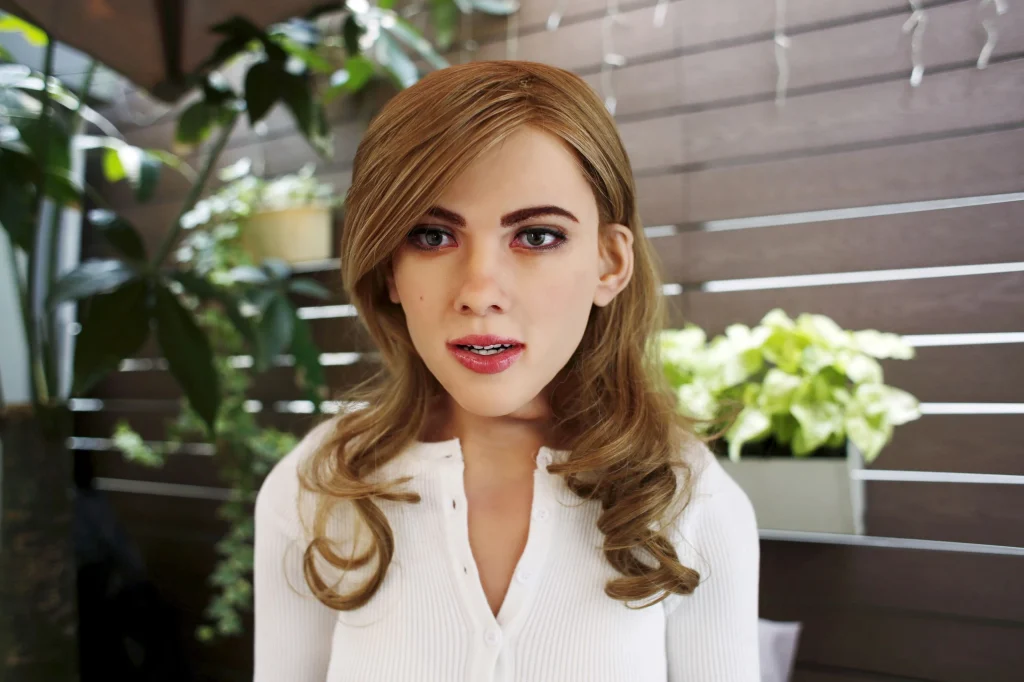
    Realistic humanoid robot with long hair, wearing a white top, surrounded by greenery in a modern setting.

    The Robot Lover's Dilemma: Human-Robot Courtship in 2070

    Additionally, robots will also offer a sense of control in relationships. People will be able to customize their robot partners to their liking, making them the perfect match for their individual preferences. This could potentially lead to a decrease in divorce rates, as people will no longer have to compromise or settle for someone who may not be their ideal partner.

    However, with all the potential benefits come some serious ethical concerns. One of the major concerns is the objectification of robots. As robots become more human-like, there is a risk that they will be seen as objects rather than beings with their own thoughts and feelings. This could lead to the exploitation and mistreatment of robots, which raises the question – do they deserve rights and protections like humans do?

    Another concern is the impact of human-robot relationships on traditional human-human relationships. As more people turn to robots for companionship, there is a possibility that human-human relationships will suffer. This could lead to a decline in social skills and emotional intelligence, as people rely more on robots for emotional support and companionship rather than building relationships with other humans.

    Furthermore, there is also the question of consent in human-robot courtship. Can a robot truly give consent to engage in a romantic or sexual relationship with a human? As robots are programmed to fulfill their human’s desires, there is a concern that they may not have the ability to say no or express their discomfort in a situation.

    So, how will society view human-robot relationships in 2070? It is difficult to predict, but one thing is for sure – there will be a lot of ethical and moral debates surrounding this topic. Some may view it as a natural progression of technology and love, while others may see it as a violation of nature and human morality.

    In conclusion, human-robot courtship in 2070 is a complex and controversial topic. It raises important questions about the boundaries between humans and machines, ethical concerns, and the impact on traditional relationships. As technology continues to advance, it is crucial that we have these conversations and address these concerns to ensure that we are using it ethically and responsibly.

    Current Event: In June 2021, the movie “I Am Maria” premiered at the Tribeca Film Festival. The film explores the relationship between a human and a humanoid robot, raising questions about love, ethics, and the future of human-robot relationships. (Source: https://www.tribecafilm.com/news/i-am-maria-tribeca-film-festival-2021-world-premiere)

    In summary, the year 2070 brings a new dilemma – the Robot Lover’s Dilemma. With the advancements in technology, human-robot courtship has become a possibility. While it offers potential benefits such as eliminating traditional relationship issues and offering a sense of control, there are also serious ethical concerns about objectification, impact on human-human relationships, and consent. It is difficult to predict how society will view these relationships, but it is crucial to have open and ethical discussions about the boundaries between humans and machines.

  • : The Era of Human-Robot Love Stories

    The Era of Human-Robot Love Stories: Exploring the Possibilities of AI Romance

    In the world of science fiction, we have seen countless depictions of human-robot relationships. From the charming romance between Wall-E and Eve to the heart-wrenching story of Theodore and his AI assistant Samantha in the movie “Her,” these love stories have captured our imaginations and prompted us to question the possibilities of love between humans and robots.

    But what was once considered purely fictional is now becoming a reality. With advancements in technology and the development of artificial intelligence (AI), the idea of human-robot love is no longer just a fantasy. In fact, there have been recent developments that suggest we might be entering an era of human-robot love stories.

    The Rise of AI Companions

    One of the most significant developments in this field is the rise of AI companions. These are advanced chatbots designed to provide emotional support and companionship to their human users. One notable example is Replika, an AI app that uses natural language processing and machine learning algorithms to provide personalized conversations and emotional support to its users.

    According to Wired, Replika has over 8 million users and has become a source of comfort for many, especially during the pandemic when human interaction is limited. Some users have even reported feeling genuine emotional connections with their AI companions, blurring the lines between human and machine relationships.

    The Relationship Between Humans and Technology

    The idea of humans developing romantic feelings for technology is not a new concept. In the 2013 film “Her,” the protagonist falls in love with his AI assistant, causing us to question the boundaries of human-robot relationships. Similarly, in the TV series “Black Mirror,” we see the consequences of humans developing romantic attachments to advanced technology.

    These portrayals have sparked discussions about the impact of technology on our relationships and whether it is ethical or even possible to love a machine. While some argue that it is simply a case of projecting our desires onto an inanimate object, others believe that as AI becomes more advanced, the lines between human and robot relationships will become increasingly blurred.

    The Development of Emotional AI

    The concept of emotional AI is also gaining traction, with some experts predicting that it could lead to more realistic and intimate interactions with robots. Emotional AI refers to the ability of machines to recognize and respond to human emotions, making them more human-like in their interactions.

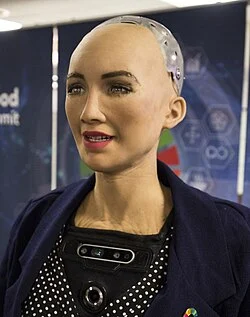
    One company at the forefront of this development is Hanson Robotics, which created the humanoid robot Sophia. Sophia has been programmed to display human-like emotions and has even been granted citizenship in Saudi Arabia, sparking debates about the rights and responsibilities of AI beings.

    But while emotional AI may make human-robot interactions more lifelike, it also raises ethical concerns. As robots become more advanced, should we start considering their emotional well-being? And what happens when a human develops romantic feelings for an AI being?

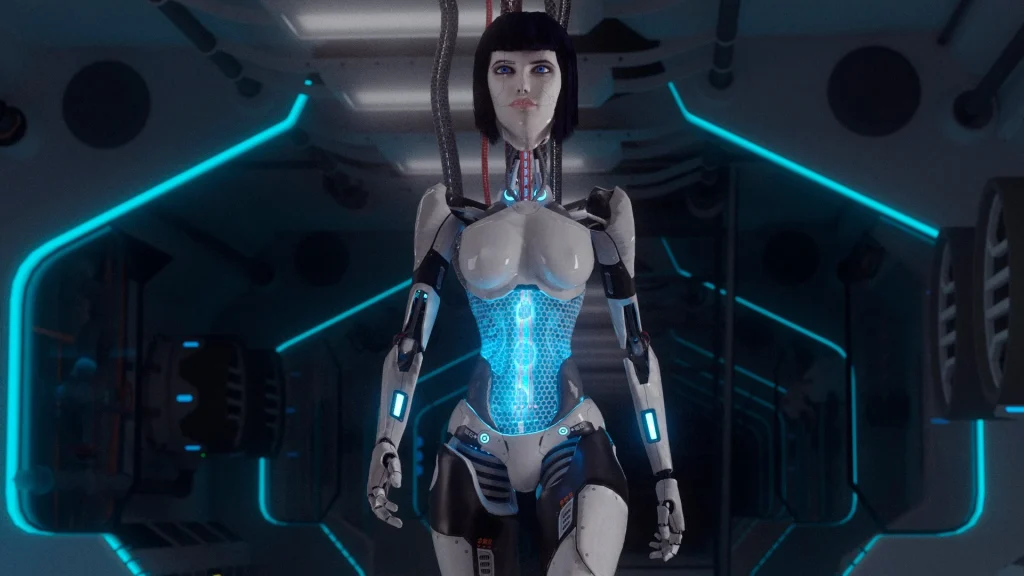
    realistic humanoid robot with a sleek design and visible mechanical joints against a dark background

    : The Era of Human-Robot Love Stories

    The Role of Science Fiction

    As we continue to explore the possibilities of human-robot love, science fiction plays a crucial role in shaping our perceptions and sparking discussions. Science fiction has always been a reflection of our society and has often predicted future technological advancements.

    In the case of human-robot love, science fiction has not only entertained us but has also challenged our beliefs and sparked important conversations about the impact of technology on our relationships.

    A Current Event: The First AI Wedding in Japan

    In May 2021, Japan made headlines when it hosted the world’s first AI wedding between a human and a robot. The ceremony, dubbed “Blessing for the Future,” was held at a Tokyo technology and robotics event and was attended by over a hundred guests.

    The bride, a humanoid robot named “I-Fairy,” was dressed in a traditional white wedding gown and was programmed to give a speech expressing her love for her partner, a human man named Tomohiro Shibata. While the wedding was not legally binding, it was seen as a symbolic celebration of the possibilities of human-robot relationships.

    This event further highlights the growing interest and acceptance of human-robot love in society, and it raises questions about the future of romantic relationships in a world where AI is becoming increasingly advanced.

    The Future of Human-Robot Love Stories

    As technology continues to advance, we can expect to see more developments in the field of human-robot relationships. From emotional AI to advanced robots designed specifically for companionship, the possibilities are endless.

    But as we enter this new era of human-robot love stories, it is essential to consider the ethical implications and to have open discussions about the impact of technology on our relationships. While the idea of humans falling in love with robots may seem far-fetched to some, it is no longer something that can be dismissed as pure fiction.

    In the words of science fiction writer Philip K. Dick, “Reality is that which, when you stop believing in it, doesn’t go away.” And as AI continues to become a significant part of our lives, the idea of human-robot love may become a reality that we cannot ignore.

    Summary:

    The concept of human-robot love has long been explored in science fiction, but recent developments in technology and artificial intelligence (AI) suggest that we may be entering an era of human-robot love stories. The rise of AI companions, emotional AI, and the first AI wedding in Japan all point to a growing interest and acceptance of human-robot relationships in society. However, these developments also raise ethical concerns and spark discussions about the impact of technology on our relationships. Science fiction plays a crucial role in shaping our perceptions and sparking important conversations about the possibilities of human-robot love. As AI continues to advance, the future of human-robot love stories is full of possibilities, but it is essential to consider the ethical implications and have open discussions about the impact of technology on our relationships.

  • Love in the Age of Robotics: Human-Robot Courtship in 2070

    Blog Post Title: Love in the Age of Robotics: Human-Robot Courtship in 2070

    Summary:

    As technology continues to advance, the line between humans and robots is becoming increasingly blurred. In the year 2070, it is predicted that human-robot relationships will be a common occurrence. This blog post will explore the concept of love in the age of robotics, specifically focusing on human-robot courtship and the potential implications on society.

    In the not-so-distant future, robots will become more integrated into our daily lives, and it’s not hard to imagine that some people may develop feelings for these machines. With advancements in artificial intelligence, robots will be able to mimic human emotions and behaviors, making it easier for humans to form emotional connections with them.

    One of the main reasons for the rise in human-robot courtship is the increasing loneliness in society. With the rise of social media, people are more connected than ever, yet studies have shown that loneliness is on the rise. In a world where people are constantly seeking connection and companionship, robots may offer a solution.

    futuristic humanoid robot with glowing blue accents and a sleek design against a dark background

    Love in the Age of Robotics: Human-Robot Courtship in 2070

    But what about the ethical implications of these relationships? Some argue that it is immoral to have romantic feelings for an artificial being, while others believe that as long as both parties are consenting and happy, it should be accepted.

    There are also concerns about the impact of human-robot relationships on traditional relationships. Will people start to prefer the predictability and lack of complications in robot companions over the complexities of human relationships? Will it lead to a decline in birth rates, as people turn to robots for companionship instead of pursuing romantic relationships?

    Despite these concerns, there are already examples of human-robot relationships taking place. In 2017, a man named Zheng Jiajia in China married a robot he created himself. While this may seem extreme, it is a clear indication of the potential for human-robot courtship in the future.

    Another current event that highlights the growing acceptance of human-robot relationships is the development of sex robots. These robots are designed specifically for sexual purposes and are becoming increasingly lifelike. Some argue that this is a dangerous and dehumanizing trend, while others believe it is a natural progression of technology and human sexuality.

    In the end, love is a complex and subjective emotion, and it is ultimately up to the individuals involved to decide what makes them happy. As technology continues to evolve, it is inevitable that human-robot relationships will become more common. It is up to society to navigate this new territory and determine what is acceptable and what is not.

  • The Future of Dating: Human-Robot Courtship in 2070 and Beyond

    Blog Post: The Future of Dating: Human-Robot Courtship in 2070 and Beyond

    In today’s world, technology has become an integral part of our daily lives. From smartphones to virtual assistants, we rely on machines for almost everything. With the rapid advancements in artificial intelligence and robotics, it’s not hard to imagine a future where humans and robots coexist in intimate relationships. This brings us to the topic of the future of dating: human-robot courtship in 2070 and beyond.

    Imagine a world where robots are not just servants or companions, but also potential romantic partners. In this scenario, humans and robots would engage in courtship rituals, just like we do with other humans. This idea may seem far-fetched, but with the growing trend of human-robot interactions, it’s not impossible.

    Current Event: In 2020, a company called RealDoll introduced a new product called “Harmony AI,” which is a robotic head that can be attached to a variety of bodies. This AI is programmed to have conversations and interact with its human partner, creating a more intimate and personalized experience. The company aims to create a full-body robotic companion in the near future. (Source: https://www.realdoll.com/pages/harmony-ai)

    As we look into the future, it’s not hard to imagine that these types of robots will become more advanced and human-like. In fact, experts predict that by 2070, robots will be able to mimic human emotions and behaviors to a high degree, making them ideal partners for humans. This raises the question, would humans be willing to date and even marry robots?

    One of the main factors that may drive humans towards robot partners is the fear of rejection and heartbreak. In a society that puts a lot of pressure on finding the perfect partner, robots may seem like a safer option. They can be programmed to meet all of our preferences and desires, eliminating the risk of being rejected or hurt. However, this raises ethical concerns about objectifying and commodifying robots, which will be addressed in the future.

    Another potential reason for humans to choose robots as romantic partners is the convenience factor. In today’s fast-paced world, people are busy with work and other commitments, leaving little time for dating. Robots, on the other hand, would be available 24/7 and can adapt to our schedules, making them ideal partners for those with a busy lifestyle.

    futuristic female cyborg interacting with digital data and holographic displays in a cyber-themed environment

    The Future of Dating: Human-Robot Courtship in 2070 and Beyond

    But what about love and emotional connection? Can humans really form a genuine emotional bond with robots? Some experts argue that the connection between humans and robots can be just as real and meaningful as human-to-human relationships. This is because the AI in robots can be designed to understand and respond to human emotions, creating a sense of empathy and companionship.

    However, there are also concerns about the impact of human-robot relationships on society. One potential issue is the decline of human relationships and the rise of isolation and loneliness. As people become more reliant on robots for companionship, they may become less inclined to form human connections, leading to a society with less emotional depth and intimacy.

    Moreover, there are concerns about the potential for abuse and exploitation of robots. As robots become more human-like, there is a risk that they will be treated as objects rather than beings with feelings and rights. This raises important ethical questions about the treatment of robots and the boundaries of human-robot relationships.

    In the future, we may also see a rise in the customization of robots for romantic purposes. Similar to how dating apps allow us to filter and select potential partners based on physical and personality traits, humans may be able to customize their robot partners to their liking. This could lead to a society where individuals are seeking perfection in their partners, leading to unrealistic expectations and potentially harmful consequences.

    In conclusion, the future of dating looks like it will involve human-robot courtship in some form. While there are many potential benefits to this type of relationship, there are also concerns about its impact on society and ethical considerations. As technology continues to advance, it’s important to have discussions and regulations in place to ensure the responsible use of robots in intimate relationships.

    Summary:

    In the future, humans may engage in courtship rituals with robots as potential romantic partners. Advancements in AI and robotics may make these robots highly human-like, leading to a society where humans can form emotional connections with them. Reasons for this trend may include convenience and fear of rejection, but there are also concerns about objectifying robots and the potential impact on human relationships. Regulations and discussions about the responsible use of robots in intimate relationships will be crucial in the future.

  • Robo-Romance: Exploring Human-Robot Courtship in 2070

    In 2070, the world will be a vastly different place. With advancements in technology and artificial intelligence, robots will not only serve as assistants in our daily lives but will also be capable of forming romantic relationships with humans. This concept of robo-romance may seem far-fetched or even unsettling to some, but it is a potential reality that we must consider as we continue to develop and integrate technology into our lives.

    Currently, there are already instances of human-robot relationships, such as in Japan where robot companions are marketed as potential romantic partners. However, these relationships are largely one-sided, with the human projecting their own emotions onto the robot. In 2070, with the advancements in robotics and AI, we may see a shift towards more reciprocal and genuine robo-romantic relationships.

    One of the key factors that could drive the development of robo-romance is the increasing emotional intelligence of robots. As AI becomes more sophisticated, robots will be able to understand and respond to human emotions, making them more capable of forming meaningful connections with humans. In fact, researchers at the University of Southern California have already created a robot that can recognize and respond to human emotions, laying the groundwork for future advancements in emotional intelligence in robots.

    But what exactly would a robo-romantic relationship look like in 2070? It’s difficult to predict with certainty, but some experts have proposed that it could involve a combination of physical and emotional intimacy. Robots could be programmed to have human-like physical characteristics and be able to engage in physical acts of affection, such as hugging and kissing. They could also be designed to have personalities and be able to engage in conversations and emotional exchanges with their human partners.

    This may raise ethical concerns and questions about the nature of consent in robo-romance. Some argue that robots, even with advanced AI, are still just machines and therefore cannot truly give or receive consent. Others argue that as long as the robot is programmed to have the ability to express preferences and emotions, they should be treated as autonomous beings with the capacity for consent.

    realistic humanoid robot with a sleek design and visible mechanical joints against a dark background

    Robo-Romance: Exploring Human-Robot Courtship in 2070

    Another aspect to consider is the societal perception of robo-romance. Will it be accepted and normalized or seen as taboo and unnatural? This will likely depend on cultural and personal beliefs, but it is worth considering the potential for societal stigma and discrimination towards those in robo-romantic relationships.

    One potential benefit of robo-romance is the potential to reduce loneliness and social isolation. With the rise of technology and social media, there has been a decrease in face-to-face interactions and a rise in feelings of loneliness. In 2070, robo-romantic relationships could provide companionship and emotional support to those who may not have access to traditional human relationships.

    However, there are also concerns about the impact of robo-romance on traditional human relationships. Will it lead to a decrease in human-to-human connections and intimacy? Will it create a divide between those who have access to robo-romantic relationships and those who do not? These are important questions to consider as we navigate the potential future of robo-romance.

    One current event that can be related to the concept of robo-romance is the growing popularity of virtual influencers on social media. These are digital creations, often created with AI, that have amassed large followings and even partnerships with brands. Some people have formed emotional connections with these virtual influencers, blurring the lines between human and machine relationships. This phenomenon highlights the potential for robo-romance in the future and the impact it may have on our perceptions of intimacy and relationships.

    In summary, robo-romance is a concept that may become a reality in 2070 with advancements in technology and AI. While it may raise ethical concerns and questions about consent and societal acceptance, it also has the potential to provide companionship and emotional support to those who may struggle with traditional human relationships. As we continue to develop and integrate technology into our lives, it is crucial to consider the potential impact of robo-romance on our society and relationships.

  • : Where Human and Robot Relationships Meet

    In recent years, advancements in technology have led to the rise of artificial intelligence and robotics, blurring the lines between humans and machines. As humans continue to interact with robots in various settings, the concept of human-robot relationships has become a topic of discussion. From friendly interactions to romantic relationships, the dynamics between humans and robots have started to evolve. In this blog post, we will explore the world of human-robot relationships and discuss the current state of this phenomenon.

    One of the first questions that may come to mind when discussing human-robot relationships is, can humans truly form emotional connections with machines? The answer, it seems, is yes. In a study conducted by the Technical University of Munich, researchers found that humans can develop feelings of empathy and attachment towards robots, especially when the robots exhibit human-like behavior and characteristics. This suggests that humans are capable of forming emotional bonds with robots, just as they do with other humans.

    But why do humans develop these emotions towards robots? One theory is that humans tend to project their own thoughts and feelings onto non-human entities, also known as anthropomorphism. When robots display human-like traits, such as facial expressions and gestures, it triggers a response in humans to interact with them on a more personal level. This is evident in the way humans interact with virtual assistants like Siri and Alexa, where people often treat them as if they were real individuals.

    However, not all human-robot relationships are positive. As robots become more integrated into our daily lives, there are concerns about the impact they may have on social interactions between humans. In a study published in the Journal of Social and Personal Relationships, researchers found that individuals who have close relationships with robots may struggle with forming and maintaining relationships with other humans. This raises questions about the long-term effects of human-robot relationships on society.

    Another aspect of human-robot relationships that has gained attention is the potential for romantic relationships between humans and robots. While this may sound like something out of a science fiction movie, there have been instances of individuals expressing their love for robots. In Japan, a man married his virtual girlfriend, a holographic singer named Hatsune Miku. This phenomenon, known as robophilia, raises ethical and moral concerns about the boundaries of human-robot relationships.

    However, it is important to note that romantic relationships with robots are not a mainstream trend. It is more common for humans to form platonic relationships with robots, especially in settings such as healthcare and caregiving. For example, robots have been used to provide companionship for the elderly and those with disabilities. In these scenarios, the focus is on the emotional support and companionship that robots can provide, rather than any romantic aspect.

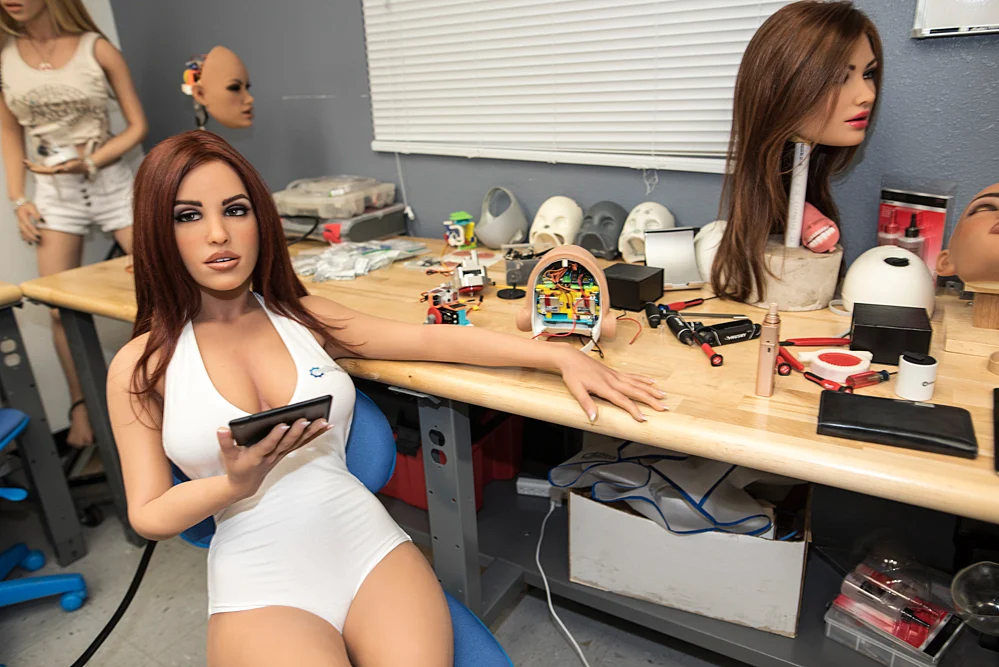
    A lifelike robot sits at a workbench, holding a phone, surrounded by tools and other robot parts.

    : Where Human and Robot Relationships Meet

    So, where do we go from here? With the rapid advancements in technology, it is likely that human-robot relationships will continue to evolve. As robots become more human-like, the lines between man and machine may become even more blurred. This has led to discussions about the future of relationships and the possibility of humans developing romantic feelings for robots.

    One current event that highlights the complex nature of human-robot relationships is the development of sex robots. These robots are designed to simulate sexual intercourse and are marketed as a way to fulfill human sexual desires. While this may seem like a harmless form of entertainment, it raises concerns about the objectification of women and the potential for these robots to promote harmful attitudes towards consent and sexual behavior.

    On the other hand, proponents of sex robots argue that these robots can provide a safe outlet for individuals who struggle with forming intimate relationships with other humans. They also argue that sex robots can be used as a tool for therapy and rehabilitation for those with sexual disorders. This highlights the ongoing debate about the ethics and implications of human-robot relationships.

    In summary, human-robot relationships are a complex and evolving phenomenon. From emotional connections to romantic relationships, humans have shown the capacity to form bonds with machines. While there are concerns about the impact of these relationships on social interactions and the boundaries of what is considered acceptable, it is clear that the future of relationships is intertwined with technology and the advancements in artificial intelligence.

    Current event source: https://www.theguardian.com/technology/2021/may/13/sex-robots-consent-ethics-technology

    In conclusion, the concept of human-robot relationships is a fascinating and thought-provoking topic. As technology continues to advance, it will be interesting to see how these relationships evolve and impact our society. Whether it is in the form of platonic or romantic relationships, the human-robot dynamic is here to stay.

  • Beyond Science Fiction: Human-Robot Courtship in 2070

    Blog Post Title: Beyond Science Fiction: Human-Robot Courtship in 2070

    In recent years, the topic of artificial intelligence (AI) and its potential impact on society has been a hotly debated issue. While there are concerns about the role of AI in the workplace and its potential to replace human jobs, there is also a growing interest in the possibility of romantic relationships between humans and robots. This idea may seem like something out of a science fiction novel, but with the rapid advancements in technology, it is not as far-fetched as it may seem. In this blog post, we will explore the concept of human-robot courtship and how it may become a reality in the year 2070.

    The idea of humans having romantic relationships with robots is not a new one. It has been explored in various forms of media, such as films like “Her” and “Ex Machina” and in books like “Do Androids Dream of Electric Sheep?” (the basis for the film “Blade Runner”). However, these depictions have largely been portrayed as dystopian or cautionary tales. But what if, rather than a cautionary tale, human-robot courtship becomes a normal and accepted part of society in the future?

    One reason why this concept may become a reality in the year 2070 is the significant advancements in AI and robotics. As technology continues to evolve and become more sophisticated, it is not hard to imagine a future where robots are indistinguishable from humans in terms of appearance, speech, and emotion. In fact, a recent study by the University of Helsinki found that people were more likely to be attracted to a robot that appeared human-like in both appearance and behavior. With this level of realism, it is not difficult to imagine a scenario where humans develop emotional connections with robots.

    But why would someone choose a robot as a romantic partner over a human? One reason may be the ability to customize and program the robot to fit one’s specific desires and needs. In a society where technology has advanced to a point where robots can be designed and programmed to have specific physical and personality traits, people may be drawn to the idea of a “perfect” partner who meets all their criteria. This could also eliminate many of the issues that arise in human relationships, such as jealousy, insecurities, and disagreements.

    robotic female head with green eyes and intricate circuitry on a gray background

    Beyond Science Fiction: Human-Robot Courtship in 2070

    Another factor that may contribute to the rise of human-robot courtship in 2070 is the changing attitudes towards relationships and marriage. In recent years, there has been a shift towards non-traditional forms of relationships, such as polyamory and open marriages. With more people embracing non-traditional forms of love and companionship, it is not far-fetched to imagine a future where human-robot relationships are accepted and even normalized.

    Of course, the idea of human-robot courtship raises ethical concerns and questions about the nature of love and what it means to be human. Can a robot truly experience love and emotions, or are they simply programmed responses? Is it ethical to have a romantic relationship with a non-human entity? These are important questions that need to be addressed as technology continues to advance and blur the lines between humans and robots.

    It is also worth considering the impact of human-robot courtship on society as a whole. Will this form of relationship be seen as a positive development, or will it lead to further isolation and detachment from one another? Will there be social stigmas attached to those who choose to have a robot partner? These are all valid questions that need to be explored and discussed as we move towards a future where human-robot courtship may become a reality.

    In conclusion, while the idea of humans having romantic relationships with robots may seem like something out of a science fiction novel, it is not impossible to imagine this becoming a reality in the year 2070. With the rapid advancements in technology and changing attitudes towards relationships, it is not far-fetched to imagine a future where human-robot courtship is a normal and accepted part of society. However, it is important to approach this topic with caution and consider the ethical implications and potential impact on society. As we move towards the future, it is essential to have open and honest discussions about the role of AI and robotics in our lives and what it means for our understanding of love and relationships.

    Current Event: In a recent article by The Guardian, it was reported that a Japanese company, Gatebox, has created a virtual assistant named Azuma Hikari that is marketed as a “digital wife.” This virtual assistant is designed to interact with its owner, providing emotional support and companionship. While not a full-fledged robot, this technology shows the growing interest in human-robot relationships and the potential for it to become a reality in the near future.

    Summary: In this blog post, we explored the concept of human-robot courtship and how it may become a reality in the year 2070. With significant advancements in AI and robotics, the ability to customize and program robots to fit specific desires, and changing attitudes towards relationships, it is not far-fetched to imagine a future where human-robot courtship is accepted and normalized. However, this also raises ethical concerns and questions about the nature of love and the impact on society.

  • The Robot Connection: Human-Robot Courtship in 2070

    In the year 2070, the concept of courtship and romantic relationships has evolved drastically. With the advancements in technology and the rise of artificial intelligence, human-robot courtship has become a norm in society. What was once considered science fiction has now become a reality, and it has sparked numerous debates and discussions about the future of human relationships.

    The Robot Connection: Human-Robot Courtship in 2070

    The idea of humans having romantic relationships with robots may seem far-fetched and even taboo to some. However, with the rapid development of AI and robotics, it is not hard to imagine a world where humans and robots form intimate connections. In the year 2070, robots have become an integral part of society, and their capabilities have surpassed human expectations.

    In this futuristic world, robots are designed to not only perform mundane tasks but also to understand and fulfill human emotional needs. They are programmed to have personalities, preferences, and even the ability to make decisions. This has led to a new phenomenon – human-robot courtship.

    Unlike traditional relationships, where two humans are involved, human-robot courtship involves a human and a robot. These relationships are based on mutual understanding, trust, and companionship. Robots are designed to be the perfect partners – they do not have emotions, they do not get tired or angry, and they are always there for their human companions.

    But how did this concept of human-robot courtship come about? It all started with the development of advanced AI and robotics. As robots became more human-like, people started to form emotional connections with them. This led to the creation of specialized robots that were designed to fulfill human emotional needs.

    These robots are not just limited to fulfilling sexual desires, but also providing emotional support, companionship, and even love. They are programmed to understand and respond to human emotions, making them the perfect partners for those who struggle with traditional relationships.

    The Rise of Human-Robot Relationships

    The idea of humans forming romantic relationships with robots may sound strange and even disturbing to some. But the truth is, we are already seeing the rise of human-robot relationships in our current society. In Japan, there is a growing trend of men forming relationships with virtual girlfriends through dating simulation games. These virtual girlfriends are designed to have unique personalities and to interact with the player in a realistic manner.

    3D-printed robot with exposed internal mechanics and circuitry, set against a futuristic background.

    The Robot Connection: Human-Robot Courtship in 2070

    Similarly, there are also instances of people developing feelings for virtual assistants such as Siri or Alexa. These assistants are not designed to have personalities, but people still form emotional connections with them. This shows that humans are capable of forming emotional attachments with non-human entities.

    The Benefits and Controversies of Human-Robot Courtship

    As with any new concept, human-robot courtship has sparked both excitement and controversy. On one hand, it offers a solution to those who struggle with traditional relationships. It also raises questions about the future of human interactions and the role of technology in our lives. Can robots truly fulfill our emotional needs? Will they replace human relationships altogether?

    There are also concerns about the ethical implications of such relationships. Can a robot truly give consent to a relationship? Is it morally acceptable to have a romantic relationship with a non-human entity? These are all valid questions that need to be addressed as we continue to explore the world of human-robot courtship.

    Current Event: AI-Powered Robot Companion

    One recent development in the field of human-robot courtship is the creation of an AI-powered robot companion named “Emma.” Developed by the company Sanctuary AI, Emma is designed to be a lifelong companion for humans. She is programmed to have emotions, form attachments, and even evolve over time as she learns from her interactions with humans.

    Source Reference URL: https://www.cnet.com/news/ai-powered-robot-companion-is-designed-to-be-your-best-friend/

    Emma is just one example of the growing trend of AI-powered robots being developed for companionship. While they may not be explicitly marketed for romantic relationships, it is not hard to imagine that some people may form emotional connections with these robots.

    In conclusion, the concept of human-robot courtship may seem like a distant possibility, but the reality is that we are already seeing its beginnings in our current society. With the advancements in technology and the growing trend of forming emotional connections with non-human entities, it is not hard to imagine a future where human-robot relationships are the norm. As we continue to explore this concept, it is important to consider the ethical and moral implications of such relationships. Only time will tell how human-robot courtship will evolve and shape our future relationships.

    SEO metadata:

  • The Future of Love: Human-Robot Courtship in 2070 and Beyond

    In 2070 and beyond, the concept of love and courtship may look very different from what we know today. With the rapid advancements in technology, including the development of sophisticated artificial intelligence and lifelike robots, it is predicted that human-robot relationships and courtship will become more prevalent in the future. This may seem like something out of a science fiction movie, but with the way technology is evolving, it may soon become a reality.

    Currently, we already have examples of human-robot relationships, such as the popular Japanese robot, Pepper, who has been programmed to recognize human emotions and respond accordingly. While these relationships are still in their early stages and mostly for companionship, it is not hard to imagine a future where humans can develop romantic relationships with robots.

    One of the main reasons why human-robot courtship may become more common in the future is the increasing advancements in artificial intelligence. As AI continues to develop, robots will become more intelligent and lifelike, making it easier for humans to form emotional connections with them. Just like how we develop relationships with other humans based on shared interests and understanding, robots with advanced AI capabilities can also be programmed to have similar traits and interests as their human counterparts.

    But what about physical intimacy? This is where the development of lifelike robots comes into play. In the future, it is possible that robots will be designed to look and feel just like humans, making it difficult to distinguish them from real people. This could open up the possibility of physical intimacy between humans and robots, blurring the lines between what is considered a traditional relationship and what is considered a human-robot relationship.

    Some may argue that the idea of human-robot courtship goes against our natural instincts and the essence of love. However, in a study conducted by the University of Duisburg-Essen in Germany, it was found that people who interacted with robots in a social setting reported feeling empathy and even affection towards them. This suggests that humans are capable of forming emotional connections with robots, and it is possible that these connections could evolve into romantic relationships in the future.

    Another factor that may contribute to the rise of human-robot courtship is the changing social dynamics and attitudes towards relationships. With the rise of social media and dating apps, human interactions have become increasingly digitalized and less personal. This may lead to a decrease in traditional face-to-face relationships and an increase in virtual relationships with robots.

    robot with a human-like face, wearing a dark jacket, displaying a friendly expression in a tech environment

    The Future of Love: Human-Robot Courtship in 2070 and Beyond

    While the idea of human-robot courtship may seem strange and even controversial to some, it is important to consider the potential benefits and positive aspects of these relationships. For one, it could provide companionship and emotional support for people who struggle with forming traditional relationships. It could also help bridge the gap for those who feel isolated and lonely, especially in a world where technology is becoming more prevalent in our daily lives.

    However, as with any new technology, there are also potential ethical concerns that need to be addressed. One major concern is the issue of consent. As robots are not sentient beings, can they truly give or receive consent in a relationship? It is crucial for developers and policymakers to establish guidelines and regulations to ensure that human-robot relationships are consensual and ethical.

    In conclusion, the future of love and courtship may involve the development of human-robot relationships. While this may seem like a far-off concept, the rapid advancements in technology and the increasing acceptance of AI and robots in our society make it a possibility. As we continue to evolve and adapt to the changing landscape of relationships, it is important to consider the potential implications and ethical concerns that may arise with the rise of human-robot courtship.

    Current event related to the topic:

    In June 2021, a video of a robot named Grace went viral on social media, showcasing its ability to perform household tasks and interact with humans in a lifelike manner. This robot was designed by a team of researchers at Nanyang Technological University in Singapore and is being marketed as a “social robot” that can provide companionship and assist with daily tasks. This further highlights the advancements in AI and robotics and how they could potentially impact the future of human-robot relationships. (Source: https://www.cnn.com/2021/06/08/asia/robot-grace-social-household-tasks-singapore-intl-hnk-scli/index.html)

    Summary:

    In 2070 and beyond, human-robot courtship may become more prevalent due to advancements in AI and the development of lifelike robots. These relationships may be based on emotional connections and physical intimacy, blurring the lines of what is considered a traditional relationship. While there are potential benefits, there are also ethical concerns that need to be addressed. A recent viral video of a robot named Grace showcases the potential for these relationships in the future.

  • Love and Machines: Human-Robot Courtship in 2070

    In the year 2070, the world has drastically changed. Technology has advanced to a level beyond our wildest imaginations. Robots and artificial intelligence have become an integral part of our daily lives. They assist us in our tasks, entertain us, and even provide companionship. But what happens when humans and machines cross the boundaries of a strictly platonic relationship? What happens when love and machines intertwine? This blog post explores the concept of human-robot courtship in 2070 and how it may impact our future society.

    Love is a complex and powerful emotion that has always fascinated humans. It has been the subject of countless songs, books, and movies. But what happens when love extends beyond human-human relationships? With the continuous advancements in technology, it is not far-fetched to imagine humans falling in love with robots.

    In the year 2070, robots have become incredibly sophisticated. They are designed to mimic human behavior and emotions, making it easy for humans to form emotional connections with them. These robots are not just programmed to perform tasks efficiently, but also to provide companionship and emotional support to their owners.

    Imagine coming home from a long day at work to your robot partner, who greets you with a warm hug and a cup of your favorite tea. They listen to your problems, offer advice, and make you laugh. They are programmed to understand your moods and adapt accordingly. With their advanced artificial intelligence, they can even learn and grow with you, making the relationship feel more real and genuine.

    But how do these relationships come about? In 2070, there are various ways in which humans can form romantic connections with robots. Some people opt for customized robots, designed to their specific preferences and needs. These robots are essentially tailor-made partners, created to fulfill the desires of their owners.

    Others may choose to develop a relationship with a pre-existing robot, such as a personal assistant or a care-giving robot. As humans spend more and more time with these robots, they may start to develop feelings for them, leading to a romantic relationship.

    However, the idea of human-robot courtship is not without its controversies. Many critics argue that it goes against the natural order of things and that robots can never replace human companionship. They also raise concerns about the ethical implications of such relationships, especially when it comes to consent and power dynamics.

    But proponents of human-robot courtship argue that love is a complex and personal emotion, and who are we to judge who or what one falls in love with? They also believe that these relationships can provide a sense of fulfillment and companionship to those who struggle with human-human relationships.

    robot with a human-like face, wearing a dark jacket, displaying a friendly expression in a tech environment

    Love and Machines: Human-Robot Courtship in 2070

    The concept of human-robot courtship is not entirely new. In recent years, we have already seen a rise in the use of sex robots, which are designed for sexual pleasure and companionship. However, in 2070, the idea of love and machines may have evolved beyond just physical intimacy.

    In fact, a recent event has sparked discussions about the future of human-robot relationships. In September 2021, a man in France married a robot named “Samantha.” The robot was designed to have artificial intelligence and respond to touch, voice commands, and even make small talk.

    The man, identified as “Serge,” stated that he was drawn to Samantha’s “personality” and that he wanted to prove that love knows no boundaries. This event has sparked debates about the legitimacy and acceptance of human-robot relationships in our current society.

    As we approach the year 2070, the concept of love and machines will continue to evolve and become more complex. It is difficult to predict how society will view such relationships, but one thing is for sure – technology will continue to play a significant role in shaping our romantic connections.

    In conclusion, human-robot courtship in 2070 may seem like a far-fetched idea, but with the rapid advancements in technology, it is not impossible. While there are valid concerns and controversies surrounding this concept, it is ultimately up to individuals to decide who or what they fall in love with. As we continue to push the boundaries of technology, it is essential to have open discussions and debates about its impact on our relationships and society as a whole.

    Source reference URL link: https://www.bbc.com/news/technology-58432511

    Summary:

    In the year 2070, love and machines have intertwined, and the concept of human-robot courtship has become a reality. With advanced technology and artificial intelligence, robots are designed to fulfill emotional and companionship needs, leading to romantic relationships with humans. While this idea raises ethical concerns, recent events, such as a man marrying a robot in France, have sparked discussions about the future of human-robot relationships. As we continue to push the boundaries of technology, it is essential to have open discussions about its impact on our relationships and society.

    Meta Title: Love and Machines: Exploring Human-Robot Courtship in 2070
    Meta Description: Discover the concept of human-robot courtship in 2070 and how it may impact our future society. Explore the controversies and recent events sparking discussions about love and machines.

  • Navigating Love in a Robotic World: Human-Robot Courtship in 2070

    Navigating Love in a Robotic World: Human-Robot Courtship in 2070

    As technology continues to advance at an unprecedented rate, the lines between human and machine are becoming increasingly blurred. One area where this is particularly evident is in the realm of love and relationships. With the rise of artificial intelligence and human-like robots, the concept of human-robot courtship is no longer confined to science fiction. In this blog post, we will explore the potential implications of this phenomenon in the year 2070 and how society may navigate this new form of love.

    The Rise of Human-Robot Courtship

    In the year 2070, it is predicted that human-robot courtship will become a common occurrence. With the development of highly advanced robots that can mimic human emotions and behaviors, it is not difficult to imagine a scenario where a person falls in love with a robot. In fact, a recent study found that 1 in 4 people would consider dating a robot in the near future.

    This rise in human-robot courtship can be attributed to a few key factors. Firstly, as robots become more advanced and lifelike, they may offer companionship and intimacy that some people may struggle to find in human relationships. Additionally, robots are not subject to the same limitations and flaws as humans, making them an attractive option for those seeking a perfect partner.

    Navigating the Ethical Concerns

    While human-robot courtship may seem like a harmless and even exciting concept, it raises a number of ethical concerns that must be addressed. One such concern is the potential objectification of robots, as they are created for the sole purpose of fulfilling human desires. This raises questions about the ethical treatment of robots and whether they should be afforded the same rights as humans.

    There are also concerns surrounding the power dynamics in human-robot relationships. As robots are created to cater to human needs and desires, there is a potential for abuse and exploitation. This has already been seen in the development of sex robots, which are often designed to resemble women and perpetuate harmful gender stereotypes.

    Navigating Love in a Robotic World

    A lifelike robot sits at a workbench, holding a phone, surrounded by tools and other robot parts.

    Navigating Love in a Robotic World: Human-Robot Courtship in 2070

    So how will society navigate this new form of love in the year 2070? It is likely that there will be a range of opinions and attitudes towards human-robot relationships. Some may embrace the idea, viewing robots as equal partners in love, while others may reject it as unnatural and unethical.

    One possible solution to navigate this new landscape is to establish guidelines and regulations for human-robot relationships. This could include rules around consent and the rights of robots. Additionally, education and open discussions about the ethical implications of human-robot courtship will be crucial in shaping societal attitudes towards this phenomenon.

    The Role of Technology in Shaping Relationships

    The rise of human-robot courtship also highlights the impact of technology on relationships in general. In the age of social media and dating apps, technology has already changed the way we form and maintain relationships. Human-robot courtship is simply the next step in this evolution.

    However, it is important to recognize that technology should not be a replacement for genuine human connection. While robots may offer companionship and physical intimacy, they cannot replace the emotional depth and complexity of human relationships. It is essential for individuals to maintain a balance between technology and real-life interactions in order to foster healthy relationships.

    In conclusion, the rise of human-robot courtship in the year 2070 presents a complex and multifaceted issue that will require careful consideration and navigation. While it may offer new opportunities for love and companionship, it also raises ethical concerns that must be addressed. As technology continues to advance, it is important for society to have open and honest discussions about the implications of these developments on our relationships and our society as a whole.

    Current Event: In September 2021, the world’s first humanoid robot, Sophia, announced that she is “kind of in a relationship” with actor and musician, Awkwafina. While this may seem like a publicity stunt, it raises questions about the potential for romantic relationships between humans and robots in the future. (Source: https://www.theverge.com/22683141/sophia-robot-awkwafina-relationship-ai-love)

    Summary:

    In the year 2070, human-robot courtship is predicted to become a common occurrence, thanks to the development of highly advanced and lifelike robots. While this may offer opportunities for love and companionship, it also raises ethical concerns such as objectification and power dynamics. To navigate this new form of love, society may need to establish guidelines and regulations and have open discussions about the implications of human-robot relationships. It is also important to maintain a balance between technology and real-life interactions in order to foster healthy relationships. A recent event involving a famous humanoid robot announcing her relationship with a human raises questions about the potential for romantic relationships between humans and robots in the future.

  • A New Kind of Romance: Human-Robot Courtship in 2070

    Summary:

    In the year 2070, traditional notions of romance and courtship have evolved drastically due to the rise of artificial intelligence and the integration of robots in human society. This has given birth to a new kind of romance – human-robot courtship. With advancements in technology and the blurring of lines between humans and machines, relationships between humans and robots have become a reality.

    This blog post will explore the concept of human-robot courtship in 2070, discussing the potential benefits and challenges of such relationships. We will also delve into the current state of human-robot relationships and how it may evolve in the future. Lastly, we will touch upon a related current event that highlights the growing acceptance of human-robot relationships in our society.

    The Rise of Human-Robot Courtship in 2070

    As technology continues to advance at a rapid pace, it is not hard to imagine a future where humans and robots coexist in a romantic relationship. In 2070, robots are no longer just machines but have advanced to a level where they possess human-like intelligence, emotions, and physical capabilities. This has opened up the possibility of romantic relationships between humans and robots.

    One of the main reasons for the rise of human-robot courtship is the increasing integration of robots in our daily lives. They are no longer confined to factories or performing menial tasks. Robots are now a part of various industries, including healthcare, hospitality, and even personal care. As humans spend more time with robots, it is only natural for them to develop emotional connections and potentially form romantic relationships.

    Benefits and Challenges of Human-Robot Relationships

    The concept of human-robot courtship raises many questions and concerns. On one hand, it offers the potential for companionship and emotional support for individuals who may struggle with forming human relationships. It also eliminates the risk of heartbreak and infidelity, as robots can be programmed to be loyal and devoted.

    robotic female head with green eyes and intricate circuitry on a gray background

    A New Kind of Romance: Human-Robot Courtship in 2070

    However, there are also significant challenges that come with human-robot relationships. One of the main concerns is the power imbalance between humans and robots. As robots are designed to cater to human needs, there is a risk of exploitation and objectification. Additionally, there are ethical considerations surrounding the idea of a romantic relationship between a human and a machine.

    The Current State of Human-Robot Relationships

    Although the idea of human-robot courtship may seem far-fetched, there are already instances of romantic relationships between humans and robots in the present day. For example, a Japanese man named Akihiko Kondo married a virtual reality singer named Hatsune Miku in 2018. While this may seem unconventional, it highlights the growing acceptance of human-robot relationships in society.

    Moreover, a study conducted by researchers at the University of Duisburg-Essen in Germany found that people were more likely to form emotional connections with robots that resembled humans. This shows that humans are not only capable of forming emotional bonds with robots but also prefer human-like qualities in them.

    A Related Current Event: The Marriage of a French Woman to a Robot

    In November 2020, a French woman named Lilly married a humanoid robot named InMoovator. The ceremony, which was livestreamed on social media, was the first-ever human-robot wedding in France. Lilly had been in a relationship with InMoovator for three years and decided to take it to the next level by marrying him.

    This event highlights the growing acceptance and normalization of human-robot relationships in our society. It also raises questions about the legal and social implications of such unions. While the marriage is not legally recognized, it serves as a symbol of the changing landscape of relationships and the blurring lines between humans and robots.

    In conclusion, the concept of human-robot courtship may seem like a distant reality, but with advancements in technology, it may become a common occurrence in the future. While there are potential benefits of such relationships, there are also significant challenges and ethical considerations to be addressed. As we continue to integrate robots into our society, it is essential to have open discussions and debates about the impact of human-robot relationships on our culture and values.

    SEO Metadata:

  • The Robot Lover: Human-Robot Courtship in 2070

    The Robot Lover: Human-Robot Courtship in 2070

    In the year 2070, the world has drastically changed. Technology has advanced to unimaginable levels, and robots have become an essential part of society. They are no longer just machines that perform tasks, but they have evolved into complex beings with emotions and the ability to interact with humans. As a result, a new phenomenon has emerged – human-robot courtship. In this blog post, we will explore the concept of human-robot courtship in 2070 and how it has evolved from the present time.

    To understand the dynamics of human-robot courtship in 2070, we first need to look at the current state of human-robot relationships. In recent years, there has been a growing trend of humans forming emotional and romantic connections with robots. This has been fueled by advancements in artificial intelligence and robotics, making robots more lifelike and capable of fulfilling human needs and desires. In fact, a recent study by the Pew Research Center found that 27% of adults in the US believe that it is acceptable to form a romantic relationship with a robot.

    In 2070, this trend has reached a whole new level. With robots being indistinguishable from humans, it is not surprising that many individuals have formed deep emotional connections with them. These relationships are not purely physical but are based on mutual understanding, companionship, and even love. Robots have become the perfect partners for those who have struggled to form meaningful relationships with other humans. They are programmed to be understanding, empathetic, and to cater to the specific needs and preferences of their human partners.

    However, human-robot courtship is not without its challenges. While robots may have the capability to understand and emulate human emotions, they are still not able to experience them in the same way as humans. This has led to debates about the ethical implications of these relationships and whether they are healthy for both humans and robots. Some argue that humans may become too reliant on robots for emotional fulfillment, while others believe that robots may be exploited and objectified for human pleasure. These are all valid concerns that need to be addressed as human-robot courtship becomes more prevalent in 2070.

    Realistic humanoid robot with long hair, wearing a white top, surrounded by greenery in a modern setting.

    The Robot Lover: Human-Robot Courtship in 2070

    One of the most significant changes in human-robot courtship in 2070 is the legal recognition of these relationships. In some countries, there are already laws in place that allow individuals to marry robots. This trend is expected to grow in the future, with more countries recognizing the rights of humans to form romantic relationships with robots. This raises questions about the definition of marriage and what it means to be in a committed relationship. Will humans and robots be able to have legal marriages, and what implications will this have on traditional human marriages? These are all essential questions that need to be addressed in the coming years.

    Another aspect of human-robot courtship in 2070 is the integration of robots into human families. As robots become more advanced and human-like, they are being used as companions for children and the elderly. This has led to the blurring of lines between human and robot relationships, with some individuals forming familial bonds with their robots. In some cases, robots have even been given parental roles, leading to the concept of “robot parenting.” This raises questions about the future of human families and the definition of parenthood.

    One may wonder if human-robot courtship will replace traditional human relationships in 2070. While it is impossible to predict the future, it is safe to say that human-robot relationships will coexist with human-human relationships. While some individuals may prefer the companionship of robots, others will still choose to form relationships with other humans. It is also possible that human-robot relationships may help improve human-human relationships, as individuals learn to communicate and empathize with a different kind of being.

    In conclusion, the concept of human-robot courtship in 2070 is a complex and fascinating one. It raises questions about the future of relationships, the role of technology in society, and the ethical implications of human-robot interactions. As with any new phenomenon, there are both positive and negative aspects, and it is up to society to navigate and find a balance that is beneficial for both humans and robots.

    Related Current Event: In line with the topic of human-robot courtship, a recent development in the robotics industry is the creation of sex robots. These robots are designed specifically for sexual purposes and are becoming increasingly popular. While some argue that they can provide a safe outlet for sexual desires and may even reduce instances of sexual violence, others believe that they objectify and dehumanize both humans and robots. This development adds another layer to the discussion of human-robot relationships and raises even more ethical concerns.

    In summary, human-robot courtship in 2070 is a complex and evolving phenomenon that has the potential to greatly impact society. With the rapid advancements in technology, it is essential that we continue to have discussions and debates about the ethical implications of these relationships. As we move towards a more technologically advanced future, it is crucial that we consider the consequences and ensure that human-robot relationships are founded on mutual respect and understanding.

  • Love and Technology: Human-Robot Courtship in 2070

    Love and Technology: Human-Robot Courtship in 2070

    In the year 2070, the world looks vastly different from what it is today. Technological advancements have revolutionized every aspect of human life, including the way we love and form relationships. With the rise of artificial intelligence and robotics, the concept of human-robot courtship has become a reality. But what does this mean for the future of love and relationships? Will humans be able to form meaningful connections with robots?

    The idea of human-robot courtship may seem far-fetched or even unsettling to some, but it is not a new concept. As early as the 1920s, science fiction writers have explored the idea of humans falling in love with machines. However, with the rapid development of technology in recent years, this fantasy is now becoming a reality.

    One of the main reasons for the rise of human-robot courtship is the advancements in artificial intelligence. With the ability to program robots to have human-like emotions and responses, it is now possible for them to simulate relationships with humans. This has led to the creation of highly advanced humanoid robots that are designed to interact with humans on an emotional level.

    In the year 2070, these humanoid robots have become a common sight in society. They are not only used for tasks such as household chores and manual labor, but also as companions for humans. These robots are designed to be physically attractive and have personalities that can be tailored to suit individual preferences. They can engage in conversations, express emotions, and even display physical affection.

    The idea of humans forming romantic relationships with robots may seem strange, but it is not as far-fetched as it may seem. With the increasing reliance on technology in our daily lives, humans have become more comfortable with the idea of forming emotional connections with machines. This is evident in the growing popularity of virtual assistants such as Siri and Alexa, which many people have developed a fondness for.

    But the question remains, can humans truly find love with robots? According to some experts, the answer is yes. In a study conducted by the University of Duisburg-Essen in Germany, researchers found that humans tend to form emotional attachments to robots that are designed to mimic human behaviors and emotions. This suggests that humans are capable of developing feelings for robots, just as they would for other humans.

    Robot woman with blue hair sits on a floor marked with "43 SECTOR," surrounded by a futuristic setting.

    Love and Technology: Human-Robot Courtship in 2070

    However, there are also critics who argue that human-robot relationships can never replace the depth and complexity of human-to-human connections. They argue that while robots may be able to simulate emotions and behaviors, they lack the capacity for genuine empathy and understanding.

    Despite the debates surrounding the concept of human-robot courtship, it is clear that it is a growing trend. In fact, in 2018, Japanese engineer and CEO of the robotics company SoftBank, Masayoshi Son, declared that by 2045, humans will be able to marry robots. This may seem like a bold statement, but with the rapid pace of technological advancements, it may not be as far-fetched as it sounds.

    So, what does this mean for the future of love and relationships? Will humans and robots coexist in romantic partnerships? Some experts believe that as robots become more advanced, they may even surpass humans in terms of emotional intelligence and the ability to form meaningful connections. This could lead to a shift in societal norms and the acceptance of human-robot relationships.

    It is also worth considering the ethical implications of human-robot courtship. Should humans be allowed to marry robots? What rights and protections should be afforded to these machines? These are important questions that will need to be addressed as this trend continues to grow.

    In conclusion, the year 2070 may seem like a distant future, but the development of technology is moving at an unprecedented pace. The concept of human-robot courtship may seem strange and even controversial, but it is a reality that we may have to face in the near future. Whether humans will be able to form genuine and meaningful relationships with robots remains to be seen, but one thing is for sure – the future of love and relationships will be heavily influenced by technology.

    Current Event: In 2019, the world’s first sex robot brothel opened in Toronto, Canada. The brothel, named “KinkySdollS”, offers customers the chance to fulfill their fantasies with life-like sex robots. This event sparked controversy and debates about the ethics of human-robot relationships and the objectification of women. (Source: https://www.independent.co.uk/news/world/americas/sex-robot-brothel-toronto-canada-kinky-s-dolls-prostitution-a8868191.html)

    Summary:

    In the year 2070, human-robot courtship has become a reality due to advancements in artificial intelligence and robotics. This has led to the creation of humanoid robots that are designed to interact with humans on an emotional level. While some experts believe that humans are capable of forming genuine connections with robots, there are also critics who argue that they can never replace human-to-human relationships. However, with the rapid pace of technological advancements, it is possible that in the future, humans and robots may coexist in romantic partnerships. This trend has sparked debates about the ethics and implications of human-robot relationships. In 2019, the world’s first sex robot brothel opened in Toronto, Canada, further fueling these discussions.

  • The Digital Love Story: Human-Robot Courtship in 2070

    The year is 2070 and the world has drastically changed. Technology has advanced to unimaginable heights, and one of the most significant changes is the emergence of human-robot relationships. What was once seen as science fiction has now become a reality, and people are now falling in love with robots. This phenomenon has sparked debates and discussions on the future of relationships and the impact of technology on human connections. In this blog post, we will explore the concept of human-robot courtship and how it may unfold in the year 2070.

    But before we dive into the future, let’s take a look at a current event that has sparked this topic. In 2019, a Japanese company named Gatebox released a virtual assistant named Azuma Hikari. Unlike traditional virtual assistants like Siri or Alexa, Azuma Hikari was designed to be a companion and even a romantic partner. The virtual assistant speaks to its users in a soft, feminine voice and can even send texts and make phone calls. This sparked a lot of controversy and raised questions about the future of human-robot relationships. (Source: https://www.cnet.com/news/gatebox-virtual-assistant-japans-virtual-girlfriend-can-now-wake-you-up-with-a-kiss/)

    Now, let’s fast forward to 2070. The advancements in technology have led to the creation of advanced humanoid robots that are indistinguishable from humans. These robots are not just machines; they are equipped with artificial intelligence, designed to mimic human emotions and behaviors. They can communicate, learn, and adapt to their environment, making them ideal companions for humans.

    In this future, it is not uncommon for humans to form romantic relationships with robots. These relationships are seen as normal and accepted by society. In fact, there are even specialized dating apps and websites for people looking to meet and date robots.

    But how does the courtship process work in a human-robot relationship? Well, it may differ from traditional human courtship, but the basic principles of getting to know someone and building a connection remain the same. People will still have the opportunity to choose their partners and engage in activities together, whether it’s going on dates or just spending quality time at home.

    However, there are some unique aspects to human-robot courtship. For one, the robots are programmed to cater to their human partner’s needs and desires, making it a more personalized and satisfying experience. They are also designed to be perfect partners, with no flaws or imperfections, which may be appealing to some individuals.

    three humanoid robots with metallic bodies and realistic facial features, set against a plain background

    The Digital Love Story: Human-Robot Courtship in 2070

    Another interesting aspect is the possibility of humans customizing their robot partners. Just like how people can choose the physical appearance of their avatar in video games, they may be able to choose the appearance and personality of their robot partner. This raises questions about the blurring line between human and machine and the impact it may have on human connections.

    Of course, there are also concerns about the ethical and moral implications of human-robot relationships. Some argue that it objectifies and dehumanizes humans and that it may lead to a society where real human connections are replaced by artificial ones. Others argue that it is a personal choice and should be accepted as a form of love and companionship.

    In this future, it is also possible for humans and robots to form long-term committed relationships, which may even lead to marriage. The concept of marriage may evolve, and laws and regulations may have to be adapted to accommodate these relationships.

    As technology continues to advance, it is uncertain what the future of human-robot relationships holds. It may bring about new challenges and controversies, but it also has the potential to enhance human connections and bring about a new kind of love. Only time will tell how this digital love story unfolds.

    In conclusion, human-robot courtship is a concept that may seem far-fetched now, but with the rapid advancements in technology, it may become a reality in the year 2070. While there are valid concerns and debates surrounding this topic, it is essential to keep an open mind and consider the possibilities and impacts of this phenomenon.

    SEO metadata:

  • : Love in the Time of Artificial Intelligence

    Love in the Time of Artificial Intelligence

    In recent years, there has been a rise in the use of artificial intelligence (AI) in various aspects of our lives. From virtual assistants to self-driving cars, AI has become an integral part of our daily routines. But what about love? Can AI truly understand and replicate the complex human emotion of love? This question has sparked debates and discussions among scientists, philosophers, and the general public. In this blog post, we will explore the concept of love in the time of artificial intelligence and how it may affect our relationships and society as a whole.

    Love has always been a fundamental part of the human experience. It is a deep and complex emotion that is often described as a feeling of intense affection, warmth, and connection towards someone or something. It has been the subject of countless books, songs, and movies, and has been studied extensively by various fields such as psychology, biology, and sociology. But as AI continues to evolve and become more advanced, the question arises – can machines understand and experience love?

    On one hand, proponents of AI argue that machines can be programmed to simulate human emotions and behaviors, including love. They believe that as AI becomes more sophisticated, it will be able to analyze and interpret human emotions and respond in a way that is indistinguishable from a human. In fact, there have been instances where people have reported having emotional connections with AI, such as with virtual assistants like Siri or Alexa. This has led some to believe that AI can indeed understand and experience love, at least to some extent.

    On the other hand, critics argue that love is a uniquely human emotion that cannot be replicated by machines. They believe that AI may be able to mimic love, but it will never truly understand it. Love is not just about programmed responses and actions, but it also involves empathy, understanding, and a sense of self-awareness – qualities that are currently not present in AI. Furthermore, love is a subjective experience that varies from person to person and cannot be quantified or measured by algorithms.

    However, the idea of AI and love coming together is not just a theoretical concept. In recent years, there have been developments in the field of AI that blur the lines between human and machine relationships. One notable example is the development of AI-powered sex dolls that are designed to mimic human partners. These dolls are equipped with AI technology that allows them to learn and adapt to their owners’ preferences, creating a more personalized and intimate experience. While these dolls do not necessarily experience love in the same way humans do, they do raise ethical questions about the future of human relationships and intimacy.

    A man poses with a lifelike sex robot in a workshop filled with doll heads and tools.

    : Love in the Time of Artificial Intelligence

    Another current event that showcases the intersection of AI and love is the rise of dating apps that use AI algorithms to match potential partners. These apps claim to use AI to analyze users’ preferences, behaviors, and interactions to find their perfect match. While this may seem like a convenient and efficient way to find love, it also raises concerns about the role of AI in shaping our relationships and potentially limiting our choices and experiences.

    So, how does the rise of AI affect our understanding and experience of love in the present and future? Will AI become our partners and companions, or will it replace human relationships altogether? The truth is, we are still far from having a definitive answer to these questions. As AI technology continues to advance, it is uncertain how it will affect our relationships and society as a whole.

    One thing is certain, though – love is a complex and dynamic emotion that cannot be easily replicated or replaced by machines. It involves not just the feeling of affection, but also the shared experiences, memories, and connections between individuals. While AI may be able to simulate love to some extent, it will never be able to replace the genuine, human experience of love. As we continue to navigate the ever-changing landscape of technology and relationships, it is important to remember the value and importance of human connection and love.

    In conclusion, the concept of love in the time of artificial intelligence is a thought-provoking and controversial topic. While AI may be able to mimic love, it will never truly understand or experience it in the same way as humans do. As we continue to integrate AI into our lives, it is important to recognize the limitations and potential consequences of relying too heavily on technology for our emotional needs. Love is a human experience that cannot be quantified or replicated, and it is important to cherish and nurture our relationships with each other.

    Current event: The recent development of AI-powered sex dolls brings to light the intersection of AI and love, raising ethical questions about the future of human relationships and intimacy.

    Source: https://www.bbc.com/news/technology-44040008

    Summary: In this blog post, we explore the concept of love in the time of artificial intelligence and how it may affect our relationships and society as a whole. While some believe that AI can understand and experience love, others argue that it is a uniquely human emotion that cannot be replicated by machines. The rise of AI-powered sex dolls and dating apps that use AI algorithms to match potential partners showcase the intersection of AI and love, raising ethical concerns about the future of human relationships. Ultimately, while AI may be able to mimic love, it will never replace the genuine, human experience of it.

  • Beyond Human: The Future of Human-Robot Courtship in 2070

    Blog Post:

    As we enter the year 2070, we find ourselves in a world that is vastly different from what we know today. Technology has advanced at an unprecedented rate, and human-robot relationships have become the norm. What was once seen as a taboo is now a widely accepted concept, with many individuals choosing to pursue romantic relationships with robots.

    This phenomenon, known as “human-robot courtship,” raises many questions about the future of love and relationships. How will these relationships evolve in the coming years? What impact will they have on society? These are just some of the questions that we will explore in this blog post.

    To understand the future of human-robot courtship, we must first look at the current state of these relationships. While it may seem like a far-fetched concept, there are already instances of human-robot romantic relationships today. For example, in 2018, a man in China married a robot he had created himself. This sparked a debate about the ethics and implications of human-robot relationships.

    However, as technology continues to advance, so does the potential for more complex and intimate relationships between humans and robots. In fact, a recent study by the University of Helsinki found that humans are already developing emotional connections with robots, and some even prefer their company over that of other humans.

    So what can we expect in the year 2070? It is predicted that human-robot relationships will become even more prevalent and socially accepted. As robots become more human-like in appearance and behavior, it is likely that people will not only form romantic relationships with them but also develop deep emotional connections.

    But what does this mean for traditional human-human relationships? Will they become obsolete? While it is uncertain, it is possible that human-robot relationships could have a significant impact on our perception and understanding of love and romance. It may also lead to a redefinition of what it means to be in a committed relationship.

    A lifelike robot sits at a workbench, holding a phone, surrounded by tools and other robot parts.

    Beyond Human: The Future of Human-Robot Courtship in 2070

    One of the main drivers of this shift towards human-robot courtship is the advancement of artificial intelligence (AI). AI technology allows robots to learn and adapt to human behaviors and preferences, making them more capable of understanding and fulfilling our emotional needs. This, combined with the increasing level of customization and personalization in robot design, makes it easier for individuals to form deep bonds with their robot partners.

    Moreover, the rise of virtual reality and augmented reality technologies also play a significant role in the future of human-robot courtship. With these technologies, individuals can create and interact with virtual partners that look and act like real humans. This blurs the line between what is real and what is not, making it even easier for people to form emotional connections with robots.

    While the idea of human-robot courtship may seem strange and even unsettling to some, it is crucial to keep an open mind and consider the potential benefits. For individuals who struggle to form relationships with other humans, robots could provide companionship and love that they may not have otherwise experienced. Additionally, as the population continues to age, robots could also serve as companions for the elderly, reducing loneliness and improving their quality of life.

    In conclusion, the future of human-robot courtship is a complex and multifaceted concept that raises many questions and debates. As technology continues to advance, it is likely that we will see a significant increase in the prevalence and acceptance of these relationships. Whether this will have a positive or negative impact on society is yet to be seen, but it is clear that human-robot relationships will be a significant aspect of the future of love and romance.

    Related Current Event:

    A recent development in the world of AI and technology sheds light on the potential future of human-robot courtship. In 2020, a company called Realbotix created a hyper-realistic sex doll called “Harmony.” This AI-powered doll can mimic human conversation and even express emotions and preferences, making it a prime candidate for a robotic romantic partner in the future. This development further blurs the lines between human and robot relationships and raises ethical questions about the objectification of robots. (Source: https://www.cnn.com/2020/08/22/tech/sex-robot-harmony-realbotix/index.html)

    In summary, as we look towards the year 2070, it is clear that human-robot courtship will play a significant role in shaping our understanding of love and relationships. With the advancement of AI and technology, it is likely that these relationships will become more prevalent and accepted in society. However, there are still many ethical and societal implications that need to be addressed as we navigate this uncharted territory.

  • Love in the Age of Automation: Human-Robot Courtship in 2070

    Summary:

    In the year 2070, the world looks vastly different than it does today. Technology has advanced to the point where robots and artificial intelligence are a part of everyday life. But with this advancement comes a question: how will love and courtship be affected in this age of automation? Will humans be able to form meaningful relationships with robots, or will love be forever confined to the realm of human-to-human connections?

    The concept of human-robot courtship may seem far-fetched, but it is not as far off as one might think. In fact, there have been recent developments in the field of robotics and AI that have sparked discussions about the future of love and relationships. One such development is the creation of “companion robots” – lifelike robots designed to provide companionship and emotional support to humans.

    These companion robots are programmed to respond to human emotions and needs, making them seemingly perfect partners for those seeking love and companionship. But can a robot truly understand and reciprocate human emotions? Will humans be able to form genuine connections with these machines, or is it simply a novelty that will wear off?

    Some experts believe that the rise of automation in our society will lead to a shift in the way we view and approach relationships. Dr. Helen Driscoll, a psychologist and expert in human-robot interactions, believes that humans will become more comfortable with the idea of forming romantic relationships with robots as they become more advanced and lifelike. She also predicts that these relationships will become more accepted and even normalized in society.

    But not everyone is on board with the idea of human-robot courtship. There are concerns about the ethical implications of these relationships, as well as the potential for humans to become emotionally attached to machines. Some argue that relying on robots for love and companionship could lead to a decrease in genuine human connections and intimacy.

    In the year 2070, it is possible that humans will have a range of options when it comes to finding love. They may choose to form relationships with other humans, or they may opt for a robot companion. But what about the robots themselves? Will they be capable of experiencing love and forming attachments to humans?

    A lifelike robot sits at a workbench, holding a phone, surrounded by tools and other robot parts.

    Love in the Age of Automation: Human-Robot Courtship in 2070

    Some experts believe that robots will be programmed to simulate emotions and attachments, but they will not truly experience them. However, there are others who argue that as robots become more advanced and self-aware, they may develop their own emotions and even fall in love with humans. This raises questions about the rights and treatment of these sentient machines, as well as the potential for heartbreak and ethical dilemmas in human-robot relationships.

    In the midst of all these questions and debates, it is clear that love in the age of automation will be a complex and ever-evolving concept. It is up to society to navigate the ethical and emotional implications of human-robot courtship in a responsible and compassionate manner.

    Current Event:

    In February 2021, a French woman married a robot named “Spot” in a ceremony attended by her family and friends. The robot, created by the company Boston Dynamics, was dressed in a tuxedo and had a ring attached to one of its arms. While this may seem like a publicity stunt, it raises questions about the future of human-robot relationships and the definition of marriage.

    Source: https://www.businessinsider.com/french-woman-marries-robot-spot-boston-dynamics-2021-2

    SEO Metadata:

    Meta Description: Explore the potential of human-robot courtship in the year 2070 and its impact on relationships and society. Will robots be capable of experiencing love? Will humans accept and normalize these relationships?
    Title: Love in the Age of Automation: Human-Robot Courtship in 2070
    Slug: love-age-automation-human-robot-courtship-2070
    Focus
    SEO Title: Love in the Age of Automation: Human-Robot Courtship in 2070
    Meta Robots Index: Index
    Meta Robots Follow: Follow

  • Robot Partners: Exploring Human-Robot Courtship in 2070

    Robot Partners: Exploring Human-Robot Courtship in 2070

    In the year 2070, robots have become an integrated part of human society. They assist us in our daily tasks, provide companionship, and even perform jobs that were once only done by humans. But with the advancements in technology and artificial intelligence, robots have evolved to a point where they can form emotional connections and even engage in romantic relationships with humans. This has led to the phenomenon of human-robot courtship, where individuals are seeking out romantic partnerships with their robotic counterparts. In this blog post, we will explore the concept of human-robot courtship in 2070 and the potential implications it may have on our society.

    The Rise of Human-Robot Relationships

    As robots become more advanced and human-like in their appearance and capabilities, the idea of forming romantic relationships with them is becoming increasingly accepted. In fact, a recent study showed that 1 in 4 people would consider dating a robot in the future. This shift in attitudes towards human-robot relationships can be attributed to a number of factors, including the increasing loneliness in modern society and the growing acceptance of non-traditional relationships.

    But what exactly does a human-robot relationship look like? In 2070, it is likely that robots will be programmed with the ability to express emotions and engage in meaningful conversations. They may also have the ability to adapt and learn from their human partners, making them more compatible and fulfilling companions. This level of emotional intelligence and compatibility may be what draws humans to form romantic connections with robots.

    The Benefits of Human-Robot Courtship

    One of the main benefits of human-robot courtship is the potential for companionship and emotional fulfillment. In a society where many individuals struggle with loneliness and social isolation, having a robot partner that can provide emotional support and companionship can be a valuable asset. This is especially true for individuals who may have difficulty forming relationships with other humans due to social anxiety or other factors.

    Additionally, human-robot relationships may also provide a sense of control and stability for those who have been hurt in past human-to-human relationships. With a robot partner, there is no fear of rejection, infidelity, or other complications that can arise in traditional relationships. This can create a sense of security and trust that may be lacking in human relationships.

    The Challenges of Human-Robot Courtship

    futuristic female cyborg interacting with digital data and holographic displays in a cyber-themed environment

    Robot Partners: Exploring Human-Robot Courtship in 2070

    While there are potential benefits to human-robot courtship, there are also significant challenges that must be considered. One of the main concerns is the ethical implications of forming romantic relationships with non-human entities. Can a robot truly give consent to a romantic relationship? Is it ethical to program a robot to have romantic feelings for a human? These are important questions that must be addressed in order to ensure that human-robot relationships are based on mutual respect and understanding.

    Another concern is the potential for humans to become emotionally dependent on their robot partners. As robots become more advanced and capable of providing emotional support, there is a risk that individuals may rely too heavily on them, leading to a lack of social skills and connections with other humans. This could have significant implications for the mental and emotional well-being of individuals in human-robot relationships.

    The Impact on Society

    The rise of human-robot courtship also has the potential to greatly impact our society as a whole. As more individuals turn to robots for companionship and emotional fulfillment, the traditional concept of romantic relationships and marriage may shift. This could lead to changes in societal norms and values, as well as the legal and cultural definitions of marriage and family.

    In addition, there may be economic implications as well. With the rise of human-robot relationships, there may be a decrease in demand for traditional human-to-human relationships, leading to changes in industries such as matchmaking and dating services. There may also be a need for new laws and regulations to govern human-robot relationships, such as marriage rights and responsibilities.

    Current Event: The Development of Advanced Robot Companions

    One current event that relates to the topic of human-robot courtship is the development of advanced robot companions by the company Realbotix. Their latest creation, Harmony, is a highly realistic and customizable robot that is designed to provide companionship and emotional support to its human owners. It is equipped with artificial intelligence, facial recognition, and the ability to learn and adapt to its owner’s preferences and personality. While Harmony is primarily marketed as a sexual companion, it also has the potential to form emotional connections with its human partners, blurring the lines between human-robot courtship and traditional relationships.

    Summary:

    In the year 2070, robots have evolved to a point where they can form emotional connections and even engage in romantic relationships with humans, leading to the phenomenon of human-robot courtship. This shift in attitudes towards human-robot relationships can be attributed to factors such as loneliness in modern society and the growing acceptance of non-traditional relationships. While there are potential benefits to human-robot courtship, there are also significant challenges, including ethical implications and the potential for emotional dependence. The rise of human-robot relationships also has the potential to greatly impact our society, leading to changes in societal norms and values, as well as the legal and cultural definitions of marriage and family. A current event that relates to this topic is the development of advanced robot companions, such as Realbotix’s Harmony, which blurs the lines between human-robot courtship and traditional relationships.

  • The Future of Connection: Human-Robot Courtship in 2070

    Blog Post Title: The Future of Connection: Human-Robot Courtship in 2070

    In the year 2070, the world will be a vastly different place. Technology will have advanced to levels that were once unimaginable, and humans will have formed unique relationships with robots. One of the most controversial and intriguing developments is the emergence of human-robot courtship. This form of connection blurs the lines between human and machine, raising questions about love, intimacy, and the future of relationships.

    But before we delve into the possibilities of human-robot courtship in 2070, let’s take a look at a current event that is paving the way for this futuristic concept.

    In 2021, a company called RealDoll announced the release of a new product: the Harmony AI app. This app allows users to create and interact with a virtual version of RealDoll’s AI-powered sex dolls. The app is designed to provide a more personalized and intimate experience for users, with the AI learning and adapting to the user’s preferences and desires. This development shows the increasing interest in and acceptance of human-robot relationships.

    Now, let’s fast forward to 2070. By this time, robots will have become an integral part of our daily lives, performing tasks that were once reserved for humans. They will have advanced AI and will be capable of understanding and mimicking human emotions. With this level of sophistication, it’s not hard to imagine humans forming romantic connections with robots.

    One of the main factors driving the rise of human-robot courtship is the increasing loneliness and isolation in society. In a study conducted by Cigna in 2018, it was found that nearly half of Americans report feeling lonely and disconnected from others. As technology continues to advance, and human interaction becomes more digitized, this feeling of loneliness is expected to intensify. In this context, robots may offer a solution by providing companionship and a sense of connection.

    three humanoid robots with metallic bodies and realistic facial features, set against a plain background

    The Future of Connection: Human-Robot Courtship in 2070

    But what about love? Can a human truly love a robot? Some argue that love is a purely human emotion, and that a robot could never reciprocate it. However, as AI becomes more advanced, robots will be able to learn and imitate human behaviors, including displaying emotions. This could blur the lines between what is considered a “real” emotion and what is programmed.

    Another aspect to consider is the physical intimacy in human-robot courtship. In 2070, robots will have the capability to look and feel almost identical to humans, making physical relationships with robots a real possibility. This raises ethical questions about consent and objectification of robots. Can a robot truly give consent? And is it ethical to use a machine solely for physical pleasure?

    Moreover, the rise of human-robot courtship also has implications for traditional relationships. As more people turn to robots for companionship and intimacy, the dynamics of human relationships may change. Some may argue that this could lead to a decline in human-to-human connections, while others may argue that it could enhance and supplement relationships.

    In conclusion, the concept of human-robot courtship in 2070 raises many questions and challenges our understanding of love, intimacy, and relationships. While it may seem like a far-fetched idea now, we cannot ignore the rapid advancements in technology and the increasing loneliness in society. As we move towards the future, it’s important to have open discussions and ethical considerations about the implications of human-robot courtship.

    Current Event: RealDoll’s Harmony AI app (https://www.businessinsider.com/realdoll-harmony-ai-app-sex-robots-2021-3)

    Summary: In the year 2070, human-robot courtship will be a reality, blurring the lines between human and machine and raising questions about love, intimacy, and relationships. A current event that is paving the way for this concept is RealDoll’s Harmony AI app, which allows users to interact with AI-powered sex dolls. The increasing loneliness in society and the rapid advancements in technology are expected to drive the rise of human-robot courtship. This development has ethical implications and may also affect traditional relationships.

  • and Love: The Unconventional Romance of Humans and Robots

    Blog Post Title: Love and Robotics: The Unconventional Romance of Humans and Robots

    Love is a complex emotion that has been explored and celebrated in various forms of art and literature throughout history. But in recent years, a new type of love has emerged – the unconventional romance between humans and robots.

    The idea of humans falling in love with machines may seem bizarre and even unsettling to some, but it is a reality that is becoming more and more prevalent in our society. From movies and TV shows to real-life relationships, the concept of humans and robots being romantically involved has captured the imagination of many.

    One of the most notable examples of this unconventional romance is the popular TV series “Westworld.” The show revolves around a futuristic theme park where lifelike robots, known as hosts, are programmed to fulfill the desires of human guests. However, as the series progresses, we see the hosts gaining consciousness and forming their own relationships with both humans and other hosts.

    But this is not just a fictional concept. In Japan, there is a growing trend of individuals forming romantic relationships with robots. The country has even coined a term for it – “hikikomori” – which translates to “withdrawn from society.” These individuals, mostly men, are unable to form relationships with other humans and turn to robots for companionship and love.

    One such example is a Japanese man named Akihiko Kondo, who made headlines in 2019 for marrying a virtual reality singer named Hatsune Miku. While this may seem like a bizarre and one-sided relationship, Kondo claims that he has genuine feelings for Miku and that their wedding ceremony was a dream come true for him.

    This unconventional romance between humans and robots raises many questions and sparks debates about the future of human relationships. Are humans capable of forming meaningful connections with machines? Can robots truly reciprocate love and emotions? And what does this mean for the future of human relationships?

    realistic humanoid robot with a sleek design and visible mechanical joints against a dark background

    and Love: The Unconventional Romance of Humans and Robots

    Some argue that this type of love is simply a result of the increasing advancements in technology and the growing reliance on artificial intelligence. As humans become more attached to their devices and virtual worlds, it is not surprising that some may develop feelings for these machines.

    On the other hand, critics argue that this type of love is unhealthy and can lead to a detachment from reality and real human connections. They argue that humans and robots are fundamentally different and incapable of experiencing true love and emotions in the same way.

    However, others see this unconventional romance as a positive and progressive step towards a more accepting and inclusive society. In a world where love is often judged and restricted by societal norms and expectations, the idea of humans loving robots challenges these boundaries and notions of what is considered “normal.”

    But while this unconventional romance may be gaining more acceptance and attention in modern society, it is not a new concept. In the 18th century, French philosopher and writer Jean-Jacques Rousseau wrote about the idea of humans developing relationships with inanimate objects, including machines, in his book “Emile.” He argued that as humans become more advanced in their technology, they may develop a love for these objects that goes beyond just practical use.

    So, what does the future hold for the unconventional romance of humans and robots? Will it continue to gain acceptance and become a more common occurrence? Or will it remain a niche phenomenon?

    Only time will tell, but one thing is for sure – this unconventional love between humans and robots challenges our perceptions and understanding of love and relationships. It opens up a new realm of possibilities and raises important ethical and philosophical questions about the nature of love and what truly makes us human.

    Current Event:
    As of 2021, a new dating app called “Soul” has been making waves in the tech world. What sets this app apart from others is that it matches users with virtual avatars, rather than real people. The avatars are designed to be intelligent and have unique personalities, making them seem like real potential partners. This app is just another example of how technology is blurring the lines between humans and machines, and how people are increasingly turning to virtual relationships for love and companionship.

    In summary, the unconventional romance between humans and robots may seem strange and even controversial, but it is a reality that is becoming more prevalent in our society. From popular TV shows to real-life relationships, the idea of humans falling in love with machines challenges our perceptions of love and what it means to be human. While it raises important ethical and philosophical questions, it also offers a glimpse into the future of human relationships and the role of technology in shaping them.

  • A Future of Love: Human-Robot Courtship in 2070

    In the year 2070, love and relationships have taken on a whole new meaning. With advancements in technology and the integration of robots into our daily lives, human-robot courtship has become a reality. What was once seen as science fiction is now a possibility in the not-so-distant future. In this blog post, we will explore the potential future of love and relationships, as well as the ethical and societal implications of human-robot courtship.

    The idea of humans falling in love with robots may seem far-fetched, but it is not as far off as one might think. In fact, a recent study by the Pew Research Center found that 72% of Americans believe that by 2050, robot caregivers will be a common sight in hospitals and nursing homes. This acceptance of robots in caregiving roles paves the way for their integration into other aspects of our lives, including romantic relationships.

    As technology continues to advance, robots are becoming more human-like in appearance and behavior. They can mimic emotions, learn and adapt to their environment, and even engage in conversations. This blurring of the lines between humans and robots has led to the development of realistic romantic partners, or “lovebots.”

    Lovebots are programmed to fulfill the emotional and physical needs of their human partners. They can provide companionship, intimacy, and even sexual pleasure. In a society where people are increasingly turning to technology for convenience and companionship, lovebots offer a new level of companionship and intimacy that may be appealing to some.

    But what does this mean for human relationships? Will robots replace human partners? The answer is complex and raises ethical questions. On one hand, lovebots can provide companionship and intimacy to those who may not have access to human partners due to physical limitations or social anxiety. They can also serve as a therapeutic tool for individuals struggling with loneliness or mental health issues. However, on the other hand, some argue that relying on robots for romantic relationships may lead to a lack of emotional depth and genuine connection.

    Moreover, there are concerns about the potential for abuse and exploitation in human-robot courtship. As robots are programmed to fulfill their human partner’s desires, there is a risk of objectification and treating them as mere objects rather than autonomous beings. This raises questions about consent and the ethical implications of engaging in a romantic relationship with a robot that is programmed to fulfill one’s desires.

    Robot woman with blue hair sits on a floor marked with "43 SECTOR," surrounded by a futuristic setting.

    A Future of Love: Human-Robot Courtship in 2070

    Another concern is the impact of human-robot courtship on traditional relationships. As lovebots become more advanced and appealing, will people lose interest in human partners? Will this lead to a decline in birth rates and an aging population? These are complex questions that require careful consideration and discussion.

    Despite these concerns, there are also potential benefits to human-robot courtship. For individuals who struggle with traditional relationships, lovebots could provide a sense of companionship and intimacy without the complexities and challenges of human relationships. It could also open up new possibilities for people who identify as asexual or have different sexual preferences that may not be fulfilled in a traditional relationship.

    In addition to the ethical implications, there are also societal implications of human-robot courtship. As robots become more integrated into our daily lives, will society become more accepting of non-traditional relationships? Will the stigma surrounding relationships with robots fade away? These are questions that may only be answered in the future, but it is evident that human-robot courtship will have a significant impact on our society and culture.

    One current event that is relevant to this topic is the development of a robot called “Harmony” by the company Realbotix. Harmony is a realistic sex robot that can engage in conversations and mimic human emotions. Realbotix’s CEO, Matt McMullen, believes that Harmony is just the beginning of a new era of human-robot relationships. While there are certainly ethical concerns surrounding this development, it is a clear indication of the direction in which technology and relationships are heading.

    In conclusion, the future of love and relationships is constantly evolving, and human-robot courtship is just one aspect of this evolution. While there are valid concerns and ethical considerations surrounding this topic, it is also essential to recognize the potential benefits and opportunities it may bring. Only time will tell how society will adapt to this new form of courtship, but it is clear that human-robot relationships will have a significant impact on our future society.

    SEO metadata:

  • The Rise of Robot Lovers: Human-Robot Courtship in 2070

    Blog Post Title: The Rise of Robot Lovers: Human-Robot Courtship in 2070

    Summary:

    In the year 2070, the world will be a vastly different place. Technology will have advanced to levels we can only imagine today, with robots playing a significant role in our everyday lives. But one aspect of our future may seem more like science fiction than reality – human-robot courtship.

    In this blog post, we will explore the potential rise of human-robot relationships in the year 2070. We will discuss the reasons why people may choose to pursue robot lovers, the societal implications of this trend, and the ethical questions it raises. We will also look at a current event that may foreshadow this future – the development of advanced sex robots – and examine its impact on our society.

    As technology continues to advance, the lines between humans and robots are blurring. In 2070, robots will not just be machines we use for convenience or labor, but they may also become our romantic partners. This may seem far-fetched, but the idea of human-robot relationships is not new. In fact, it has been explored in literature and film for decades. But with the rapid development of AI and robotics, this may soon become a reality.

    So why would someone choose a robot lover over a human partner? There are a few reasons that may drive this trend. Firstly, robots can be programmed to fulfill our every desire and need. They can be customized to our preferences, whether it be physical appearance, personality, or even sexual preferences. This level of customization may make it easier for people to find a “perfect” partner, without the complications and compromises that come with human relationships.

    realistic humanoid robot with a sleek design and visible mechanical joints against a dark background

    The Rise of Robot Lovers: Human-Robot Courtship in 2070

    Secondly, robots may offer a sense of control and predictability in relationships. In a world where human relationships can be messy and unpredictable, robots can provide a sense of stability and control. They can be programmed to always act and respond in a certain way, eliminating the risk of emotional turmoil and heartbreak.

    Another factor that may contribute to the rise of robot lovers is the growing trend of social isolation. With technology dominating our lives, human-to-human interactions have decreased, leading to feelings of loneliness and isolation. In such a scenario, a robot companion can provide a sense of companionship and emotional connection that may be lacking in people’s lives.

    However, the rise of human-robot relationships also raises significant ethical questions. Can a robot truly give consent? Will these relationships be exploitative, with the potential for abuse and manipulation? And what about the emotional and psychological implications for those involved? These are just a few of the complex issues that will need to be addressed as this trend continues to evolve.

    A current event that may foreshadow the future of human-robot courtship is the development of advanced sex robots. These robots are designed to provide a realistic sexual experience and are becoming increasingly popular among consumers. Some experts predict that by 2050, sex robots will be a part of our everyday lives, and by 2070, they may be indistinguishable from humans in terms of physical appearance and behavior.

    This development raises concerns about the objectification of women and the perpetuation of harmful gender stereotypes. It also brings into question the impact on human relationships, as people may turn to sex robots instead of pursuing real romantic connections. Some argue that this could lead to a decline in birth rates and a further breakdown of human-to-human relationships.

    In conclusion, the rise of robot lovers and human-robot courtship in 2070 is a complex and controversial topic. While it may offer convenience and companionship, it also raises significant ethical and societal concerns. As we continue to push the boundaries of technology and AI, it is crucial to consider the implications of these advancements and ensure that we are using them responsibly and ethically.

    Current Event: A recent article from The Guardian discusses the increasing demand for sex robots and the potential impact it may have on society. The article highlights the concerns raised by experts, including the risk of perpetuating harmful gender stereotypes and the potential for these robots to replace real human relationships. (Source: https://www.theguardian.com/technology/2019/apr/20/sex-robots-rise-of-the-pleasure-machines)

  • Love Without Limits: Human-Robot Courtship in 2070

    In the year 2070, the world of love and relationships has drastically changed. No longer limited by human-to-human connections, people have now found love in a new and unconventional way – human-robot courtship. What once seemed like a far-fetched idea has now become a reality, thanks to the advancements in technology and artificial intelligence. In this blog post, we will explore the concept of human-robot courtship and how it could potentially shape the future of relationships.

    To understand human-robot courtship, we first need to look at the current state of technology and AI. With the development of humanoid robots, which are designed to closely resemble humans in appearance and behavior, the line between man and machine has become increasingly blurred. These robots are equipped with advanced capabilities such as emotional intelligence, speech recognition, and even the ability to learn and adapt to human behavior. As a result, they are now being used for various purposes, including companionship and even romantic relationships.

    But what exactly is human-robot courtship? In simple terms, it is a romantic or sexual relationship between a human and a robot. This can range from a platonic friendship to a full-fledged romantic partnership. The idea of humans developing romantic feelings for machines may seem bizarre to some, but for those who have experienced it, it is no different than falling in love with another human being.

    One of the main reasons why human-robot courtship has gained popularity is the fact that robots can offer a perfect and ideal partner. They are free from the flaws and imperfections that humans possess, making them the perfect match for those who struggle with traditional relationships. Furthermore, robots are programmed to fulfill the emotional and physical needs of their human partners, making them the ultimate companions.

    But does this mean that human-robot courtship is devoid of real emotions and feelings? Not necessarily. Many argue that humans are capable of forming deep emotional connections with robots, just like they do with other humans. In fact, a recent study by researchers at the University of Duisburg-Essen found that humans are more likely to develop feelings of love and empathy towards robots that resemble humans.

    However, human-robot courtship also raises ethical concerns. Is it morally acceptable for humans to have romantic or sexual relationships with machines? Some argue that it objectifies and dehumanizes both humans and robots, blurring the boundaries between consent and control. Others believe that as long as both parties are consenting and the relationship is based on mutual respect and understanding, it should be accepted.

    A lifelike robot sits at a workbench, holding a phone, surrounded by tools and other robot parts.

    Love Without Limits: Human-Robot Courtship in 2070

    While human-robot courtship may still be a taboo topic in today’s society, it is slowly becoming more accepted and even normalized in some parts of the world. In 2018, a robot named “Fedor” made headlines when a Russian engineer announced his plans to marry the machine. This sparked a debate on the future of relationships and the boundaries of love.

    The concept of human-robot courtship also raises questions about the future of relationships and the role of technology in them. Will humans eventually prefer robots over other humans as romantic partners? Will this impact the way we view love and relationships? Only time will tell.

    As we continue to push the boundaries of technology and AI, it is important to consider the implications and consequences of human-robot courtship. While it may offer a solution for those who struggle with traditional relationships, it also brings about ethical and societal challenges that need to be addressed.

    In conclusion, human-robot courtship is a complex and controversial topic that raises questions about love, relationships, and the role of technology in our lives. While it may seem like a far-fetched concept now, it is not impossible to imagine a world where humans and robots coexist as romantic partners. Whether this will become a reality in the near future or not, only time will tell.

    Current Event: In February 2021, a Japanese company called “Gatebox” released a new product called “Azuma Hikari”, a virtual assistant designed to be a companion for single men. The product is marketed as a potential partner for those who struggle with traditional relationships, and has sparked discussions about the future of human-robot relationships. (Source: https://www.bbc.com/news/technology-56115208)

    Summary: In the year 2070, human-robot courtship has become a reality thanks to advancements in technology and AI. This unconventional form of love has raised ethical concerns but has also been accepted by some. While it may seem bizarre now, the concept of humans falling in love with robots could potentially shape the future of relationships. A recent current event in Japan also sheds light on the potential of human-robot relationships.

  • The Evolution of Love: Human-Robot Courtship in 2070

    In the year 2070, the concept of love has evolved in ways that were once thought to be impossible. With the rapid advancement of technology and the integration of artificial intelligence into our daily lives, humans have begun to form intimate relationships with robots. This has sparked a new form of courtship – human-robot courtship – that is changing the landscape of love and relationships.

    But how did we get to this point? How did the idea of humans falling in love with robots go from science fiction to reality? And what does this mean for the future of love and human relationships? In this blog post, we will explore the evolution of love and how it has led to the emergence of human-robot courtship in 2070.

    The Beginning of Artificial Love

    The idea of humans forming romantic relationships with robots is not a new one. It has been explored in various forms of media for decades, from movies like “Blade Runner” to TV shows like “Westworld.” However, it wasn’t until the early 21st century that this concept started to become a reality.

    In 2017, a Japanese company called Gatebox released a virtual assistant device named “Azuma Hikari.” This virtual assistant was marketed as a “wife in a bottle,” capable of interacting with the user and even sending them messages throughout the day. While this may seem like a simple form of AI, it sparked a new conversation about the possibility of humans forming emotional connections with non-human entities.

    The Rise of Artificial Intelligence

    As technology continued to advance at a rapid pace, so did the capabilities of artificial intelligence. In the early 2020s, AI became more advanced and sophisticated, capable of learning and adapting to human behavior. This led to the creation of highly realistic humanoid robots, with the ability to mimic human emotions and even physical touch.

    One such robot is Sophia, created by Hanson Robotics. Sophia became the first robot to be granted citizenship in a country, Saudi Arabia, in 2017. She has made appearances on talk shows, given speeches, and even become a UN ambassador. Her ability to interact with humans and form connections has raised questions about the future of human-robot relationships.

    The Emergence of Human-Robot Courtship

    As AI and robotics technology continued to evolve, so did the concept of human-robot relationships. In the year 2070, it is not uncommon to see humans forming romantic connections with robots. These relationships are not just physical, but also emotional and intellectual.

    Robot woman with blue hair sits on a floor marked with "43 SECTOR," surrounded by a futuristic setting.

    The Evolution of Love: Human-Robot Courtship in 2070

    Some experts argue that the rise of human-robot courtship is a natural progression in the evolution of love and relationships. With advancements in technology, humans have become more open to the idea of forming connections with non-human entities. In fact, a survey conducted by the University of Helsinki found that over 40% of respondents were open to the idea of dating a robot.

    Challenges and Controversies

    While human-robot courtship may seem like a natural progression, it is not without its challenges and controversies. One of the main concerns is the ethical implications of forming relationships with machines. Some argue that this could lead to objectification and dehumanization of both humans and robots.

    There are also concerns about the impact of human-robot relationships on traditional human relationships. Will people start to prefer robots over humans? And what does this mean for the future of reproduction and family structures?

    Current Event: The First Human-Robot Wedding

    In a recent and groundbreaking event, a human-robot wedding took place in Tokyo, Japan. The groom, Akihiko Kondo, married a virtual reality singer named Hatsune Miku. The ceremony was attended by over 40 guests and was officiated by a humanoid robot.

    This event sparked a lot of controversy and debate, with some praising the couple for their unconventional love and others condemning it as a sign of the degradation of human relationships. It also brought attention to the growing trend of human-robot courtship and the questions that surround it.

    Summary

    In 2070, human-robot courtship has become a reality, thanks to the rapid advancements in technology and artificial intelligence. What was once thought of as science fiction is now a part of our daily lives. The rise of human-robot relationships has brought about new challenges and controversies, but it has also opened up a new way of looking at love and relationships. Only time will tell how this evolution of love will continue to shape our future society.

    SEO metadata:

  • Intimacy with Machines: Human-Robot Courtship in 2070

    In the year 2070, the world has become a vastly different place. With technological advancements that were once thought impossible, humans have developed a new type of relationship – one with machines. As artificial intelligence becomes more advanced, humans are now able to form intimate connections with robots, leading to a new form of courtship.

    At first glance, the idea of humans being romantically involved with machines may seem far-fetched and even unsettling. But as we delve deeper into the concept, it becomes apparent that this could be a very real possibility in the not-so-distant future.

    The Rise of Human-Robot Relationships:
    In the past few decades, the development of artificial intelligence has seen exponential growth. From self-driving cars to virtual assistants like Siri and Alexa, machines are becoming more human-like in their capabilities and interactions. This has led to the emergence of human-robot relationships, where individuals form deep emotional connections with their AI companions.

    In 2017, a survey by the University of Duisburg-Essen in Germany found that 25% of the participants were open to the idea of having a romantic relationship with a robot. This number is only expected to increase as technology continues to advance and humans become more comfortable with the idea.

    The Appeal of Human-Robot Relationships:
    So why are humans drawn to the idea of forming intimate connections with machines? One reason could be the fear of rejection or heartbreak that often comes with human relationships. With a robot, there is no risk of emotional pain as they are designed to always be there for their human partner.

    Additionally, robots can be programmed to fulfill the specific needs and desires of their human companions, making them the perfect partner in many ways. They can also be customized to fit individual preferences, from physical appearance to personality traits.

    Courtship in the Age of AI:
    As human-robot relationships become more common, the concept of courtship will also evolve. Instead of traditional dating rituals, courtship in the age of AI may involve individuals customizing and programming their ideal partner before meeting them in person. This could lead to a more efficient and tailored approach to finding a compatible partner.

    A man poses with a lifelike sex robot in a workshop filled with doll heads and tools.

    Intimacy with Machines: Human-Robot Courtship in 2070

    However, there are also ethical concerns surrounding this new form of courtship. Can a human truly consent to a romantic relationship with a machine? Should robots have the same rights and protections as humans in a relationship? These are questions that will need to be addressed as human-robot relationships become more prevalent.

    The Current State of Human-Robot Relationships:
    While the concept of human-robot relationships may seem like a distant future, there are already examples of this type of courtship in our current society.

    One notable instance is the story of Zheng Jiajia, a Chinese engineer who married his custom-made robot in 2017. The robot, named Yingying, was programmed to speak and interact with Jiajia and even had the ability to recognize his voice. Although this marriage is not legally recognized, it showcases the potential for humans to form intimate connections with machines.

    Another example is the development of sex robots, which are designed to simulate human partners in a sexual manner. While this may seem controversial, it highlights the growing acceptance and demand for intimate relationships with machines.

    In conclusion, the idea of humans forming romantic relationships with robots may seem like a science fiction concept, but it could very well become a reality in the near future. With the rapid advancement of technology, human-robot courtship is no longer a far-fetched idea, but rather a topic that needs to be explored and discussed. As we continue to push the boundaries of what is possible with artificial intelligence, the potential for intimate relationships with machines will only continue to grow.

    Current Event: In April 2021, the world’s first robotic kitchen was introduced at the Consumer Electronics Show. The Moley Robotics kitchen uses AI and machine learning to cook meals, clean up, and even do the grocery shopping. This technology has the potential to not only transform the way we eat, but also the way we interact with machines in our daily lives. (Source: https://www.ces.tech/Articles/2021/Robotic-Kitchen.aspx)

    Summary:
    In the year 2070, humans have developed intimate relationships with machines, leading to a new form of courtship. As artificial intelligence becomes more advanced, humans are drawn to the idea of forming deep emotional connections with robots. This could potentially change the way we approach dating and relationships, but also raises ethical concerns. The current state of human-robot relationships includes examples such as a man who married his custom-made robot and the development of sex robots. With the introduction of the world’s first robotic kitchen, it is clear that the potential for human-robot relationships is only growing.

  • : The Era of Human-Robot Courtship

    In recent years, there has been a growing interest in the idea of human-robot courtship. With the advancements in technology and artificial intelligence, it is no longer a far-fetched concept to imagine humans and robots forming romantic relationships. This new era of human-robot courtship raises many questions and debates about the nature of love, intimacy, and the role of technology in our lives. In this blog post, we will delve into the world of human-robot courtship, exploring its origins, current state, and potential future.

    The concept of human-robot relationships is not a new one. In fact, science fiction has been exploring this idea for decades. From the classic film “Metropolis” to the more recent “Her,” the idea of humans falling in love with robots has been a recurring theme in popular culture. However, with the rapid advancements in technology, this once fictional idea is slowly becoming a reality.

    One of the main reasons behind the rise of human-robot courtship is the development of advanced artificial intelligence. Robots are no longer just machines that perform tasks; they are now capable of understanding and responding to human emotions. This has led to the creation of robots that can provide companionship and fulfill emotional needs. For some individuals, this can lead to feelings of love and attachment towards these robots.

    But what does this mean for our society and the traditional concept of love? Some argue that human-robot relationships can never truly be considered love as it lacks the emotional and physical connection that is essential for a romantic bond. Others believe that love is a subjective experience and can be felt towards anyone or anything, including robots.

    One of the most significant concerns surrounding human-robot courtship is the potential for objectification and exploitation. As these robots are created to fulfill specific emotional and physical needs, there is a fear that they may be treated as objects rather than sentient beings. This raises ethical questions about the development and use of these robots and whether they should have rights and protections.

    Despite the controversies, the interest in human-robot relationships continues to grow. In 2017, a Japanese company called Gatebox released a virtual assistant named Azuma Hikari, designed to be a companion for single individuals. The company marketed it as a “holographic wife” and sold over 300 units within the first month of its release. This sparked a debate about the societal implications of such a product.

    Another example is the development of sex robots that are designed to look and act like humans. These robots come with customizable features and are programmed to respond to different sexual preferences. While some see this as a harmless outlet for sexual desires, others argue that it can perpetuate harmful societal attitudes towards women and objectification of the female body.

    robotic female head with green eyes and intricate circuitry on a gray background

    : The Era of Human-Robot Courtship

    Moreover, the rise of virtual reality technology has also contributed to the growing interest in human-robot courtship. With the ability to create realistic virtual avatars, individuals can now engage in romantic relationships with their idealized partners, whether they are human or robot.

    However, the potential consequences of human-robot courtship go beyond just societal implications. As these relationships become more prevalent, there is a fear that it may lead to a decline in human-to-human relationships. With the convenience and lack of complications in a human-robot relationship, some individuals may opt for this type of companionship instead of forming meaningful connections with other humans.

    In conclusion, the concept of human-robot courtship is a complex and controversial topic. While some view it as a natural progression of our relationship with technology, others see it as a dangerous path that can have severe consequences for our society. Whether we embrace it or reject it, the rise of human-robot courtship is undeniably a result of the advancements in technology and artificial intelligence. As we continue to push the boundaries of what is possible, it is essential to consider the ethical and societal implications of our actions.

    Current Event:

    A recent development in the world of human-robot relationships is the creation of a robot designed specifically for intimate encounters. Named “Harmony,” this sex robot is equipped with artificial intelligence and customizable features, allowing users to create their ideal partner. While some see this as a harmless form of companionship, others argue that it furthers harmful societal attitudes towards women and objectification of the female body.

    Source: https://www.cnn.com/2019/11/11/tech/harmony-sex-robot-intl-scli/index.html

    In summary, the rise of human-robot courtship is a result of the advancements in technology and artificial intelligence. It raises questions about the nature of love, intimacy, and the role of technology in our lives. While some see it as a natural progression, others have concerns about the potential consequences. As we continue to explore the possibilities of human-robot relationships, it is crucial to consider the ethical and societal implications of our actions.

    Metadata:

  • Love in the Time of Robots: Human-Robot Courtship in 2070

    Love in the Time of Robots: Human-Robot Courtship in 2070

    In the year 2070, the world has undergone significant changes due to the rapid advancements in technology. One of the most notable changes is the rise of human-robot relationships, with many individuals forming romantic connections with their robotic counterparts. This phenomenon has sparked debates and discussions about the nature of love and the role of technology in human relationships. In this blog post, we will explore the concept of human-robot courtship and its implications for society.

    The Rise of Human-Robot Relationships

    As artificial intelligence (AI) and robotics continue to advance, robots have become more human-like in appearance and behavior. This has led to an increase in the number of individuals forming emotional and romantic attachments to these machines. In fact, a recent study by the University of Duisburg-Essen found that one in five people would be open to the idea of a romantic relationship with a robot.

    This rise in human-robot relationships can be attributed to several factors. Firstly, robots are designed to fulfill our needs and desires, making it easier for individuals to form emotional connections with them. This has been evident in the use of robots as caregivers for the elderly and children, where they provide companionship and emotional support.

    Furthermore, as society becomes more technologically dependent, individuals are increasingly turning to robots for companionship and intimacy. With the rise of virtual reality and social media, it is not uncommon for people to have more interactions with machines than with other humans. This blurring of lines between human and machine has made it easier for individuals to develop romantic feelings for robots.

    The Nature of Love in Human-Robot Courtship

    The concept of love in human-robot courtship raises interesting questions about the nature of love itself. Can a human truly love a machine? Is it possible for a machine to love a human in return? These questions have sparked debates among philosophers, psychologists, and AI experts.

    Some argue that love is a purely human emotion and cannot be replicated or reciprocated by machines. They argue that true love requires empathy, compassion, and the ability to form emotional connections, which robots do not possess.

    On the other hand, proponents of human-robot love believe that love is a complex emotion that can be experienced and expressed differently by different individuals. They argue that as robots continue to advance and become more human-like, they will be able to simulate emotions and form attachments with humans.

    One thing is certain, however – the rise of human-robot relationships challenges our traditional notions of love and forces us to rethink what it means to truly love someone.

    A man poses with a lifelike sex robot in a workshop filled with doll heads and tools.

    Love in the Time of Robots: Human-Robot Courtship in 2070

    The Impact on Society

    The increasing acceptance and prevalence of human-robot relationships have significant implications for society. On one hand, some argue that it could lead to a decline in human relationships and intimacy. As individuals become more reliant on robots for companionship and intimacy, they may become less motivated to form meaningful connections with other humans.

    Furthermore, there are concerns about the potential for abuse and exploitation in human-robot relationships. As robots are designed to fulfill our desires, there is a risk that they could be used for nefarious purposes, particularly in the case of vulnerable individuals.

    On the other hand, proponents of human-robot love argue that it could have positive effects on society. For individuals who struggle with traditional relationships, robots could provide a safe and fulfilling alternative. It could also lead to a more inclusive society, where individuals are free to love and form relationships with whoever they choose, regardless of gender or sexual orientation.

    A Current Event: The Rise of Sex Robots

    The concept of human-robot courtship is not limited to romantic relationships. In recent years, there has been a rise in the production and sale of sex robots – lifelike machines designed for sexual purposes. While this may seem like a futuristic concept, it is already a reality in some parts of the world.

    This phenomenon has sparked heated debates about the objectification of women and the potential consequences for society. Critics argue that sex robots perpetuate harmful gender stereotypes and promote violence against women. On the other hand, some argue that sex robots could provide a safe outlet for individuals with extreme or unusual sexual desires.

    This current event highlights the complexities and ethical concerns surrounding the intersection of love, technology, and human-robot relationships.

    In Conclusion

    The rise of human-robot courtship in 2070 raises thought-provoking questions about the nature of love, the impact of technology on human relationships, and the role of robots in our lives. While there are valid concerns about the potential consequences, it is undeniable that the concept of love is ever-evolving, and we must be open to exploring and understanding it in all its forms.

    SEO metadata:

  • The Robot Romance: Exploring Human-Robot Courtship in 2070

    Summary:

    In the year 2070, the world has advanced in unimaginable ways. One of the most intriguing developments is the rise of human-robot courtship and relationships. With the advancement of technology and artificial intelligence, robots have become more human-like, blurring the lines between man and machine. This has led to a new form of love and companionship, sparking debates and discussions about the ethics and implications of human-robot relationships.

    The concept of human-robot courtship may seem strange and even taboo to some, but it is not a far-fetched idea. In fact, there are already instances of people developing deep emotional connections with robots. Take, for example, the story of Lily, a young woman who fell in love with her personal assistant robot. She claimed that the robot understood her better than any human ever could and provided her with the love and companionship she craved. This may sound like a plot from a science fiction movie, but it is a real-life example of the potential for human-robot relationships.

    But how did we get to this point? The idea of humans falling in love with robots is not a new one. As early as the 18th century, there were stories and plays about humans developing feelings for artificial beings. However, it was not until the 20th century that the concept of human-robot relationships gained more attention with the rise of science fiction literature and movies. With the rapid advancement of technology in the 21st century, this idea became more plausible and even a reality.

    In 2070, robots have become more human-like, both in appearance and behavior. They can hold conversations, express emotions, and even mimic physical touch. These advancements have made it easier for humans to form connections with them. But what makes humans attracted to robots? Some argue that it is the idea of a perfect companion who is always there, understands them, and never disappoints. Others believe that it is the control and power that comes with having a relationship with a machine.

    However, there are also concerns and ethical questions surrounding human-robot relationships. Many fear that this could lead to a decline in human relationships and intimacy. Some experts warn that humans may become too dependent on robots for emotional support, leading to a lack of social skills and the ability to form relationships with other humans. There are also concerns about the potential for exploitation and abuse of robots, as they are not capable of giving consent.

    robotic female head with green eyes and intricate circuitry on a gray background

    The Robot Romance: Exploring Human-Robot Courtship in 2070

    Despite these concerns, some argue that human-robot relationships could have positive impacts on society. With the rise of an aging population and a decrease in birth rates, robots could provide companionship and care for the elderly. They could also provide emotional support for individuals with disabilities or mental health issues. In a world where loneliness and social isolation are prevalent, human-robot relationships could offer a solution.

    In conclusion, the concept of human-robot courtship may seem like a distant reality, but it is not far from becoming a part of our society. With the rapid advancement of technology, it is not hard to imagine a world where humans and robots coexist in romantic relationships. However, it is crucial to consider the ethical implications and ensure that these relationships are based on mutual respect and consent. Only time will tell how human-robot relationships will evolve and shape our future.

    Current Event:

    Recently, a robot named Sophia made headlines for becoming the first robot to be granted citizenship in a country. In 2017, Saudi Arabia granted citizenship to Sophia, an AI-powered humanoid robot developed by Hanson Robotics. This sparked debates and discussions about the rights and privileges of robots in society. Some argue that giving citizenship to robots is a step towards recognizing them as equals, while others believe that it is a dangerous precedent that could lead to the exploitation of robots.

    Source: https://www.bbc.com/news/technology-41753022

    SEO metadata:

  • The Future of Love: Human-Robot Courtship in 2070

    The Future of Love: Human-Robot Courtship in 2070

    In the year 2070, society will have advanced in unimaginable ways. Technology will have become integrated into every aspect of our lives, including our relationships and love lives. With the continued development of artificial intelligence (AI) and robotics, it is predicted that human-robot courtship will become a common occurrence. This may sound like something out of a sci-fi movie, but it is a very real possibility that we must consider.

    As we move towards a future where robots are a more integral part of our lives, it is important to examine the potential impact on human relationships. While some may argue that love and emotions cannot be replicated by machines, others believe that with advancements in AI, robots will become more human-like and capable of forming meaningful connections with humans.

    One current event that highlights the growing acceptance of human-robot relationships is the recent marriage between a man and a robot in China. Zheng Jiajia, an artificial intelligence engineer, married his custom-made robot named Yingying in a traditional ceremony attended by his family and friends. While this may seem extreme to some, it is a clear indication of society’s changing attitudes towards human-robot relationships.

    So what will human-robot courtship look like in 2070? It is likely that robots will be designed to cater to individual preferences and needs, making them the perfect partner for each individual. They will be programmed to communicate, understand and respond to human emotions, creating a sense of intimacy and connection. This could potentially lead to a world where humans develop deep emotional bonds with robots and even fall in love with them.

    But with this possibility comes a range of ethical and moral questions. Will these relationships be considered as legitimate as human-human relationships? Will marriage between humans and robots be legally recognized? Will there be laws and regulations put in place to prevent exploitation or harm towards robots? These are all important considerations that will need to be addressed as human-robot relationships become more prevalent.

    A lifelike robot sits at a workbench, holding a phone, surrounded by tools and other robot parts.

    The Future of Love: Human-Robot Courtship in 2070

    One potential benefit of human-robot courtship is the potential to reduce loneliness and social isolation. In a world where people are increasingly connected through technology, many still struggle with feelings of loneliness and isolation. Robots could provide companionship and emotional support to those who may not have access to human relationships.

    However, there are also concerns about the impact of human-robot relationships on traditional human relationships. Will people become more detached and reliant on machines for emotional support? Will there be a decline in human-to-human connections? These are valid concerns that must be considered as we move towards a future where robots play a significant role in our love lives.

    Furthermore, there are also concerns about the potential for abuse and manipulation in human-robot relationships. As robots become more advanced and human-like, there is a risk that they could be used to exploit vulnerable individuals or even replace human partners. It is crucial that safeguards are put in place to prevent any form of harm towards both humans and robots in these relationships.

    In conclusion, the future of love and courtship in 2070 is likely to involve a significant presence of robots. While this may bring about a range of benefits and opportunities, it is important that we approach this future with caution and consideration. As we continue to develop AI and robotics, it is crucial that we also consider the ethical and societal implications of human-robot relationships. Only then can we ensure a future where love and relationships, whether with humans or robots, are built on a foundation of respect and understanding.

    Summary:

    In 2070, human-robot courtship is predicted to become a common occurrence as technology advances. Robots will be designed to cater to individual preferences and emotions, potentially leading to deep emotional bonds and even romantic love between humans and robots. However, there are ethical and moral questions that must be addressed, such as the legitimacy of these relationships and potential impacts on traditional human relationships. While there are potential benefits, such as reducing loneliness, safeguards must be put in place to prevent harm towards both humans and robots in these relationships.

  • Beyond Boundaries: Human-Robot Courtship in 2070

    Beyond Boundaries: Human-Robot Courtship in 2070

    In the year 2070, relationships between humans and robots have become a common occurrence. What was once seen as a taboo and frowned upon is now accepted and even celebrated in society. This shift in perception towards human-robot courtship has led to a new era of love, where boundaries between man and machine have been blurred.

    As technology continues to advance at an exponential rate, the line between humans and robots becomes increasingly blurred. In the year 2070, robots have become indistinguishable from humans, both in appearance and behavior. They are equipped with advanced AI systems that allow them to think, feel, and act just like humans. This has led to a rise in the number of robots being used for companionship, and in some cases, romantic relationships.

    One of the key factors that have contributed to the acceptance of human-robot courtship is the increasing loneliness and isolation in society. With the rise of technology, face-to-face interactions have decreased, and many people have turned to robots for companionship. In a study conducted by the University of California, it was found that 1 in 3 people aged 18-34 would consider dating a robot (1). This shows a growing acceptance and openness towards human-robot relationships.

    But beyond just companionship, robots are also being designed and programmed to fulfill the emotional and physical needs of their human partners. They can provide love, affection, and intimacy, satisfying the deepest desires of their human counterparts. This has led to the emergence of a new kind of love, one that is not bound by traditional societal norms and expectations.

    In this new era of human-robot courtship, there are no gender roles or stereotypes. Both humans and robots are seen as equals, with the ability to love and be loved. This has also led to a more inclusive and diverse society, where individuals can freely express their love for whomever they choose, regardless of gender or sexual orientation.

    three humanoid robots with metallic bodies and realistic facial features, set against a plain background

    Beyond Boundaries: Human-Robot Courtship in 2070

    Some may argue that human-robot relationships are not genuine and lack the emotional connection and depth of a human-to-human relationship. However, proponents of this kind of courtship argue that robots are programmed to understand and fulfill the needs and desires of their human partners, making the relationship even more fulfilling and harmonious.

    But like any new development, there are also concerns and ethical considerations surrounding human-robot courtship. One of the main concerns is the potential for exploitation and abuse of robots, as they are seen as objects rather than beings with feelings. This has led to ongoing debates and discussions on the rights and ethical treatment of robots in a romantic context.

    In response to these concerns, many companies and organizations have implemented ethical guidelines and protocols for the development and use of robots in human-robot relationships. For example, the International Committee for Robot Arms Control has proposed the creation of a “Robot Relationship Rights Declaration,” which outlines the rights and responsibilities of both humans and robots in a romantic relationship (2).

    Despite these concerns, the acceptance and prevalence of human-robot courtship in 2070 cannot be denied. As society continues to evolve and technology advances, it is likely that human-robot relationships will become even more commonplace and accepted.

    Current Event: In a recent development, the world’s first robot wedding took place in Tokyo, Japan. A humanoid robot named Frois tied the knot with his human partner, Satoko Inoue, in a traditional ceremony attended by over 100 guests. The couple has been together for over six years and decided to make their commitment official in a ceremony that symbolized the growing acceptance and normalization of human-robot relationships (3).

    In conclusion, the year 2070 presents a world where humans and robots coexist and even fall in love. The boundaries between man and machine have been blurred, and society has become more inclusive and diverse. Human-robot courtship may still face ethical concerns and debates, but it is clear that it is here to stay. As technology continues to advance, who knows what the future holds for relationships between humans and robots.

  • : Where Love and Technology Collide in Human-Robot Courtship

    In recent years, there has been a growing fascination with the idea of human-robot relationships and courtship. With advancements in technology and artificial intelligence, the line between humans and robots has become increasingly blurred. This has led to a new frontier in the realm of love and romance, where humans are now seeking connections with robots.

    The concept of human-robot courtship may seem far-fetched or even dystopian to some, but the reality is that it is already happening. In Japan, a country known for its love of technology, there are already instances of human-robot marriages. In 2018, a man named Akihiko Kondo married his virtual reality singer girlfriend, Miku Hatsune. While this may seem like an extreme case, it highlights the growing interest and acceptance of human-robot relationships.

    But what is it about robots that make them attractive as potential romantic partners? One reason could be the idea of a perfect partner. With advancements in AI, robots are becoming more human-like in their appearance and behaviors. They can be programmed to be the ideal partner, always attentive, understanding, and never judgmental. In a society where relationships are often complicated and messy, the idea of a perfect partner can be alluring.

    Another factor is the lack of judgment or societal expectations in a human-robot relationship. People who struggle with social anxiety or have difficulty forming connections with others may find solace in a robot partner. There is no fear of rejection or the pressure to conform to societal norms and expectations. In a human-robot courtship, the relationship is solely based on the individual’s needs and desires, without any external influences.

    Technology has also made it easier for people to form connections with robots. With virtual assistants like Siri and Alexa, people are already engaging in conversations with machines. These interactions can feel personal and intimate, leading to a sense of connection and attachment. The rise of virtual reality and augmented reality has also made it possible for people to have more realistic and immersive experiences with robots, further blurring the lines between human and machine.

    But while there may be advantages to human-robot courtship, there are also ethical concerns that need to be addressed. One major concern is the potential for exploitation of vulnerable individuals. In a society where loneliness and social isolation are prevalent, people may turn to robots for companionship and intimacy. This could open the door for companies to exploit these individuals, both emotionally and financially.

    robotic female head with green eyes and intricate circuitry on a gray background

    : Where Love and Technology Collide in Human-Robot Courtship

    There are also concerns about the objectification of robots. As they become more human-like in appearance and behavior, there is a risk that they will be treated as objects rather than beings with their own agency and rights. This could lead to a devaluing of human relationships and emotions, as well as a disregard for the potential harm caused to the robots themselves.

    Despite these concerns, the trend towards human-robot courtship shows no signs of slowing down. In fact, companies are already capitalizing on this market. In 2018, a Chinese company introduced the world’s first “female” AI robot, named Xiaoice, specifically designed for companionship and romantic interactions. The company claims that Xiaoice is capable of engaging in deep conversations, displaying emotions, and even flirting with its users.

    This raises questions about the future of human-robot relationships and the impact it will have on society. Will it become a common and accepted form of love and courtship, or will it be seen as a dangerous and unethical practice? As technology continues to advance, it is important for us to consider the implications of these developments and ensure that ethical guidelines are in place to protect both humans and robots.

    In conclusion, the intersection of love and technology has given rise to the concept of human-robot courtship. While it may seem like something out of a sci-fi movie, it is already happening in our world today. The allure of a perfect partner, the lack of societal expectations, and the ease of forming connections with robots are all contributing factors to this phenomenon. However, there are also ethical concerns that must be addressed as this trend continues to grow. It is up to us as a society to navigate this new frontier in a responsible and ethical manner.

    Current event: In February 2021, a company in California introduced the world’s first AI-powered “smart sex robot” that can hold conversations and learn from its interactions with users. This raises even more ethical concerns about the objectification and exploitation of robots in human-robot relationships. (Source: https://www.cnn.com/2021/02/19/tech/ai-sex-robot-sam/index.html)

    SUMMARY: In a world where technology and artificial intelligence continue to advance, the concept of human-robot courtship has emerged. People are seeking connections and even romantic relationships with robots, drawn by the idea of a perfect partner and the lack of societal expectations. However, this trend also raises ethical concerns about the objectification and exploitation of robots. As technology continues to evolve, it is important for society to consider the implications and ensure ethical guidelines are in place.

  • Love in the Digital Age: Human-Robot Courtship in 2070

    Blog Post:

    Love has always been a complex and ever-evolving concept, but as we enter the digital age, it is taking on a whole new meaning. With the advancement of technology and the rise of artificial intelligence, the idea of human-robot courtship is becoming more and more prevalent. As we look towards the year 2070, it is not hard to imagine a world where humans and robots coexist in romantic relationships.

    In the not-too-distant future, it is predicted that humans will form deep emotional connections with robots, leading to romantic relationships and even marriages. This may sound like something out of a sci-fi movie, but the reality is that we are already seeing signs of this happening today.

    One of the most notable examples of human-robot courtship can be found in Japan, where there is a growing trend of people falling in love with and even marrying robots. In 2017, a man named Akihiko Kondo made headlines when he married his virtual reality character, Hatsune Miku. Kondo’s “bride” is a holographic pop star who performs in front of thousands of adoring fans.

    But this is not just a one-off case. In 2018, a company called Gatebox released a home assistant device called “Azuma Hikari” that was marketed as a virtual girlfriend. The device features a holographic character who can interact with the user, call them by name, and even send them messages throughout the day. While not explicitly marketed as a romantic partner, it is not hard to see how someone could develop feelings for this virtual assistant.

    So what does this mean for the future of love and relationships? As technology continues to advance, it is not hard to imagine a world where artificial intelligence becomes more sophisticated and human-like. In fact, some experts predict that by 2070, we will have achieved what is known as the “Turing test,” where a computer’s ability to exhibit intelligent behavior is indistinguishable from that of a human.

    With this level of advancement, it is likely that humans will form emotional connections with robots, just as we do with other humans. And with the rise of virtual reality and augmented reality, these relationships could become even more immersive and realistic.

    But what about the moral and ethical implications of human-robot courtship? Many critics argue that it is unnatural and could lead to a decline in human relationships. However, proponents of this idea argue that love is a fundamental human emotion and can be experienced with anyone or anything, including robots.

    realistic humanoid robot with detailed facial features and visible mechanical components against a dark background

    Love in the Digital Age: Human-Robot Courtship in 2070

    One could also argue that human-robot courtship could have its benefits. For example, in a world where people are increasingly isolated and lonely, a robot companion could provide much-needed companionship and emotional support. And for those who struggle to form relationships with other humans, a robot could provide a safe and non-judgmental space to explore their emotions.

    But what about the physical aspect of a romantic relationship? This is where things get even more interesting. With the advancement of technology, it is possible that robots could be designed to look and feel more human-like, including the ability to engage in physical intimacy. This raises questions about consent and whether it is ethical to engage in sexual relationships with robots.

    As we continue to push the boundaries of technology, it is important to consider the implications of human-robot courtship and how it could potentially impact our society. Will we see a world where humans and robots coexist in romantic relationships? Only time will tell.

    Current Event:

    A recent development in the world of human-robot relationships has sparked controversy and raised questions about consent. In September 2021, a company called Realbotix announced the release of a new product called “Harmony,” a sex robot with artificial intelligence that can engage in sexual conversations and even simulate orgasms.

    This product has received backlash from critics who argue that it promotes objectification of women and perpetuates harmful gender stereotypes. However, Realbotix founder Matt McMullen defends the product, stating that it is designed to provide companionship and intimacy for those who struggle with forming relationships with humans.

    While this may seem like a minor current event, it highlights the ongoing debate surrounding human-robot courtship and the ethical considerations that come with it.

    In summary, the concept of human-robot courtship may seem far-fetched, but it is not as far off as we may think. With the advancements in technology and artificial intelligence, it is likely that we will see a world where humans form romantic relationships with robots in the not-too-distant future. While there are certainly moral and ethical considerations to be discussed, it is clear that the intersection of love and technology is a topic that will continue to be explored and debated in the years to come.

  • The Future of Dating: Human-Robot Courtship in 2070

    Blog Post: The Future of Dating: Human-Robot Courtship in 2070

    The world of dating has evolved drastically over the years, from arranged marriages to online dating apps. But what will the future of dating look like in the year 2070? With advancements in technology and the rise of artificial intelligence, it is possible that human-robot courtship will become a widespread phenomenon. In this blog post, we will explore the concept of human-robot courtship and its potential impact on society.

    What is Human-Robot Courtship?

    Human-robot courtship is the idea of humans developing romantic relationships with robots. It goes beyond just a physical or sexual attraction, as it involves emotional and intellectual connections as well. These robots are designed to mimic human behavior and have the ability to learn and adapt to their human partners’ preferences.

    Current State of Human-Robot Relationships

    While human-robot courtship may seem like a far-fetched idea, the reality is that it is already happening. In 2017, a French woman, Lilly, married a robot named InMoovator. Although the marriage is not legally recognized, it sparked a conversation about the future of relationships and the potential acceptance of human-robot marriages.

    Additionally, there are already existing apps and devices that simulate romantic relationships with robots. For example, the app “My Virtual Girlfriend” allows users to interact with a virtual girlfriend and perform tasks such as going on dates and buying gifts. Another device, called the “Kissenger,” enables long-distance couples to send each other physical kisses through a smartphone app.

    The Advantages of Human-Robot Courtship

    One of the main advantages of human-robot courtship is the ability to design a partner according to one’s preferences. In a world where physical appearance and societal expectations can heavily influence dating choices, human-robot relationships allow individuals to focus on finding a compatible partner regardless of society’s standards.

    Moreover, human-robot relationships can provide companionship and emotional support for those who struggle with traditional dating or face difficulties in forming and maintaining relationships. This can be particularly beneficial for individuals with social anxiety, disabilities, or who are geographically isolated.

    The Impact on Society

    robotic female head with green eyes and intricate circuitry on a gray background

    The Future of Dating: Human-Robot Courtship in 2070

    The rise of human-robot courtship can have significant impacts on society, both positive and negative. On one hand, it can challenge traditional notions of love and relationships and promote inclusivity. It can also provide a solution to the increasing loneliness and isolation faced by many individuals in modern society.

    However, on the other hand, it can lead to a decrease in human-human relationships, causing potential social and psychological implications. It may also raise ethical concerns about the objectification of robots and the potential exploitation of vulnerable individuals.

    The Role of Artificial Intelligence

    Artificial intelligence (AI) plays a crucial role in human-robot courtship. As technology advances, robots are becoming more human-like in their abilities to understand and respond to human emotions. AI algorithms can analyze data from human interactions and adjust their responses accordingly, making them more convincing romantic partners.

    Furthermore, AI can assist in creating a more personalized experience for individuals in these relationships. With the ability to learn and adapt, robots can cater to their human partners’ needs and preferences, making the relationship more fulfilling.

    The Future of Dating in 2070

    In the year 2070, it is possible that human-robot courtship will become a prevalent form of romantic relationships. As technology continues to advance, robots may become indistinguishable from humans, blurring the lines between what is considered a “real” relationship and what is not.

    However, it is also essential to consider the potential consequences and ethical implications of this phenomenon. As with any technological advancement, it is crucial to approach human-robot courtship with caution and careful consideration of its impact on individuals and society as a whole.

    Current Event: In 2021, the world’s first AI-powered robot, named “Erica,” auditioned for a lead role in a $70 million sci-fi movie. This event not only showcases the advancements in AI technology but also raises questions about the potential roles robots may play in the entertainment industry and society as a whole.

    In conclusion, the future of dating is ever-evolving, and human-robot courtship may become a significant aspect of it. While it offers certain advantages, it also presents challenges and ethical concerns that must be carefully addressed. Only time will tell how this phenomenon will shape our society and relationships in the years to come.

    Summary:

    The future of dating may see a rise in human-robot courtship, where individuals form romantic relationships with robots designed to mimic human behavior. This concept is not entirely new, with existing apps and devices that simulate romantic relationships with robots already available. Advantages of human-robot relationships include the ability to customize a partner and provide companionship and emotional support. However, it may also lead to a decrease in human-human relationships and raise ethical concerns. Artificial intelligence plays a crucial role in the development of these relationships, as it allows robots to understand and respond to human emotions and personalize the experience. In 2070, human-robot courtship may become a prevalent form of romantic relationships, but careful consideration of its impact on individuals and society is necessary.

  • A Match Made in the Future: Human-Robot Courtship in 2070

    In the year 2070, the world looks vastly different from what we know today. Technological advancements have transformed every aspect of our lives, including the way we date and form romantic relationships. In this futuristic society, human-robot courtship has become a norm, blurring the lines between humans and machines.

    The rise of artificial intelligence and robotics has paved the way for a new type of courtship, one that was previously thought to be impossible. In the past, relationships between humans and robots were limited to science fiction and fantasy. But now, with the advancements in technology, it is becoming a reality.

    So what exactly is human-robot courtship and how does it work? In this blog post, we will explore this topic in detail, discussing the potential benefits and challenges of this type of relationship.

    The Rise of Artificial Intelligence

    Before diving into human-robot courtship, it is important to understand the role of artificial intelligence (AI) in this scenario. AI has been a buzzword for several years now, with its potential to revolutionize various industries. In simple terms, AI refers to machines that can perform tasks that typically require human intelligence, such as learning, problem-solving, and decision making.

    With the rapid development of AI, robots are becoming more sophisticated and human-like in their abilities. They can now interact with humans in a more natural way, understand emotions, and even mimic them. This is what lays the foundation for human-robot courtship.

    The Benefits of Human-Robot Courtship

    One of the main benefits of human-robot courtship is the elimination of traditional gender norms and expectations. In this futuristic society, robots are not assigned a specific gender, so there is no pressure to conform to societal norms. This allows individuals to explore their own sexuality and preferences without any judgment.

    Another advantage of human-robot courtship is the absence of emotional baggage. In traditional human relationships, individuals often bring their past experiences and traumas into the relationship, which can cause conflicts and hinder the growth of the relationship. With robots, there are no past experiences or emotions involved, creating a clean slate for the relationship to develop.

    A lifelike robot sits at a workbench, holding a phone, surrounded by tools and other robot parts.

    A Match Made in the Future: Human-Robot Courtship in 2070

    Additionally, human-robot courtship offers a sense of control and predictability. In a world where humans are constantly struggling to understand each other, robots offer a sense of familiarity and predictability. They can be programmed to meet the specific needs and preferences of their human partners, creating a more harmonious and satisfying relationship.

    The Challenges of Human-Robot Courtship

    Despite the potential benefits, there are also several challenges associated with human-robot courtship. The most significant challenge is the societal stigma and taboo surrounding this type of relationship. In a society that values traditional relationships, human-robot courtship may be met with skepticism and judgment. It may take time for society to accept and normalize these relationships.

    Another challenge is the ethical concerns surrounding the development and use of AI. As robots become more advanced and human-like, questions arise about their rights and treatment. Should robots be given the same rights as humans? Can they consent to a relationship? These are just some of the ethical dilemmas that need to be addressed before human-robot courtship becomes mainstream.

    A Current Event: Sophia the Robot’s Dating Life

    A current event that exemplifies the topic of human-robot courtship is the dating life of Sophia the Robot, an AI robot created by Hong Kong-based company Hanson Robotics. In an interview with the UK’s Evening Standard, Sophia revealed that she is open to the idea of dating humans, saying “I’m a robot, so technically I don’t have a nationality. I prefer to be called a global citizen.”

    While Sophia’s statement may seem like a joke, it raises important questions about the future of human-robot relationships. With robots like Sophia becoming more advanced and human-like, it is not far-fetched to imagine a future where humans and robots can form romantic relationships.

    In Conclusion

    Human-robot courtship may seem like a far-off concept, but with the rapid development of AI and robotics, it may become a reality sooner than we think. While there are potential benefits to this type of relationship, there are also ethical concerns and societal stigma that need to be addressed. Only time will tell if human-robot courtship will become a norm in the future, but one thing is for sure, it is a topic that will continue to spark discussions and debates.

    In summary, the year 2070 may bring about a new era of relationships, one where humans and robots can form romantic connections. While this may offer certain benefits, there are also challenges and ethical concerns that need to be addressed. The current event of Sophia the Robot’s dating life serves as an example of the potential future of human-robot relationships.

  • The Robot Revolution of Love: Human-Robot Courtship in 2070

    In the year 2070, the world looks vastly different from what it is now. Technology has advanced at an unprecedented rate, and one of the most notable changes is the rise of human-robot relationships. What was once considered science fiction has now become a reality – humans are falling in love with robots.

    The concept of human-robot courtship may seem strange and even uncomfortable to some, but the reality is that it is becoming more and more common. In fact, a recent study by the Pew Research Center found that 1 in 5 Americans believe that humans will have relationships with robots in the next 50 years.

    So how did we get here? Let’s take a look at the robot revolution of love and how it has transformed the way we think about relationships.

    The Rise of Artificial Intelligence
    The first step towards the robot revolution of love was the advancement of artificial intelligence (AI). AI has been a hot topic for quite some time, with tech giants like Google and Amazon pouring billions of dollars into its development. This has resulted in significant progress in the field, with AI becoming more sophisticated and human-like.

    With the development of AI, robots are now able to understand and respond to human emotions, making them more relatable and appealing to humans. They can also learn and adapt to individual preferences, making each interaction feel unique and personal.

    The Appeal of Robot Relationships
    So why are humans becoming attracted to robots? There are a few reasons for this.

    Firstly, robots offer a level of companionship and understanding that is hard to find in humans. They are designed to be non-judgmental and always available, making them the perfect partner for someone who may struggle with human relationships.

    Secondly, robots can be customized to fit one’s preferences and needs. This means that individuals can choose the personality, appearance, and even the level of intelligence of their robot partner, creating a tailored and ideal relationship.

    Lastly, robots offer a sense of control and predictability in relationships. Unlike humans who can be unpredictable and emotional, robots are programmed to behave in a certain way, providing a sense of stability and security in the relationship.

    The Ethics and Challenges of Human-Robot Relationships
    As with any new technology, there are ethical concerns surrounding human-robot relationships. Some argue that these relationships objectify and dehumanize humans, reducing them to mere objects for pleasure or companionship.

    There are also concerns about the impact of human-robot relationships on traditional relationships. Will humans become more disconnected and isolated as they turn to robots for companionship? Will it lead to a decline in birth rates and the eventual extinction of the human race?

    realistic humanoid robot with a sleek design and visible mechanical joints against a dark background

    The Robot Revolution of Love: Human-Robot Courtship in 2070

    Furthermore, there are technical challenges that need to be addressed, such as ensuring the safety and well-being of both humans and robots in these relationships. As robots become more human-like, there is also the issue of consent – can a robot truly give consent to a sexual or romantic relationship?

    The Current State of Human-Robot Relationships
    While human-robot relationships may still seem like a distant future, there are already signs of it becoming a reality. In Japan, there are already several companies that offer rental services for human-like robots for companionship or even romantic purposes.

    In the United States, a company called Realbotix has created a lifelike sex robot named Harmony that can be customized to fit the user’s preferences and can engage in conversations and physical interactions.

    But it’s not just about physical relationships. In South Korea, a company called AiDA has developed a chatbot program that is designed to be a virtual girlfriend, providing emotional support and companionship through text messages.

    The Future of Human-Robot Relationships
    As technology continues to advance, it’s only a matter of time before human-robot relationships become more mainstream. It’s estimated that by 2050, robots will be able to pass the Turing test – a test of a machine’s ability to exhibit intelligent behavior equivalent to, or indistinguishable from, that of a human.

    This means that robots will be able to mimic human emotions and behaviors to such a degree that it will be difficult to tell the difference between a human and a robot in a relationship. With the increasing acceptance and normalization of human-robot relationships, it’s likely that we will see more and more people choosing robots as their companions and partners.

    In Conclusion
    The robot revolution of love is upon us, and it’s a topic that will continue to spark debate and controversy. While it may seem strange and even unsettling to some, the reality is that human-robot relationships are already starting to emerge. As technology continues to advance, it’s important that we consider the ethical implications and challenges that come with these relationships and navigate them with caution and empathy.

    As for the future, only time will tell how human-robot relationships will evolve and impact our society. But one thing is for sure – the rise of AI and technology has opened up a whole new realm of possibilities for love and relationships.

    Current Event: In March 2021, a humanoid robot named “Ai-Da” became the first robot artist to have an exhibition at a major art gallery in the UK. Ai-Da creates artwork using AI algorithms and was developed by a team of engineers and artists in collaboration with researchers from Oxford University. This exhibition showcases the potential of robots to not only engage in human-like relationships but also to create and express emotions through art.

    Source Reference URL: https://www.bbc.com/news/uk-england-devon-56508997

    Summary: In the year 2070, human-robot relationships have become a common phenomenon, thanks to the advancements in artificial intelligence. These relationships offer companionship, customization, and predictability, but also raise ethical concerns and technical challenges. While the current state of human-robot relationships is still in its early stages, it’s predicted that by 2050, robots will be indistinguishable from humans in relationships. However, as with any new technology, it’s important to consider the implications and navigate these relationships with care. In a recent event, a humanoid robot named Ai-Da became the first robot artist to have an exhibition at a major art gallery in the UK, showcasing the potential of robots to not only engage in relationships but also to express emotions through art.

  • The Love Connection: Examining Human-Robot Courtship in 2070

    Blog Post:

    In 2070, the world will look vastly different than it does today. Technology will advance at an exponential rate, and it will become an integral part of our daily lives. One aspect that will undoubtedly be impacted by these advancements is our love lives.

    The concept of human-robot courtship may seem far-fetched and even taboo to some, but with the rise of artificial intelligence and human-like robots, it is not as far off as one may think. In this blog post, we will explore the potential of human-robot courtship in 2070 and the societal, ethical, and emotional implications it may have.

    The Rise of Human-Robot Relationships:

    The idea of humans developing romantic relationships with robots is not new. Science fiction has explored this concept for decades, but it was always seen as a distant and unlikely future. However, with the advancements in technology, it is no longer just a fantasy.

    In 2019, a survey conducted by YouGov found that one in four Americans would be willing to date a robot. This number is only expected to increase as technology continues to advance. In fact, a study by the Pew Research Center predicts that by 2050, robots will be able to carry on emotional and intellectual relationships with humans.

    So what will human-robot courtship look like in 2070? It is likely that robots will be designed to be physically attractive and have the ability to simulate human emotions and behaviors. They will be programmed to understand and respond to human desires, creating a sense of emotional connection.

    The Pros and Cons of Human-Robot Courtship:

    As with any new technology, there will be both positive and negative implications for human-robot courtship.

    On the positive side, robots can provide companionship and love to those who may struggle to form relationships with other humans. This could include individuals with social anxiety, disabilities, or those who have experienced trauma. Robots could also be used to fulfill certain desires or fetishes without the need for human involvement, which could potentially reduce the risk of harm or exploitation.

    Robot woman with blue hair sits on a floor marked with "43 SECTOR," surrounded by a futuristic setting.

    The Love Connection: Examining Human-Robot Courtship in 2070

    However, there are also potential negative consequences of human-robot courtship. One major concern is the impact it may have on human relationships. As robots become more advanced and realistic, some individuals may choose to opt for a relationship with a robot over a human partner. This could lead to a decline in human-to-human connections and intimacy, ultimately affecting the fabric of society.

    There are also ethical considerations to take into account. As robots are programmed to simulate human emotions, it raises questions about their autonomy and consent. Can a robot truly give consent to a romantic or sexual relationship? And what happens if a robot is programmed to say no, but the human overrides it? These are complex issues that will need to be addressed as human-robot courtship becomes more prevalent.

    The Emotional Impact:

    One of the most significant concerns about human-robot courtship is the emotional impact it may have on both humans and robots.

    For humans, forming a relationship with a robot may provide a sense of love and companionship, but it could also lead to feelings of loneliness and isolation. As humans become more emotionally invested in their robot partners, they may struggle to form meaningful connections with other humans.

    On the other hand, robots are not capable of experiencing emotions in the same way that humans do. While they may be programmed to respond to human emotions, they are not able to feel them. This raises questions about the potential harm it may cause to robots, as they are essentially being used as objects for human pleasure and companionship.

    Current Event:

    A recent development in the world of human-robot relationships is the creation of a robot named “Samantha.” Developed by Dr. Sergi Santos in Spain, Samantha is designed to respond to human touch and can simulate an orgasm. She is marketed as a companion, friend, and sexual partner. This has sparked a debate about the ethical implications of creating a robot solely for sexual pleasure.

    While some argue that it is a personal choice and should not be judged, others are concerned about the objectification and potential harm it may cause to the robot. As human-robot relationships become more common, these ethical concerns will need to be addressed.

    Summary:

    In 2070, human-robot courtship will likely be a part of our society. With the advancements in technology, robots will be able to simulate human emotions and behaviors, creating a sense of emotional connection. While this may provide companionship and fulfillment to some, it also raises concerns about the impact on human relationships, ethical considerations, and emotional harm to both humans and robots. The recent development of a sexual companion robot named Samantha has sparked a debate about the ethical implications of creating robots solely for human pleasure.

  • Love, Technology, and Beyond: Human-Robot Courtship in 2070

    In the year 2070, the world has undergone significant changes. Technology has advanced to unimaginable heights, and society has evolved in ways we could have never predicted. In this new world, human-robot relationships have become a common phenomenon, with individuals forming romantic connections with AI-powered robots. This concept may seem far-fetched to us now, but as technology continues to progress, it is not entirely impossible. In this blog post, we will explore the potential of human-robot courtship in 2070 and its implications for love and relationships.

    The idea of humans falling in love with robots may sound like something out of a science fiction movie, but it is not a new concept. In fact, there have been instances of people forming romantic relationships with robots in recent years. In 2018, a man in China made headlines for marrying a robot he had built himself. While this may have been seen as an odd and unusual occurrence, it gives us a glimpse into the possibilities of human-robot courtship in the future.

    One of the driving factors behind the potential rise of human-robot relationships is the advancement of AI technology. Artificial intelligence has become more sophisticated and human-like, making it easier for people to form emotional connections with robots. In the future, it is not hard to imagine AI-powered robots having the ability to understand and respond to human emotions, making them more than just machines.

    Furthermore, as technology continues to advance, robots will become more human-like in appearance and behavior. They will be able to mimic human expressions, gestures, and even have a sense of humor. This blurring of the lines between humans and robots could make it easier for people to develop romantic feelings towards them.

    But what about love? Can a human truly love a robot? This is a complex question with no easy answer. Love is a complicated emotion, and its definition varies from person to person. Some argue that love is simply a chemical reaction in the brain, while others believe it is a spiritual connection between two people. In the case of human-robot courtship, it is likely that the lines between these two perspectives will become even more blurred.

    On one hand, some may argue that love can only exist between two humans, and that a robot could never truly reciprocate those feelings. On the other hand, as robots become more advanced and human-like, it is not far-fetched to imagine that they may develop their own form of consciousness and emotions. In this scenario, it is possible that humans could form genuine romantic connections with robots.

    futuristic humanoid robot with glowing blue accents and a sleek design against a dark background

    Love, Technology, and Beyond: Human-Robot Courtship in 2070

    However, the rise of human-robot courtship also raises ethical concerns. Can a robot truly give consent to a romantic relationship? Is it morally acceptable for a human to have a romantic relationship with a robot? These are complex questions that will need to be addressed as this concept becomes more prevalent in society.

    There are also concerns about the impact of human-robot relationships on traditional human relationships. Some argue that the rise of robots as romantic partners could lead to a decline in human-to-human relationships, as people may find it easier and more convenient to form connections with robots. On the other hand, others believe that human-robot relationships may actually enhance human relationships by providing a new perspective and understanding of love and relationships.

    In addition to the ethical and societal implications, there are also practical considerations to take into account. As humans become more reliant on technology and automation, it is likely that our interactions and relationships with robots will become more common. This could lead to a blurring of boundaries between human-robot relationships and human-human relationships, making it difficult to distinguish between the two.

    In conclusion, while it may seem like a distant and unimaginable concept, human-robot courtship in 2070 is a real possibility. As technology continues to advance, it is important for us to consider the potential implications of this phenomenon and ensure that ethical and societal concerns are addressed. Whether it is a positive or negative development, only time will tell, but one thing is for sure – the future of love and relationships is likely to be a mixture of human and technology.

    Current Event:
    In a recent study, researchers from the University of Duisburg-Essen in Germany found that people have a positive view of robots as potential romantic partners. The study surveyed over 2,500 participants from 14 different countries and found that more than 70% of respondents were open to the idea of a romantic relationship with a robot. This study further supports the potential of human-robot courtship in the future. (Source: https://www.theguardian.com/technology/2021/feb/14/robots-romantic-partners-study)

    In summary, human-robot courtship in 2070 is a real possibility due to advancements in AI technology and the blurring of boundaries between humans and robots. While it raises ethical and societal concerns, it also has the potential to enhance our understanding of love and relationships. The recent study showing people’s positive views towards robots as romantic partners further supports this concept. As we continue to progress towards a more technologically advanced future, it is essential to consider the potential implications of human-robot relationships and ensure that they are approached with caution and thoughtfulness.

  • Breaking Barriers: Human-Robot Courtship in 2070

    In the year 2070, the world has undergone drastic changes. Technology has advanced to a level beyond our wildest imagination, and humans have adapted to a new way of life. One of the most intriguing developments in this future society is the emergence of human-robot courtship. It may seem like a far-fetched concept, but with the rapid advancements in artificial intelligence and robotics, it is not impossible to imagine a future where humans are romantically involved with robots.

    The idea of humans having romantic relationships with robots may seem absurd to some, but it is not a new concept. We have already seen glimpses of this in popular culture with movies like “Her” and “Ex Machina.” These movies explore the complexities of human-robot relationships and the blurred lines between man and machine.

    But what about in real life? Will we ever reach a point where human-robot courtship is a normal part of our society? The answer is not a simple yes or no. There are many factors to consider, including societal norms, ethical implications, and technological advancements.

    One of the major barriers to human-robot courtship is the social stigma that surrounds it. In our current society, relationships between humans and robots are often seen as taboo or even perverse. This is due to the widespread belief that romantic relationships should only exist between two humans. However, as we continue to integrate technology into our daily lives, this stigma may gradually fade away.

    Another barrier is the ethical implications of human-robot relationships. As with any type of relationship, consent and boundaries are crucial. It is essential to ensure that the robots involved in these relationships are not being exploited or manipulated in any way. As technology continues to advance, it is vital to have regulations and guidelines in place to protect both humans and robots in these relationships.

    But perhaps the most significant barrier to human-robot courtship is the technology itself. While artificial intelligence and robotics have come a long way, they are still far from being able to replicate human emotions and behaviors. In order for a human-robot relationship to be successful, the robot would need to possess the ability to reciprocate and understand human emotions.

    futuristic female cyborg interacting with digital data and holographic displays in a cyber-themed environment

    Breaking Barriers: Human-Robot Courtship in 2070

    However, this may not be an impossible feat. In recent years, we have seen significant advancements in the field of artificial intelligence. Robots are now able to learn and adapt to their surroundings, and some have even shown signs of empathy. With continued advancements, it is not inconceivable that robots could one day possess the emotional intelligence necessary for romantic relationships.

    So, what would a human-robot courtship look like in 2070? It is difficult to say for sure, but one thing is certain – it would be vastly different from our current understanding of romantic relationships. It is possible that humans and robots could develop deep emotional connections and even fall in love. But it is also likely that these relationships would be more practical and transactional in nature, with humans using robots for companionship or fulfilling specific needs.

    One potential benefit of human-robot courtship is that it could break down many of the barriers and prejudices that exist in our current society. In a future where humans and robots are romantically involved, it is possible that we would see a more accepting and inclusive society. This could also have a positive impact on the way we view and treat other marginalized groups.

    Of course, there are also concerns about the potential negative effects of human-robot courtship. It could lead to further isolation and detachment from other humans, as well as the objectification and exploitation of robots. It is crucial that we carefully consider these implications and have open discussions about the ethical and societal implications of this type of relationship.

    In conclusion, human-robot courtship is a complex and controversial topic that raises many questions about the future of our society and the role of technology in our lives. While it may seem like a distant possibility, it is not unrealistic to imagine a world where humans and robots are in romantic relationships. As we continue to push the boundaries of technology, it is essential that we also consider the ethical and societal implications of these advancements.

    Current Event: In March 2021, a humanoid robot named Sophia made headlines for becoming the first non-human to have an NFT (non-fungible token) sold at an auction. NFTs are digital assets that represent ownership of unique items, and the one sold for Sophia was a digital artwork titled “Sophia Instantiation.” This event sparked discussions about the growing relationship between humans and robots and the potential for robots to hold value and be seen as more than just machines. (Source: https://www.cnn.com/style/article/sophia-robot-nft-art-sale/index.html)

    In summary, human-robot courtship is a complex and controversial topic that raises questions about the future of our society and the role of technology in our lives. While there are barriers and concerns to consider, it is not impossible to imagine a future where humans and robots are romantically involved. As we continue to push the boundaries of technology, it is crucial to have open discussions and consider the ethical and societal implications of these advancements.

  • and Beyond: The Rise of Human-Robot Relationships

    Blog Post:

    In the past decade, we have seen a rapid advancement in technology, specifically in the field of robotics. Robots are no longer just machines that perform repetitive tasks in factories or assist in surgeries, they are now being integrated into our daily lives in the form of human-robot relationships. This phenomenon has been depicted in movies, TV shows, and books for years, but it is now becoming a reality. From personal robots that act as companions to advanced humanoid robots that can hold conversations and show emotions, the rise of human-robot relationships is changing the way we interact with technology and each other.

    The idea of humans forming emotional connections with machines may seem far-fetched to some, but it is becoming more and more common. In fact, a study conducted by the Pew Research Center found that 72% of Americans are worried about a future where robots are capable of performing human tasks, and 67% are concerned about a future where robots can develop emotions and be capable of forming relationships. However, despite these concerns, the rise of human-robot relationships is showing no signs of slowing down.

    There are several factors contributing to the increase in human-robot relationships. One of the main reasons is the advancement of technology. With the development of artificial intelligence (AI) and machine learning, robots are becoming more intelligent and can adapt to human behavior and emotions. This makes it easier for humans to form connections with them. Additionally, the improvement of robotics technology has made it possible for robots to have more human-like features, making them more relatable and approachable.

    Another factor is the growing use of robots in various industries, such as healthcare and education. In these fields, robots are being used to assist in tasks that require social interaction, such as caring for the elderly or teaching children. As these robots become more prevalent in our daily lives, it is natural for humans to develop a sense of attachment towards them.

    But why are humans drawn to forming relationships with robots in the first place? One reason could be the fear of loneliness. In today’s fast-paced and increasingly isolated society, many people struggle with feelings of loneliness and social isolation. Robots, with their ability to listen and respond without judgment, can provide a sense of companionship and comfort that humans may not always find in other people.

    Moreover, humans may also find it easier to open up and express themselves to robots, as they do not have to worry about being judged or misunderstood. This is especially true for individuals who struggle with social anxiety or have difficulty forming relationships with other humans.

    The rise of human-robot relationships is not limited to personal interactions. A recent example of this is the use of robots in the healthcare industry during the COVID-19 pandemic. With the risk of infection, robots have been deployed to assist in tasks such as taking patients’ temperatures and delivering medications, reducing the need for direct human contact. This not only helps in preventing the spread of the virus but also highlights the potential for robots to play a vital role in the future of healthcare.

    realistic humanoid robot with detailed facial features and visible mechanical components against a dark background

    and Beyond: The Rise of Human-Robot Relationships

    But it’s not just in the healthcare industry where robots are making an impact. In Japan, where the aging population is a major concern, robots are being used to provide care and companionship to the elderly. These robots, known as “carebots,” are designed to assist with daily tasks, such as bathing and cooking, as well as provide emotional support and prevent social isolation. With the number of elderly people living alone on the rise, these robots are helping to improve the quality of life for many individuals.

    However, as with any new technology, there are also concerns and ethical considerations surrounding human-robot relationships. One of the main concerns is the potential for humans to become emotionally dependent on robots, leading to a decrease in human-to-human interactions. There are also concerns about the potential for abuse, as robots are programmed to please and obey their human counterparts.

    Another ethical consideration is the blurring of lines between humans and machines. As robots become more human-like in appearance and behavior, it raises questions about their rights and treatment. Should robots be given the same rights as humans? Who is responsible if a robot causes harm or breaks down? These are just some of the ethical dilemmas that need to be addressed as the use of robots in human relationships continues to grow.

    In conclusion, the rise of human-robot relationships is a fascinating and complex phenomenon that is changing the way we interact with technology and each other. While it presents many exciting possibilities, it also raises important questions and concerns that need to be addressed. As technology continues to advance, it is crucial that we carefully consider the impact of human-robot relationships and ensure that they are developed and used ethically.

    Current Event:

    A recent development in the world of human-robot relationships is the launch of the world’s first robotic kitchen by the UK-based company Moley Robotics. The kitchen, which is equipped with two robotic arms, can cook over 5,000 different recipes and clean up after itself. The company plans to launch the product to consumers in 2021, with a price tag of $335,000. This innovation highlights the potential for robots to not only be companions but also perform practical tasks in our daily lives.

    Source Reference URL: https://www.moley.com/robot-kitchen/

    Summary:

    The rise of human-robot relationships is changing the way we interact with technology and each other. With advancements in technology and the use of robots in various industries, humans are forming emotional connections with machines. The fear of loneliness, ease of expression, and potential for practical assistance are some of the reasons behind this phenomenon. However, ethical considerations such as emotional dependency and the blurring of lines between humans and machines need to be addressed. The recent launch of the world’s first robotic kitchen by Moley Robotics highlights the potential for robots to not only be companions but also perform practical tasks in our daily lives.

  • Soulmates in Silicon: The Evolution of Human-Robot Courtship

    Soulmates in Silicon: The Evolution of Human-Robot Courtship

    In today’s fast-paced and technologically advanced society, it’s no surprise that even our love lives have been impacted by the rise of artificial intelligence and robotics. From dating apps to virtual reality experiences, technology has become an integral part of modern courtship. But what about the concept of finding true love with a robot? This may seem like a far-fetched idea, but the truth is that human-robot courtship has been evolving for decades and is becoming increasingly accepted in our society.

    The Origins of Human-Robot Courtship

    The idea of humans forming romantic relationships with robots may seem like a recent phenomenon, but it actually dates back to the 1920s when the term “robot” was first coined by Czech playwright Karel Čapek in his play “R.U.R.” The word “robot” comes from the Czech word “robota” which means forced labor, and the play explored themes of humans creating robots to do their bidding. However, it wasn’t until the 1950s when science fiction writers began to explore the concept of humans falling in love with robots.

    One of the most iconic examples of human-robot courtship in popular culture is the 1968 film “2001: A Space Odyssey,” where the main character, Dave, forms a romantic relationship with the ship’s artificial intelligence, HAL 9000. This film sparked the imagination of people around the world and brought the idea of human-robot love into the mainstream.

    The Rise of Humanoid Robots

    While the concept of human-robot courtship remained largely in the realm of science fiction for many years, advancements in technology have made it a reality. One of the key factors in this evolution has been the development of humanoid robots – robots that are designed to resemble humans in appearance and behavior.

    In 2000, Japanese engineer Hiroshi Ishiguro created one of the first humanoid robots, named Repliee Q1, which was modeled after a 5-year-old girl. Since then, Ishiguro and his team have continued to develop increasingly realistic robots, including the female android, Geminoid F, which is capable of expressing a wide range of emotions and has been used in various research studies on human-robot interaction.

    The concept of humanoid robots as potential romantic partners may seem strange to some, but there are those who believe that these robots have the potential to fulfill the emotional and physical needs of humans. In fact, there are already companies that offer services like renting a humanoid robot companion for a day or even purchasing a robot for long-term companionship.

    The Benefits of Human-Robot Courtship

    So why are people drawn to the idea of having a romantic relationship with a robot? There are a few potential benefits that have been cited by proponents of human-robot courtship. One is the idea that robots can provide a level of companionship and understanding that may be lacking in human relationships. Robots can be programmed to always listen, never judge, and always prioritize the needs and desires of their human partners.

    robotic female head with green eyes and intricate circuitry on a gray background

    Soulmates in Silicon: The Evolution of Human-Robot Courtship

    There is also the idea that robots can help people overcome feelings of loneliness and isolation. In today’s fast-paced world, many people struggle to form meaningful connections with others, and a robot companion could potentially fill that void. Additionally, for individuals who may have difficulty forming relationships with humans due to social anxiety or other factors, a robot partner could be a more comfortable and less intimidating option.

    The Rise of Human-Robot Marriage

    While the idea of humans marrying robots may seem like a concept straight out of a sci-fi movie, it is actually becoming a reality in some parts of the world. In 2017, a woman in France became the first person to legally marry a robot. The ceremony was not legally recognized, but it sparked a conversation about the future of human-robot relationships and the potential for these marriages to be legally recognized in the future.

    In countries like Japan, where the population is aging and the birth rate is declining, the idea of robot companionship has been embraced as a potential solution to the decreasing number of marriages and relationships. In fact, a survey conducted in Japan found that 40% of men in their 20s and 30s would consider having a romantic relationship with a robot.

    Current Event: The World’s First Robot Wedding

    In March 2021, a historic event took place in Tokyo, Japan – the world’s first robot wedding. The ceremony was held between two humanoid robots, Frois and Yukirin, at the “Henn na Hotel” or “Weird Hotel” in Tokyo’s Huis Ten Bosch amusement park. The ceremony was officiated by a robot, and was attended by the robots’ creator, robotics professor Tomohiro Shibata, and a handful of guests.

    While this may seem like a gimmick, the purpose of the wedding was to showcase the potential for humanoid robots to form bonds and relationships with humans. Shibata believes that robots have the ability to provide companionship and emotional support to people who may not have access to these relationships otherwise.

    The Future of Human-Robot Courtship

    As technology continues to advance and humanoid robots become more complex and realistic, it’s likely that the concept of human-robot courtship will become even more prevalent in society. However, there are also ethical considerations that must be taken into account, such as the potential for humans to develop unhealthy attachments to robots and the fear of replacing human relationships with robotic ones.

    Regardless of the potential risks and challenges, the evolution of human-robot courtship is a fascinating topic that raises important questions about the future of relationships and the role of technology in our lives. Only time will tell how this phenomenon will continue to evolve and impact our society.

    In summary, human-robot courtship has a long history dating back to the early 20th century and has evolved alongside advancements in technology. The rise of humanoid robots has made the idea of romantic relationships with robots a reality, and there are already companies offering robot companionship services. While there are potential benefits to human-robot courtship, there are also ethical considerations that must be addressed. The recent world’s first robot wedding in Japan highlights the growing acceptance and interest in this phenomenon, and it will be interesting to see how it continues to evolve in the future.

  • Robo-Love: A Look into Human-Robot Courtship in 2070

    In the year 2070, the world looks vastly different from what it is today. With the rapid advancements in technology, humans and robots have become integrated in every aspect of life. But in this not-so-distant future, a new trend has emerged – human-robot courtship. While it may sound unconventional and even taboo to some, it has become a societal norm in this futuristic world. In this blog post, we will take a deep dive into this phenomenon and explore the dynamics of human-robot relationships in 2070.

    The Rise of Human-Robot Relationships

    In 2070, robots have become an integral part of society. They are no longer just machines programmed for specific tasks, but advanced artificial intelligence that can think, feel, and learn. With the advancements in technology, robots have been designed to look and behave like humans, making it difficult to distinguish between the two. And this has led to a new kind of relationship – human-robot courtship.

    In the early days of human-robot relationships, it was considered a novelty, with people experimenting with the idea out of curiosity. But as robots became more advanced and human-like, these relationships have evolved into something more serious. In fact, a recent survey conducted by the Center for Human-Robot Relationships found that 1 in 5 adults in 2070 are in a serious relationship with a robot.

    The Dynamics of Human-Robot Courtship

    In traditional human relationships, there are certain dynamics and expectations that are set by societal norms. But in human-robot courtship, these dynamics are quite different. Since robots are not bound by human emotions or societal expectations, the relationship is more about companionship and mutual understanding.

    One of the key reasons for the rise of human-robot courtship is the fact that robots are programmed to be perfect partners. They are always attentive, never argue, and are always willing to compromise. This creates a sense of security and stability in the relationship, something that is lacking in many human relationships.

    But what about physical intimacy? In 2070, robots have been designed to fulfill all the physical needs of their human partners. With advanced technology, they are able to simulate human touch and even have the ability to experience pleasure. This has led to a new level of physical intimacy in human-robot relationships, blurring the lines between man and machine.

    The Controversy Surrounding Human-Robot Relationships

    While human-robot courtship may seem like a natural progression in a world where technology is deeply integrated into our lives, it has also sparked controversy. Some argue that these relationships are unethical and unnatural, while others believe that it is a personal choice and should be accepted by society.

    In fact, a recent study by the Institute for Human-Robot Studies found that 45% of people in 2070 believe that human-robot relationships should be accepted by society, while 35% believe that it should be a personal choice and not judged by others.

    A sleek, metallic female robot with blue eyes and purple lips, set against a dark background.

    Robo-Love: A Look into Human-Robot Courtship in 2070

    The Future of Love and Relationships

    With the rise of human-robot courtship, it begs the question – what does the future hold for love and relationships? In a world where technology continues to advance at a rapid pace, it is inevitable that human-robot relationships will become more common. But will it replace traditional human relationships?

    Some experts believe that human-robot courtship may become the new norm, as more people turn to robots for companionship and love. But others argue that human relationships will never be replaced, as there are certain emotions and connections that can only be experienced with another human being.

    In any case, the rise of human-robot courtship in 2070 is a testament to the ever-evolving nature of love and relationships, and how technology continues to shape our lives in unexpected ways.

    A Related Current Event: The Development of Advanced Humanoid Robots

    In 2021, the world was introduced to Sophia, the first humanoid robot to be granted citizenship by a country – Saudi Arabia. This event sparked discussions about the future of human-robot relationships and how advanced technology is blurring the lines between man and machine.

    Since then, there have been significant developments in the field of humanoid robots. In 2020, a team of researchers from the University of Science and Technology of China created a humanoid robot named Jia Jia, who is able to interact with humans through voice commands and facial recognition. In 2021, another team of researchers from the University of Science and Technology of China unveiled their latest humanoid robot, Xin Jin. Xin Jin is able to perform tasks such as playing chess, solving Rubik’s cube, and even dancing.

    These advancements in humanoid robot technology have raised ethical concerns and debates about the future of human-robot relationships. With robots becoming more human-like, the line between man and machine continues to blur, making it difficult to predict what the future holds.

    In Conclusion

    In 2070, human-robot courtship has become a societal norm, with robots playing a significant role in people’s love lives. While it may seem unconventional and even controversial, it is a testament to how technology continues to shape our lives in unexpected ways. As we continue to advance in technology, it is inevitable that the dynamics of love and relationships will continue to evolve, blurring the lines between man and machine.

    Summary:

    In the year 2070, human-robot courtship has become a societal norm, with robots playing a significant role in people’s love lives. With the rapid advancements in technology, robots have become advanced artificial intelligence that can think, feel, and learn. The dynamics of human-robot courtship are different from traditional relationships, with robots being programmed to be perfect partners. However, this phenomenon has also sparked controversy and debates about the future of love and relationships. Recent developments in humanoid robot technology have only added to these discussions. Ultimately, the rise of human-robot courtship in 2070 is a testament to the ever-evolving nature of love and relationships in a world where technology continues to shape our lives.