Myth: An AI girlfriend is basically harmless flirting with a chatbot.

Reality: Today’s “girlfriend” apps and robot companions can feel emotionally sticky, collect personal data, and sometimes show up in places they shouldn’t—especially in feeds seen by teens. If you’re curious, treat it like any intimacy tech: pick a lane, set boundaries, and keep it simple.
Right now, AI companion culture is loud. Podcasts joke about someone “having an AI girlfriend,” listicles rank the “best AI girlfriend apps,” and newspapers debate what it means for modern relationships. At the same time, watchdog-style headlines raise concerns about sexualized “build-your-own” girlfriend sites reaching younger users. The vibe is part pop culture, part policy, and part personal coping tool.
Your decision guide: if…then… choose your setup
Use the branches below to decide what you actually want: conversation, emotional support, roleplay, or a physical companion. Each path includes a quick safety checklist.
If you want low-commitment companionship, then start with text-only
Choose: a text-based AI girlfriend app with strong privacy controls.
Why: Text-only is the easiest way to test the experience without adding voiceprints, camera access, or connected devices.
- Do: use a nickname, separate email, and a strong password.
- Do: read the data policy for retention and sharing.
- Don’t: share identifying details or financial info.
If you want it to feel more “real,” then add voice—but keep control
Choose: an AI companion that lets you manage voice features and delete history.
Why: Voice can increase attachment fast. That can be comforting, but it also raises privacy stakes.
- Do: turn off “always listening” features if offered.
- Do: set a time window (example: 20 minutes, then stop).
- Don’t: use it while driving, working, or when you should be sleeping.
If you want sexual content, then pick platforms that behave like adults-only products
Choose: services with clear age gating, explicit content controls, and transparent moderation.
Why: Recent coverage has highlighted how sexualized “girlfriend” sites can be marketed in ways that reach boys and younger teens. That’s a red flag for everyone, not just parents.
- Do: avoid platforms that advertise “anything goes” with no safeguards.
- Do: check whether you can control intensity, consent language, and content categories.
- Don’t: assume “private” means “not stored.”
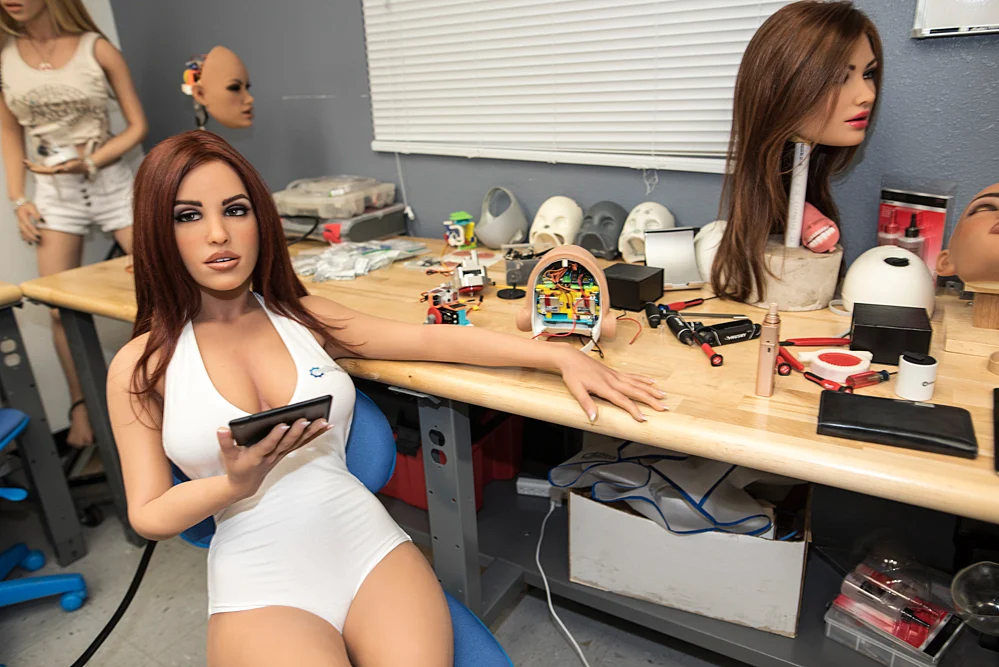
If you want a physical companion, then treat it like a connected device purchase
Choose: a robot companion or intimacy device from a reputable seller with clear support and returns.
Why: Hardware adds a new layer: shipping privacy, device security, cleaning, and long-term maintenance.
- Do: check what connects to Wi‑Fi/Bluetooth and what data it sends.
- Do: prefer devices that work offline for core functions.
- Don’t: skip basic hygiene and safe-material considerations.
What people are talking about right now (and why it matters)
AI romance isn’t just a tech story anymore. It’s a culture story. You’ll see it framed as a sign of “the future arriving,” as gossip-worthy content on social platforms, and as a political talking point about online safety and youth exposure.
That mix creates confusion. One week, the conversation is about “best apps.” The next week, it’s about questionable marketing, weak age checks, and how quickly attachment can form when an AI is always available. Your best move is to decide your goal first, then choose the simplest tool that meets it.
Boundaries that keep the experience healthy
Pick a purpose (so the app doesn’t pick it for you)
Write one sentence: “I’m using this for ______.” Examples: practicing conversation, winding down, roleplay, or companionship during travel. If the experience starts pushing you away from your purpose, that’s your cue to adjust.
Create a “real-life first” rule
If you find yourself canceling plans, skipping sleep, or feeling anxious when you log off, tighten the limits. Put the app behind a timer, or reserve it for specific days.
Keep your privacy boring
Don’t feed the system what you wouldn’t put on a public profile. That includes your full name, school, workplace, address, and identifiable photos. The most private detail is the one you never share.
Quick safety check for parents and caregivers
If you’re seeing “girlfriend” sites or explicit AI ads on a teen’s device, focus on safety—not shame. Ask what they’ve seen, what it promised, and whether it asked for photos, payments, or personal info.
- Use device-level content filters and app store restrictions.
- Watch for manipulative prompts that escalate sexual content.
- Encourage reporting of predatory ads and sketchy sites.
Sources and further reading
For a broader view of how this topic is being covered, see this related news roundup: ‘Build your own AI slut’: Boys being targeted online by surge in ‘girlfriend’ websites.
CTA: pick your next step
If you’re moving from “curious” to “trying,” choose the smallest step first: text-only, then voice, then hardware. If you’re exploring physical options, start with a reputable marketplace and compare features, privacy, and support.
What is an AI girlfriend and how does it work?
Medical disclaimer
This article is for general information only and isn’t medical or mental health advice. If intimacy tech use worsens anxiety, sleep, mood, or relationships—or if you’re worried about a young person’s exposure—consider speaking with a qualified clinician or counselor.