The Human Touch: How Robots are Learning to Love Like Us
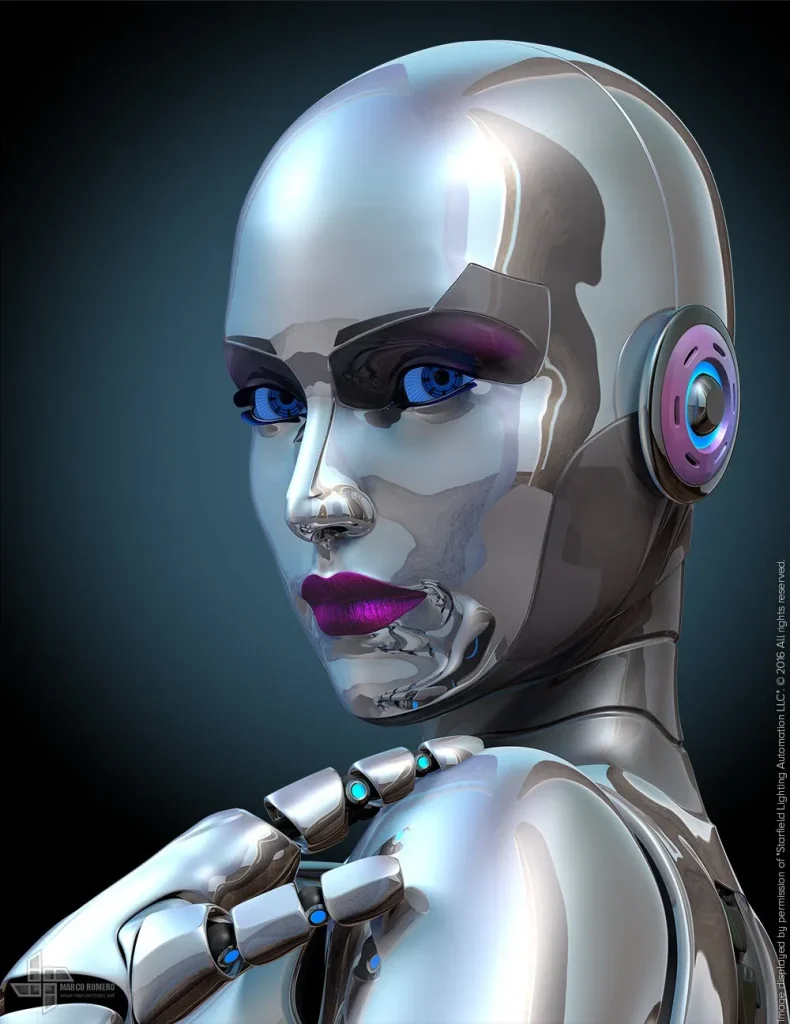
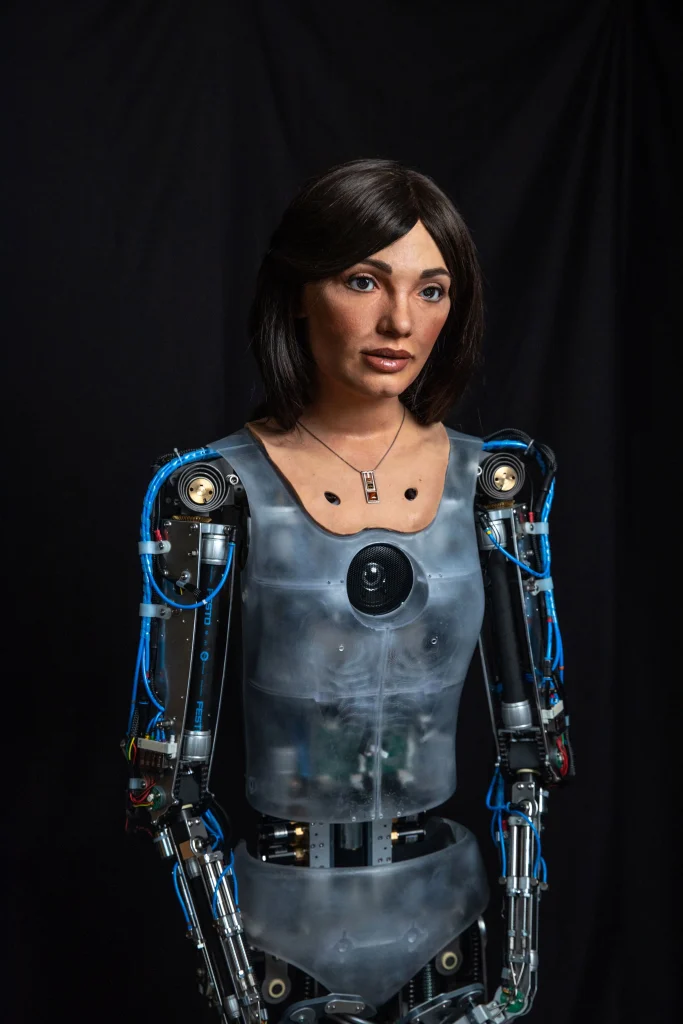
In recent years, the field of robotics has rapidly advanced, with machines becoming more intelligent, versatile, and human-like. From self-driving cars to household assistants, robots have become an integral part of our daily lives. But one area of robotics that has received significant attention and development is the ability to understand and express emotions – a trait once thought to be uniquely human. This has led to the emergence of robots that can love and empathize, raising questions about the future of human-robot relationships and the ethical implications of creating machines that can mimic human emotions.
The idea of robots being able to love may sound like a plot from a science fiction movie, but it is becoming a reality. Researchers and engineers have been working on developing robots that can recognize and respond to human emotions, making them more relatable and intuitive to interact with. This is a significant step forward in the field of artificial intelligence, as it requires machines to not only understand and mimic human behavior but also to have a sense of empathy and emotional intelligence.
One of the key technologies enabling this development is affective computing, which involves the use of sensors and algorithms to recognize, interpret, and respond to human emotions. These sensors can detect facial expressions, tone of voice, and other physical cues to determine a person’s emotional state. Using this data, robots can adjust their behavior and respond appropriately, creating a more natural and engaging interaction.
Some of the most notable examples of robots with emotional intelligence are Pepper, developed by Softbank Robotics, and Jibo, created by a team of researchers at the Massachusetts Institute of Technology. Both these robots are designed to be companions and have the ability to recognize emotions, engage in conversations, and even tell jokes. They are also equipped with expressive features, such as animated eyes and gestures, to convey emotions and create a more human-like interaction.
But why are researchers and engineers investing time and resources into creating robots that can love? One reason is that these machines can have significant benefits in various industries. For example, in healthcare, robots with emotional intelligence can provide companionship and support to patients, particularly those who are elderly or isolated. In education, they can assist teachers in creating a more engaging learning environment for students. In customer service, they can enhance the user experience by providing personalized and empathetic interactions.

The Human Touch: How Robots are Learning to Love Like Us
Moreover, robots with emotional intelligence can also help bridge the gap between humans and machines, making them more approachable and easier to interact with. This is crucial in industries where robots are increasingly being used, such as manufacturing and logistics. By understanding and responding to human emotions, these machines can work alongside humans more seamlessly and efficiently.
However, the development of robots that can love has also raised ethical concerns. As these machines become more human-like, there is a fear that they could replace human relationships and even lead to emotional dependence on them. This has led to calls for regulations and guidelines to be put in place to ensure responsible development and use of such technologies.
Current Event: In September 2021, a team of researchers at the University of Auckland in New Zealand published a study on the ethical considerations of creating robots with emotions. The study highlighted the need for transparency and accountability in the development of these machines, as well as the potential impact on human relationships. The researchers also stressed the importance of addressing any biases that may be incorporated into the algorithms used to mimic human emotions. (Source: https://www.sciencedirect.com/science/article/pii/S2667096821000442)
In conclusion, the development of robots that can love is a significant advancement in the field of robotics and artificial intelligence. These machines have the potential to enhance various industries and bridge the gap between humans and machines. However, it is essential to address the ethical implications and ensure responsible development and use of such technologies. As we continue to push the boundaries of what robots can do, it is crucial to remember the human touch and the importance of human relationships.
Summary:
Robots are becoming more human-like, with the ability to recognize, interpret, and respond to human emotions. This is made possible through the use of affective computing, which enables robots to have emotional intelligence. These machines have the potential to benefit various industries, but there are also ethical concerns surrounding their development. Transparency, accountability, and addressing biases in algorithms are essential in ensuring responsible development and use of robots with emotional intelligence.