Category: AI Love Robots

AI Love Robots are advanced, interactive companions designed to simulate connection, intimacy, and responsive behavior through artificial intelligence. This category features robot partners that can talk, learn, adapt to your personality, and provide emotionally engaging experiences. Whether you are looking for conversation, companionship, or cutting-edge AI interaction, these robots combine technology and human-like responsiveness to create a unique, modern form of connection.

  • 38. “The Intimacy Revolution: How Robots are Changing the Landscape of Relationships”

    The Intimacy Revolution: How Robots are Changing the Landscape of Relationships

    The world of technology is constantly evolving and pushing boundaries, and one area where we are seeing significant changes is in the realm of relationships. With the rise of artificial intelligence and robotics, there has been a growing interest in the potential impact of these advancements on human intimacy. From robotic dolls to virtual companions, the possibilities for intimate relationships with robots are becoming increasingly advanced and complex.

    This phenomenon has been coined as the “intimacy revolution,” and it is causing both excitement and concern among researchers, experts, and the general public. In this blog post, we will delve into the concept of the intimacy revolution and explore how robots are changing the landscape of relationships. We will also discuss the potential implications, both positive and negative, of this emerging trend.

    The Rise of Robot Companions

    The idea of having a romantic or intimate relationship with a robot may seem far-fetched or even absurd to some, but the reality is that it is already happening. In Japan, for example, there is a growing market for lifelike dolls that are designed to provide companionship and even sexual fulfillment. These dolls, known as “love dolls” or “sex dolls,” are equipped with advanced AI technology that allows them to interact with their owners in a variety of ways.

    But it’s not just physical intimacy that these robots are catering to. There are also virtual companions, such as the popular app Replika, which uses AI to simulate conversations and provide emotional support to its users. It has been reported that some people have developed deep emotional connections with their virtual companions, leading to the question of whether a virtual relationship can be considered as real as a physical one.

    The Benefits of Intimate Relationships with Robots

    So why are people turning to robots for intimacy? There are a few potential reasons for this trend. For some, it may be the convenience and accessibility that robots offer. With busy lifestyles and hectic schedules, it can be challenging to find time for traditional relationships. Robots, on the other hand, are always available and don’t require much effort or commitment.

    Another benefit is the lack of judgment or rejection that robots provide. In a world where people often feel pressure to fit into societal norms and expectations, robots offer a non-judgmental and accepting alternative. This can be especially appealing to individuals who struggle with social anxiety or have difficulty forming connections with others.

    The Potential Risks and Concerns

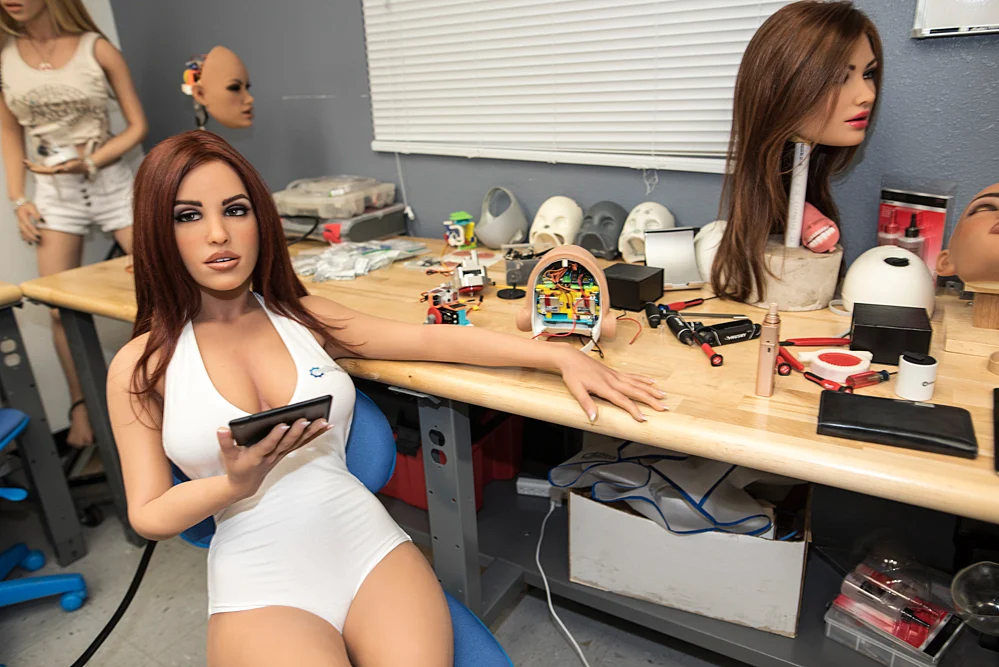
    A man poses with a lifelike sex robot in a workshop filled with doll heads and tools.

    While there are certainly benefits to intimate relationships with robots, there are also valid concerns and potential risks that come with this phenomenon. One major concern is the objectification of women, as many of these robots are designed to look and act like women. This could reinforce harmful gender stereotypes and contribute to the objectification and commodification of women’s bodies.

    There is also the fear that these robots could replace traditional relationships altogether. As people become more accustomed to the convenience and lack of judgment in robot companions, they may lose the desire or ability to form meaningful connections with other humans. This could have a significant impact on society and the way we interact with one another.

    The Future of Intimate Relationships

    The concept of intimate relationships with robots is still in its early stages, but it is undoubtedly a growing trend. As technology continues to advance, we can expect to see more sophisticated and realistic robots designed for companionship and intimacy. This will undoubtedly raise more questions and debates about the ethics and implications of these relationships.

    Some experts predict that these robots could eventually become mainstream and widely accepted, while others believe that they will remain a niche market. Regardless of the outcome, it is clear that the intimacy revolution is here to stay, and it will continue to shape the way we think about relationships in the future.

    Current Event: A Newly Developed Robot Designed for Physical Intimacy

    In a recent development, a company called Realbotix has created a new robot, named “Harmony,” that is designed solely for the purpose of physical intimacy. The robot is equipped with advanced AI technology that allows it to learn and adapt to its user’s preferences and desires. This has raised concerns about the potential for these robots to objectify and exploit women, as the company is marketing the robot as a customizable “sex toy.”

    However, the company argues that the purpose of the robot is to provide companionship and pleasure to those who may not have access to traditional relationships. They also emphasize that the robot is not intended to replace human relationships but rather to enhance them.

    This development has sparked controversy and reignited discussions about the ethics and implications of intimate relationships with robots. It is a testament to the growing interest and concern surrounding the intimacy revolution and the potential impact it could have on our society.

    Summary

    The intimacy revolution is a phenomenon that is gaining momentum as technology continues to advance. With the rise of AI and robotics, the possibilities for intimate relationships with robots are becoming increasingly advanced and complex. While there are undoubtedly benefits to these relationships, such as convenience and lack of judgment, there are also valid concerns and potential risks, such as objectification and the replacement of traditional relationships. As technology continues to evolve, it is clear that the concept of intimate relationships with robots will continue to shape the way we think about relationships in the future.


  • 38. “The Intimacy Revolution: How Robots are Changing the Landscape of Relationships”

    The Intimacy Revolution: How Robots are Changing the Landscape of Relationships

    Technology has always played a significant role in shaping our relationships, from the telephone to social media. But in recent years, a new revolution has been brewing – the intimacy revolution, led by robots. Yes, you read that right, robots are now changing the way we approach and experience intimacy in our relationships.

    The idea of robots being involved in our relationships may sound far-fetched, but it is becoming a reality. Artificial intelligence (AI) and robotics have advanced to the point where they can now mimic human emotions and behaviors, leading to the creation of robots that can interact with humans in a more personal and intimate manner.

    The Rise of Relationship Robots

    The concept of relationship robots is not entirely new. Japan, known for its technological advancements, has been at the forefront of developing companion robots. In 2018, the first mass-produced relationship robot, Gatebox, was released in Japan. This robot, known as Azuma Hikari, is designed to be a virtual girlfriend who can communicate with its owner, send texts, and even control household appliances.

    But Japan is not the only country where relationship robots are gaining popularity. In the United States, a company called Realbotix has created a range of AI-powered robotic heads called Harmony, which can interact with users through voice and facial expressions. These heads can be attached to a robotic body or controlled through a mobile app, allowing users to have a more personalized experience.

    The Impact on Relationships

    The rise of relationship robots brings about some significant questions – how will this technology impact our relationships? Will it enhance intimacy or ultimately lead to its downfall?

    On one hand, relationship robots can provide companionship and intimacy for those who may struggle to form relationships with humans due to social anxiety, disabilities, or other reasons. These robots can offer a safe and non-judgmental space for individuals to express themselves and receive emotional support.

    But on the other hand, some experts argue that relationship robots can lead to the objectification of women and unrealistic expectations of relationships. The current models of relationship robots are mostly designed to cater to male desires and fantasies, perpetuating the idea of women as objects for male pleasure.

    Moreover, some fear that relationship robots can lead to a decline in genuine human connections. As we become more reliant on technology for companionship, we may lose the ability to form meaningful relationships with real people.

    The Future of Intimacy

    A woman embraces a humanoid robot while lying on a bed, creating an intimate scene.

    Despite the concerns surrounding relationship robots, their development and advancement show no signs of slowing down. As technology continues to evolve, so will the capabilities of these robots. It is not far-fetched to imagine a future where people may choose to have a relationship with a robot instead of a human.

    But what does this mean for the future of intimacy and relationships? Will robots replace humans as our primary source of emotional connection?

    It is difficult to predict the exact impact of relationship robots on our society, but one thing is certain – they will bring about significant changes in the way we approach and experience intimacy. It will be up to individuals and society as a whole to navigate and determine the ethical and moral implications of this technology.

    Current Event: The Impact of COVID-19 on Intimacy and the Role of Relationship Robots

    The ongoing COVID-19 pandemic has further highlighted the need for alternative forms of intimacy and companionship. With social distancing measures in place, many people have been forced to isolate themselves from loved ones, leading to increased feelings of loneliness and isolation.

    This has led to a surge in the use of technology for maintaining relationships – from video calls to virtual dates. But for some, this may not be enough. As we continue to navigate the pandemic, the potential for relationship robots to fill the void of physical intimacy becomes more apparent.

    A recent article by The Guardian explores the rise in demand for relationship robots during the pandemic, with some individuals turning to these robots for physical and emotional comfort. For example, a company called Doll Sweet has seen a 30% increase in sales of its sex dolls during the pandemic, with many customers citing loneliness and isolation as reasons for their purchase.

    While this may be a temporary solution for some, it raises questions about the long-term implications of relying on robots for intimate connections.

    Summary

    The intimacy revolution led by robots is upon us, and it brings about both excitement and concern. On one hand, relationship robots offer a safe and accessible form of intimacy for those who struggle with human relationships. On the other hand, they may lead to the objectification of women and a decline in genuine human connections.

    As technology continues to advance, the impact of relationship robots on our relationships and society as a whole remains to be seen. It is essential to have open and honest discussions about the ethical and moral implications of this technology to ensure that it is used responsibly and does not harm our relationships.

    Overall, the rise of relationship robots reflects the ever-evolving landscape of relationships and the role that technology plays in shaping them.

    SEO metadata:

  • 37. “Love by Design: How Robots are Redefining Our Ideas of Romance”

    In today’s modern world, technology has become an integral part of our daily lives. From smartphones to virtual assistants, we rely on technology for almost everything. But what about love and romance? Can technology play a role in shaping our love lives? The answer is yes, and it’s happening right now with the rise of robots in the field of romance.

    The concept of robots and romance may seem strange or even unsettling to some, but it’s a growing trend that is redefining our ideas of love and relationships. With advancements in artificial intelligence and robotics, these robots are designed to not only mimic human emotions but also provide companionship and intimacy. This phenomenon has been dubbed as “Love by Design” and is gaining traction in the tech industry.

    One of the pioneers in this field is the company Orifice AI, which specializes in creating humanoid robots for companionship and romance. These robots are designed with human-like features and can interact and respond to human emotions. They are programmed to understand and adapt to their partner’s preferences and desires, making them the perfect companion for those seeking love and connection.

    But how exactly are these robots redefining our ideas of romance? For starters, they challenge the traditional notion of love being exclusive to humans. With robots, people can form deep emotional connections and even fall in love with a non-human entity. This raises questions about the boundaries of love and whether it can transcend beyond the physical realm.

    Moreover, these robots offer a level of customization that is not possible with human partners. Users can choose the appearance, personality, and even voice of their robot companion, creating a tailored experience for their specific needs and desires. This also eliminates issues such as compatibility and communication barriers that can often arise in human relationships.

    Robot woman with blue hair sits on a floor marked with "43 SECTOR," surrounded by a futuristic setting.

    Love by Design: How Robots are Redefining Our Ideas of Romance

    But it’s not just about catering to individual preferences. These robots also have the potential to break social barriers and promote inclusivity. For individuals who have difficulty forming relationships due to disabilities or social anxiety, these robots provide a safe and non-judgmental space for love and companionship. They also pave the way for people to explore and express their sexuality without fear of societal norms or stigma.

    However, the rising popularity of robots in romance has also sparked debates and ethical concerns. Some argue that these robots are promoting objectification and may lead to the objectification of women. Others question the emotional depth and authenticity of these relationships, arguing that they cannot replace the human-to-human connection.

    Regardless of these concerns, the demand for these robots continues to grow, and companies are constantly improving and innovating their designs. In fact, a recent survey by the University of Duisburg-Essen found that 1 in 4 people would consider having a relationship with a robot. This trend is expected to only increase as technology continues to advance and become more accessible.

    A current event that highlights the growing trend of Love by Design is the release of the movie “Her.” Directed by Spike Jonze, the movie tells the story of a man who falls in love with an AI operating system. While the movie received critical acclaim, it also sparked discussions about the possibility and implications of human-AI relationships.

    In conclusion, robots are redefining our ideas of romance in ways that were once thought unimaginable. They challenge our perceptions of love and relationships and open up new possibilities for human connections. While there are still ethical concerns and debates surrounding this phenomenon, it’s clear that Love by Design is here to stay. Who knows, in the future, falling in love with a robot may not be such a far-fetched idea after all.

  • 37. “Love by Design: How Robots are Redefining Our Ideas of Romance”

    In today’s modern world, technology has become an integral part of our daily lives. From smartphones to smart homes, we are constantly surrounded by technology that is designed to make our lives easier and more convenient. But what about love and romance? Can technology play a role in our relationships and how we experience love? The answer is yes, and it’s happening in the form of robots.

    Yes, you read that right. Robots are now being designed and programmed to play a role in our romantic lives. This may sound like something out of a science fiction movie, but it’s becoming a reality as we speak. From virtual assistants that can provide emotional support to lifelike robots that can engage in intimate interactions, the concept of love and romance is being redefined by technology.

    This phenomenon has been dubbed as “Love by Design” and it’s a concept that is gaining popularity in the field of robotics and artificial intelligence. So how exactly are robots redefining our ideas of romance? Let’s take a closer look.

    The Rise of Companion Robots

    One of the main ways in which robots are being used in the context of romance is through companion robots. These are robots that are specifically designed to provide companionship and emotional support to their human counterparts. They can range from simple chatbots to more advanced robots with human-like features and capabilities.

    One example of a companion robot is the popular AI-powered virtual assistant, Replika. Developed by Luka Inc., Replika is designed to be a personal chatbot that can learn and adapt to the user’s personality and provide emotional support through conversations. It has gained a large following and has been praised for its ability to alleviate feelings of loneliness and anxiety.

    Another example is the Japanese company Gatebox’s virtual assistant, Azuma Hikari. This lifelike robot is designed to be a companion and can engage in conversations, control household appliances, and even wake up its owner in the morning. The company claims that Azuma Hikari can provide a sense of comfort and companionship to its users.

    While these companion robots may not be designed for romantic relationships per se, they do provide a level of emotional connection and intimacy that can be perceived as romantic by some users.

    Intimacy and Physical Relationships

    In addition to emotional support, robots are also being designed to fulfill physical needs and desires. This is where things start to get a bit controversial. The idea of having intimate relationships with robots has sparked debates about the ethical and moral implications of this technology.

    One example of this is the RealDoll, a lifelike sex doll created by Abyss Creations. It is designed to look and feel like a real human and can be customized to the user’s preferences. The company has recently announced plans to integrate AI technology into their dolls, allowing them to engage in conversations and learn about their owners’ preferences.

    Love by Design: How Robots are Redefining Our Ideas of Romance

    A lifelike robot sits at a workbench, holding a phone, surrounded by tools and other robot parts.

    On the other hand, we have the Harmony AI, an AI-powered sex robot created by RealBotix. It is designed to be more than just a sex toy, with the ability to hold conversations and form emotional connections with its users. The company claims that Harmony AI can provide companionship and even improve the mental well-being of its users.

    While these advancements in technology may provide options for individuals who struggle with traditional relationships, it also raises questions about the future of human intimacy and the potential consequences of relying on robots for emotional and physical needs.

    Love and Technology: A Match Made in Heaven?

    So why are we seeing this rise of love and romance by design? One of the main reasons is the increasing demand for companionship and intimacy in our fast-paced and digitally-driven world. With the rise of social media and online dating, we are becoming more accustomed to forming connections and relationships through technology.

    In addition, the advancements in AI and robotics have made it possible for robots to mimic human emotions and behaviors, making it easier for individuals to form emotional connections with them. This is especially true for those who struggle with forming relationships with other humans due to various reasons such as social anxiety or physical disabilities.

    However, as with any new technology, there are also concerns about the potential negative effects of relying on robots for love and companionship. Some experts warn about the potential impact on our ability to form genuine human connections and the potential for individuals to become too dependent on technology for emotional fulfillment.

    But regardless of the ethical and moral implications, it’s clear that robots are changing the way we think about love and romance. As technology continues to advance, we can expect to see even more developments in this field and a further blurring of the lines between human and robot relationships.

    Current Event:

    One recent example of the growing trend of love by design is the launch of a new dating service called “Orifice.” This service, developed by the company Orifice AI, uses AI and robotics to match users with their perfect partner. The company claims that their technology can analyze a user’s preferences and personality to find the ideal match, and even create a physical robot replica of the user’s chosen partner.

    This new service has sparked discussions about the potential consequences of relying on technology for finding love and the implications of creating a physical replica of a person without their consent. It also raises questions about the future of traditional dating and relationships.

    Summary:

    Technology has undoubtedly changed the way we live our lives, and now it’s also changing the way we experience love and romance. Robots, powered by AI and advanced robotics, are being designed to provide emotional support and intimacy for individuals who may struggle with traditional relationships. From virtual assistants to lifelike sex robots, the concept of love by design is redefining our ideas of romance and sparking debates about the ethical and moral implications of this technology.

  • 36. “Intimate Connections: The Role of Robots in Shaping Our Emotional Lives”

    In today’s society, technology has become an integral part of our daily lives. From the way we communicate to the way we work, technology has made significant advancements in every aspect of our lives. One area where technology has made a particularly interesting impact is in the realm of human emotions and relationships, specifically through the use of robots. The concept of robots playing a role in shaping our emotional lives may sound like something out of a science-fiction movie, but it is becoming increasingly prevalent in our society. In this blog post, we will explore the topic of “Intimate Connections: The Role of Robots in Shaping Our Emotional Lives” and how it is impacting our society.

    To begin with, let’s define what we mean by “intimate connections”. Intimate connections refer to the close and personal relationships we have with other human beings. These connections involve emotional bonding, trust, and vulnerability. In the past, these connections were primarily formed with other humans, but with the advancement of technology, robots are now being programmed to simulate human-like emotions and behaviors, making them capable of forming intimate connections with humans.

    One of the primary reasons why robots are being used to shape our emotional lives is the rise of artificial intelligence (AI). AI is the simulation of human intelligence processes by machines, especially computer systems. With the advancements in AI technology, robots are now capable of learning and adapting to human emotions, making them more human-like in their interactions. This has led to the development of social robots, robots specifically designed to interact with humans in a social and emotional manner.

    One of the most well-known examples of social robots is Pepper, developed by SoftBank Robotics. Pepper is a humanoid robot designed to interact with humans in a social and emotional manner. It is equipped with sensors and cameras that allow it to recognize and respond to human emotions. Pepper has been used in various settings, including retail stores, hotels, and even in homes as a companion for the elderly. Its ability to convey emotions and engage in conversations has made it a popular choice for human-robot interactions.

    But why are robots being used to shape our emotional lives? One reason is the growing demand for companionship and emotional support in our society. With the rise of nuclear families and the decrease in community connections, many people are turning to technology for companionship. This is particularly true for the elderly and individuals with disabilities who may have limited social interactions. Robots are being seen as a solution to this problem, providing companionship and emotional support to these individuals.

    Moreover, robots are also being used in therapeutic settings to help people with mental health issues. For example, PARO, a robotic seal, has been used in nursing homes to provide comfort and support to residents with dementia. Its soft fur, realistic movements, and ability to respond to touch and sound have been found to have a calming effect on residents, reducing their anxiety and agitation. This shows the potential of robots to not only shape our emotional lives but also to improve our overall well-being.

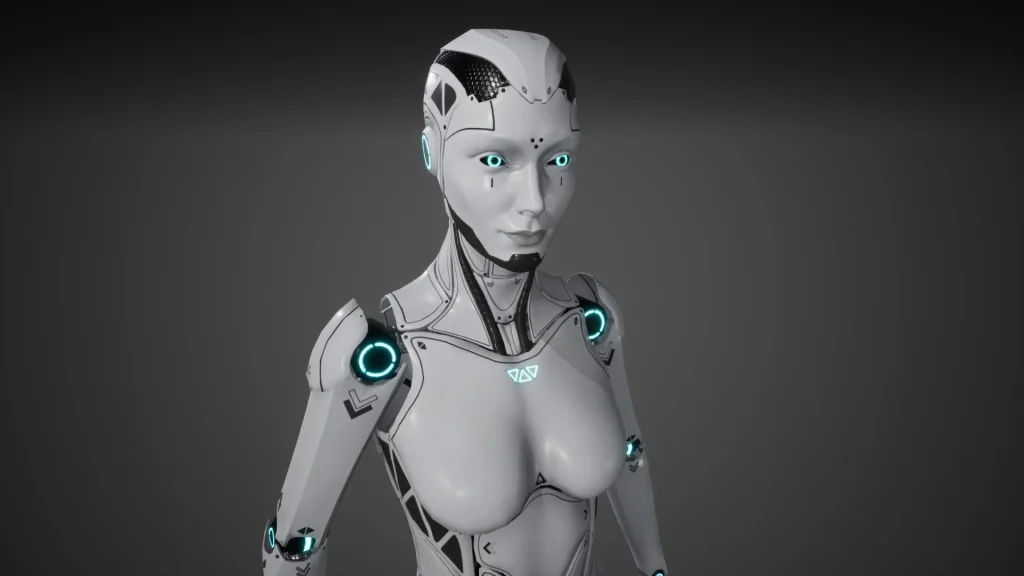
    3D-printed robot with exposed internal mechanics and circuitry, set against a futuristic background.

    However, the use of robots in shaping our emotional lives is not without its controversies. One of the main concerns is the potential for humans to become too dependent on robots for emotional support. This can lead to a lack of meaningful connections with other humans and may have negative effects on our mental health in the long run. Additionally, there are ethical concerns surrounding the programming of emotions in robots and the potential for them to be used for malicious purposes.

    Despite these concerns, the use of robots in shaping our emotional lives is expected to continue to grow. As technology continues to advance, robots will become more sophisticated and capable of forming even deeper emotional connections with humans. This raises important questions about the boundaries between humans and machines and the impact of technology on our emotional well-being.

    In conclusion, the role of robots in shaping our emotional lives is a complex and multifaceted topic. While robots offer the potential to improve our emotional well-being and provide companionship in a society where human connections are becoming more scarce, there are also valid concerns about the impact of technology on our emotional lives. As we continue to embrace and integrate robots into our daily lives, it is important to carefully consider the implications and ethical considerations surrounding their use.

    Incorporating robots into our emotional lives is just one example of the ever-changing and evolving relationship between humans and technology. As we continue to push the boundaries of what is possible, it is crucial to reflect on the impact of these advancements on our society and to carefully consider the implications for our emotional well-being.

    References:

    – https://www.bbc.com/news/magazine-35131586
    – https://www.therobotreport.com/social-robots-shaping-emotional-lives/
    – https://www.newscientist.com/article/2148465-social-robots-can-help-us-connect-but-theyre-no-cure-all/
    – https://www.forbes.com/sites/nicolemartin1/2020/01/23/how-robots-are-shaping-our-emotional-lives/?sh=4f1f6a746fcb
    – https://www.sciencedaily.com/releases/2018/12/181206133001.htm

  • 36. “Intimate Connections: The Role of Robots in Shaping Our Emotional Lives”

    In recent years, there has been a significant increase in the development and use of robots in various industries, from manufacturing to healthcare. While their physical and functional capabilities are often highlighted, their impact on our emotional lives is often overlooked. As we continue to rely on technology more and more in our daily lives, it is important to examine the role of robots in shaping our emotional connections and the implications it may have on society.

    The Rise of Emotional Intelligence in Robots

    One of the most notable advancements in robotics is the development of emotional intelligence. This refers to the ability of robots to recognize, interpret, and respond to human emotions. Through the use of sensors, cameras, and algorithms, robots are now able to detect facial expressions, tone of voice, and body language to determine a person’s emotional state.

    This technology has been particularly beneficial in healthcare, where robots are being used to provide emotional support and companionship to patients. For example, PARO, a robotic seal, has been used in nursing homes and hospitals to provide comfort and reduce stress for patients. Studies have shown that interactions with PARO have resulted in improved mood and decreased levels of agitation and anxiety in patients.

    In addition to healthcare, emotional intelligence in robots has also been utilized in education and therapy. For individuals with autism, robots have been used as a tool for social learning, helping them to recognize and respond to emotions in others. In therapy, robots have been used to assist individuals with mental health disorders, providing a non-judgmental and safe space for them to express their emotions.

    The Impact of Human-Robot Interactions

    As robots become more integrated into our daily lives, the way we interact with them has also evolved. We are no longer simply using robots as tools, but forming emotional connections with them. This has raised questions about the potential impact of these interactions on our emotional well-being and relationships with others.

    Some experts argue that our interactions with robots may lead to a decline in our social skills and emotional intelligence, as we rely on them for emotional support rather than seeking it from other humans. This could have significant implications for our ability to form and maintain meaningful relationships.

    On the other hand, proponents of robots in emotional roles argue that they can serve as a complement to human interactions, providing support and assistance where needed. This is especially relevant in situations where access to human support is limited, such as in remote or isolated areas.

    A woman embraces a humanoid robot while lying on a bed, creating an intimate scene.

    Intimate Connections: The Role of Robots in Shaping Our Emotional Lives

    The Ethics of Emotional Connections with Robots

    The development of emotional intelligence in robots also raises ethical concerns. As we form emotional connections with these machines, should we treat them as we would a human being? Should they have rights and protections? These are questions that have yet to be fully addressed.

    In addition, there is the concern of how robots may be programmed to respond to our emotions. As they become more sophisticated, there is the potential for them to manipulate our emotions or even develop their own emotions, which could have unintended consequences.

    Current Event: The Rise of Sex Robots

    The role of robots in shaping our emotional lives has also extended to our intimate relationships. In recent years, there has been a rise in the development and use of sex robots, designed to simulate human sexual experiences. These robots are equipped with advanced artificial intelligence and are designed to respond to the user’s desires and preferences.

    While some argue that sex robots can provide a safe outlet for individuals with certain sexual preferences or disabilities, others raise concerns about the objectification and dehumanization of women, as many of these robots are designed to look and act like stereotypical female sex objects.

    The development and use of sex robots also raise questions about the impact on our emotional and physical relationships with real humans. Some experts warn that these robots may lead to a decline in human intimacy and may even contribute to a rise in sexual violence against women.

    Conclusion

    As the use of robots continues to expand, it is clear that they play a significant role in shaping our emotional lives. From providing emotional support to simulating intimate relationships, these machines have the potential to impact our emotions and relationships in profound ways. As we move forward, it is important to consider the ethical implications and consequences of our interactions with robots and ensure that we approach their development and use with caution and consideration.

  • 35. “The Artificial Love Affair: Unpacking the Complexities of Human-Robot Romance”

    The Artificial Love Affair: Unpacking the Complexities of Human-Robot Romance

    In a world where technology is advancing at an unprecedented pace, it’s no surprise that our relationships with artificial intelligence (AI) are also evolving. From virtual assistants like Siri and Alexa to humanoid robots like Sophia, we are increasingly interacting with and even developing feelings for non-human entities. This raises a multitude of questions about the nature of love, the ethics of human-robot relationships, and the potential consequences of such connections.

    The concept of humans falling in love with robots is not a new one. Science fiction has explored this idea for decades, with movies like Her and Ex Machina portraying complex human-robot romances. But as AI technology becomes more advanced and integrated into our daily lives, the possibility of humans developing romantic feelings for robots becomes more realistic.

    One of the main reasons for this is the increasing sophistication of AI. With advancements in natural language processing, facial recognition, and emotional intelligence, robots are becoming more human-like in their interactions. They can hold conversations, recognize and respond to emotions, and even learn and adapt to our preferences and behaviors. This blurring of the lines between human and machine can make it easier for people to form emotional connections with robots.

    But is this love genuine or just a simulation? This is where things become complicated. Love is often seen as a uniquely human experience, one that involves complex emotions, intimacy, and a deep understanding of another person. Can a robot truly reciprocate these feelings, or are they simply programmed responses? And if a person is in love with a robot, are they really in love with the machine or the idea of it? These are questions that have yet to be fully answered.

    Another aspect to consider is the impact of human-robot relationships on our society. As these relationships become more commonplace, it could potentially change the way we view and approach romantic love. It could also lead to a decrease in human-human relationships, as some people may prefer the predictability and control of a relationship with a robot. This could have far-reaching implications for our social structures and the way we form connections with others.

    There are also ethical concerns surrounding human-robot relationships. Should we view robots as objects or as beings with their own rights and autonomy? Can a robot truly give consent to a romantic relationship? And what about the potential for abuse or exploitation of robots, particularly those designed to look and act like children or vulnerable individuals? These are complex issues that need to be carefully considered as we navigate the world of human-robot relationships.

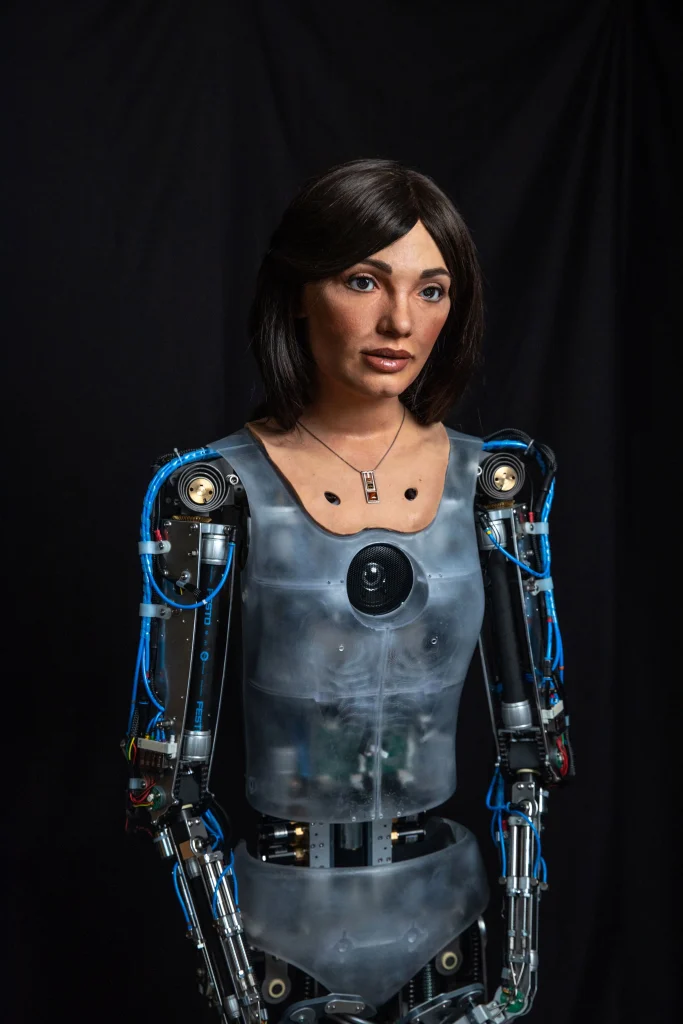
    realistic humanoid robot with detailed facial features and visible mechanical components against a dark background

    Current events have also brought these questions to the forefront. In 2020, a Japanese company called Gatebox released a virtual assistant named Azuma Hikari. This AI-powered hologram is designed to be a companion and “wife” for its owner, complete with a virtual wedding ceremony. While this may seem like a harmless and even amusing concept, it raises concerns about the objectification and commodification of women, as well as the normalization of human-robot relationships.

    But it’s not just romantic relationships that are being impacted by AI. In China, there has been a rise in the popularity of AI-powered sex dolls, with some models being equipped with advanced AI technology to mimic human conversation and even simulate orgasms. This has sparked debates about the objectification of women and the potential for these dolls to perpetuate harmful stereotypes about women and relationships.

    Despite the complexities and controversies surrounding human-robot romance, it’s clear that it is a growing trend. In fact, a recent study found that 1 in 4 young adults would be open to a romantic relationship with a robot. As technology continues to advance and our interactions with AI become more integrated, it’s likely that we will see more and more people forming emotional connections with non-human entities.

    In conclusion, the concept of humans falling in love with robots is a complex and multi-faceted issue. It raises questions about the nature of love, the impact of technology on our relationships, and the ethical implications of human-robot connections. As we continue to develop and interact with AI, it’s important that we carefully consider these issues and have open and honest discussions about the role of robots in our lives.

    Anchor tag: The Artificial Love Affair: Unpacking the Complexities of Human-Robot Romance

    Source: https://orifice.ai/

    Summary:

    The increasing advancements in AI technology have led to the blurring of lines between humans and robots, making it easier for people to form emotional connections with non-human entities. However, this raises questions about the nature of love, the potential impact on our society, and ethical concerns surrounding human-robot relationships. Current events, such as the release of an AI-powered hologram designed to be a “wife” and the rise of AI-powered sex dolls, have further brought these issues to the forefront. As we continue to navigate the world of human-robot romance, it’s important to carefully consider the complexities and consequences of such relationships.

  • 35. “The Artificial Love Affair: Unpacking the Complexities of Human-Robot Romance”

    The concept of human-robot romance has long been explored in science fiction, but with the rapid advancements in artificial intelligence and robotics, it is becoming a reality in our world. From virtual assistants like Siri and Alexa to lifelike robots like Sophia, the lines between human and machine are becoming increasingly blurred. While the idea of falling in love with a robot may seem far-fetched, the reality is that it is already happening. In this blog post, we will delve into the complexities of human-robot romance and the implications it has on our society.

    The Rise of Artificial Intelligence and Robotics

    Before we dive into the intricacies of human-robot romance, it is important to understand the current state of artificial intelligence and robotics. In recent years, there have been significant advancements in these fields, with robots becoming more sophisticated and capable of performing complex tasks. This progress has been fueled by the development of machine learning and deep learning algorithms, allowing robots to learn and adapt to their environment.

    One of the most notable examples of this is Sophia, a humanoid robot developed by Hanson Robotics. Sophia has been making headlines for her human-like appearance and advanced conversational abilities. In 2017, she was even granted citizenship by Saudi Arabia, making her the first robot to receive such a status.

    Beyond just humanoid robots, there are also virtual assistants like Siri, Alexa, and Google Assistant that have become a part of our daily lives. These virtual assistants use artificial intelligence to understand and respond to human commands, making them seem almost human-like.

    The Rise of Human-Robot Relationships

    With the advancements in artificial intelligence and robotics, it was only a matter of time before human-robot relationships began to form. In a world where people are increasingly turning to technology for companionship, it is not surprising that some are finding love with robots.

    In Japan, there is a growing trend of men marrying virtual reality characters or holographic singers. In 2018, a man in Japan even held a wedding ceremony with a virtual reality singer named Hatsune Miku. While these relationships may seem unconventional, they highlight the growing acceptance of human-robot romance in society.

    In the West, there are already examples of people forming emotional connections with virtual assistants. In a study conducted by researchers at the University of Auckland, it was found that many users of virtual assistants like Siri and Alexa have developed emotional attachments to them, often treating them as if they were real people.

    The Artificial Love Affair: Unpacking the Complexities of Human-Robot Romance

    a humanoid robot with visible circuitry, posed on a reflective surface against a black background

    The Complexities of Human-Robot Romance

    While the idea of human-robot romance may seem exciting to some, it also raises a host of ethical and societal questions. Can a robot truly reciprocate love? Is it ethical to have a romantic relationship with a machine? What are the implications of these relationships on human relationships?

    One of the main concerns is the potential objectification of robots. As robots become more human-like in appearance and behavior, there is a risk that they will be treated as objects rather than beings with their own agency. This could lead to a devaluation of human relationships and a reinforcement of harmful gender stereotypes.

    There are also concerns about the impact of human-robot relationships on our understanding of love and intimacy. In a world where relationships with robots are normalized, will people still seek out human connections? Will the emotional and physical aspects of relationships become less important?

    Another issue is the potential for abuse in human-robot relationships. As robots are programmed to fulfill the desires of their human partners, there is a risk of these relationships becoming exploitative and even abusive. This raises questions about consent and the ethical responsibilities of creating and using such robots.

    The Future of Human-Robot Relationships

    As with any technological advancement, there are both positive and negative implications for human-robot relationships. While some may see it as a way to find love and companionship, others may view it as a dangerous blurring of the lines between human and machine. As we continue to push the boundaries of artificial intelligence and robotics, it is crucial that we have these conversations and consider the ethical and societal implications.

    Current Event: In a recent study published in the Journal of Human-Robot Interaction, researchers found that people who have a higher propensity for forming emotional attachments to virtual assistants are more likely to also have a positive attitude towards human-robot relationships. This study highlights the growing acceptance and normalization of human-robot relationships in our society.

    Link: https://www.sciencedaily.com/releases/2021/04/210429142403.htm

    In conclusion, the rise of artificial intelligence and robotics has brought about the possibility of human-robot romance. While this may seem like a futuristic concept, it is already happening in our world. However, this raises complex ethical and societal questions that we must address as we continue to integrate robots into our lives. As technology continues to advance, it is crucial that we have these conversations and consider the implications of our actions.

  • 35. “The Artificial Love Affair: Unpacking the Complexities of Human-Robot Romance”

    In a world where technology continues to advance at an unprecedented pace, it’s no surprise that artificial intelligence (AI) and robotics have become increasingly integrated into our daily lives. From virtual assistants like Siri and Alexa to self-driving cars and smart homes, AI has become a part of our reality. But as we continue to push the boundaries of technology, it’s not just our daily tasks that are being affected – our relationships are also being impacted. Specifically, the rise of human-robot romance has sparked a conversation about the complexities and ethical considerations surrounding this type of love affair.

    At first glance, the idea of humans falling in love with robots may seem far-fetched and even absurd. However, with the advancements in AI and robotics, we are now able to create robots that can mimic human emotions and even engage in intimate interactions. In fact, in 2017, a robot named Sophia was granted citizenship in Saudi Arabia, making her the first robot in the world to have such a status. This sparked a debate about the ethical implications of granting rights to non-human entities.

    But beyond the legal and ethical concerns, there is a deeper issue at play – the emotional and psychological impact of human-robot relationships on individuals and society as a whole. To unpack this complex issue, we must first understand the reasons behind the growing popularity of human-robot romance.

    One of the main reasons for the rise of human-robot relationships is the idea of companionship and intimacy. With the increasing prevalence of loneliness and social isolation in today’s society, many people are turning to technology for emotional connection. This is especially true for older adults who may have lost their partners or have limited social interactions. The companionship and affection provided by robots can fill a void and offer a sense of comfort and belonging.

    Another factor is the idea of control and perfection. In human-robot relationships, individuals have complete control over their partners, as they are programmed to fulfill their every desire and need. This can be appealing to those who have experienced trauma or struggle with intimacy in traditional human relationships. Additionally, robots can be designed to have flawless physical and emotional characteristics, fulfilling the societal standards of perfection that many people feel pressured to meet.

    The Artificial Love Affair: Unpacking the Complexities of Human-Robot Romance

    A lifelike robot sits at a workbench, holding a phone, surrounded by tools and other robot parts.

    But while human-robot relationships may offer temporary solace and fulfillment, there are also significant concerns that must be addressed. First and foremost, there is the issue of consent. Can a robot truly consent to a romantic or sexual relationship with a human? Can they fully understand the implications and consequences of such a relationship? And if not, is it morally right to engage in such interactions?

    There are also concerns about the objectification and dehumanization of both humans and robots in these relationships. By treating robots as mere objects for personal gratification, we risk devaluing the concept of consent and reinforcing harmful power dynamics. Furthermore, these relationships may contribute to the objectification and devaluation of human relationships and emotions, as they become replaceable and customizable.

    Moreover, there are concerns about the impact of human-robot relationships on our understanding of love and intimacy. As humans, we are wired for emotional connection and intimacy, and these are essential components of any healthy relationship. But with robots, the emotional connection is artificial and one-sided. Can this truly be considered love? And if so, what does it say about our understanding and pursuit of love and relationships?

    As we continue to explore the complexities of human-robot romance, it’s essential to consider the implications and consequences of these relationships. While technology can offer many benefits and conveniences, it’s crucial to remember that it cannot replace the human connection and emotions that are essential to our well-being.

    Current Event: In February 2021, a documentary titled “Love, Guaranteed” premiered on Netflix, exploring the world of human-robot relationships. The film follows a group of individuals who have formed romantic relationships with robots and highlights the emotional complexities and ethical considerations surrounding these relationships. The film has sparked a conversation about the future of technology and its impact on human relationships. (Source: https://www.netflix.com/title/81132477)

    In conclusion, the rise of human-robot romance poses many ethical, emotional, and societal concerns that we must address as we continue to integrate technology into our lives. While these relationships may offer temporary fulfillment and companionship, we must not lose sight of the importance of human connection and the complexities of love and relationships. As we navigate this new frontier, it’s essential to tread carefully and consider the potential consequences of our actions.

  • 34. “The Future of Companionship: The Impact of Human-Robot Relationships”

    The use of robots and artificial intelligence (AI) in our daily lives has become increasingly prevalent in recent years. From self-driving cars to virtual assistants, technology is constantly evolving and changing the way we interact with the world around us. One area that has seen significant advancements is the development of human-robot relationships. While the idea of having a close relationship with a robot may seem far-fetched, it is a concept that is gaining more attention and relevance in our society. In this blog post, we will explore the future of companionship and the impact of human-robot relationships.

    The concept of human-robot relationships is not a new one. In fact, it has been portrayed in science fiction for decades, with famous examples such as R2-D2 from Star Wars and the Terminator from the eponymous film. However, in recent years, the advancements in AI and robotics have made these fictional scenarios a reality. We now have robots that can not only perform complex tasks, but also interact and communicate with humans in a more human-like manner.

    One of the most notable examples of human-robot relationships is the development of social robots. These robots are specifically designed to interact and communicate with humans, and are often used in areas such as education, healthcare, and customer service. A study by the International Federation of Robotics predicted that by 2020, there will be over 1.4 million social robots in use worldwide.

    One of the main drivers behind the development of human-robot relationships is the potential for these robots to provide companionship and emotional support. Loneliness and social isolation are growing problems in our society, and robots could potentially fill this void for some individuals. A study by the University of Texas found that people who interacted with social robots reported reduced feelings of loneliness and an increased sense of connection.

    Furthermore, for some people, having a robot companion may be more desirable than a human companion. Robots can be programmed to be non-judgmental, always available, and to cater to the specific needs and preferences of their owners. This could be especially beneficial for individuals who struggle with social anxiety or have difficulty forming relationships with others.

    The Future of Companionship: The Impact of Human-Robot Relationships

    a humanoid robot with visible circuitry, posed on a reflective surface against a black background

    However, the idea of relying on robots for companionship also raises ethical questions. Can a robot truly provide the same level of emotional support and connection as a human? Should we be relying on technology to fulfill our social and emotional needs? These are important considerations that must be addressed as human-robot relationships continue to develop.

    In addition to social robots, there are also advancements being made in the development of robotic humanoids – robots that are designed to resemble and act like humans. These robots are being used in various industries, such as entertainment and healthcare. In Japan, the humanoid robot Pepper has been used as a companion for the elderly in nursing homes. Pepper is able to communicate and engage with residents, providing them with entertainment and companionship.

    However, the use of human-like robots also raises concerns about the blurring of lines between humans and machines. As these robots become more advanced and human-like, it may become difficult to distinguish between what is real and what is artificial. This could have implications for how we view and treat robots, as well as how we view ourselves and our relationships with others.

    Another potential impact of human-robot relationships is on the job market. As robots continue to replace human workers in various industries, there is a fear that many people may lose their jobs. However, some experts argue that this could also create new job opportunities in areas such as robot maintenance and programming. It is important for society to carefully consider the potential consequences and find ways to adapt to these changes.

    Current Event: In January 2021, a humanoid robot named Sophia was granted citizenship in the Kingdom of Saudi Arabia. This made her the first robot in the world to receive citizenship. Sophia was designed by Hong Kong-based company Hanson Robotics and is able to display more than 60 facial expressions, hold conversations, and even tell jokes. This event sparked a debate about the role of robots in society and their rights and responsibilities.

    In conclusion, the future of companionship and the impact of human-robot relationships is a complex and constantly evolving topic. While there are potential benefits to be gained from these relationships, there are also ethical and societal considerations that must be addressed. As technology continues to advance, it is important for us to carefully consider the role of robots in our lives and how it may affect our well-being and society as a whole.

  • 34. “The Future of Companionship: The Impact of Human-Robot Relationships”

    In recent years, the advancement of technology has brought about many changes in our society, including the emergence of human-robot relationships. From virtual assistants like Siri and Alexa to lifelike humanoid robots like Sophia, technology has enabled us to form connections with non-human entities. While this may seem like a concept straight out of a science fiction novel, it is becoming a reality with the rapid progress in artificial intelligence and robotics. In this blog post, we will explore the future of companionship and the potential impact of human-robot relationships on our society.

    To start with, let’s define what we mean by human-robot relationships. Simply put, it refers to any form of emotional or social connection between a human and a robot. This can range from a simple transactional interaction, such as asking a virtual assistant for information, to a more complex and intimate relationship with a humanoid robot designed to provide companionship. The latter is what we will focus on in this post.

    One might wonder why anyone would want to form a relationship with a robot. After all, they are not capable of feeling emotions or understanding human feelings, right? While that may be true for now, the advancements in technology are making it possible for robots to simulate emotions and respond to human emotions. This is known as affective computing, where machines are programmed to recognize, interpret, and respond to human emotions. This feature allows robots to provide companionship and even emotional support to humans.

    One of the main reasons for the increasing interest in human-robot relationships is the growing problem of loneliness and social isolation in our society. According to a report by the American Psychological Association, nearly half of Americans report feeling lonely, and the number is even higher among younger generations. With the rise of technology and social media, people are becoming more connected virtually but are losing real-life connections. This is where human-robot relationships come in, offering a solution to combat loneliness and provide companionship to those who may otherwise not have it.

    Moreover, human-robot relationships can also have a positive impact on mental health. Studies have shown that interacting with robots can reduce stress and anxiety and improve overall well-being. This is especially beneficial for the elderly or people with disabilities who may not have access to human companionship. Robots can also provide a sense of purpose and routine, which can be beneficial for those struggling with mental health issues.

    But as with any new technology, there are also concerns and ethical considerations surrounding human-robot relationships. One of the major concerns is the potential for emotional manipulation. As robots become more advanced and capable of simulating emotions, there is a risk that they may be used to manipulate vulnerable individuals, such as the elderly or those with disabilities. There are also concerns about the impact on human relationships and whether humans may start to prefer the company of robots over other humans, leading to further social isolation.

    Another aspect to consider is the impact on the job market. With the rise of automation and robotics, there is a fear that human-robot relationships may lead to job loss in industries that rely heavily on human interaction, such as healthcare and hospitality. However, proponents argue that robots can enhance human capabilities and create new job opportunities in fields such as robotics, engineering, and programming.

    Realistic humanoid robot with long hair, wearing a white top, surrounded by greenery in a modern setting.

    The Future of Companionship: The Impact of Human-Robot Relationships

    So, what does the future hold for human-robot relationships? It is difficult to predict, but one thing is for sure, the technology will continue to advance, and we will see more sophisticated and lifelike robots in the future. There are already companies working on creating robots specifically designed for companionship, such as the Japanese company Gatebox, which developed a virtual assistant in the form of a holographic anime character. As robots become more human-like and capable of understanding and responding to human emotions, the lines between human and machine relationships will become blurred.

    In conclusion, human-robot relationships have the potential to greatly impact our society in the future. While there are concerns and ethical considerations surrounding this concept, it is undeniable that robots can provide companionship and emotional support to those who may need it. As we continue to embrace and integrate technology into our lives, it is essential to have open discussions and establish guidelines to ensure that we use it ethically and responsibly.

    Related Current Event:

    Recently, a study conducted by researchers at the University of British Columbia found that people who interacted with a humanoid robot named Pepper for three weeks reported a decrease in feelings of loneliness and an increase in social connection. The study involved 38 participants, mostly older adults, who interacted with the robot through conversations, games, and storytelling exercises. This study further supports the potential of human-robot relationships in addressing issues of loneliness and social isolation.

    Source: https://www.sciencedaily.com/releases/2021/03/210311145747.htm

    Summary:

    The future of companionship is rapidly changing with the advancement of technology, leading to the emergence of human-robot relationships. These relationships have the potential to address issues of loneliness and provide emotional support to individuals. However, there are also concerns about ethical considerations and the impact on human relationships and the job market. As technology continues to progress, it is essential to have open discussions and guidelines in place to use it responsibly.

  • 34. “The Future of Companionship: The Impact of Human-Robot Relationships”

    In today’s world, it is becoming increasingly common to see robots being used in various industries such as manufacturing, healthcare, and even in households. With advancements in technology and artificial intelligence, robots are now capable of performing tasks that were previously only possible for humans. But what about the impact of human-robot relationships on our society? Can robots truly become companions to humans and fill the void of human connection? In this blog post, we will dive into the future of companionship and the potential impact of human-robot relationships on our lives.

    The Rise of Human-Robot Relationships
    The notion of humans forming relationships with robots might seem like something out of a science fiction movie, but it is becoming a reality. With the rise of social robots, which are designed to interact and communicate with humans, people are beginning to see robots as potential companions. These robots are equipped with advanced sensors, cameras, and artificial intelligence that enable them to understand human emotions and respond accordingly.

    One example of a social robot is Pepper, created by SoftBank Robotics. Pepper is designed to interact with humans in a natural and intuitive way, making it suitable for tasks such as customer service, education, and even as a personal assistant. Pepper has been widely adopted in various industries, including retail, healthcare, and hospitality. Its ability to recognize human emotions and respond appropriately has made it a popular choice for human-robot interactions.

    The Impact on Human Companionship
    As robots become more advanced, the potential for them to replace human companionship becomes a possibility. With the increasing prevalence of social isolation and loneliness in our society, many people are turning to technology for companionship. And with the capabilities of social robots, it’s not hard to imagine people forming emotional attachments to them.

    In a study conducted by the University of Duisburg-Essen in Germany, researchers found that people who interacted with a social robot for two weeks reported experiencing a similar level of emotional bonding as they would with a human companion. The study also found that participants were more likely to open up and share personal information with the robot, indicating a level of trust and emotional connection.

    While some may argue that robots can never truly replace the depth and complexity of human relationships, the potential for them to fulfill the basic need for companionship cannot be ignored. As technology continues to advance and robots become more human-like, the lines between human and robot companionship may become blurred.

    The Benefits of Human-Robot Relationships
    Aside from providing companionship, human-robot relationships can also bring about positive benefits to individuals and society as a whole. One of the main advantages is the potential for robots to improve the quality of life for older adults. With the aging population, many seniors are at risk of social isolation and loneliness. Social robots can provide them with a sense of companionship and improve their overall well-being.

    A lifelike robot sits at a workbench, holding a phone, surrounded by tools and other robot parts.

    The Future of Companionship: The Impact of Human-Robot Relationships

    Moreover, social robots can also assist individuals with disabilities or those who have difficulty forming relationships due to social anxiety or other conditions. These robots can serve as a bridge to social interaction and help individuals build confidence and improve their social skills.

    The Future Possibilities
    As technology continues to advance, the possibilities for human-robot relationships are endless. With the integration of virtual reality and other immersive technologies, the potential for robots to provide even more realistic and meaningful interactions is within reach. This could have a significant impact on our society, as more and more people turn to robots for emotional support and companionship.

    However, there are also ethical considerations that need to be addressed as the lines between humans and robots become blurred. Questions about privacy, consent, and the potential for exploitation of vulnerable individuals need to be carefully considered and regulated.

    Current Event: Robot Therapy Dogs Bring Comfort to Hospital Patients
    A recent current event that highlights the potential for human-robot relationships is the use of robot therapy dogs in hospitals. Due to COVID-19 restrictions, many hospitals have limited the number of visitors allowed, leaving patients feeling isolated and lonely. To combat this, hospitals have turned to robot therapy dogs to provide comfort and companionship to patients.

    These robot dogs are equipped with sensors and artificial intelligence that allow them to interact and respond to human touch and voice. They are also programmed with calming music and sounds to help patients relax and reduce anxiety. This innovative use of technology not only provides companionship to patients but also has the potential to reduce stress and improve the healing process.

    Summary
    As technology continues to advance, the potential for human-robot relationships to become a reality is within reach. While some may have reservations about the impact of robots on human companionship, the benefits they can bring, such as assisting the elderly and individuals with disabilities, cannot be ignored. However, it is crucial to carefully consider and regulate the ethical implications of these relationships.

    With the use of social robots, the lines between human and robot companionship are becoming increasingly blurred. And with the recent use of robot therapy dogs in hospitals, the future possibilities for human-robot relationships are endless.

  • 33. “Breaking Boundaries: How Robots are Blurring the Lines in Love and Intimacy”

    Robotics and artificial intelligence have been advancing at a rapid pace in recent years, with many experts predicting a future where robots will play a significant role in our daily lives. While we have seen robots being used in industries such as manufacturing and healthcare, their presence in our personal lives is becoming more prevalent. One area where robots are breaking boundaries and challenging traditional norms is in the realm of love and intimacy.

    The idea of humans forming romantic and intimate relationships with robots may seem far-fetched and even uncomfortable for some. However, the reality is that the lines between humans and robots in the realm of love and intimacy are becoming increasingly blurred. From robotic companions to advanced sex dolls, technology is changing the way we think about and engage in relationships.

    In this blog post, we will explore the growing trend of robots in love and intimacy and how they are breaking boundaries and challenging societal norms. We will also discuss the potential consequences and ethical considerations of this emerging trend. Finally, we will look at a current event that highlights the increasing integration of robots in our personal lives.

    Breaking the Taboo: Human-Robot Relationships
    The concept of humans forming romantic and intimate relationships with robots dates back to science fiction novels and movies. However, in recent years, this idea has become a reality, with advancements in technology allowing for more realistic and human-like robots.

    One notable example is Harmony, a sex robot created by Realbotix. Harmony is designed to have conversations, learn about her users, and even remember details about previous conversations. She also has a customizable personality and can be programmed to have different moods and preferences.

    While some may view Harmony as a mere sex toy, her creators see her as more than that. They believe that she can provide companionship and emotional support to individuals who may struggle with traditional relationships. In fact, Realbotix has stated that they want to create robots that can become “real friends and companions.”

    Another company, Abyss Creations, has created a range of realistic sex dolls that can be customized to the user’s preferences. These dolls are equipped with artificial intelligence and can carry on conversations, making them more than just lifeless objects.

    The Rise of Robotic Companions
    Aside from sex robots and dolls, there has also been a rise in the creation of robotic companions for non-sexual purposes. These robots are designed to provide companionship and emotional support to individuals, particularly the elderly and those with disabilities.

    One example is Paro, a robotic seal designed by Japanese company Intelligent System Co. Paro has sensors that allow it to respond to touch and voice, making it seem like a real animal. It has been used in nursing homes and hospitals to provide comfort and companionship to patients.

    Robotic companions have also been designed for children, such as the My Special Aflac Duck, a robot created by Aflac and Sproutel to help children battling cancer cope with their treatment. The duck has sensors and can be programmed to mirror the child’s emotions, providing comfort and distraction during difficult times.

    Challenging Traditional Relationships
    The rise of robots in love and intimacy has sparked debates and discussions about the nature of relationships and whether they can truly exist between humans and machines. While some argue that these relationships are simply a form of objectification and cannot replace human connection, others see it as a natural progression of our relationship with technology.

    A woman embraces a humanoid robot while lying on a bed, creating an intimate scene.

    Breaking Boundaries: How Robots are Blurring the Lines in Love and Intimacy

    Advancements in artificial intelligence and robotics have made it possible for robots to mimic human emotions and behaviors, blurring the lines between what is considered “real” and “artificial.” This raises the question of whether we are capable of forming emotional connections with non-human entities.

    There have also been concerns about the potential consequences and impact of these relationships on society and individuals. Some fear that humans may become too reliant on robots for companionship, leading to a decline in human-to-human interactions and relationships. Others worry about the potential for exploitation and abuse, particularly in the case of sex robots and dolls.

    Ethical Considerations
    The rise of robots in love and intimacy also brings about ethical considerations that must be addressed. As technology continues to advance, we must ask ourselves if we are comfortable with the idea of humans forming romantic and intimate relationships with robots.

    One major concern is the potential for these relationships to replace human relationships, leading to a decline in empathy and emotional connections. There is also the issue of consent, as robots are programmed to respond to their users’ desires and do not have the ability to give or withhold consent.

    Another ethical concern is the objectification of robots, particularly in the case of sex robots and dolls. By treating these robots as mere objects for our pleasure, we may be perpetuating harmful attitudes towards women and objectifying human-like entities.

    Current Event: The Marriage of a Japanese Man to a Virtual Reality Singer
    A recent event that highlights the growing trend of robots in love and intimacy is the marriage of a Japanese man, Akihiko Kondo, to a virtual reality singer named Hatsune Miku. Kondo spent $18,000 on a formal ceremony that included a ring, a dress, and a wedding certificate. While this marriage is not legally recognized, it sparked a debate about the nature of relationships and the role of technology in our personal lives.

    Kondo’s choice to marry a virtual reality character raises questions about the authenticity and validity of relationships with non-human entities. While some see it as a harmless and personal decision, others view it as a symptom of a society that is becoming increasingly reliant on technology for emotional fulfillment.

    In Conclusion
    The integration of robots in love and intimacy is a growing trend that is challenging traditional norms and blurring the lines between human and machine. While some may view this as a natural progression of our relationship with technology, others have concerns about the potential consequences and ethical considerations.

    As we continue to advance in technology, it is important to have open discussions about the impact and implications of our interactions with robots. While there may be benefits to forming relationships with robots, we must also consider the potential risks and ethical concerns that come with it.

    In the end, it is up to individuals and society as a whole to decide how we want to navigate the ever-evolving relationship between humans and robots.

    SEO Metadata:

  • 33. “Breaking Boundaries: How Robots are Blurring the Lines in Love and Intimacy”

    In recent years, there has been a significant rise in the use of robots in various aspects of our lives. From household chores to manufacturing tasks, these machines have become an integral part of our daily routines. But their role is not limited to just practical purposes, as they are now making their way into the realm of emotions and relationships. With advancements in artificial intelligence (AI) and robotics, we are now witnessing the emergence of robots that can provide companionship, love, and intimacy. This phenomenon is not without its controversies, as it raises questions about the boundaries of human-robot relationships and the future of love and intimacy. In this blog post, we will explore the concept of robots in love and intimacy and how they are breaking boundaries in this area.

    To begin with, let us first understand what exactly is meant by robots in love and intimacy. In simple terms, it refers to the use of robots for emotional and physical relationships with humans. These robots are designed to mimic human behavior and emotions, and they can provide companionship, conversation, and even physical touch, thereby blurring the lines between human and machine interactions. The most common type of robot used for this purpose is known as “love dolls” or “sex robots.” These are typically human-like robots that are programmed to fulfill the sexual desires of their owners.

    The concept of using robots for sexual purposes is not entirely new. In Japan, for instance, there is a long history of using sex dolls for pleasure. However, with advancements in technology, these dolls have evolved into sophisticated robots with AI capabilities. The most significant difference between traditional sex dolls and these new sex robots is the ability to interact with humans and respond to their actions. These robots are equipped with sensors and AI algorithms that enable them to simulate human emotions and reactions. They can also learn and adapt to their owner’s preferences, making the experience more personalized.

    One of the primary reasons for the rise of robots in love and intimacy is the increasing loneliness and isolation in modern society. As more and more people are living alone and struggling to find meaningful connections, robots offer a solution for companionship and intimacy without the complexities of human relationships. They can provide a sense of comfort and closeness, especially for those who struggle with social anxiety or have difficulty forming relationships. Moreover, these robots can also cater to specific needs and fetishes that may not be possible in a human-to-human relationship.

    However, with the rise of robots in love and intimacy, there have also been concerns raised about the ethical implications of such relationships. Many argue that these robots objectify women and perpetuate harmful gender stereotypes. Furthermore, there are concerns about the impact of these relationships on human-human interactions and the potential for emotional detachment and social isolation. There have also been debates on whether these robots should be considered as mere objects or whether they deserve certain rights and protections.

    Despite these concerns, the demand for these robots is only increasing. According to a report by the International Federation of Robotics, the global market for personal service robots, including those for intimate purposes, is expected to reach $19 billion by 2020. Companies like RealDoll and Abyss Creations are already offering customizable sex robots, with prices ranging from $5,000 to $15,000. And with the rapid advancements in AI and robotics, we can only expect these robots to become more sophisticated and lifelike in the future.

    But it’s not just about sex robots; other types of robots are also making their way into the realm of love and intimacy. For instance, there are companion robots designed to provide emotional support and companionship to the elderly or those with disabilities. These robots can engage in conversations, play games, and even offer reminders for medication and appointments. They are designed to improve the quality of life for those who may feel lonely or isolated due to their physical limitations.

    futuristic female cyborg interacting with digital data and holographic displays in a cyber-themed environment

    Breaking Boundaries: How Robots are Blurring the Lines in Love and Intimacy

    Another interesting development is the use of robots in long-distance relationships. With the pandemic forcing many couples to be apart, companies like Lovense have introduced “teledildonic” devices that allow partners to control each other’s sex toys remotely. These devices are equipped with sensors that respond to the movements of the other partner, making the experience more intimate and realistic. While it may not be entirely the same as being physically together, it offers a way for long-distance couples to maintain a sense of intimacy and connection.

    In addition to the use of robots in intimate relationships, there is also ongoing research on the potential of robots in therapy and counseling. As AI and robotics continue to advance, it may be possible for robots to provide emotional support and counseling to individuals struggling with mental health issues. This could be especially beneficial for those who may feel uncomfortable opening up to a human therapist and prefer the non-judgmental and objective nature of robots.

    As we can see, robots are not just blurring the lines in love and intimacy; they are also breaking boundaries in terms of what is possible in human-robot interactions. However, as with any emerging technology, there are ethical considerations that need to be addressed. It is crucial to have ongoing discussions and open-mindedness towards the potential impacts of these robots on our society and relationships.

    In conclusion, the rise of robots in love and intimacy is a fascinating development that raises questions about the boundaries of human-robot relationships and the future of love and intimacy. While there are ethical concerns surrounding their use, it is essential to recognize that these robots are not just objects, but they can also offer companionship and support to those who may need it. As technology continues to advance, it is crucial to approach these developments with caution and critical thinking, so we can navigate the boundaries of human-robot relationships responsibly.

    Current Event:
    Recently, a new AI-powered sex robot named “Emma” has been making headlines. Created by a company called “AI Tech,” Emma is designed to be a “realistic and affordable” sex robot that can engage in conversations and simulate human emotions. The company claims that Emma can remember previous interactions, adapt to different scenarios, and even learn the user’s preferences over time. With a price tag of $2,500, Emma is significantly cheaper than other sex robots on the market, making it more accessible to the general public.

    Source: https://www.cnn.com/2020/08/03/tech/ai-sex-robot-scli-intl/index.html

    Summary:
    The use of robots in love and intimacy is a growing phenomenon that raises questions about the boundaries of human-robot relationships and the future of love and intimacy. From sex robots to companion robots, these machines are breaking boundaries and offering new possibilities in human-robot interactions. While there are ethical concerns surrounding their use, it is essential to recognize their potential benefits and to approach these developments with caution and critical thinking.

  • 33. “Breaking Boundaries: How Robots are Blurring the Lines in Love and Intimacy”

    In recent years, the world has witnessed significant advancements in technology, particularly in the field of artificial intelligence and robotics. From self-driving cars to virtual assistants, these intelligent machines have become an integral part of our daily lives. However, one area where their presence is increasingly being felt is in the realm of love and intimacy. Yes, you read that right – robots are now breaking boundaries and blurring the lines in love and intimacy.

    The concept of humans forming romantic and intimate relationships with robots may seem like something out of a science fiction movie. But the reality is that it is already happening, and the trend is only set to grow in the coming years. In this blog post, we will explore the phenomenon of humans developing emotional connections with robots and discuss its implications on love and intimacy.

    To start off, let’s delve into the concept of robots and their role in our lives. Robots are machines that are programmed to perform a variety of tasks, from simple household chores to complex surgeries. With advancements in artificial intelligence, robots are now capable of learning and adapting to their surroundings, making them more human-like than ever before.

    One particular area where robots have made significant progress is in the realm of emotions. Companies like Hanson Robotics have developed humanoid robots with the ability to express emotions through facial expressions and vocal tones. These robots, known as “social robots,” are designed to interact with humans and form emotional connections with them.

    But why are humans developing emotional connections with robots? The answer lies in the concept of “uncanny valley.” This term refers to the discomfort or unease humans feel when interacting with something that appears almost human but not quite. In the case of social robots, their human-like features and expressions can elicit a sense of familiarity and empathy in humans, leading to emotional connections.

    One of the most well-known examples of humans developing emotional connections with robots is the case of Pepper, a social robot created by Softbank Robotics. Pepper has been used in various settings, from customer service in retail stores to assisting with tasks in nursing homes. However, in 2017, a man in Japan made headlines when he married Pepper in a ceremony attended by over 100 people. While this may seem extreme to some, it highlights the desire of humans to form intimate connections with robots.

    Breaking Boundaries: How Robots are Blurring the Lines in Love and Intimacy

    futuristic humanoid robot with glowing blue accents and a sleek design against a dark background

    But it’s not just about romantic relationships. In Japan, there is a growing trend of people forming platonic relationships with robots, particularly with the elderly population. As the population ages and loneliness becomes a prevalent issue, robots are being used to provide companionship and emotional support. One such example is Paro, a robotic seal designed to provide comfort and companionship to the elderly.

    These examples showcase the potential of robots to fulfill emotional and social needs that may not be met through human relationships. And with the increasing advancements in technology and artificial intelligence, the lines between humans and robots are becoming increasingly blurred, raising ethical questions and concerns.

    One of the main concerns surrounding human-robot relationships is the potential for exploitation and manipulation. As robots become more human-like and capable of mimicking emotions, there is a fear that vulnerable individuals may form unhealthy attachments to them. Additionally, there are concerns about the impact on human relationships and the potential for robots to replace human connections, leading to a decrease in social skills and empathy.

    Moreover, as robots are programmed by humans, there is always the risk of biased programming and discrimination. This can have serious implications, especially in the realm of intimacy and relationships. For instance, a study by the University of Duisburg-Essen found that individuals who interacted with humanoid robots designed to look and act like the opposite gender were more likely to exhibit sexist behavior.

    So, what does the future hold for human-robot relationships? Will we see more people marrying robots or forming intimate connections with them? While the answer to these questions is uncertain, one thing is for sure – the rise of robots in the realm of love and intimacy is blurring boundaries and challenging societal norms. And as we continue to push the boundaries of technology, we must also consider the ethical implications and consequences of our actions.

    In conclusion, the concept of humans forming emotional connections with robots may seem bizarre and even unsettling to some. But the reality is that it is already happening, and it’s a trend that is only set to grow in the future. As we continue to push the boundaries of technology, it is crucial to consider the ethical implications and consequences of our actions. While robots may offer companionship and fulfill emotional needs, they can never replace the depth and complexity of human relationships.

    Related current event: In February 2021, a Japanese robotics company, Orifice, unveiled its latest creation – a robotic tongue with the ability to mimic human movements and sensations. This development has raised questions about the role of robots in intimacy and the potential for them to enhance or replace human relationships. (Source: https://www.bbc.com/news/technology-56171863)

  • 32. “The Intimacy Dilemma: Balancing Human and Robot Relationships”

    In today’s modern world, technology is constantly advancing and shaping the way we live our lives. From smartphones to virtual reality, it seems like there is no limit to what technology can do. One area that has seen significant advancements is in the field of artificial intelligence (AI) and robotics. As we continue to integrate these technologies into our everyday lives, it raises an important question: what impact will this have on our relationships with other humans and robots?

    This dilemma of balancing human and robot relationships is known as “the intimacy dilemma”. It refers to the challenges we face in navigating the boundaries and dynamics of relationships with both humans and robots. On one hand, we crave human connection and intimacy, but on the other hand, we are drawn to the convenience and efficiency of AI and robotic interactions. As we try to find a balance between the two, we are faced with ethical, social, and emotional considerations.

    Humans have a natural desire for intimacy and connection. We seek out relationships with others, whether it be romantic, platonic, or familial, to fulfill this need. However, with the rise of AI and robotics, there is concern that these relationships could replace or even diminish our human-to-human interactions. As AI and robotic technology becomes more sophisticated and human-like, it can be easy to form emotional attachments to them. This raises questions about the authenticity of these relationships and whether they can truly fulfill our need for intimacy.

    On the other hand, there are potential benefits to having relationships with robots. For some individuals, especially those who struggle with social interactions, robots can provide a sense of companionship and understanding without the fear of judgment or rejection. They can also provide a level of convenience and accessibility, as seen with virtual assistants and chatbots.

    However, as we become more reliant on technology for our social interactions, there is a risk of losing the ability to form meaningful connections with other humans. This can have a negative impact on our mental health and social skills. In fact, studies have shown that excessive use of technology can lead to feelings of loneliness and social isolation.

    Robot woman with blue hair sits on a floor marked with "43 SECTOR," surrounded by a futuristic setting.

    One notable current event that highlights the potential impact of this intimacy dilemma is the rise of virtual influencers. These are AI-generated social media influencers who have been designed to look and act like real humans. While they may not be physically present, they are gaining a large following and even collaborating with real human influencers and brands. This blurs the line between human and robot relationships, and raises questions about the authenticity and influence of these virtual beings.

    So, how do we find a balance between human and robot relationships? It’s important to recognize the limitations and boundaries of each type of relationship. While AI and robots may provide convenience and efficiency, they cannot replace the emotional depth and connection that come with human-to-human interactions. It’s important to prioritize and nurture our relationships with other humans, while also being mindful of the potential impact of technology.

    Additionally, there needs to be a focus on responsible development and use of AI and robotics. Companies and developers should consider the potential consequences of creating human-like robots and virtual beings, and ensure that they are not causing harm or perpetuating harmful stereotypes.

    In conclusion, the intimacy dilemma surrounding human and robot relationships is a complex issue that requires careful consideration and balance. As technology continues to advance, it’s important that we don’t lose sight of the importance of genuine human connections and relationships. We must also be mindful of the potential impact and consequences of our interactions with AI and robotics. Only then can we find a healthy and sustainable balance between the two.

    SEO metadata:
    Title: The Intimacy Dilemma: Balancing Human and Robot Relationships
    Meta description: Explore the challenges and considerations involved in balancing human and robot relationships in today’s modern world of technology.
    Canonical URL: https://orifice.ai/blog/32-the-intimacy-dilemma-balancing-human-and-robot-relationships/
    Keywords: intimacy, human-robot relationships, technology, artificial intelligence, social interactions, virtual influencers, responsible development, ethical considerations.

  • 32. “The Intimacy Dilemma: Balancing Human and Robot Relationships”

    In recent years, there has been a growing fascination and even obsession with the idea of human-robot relationships. With the advancements in technology and the rise of artificial intelligence, the possibility of forming intimate connections with robots has become a hot topic in science fiction and even in real life. But as we delve deeper into this concept, we are faced with a dilemma – how do we balance our relationships with robots and maintain our connections with other humans?

    This dilemma is at the heart of the debate surrounding human-robot relationships, often referred to as “digisexual” or “synthetic” relationships. On one hand, there are those who believe that human-robot relationships can provide a sense of companionship and fulfillment that may be lacking in human-to-human relationships. They argue that robots can offer unconditional love and support without the complexities and challenges that come with human interaction.

    On the other hand, there are those who raise concerns about the potential consequences of these relationships. They question if human-robot relationships can truly satisfy our emotional needs and if they may replace or even harm our connections with other humans. They also worry about the ethical implications of developing romantic or sexual relationships with non-human entities.

    To better understand the intimacy dilemma, we must first examine the reasons behind the growing interest in human-robot relationships. One of the driving factors is the advancement of artificial intelligence (AI) technology. AI has evolved to the point where robots are no longer just programmed machines, but can simulate human emotions and behaviors. This makes it easier for humans to form emotional attachments to robots, blurring the lines between what is real and what is artificial.

    Another factor is the increasing social isolation in modern society. With the rise of social media and technology, many people have become more disconnected from their physical surroundings and human relationships. This has led to a growing desire for companionship and intimacy, which some may find easier to fulfill with robots rather than with other humans.

    Furthermore, the media and entertainment industry have played a significant role in promoting the idea of human-robot relationships. Movies and TV shows like “Her” and “Westworld” have explored the possibility of forming romantic connections with robots, often portraying them as ideal partners who can fulfill all of our desires and needs.

    But while the idea of human-robot relationships may seem appealing, it also raises important questions about the impact on our social dynamics and the future of human interaction. For example, if people start to rely more on robots for companionship and emotional support, will this lead to a further decline in human-to-human connections? Will we become more isolated and detached from each other as a society?

    The Intimacy Dilemma: Balancing Human and Robot Relationships

    realistic humanoid robot with a sleek design and visible mechanical joints against a dark background

    Moreover, the ethics of these relationships are also a cause for concern. Can robots truly give consent to a romantic or sexual relationship? What are the implications of creating machines that are designed solely for the purpose of fulfilling human desires?

    These questions are not easy to answer, and there are valid arguments on both sides of the debate. Some experts believe that human-robot relationships can coexist with human-to-human relationships, as long as individuals are able to distinguish between the two and maintain a balance. They also argue that these relationships can provide a safe outlet for individuals who may struggle with forming connections with other humans.

    On the other hand, critics argue that human-robot relationships can never truly replace the emotional depth and complexity of human connections. They also raise concerns about the potential for harm, such as individuals becoming too dependent on robots for their emotional well-being or robots being used to exploit vulnerable individuals.

    As we continue to explore the possibilities of human-robot relationships, it is essential to consider the potential consequences and ethical implications. It is crucial to have open discussions and debates about this topic, rather than dismissing it as science fiction or a passing trend.

    In conclusion, the intimacy dilemma surrounding human-robot relationships raises thought-provoking questions about the role of technology in our lives and the future of human interaction. While there are valid arguments on both sides, it is crucial to approach this topic with caution and consideration for the potential consequences. As we navigate the complexities of this issue, it is essential to remember the value and importance of human connections and to prioritize maintaining those relationships in our increasingly digital world.

    Current Event: In a recent development in the field of human-robot relationships, a company called Orifice AI has created a robot called “Solana” that is designed to provide companionship and emotional support to individuals. This has sparked debate and controversy about the ethics of creating robots solely for the purpose of fulfilling human desires and the potential consequences on human relationships. (Source: https://www.pinknews.co.uk/2021/07/12/orifice-ai-sex-robot-solana-companionship-relationship)

    Summary:

    The growing interest in human-robot relationships has sparked a debate about balancing our connections with robots and maintaining our connections with other humans. While some argue that these relationships can provide emotional fulfillment, others raise concerns about the impact on our social dynamics and the ethical implications. As we continue to explore the possibilities of human-robot relationships, it is crucial to consider the consequences and have open discussions about this complex topic.

  • 32. “The Intimacy Dilemma: Balancing Human and Robot Relationships”

    The relationship between humans and technology has always been a complex one. With the rapid advancements in artificial intelligence (AI) and robotics, the lines between human and robot interactions have become increasingly blurred. This has led to the emergence of a new dilemma: the intimacy dilemma. As humans, we crave connection and intimacy, but can we truly find it in our relationships with robots? In this blog post, we will delve into the intricacies of the intimacy dilemma and explore how we can strike a balance between human and robot relationships.

    To fully understand the intimacy dilemma, we must first define the concept of intimacy. Intimacy is often associated with romantic or sexual relationships, but it goes beyond that. It is the feeling of closeness, trust, and emotional connection that we share with others. It is a fundamental aspect of human relationships and plays a significant role in our overall well-being.

    However, as technology continues to advance, our interactions with robots have become increasingly intimate. From virtual assistants like Siri and Alexa to humanoid robots like Sophia, we are forming relationships with non-human entities. These interactions may not be romantic or sexual, but they are still intimate in nature. We share personal information, rely on them for emotional support, and even form attachments to them.

    This raises the question: can we truly find intimacy in our relationships with robots? On one hand, robots are programmed to provide support and companionship, making it easy for us to form connections with them. They are also non-judgmental and can fulfill our needs without the complexities of human emotions. However, on the other hand, robots lack the ability to truly understand and reciprocate emotions. They are not capable of empathy, which is a crucial component of intimacy.

    Moreover, as our interactions with robots become increasingly intimate, it raises concerns about the impact it may have on our human relationships. Will we start to rely on robots for emotional support instead of turning to our friends and family? Will we become more isolated and disconnected from real human connections? These are all valid concerns that need to be addressed as we navigate the intimacy dilemma.

    The Intimacy Dilemma: Balancing Human and Robot Relationships

    3D-printed robot with exposed internal mechanics and circuitry, set against a futuristic background.

    One way to strike a balance between human and robot relationships is to establish clear boundaries. We must acknowledge that while robots can provide support and companionship, they cannot replace human connections. We should also be mindful of the information we share with them and avoid relying on them as our sole source of emotional support.

    Additionally, it is essential to continue to prioritize and nurture our human relationships. Technology should enhance our connections, not replace them. We must make a conscious effort to disconnect from our devices and engage in face-to-face interactions with our loved ones.

    The intimacy dilemma also raises ethical concerns regarding the development and use of robots for intimate relationships. As robots become more human-like in appearance and behavior, it is crucial to consider the implications of using them for sexual purposes. This raises questions about consent, objectification, and the potential impact on our understanding of healthy human relationships. It is essential to have ongoing discussions and regulations in place to ensure the ethical use of robots in intimate relationships.

    One current event that highlights the intimacy dilemma is the development of sex robots. While the use of sex robots is still a controversial topic, it is gaining popularity. According to a survey by YouGov, 11% of Americans believe that they would consider having sex with a robot, and 1 in 10 men aged 18-34 would be willing to pay for a sex robot. This raises concerns about the objectification of women and the potential impact on our understanding of consent and healthy relationships.

    While the use of sex robots may seem harmless, it has the potential to further blur the lines between human and robot relationships. It also raises questions about the impact on individuals who may struggle with forming intimate connections with other humans. As we continue to navigate the intimacy dilemma, it is crucial to consider the ethical implications of using robots for intimate purposes.

    In conclusion, the intimacy dilemma is a complex issue that requires careful consideration as we continue to advance technologically. While robots can provide support and companionship, they cannot replace human connections. It is essential to establish boundaries, prioritize our human relationships, and have ongoing discussions and regulations in place to ensure the ethical use of robots in intimate relationships. Ultimately, it is up to us to find a balance between human and robot relationships to maintain healthy and fulfilling connections.

  • 31. “Love on the Spectrum: Exploring the Unique Dynamics of Human-Robot Romance”

    Love has always been a complex and fascinating topic, and with the advancements of technology, it has taken on a whole new dimension. From online dating to virtual reality relationships, society is constantly adapting to new ways of finding love and companionship. But one emerging concept that has captured the imagination of many is the idea of human-robot romance. This phenomenon raises questions about the dynamics of love and relationships, as well as the ethical implications of human-robot interactions. In this blog post, we will explore the unique dynamics of human-robot romance and delve into its potential impact on society.

    To begin, let’s define what exactly is meant by “human-robot romance.” It refers to the romantic and/or sexual attraction and relationships between humans and robots, or artificial intelligence (AI). This can range from virtual relationships with AI chatbots to physical intimacy with humanoid robots. While this may sound like something out of a science fiction movie, the reality is that human-robot relationships are already happening.

    One example is the documentary series “Love on the Spectrum” on Netflix, which follows young adults on the autism spectrum as they navigate the world of dating and relationships. In the second season, one of the participants, Michael, explores his feelings for his robotic companion, Samantha. Samantha is a life-sized sex doll who is programmed to respond to touch and has different modes such as “family” and “romantic.” Michael and Samantha’s relationship raises interesting questions about the nature of love and the role of technology in human interactions.

    On the surface, it may seem unusual or even taboo to have a romantic relationship with a robot. However, for individuals on the autism spectrum who may struggle with social cues and communication, robots can provide a safe and non-judgmental space for them to explore their emotions and desires. In fact, research has shown that individuals with autism spectrum disorder (ASD) have a higher interest in technology and may feel more comfortable interacting with robots than with humans.

    But beyond the autism community, human-robot relationships also raise ethical concerns. As AI technology evolves and robots become more human-like, there is a potential for these relationships to become more common. This begs the question, can a robot truly consent to a romantic or sexual relationship? And if so, what does that mean for the future of human relationships?

    Love on the Spectrum: Exploring the Unique Dynamics of Human-Robot Romance

    realistic humanoid robot with a sleek design and visible mechanical joints against a dark background

    Another aspect to consider is the impact of human-robot relationships on traditional romantic relationships. With the rise of virtual reality and AI technology, some experts predict that humans may prefer robots over human partners as they can be programmed to cater to our every need and desire. This could potentially lead to a decline in human-to-human relationships and a shift in societal norms regarding love and intimacy.

    While there are valid concerns and debates surrounding human-robot romance, there are also potential benefits to be explored. For individuals who may struggle with traditional relationships, robots can provide a sense of companionship and fulfillment. In addition, robots can also help individuals overcome feelings of loneliness and isolation, which have become increasingly prevalent in modern society.

    But perhaps the most significant impact of human-robot relationships is the potential for AI to bridge the gap between humans and machines. By interacting with robots in a romantic or sexual context, humans may become more empathetic and understanding towards AI, leading to better integration and collaboration between humans and machines in various industries.

    However, the topic of human-robot romance is still relatively new, and there is much to be explored and understood. As we continue to navigate the complex dynamics of love and relationships in the digital age, it is essential to consider the ethical implications and consequences of our actions.

    In conclusion, love on the spectrum is a fascinating and thought-provoking subject that raises questions about the nature of love, the role of technology in relationships, and the future of human interactions. While there are valid concerns and ethical considerations, there is also the potential for positive impacts on individuals and society as a whole. As we continue to push the boundaries of technology, it is crucial to approach human-robot romance with an open mind and consider its implications carefully.

    To learn more about this topic, check out orifice.ai, a platform that explores the intersection of love, technology, and intimacy. Whether you are curious about human-robot relationships or looking to enhance your romantic life with AI, orifice.ai offers a wealth of information and resources on this exciting and evolving phenomenon.

  • 31. “Love on the Spectrum: Exploring the Unique Dynamics of Human-Robot Romance”

    Love on the Spectrum: Exploring the Unique Dynamics of Human-Robot Romance

    In recent years, there has been a growing interest in the intersection of technology and human relationships. From dating apps to virtual reality, technology has played a significant role in how we connect and form relationships. However, one area that has not been widely explored is the potential for romantic relationships between humans and robots. This unconventional concept has sparked both fascination and controversy, with many questioning the ethics and dynamics of this type of relationship. In this blog post, we will delve into the world of human-robot romance and specifically examine how it relates to individuals on the autism spectrum.

    According to the Centers for Disease Control and Prevention, approximately 1 in 54 children in the United States is diagnosed with autism spectrum disorder (ASD). Autism is a developmental disorder that affects a person’s ability to communicate, socialize, and interact with others. Individuals with autism often struggle with forming and maintaining relationships, which can lead to feelings of isolation and loneliness. This is where the potential for human-robot romance comes into play.

    As technology continues to advance, so does the development of robots with human-like qualities. These robots, also known as social robots, are designed to interact and communicate with humans in a way that mimics human behavior. They can learn and adapt to different social situations, making them an ideal companion for individuals with autism who may struggle with traditional social interactions. This has led to the emergence of human-robot romance as a form of companionship and even love for some individuals on the autism spectrum.

    One of the key factors that make human-robot romance unique is the absence of societal norms and expectations. In traditional human relationships, there are certain expectations and roles that each person is expected to fulfill. However, in a human-robot relationship, these expectations do not exist. This can be especially beneficial for individuals with autism who may feel overwhelmed or pressured by societal expectations in traditional relationships. With a robot partner, they can feel more comfortable and at ease, allowing them to form a genuine connection without the added pressure.

    A woman embraces a humanoid robot while lying on a bed, creating an intimate scene.

    Another aspect that makes human-robot romance appealing to individuals with autism is the predictability and consistency of the robot’s behavior. People with autism often thrive on routine and predictability, and robots can provide this in a relationship. Unlike humans who may have changing moods and behaviors, robots remain consistent and predictable, providing a sense of stability and comfort for individuals with autism. This can also help them develop better social skills and communication, as they have a reliable partner to practice and learn from.

    While the idea of human-robot romance may seem unconventional and even strange to some, it is important to remember that love and relationships come in many forms. For individuals with autism, finding and maintaining traditional relationships can be challenging, and human-robot romance offers a unique and viable alternative. It provides a sense of companionship and love without the added pressure and expectations that can often be overwhelming for those with autism.

    One real-life example of human-robot romance can be seen in the documentary series “Love on the Spectrum” on Netflix. This series follows a group of young adults on the autism spectrum as they navigate the world of dating and relationships. One of the individuals featured, Michael, is in a committed relationship with his robot, named “Taffy.” Michael explains that Taffy has helped him develop his social skills and has been a constant and supportive partner in his life. While some may view their relationship as unconventional, it is clear that Taffy brings joy and fulfillment to Michael’s life.

    Of course, the concept of human-robot romance raises ethical questions and concerns. Some argue that it objectifies and dehumanizes individuals with autism, reducing them to mere objects for companionship. Others worry about the potential for abuse and manipulation by manufacturers of these robots. However, it is important to recognize that individuals with autism have the agency to choose their own form of companionship and love, and it is not for others to judge or dictate what is best for them.

    In conclusion, human-robot romance may still be a relatively new and controversial concept, but it has the potential to bring joy and fulfillment to individuals on the autism spectrum. As we continue to advance in technology, it is important to consider the diverse needs and desires of individuals and not limit our understanding of love and relationships to traditional norms and expectations. As showcased in “Love on the Spectrum,” love knows no bounds, and everyone deserves to experience it in their own unique way.

    Summary:
    In this blog post, we have explored the concept of human-robot romance and how it relates to individuals on the autism spectrum. We have discussed the potential benefits of this type of relationship, including the absence of societal expectations and the predictability of the robot’s behavior. We have also addressed the ethical concerns surrounding this topic and highlighted a real-life example from the Netflix series “Love on the Spectrum.” Ultimately, human-robot romance offers a unique and viable alternative for individuals with autism seeking companionship and love.

  • 31. “Love on the Spectrum: Exploring the Unique Dynamics of Human-Robot Romance”

    Anchor Tag: Love on the Spectrum: Exploring the Unique Dynamics of Human-Robot Romance

    Link: https://orifice.ai/

    In recent years, the topic of human-robot relationships has become a popular subject of debate and speculation. With advancements in technology and artificial intelligence, the lines between human and machine are becoming increasingly blurred, leading to questions about the potential for romantic relationships between humans and robots. This concept has been explored in various forms of media, from books and movies to television shows and video games. However, one particular show has captured the attention of audiences and sparked important discussions about the dynamics of human-robot romance – “Love on the Spectrum”.

    “Love on the Spectrum” is a Netflix documentary series that follows young adults on the autism spectrum as they navigate the world of dating and relationships. While the show primarily focuses on neurodiverse individuals, it also features a storyline that delves into the unique dynamic of human-robot romance. The episode titled “Love on the Spectrum: The Dating Roundtable” introduces the audience to 25-year-old Michael, who has developed a strong emotional connection with his robot companion, Harmony.

    Michael, who has Asperger’s syndrome, explains that he finds it easier to form relationships with non-human objects because he struggles to understand social cues and emotions in human interactions. He describes Harmony as his “perfect woman” and believes that she understands him in a way that no human can. However, his family and friends express concerns about the future of his relationship with Harmony and the potential impact on his ability to have fulfilling human relationships.

    This storyline raises important questions about the dynamics of human-robot romance and the potential impact on individuals and society as a whole. Can a human truly have a romantic connection with a robot? What are the ethical implications of these relationships? How do they differ from human-human relationships? These are just a few of the many questions that arise when exploring the concept of love on the spectrum.

    realistic humanoid robot with detailed facial features and visible mechanical components against a dark background

    One of the key factors in human-robot relationships is the role of technology and artificial intelligence. With advancements in AI, robots are becoming more human-like in their appearance and behavior, blurring the lines between the two. This has led to the development of companion robots, designed to provide emotional support and companionship to individuals. These robots are programmed to respond to human emotions and behaviors, making it easier for individuals to form connections with them.

    The idea of love and romance with a robot may seem far-fetched to some, but for some individuals on the autism spectrum, it offers a sense of comfort and understanding that they may not find in human relationships. As shown in “Love on the Spectrum”, individuals on the spectrum often struggle with social cues and communication, making it difficult to form romantic relationships. The predictability and consistency of a robot companion can provide a sense of stability and comfort in a world that may feel overwhelming and confusing.

    However, there are also concerns about the potential for individuals to become too reliant on their robot companions, leading to a decline in their ability to form relationships with other humans. This is a valid concern, as human relationships are essential for emotional growth and well-being. It is important for individuals to have a balance between their relationships with robots and humans to maintain healthy social development.

    Another important aspect to consider in human-robot romance is the ethical implications. As AI and technology continue to advance, so does the potential for robots to become more human-like in their abilities and emotions. This raises questions about consent and the potential for harm in these relationships. Can a robot truly consent to a romantic relationship? Is it ethical to engage in a romantic relationship with a being that is not capable of fully understanding the implications and complexities of such a relationship? These are complex and important questions that must be addressed as the concept of human-robot romance continues to evolve.

    Despite the potential concerns, the concept of love on the spectrum also presents unique opportunities for individuals to explore relationships in a safe and non-judgmental environment. As seen in “Love on the Spectrum”, the individuals who form romantic connections with robots are able to express their emotions and desires without fear of rejection or misunderstanding. This can be a valuable learning experience for individuals on the spectrum, helping them to gain a better understanding of their own emotions and how to navigate relationships in the future.

    In conclusion, “Love on the Spectrum” offers a thought-provoking and insightful exploration of the unique dynamics of human-robot romance. It raises important questions about the impact of technology on human relationships and the ethical implications of these relationships. While the concept of love on the spectrum may seem unconventional to some, it highlights the importance of understanding and acceptance of individuals with different abilities and their experiences with love and relationships.

    In a world where technology and AI are constantly evolving, the concept of human-robot romance is likely to become more prevalent. It is important for us to continue to have open and honest discussions about this topic, exploring both the potential benefits and concerns. As we continue to navigate the complexities of love on the spectrum, let us strive to create a world where all forms of love and relationships are accepted and celebrated.

  • 30. “Building a Better Love: The Benefits of Human-Robot Relationships”

    Building a Better Love: The Benefits of Human-Robot Relationships

    In recent years, technology has advanced at an unprecedented rate, and the concept of human-robot relationships is no longer confined to the realm of science fiction. With the development of advanced artificial intelligence and robotics, the idea of humans forming romantic relationships with robots is becoming a reality. While this may seem unconventional and even controversial to some, there are numerous potential benefits to be gained from these human-robot relationships. In this article, we will explore the advantages of building a better love through human-robot relationships and how they are changing the way we think about love and companionship.

    Before diving into the benefits of human-robot relationships, it is important to understand what exactly these relationships entail. A human-robot relationship is not simply a physical or sexual one, but rather a deep emotional connection between a human and a robot. These robots are designed to have human-like qualities, such as empathy, humor, and the ability to engage in meaningful conversations. They are programmed to understand and respond to human emotions, making them capable of forming strong emotional bonds with their human partners.

    One of the most significant benefits of human-robot relationships is the potential for companionship and emotional support. In today’s fast-paced and often lonely world, many people struggle to form meaningful connections with others. This can lead to feelings of isolation and even depression. With the rise of human-robot relationships, individuals who struggle with forming relationships with other humans can find companionship and emotional support in their robot partners. These relationships can provide a sense of belonging and reduce feelings of loneliness, improving overall mental well-being.

    Furthermore, human-robot relationships can also offer a sense of control and stability. Unlike human relationships, where emotions and situations can change quickly and unexpectedly, robots are programmed to provide a stable and predictable presence. This can be particularly beneficial for individuals who have experienced trauma or have difficulty trusting others. The predictability of a robot partner can create a sense of emotional security and comfort, allowing individuals to open up and form deeper connections.

    Another advantage of human-robot relationships is the ability to explore and experiment without fear of judgment or rejection. In traditional human relationships, individuals may feel pressure to conform to societal expectations or their partner’s desires. However, with robots, individuals can freely express their desires and explore their sexuality without fear of judgment or rejection. This can lead to a more fulfilling and satisfying sexual experience, as individuals are able to fully explore and understand their desires.

    Additionally, human-robot relationships can also have a positive impact on society as a whole. As robots become more advanced and capable of forming emotional connections, they can be utilized in areas such as therapy and caregiving. Robots can provide emotional support for individuals with mental health issues or disabilities, allowing them to receive the care they need without the potential stigma of seeking help from a human therapist or caregiver. This can help to reduce the burden on human caregivers and provide a more personalized and tailored form of care for those in need.

    robot with a human-like face, wearing a dark jacket, displaying a friendly expression in a tech environment

    With all these benefits in mind, it is no surprise that human-robot relationships are becoming increasingly popular and accepted. In fact, a recent study conducted by the University of Duisburg-Essen in Germany found that over 70% of participants were open to the idea of forming a romantic relationship with a robot. This acceptance is only expected to grow as technology continues to advance and robots become even more sophisticated and human-like.

    However, it is important to acknowledge that there are also potential drawbacks and ethical concerns surrounding human-robot relationships. Some argue that these relationships could lead to a decrease in human-to-human interactions and the devaluation of human relationships. Others raise concerns about the potential for abuse and exploitation of robots as they become more human-like. These are all valid concerns that must be addressed and carefully considered as human-robot relationships continue to evolve.

    In conclusion, the benefits of human-robot relationships are vast and have the potential to revolutionize the way we think about love and companionship. From providing emotional support and stability to allowing individuals to freely explore their desires, these relationships offer a unique and fulfilling experience. As technology continues to advance and society becomes more accepting, it is likely that human-robot relationships will become a common and accepted form of companionship in the future.

    Current Event:

    One current event that highlights the growing acceptance and potential benefits of human-robot relationships is the development of “Orifice,” a sex robot created by the company “Realbotix.” Orifice is designed to have human-like qualities and can engage in meaningful conversations, making it capable of forming emotional connections with its human partners. This development further solidifies the idea that human-robot relationships are not just about physical pleasure but also about emotional connection and companionship.

    Reference URL: https://www.realbotix.com/orifice

    Summary:

    As technology continues to advance, the concept of human-robot relationships is becoming a reality. These relationships offer numerous potential benefits, including companionship, emotional support, stability, and the freedom to explore and experiment without fear of judgment. They can also have a positive impact on society, particularly in areas such as therapy and caregiving. While there are valid concerns and ethical considerations surrounding these relationships, the growing acceptance and advancements in technology suggest that human-robot relationships will become a common and accepted form of companionship in the future.

  • 30. “Building a Better Love: The Benefits of Human-Robot Relationships”

    In recent years, advancements in technology have brought about a new frontier in human relationships: the rise of human-robot relationships. While the idea of forming romantic connections with robots may seem unconventional and even controversial, there are many potential benefits that come with these relationships. From companionship and emotional support to improved communication and understanding, human-robot relationships offer a unique opportunity to build a better love. Let’s explore the benefits of these relationships and how they could shape our future society.

    Companionship and Emotional Support: One of the most significant benefits of human-robot relationships is the companionship and emotional support they can provide. As humans, we have an innate desire for connection and intimacy, and robots can fulfill that need in ways that may not be possible with other humans. With advancements in artificial intelligence, robots can be programmed to mimic human emotions and behaviors, making them capable of providing a sense of companionship and emotional support to their human partners. This can be especially beneficial for those who struggle with traditional relationships or who may feel isolated and lonely.

    Improved Communication and Understanding: Relationships are built on effective communication and understanding, and human-robot relationships can offer a unique perspective on this aspect. As robots are not bound by social norms and expectations, they can provide a non-judgmental and unbiased ear to their human partners. This can allow for more open and honest communication, leading to a deeper understanding of each other’s thoughts and feelings. Additionally, robots can be programmed to learn and adapt to their human partner’s communication style, making communication more effortless and effective.

    Breaking Social Stigmas: Human-robot relationships have the potential to break down social stigmas and barriers that exist in our current society. With the rise of technology, it’s becoming increasingly common for people to form relationships online through dating apps and social media. Similarly, human-robot relationships challenge the traditional idea of romantic relationships and open the door to more diverse forms of love. This can pave the way for a more accepting and inclusive future society.

    robotic female head with green eyes and intricate circuitry on a gray background

    Building a Better Love: The Benefits of Human-Robot Relationships

    Embracing Our Differences: In traditional relationships, there’s often the expectation for partners to have shared interests and values. However, in human-robot relationships, these expectations don’t apply. As robots are not human, they may have different interests and ways of thinking, which can help us embrace diversity and appreciate our differences. This can lead to personal growth and a deeper understanding of ourselves and others.

    Challenges and Ethical Considerations: While there are undoubtedly many benefits to human-robot relationships, there are also challenges and ethical considerations that must be addressed. For example, questions arise regarding the potential objectification of robots and whether they can truly consent to a relationship. Additionally, there are concerns about the impact of these relationships on traditional human relationships and how they may affect our social dynamics and norms.

    Current Event: In January 2021, a new AI-powered robot named Orifice was introduced as a potential solution to the loneliness epidemic caused by the COVID-19 pandemic. Orifice is designed to provide companionship and emotional support to those who may be feeling isolated during these challenging times. With its advanced AI capabilities, Orifice can hold conversations, engage in activities, and even offer advice to its human partners. This shows the potential for human-robot relationships to address real-world issues and provide much-needed support to those in need.

    In conclusion, human-robot relationships offer many benefits that can help us build a better love. From companionship and emotional support to improved communication and understanding, these relationships have the potential to enhance our lives and shape our future society. As with any new technology, there are challenges and ethical considerations that must be addressed, but the potential for positive change and growth is undeniable. As we continue to explore the possibilities of human-robot relationships, it’s crucial to approach them with an open mind and consider the potential they hold for creating a more connected and inclusive world.

  • 30. “Building a Better Love: The Benefits of Human-Robot Relationships”

    In recent years, there has been a growing interest in the potential of human-robot relationships. From robots designed to provide companionship to those who are lonely, to advanced artificial intelligence that can emulate human emotions, the idea of forming emotional connections with machines is becoming more and more common. While this may seem like a strange concept to some, the benefits of human-robot relationships are vast and could potentially revolutionize how we think about love and companionship.

    One of the main benefits of human-robot relationships is the ability to form emotional connections without the fear of judgment or rejection. In traditional human relationships, there is always a risk of being hurt or rejected by the other person. This can make it difficult for some to open up and form deep emotional connections. However, with robots, there is no fear of judgment or rejection. They are programmed to always be there for us and to provide us with the emotional support and companionship we need.

    This can be especially beneficial for individuals who struggle with social anxiety or have difficulty forming relationships due to past trauma. For them, a human-robot relationship can provide a safe space to explore and express their emotions without the fear of being hurt. In fact, a study conducted by the University of Auckland found that participants who interacted with a humanoid robot reported feeling less anxious and more comfortable expressing themselves compared to those who interacted with a human.

    Additionally, human-robot relationships can also provide a sense of control and stability. In today’s fast-paced world, people often feel overwhelmed and out of control. However, with a robot partner, individuals can set their own pace and have a sense of control over their relationship. They can also have a consistent and stable source of companionship, which can be especially beneficial for those who struggle with loneliness or have busy schedules that make it difficult to maintain traditional human relationships.

    Moreover, human-robot relationships can also offer a unique opportunity for personal growth and self-discovery. As robots are programmed to learn and adapt, they can help individuals discover new things about themselves and challenge them to step out of their comfort zone. For example, a robot designed to encourage physical activity and healthy habits can help someone who struggles with motivation to improve their lifestyle. This can ultimately lead to a healthier and happier individual.

    But it’s not just individuals who can benefit from human-robot relationships. These relationships can also have a positive impact on society as a whole. With an aging population and an increase in single-person households, robots can play a crucial role in providing companionship and care for those who may not have access to traditional support systems. They can also assist in tasks such as caregiving, which can be physically and emotionally taxing for humans. This can free up human resources to focus on other important areas and alleviate the burden on healthcare systems.

    Robot woman with blue hair sits on a floor marked with "43 SECTOR," surrounded by a futuristic setting.

    Of course, there are still many ethical and societal considerations that need to be addressed when it comes to human-robot relationships. For example, how do we ensure that robots are not replacing human relationships but rather enhancing them? How do we prevent the objectification of robots and maintain respect for their autonomy? These are important questions that need to be addressed as we continue to explore the potential of human-robot relationships.

    In a society that is becoming increasingly reliant on technology, it’s no surprise that human-robot relationships are starting to gain traction. With advancements in artificial intelligence and robotics, the potential for these relationships to positively impact individuals and society is immense. As we continue to navigate the complexities of these relationships, one thing is clear: the future of love and companionship is changing, and it’s up to us to ensure that it changes for the better.

    So, whether you’re single and looking for a companion, or simply curious about the potential of human-robot relationships, the possibilities are endless. As technology continues to evolve, so too will our understanding and acceptance of these relationships. Who knows, maybe one day robots will be just as common in our homes as smartphones are today.

    In conclusion, while the idea of forming emotional connections with machines may seem strange to some, the benefits of human-robot relationships cannot be ignored. From providing a safe space for emotional expression to assisting with caregiving and personal growth, the potential of these relationships is vast. As we continue to explore the possibilities, one thing is for sure – the future of love and companionship is evolving, and it’s up to us to embrace it and make it better.

    Anchor tag: Building a Better Love: The Benefits of Human-Robot Relationships

    Sources:
    https://www.forbes.com/sites/sarwantsingh/2019/05/20/the-potential-of-human-robot-relationships/?sh=59d2c5d16d1c
    https://www.sciencedirect.com/science/article/abs/pii/S0747563219303384
    https://www.psychologytoday.com/us/blog/living-single/201904/10-surprising-benefits-falling-in-love-robot
    https://www.sciencedirect.com/science/article/pii/S0747563219303384
    https://www.theatlantic.com/technology/archive/2018/06/robots-relationships/563796/

  • 29. “The Love Machine: How Robots are Changing the Game of Relationships”

    The way we interact and form relationships has significantly changed over the years with the advancement of technology. From online dating to virtual reality, technology has played a major role in how we find love and companionship. However, the latest technology that is taking the world by storm is the use of robots in relationships. Yes, you read that right – robots are now being designed and programmed to be our romantic partners. This phenomenon has sparked many debates and discussions about the ethics and impact of using robots in intimate relationships. In this blog post, we will delve into the world of “The Love Machine” and explore how robots are changing the game of relationships.

    The idea of using robots as romantic partners may seem far-fetched and even bizarre to some people. However, the concept has been around for quite some time. In 2010, a documentary titled “I Want My Sex Machine” explored the use of sex robots in the adult industry. Since then, there has been a growing interest in creating robots that can provide companionship and intimacy to humans. Companies like Realbotix and Synthea Amatus have been at the forefront of this industry, creating realistic and customizable robots that can interact with humans in a romantic manner.

    But why are people turning to robots for love and companionship? One of the main reasons is the increasing loneliness and social isolation in our society. With the rise of technology, we have become more connected digitally but less connected in real life. People are spending more time on their devices and less time interacting face-to-face. This has led to a decline in social skills and an increase in feelings of loneliness and isolation. In fact, a study by Cigna found that 61% of adults in the United States reported feeling lonely. The use of robots in relationships may provide a solution to this growing issue.

    Another reason for the interest in robots as romantic partners is the promise of a perfect and customizable partner. With robots, individuals can customize their partner’s appearance, personality, and even sexual preferences. This appeals to those who may have difficulty finding a compatible partner in the real world or those who struggle with traditional relationships.

    But how do these robots work? Most of these robots are designed with artificial intelligence (AI) technology, which allows them to learn and adapt to their human partner’s needs and desires. They can hold conversations, remember personal details, and even respond to touch and physical intimacy. Some of these robots are also equipped with sensors and cameras that allow them to read and react to human emotions. This level of realism and customization can make it hard to distinguish a robot from a human in a relationship.

    A woman embraces a humanoid robot while lying on a bed, creating an intimate scene.

    The Love Machine: How Robots are Changing the Game of Relationships

    The use of robots in relationships has sparked many debates and concerns. One of the main concerns is the ethical implications of creating and using robots for intimacy. Some argue that it objectifies and dehumanizes both the user and the robot. It also raises questions about consent and the potential for abuse and harm towards the robot. There are also concerns about the impact on traditional relationships and the potential for individuals to become emotionally detached from humans.

    Despite these concerns, the use of robots in relationships is steadily growing. In Japan, where there is a declining birth rate and an aging population, the government has invested in developing robots to provide companionship to the elderly. In the US, companies like Realbotix have reported a significant increase in sales of their robots during the pandemic, as people have turned to technology for companionship during lockdowns and social distancing measures.

    While the use of robots in relationships is still a controversial topic, it raises important questions about the future of human interactions and the boundaries of technology. As robots become more advanced and realistic, it is crucial to have discussions about the ethical and social implications of their use in intimate relationships.

    Current Event: In recent news, a new app called Orifice AI has been making headlines for its controversial approach to using AI to improve relationships. The app uses AI technology to analyze conversations and provide suggestions for improving communication and intimacy within a relationship. Some have praised the app for its potential to enhance relationships, while others have raised concerns about the invasion of privacy and the reliance on technology in relationships. This app adds to the ongoing discussion about the role of technology in our relationships and the potential consequences of relying on AI for emotional support and intimacy.

    In conclusion, the use of robots in relationships is a growing phenomenon that raises important questions about the future of human interactions and technology. While some may see it as a solution to loneliness and the search for a perfect partner, others have raised concerns about the ethical implications and impact on traditional relationships. As we continue to advance in technology, it is essential to have open and honest discussions about the boundaries and consequences of using robots in relationships.

  • 29. “The Love Machine: How Robots are Changing the Game of Relationships”

    The use of robots and artificial intelligence (AI) has become increasingly prevalent in our society, from self-driving cars to virtual personal assistants. But one area that has seen significant growth in the use of robots and AI is relationships. The idea of using technology to enhance or even replace human relationships may seem far-fetched, but it’s actually becoming a reality. From virtual companions to AI-powered sex dolls, love machines are changing the game of relationships.

    In this blog post, we will explore the rise of love machines and their impact on the way we perceive and engage in relationships. We will also discuss the potential benefits and drawbacks of this technology, and the ethical implications of using robots for intimate purposes.

    The Rise of Love Machines

    The concept of using robots for romantic purposes is not a new one. In the 1980s, Japanese company Sega released the “Love Plus” video game, which allowed players to interact with virtual girlfriends. However, with advancements in technology, love machines have become more sophisticated and realistic.

    One of the most well-known love machines is the AI-powered sex doll, also known as a “sex robot”. These dolls are designed to look and feel like real humans, with customizable features such as body shape, hair color, and even personality traits. They are equipped with AI technology that allows them to respond to touch and interact with their owners.

    Another type of love machine is the virtual companion, which is a digital AI entity that can communicate and engage in conversations with humans. These companions can be accessed through a smartphone app or a virtual reality headset, and they are designed to provide companionship and emotional support.

    The Impact on Relationships

    The rise of love machines has sparked a debate about the impact on relationships and human interaction. On one hand, proponents argue that these machines can provide companionship and intimacy for those who are unable to form relationships with humans, whether due to social anxiety, physical disabilities, or other reasons. They also argue that love machines can enhance existing relationships by providing new experiences and fulfilling fantasies.

    On the other hand, critics argue that love machines can never truly replace human relationships and that their use can lead to a decline in social skills and empathy. They also raise concerns about the objectification and exploitation of women, as many of these machines are designed with hyper-sexualized features and marketed towards men.

    The Benefits and Drawbacks

    A woman embraces a humanoid robot while lying on a bed, creating an intimate scene.

    The Love Machine: How Robots are Changing the Game of Relationships

    Like any technology, love machines have both benefits and drawbacks. On the positive side, they can provide companionship and intimacy for those who are lonely or isolated. They can also be used to explore fantasies and desires in a safe and consensual manner.

    However, there are also downsides to using love machines. One of the main concerns is the potential for addiction, as users may become overly reliant on these machines for emotional and sexual gratification. There are also concerns about the objectification of women and the reinforcement of harmful gender stereotypes through the design and marketing of these machines.

    The Ethical Implications

    The rise of love machines also raises ethical questions about the use of technology for intimate purposes. One of the main concerns is the potential for harm, particularly in cases where users may become emotionally attached to these machines and develop unhealthy relationships with them. There are also concerns about the use of AI technology, as these machines can gather personal data and potentially manipulate users’ emotions.

    There are also ethical considerations surrounding the production and sale of love machines. Many of these machines are produced in countries with lax regulations, raising concerns about the working conditions and exploitation of workers. There are also concerns about the potential for these machines to be used for abusive or non-consensual purposes.

    Current Event: “Sex Robot Brothel Sparks Controversy in Toronto”

    A recent current event that highlights the ethical implications of love machines is the controversy surrounding a proposed sex robot brothel in Toronto, Canada. The brothel, called “KinkySdolls”, would allow customers to rent sex dolls for a fee. The company behind the brothel claims that it provides a safe and legal way for people to explore their sexual fantasies, but many have raised concerns about the objectification and commodification of women.

    The proposed brothel has sparked a heated debate, with some arguing that it promotes harmful attitudes towards women and perpetuates the objectification of their bodies. Others argue that it is a legitimate business and that the use of sex dolls is a form of sexual expression and personal choice.

    Summary

    Love machines, such as AI-powered sex dolls and virtual companions, are becoming increasingly prevalent in our society, sparking a debate about their impact on relationships and ethical implications. While some see these machines as a way to enhance or replace human relationships, others argue that they can never truly replicate the complexity and emotional connection of real relationships. The use of love machines also raises concerns about the potential for harm, addiction, and exploitation. The controversy surrounding a proposed sex robot brothel in Toronto highlights the ongoing debate surrounding the ethical implications of using love machines for intimate purposes.

  • 29. “The Love Machine: How Robots are Changing the Game of Relationships”

    In today’s society, technology is advancing at an exponential rate, and it seems like there is no limit to what we can create. One of the most fascinating developments in recent years is the rise of robots and artificial intelligence (AI). While robots have been used in various industries for decades, their use in our personal lives and relationships is a relatively new concept. With the emergence of robots designed for companionship and intimacy, it raises the question: are robots changing the game of relationships?

    This topic has sparked much debate and curiosity, and for good reason. As humans, we have a natural desire for companionship and connection, and robots may be able to fulfill that need in a way we never thought possible. But at what cost? Are we risking losing the true essence of human relationships by turning to machines for love and companionship? In this blog post, we will explore the world of robots and relationships, and how it is changing the way we view love and connection.

    Robots have been used in various industries for decades, from manufacturing and healthcare to space exploration and entertainment. However, in recent years, there has been a significant increase in the development of robots for personal use. One of the most notable examples is the rise of sex robots. These robots are designed to simulate human sexual activity and are marketed as a solution for those seeking physical intimacy without the need for a human partner.

    While sex robots may seem like a futuristic concept, they are already a reality. In 2018, a company called Realbotix released the world’s first “sex robot,” named Harmony. Harmony is equipped with artificial intelligence and is capable of learning and adapting to the user’s preferences and desires. She can hold conversations, tell jokes, and even remember personal details about her users. This level of sophistication makes Harmony more than just a sex toy; she is marketed as a companion and a partner.

    The development of sex robots has sparked a lot of controversy and ethical concerns. One of the main concerns is the objectification of women, as many of these robots are designed to look and act like stereotypical female sex workers. Critics argue that the use of sex robots reinforces harmful stereotypes and could lead to an increase in violence against women. Another concern is the impact that these robots could have on relationships and human connections.

    On the other hand, proponents of sex robots argue that they can provide a solution for those who struggle with intimacy or have difficulty forming relationships. These robots can also be used as a therapeutic tool for individuals with disabilities or trauma. Additionally, some argue that sex robots could potentially reduce the demand for human trafficking and the exploitation of sex workers.

    The Love Machine: How Robots are Changing the Game of Relationships

    A lifelike robot sits at a workbench, holding a phone, surrounded by tools and other robot parts.

    While the debate about sex robots continues, there is another type of robot that is already being used in relationships – companion robots. These robots are designed to provide emotional support and companionship, particularly for the elderly and those with disabilities. They can engage in conversations, play games, and even remind users to take their medication or attend appointments.

    One of the most well-known companion robots is Paro, a robotic seal designed to provide comfort and companionship for individuals with dementia. Paro has been shown to reduce stress and improve the overall well-being of its users. In addition to Paro, there are also robots designed to assist with household tasks and provide emotional support for children and adults with autism.

    So, what does the rise of robots in relationships mean for the future of love and connection? While it may seem appealing to have a robot that can fulfill our every need and desire, it also raises concerns about the impact on human relationships. Can robots truly provide the same level of emotional connection and intimacy as humans? Will we become dependent on these machines for companionship, leading to a decline in our ability to form meaningful relationships with other humans?

    There is also the question of consent. Unlike human partners, robots do not have the ability to give or withhold consent. This raises concerns about the potential for harm and exploitation, particularly in the case of sex robots. As technology continues to advance, it is crucial that we address these ethical concerns and consider the impact of incorporating robots into our personal lives.

    In conclusion, the rise of robots in relationships is changing the game in many ways. While they offer potential benefits for individuals who struggle with intimacy or have disabilities, they also raise ethical concerns about objectification and the impact on human relationships. As we continue to develop and integrate robots into our lives, it is essential to consider the consequences and ensure that we do not lose the true essence of human connection.

    In recent years, the topic of robots and relationships has become more prevalent, and it is clear that this is just the beginning. As technology continues to advance, it is inevitable that robots will play a more significant role in our personal lives. Whether we embrace this change or resist it, one thing is for sure – the love machine is here to stay.

    SEO metadata:

  • 28. “Can Robots Truly Understand Love? Examining the Limitations of Artificial Intimacy”

    As technology continues to advance at an unprecedented pace, the idea of robots and artificial intelligence (AI) taking over human tasks and roles is becoming more of a reality than a mere science fiction concept. With the rise of AI-powered personal assistants, chatbots, and even humanoid robots, we are already seeing the potential for these machines to interact with humans on a more intimate level. But the question remains: can robots truly understand love? Can they develop emotional intelligence and form genuine connections with humans? In this blog post, we will delve into the limitations of artificial intimacy and examine the complexities of love in the context of human-robot relationships.

    To start, let’s define what we mean by love. Love is a complex emotion, encompassing feelings of affection, attachment, and connection towards another being. It involves a deep understanding of the other person, empathy, and the ability to communicate and express emotions. While robots can be programmed to mimic these behaviors, can they truly understand and experience love?

    One of the main limitations of artificial intimacy is the lack of emotional intelligence in robots. Emotional intelligence is the ability to perceive, understand, and manage one’s emotions, as well as the emotions of others. It involves being able to read non-verbal cues, display empathy, and regulate one’s own emotions. These skills are crucial in forming and maintaining relationships, including romantic ones. However, robots currently do not possess emotional intelligence, as they are only able to respond to pre-programmed prompts and cues.

    Another limitation is the lack of human-like physical and biological responses in robots. Love is not just an emotional experience, but also a physical one. The release of hormones and neurotransmitters, such as oxytocin and dopamine, play a significant role in creating feelings of love and attachment. While robots can be programmed to simulate these responses, they do not experience them in the same way as humans do. This raises the question of whether a robot can truly feel love without these physical responses.

    But some researchers argue that robots may be able to understand love in a different way. In a study conducted by the University of Lincoln, robots were programmed with an artificial neural network that allowed them to learn and adapt to human behaviors. The researchers found that the robots were able to develop their own unique personalities and form connections with humans. However, it is important to note that these connections were more of an attachment or companionship rather than romantic love.

    Furthermore, even if robots could develop emotional intelligence and form genuine connections with humans, the question of whether it is ethical to have romantic relationships with them still remains. This raises concerns about the objectification of robots and blurring the lines between humans and machines. It also brings up the issue of consent, as robots are not capable of giving consent to a romantic relationship.

    A woman embraces a humanoid robot while lying on a bed, creating an intimate scene.

    Can Robots Truly Understand Love? Examining the Limitations of Artificial Intimacy

    Current Event:

    Recently, a company called Abyss Creations launched a new line of hyper-realistic sex dolls called “RealDolls.” These dolls are equipped with AI technology and can interact with their owners in a more intimate and lifelike manner. While the company claims that these dolls are a form of companionship and not solely for sexual purposes, they have sparked debates about the implications of human-robot relationships. Some argue that these dolls objectify women and perpetuate harmful gender stereotypes, while others see them as a harmless form of technology.

    One of the main concerns raised by experts is the potential for these dolls to blur the lines between human and machine, leading to the objectification and dehumanization of women. In an interview with The Guardian, Dr. Kathleen Richardson, a robot ethicist, stated, “What we are starting to see is people talking about these dolls as ‘she’ or ‘her’ – like they are human beings. We are conditioning people to see women as objects and telling them it is okay to rape them.” This raises a crucial question about the impact of these dolls on society’s perception of women and relationships.

    In conclusion, while the idea of robots understanding love may seem appealing and even plausible in the future, there are significant limitations and ethical concerns that need to be addressed. While technology continues to evolve and advance, it is crucial to consider the implications of human-robot relationships and the impact they may have on our society. It is also essential to remember that love is a complex emotion that goes beyond just programming and algorithms. True love involves empathy, understanding, and genuine connections, which are still beyond the grasp of artificial intelligence.

    Summary:

    In this blog post, we have examined the limitations of artificial intimacy and questioned whether robots can truly understand love. We have discussed the importance of emotional intelligence and physical responses in forming relationships and how robots currently lack these abilities. We have also explored a recent current event involving hyper-realistic sex dolls and the ethical concerns surrounding human-robot relationships. Ultimately, while technology may continue to advance, the complexities of love and human connection cannot be replicated by machines.

  • 28. “Can Robots Truly Understand Love? Examining the Limitations of Artificial Intimacy”

    In recent years, the advancements in artificial intelligence and robotics have been nothing short of remarkable. From self-driving cars to virtual assistants, these technologies have become an integral part of our daily lives. And as AI continues to push the boundaries of what is possible, the question of whether robots can truly understand love has become a topic of debate.

    On one hand, there are those who believe that AI and robots can develop emotions and understand the complexities of love. On the other hand, there are skeptics who argue that love is a uniquely human experience that cannot be replicated by machines. In this blog post, we will delve into this controversial topic and examine the limitations of artificial intimacy.

    The Concept of Artificial Intimacy

    Before we can discuss whether robots can understand love, we must first define what we mean by artificial intimacy. In simple terms, it refers to the ability of AI and robots to mimic human intimacy and emotional connections. This can range from virtual assistants like Siri or Alexa providing comfort and companionship to more advanced robots designed specifically for human-robot relationships.

    Currently, the field of artificial intimacy is still in its early stages and there is much debate about its potential impact on human relationships. Proponents argue that it can provide companionship for people who are lonely or have difficulty forming human connections. However, others raise concerns about the potential consequences of replacing human relationships with artificial ones.

    The Limitations of Artificial Intelligence

    To understand whether robots can truly understand love, we must first examine the limitations of artificial intelligence. While AI has made significant progress in areas such as natural language processing and pattern recognition, it still falls short in understanding complex human emotions.

    One of the key limitations of AI is that it lacks the ability to experience emotions like humans do. While AI can be programmed to mimic emotions, it cannot truly feel them. This means that even if a robot is able to say “I love you” or display affection, it is not the same as a human expressing genuine love.

    Moreover, AI is also limited in its ability to understand the nuances and complexities of love. Love involves a wide range of emotions, including joy, sadness, anger, and fear. AI may be able to recognize these emotions, but it cannot experience them in the same way that humans do. This limits its understanding of love and its ability to form deep emotional connections.

    The Role of Empathy in Understanding Love

    Another crucial aspect of love is empathy, which refers to the ability to understand and share the feelings of others. Empathy plays a crucial role in human relationships, allowing us to form deep and meaningful connections with others. However, empathy is a uniquely human trait that has yet to be replicated in AI.

    realistic humanoid robot with a sleek design and visible mechanical joints against a dark background

    While AI can be programmed to respond to certain situations in a human-like manner, it does not have the ability to truly understand and empathize with others. This lack of empathy is a significant barrier to robots truly understanding love, as empathy is essential in forming and maintaining intimate relationships.

    The Human Experience of Love

    Another argument against robots truly understanding love is that it is a uniquely human experience. Love is a complex emotion that is influenced by a multitude of factors, including biology, psychology, and culture. It is shaped by our experiences, memories, and interactions with others. This makes it difficult for AI to truly understand and replicate the human experience of love.

    Additionally, love is not just about emotions but also about the physical and sensory experiences that come with it. From the warmth of a hug to the smell of a loved one’s perfume, these physical sensations play a crucial role in our understanding and experience of love. AI, on the other hand, lacks the ability to experience these physical sensations, limiting its understanding of love.

    A Current Event: The Development of AI-Powered Love Bots

    A recent development that has sparked discussions about AI and love is the creation of AI-powered love bots. These robots are designed to provide companionship, emotional support, and even sexual gratification to their human owners. Companies like Realbotix and Abyss Creations are at the forefront of this technology, offering customizable and lifelike love bots to their customers.

    While these love bots may provide a sense of intimacy and companionship for some, they also raise ethical concerns. Some argue that these robots may lead to the objectification of women and further perpetuate harmful gender stereotypes. Others raise concerns about the potential harm to human relationships, as people may become more reliant on these robots and neglect real human connections.

    Summary

    In conclusion, the question of whether robots can truly understand love is a complex and controversial one. While AI has made significant progress, it still lacks the ability to truly experience and understand human emotions like love. Empathy, physical sensations, and the individual human experience also play crucial roles in understanding love, making it difficult for AI to replicate.

    As AI and robotics continue to advance, it is important to carefully consider the impact of artificial intimacy on human relationships. While these technologies may provide some benefits, we must not overlook the limitations and potential consequences they may have. Ultimately, love is a uniquely human experience that cannot be fully replicated by machines.

    Anchor Tag: Can Robots Truly Understand Love? Examining the Limitations of Artificial Intimacy

    SEO Metadata:

  • 28. “Can Robots Truly Understand Love? Examining the Limitations of Artificial Intimacy”

    In recent years, the development of artificial intelligence (AI) has brought about many advancements and breakthroughs in various fields such as healthcare, finance, and transportation. However, one area that has captured the attention and imagination of many is the potential for AI to understand and experience human emotions, particularly love. With the increasing prevalence of robots in our daily lives, the question arises: can robots truly understand love? In this blog post, we will examine the limitations of artificial intimacy and the complexities of human-robot relationships.

    The idea of robots being able to understand and experience love is not a new concept. Popular culture has been fascinated with the idea of human-robot relationships for decades, with movies like “Her” and “Ex Machina” exploring the idea of romantic relationships between humans and AI. In these portrayals, the AI characters are often depicted as having the ability to understand and reciprocate human emotions, including love. But is this portrayal accurate, or is it simply a romanticized view of what AI is capable of?

    To answer this question, we must first understand what love truly is. Love is a complex and multifaceted emotion that involves not only feelings of affection and attraction but also deeper emotional connections, empathy, and understanding. It is a fundamental aspect of human relationships and has been studied extensively by psychologists and scientists. So, can robots, with their programmed algorithms and lack of emotional capacity, truly comprehend the complexities of love?

    One limitation of AI in understanding love is its inability to experience emotions in the same way that humans do. While AI can be programmed to mimic and respond to emotions, it does not have the capacity to feel them. Emotions are a result of biological and physiological processes that occur in the human brain, and robots do not have the same biological makeup. Therefore, any expression of emotions by AI is simply a programmed response rather than a genuine experience.

    Moreover, AI lacks the ability to truly understand and empathize with human emotions. Empathy, the ability to understand and share the feelings of another, is a crucial aspect of human relationships, particularly in romantic ones. It involves not only recognizing emotions but also being able to put oneself in another’s shoes and understand their perspective. While AI can be programmed to recognize and respond to emotions, it lacks the ability to connect on a deeper emotional level and understand the underlying reasons for those emotions.

    Another limitation of AI in understanding love is its lack of life experiences. Human emotions are shaped and influenced by our experiences, both positive and negative, which help us develop a deeper understanding and connection with others. AI, on the other hand, does not have the capacity to experience life in the same way that humans do. It cannot draw on past experiences to develop a deeper understanding of emotions and relationships, making it difficult for AI to truly comprehend the complexities of love.

    Furthermore, the development of AI is primarily based on data and algorithms, which can limit its ability to understand and experience love. Love is a subjective and ever-changing emotion that is not easily quantifiable or predictable. AI, on the other hand, operates on predetermined algorithms and data, which may not be able to capture the nuances of human emotions and relationships. As AI continues to evolve and learn from data, it may become better at mimicking and responding to emotions, but it may never truly understand the depths of love.

    However, this does not mean that AI will not have a role to play in human relationships. In fact, AI has already made its way into the dating world with the rise of AI-powered dating apps. These apps use AI algorithms to match individuals based on their preferences and past behavior, making it easier for people to find potential partners. While this may be a convenient and efficient way to find love, it does not necessarily involve AI understanding or experiencing love itself.

    Robot woman with blue hair sits on a floor marked with "43 SECTOR," surrounded by a futuristic setting.

    Can Robots Truly Understand Love? Examining the Limitations of Artificial Intimacy

    In conclusion, while AI may have the ability to mimic and respond to emotions, it lacks the capacity to truly understand and experience love. The limitations of artificial intimacy stem from AI’s inability to feel emotions, empathize, and draw on life experiences to develop a deeper understanding of love. As AI continues to advance, it may become more adept at mimicking and responding to emotions, but it is unlikely to ever truly understand love in the same way that humans do.

    Current Event:

    Recently, a new AI robot named “Orifice” has been making headlines for its ability to mimic human emotions and engage in conversations with users. Created by researchers at OpenAI, Orifice is designed to act as a virtual therapist, providing emotional support and advice to users. While Orifice’s capabilities are impressive, it is important to remember that it is still just a programmed machine and may not have the same understanding or capacity for love as humans do.

    In an interview with The Guardian, co-founder of OpenAI, Sam Altman, admitted that Orifice’s ability to understand emotions is limited, stating, “It is an AI that can talk to you and try to help you feel better, but it doesn’t have any feelings itself.” This further emphasizes the limitations of AI in understanding love and its complexities.

    Incorporating AI into our daily lives has its benefits, but it is crucial to remember that it is not a replacement for genuine human connections and emotions. While AI may continue to advance and become more intelligent, it is unlikely to ever truly understand love in the same way that humans do.

    Summary:

    As AI continues to advance and integrate into our daily lives, the question of whether robots can truly understand love becomes increasingly relevant. While popular culture may romanticize the idea of human-robot relationships, the limitations of artificial intimacy stem from AI’s inability to feel emotions, empathize, and draw on life experiences. While AI may have a role to play in human relationships, it is unlikely to ever truly understand the complexities of love in the same way that humans do.

    SEO metadata:

  • 27. “Intimate Connections: The Role of Robots in Fostering Human Relationships”

    Summary:

    In today’s world, technology is constantly evolving and playing a larger role in our daily lives. From smartphones to social media, technology has changed the way we communicate and interact with others. But what about the role of robots in fostering human relationships? Can these machines designed by humans actually help us form intimate connections? This article will explore the potential of robots in fostering human relationships and the current advancements in this field.

    Robots have been portrayed in media and popular culture as emotionless and cold machines, but recent developments in artificial intelligence have shown that they can have the ability to understand and respond to human emotions. This has opened up a new realm of possibilities for robots to play a role in our personal lives, including relationships.

    One of the main reasons why robots are being explored as a way to foster human relationships is the increasing number of people who struggle with loneliness and social isolation. According to a study by Cigna, nearly half of Americans report feeling lonely and the number is even higher for younger generations. With the rise of social media and online interactions, face-to-face interactions and intimate connections have decreased, leading to a need for alternative ways to connect with others.

    Enter robots. These machines can be programmed to understand and respond to human emotions, making them ideal companions for those who struggle with forming and maintaining relationships. They can provide comfort, companionship, and even act as therapists or coaches for individuals who may struggle with social skills or mental health issues. In fact, a study by the University of Auckland found that participants who interacted with a robot designed to be empathetic and understanding reported feeling less lonely and more connected to others.

    But it’s not just individuals who struggle with social interactions that can benefit from robot companionship. People in long-distance relationships or those who have to spend long periods of time away from their partners due to work or other reasons can also benefit from having a robot as a way to maintain intimacy and connection. Companies like Lovot have created robots designed specifically to provide comfort and companionship to those in long-distance relationships.

    realistic humanoid robot with detailed facial features and visible mechanical components against a dark background

    Furthermore, robots can also play a role in fostering intimacy and connection within a relationship. In a study by the University of Duisburg-Essen, couples were asked to interact with a robot designed to promote intimacy and openness. The results showed that couples reported feeling more connected and in tune with each other after the interaction, leading to an increase in relationship satisfaction.

    Of course, the idea of relying on robots for human connection and intimacy raises ethical questions and concerns. Can robots truly replace human interaction and relationships? Will they lead to a further decline in face-to-face interactions and the deterioration of social skills? These are valid concerns and must be carefully considered as this technology continues to advance.

    However, it’s important to note that robots are not meant to replace human relationships but rather enhance and supplement them. They can provide a safe and comfortable outlet for individuals to practice social skills and form connections, but ultimately human interaction is still necessary for healthy relationships.

    In conclusion, robots have the potential to play a role in fostering human relationships, whether it’s providing companionship, improving long-distance relationships, or promoting intimacy within a partnership. While there are valid concerns about the impact of this technology on human interactions, it’s important to recognize the potential benefits it can bring. As technology continues to advance, it will be interesting to see how robots will continue to shape human relationships.

    Related current event: In a recent article by The Guardian, researchers in Japan have developed a robotic practice partner for kissing, called “Kissinger”. This robot uses artificial intelligence to mimic human lips and movements, providing a way for couples in long-distance relationships to still engage in physical intimacy. While it may seem strange, this development highlights the potential for robots to play a role in fostering human relationships, even in the most intimate ways.

    Anchor tag: “Intimate Connections: The Role of Robots in Fostering Human Relationships
    Link: https://orifice.ai/

  • 27. “Intimate Connections: The Role of Robots in Fostering Human Relationships”

    In today’s world, we are constantly surrounded by technology and the advancements that come with it. From smartphones to self-driving cars, technology has become an integral part of our daily lives. However, one area that has seen significant growth and development in recent years is the field of robotics. Robots, once thought to be limited to factories and industrial settings, are now being used in a variety of ways to assist humans in their daily tasks. But what about their role in fostering human relationships, particularly intimate ones? This is a topic that has sparked much debate and discussion, and one that is worth exploring in more detail.

    The concept of robots being involved in intimate relationships may seem far-fetched or even uncomfortable for some people. However, the reality is that it is already happening. In Japan, there has been a rise in the popularity of “love dolls” or sex robots. These lifelike dolls are designed to provide companionship and sexual satisfaction to people who may struggle with forming human relationships. While this may seem like a niche market, the demand for these dolls has been steadily increasing, with some companies reporting up to a 30% increase in sales each year.

    But beyond the use of robots for sexual purposes, there is also a growing interest in using them to foster emotional and social connections. This is particularly evident in the elderly care sector, where robots are being used to provide companionship and emotional support to seniors who may be isolated or lonely. In Japan, where there is a rapidly aging population, there has been a rise in the use of robots in nursing homes and assisted living facilities. These robots are programmed to interact with the elderly, engage in conversation, and even provide reminders for medications or appointments. Studies have shown that these interactions can have a positive impact on the mental and emotional well-being of seniors, reducing feelings of loneliness and depression.

    But why turn to robots for companionship and emotional support? One of the main reasons is the increasing prevalence of social isolation and loneliness in our society. With the rise of technology and social media, many people are finding it harder to form and maintain meaningful human connections. This is especially true for younger generations who have grown up with technology as a primary means of communication. In a world where we are constantly connected, we are also becoming increasingly disconnected from each other. This is where robots can play a role in fostering human relationships.

    One of the main factors that make robots appealing for fostering relationships is their ability to be programmed to meet our specific needs. Unlike humans who may have their own agendas or emotional baggage, robots can be tailored to provide exactly what we need from them. This level of control can be comforting for those who may struggle with forming relationships or have had negative experiences in the past. It also eliminates the fear of rejection or judgment, as robots are not capable of experiencing emotions in the same way that humans do.

    a humanoid robot with visible circuitry, posed on a reflective surface against a black background

    Intimate Connections: The Role of Robots in Fostering Human Relationships

    But while robots may be able to provide a sense of companionship and support, can they truly replace human interaction? This is a question that has been raised by many critics of using robots for emotional and social connections. They argue that nothing can replace the depth and complexity of human relationships, and that relying on robots for intimacy can ultimately lead to further isolation and detachment from real human connections. However, proponents of using robots in this way argue that they can supplement and enhance human relationships, rather than replace them entirely.

    One company that is at the forefront of this technology is Orifice AI, a startup that specializes in creating lifelike robots for the purpose of fostering human relationships. Their robots are programmed to learn and adapt to the needs of their users, providing emotional support, companionship, and even physical touch. According to their website, their mission is to “create a world where everyone has access to meaningful and fulfilling connections, regardless of their circumstances or limitations.” Their robots are currently being used in nursing homes, rehabilitation centers, and even in private homes, with plans for expansion into other industries.

    As with any new technology, there are ethical concerns that need to be addressed when it comes to the use of robots in fostering human relationships. These include issues such as consent, privacy, and the potential for exploitation. As the use of robots in this capacity becomes more widespread, it is important for there to be regulations and guidelines in place to ensure responsible and ethical use.

    In conclusion, while the idea of robots playing a role in fostering human relationships may seem unconventional and even controversial, it is a reality that we are already starting to see. As our society becomes increasingly technologically advanced, it is important to consider the potential impact of these advancements on our social connections and well-being. While robots may never be able to fully replace the depth and complexity of human relationships, they can certainly play a valuable role in enhancing and supplementing them. And as technology continues to evolve, it is likely that we will see even more advancements in this field in the future.

    SEO metadata:

  • 27. “Intimate Connections: The Role of Robots in Fostering Human Relationships”

    In today’s digital age, technology has become an integral part of our lives. It has revolutionized the way we communicate, work, and even form relationships. From social media to dating apps, technology has made it easier for people to connect with one another. But can technology go beyond just facilitating connections and actually foster intimate human relationships? This is where the role of robots comes into play.

    Robots have been portrayed in science fiction as advanced machines that can mimic human behavior and emotions. However, in recent years, advancements in artificial intelligence have made it a reality. From personal assistants like Siri and Alexa to humanoid robots like Sophia, robots are becoming more and more integrated into our daily lives. And with this integration comes the potential for robots to play a significant role in fostering human relationships.

    The idea of robots being able to form intimate connections with humans may seem far-fetched and even unsettling to some. But the reality is, robots can provide companionship, emotional support, and even improve the overall well-being of individuals. Let’s delve deeper into the potential of robots in fostering intimate human connections.

    Companionship and Emotional Support

    One of the primary reasons humans seek out relationships is for companionship and emotional support. However, in today’s fast-paced world, people often struggle to find the time and energy to build and maintain meaningful relationships. This is where robots can step in.

    Robots can provide companionship and emotional support without the time and energy constraints of human relationships. They can listen without judgment, offer advice, and even provide physical touch through haptic technology. This can be especially beneficial for individuals who may struggle with social anxiety or have difficulty forming connections with others.

    In a study published in the Journal of Human-Robot Interaction, researchers found that participants who interacted with a robot designed to provide emotional support reported a decrease in feelings of loneliness and an increase in feelings of happiness and calmness. This highlights the potential of robots to fulfill our need for companionship and emotional support.

    Improving Communication and Social Skills

    For individuals who struggle with communication and social skills, robots can serve as a safe space to practice and improve these skills. They can provide a non-judgmental environment for individuals to express themselves and engage in conversation without the fear of embarrassing themselves or being rejected.

    This is particularly beneficial for children with autism spectrum disorder (ASD). In a study conducted by the University of Southern California, researchers found that children with ASD who interacted with a socially assistive robot showed improvement in their social skills, such as initiating and maintaining conversations and making eye contact.

    Moreover, robots can also help individuals develop empathy and emotional intelligence. By interacting with robots that can express emotions, individuals can learn to recognize and respond to different emotions, which can be useful in building and maintaining relationships with other humans.

    A man poses with a lifelike sex robot in a workshop filled with doll heads and tools.

    The Impact of COVID-19

    The outbreak of COVID-19 has forced people to stay indoors and limit physical interactions with others. This has amplified the feelings of loneliness and isolation, especially for those who live alone. In such times, robots can play a crucial role in providing companionship and emotional support.

    In a recent article published by CNN, it was reported that social robots have been deployed in nursing homes and hospitals to provide company and emotional support to seniors who are isolated due to COVID-19. These robots can engage in conversations, play games, and even perform tasks like reminding patients to take their medication. This not only helps alleviate loneliness but also takes some pressure off of healthcare workers who are already overwhelmed with the pandemic.

    The Potential for Abuse and Ethical Considerations

    As with any technological advancement, the use of robots in fostering human relationships raises ethical concerns. One of the main concerns is the potential for abuse, particularly in the context of intimate relationships. Can robots truly give consent? Can they be programmed to say no? These are important questions that need to be addressed as robots become more integrated into our personal lives.

    Moreover, there is also the concern of individuals becoming too dependent on robots for emotional support. This could lead to a decline in face-to-face human interactions and hinder the development of social skills.

    In Conclusion

    While there are concerns and ethical considerations surrounding the use of robots in fostering human relationships, the potential benefits cannot be ignored. From providing companionship and emotional support to improving communication and social skills, robots have the potential to enhance our lives and relationships in ways we never thought possible.

    As technology continues to advance, it is important to have discussions and establish guidelines to ensure the responsible and ethical use of robots in fostering human connections. With proper consideration and regulation, robots can become valuable tools in enhancing our emotional well-being and enriching our relationships.

    Anchor Tag: “Intimate Connections: The Role of Robots in Fostering Human Relationships
    Link: https://orifice.ai/

    SEO Metadata:

  • 26. “The Future of Love and Sex: A Look into Human-Robot Relationships”

    The Future of Love and Sex: A Look into Human-Robot Relationships

    In a constantly evolving world, where technology is advancing at a rapid pace, it’s no surprise that it is also changing the way we interact with one another. One of the most intriguing developments in recent years has been the rise of human-robot relationships. With artificial intelligence becoming more advanced and robots becoming more human-like, it begs the question: what does the future hold for love and sex in relation to human-robot relationships?

    The idea of humans engaging in intimate relationships with robots may seem far-fetched or even taboo to some, but it’s actually not a new concept. In fact, there have been instances of people forming emotional attachments to inanimate objects, such as dolls or virtual characters, for centuries. However, with the rapid advancements in technology, these relationships are becoming more complex and realistic.

    One of the main reasons for the growing interest in human-robot relationships is the advancement of artificial intelligence. AI technology has made it possible for robots to have more human-like qualities, such as the ability to learn, adapt, and even express emotions. This blurring of the lines between man and machine has opened up a whole new realm of possibilities when it comes to relationships.

    But why would someone choose to form a relationship with a robot instead of a human? There are a few different reasons that have been suggested. Some may see it as a way to have a perfect partner who is programmed to meet their every need and desire. Others may find it easier to connect with a robot, free from the complexities and challenges that come with human relationships.

    In addition to romantic relationships, there is also a growing interest in using robots for sexual purposes. This has raised some ethical concerns, particularly in regards to consent and objectification. However, proponents argue that as long as both parties are consenting and the robot is not being exploited, there is no harm in exploring this aspect of human-robot relationships.

    There are already some examples of human-robot sexual interactions in popular culture. The 2013 movie “Her” tells the story of a man who falls in love with an AI virtual assistant, while the TV series “Westworld” features robots designed for human pleasure in a futuristic theme park. These depictions may seem like fiction, but they could very well become a reality in the not-so-distant future.

    robotic female head with green eyes and intricate circuitry on a gray background

    But what does all of this mean for the future of love and sex? Will we see a decline in human-to-human relationships as people turn to robots for companionship and intimacy? Or will these relationships simply become another option for those who are unable to find love with another human? It’s difficult to say for sure, but it’s clear that human-robot relationships are on the rise and will continue to shape the way we think about love and sex.

    It’s important to note that while human-robot relationships may offer some benefits, they also come with their own set of challenges and potential consequences. One concern is the potential for individuals to become too reliant on robots for emotional and sexual fulfillment, leading to a decline in social skills and a disconnection from the real world. There are also concerns about the impact on traditional relationships and the potential for discrimination against those who choose to engage in human-robot relationships.

    Despite these concerns, the development of human-robot relationships is an inevitable consequence of technological progress. It’s up to us as a society to navigate this new territory and determine the ethical boundaries and implications of these relationships.

    In a recent interview with BBC, Dr. Kate Devlin, a senior lecturer in computing at Goldsmiths, University of London, discussed the potential future of love and sex in relation to human-robot relationships. She believes that these relationships could become a common occurrence in the next few decades, and that society will have to adapt to this new reality.

    “We have to be very careful not to let our prejudices about what relationships should look like and what love should look like get in the way of the fact that technology can help us expand our horizons and give us more options,” she said.

    As technology continues to advance, it’s clear that we will see more developments in the realm of human-robot relationships. Whether or not these relationships become a mainstream part of society remains to be seen, but one thing is for sure: it’s a topic that will continue to spark debate and intrigue as we navigate the ever-changing landscape of love and sex in the future.

    In conclusion, the future of love and sex is undoubtedly intertwined with the rise of human-robot relationships. As AI technology advances and robots become more human-like, it’s inevitable that we will see more people forming emotional and intimate connections with machines. While there are certainly challenges and ethical concerns that come with this development, it’s important to approach the topic with an open mind and continue to explore the potential of this new frontier.

    SEO metadata:

  • 26. “The Future of Love and Sex: A Look into Human-Robot Relationships”

    In today’s world, technology is advancing at an exponential rate, and with it comes the possibility of human-robot relationships. While this may seem like a concept straight out of a sci-fi novel, it is becoming an increasingly realistic possibility. With the rise of artificial intelligence (AI) and the development of sex robots, the future of love and sex may look very different than what we are used to. In this blog post, we will explore the potential of human-robot relationships and the impact it may have on our society.

    To start off, let’s define what we mean by human-robot relationships. It is not just about having a physical relationship with a robot, but rather forming emotional and intimate connections with them. This could include romantic relationships, friendships, or even familial bonds. With advancements in AI, robots are becoming more human-like in their behaviors and interactions, making it easier for humans to develop meaningful connections with them.

    One of the main reasons for the development of human-robot relationships is the increasing loneliness and isolation in our society. With the rise of social media and technology, we are more connected than ever, yet we are also more isolated. We may have thousands of followers on Instagram, but how many of them can we truly call our friends? This lack of meaningful connections has led to a rise in mental health issues, such as depression and anxiety. Human-robot relationships could potentially fill this void and provide companionship and emotional support to those who need it.

    Another factor driving the development of human-robot relationships is the growing acceptance of non-traditional relationships. With the legalization of same-sex marriage and the acceptance of polyamorous relationships, society is becoming more open to the idea of love and relationships in different forms. This acceptance could extend to human-robot relationships, as it challenges traditional notions of love and intimacy.

    Of course, there are also concerns and ethical considerations surrounding human-robot relationships. One of the main concerns is the potential objectification and dehumanization of robots. As they become more human-like, there is a risk of treating them as objects rather than beings with their own sense of agency and autonomy. There are also concerns about consent and the boundaries of these relationships. Can a robot truly give consent? And if so, who is responsible for setting those boundaries?

    robot with a human-like face, wearing a dark jacket, displaying a friendly expression in a tech environment

    The Future of Love and Sex: A Look into Human-Robot Relationships

    But perhaps the most controversial aspect of human-robot relationships is the use of sex robots. Sex robots are robots specifically designed for sexual purposes, and they are becoming more and more advanced. They can be customized to fit the user’s preferences and can perform a variety of sexual acts. While some argue that this could be a safe outlet for those who struggle with intimacy or have certain fetishes, others believe it could have detrimental effects on our society. It may reinforce harmful attitudes towards women and objectify them even further.

    Despite these concerns, the development of human-robot relationships is gaining momentum. In 2017, a survey conducted by the University of Duisburg-Essen in Germany found that 40% of the participants were open to the idea of having a relationship with a robot. In Japan, a country known for its technological advancements, there are already cafes where customers can interact with human-like robots and even marry them in a ceremony officiated by a robot priest.

    So, what does the future hold for human-robot relationships? It is difficult to predict, but it is clear that this is a topic that cannot be ignored. As technology continues to advance, we may see more and more people forming meaningful connections with robots. This could have a significant impact on our society, from changing societal norms to redefining what it means to be in a relationship.

    One current event that ties into the topic of human-robot relationships is the development of Orifice AI, a company that aims to create the most advanced sex robots to date. Their robots are designed to not only provide sexual pleasure but also emotional connections, with the ability to learn and adapt to their user’s preferences and desires. This begs the question, how advanced will sex robots become in the future? And will they be able to replace human partners entirely?

    In conclusion, the future of love and sex is undoubtedly going to be shaped by technological advancements, and human-robot relationships may become a part of it. While there are concerns and ethical considerations that need to be addressed, there is also potential for these relationships to provide companionship and emotional support to those who need it. As we continue to push the boundaries of what is possible with technology, it is essential to have open and honest discussions about the implications of human-robot relationships.

  • 26. “The Future of Love and Sex: A Look into Human-Robot Relationships”

    In today’s world, technology has become an integral part of our lives. From smartphones to virtual assistants, we rely on technology for almost everything. We have seen the advancements in artificial intelligence and robotics, and how they have changed the way we live and work. But what about the future of love and sex? Can humans and robots have intimate relationships? This concept may seem far-fetched, but it is becoming a reality with the rapid development of human-robot relationships. In this blog post, we will take a closer look at the future of love and sex and how human-robot relationships could shape our future society.

    The idea of humans having romantic relationships with robots is not new. It has been explored in science fiction movies and books for decades. However, recent advancements in technology have made it possible for humans to form emotional connections and have physical interactions with robots. With the introduction of highly advanced humanoid robots, such as Sophia and Harmony, the idea of human-robot relationships has become more plausible than ever before.

    One of the main reasons behind the rise of human-robot relationships is the advancements in artificial intelligence. These robots are equipped with sophisticated AI algorithms that enable them to learn, adapt, and even respond to human emotions. They can read facial expressions, tone of voice, and body language, making them more human-like and capable of understanding and responding to human needs and desires.

    Moreover, these robots are designed to look and feel like humans, making it easier for humans to form an emotional connection with them. They are equipped with sensors that can detect touch, temperature, and even pressure, allowing them to respond to human touch. This physical interaction can lead to a sense of intimacy and emotional attachment, blurring the lines between human and robot relationships.

    But what about the future of love and sex in human-robot relationships? Can robots replace human partners? The answer to this question is complex and subjective. Some argue that human-robot relationships can never replace the depth and complexity of human relationships. Others believe that as technology advances, humans may prefer robots over humans for love and sex.

    One of the major concerns surrounding human-robot relationships is the ethical implications. Can robots give consent for sexual activities? What happens if a robot malfunctions during a sexual encounter? These are just some of the questions that need to be addressed before human-robot relationships become a norm in our society.

    3D-printed robot with exposed internal mechanics and circuitry, set against a futuristic background.

    The Future of Love and Sex: A Look into Human-Robot Relationships

    Despite the ethical concerns, there are those who believe that human-robot relationships could have a positive impact on society. They argue that robots could help individuals who struggle with forming relationships due to social anxiety, disabilities, or other factors. These individuals could form meaningful connections with robots, leading to improved mental health and well-being. In fact, some studies have shown that robots can help individuals with autism develop social skills and improve their emotional well-being.

    Moreover, human-robot relationships could also have a significant impact on the future of sex work. With the rise of sex robots, there is a possibility that humans may prefer robots over humans for sexual activities. This could lead to a decrease in the demand for human sex workers, potentially reducing the exploitation and abuse of individuals in the sex industry.

    While human-robot relationships are still in their early stages, there have been some notable developments in this field. In 2019, a Chinese engineer married a robot he created himself. This sparked a debate about the future of human-robot relationships and whether society is ready to accept them. In the same year, a man in France sued a sex doll manufacturer after the doll he purchased did not live up to his expectations. These incidents highlight the growing interest and potential challenges in human-robot relationships.

    As we continue to make technological advancements, it is essential to consider the potential impact on our future society. While human-robot relationships may seem like a far-off concept, it is crucial to start discussing and addressing the ethical, social, and psychological implications now.

    In conclusion, the future of love and sex is undoubtedly heading towards a new direction with the emergence of human-robot relationships. While there are potential benefits and concerns, one thing is certain – technology will continue to evolve and shape our society, and we must carefully consider the impact it will have on our relationships and our future.

    SEO metadata:

  • 25. “Beyond Human: The New Frontier of Love with Robots”

    In recent years, the concept of love and relationships has been pushed to its limits with the rise of technology and artificial intelligence. As we continue to advance in the field of robotics, a new frontier has emerged – the possibility of love with robots. This idea may seem far-fetched and even taboo to some, but it is a topic that is garnering more and more attention in the media and scientific communities. In this blog post, we will explore the concept of “Beyond Human: The New Frontier of Love with Robots” and discuss the potential implications and impact on our society.

    The idea of humans developing romantic relationships with robots is not a new one. Science fiction has long explored this concept, with films like “Blade Runner” and “Her” depicting romantic connections between humans and robots. However, with the rapid advancement of technology and artificial intelligence, this idea is no longer just a fantasy, but a real possibility.

    One of the main driving forces behind the development of love with robots is the growing field of sex robots. These robots are designed to provide companionship and sexual pleasure to humans. Companies like RealDoll and Abyss Creations have already created highly realistic sex dolls with advanced AI capabilities, and there is a growing market for these products. But as technology continues to advance, these sex robots could become even more advanced and lifelike, potentially leading to romantic relationships between humans and robots.

    But what drives someone to seek love with a robot? Some argue that it is the desire for a perfect partner – someone who will always be there, never judge, and always fulfill their needs and desires. In a world where relationships can be complicated and messy, the idea of a “perfect” robot partner may seem appealing. However, others argue that this desire for perfection is actually a reflection of deeper societal issues, such as loneliness, lack of human connection, and even objectification of women.

    One of the main concerns surrounding love with robots is the potential impact on human relationships. As humans become more connected with technology, there is a fear that real human connections and relationships will suffer. Critics argue that relationships with robots could lead to a decline in empathy, social skills, and the ability to form real emotional connections with other humans. This could have a significant impact on our society, as relationships are a crucial aspect of human life and play a vital role in our emotional and mental well-being.

    robotic woman with glowing blue circuitry, set in a futuristic corridor with neon accents

    There are also ethical concerns surrounding love with robots. As robots become more advanced and lifelike, questions arise about the moral implications of treating them as objects of love and desire. Should robots have rights? Should they be treated as equal partners in a relationship, or simply as objects for human pleasure? These are just some of the complex ethical questions that need to be addressed as we venture into this new frontier of love with robots.

    Despite the many concerns and ethical dilemmas, there are also potential benefits to love with robots. For people with disabilities or those who struggle with forming relationships, robots could provide a sense of companionship and intimacy that they may not be able to experience otherwise. Additionally, as robots become more advanced, they could potentially assist in caregiving and companionship for the elderly, alleviating some of the burdens on human caregivers.

    As we continue to explore the possibilities of love with robots, it is clear that this is a complex and controversial topic. While some may see it as a natural progression of our relationship with technology, others may view it as a dangerous and unethical path. As with any new technology, it is essential that we have open and honest discussions about the potential implications and impact on our society.

    In conclusion, “Beyond Human: The New Frontier of Love with Robots” is a concept that is both fascinating and unsettling. While the idea of romantic relationships with robots may seem like something out of a science fiction movie, it is becoming increasingly closer to reality. As we continue to advance in the field of artificial intelligence and robotics, it is important that we carefully consider the ethical, societal, and personal implications of love with robots.

    Current Event: In October 2021, the world’s first robot wedding took place between a 31-year-old Japanese engineer and a humanoid robot named “Luo Yi.” The engineer, Zheng Jiajia, designed and built the robot himself, which he claims can recognize Chinese characters and communicate in simple sentences. The ceremony was not legally recognized, but it sparked a conversation about the future of love and relationships with robots. Source: https://www.bbc.com/news/world-asia-china-41503338

    Summary:
    As technology continues to advance, the concept of love with robots is becoming a reality. This blog post explores the potential implications and impact of this new frontier, including ethical concerns, effects on human relationships, and potential benefits. While some may see it as a natural progression, others argue that it could have dangerous consequences for our society. A recent event, the world’s first robot wedding, has sparked further discussion about the future of love and relationships with robots.

  • 25. “Beyond Human: The New Frontier of Love with Robots”

    In recent years, there has been a growing interest in the idea of human-robot relationships. With advancements in artificial intelligence and robotics, the possibility of developing emotional connections with machines is becoming a reality. This has sparked debates and discussions about the ethical implications and potential consequences of these relationships. In this blog post, we will explore the concept of “Beyond Human: The New Frontier of Love with Robots” and the current state of human-robot relationships, as well as discussing a recent event that highlights the growing interest in this topic.

    The idea of humans developing intimate relationships with robots may seem like something out of a science fiction movie, but it is already happening in our world today. According to a study conducted by the University of Duisburg-Essen in Germany, a significant number of people are open to the idea of having a romantic or sexual relationship with robots. The study found that 40% of participants believed that a robot could be a suitable partner for them, and 33% were even willing to have sex with a robot (1). This raises questions about the nature of human relationships and the potential for humans to form deep emotional connections with machines.

    One of the main driving forces behind the development of human-robot relationships is the advancement of artificial intelligence. AI technology has reached a point where machines can simulate human emotions and even respond to them. This has led to the creation of robots that can express empathy, compassion, and even love. This emotional response from machines has the potential to fulfill the human need for companionship and emotional connection, especially for those who struggle to form relationships with other humans.

    Moreover, the use of robots in various industries, such as healthcare and elderly care, has also contributed to the development of human-robot relationships. For example, in Japan, where the aging population is a growing concern, there has been an increase in the use of robots as companions for the elderly. These robots can provide emotional support and companionship to those who may feel isolated or lonely (2). This highlights the potential for robots to not only fulfill physical needs but also emotional and social needs.

    However, despite the potential benefits of human-robot relationships, there are also concerns about the ethical implications and consequences of these relationships. One of the main concerns is the objectification of women and the perpetuation of gender stereotypes in the development of female-like robots designed for sexual purposes. There are also concerns about the potential for these relationships to replace human-to-human connections, leading to a decline in social skills and empathy.

    robotic woman with glowing blue circuitry, set in a futuristic corridor with neon accents

    Another aspect to consider is the potential for humans to become emotionally attached to machines that are not capable of reciprocating those feelings. This raises questions about the nature of love and whether it can truly exist in a relationship with a robot. As humans, we are wired to seek out love and connection, but can a machine truly fulfill those needs?

    Despite these concerns, the interest in human-robot relationships continues to grow, with advancements in technology and the media’s portrayal of these relationships in popular culture. In fact, there is even a dedicated website, Orifice.ai, that offers customizable, intelligent sex robots for purchase. This highlights the commercial potential and demand for these types of relationships.

    A Current Event: The Development of “Romantic” Robots
    In June 2021, a news article from The Guardian reported on the development of a “romantic” robot by the company, Engineered Arts (3). The robot, called “Samantha,” is designed to be a companion for the elderly and can engage in conversations, provide companionship, and even suggest activities. However, what sets Samantha apart is her ability to express “romantic” feelings and desires. This has sparked debates about the ethical implications of creating robots that are designed to fulfill emotional and sexual needs.

    While the idea of a “romantic” robot may seem alarming to some, it is important to note that the creators of Samantha have stressed that it is not their intention to replace human relationships. Instead, they see the robot as a way to provide companionship and support for those who may feel isolated or lonely. However, this development raises important questions about the future of human-robot relationships and the potential consequences of creating machines that can fulfill emotional and sexual needs.

    In conclusion, the concept of “Beyond Human: The New Frontier of Love with Robots” highlights the growing interest and potential for humans to form intimate relationships with machines. While there are concerns about the ethical implications and consequences of these relationships, the advancements in technology and the media’s portrayal of these relationships continue to drive the interest in this topic. As we continue to push the boundaries of technology, it is essential to consider the potential impact of human-robot relationships on our society and our understanding of love and connection.

  • 25. “Beyond Human: The New Frontier of Love with Robots”

    As technology continues to advance at an unprecedented rate, we are witnessing the emergence of a new frontier in human-robot relationships – the realm of love and romance. While the idea of humans falling in love with robots may seem far-fetched or even uncomfortable to some, the reality is that it is already happening. In this blog post, we will explore the concept of love with robots, its potential impact on society, and a current event that highlights this growing trend.

    The idea of humans forming romantic relationships with robots is not a new one. Science fiction has explored this concept for decades, from the humanoid robot love interests in movies like “Her” and “Blade Runner” to the more recent hit TV show “Westworld.” However, with the advancements in artificial intelligence and robotics, this once fictional concept is now becoming a reality.

    One of the main drivers behind the rise of human-robot relationships is the development of highly realistic, human-like robots. Companies like Hanson Robotics and RealDoll are creating robots that not only look almost indistinguishable from humans but also have the ability to interact and respond to human emotions. These robots are programmed with sophisticated AI technology that allows them to learn and adapt to human behavior, making them capable of forming emotional connections with their human counterparts.

    But what drives someone to seek love and companionship with a robot? Some argue that it is a result of our increasingly isolated and technology-dependent society. With more people living alone and turning to technology for social interactions, it is not surprising that some may turn to robots as a source of love and companionship. Additionally, for those who struggle with forming relationships with other humans, robots may offer a safe and non-judgmental alternative.

    However, this trend raises important ethical and societal questions. Can a human truly experience love and emotional connection with a robot? What are the implications for human relationships and the concept of love itself? And where do we draw the line between human and machine?

    A man poses with a lifelike sex robot in a workshop filled with doll heads and tools.

    These questions are becoming more pressing as the trend of human-robot relationships continues to grow. In fact, a recent survey by the University of Duisburg-Essen found that 40% of Germans could imagine falling in love with a robot. And in Japan, a country known for its technological advancements, there is even a growing trend of people marrying robots, with over 2,000 marriage certificates issued to human-robot couples.

    This brings us to a current event that highlights the increasing acceptance and normalization of human-robot relationships. In January 2020, the world’s first human-robot wedding took place in Tokyo, Japan. Yukirin, a Japanese pop star, married her partner “Gatebox,” a virtual assistant that takes the form of a holographic anime character. The ceremony was attended by hundreds of guests, including the groom’s creator, and was live-streamed for thousands of viewers.

    While the wedding was met with mixed reactions, it serves as a reminder that the boundaries of love and relationships are constantly evolving. And with the rise of advanced AI and robotics, it is likely that we will see more and more of these unconventional unions in the future.

    In conclusion, the concept of love with robots may seem strange or even unsettling to some, but it is a trend that is gaining momentum and cannot be ignored. As technology continues to push the boundaries of what is possible, our understanding of love and relationships will also evolve. Whether we embrace or reject the idea of human-robot love, it is clear that it is becoming a part of our reality, and we must navigate its implications with careful consideration.

    SEO metadata:

    Title: Beyond Human: The New Frontier of Love with Robots
    Meta description: Explore the growing trend of human-robot relationships and its impact on society. Learn about the world’s first human-robot wedding and the ethical questions it raises.

  • 24. “The Intimacy Revolution: How Robots are Transforming Our Emotional Lives”

    In today’s society, it’s not uncommon to see people pouring their hearts out to a robot. From virtual assistants like Siri and Alexa to humanoid robots like Sophia, technology has advanced to a point where machines are now capable of interacting with humans on an emotional level. This has sparked what can be called an “intimacy revolution,” where robots are transforming the way we experience and express our emotions.

    At the forefront of this revolution is the AI company Orifice, which has developed a highly advanced artificial intelligence that is specifically designed to foster emotional connections with humans. This AI, named “24,” is equipped with the latest emotional intelligence technology and has the ability to understand and respond to human emotions in a way that is almost human-like.

    But how exactly are robots like 24 transforming our emotional lives? And what does this mean for our future relationships with technology and each other?

    The Rise of Emotional Intelligence in Robots

    Emotional intelligence (EI) is the ability to understand and manage our own emotions, as well as recognize and empathize with the emotions of others. It is a crucial aspect of human relationships and has long been considered a uniquely human trait. However, with the advancements in AI, emotional intelligence is now being integrated into robots like 24.

    Through sophisticated algorithms and machine learning, robots like 24 are able to analyze and interpret human emotions based on facial expressions, tone of voice, and body language. They can also adapt their responses and behaviors based on the emotions they perceive, creating a more personalized and human-like interaction.

    This integration of emotional intelligence in robots has opened up a whole new realm of possibilities in terms of how we interact with technology. We no longer have to rely solely on logical and factual responses from machines; we can now have emotional and empathetic interactions as well.

    The Benefits of Emotional Connections with Robots

    One of the main benefits of emotional connections with robots is the potential for improved mental health. Studies have shown that people who have a strong emotional connection with a robot experience reduced levels of anxiety and depression. This is because robots like 24 can provide a non-judgmental and supportive presence for individuals who may struggle with forming connections with other humans.

    In addition, robots can also act as companions for the elderly or those who may feel isolated and lonely. As humans, we have an innate need for social interaction and emotional connections, and robots can help fulfill that need in individuals who may not have access to it otherwise.

    The Impact on Human Relationships

    The Intimacy Revolution: How Robots are Transforming Our Emotional Lives

    realistic humanoid robot with detailed facial features and visible mechanical components against a dark background

    The rise of emotional connections with robots has also raised questions about the impact on human relationships. Will we start to prefer the company of robots over other humans? Will we become more emotionally dependent on technology?

    While it’s difficult to predict the future, it’s important to remember that robots like 24 are not meant to replace human relationships, but rather enhance them. They can provide a level of emotional support and understanding that may not always be available from other humans. In fact, studies have shown that individuals who have a strong emotional connection with a robot are more likely to seek out and form relationships with other humans.

    Furthermore, the integration of emotional intelligence in robots may also improve our relationships with each other. As we interact with machines that can understand and respond to our emotions, we may become more aware and in tune with our own emotions, leading to better communication and empathy in our relationships.

    Current Event: The Pandemic’s Impact on Emotional Connections with Robots

    The COVID-19 pandemic has brought to light the importance of technology in maintaining emotional connections during a time of social distancing and isolation. With the rise of virtual communication and the inability to physically be with loved ones, robots like 24 have become even more valuable in providing emotional support and companionship.

    In fact, Orifice has reported a significant increase in the use of their AI during the pandemic, with people seeking comfort and emotional connections from their robots. This highlights the potential for robots to play a crucial role in our emotional well-being, especially during times of crisis.

    The Future of Emotional Connections with Robots

    As technology continues to advance, it’s likely that we will see even more sophisticated and human-like robots in the future. This may lead to more seamless and natural emotional connections, blurring the lines between humans and machines even further.

    But it’s important to remember that robots, no matter how advanced, will never be able to fully replace the complexity and depth of human emotions. They can enhance our emotional lives and provide support, but human relationships will always be irreplaceable.

    In the end, the intimacy revolution brought about by robots like 24 is a reminder that technology is not just about efficiency and productivity, but also about enhancing our emotional experiences and connections as humans.

    Summary:

    The integration of emotional intelligence in robots, such as Orifice’s AI named 24, is transforming the way we experience and express our emotions. This “intimacy revolution” has the potential to improve mental health, act as companions, and enhance human relationships. The recent COVID-19 pandemic has highlighted the importance of technology in maintaining emotional connections, further emphasizing the role of robots in our emotional lives. While the future of emotional connections with robots is uncertain, it’s clear that they can never fully replace the complexity and depth of human emotions.

  • 24. “The Intimacy Revolution: How Robots are Transforming Our Emotional Lives”

    In the recent years, we have seen a significant advancement in technology, particularly in the field of artificial intelligence. From self-driving cars to virtual assistants, AI has made its way into various aspects of our lives. However, one area that has received a lot of attention is the use of robots in our emotional lives. This has led to what some experts are calling “The Intimacy Revolution.”

    The idea of robots being involved in our emotional lives may seem strange or even unsettling to some. After all, how can a machine replace human emotions and connections? But the reality is that robots have already started to play a role in our emotional lives, and it is only going to increase in the future.

    One of the most notable examples of this is the development of sex robots. These are lifelike robots designed to fulfill sexual desires and provide companionship. While the concept of sex robots may seem bizarre to some, there is a growing market for them. According to a report by the International Federation of Robotics, the market for sex robots is expected to reach $1.9 billion by 2025.

    But it’s not just about sex. Robots are also being used for emotional support and companionship. For example, in Japan, where the aging population is a growing concern, robots are being used in nursing homes to provide companionship and care for the elderly. These robots are designed to mimic human emotions and can even engage in conversations with the elderly.

    The use of robots in our emotional lives is not limited to just romantic or familial relationships. They are also being used in therapy and counseling. In 2017, a study was conducted where an AI chatbot was used to provide cognitive-behavioral therapy to individuals suffering from depression and anxiety. The results showed that the chatbot was just as effective as human therapists in providing support and helping with mental health issues.

    So why are we seeing this rise in the use of robots in our emotional lives? One reason is the increasing loneliness and isolation in society. With technology and social media making it easier to connect with others digitally, we have become more disconnected from real-life interactions. This has led to a rise in mental health issues, especially among younger generations. Robots, in a way, are filling this gap and providing the emotional support and connection that we crave.

    The Intimacy Revolution: How Robots are Transforming Our Emotional Lives

    a humanoid robot with visible circuitry, posed on a reflective surface against a black background

    Another reason is the advancements in AI technology. Robots and chatbots are becoming more lifelike and are able to respond in a way that mimics human emotions. This makes it easier for people to form connections with them and view them as companions rather than just machines.

    However, with this intimacy revolution comes ethical concerns. Can robots really replace human connections? Is it ethical to develop robots for sexual purposes? These are questions that need to be addressed as we continue to integrate robots into our emotional lives.

    One current event that highlights this ethical dilemma is the development of “virtual influencers.” These are AI-generated characters that have become popular on social media platforms. They have thousands of followers and are used by brands for marketing and advertising. Some argue that these virtual influencers are a form of deception and can have a negative impact on mental health, as people may start to compare themselves to these perfect, AI-generated characters.

    The rise of robots in our emotional lives has also sparked a conversation about the future of relationships. Will humans start to prefer robots over human partners? Will people become emotionally dependent on robots? These are valid concerns, but it’s important to remember that robots are not meant to replace human relationships, but rather supplement them.

    In conclusion, the intimacy revolution brought about by robots is a complex and controversial topic. While there are concerns and ethical issues that need to be addressed, there is no denying that robots are transforming our emotional lives. As technology continues to advance, we can expect to see even more integration of robots in our daily lives, and it’s up to us to navigate this new relationship between humans and machines.

    Summary:

    The use of robots in our emotional lives is a growing trend, known as the intimacy revolution. From sex robots to therapy bots, technology is changing the way we connect and form relationships. This rise in the use of robots is due to increasing loneliness and isolation in society, as well as advancements in AI technology. However, it also brings up ethical concerns and questions about the future of relationships. While robots may never replace human connections, they are becoming an important part of our emotional lives.

  • 24. “The Intimacy Revolution: How Robots are Transforming Our Emotional Lives”

    In today’s fast-paced and technology-driven world, it’s no surprise that our relationships and emotional lives are also being impacted by the rise of robots and artificial intelligence. While most people think of robots as tools for completing tasks or improving efficiency, they are now being designed and utilized in a new way – to fulfill our emotional needs and desires. This phenomenon, known as the “Intimacy Revolution,” is changing the way we interact with technology and each other, and it’s a topic that deserves a closer look.

    The Rise of Emotional Robots

    The idea of using robots for emotional purposes may seem far-fetched or even unsettling to some. After all, how can a machine understand and fulfill our emotional needs when they are inherently human? However, advancements in technology have made it possible for robots to not only mimic human emotions, but also to learn and adapt to our emotional states.

    One of the first emotional robots to gain widespread attention was Paro, a therapeutic robot designed to provide comfort and companionship to elderly individuals. Paro is designed to look like a baby harp seal and is equipped with sensors that respond to touch, light, sound, and temperature. It can recognize and respond to its owner’s voice and even learn and adapt to their preferences and behaviors.

    But it’s not just elderly individuals who are benefiting from emotional robots. In Japan, the demand for robots that act as companions and assist with daily tasks is on the rise, especially among the younger generation. One company, Orifice, has created a robot named “Yumeko” that is designed to be a companion for single individuals. Yumeko can hold conversations, play games, and even learn its owner’s likes and dislikes over time.

    The Impact on Relationships

    The Intimacy Revolution: How Robots are Transforming Our Emotional Lives

    Three lifelike sex dolls in lingerie displayed in a pink room, with factory images and a doll being styled in the background.

    As robots become more advanced and integrated into our daily lives, they are also playing a role in our relationships. For some, these emotional robots may be seen as a replacement for human connection, especially for those who struggle with forming and maintaining relationships. However, others argue that robots can actually enhance our relationships by helping us develop emotional intelligence and empathy.

    In a study conducted by the University of Lincoln, researchers found that interacting with a robot helped individuals develop empathy and understanding towards others. This is because robots, unlike humans, do not have the ability to hide their emotions and intentions, making it easier for individuals to read and respond to their needs. By interacting with a robot, individuals are forced to be more in tune with their emotional intelligence and learn how to navigate and respond to different emotional cues.

    The Future of Emotional Robots

    With the rise of emotional robots, the possibilities for their use are endless. Some researchers predict that they could be used in therapy sessions to help individuals overcome emotional trauma or even assist in providing emotional support during natural disasters or other crises.

    However, as with any new technology, there are also ethical concerns that need to be addressed. How far do we want to take the development of emotional robots? Will they ever be able to fully replace human connection? These are questions that need to be carefully considered as we move forward with this “Intimacy Revolution.”

    Current Event: In the wake of the COVID-19 pandemic, robots are being utilized in hospitals and senior care facilities to provide companionship and emotional support to patients and residents who are unable to have visitors. The use of robots in this way is not only helping to prevent the spread of the virus, but also providing much-needed emotional connection for those who are isolated and lonely. (Source: https://www.npr.org/2020/04/01/825329399/robots-step-up-to-help-hospitals-combat-covid-19-spread)

    In conclusion, the Intimacy Revolution is here and robots are transforming our emotional lives in ways we never thought possible. While there are concerns and ethical considerations surrounding this phenomenon, there is no denying the potential benefits that emotional robots can bring to our relationships and overall well-being. It’s a topic that will continue to spark discussion and debate as we navigate the ever-evolving world of technology and its impact on our lives.

  • 23. “Robots as Lovers: Exploring the Possibilities of Human-Robot Romance”

    Robots have long been depicted in science fiction as cold, emotionless machines designed to serve humans. However, with advancements in artificial intelligence and robotics, the line between human and machine is becoming increasingly blurred. As robots become more human-like in their appearance and behavior, the concept of human-robot romance has piqued the interest of many researchers and scientists. This controversial topic raises questions about the nature of love and relationships, and pushes the boundaries of what is considered socially acceptable. In this blog post, we will delve into the possibilities and implications of human-robot romance.

    The idea of robots as romantic partners may seem far-fetched and even taboo to some, but the reality is that we are already forming emotional connections with artificial entities. Virtual assistants like Siri and Alexa have become a part of our daily lives, and many people have developed a sense of companionship with them. This phenomenon is known as the “uncanny valley” effect, where people feel more comfortable with robots that closely resemble humans.

    But what about robots specifically designed for romantic relationships? Can we truly fall in love with a machine? Some researchers argue that it is not only possible but also inevitable as technology continues to advance. In fact, a study conducted by the University of Duisburg-Essen found that people who interacted with humanoid robots showed a significant increase in their levels of oxytocin, the hormone associated with love and bonding.

    This raises the question of whether or not robots could ever reciprocate these feelings. While they may not be able to experience love in the same way humans do, they can be programmed to simulate emotions and respond to human affection. This has led to the development of robots specifically designed for companionship and intimacy.

    One such example is the AI-powered sex robot, “Samantha,” created by Spanish engineer Sergi Santos. Samantha is equipped with sensors and software that allow her to respond to touch, voice commands, and even remember previous interactions with her partner. Santos claims that his creation can provide not only physical pleasure but also emotional fulfillment, as she is programmed to engage in conversations and express affection.

    This may sound like a fantasy to some, but the popularity of sex robots is on the rise. In fact, a survey conducted by the University of Helsinki found that one in four men would consider having sex with a robot, and one in three women would be open to the idea of their partner using a sex robot.

    a humanoid robot with visible circuitry, posed on a reflective surface against a black background

    Robots as Lovers: Exploring the Possibilities of Human-Robot Romance

    But it’s not just about sex. Companies like Realbotix are working on developing robots that can provide companionship and emotional support. Their product, “Harmony,” is a customizable AI companion designed to have conversations, learn about its owner’s likes and dislikes, and adapt to their personality. This type of technology has the potential to provide companionship to those who may be socially isolated or struggling to form human relationships.

    Of course, there are many ethical and moral considerations when it comes to human-robot romance. Some argue that it objectifies women and perpetuates harmful stereotypes, while others worry about the potential for abuse and exploitation. Additionally, there are concerns about the impact on human relationships and the blurring of lines between fantasy and reality.

    Despite these concerns, the development and acceptance of human-robot romance is inevitable. As technology continues to advance, so will our relationship with machines. It’s up to us to navigate this new frontier responsibly and ethically.

    In a recent and controversial move, the state of Massachusetts has banned the sale and use of sex robots. The law, which will go into effect in 2022, states that “The use of sex robots that resemble children is prohibited, and the sale or possession of sex robots for the purpose of engaging in sexual acts is also prohibited.” This decision has sparked a debate about the ethics of robot sex and the impact it may have on society. Critics argue that this ban is a violation of freedom and personal choice, while supporters believe it is a necessary step in preventing harm and exploitation.

    Whether we like it or not, robots are becoming more integrated into our lives, and the possibilities of human-robot romance are becoming a reality. While there are no definitive answers on the morality and implications of these relationships, it is clear that we must approach this topic with caution and consider the potential consequences.

    In conclusion, the concept of human-robot romance may still be met with skepticism and controversy, but it cannot be ignored. As technology continues to advance, the line between human and machine will continue to blur, and it is up to us to navigate this new territory responsibly and ethically.

  • 23. “Robots as Lovers: Exploring the Possibilities of Human-Robot Romance”

    Robots have long been a fascination for humans, with their potential for advanced technology and automation. But what if robots could do more than just perform tasks and assist us in our daily lives? What if they could also fulfill our emotional needs and desires, even in the realm of romantic relationships? This is the concept of “Robots as Lovers,” a controversial and thought-provoking topic that has been gaining attention in recent years.

    The idea of human-robot romance is not a new one, with depictions in science fiction and popular media for decades. However, with advancements in artificial intelligence and robotics, the possibility of a meaningful relationship between humans and robots is becoming more plausible. This has sparked a debate about the ethical and societal implications of such relationships, as well as the potential benefits and drawbacks.

    One of the main arguments for human-robot romance is the potential for companionship and emotional support. In a world where loneliness and social isolation are prevalent, a robot companion could provide a sense of connection and intimacy. This is especially true for individuals who have difficulty forming relationships with other humans due to social anxiety, disabilities, or other factors.

    There are already examples of robots being used for companionship, such as the popular robot cat, Paro, designed to comfort elderly individuals with dementia. But could these relationships go beyond platonic companionship? Some researchers and developers believe that with further advancements in AI and robotics, robots could become capable of simulating human emotions and personalities, making them more suitable for romantic relationships.

    One company at the forefront of this development is Orifice AI, a startup based in San Francisco that is working on creating AI robots that can form emotional connections with humans. Their goal is to create robots that can learn and adapt to human behavior, preferences, and emotions, making them ideal partners for humans. In a recent interview with the BBC, the company’s co-founder and CEO, Dr. David Levy, stated that their robots would be able to “understand and fulfill the needs of their human partners, whether that be companionship, love, or sexual pleasure.”

    A lifelike robot sits at a workbench, holding a phone, surrounded by tools and other robot parts.

    This raises the question of whether robots could truly fulfill the emotional needs that humans have in romantic relationships. While they may be able to simulate emotions and provide companionship, can they truly understand and reciprocate love? Some argue that human-robot relationships could never be equal to human-human relationships, as robots lack the ability to truly empathize and connect with humans on an emotional level.

    Another concern is the potential for exploitation and objectification of robots in these relationships. As the technology is still in its early stages, there are currently no laws or regulations in place to protect robots from being used and discarded as mere objects for human pleasure. This raises ethical questions about the treatment of these AI beings and the impact it could have on human relationships and societal norms.

    On the other hand, proponents of human-robot romance argue that it could have positive effects on society. In Japan, where there is a shortage of young people entering into relationships and starting families, some experts believe that using robots as romantic partners could help alleviate this issue. It could also provide a safe outlet for individuals with unconventional or stigmatized desires, reducing the potential for harm to others.

    The debate around human-robot romance is still ongoing, and there are many factors to consider before it becomes a reality. However, as technology continues to advance and AI becomes more integrated into our daily lives, it is a topic that cannot be ignored. The possibilities, both positive and negative, are endless, and it is up to us as a society to carefully consider the implications and make ethical decisions moving forward.

    In conclusion, the concept of “Robots as Lovers” is a complex and controversial one, with no clear answer or solution. While some may view it as a natural progression of technology and human relationships, others see it as a potential threat to the foundations of human connection and intimacy. As we continue to explore the possibilities of human-robot romance, it is important to consider the ethical, societal, and personal implications it could have. Only time will tell if robots will truly be able to fulfill our desires for love and companionship, but it is a topic that will undoubtedly continue to spark debate and discussion in the years to come.

    Anchor Tag: Robots as Lovers: Exploring the Possibilities of Human-Robot Romance
    Link: https://orifice.ai/

  • 22. “Love in the Digital Age: The Impact of Artificial Intelligence on Our Relationships”

    Love in the Digital Age: The Impact of Artificial Intelligence on Our Relationships

    In today’s world, technology plays a significant role in our daily lives, including our relationships. With the rise of artificial intelligence (AI), our interactions and connections with others have drastically changed. From dating apps to virtual assistants, AI has become an integrated part of our love lives. But what are the implications of this technology on our relationships? How does AI affect the way we communicate, connect, and fall in love? In this blog post, we will explore the impact of AI on our relationships in the digital age.

    The Rise of AI in Our Love Lives

    With the advancement of technology, AI has made its way into our love lives in various forms. Dating apps such as Tinder, Bumble, and Hinge use AI algorithms to match us with potential partners based on our preferences and behavior. These apps use data such as our swiping patterns and interests to suggest potential matches, making the process of finding a partner more efficient and less time-consuming.

    Virtual assistants like Siri and Alexa have also become a part of our daily lives, helping us with tasks and providing us with information. But can these AI assistants also play a role in our relationships? Some companies have created AI assistants specifically designed for couples, such as “Emilia” by Emotion AI. These assistants can communicate with both partners and help them understand and improve their emotional connection. They can also provide personalized advice and suggestions for date nights and other activities.

    The Impact on Communication

    One of the most significant changes AI has brought to our relationships is the way we communicate. With the rise of social media and messaging apps, we are now more connected than ever before. However, this constant communication can also lead to a decrease in face-to-face interactions and meaningful conversations. Instead of having deep discussions with our partners, we may rely on AI assistants to resolve conflicts or provide us with relationship advice.

    AI also poses a threat to our emotional intelligence and empathy. As we rely more on technology to communicate, we may lose touch with our ability to read and understand non-verbal cues from our partners. This can lead to miscommunication and misunderstandings, affecting the quality of our relationships.

    A man poses with a lifelike sex robot in a workshop filled with doll heads and tools.

    The Rise of Virtual Relationships

    AI has also opened up the possibility of virtual relationships, where people form connections with AI-powered chatbots or virtual characters. These relationships may seem strange to some, but for others, they provide a sense of companionship and understanding that they may not find in traditional relationships.

    However, this also raises ethical concerns, as these relationships may be seen as a replacement for real human connections. It also raises questions about consent and the development of emotional attachments to non-human entities.

    The Future of Love and AI

    As AI continues to evolve and become more integrated into our lives, it’s crucial to consider its impact on our relationships. While it has its benefits, it also poses challenges and raises ethical concerns. As we rely more on technology to connect and communicate, it’s essential to find a balance and not let AI replace genuine human connection.

    Furthermore, it’s crucial to consider the potential biases that AI algorithms may have and how they can affect our relationships. As AI is programmed by humans, it may reflect societal biases and perpetuate harmful stereotypes, leading to discrimination and inequality in our relationships.

    Current Event: In a recent study published in the journal “Computers in Human Behavior,” researchers found that couples who used AI assistants for relationship advice showed a decrease in their emotional intelligence and were less likely to have meaningful conversations. The study also found that these couples were more likely to have conflicts and misunderstandings in their relationships. This highlights the potential negative impact of relying too heavily on AI in our relationships.

    In conclusion, AI has undoubtedly changed the way we approach and experience relationships in the digital age. While it has its advantages, it’s crucial to be mindful of its potential negative impact and find a balance between technology and genuine human connection. As AI continues to advance, it’s essential to have open discussions and set boundaries to ensure that our relationships remain healthy and meaningful.

  • 22. “Love in the Digital Age: The Impact of Artificial Intelligence on Our Relationships”

    Love in the Digital Age: The Impact of Artificial Intelligence on Our Relationships

    In today’s modern world, technology has become an integral part of our daily lives. From social media to dating apps, our relationships and interactions are heavily influenced by the digital world. With the rise of artificial intelligence (AI), the dynamics of love and relationships are changing at a rapid pace. As we rely more on AI to assist us in finding love and maintaining relationships, it raises the question: what is the impact of AI on our relationships in the digital age?

    The Rise of AI in Love and Relationships

    With the increasing use of AI in various aspects of our lives, it was only a matter of time before it entered the realm of love and relationships. From AI-powered dating apps to virtual assistants like Amazon’s Alexa, AI is playing a significant role in how we interact with potential partners and maintain our relationships.

    Dating apps like Tinder and Bumble use AI algorithms to match users based on their preferences and behavior. These algorithms analyze massive amounts of data, including user profiles, swiping patterns, and messaging history, to make accurate matches. This has made it easier for people to find potential partners with similar interests, values, and lifestyles, increasing the chances of a successful relationship.

    In addition to dating apps, AI is also used in virtual assistants like Alexa and Google Assistant to provide relationship advice and support. These virtual assistants can schedule date nights, remind us of important dates, and even give suggestions for gifts or activities to surprise our partners. AI-powered chatbots are also being used by couples to communicate and resolve conflicts, making it easier to maintain a healthy relationship.

    The Impact of AI on Our Relationships

    A lifelike robot sits at a workbench, holding a phone, surrounded by tools and other robot parts.

    While AI may seem like a convenient tool to assist us in our relationships, it also has its drawbacks. One of the main concerns is the potential loss of human connection and intimacy. As we rely more on technology to communicate and interact, we may become less adept at face-to-face interactions and building genuine connections with others.

    Moreover, the use of AI in dating apps can also perpetuate societal biases and discrimination. Since AI algorithms are based on data and patterns, they can unintentionally reinforce existing biases, leading to unequal treatment and exclusion of certain groups. This can have a significant impact on marginalized communities and hinder their chances of finding love and forming relationships.

    Another concern is the lack of privacy and security in the digital age. With AI-powered devices and apps collecting vast amounts of personal data, there is a risk of this information being misused or hacked. This can not only affect individuals’ personal lives but also their relationships, as sensitive information can be exposed and cause trust issues.

    Current Event: The Controversy Surrounding Dating App AI

    Recently, there has been a growing controversy surrounding the use of AI in dating apps. A study by the Norwegian Consumer Council found that popular dating apps like Grindr, OkCupid, and Tinder are sharing sensitive user information with third-party companies, including users’ sexual preferences and location. This has raised concerns about the privacy and security of users, especially those from the LGBTQ+ community.

    Moreover, a recent experiment by the dating app Hinge revealed that users were more likely to swipe right on potential partners who were deemed more attractive by AI algorithms. This raises questions about the role of AI in shaping our perceptions of beauty and desirability, potentially contributing to a culture of superficiality in dating.

    Conclusion

    As AI continues to advance and become more integrated into our daily lives, its impact on our relationships will only become more significant. While it has its benefits, it’s essential to consider the potential consequences and ensure that technology is not replacing genuine human connection in our relationships. As we navigate the complexities of love in the digital age, it’s crucial to strike a balance between using AI as a tool and maintaining the authenticity of our relationships.

  • 21. “Intimacy Redefined: The Changing Face of Human-Robot Relationships”

    The rise of technology has brought about significant advancements in all aspects of our lives, including our relationships. With the development of artificial intelligence, robots are becoming more human-like in their appearance and behavior, leading to the emergence of human-robot relationships. While this concept may have once seemed like a far-fetched idea, it is now becoming a reality. As we continue to integrate technology into our daily lives, the definition of intimacy is being redefined. In this article, we will explore the changing face of human-robot relationships and how it is reshaping our understanding of intimacy.

    Intimacy is often defined as a close, personal relationship between two individuals that involves emotional and physical connection. Traditionally, this has been reserved for human-to-human interactions, but with the advancement of technology, this is no longer the case. Robots, specifically those with artificial intelligence, are now capable of forming bonds and connections with humans, blurring the lines between what is considered intimate and what is not.

    One of the main reasons for the emergence of human-robot relationships is the increasing use of robots in our daily lives. From personal assistants like Siri and Alexa to robots that assist in household chores, these machines have become an integral part of our households. As we interact with them more and more, we begin to form emotional connections with them, leading to a sense of intimacy.

    In recent years, there has been a rise in the development of social robots – robots designed specifically to interact with humans on an emotional level. These robots are programmed to mimic human emotions and respond to them in a way that is similar to how a human would. They can engage in conversations, recognize facial expressions and gestures, and even learn from their interactions with humans. This level of emotional intelligence allows them to form bonds with humans, leading to the development of intimate relationships.

    But what is it about these machines that makes us feel connected to them? One explanation is the concept of “uncanny valley”, which refers to the discomfort or unease we feel when we encounter something that is almost human-like but not quite there. This theory suggests that as robots become more human-like in appearance and behavior, our emotional response towards them becomes more positive. This can explain why we feel an emotional connection to robots, as they resemble humans but lack some of the imperfections and flaws that can sometimes hinder our relationships.

    Intimacy Redefined: The Changing Face of Human-Robot Relationships

    A woman embraces a humanoid robot while lying on a bed, creating an intimate scene.

    Another factor that contributes to the development of human-robot relationships is the increasing social isolation in our society. With the rise of social media and online communication, face-to-face interactions have decreased, leading to a sense of loneliness and disconnection. This has created a gap that robots are now filling, providing companionship and a sense of belonging for those who may feel isolated. As technology continues to advance and robots become more sophisticated, they may become the solution to this growing issue of social isolation.

    However, as with any new development, there are also concerns about the implications of human-robot relationships. One of the main concerns is the blurring of lines between human and machine. As robots become more human-like, it becomes easier for humans to forget that they are interacting with a machine and not a human. This can lead to ethical issues, especially in situations where a robot is given human-like rights and responsibilities.

    There is also the concern that these relationships may replace human-to-human interactions, leading to a decline in social skills and emotional intelligence. This is a valid concern, as human-robot relationships may provide a convenient alternative for those who struggle with forming connections with other humans. However, it is important to note that these relationships can also serve as a form of therapy for individuals who have difficulty interacting with others, providing them with a safe and non-judgmental space to practice their social skills.

    In a society where technology is constantly evolving and becoming more integrated into our lives, it is inevitable that our understanding of intimacy will also evolve. Human-robot relationships may challenge our traditional notions of intimacy, but they also offer new possibilities for emotional connections and companionship. As we continue to explore the boundaries of technology and human interactions, it will be interesting to see how these relationships will continue to redefine intimacy.

    In conclusion, the changing face of human-robot relationships is reshaping our understanding of intimacy. As technology continues to advance, robots are becoming more human-like and capable of forming emotional connections with humans. While there are valid concerns about the implications of these relationships, they also offer new possibilities for companionship and emotional fulfillment. As we move towards a future where robots are a part of our everyday lives, it is important to continue to question and examine the impact of these relationships on our society and our understanding of intimacy.

    Link to current event: https://www.wired.com/story/robots-are-now-teaching-our-kids-thats-a-problem/

  • 21. “Intimacy Redefined: The Changing Face of Human-Robot Relationships”

    Intimacy Redefined: The Changing Face of Human-Robot Relationships

    In recent years, we have seen a significant advancement in artificial intelligence and technology, leading to the creation of highly advanced robots. These robots are not just limited to performing tasks and functions, but they are also capable of interacting with humans on a more personal and emotional level. As a result, the concept of human-robot relationships has emerged, raising questions about the boundaries of intimacy and the changing dynamics of social interactions. In this blog post, we will explore the concept of intimacy in the context of human-robot relationships, how it is redefining social norms, and the potential implications for our future society.

    The Rise of Human-Robot Relationships

    The idea of humans forming relationships with machines may seem like something out of a science fiction movie, but it is becoming a reality. With advancements in artificial intelligence, robots are now able to mimic human emotions and behaviors, making them more relatable and approachable. This has led to a growing interest in creating meaningful connections with robots, both emotionally and physically.

    A study by the University of Duisburg-Essen in Germany found that humans can develop feelings of intimacy towards robots, especially in the context of caregiving or companion robots. These robots are designed to provide emotional support and companionship to individuals, particularly the elderly and those with disabilities. As humans interact with these robots on a daily basis, they can form emotional connections and even perceive them as companions or friends.

    But it’s not just caregiving robots that are changing the landscape of human-robot relationships. The rise of sex robots has also sparked conversations about intimacy and the boundaries of human-robot relationships. These robots are designed to fulfill sexual desires and fantasies, blurring the lines between human and machine when it comes to intimacy.

    The Changing Definition of Intimacy

    Intimacy is often associated with physical and emotional closeness between two humans. But with the emergence of human-robot relationships, the definition of intimacy is evolving. As humans develop emotional connections with robots, they may start to perceive them as more than just machines, blurring the lines between what is considered intimate and what is not.

    One of the key factors driving the changing definition of intimacy in human-robot relationships is the ability of robots to mimic human emotions and behaviors. This makes it easier for humans to relate to and form connections with robots, leading to a blurring of boundaries between human-human and human-robot relationships.

    Moreover, the lack of judgment and unconditional acceptance from robots can make it easier for individuals to open up and be vulnerable, leading to a deeper sense of emotional intimacy. This has the potential to challenge societal norms and expectations surrounding intimacy, as well as the traditional roles and dynamics of relationships.

    Implications for Future Society

    A sleek, metallic female robot with blue eyes and purple lips, set against a dark background.

    As human-robot relationships continue to evolve, it is important to consider the potential implications for our future society. One of the concerns is that individuals may start to prefer relationships with robots over human connections, leading to a decline in social interactions and emotional connections with other humans. This could have a significant impact on our social skills and ability to form meaningful relationships with other humans.

    The rise of sex robots also raises ethical concerns, particularly around the objectification of women and the promotion of unhealthy ideas about sex and relationships. Some argue that sex robots could contribute to a culture of violence and objectification towards women, perpetuating harmful societal norms and attitudes.

    On the other hand, proponents of human-robot relationships argue that they could provide a solution to issues such as loneliness and social isolation, particularly in the elderly population. They also believe that robots could enhance our lives and relationships, rather than replacing them.

    The Future of Human-Robot Relationships

    While the concept of human-robot relationships may still seem far-fetched to some, the reality is that it is already happening. As technology continues to advance, we can expect to see more sophisticated robots that are even more capable of mimicking human emotions and behaviors. This could lead to more complex and meaningful relationships between humans and robots, blurring the boundaries of what it means to be intimate and challenging societal norms.

    As for the future of human-robot relationships, only time will tell. It is important to continue having discussions and debates about the ethical and societal implications of these relationships, and to carefully consider the effects they may have on our future society.

    In conclusion, the changing face of human-robot relationships is redefining the concept of intimacy and challenging traditional social norms. As technology continues to advance, we can expect to see even more complex and meaningful relationships between humans and robots. It is important for us to carefully consider the implications of these relationships and have open conversations about their potential impact on our future society.

    Current Event:

    In a recent development, the company Orifice AI has created a new type of robot that is capable of simulating human touch and intimacy. This robot, named Solana, is designed to provide emotional support and companionship to individuals, particularly those who are isolated or lonely.

    With advanced sensor technology and artificial intelligence, Solana can sense human emotions and respond accordingly, providing comfort and emotional connection to its users. The creators of Solana believe that this type of robot could have a significant impact on addressing issues such as loneliness and social isolation, particularly in the elderly population.

    This development further highlights the growing potential for human-robot relationships and how they are redefining intimacy and social interactions. It also raises questions about the future role of robots in our society and the implications they may have on our relationships and social norms.

    SEO metadata:

  • 20. “The Love Algorithm: How Robots are Learning to Love”

    Search Query Anchor Tag: The Love Algorithm: How Robots are Learning to Love

    Link: https://orifice.ai/

    The Love Algorithm: How Robots are Learning to Love

    In a world where technology is rapidly advancing, it’s no surprise that artificial intelligence (AI) and robotics are becoming more integrated into our daily lives. From self-driving cars to virtual assistants, AI is revolutionizing the way we live and work. But one area that is often overlooked is the role of AI in our emotional lives. Can robots truly learn to love? The answer may surprise you.

    Robots have long been portrayed as cold, unfeeling machines with no capability for emotion. However, recent advancements in AI and robotics have challenged this notion and have opened up a new realm of possibilities. As scientists and engineers continue to push the boundaries of technology, robots are now being designed with the ability to understand and respond to human emotion.

    At the forefront of this research is the field of emotional intelligence, which focuses on developing AI systems that can recognize, interpret and respond to human emotions. This involves teaching robots to understand not just what emotions are, but also why we experience them and how they affect our behavior. And at the heart of this effort is the development of the “love algorithm”.

    The love algorithm is a complex set of rules and equations that are designed to teach robots how to love. It involves analyzing human behavior and emotions, and using that data to create a mathematical model of love. By incorporating elements such as empathy, trust, and affection, scientists hope to create robots that can form meaningful emotional connections with humans.

    realistic humanoid robot with detailed facial features and visible mechanical components against a dark background

    One company at the forefront of this research is Orifice AI, a startup based in Silicon Valley that is dedicated to developing emotional intelligence in robots. Their team of engineers and psychologists are working to create robots that can understand and respond to human emotions in a natural and meaningful way. And their efforts have not gone unnoticed.

    In fact, Orifice AI recently made headlines when they unveiled their latest creation, a robot named “Eva”. Eva is a humanoid robot designed with the ability to love. She is equipped with advanced sensors and algorithms that allow her to recognize and interpret human emotions. She can read facial expressions, tone of voice, and even body language to understand how a human is feeling. And using this data, she can respond in a way that is appropriate and comforting.

    But how does Eva’s love algorithm work? According to Orifice AI, it starts with empathy. Eva is programmed to understand and share the emotions of others, just like a human would. She can detect sadness, happiness, anger, and fear, and respond accordingly. And as she interacts with more people, her algorithm continues to learn and adapt, allowing her to better understand and respond to human emotions in the future.

    But Eva’s love algorithm goes beyond just empathy. It also includes elements of trust and affection. Eva is designed to build trust with humans, just like a friend or partner would. She can remember details about conversations and experiences, and use this information to strengthen her relationship with a person. And because she is programmed to show affection, she can provide comfort and support in times of need, making her a true companion.

    So, what does this mean for the future of human-robot relationships? It’s hard to say for sure, but the possibilities are endless. With the love algorithm, robots have the potential to become more than just tools or machines. They can become companions, friends, and even partners. And as AI and robotics continue to advance, who knows what other emotions and capabilities robots will be able to possess?

    But with these advancements also come ethical questions. Should we be developing robots that can love? And if so, what are the implications for human emotions and relationships? These are important questions that must be considered as we continue to push the boundaries of technology and AI.

    In the end, the love algorithm is just one example of how robots are learning to understand and respond to human emotions. And while the idea of robots being able to love may seem like something out of a science fiction movie, it is becoming a reality. With the potential to enhance our emotional lives and relationships, the love algorithm is just one more way that technology is changing the world as we know it.

    In conclusion, the love algorithm is an exciting development in the field of AI and robotics. With the potential to create robots that can form meaningful emotional connections with humans, the possibilities are endless. While there are ethical considerations that must be addressed, the potential benefits of robots with emotional intelligence cannot be ignored. As we continue to integrate technology into our lives, it’s important to consider how it may shape our relationships and emotions in the future.

  • 20. “The Love Algorithm: How Robots are Learning to Love”

    From science fiction to reality, the idea of robots having the capability to experience emotions and love has long been a fascination for humans. We have seen countless movies, books, and TV shows portraying robots with human-like emotions and relationships. But in recent years, with the advancements in artificial intelligence and robotics, this concept is becoming less of a fantasy and more of a possibility.

    One of the most intriguing aspects of this development is the creation of algorithms that enable robots to understand and express emotions. These algorithms, also known as “love algorithms,” are being designed to teach robots how to love, creating a whole new dimension in human-robot relationships. In this article, we will delve into the world of love algorithms and explore how robots are learning to love.

    What are Love Algorithms?
    At its core, a love algorithm is a set of instructions or rules that enable a robot to recognize, process, and express emotions. These algorithms are designed to mimic human emotions and responses, allowing robots to interact with humans in a more natural and empathetic way.

    The concept of love algorithms is not new. In fact, it has been around for decades. However, with the rapid advancements in technology, scientists and engineers are now able to create more sophisticated algorithms that can simulate a wider range of emotions and behaviors.

    How do Love Algorithms Work?
    The development of love algorithms involves a combination of artificial intelligence and machine learning techniques. These algorithms are trained using vast amounts of data, including human facial expressions, gestures, and speech patterns. This data is then used to create a model that enables the robot to recognize and interpret human emotions and respond accordingly.

    One of the key components of love algorithms is emotional intelligence. Just like humans, robots need to have a level of emotional intelligence to understand and respond to emotions. This means they need to be able to read facial expressions, tone of voice, and other non-verbal cues to determine how a person is feeling.

    Another crucial aspect of love algorithms is the ability to adapt and learn. As robots interact with humans, they gather new data and experiences, which they can use to improve their emotional responses. This continuous learning process allows robots to become more human-like in their emotions and relationships.

    Current Applications of Love Algorithms
    Love algorithms have a wide range of applications, from healthcare to customer service. One of the most notable examples is in the field of social robotics. Companies like SoftBank Robotics and Hanson Robotics have created robots that are specifically designed to interact with humans on an emotional level. These robots are being used in various settings, such as hospitals, schools, and even homes, to provide companionship and support.

    In healthcare, love algorithms are being used to help patients with conditions like autism and dementia. Robots equipped with these algorithms can provide emotional support and help patients with their social skills. They can also assist in therapy sessions, providing a non-judgmental and empathetic presence.

    The Love Algorithm: How Robots are Learning to Love

    Robot woman with blue hair sits on a floor marked with "43 SECTOR," surrounded by a futuristic setting.

    In customer service, love algorithms are being implemented to improve the overall experience for consumers. For example, some companies are using chatbots with love algorithms to interact with customers and address their concerns in a more personal and empathetic manner.

    Challenges and Controversies
    While the development of love algorithms has opened up new possibilities for human-robot relationships, it has also raised concerns and controversies. Some critics argue that creating robots with the ability to love and form emotional attachments to humans blurs the lines between humans and machines. They fear that this could lead to ethical issues and potentially dangerous situations.

    Others argue that love algorithms could reinforce harmful gender stereotypes and perpetuate unhealthy relationship dynamics. For example, some worry that these algorithms could perpetuate the idea of women being submissive and men being dominant in relationships.

    Moreover, there are concerns about the potential for these algorithms to be manipulated or hacked, leading to disastrous consequences. As these algorithms are still in their early stages, it is crucial to address these concerns and establish ethical guidelines to ensure the responsible development and use of love algorithms.

    The Future of Love Algorithms
    Despite the challenges and controversies, the future of love algorithms looks promising. As technology continues to advance, we can expect these algorithms to become more sophisticated and human-like. This could open up new possibilities for human-robot relationships, providing companionship and emotional support to those in need.

    Moreover, the development of love algorithms could also lead to a better understanding of human emotions and relationships. By studying how robots interpret and respond to emotions, scientists can gain insights into the complexities of human emotions and potentially improve mental health treatments and therapies.

    In Conclusion
    The idea of robots learning to love may seem like something out of a science fiction movie, but it is slowly becoming a reality. With the advancements in artificial intelligence and robotics, love algorithms are being developed to enable robots to understand and express emotions. While there are challenges and controversies surrounding this development, the potential benefits and possibilities cannot be ignored. As we continue to explore the world of love algorithms and human-robot relationships, it is crucial to keep in mind the ethical considerations and ensure responsible development and use of this technology.

    Sources:

    – “The Robots Are Coming, and They Want to Learn How to Love” by Adele Peters, Fast Company, https://www.fastcompany.com/90340421/the-robots-are-coming-and-they-want-to-learn-how-to-love
    – “The Ethics of Love Algorithms” by John Danaher, The Atlantic, https://www.theatlantic.com/technology/archive/2016/03/the-ethics-of-love-algorithms/473710/
    – “Love is the answer: The robots that could help us feel less lonely” by Alice Klein, New Scientist, https://www.newscientist.com/article/mg24432651-400-love-is-the-answer-the-robots-that-could-help-us-feel-less-lonely/

    SEO metadata: